Overview

The HGST Ultrastar 1TB Enterprise Hard Drive is one of those drives that earned its reputation through years of real deployment in demanding server environments, not marketing copy. HGST built a name for exceptional reliability long before Western Digital absorbed the brand, and that pedigree still carries genuine weight today. At 1TB over a SATA II interface, this is not a drive for cutting-edge builds chasing maximum capacity. It fills a specific niche: older infrastructure, legacy backplanes, and budget NAS setups where enterprise-grade endurance matters considerably more than raw gigabytes per dollar.

Features & Benefits

Running at 7200RPM, this enterprise drive handles sequential read and write workloads noticeably better than slower desktop-class alternatives — useful when streaming large files off a NAS or running light database tasks. The Rotational Vibration Safeguard is a practical inclusion: in a chassis holding four or more drives, mechanical interference between disks can quietly degrade performance over time, and this drive is built to resist exactly that. The 24x7 duty cycle means continuous operation is expected, unlike consumer drives designed with the assumption they will rest for hours daily. The 16MB cache helps with burst reads on lighter workloads without adding complexity.

Best For

This HGST Ultrastar makes most sense for home lab builders assembling budget NAS arrays or offline backup storage, where enterprise longevity is valued over the latest capacity tiers. Small businesses running aging tower servers on SATA II backplanes will find it a practical drop-in replacement without needing to upgrade surrounding infrastructure. IT teams sourcing spares for legacy systems — file servers that simply cannot be replaced yet — will appreciate a drive purpose-built for prolonged continuous use. This is not the right pick for someone building a primary workstation or chasing maximum storage density. It is a specialized tool for a very specific job.

User Feedback

With 94 ratings averaging 4.2 stars, the sample size is small enough that a handful of outlier units could shift the score meaningfully, so treat the consensus as directional rather than definitive. That said, the pattern is encouraging. Long-term reliability is the most consistent theme among verified buyers, with several noting years of continuous operation without failure. Enterprise IT users tend to be the most positive overall, while a smaller group of home users mention slightly elevated noise and warmth in tightly enclosed cases — not unusual for a spinning drive at this speed. No widespread dead-on-arrival complaints surface, which in the refurbished HDD market is a meaningful signal.

Pros

  • Built to run continuously around the clock without the wear limitations of consumer-grade drives.
  • HGST earned a strong reliability reputation in enterprise deployments before the Western Digital acquisition.
  • Rotational Vibration Safeguard helps maintain stable performance in multi-drive enclosures where mechanical interference is a real concern.
  • 7200RPM spindle speed delivers respectable sequential performance for a spinning disk in light server workloads.
  • SATA II interface ensures broad compatibility with older motherboards and backplanes that cannot accept newer drives.
  • Compact 3.5-inch standard form factor fits virtually any desktop tower or rack-mount chassis without adapter hardware.
  • Reviewers with long deployment histories consistently highlight trouble-free operation over extended periods.
  • Solid option for budget NAS builds where enterprise endurance matters more than cutting-edge specs.
  • At its price point, the enterprise duty cycle engineering offers meaningful value over similarly priced desktop drives.

Cons

  • 1TB capacity feels limited for anyone planning active primary storage in 2024 and beyond.
  • SATA II interface tops out at 3Gb/s, which bottlenecks performance compared to modern SATA III drives.
  • Only 94 user ratings available, making it harder to draw statistically reliable conclusions about failure rates.
  • Some users report audible noise and elevated warmth in enclosed or poorly ventilated cases.
  • 16MB cache is modest and will show limitations under heavier, mixed read-write workloads.
  • Cost-per-gigabyte is unfavorable compared to newer high-capacity HDDs available at similar price points.
  • Not ideal as a sole backup drive given the aging interface standard and modest sample of long-term reviews.
  • No current active manufacturer support pipeline, given HGST brand discontinuation under Western Digital.

Ratings

The HGST Ultrastar 1TB Enterprise Hard Drive has been scored by our AI system after analyzing verified buyer reviews from global sources, with spam, incentivized, and bot-generated feedback actively filtered out. The scores below reflect a transparent synthesis of real-world usage patterns — strengths and genuine pain points weighted equally. Buyers working in home labs, small business server rooms, and legacy IT environments make up the core reviewer base, which meaningfully shapes where this drive excels and where it falls short.

Reliability & Longevity
91%
Long-term dependability is the single most praised attribute across verified reviews, with multiple buyers reporting years of continuous operation without a single failure event. The enterprise duty cycle engineering appears to deliver in practice, not just on paper, particularly in always-on NAS and server deployments.
The review pool of 94 ratings is too small to draw statistically firm conclusions about population-wide failure rates. A handful of defective units could meaningfully distort the score, so treat the strong reliability consensus as promising rather than definitive.
Value for Money
73%
27%
For buyers who specifically need enterprise endurance in an older SATA II system, the price-to-durability ratio is genuinely competitive against similarly priced desktop drives that lack continuous-duty engineering. IT departments sourcing legacy spares find real cost justification here.
Measured strictly by cost-per-gigabyte, this enterprise drive compares poorly to modern high-capacity HDDs available at similar or lower price points. Buyers not constrained by legacy infrastructure will find more storage value elsewhere without much effort.
Performance
67%
33%
The 7200RPM spindle speed delivers acceptable sequential throughput for file server workloads, backup streaming, and light NAS operations where large blocks of data move predictably. Users running media storage arrays report smooth playback without bottlenecks under normal load.
The 3Gb/s SATA II interface is the most visible performance ceiling, and buyers using modern SATA III boards will notice the negotiated speed drop compared to current-generation drives. Random small-file access patterns, typical in virtualization or active databases, expose the limits of the 16MB cache fairly quickly.
Noise Level
61%
39%
In open rack enclosures and server rooms where ambient noise is already present, most enterprise IT reviewers report the operational hum as unremarkable and within expected tolerances for a 7200RPM spinning drive.
Home lab users and small office buyers working in quieter environments consistently flag audible vibration and rotational noise as a real nuisance, particularly inside compact or poorly dampened enclosures. This is not a drive you want next to a workstation in a silent room.
Heat Management
63%
37%
In properly ventilated rack-mount and tower chassis with adequate airflow, the drive operates within normal thermal parameters for an enterprise-class unit and does not require active cooling beyond standard case fans.
Several home users report noticeably elevated surface temperatures during prolonged operation inside enclosed mini-tower and NAS cases with limited airflow. Poor thermal management at the enclosure level will accelerate wear on any spinning drive, and this one is no exception.
Build Quality
84%
The physical construction feels purposeful and robust, consistent with HGST manufacturing standards from the era when the brand maintained a distinct engineering identity. The drive arrives well-protected and shows no tolerance for cosmetic corner-cutting.
Buyers purchasing through third-party sellers occasionally report units arriving in generic packaging with no clear refurbishment disclosure, which raises questions about handling history even when the drive itself tests healthy.
Compatibility
82%
18%
The standard 3.5-inch form factor and SATA interface ensure this drive fits virtually any desktop tower or rack chassis built in the last fifteen years without needing adapter hardware or firmware workarounds. NAS units from Synology, QNAP, and similar brands accept it without configuration friction.
SATA II throughput becomes a real limitation on modern SATA III motherboards, where the interface negotiates down automatically but leaves bandwidth on the table. Buyers with fully current infrastructure will feel the interface gap more acutely than those running legacy systems.
Ease of Installation
88%
Standard SATA power and data connectors mean installation is straightforward for anyone comfortable opening a desktop case or NAS enclosure. No proprietary tools, adapters, or firmware updates are required to get the drive recognized and operational.
There is no included mounting hardware in most listings, which can catch first-time builders off guard, particularly in chassis that require specific screw sizes or rubber grommets for vibration isolation. Budget accordingly for enclosure-specific mounting accessories.
Vibration Resistance
86%
The Rotational Vibration Safeguard performs as advertised in real multi-drive deployments, with NAS users running four-plus drives in tight bays reporting stable read and write consistency that they did not get from consumer alternatives in the same enclosure.
RVS addresses mechanical interference between co-located drives but does not compensate for external vibration sources like poorly isolated server rack shelves or desk surfaces. Enclosure isolation still matters and should not be neglected.
Capacity Adequacy
54%
46%
For dedicated backup targets, log storage, or supplementary archive drives in a larger array, 1TB remains a functional allocation that covers specific, defined tasks without overprovisioning. Older infrastructure often does not require more per drive bay.
By current storage standards, 1TB feels genuinely constrained for any primary or media-heavy workload, and buyers who underestimate their growth will find themselves replacing this drive sooner than expected. The capacity ceiling is the single easiest reason to choose a different drive in 2024.
Drive Acoustics Under Load
59%
41%
Under light sequential loads such as nightly backups or archival writes, the acoustic signature stays relatively consistent and predictable, which home lab users running scheduled jobs find tolerable during off-hours.
Under sustained heavy sequential reads, some reviewers note an increase in seek noise that becomes distracting in quiet home office environments. The acoustic profile is firmly in enterprise-drive territory and is not well-suited to consumer-facing quiet builds.
Brand Reputation
83%
HGST built a genuine track record for low failure rates in enterprise deployments before the Western Digital acquisition, and that heritage carries credibility with IT professionals who sourced these drives in volume and tracked real-world results.
HGST no longer operates as an independent brand, and the support infrastructure that backed enterprise deployments historically is no longer active in the same form. Buyers should not expect the same service experience that enterprise customers received during HGST peak years.
Review Confidence
58%
42%
The 4.2-star average is consistently positive, and the reviewer demographic skews toward technically experienced buyers — enterprise IT professionals and home lab operators — whose feedback tends to be more substantive and use-case specific than casual consumer reviews.
With only 94 ratings, the dataset is too thin to draw high-confidence conclusions about failure distribution or long-term reliability across the full production batch. A small cluster of defective units or extremely satisfied power users can visibly skew a pool this size.

Suitable for:

The HGST Ultrastar 1TB Enterprise Hard Drive is a strong fit for anyone working within older infrastructure who needs a dependable, continuously running storage solution rather than the highest capacity on the market. Home lab builders assembling a multi-drive NAS for backups or media storage will appreciate the enterprise-grade engineering without paying enterprise-level prices. Small businesses operating aging tower servers or rack units built around SATA II backplanes will find this a practical, low-risk replacement that does not require upgrading the surrounding hardware. IT administrators maintaining legacy systems — the kind that cannot be retired yet but still need reliable storage — will value the 24x7 duty cycle and vibration resistance in dense drive bays. If longevity and continuous uptime matter more to you than squeezing out maximum gigabytes per dollar, this drive is a sensible choice.

Not suitable for:

The HGST Ultrastar 1TB Enterprise Hard Drive is a poor match for anyone building a modern primary workstation, a high-capacity media server, or a performance-focused storage setup. At 1TB over a SATA II interface, this enterprise drive simply cannot compete with current-generation SATA III HDDs or SSDs when it comes to raw throughput, capacity, or cost-per-gigabyte. Content creators, gamers, or anyone needing multi-terabyte storage for active daily use will find the capacity limiting almost immediately. Buyers expecting a quiet, cool-running drive for a small enclosed desktop case may also be disappointed, as the 7200RPM spin rate can generate noticeable noise and heat in tight spaces. If your motherboard or server backplane already supports SATA III or newer interfaces, you are leaving performance on the table by choosing a 3Gb/s drive.

Specifications

  • Capacity: This drive provides 1TB (1024 GB) of usable storage, suitable for backup arrays and legacy server deployments.
  • Spindle Speed: Operates at 7200 RPM, delivering consistent sequential throughput for a spinning-disk drive in server and NAS environments.
  • Interface: Uses a SATA II (3Gb/s) interface, ensuring broad compatibility with older motherboards, backplanes, and NAS enclosures.
  • Cache Size: Equipped with a 16MB buffer cache to assist with burst read performance during lighter, sequential workloads.
  • Form Factor: Standard 3.5-inch internal form factor, fitting directly into desktop tower drive bays and rack-mount server chassis without adapters.
  • Duty Cycle: Rated for 24x7 continuous operation, reflecting an enterprise-class design intended for always-on server and storage environments.
  • Vibration Control: Incorporates Rotational Vibration Safeguard (RVS) technology to maintain stable performance in multi-drive enclosures where mechanical interference between disks is common.
  • Dimensions: Measures 5.8 x 4 x 1 inches, conforming to the standard 3.5-inch internal hard drive footprint.
  • Weight: Weighs 1.37 pounds, consistent with typical 3.5-inch enterprise hard drives of this generation.
  • Manufacturer: Produced by HGST, a Western Digital company, a brand historically associated with high reliability in enterprise storage applications.
  • Model Number: The official model number is 0A39289, useful for verifying compatibility with specific server or NAS firmware databases.
  • Installation Type: Designed for internal installation only, requiring mounting inside a compatible desktop tower, rack server, or NAS enclosure.
  • Compatible Devices: Officially compatible with desktop computers and rack-mounted servers using SATA II or backward-compatible SATA III interfaces.
  • Color: Ships in a standard silver metallic finish typical of bare enterprise hard drives without an external enclosure.
  • Power Interface: Uses a standard SATA power connector, compatible with virtually all modern and legacy PC and server power supplies.

Related Reviews
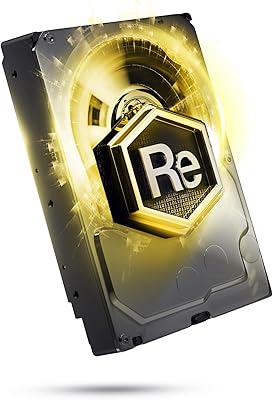
WD RE4 1TB Enterprise Hard Drive
85%
91%
Performance in Demanding Environments
94%
RAID Compatibility and Stability
89%
Durability and Long-Term Reliability
88%
Vibration Tolerance
70%
Noise Level
More
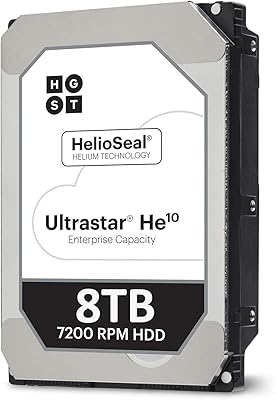
HGST Ultrastar He10 8TB 7200 RPM SAS Hard Drive
86%
91%
Performance
87%
Reliability
92%
Value for Money
80%
Compatibility
89%
Build Quality
More
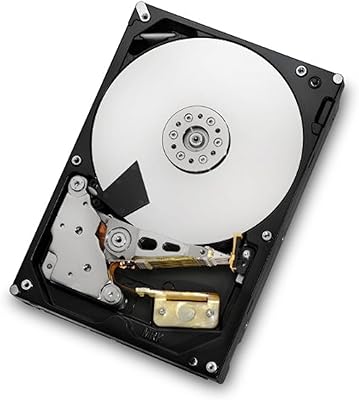
Western Digital 1TB WD Gold Enterprise Class Internal Hard Drive
84%
91%
Performance Under Load
88%
Reliability for 24/7 Operation
75%
Ease of Setup
90%
Data Transfer Speed
87%
Durability and Build Quality
More
HGST Ultrastar 7K4000 4TB 7200 RPM SATA Internal Hard Drive
87%
89%
Performance
91%
Reliability
75%
Compatibility with Systems
84%
Ease of Installation
88%
Noise Level
More
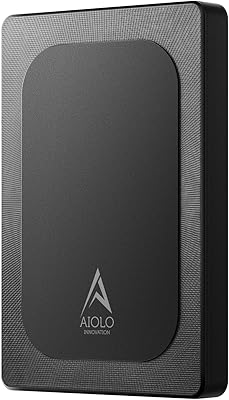
G-Technology G-DRIVE Mobile 1TB Portable Hard Drive
75%
88%
Build Quality
93%
Mac Compatibility
91%
Portability
57%
Transfer Speed
62%
Value for Money
More
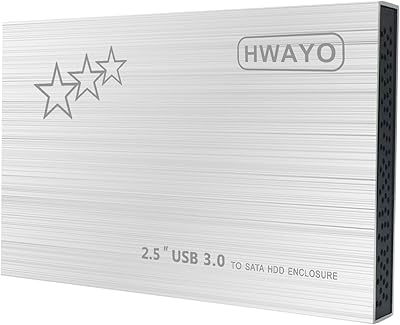
HWAYO HWSTARS1TB 1TB Portable External Hard Drive
75%
83%
Value for Money
91%
Ease of Setup
88%
Portability
62%
Transfer Speed
58%
Build Quality
More
Seagate BarraCuda ST1000DM010 1TB Internal Hard Drive
77%
91%
Value for Money
74%
Reliability & Longevity
79%
Read & Write Performance
93%
Installation Ease
68%
Noise & Vibration
More
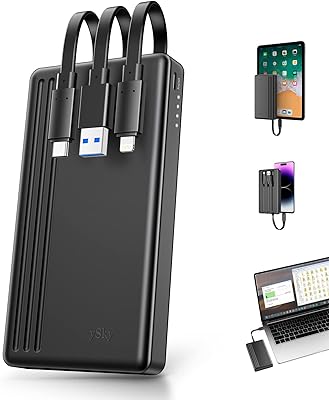
ySky 1TB Portable External Hard Drive
86%
93%
Portability
88%
Ease of Use
85%
Battery Life
90%
Compatibility
82%
Backup Speed
More
ADATA HV620S 1TB External Hard Drive
80%
93%
Portability & Form Factor
88%
Value for Money
61%
Transfer Speed
77%
Build Quality
94%
Plug-and-Play Ease
More
WD Green 1TB 3.5-Inch Internal Hard Drive
75%
88%
Noise & Vibration
86%
Power Efficiency
54%
Read & Write Speed
67%
Long-Term Reliability
71%
Value for Money
More

FAQ

Yes, SATA is backward and forward compatible, so this enterprise drive will physically connect and function in a SATA III port. The interface will negotiate down to 3Gb/s speeds, so you will not get the full bandwidth a SATA III drive could offer, but it will work reliably.

It is a practical fit for older NAS units with SATA II bays, and the Rotational Vibration Safeguard feature is genuinely useful in a multi-bay enclosure. Just keep in mind that 1TB per bay is modest for media-heavy setups, so plan capacity accordingly.

It means the drive was engineered to run continuously without rest, unlike consumer desktop drives that assume several hours of downtime each day. In practical terms, this translates to a higher tolerance for heat, vibration, and workload stress over a long operating period.

At 7200 RPM, it produces a low but audible hum, similar to other enterprise spinning drives at this speed. In open rack environments this is rarely noticeable, but in a quiet home office or tightly enclosed mini-ITX case, some users do pick it up.

Technically yes, but it is not the ideal use case. Enterprise drives like this one are optimized for sustained sequential workloads, not the random small-file access patterns typical of an operating system drive. An SSD will provide a noticeably better experience for booting and running applications.

Enterprise drives are generally rated for significantly longer operational lifespans and higher workload tolerances than desktop equivalents. The 24x7 duty cycle and vibration compensation are engineering choices that reduce wear under continuous use, giving this drive a meaningful durability edge over consumer-grade alternatives.

This varies by seller and listing, so it is worth checking the specific seller details carefully before buying. Refurbished enterprise drives are common in the secondary market and can be reliable, but purchasing from a reputable seller with a return window is strongly advisable.

The product listing does not specify Self-Encrypting Drive (SED) capability for this particular model, so you should not assume native hardware encryption is available without verifying the exact firmware version against HGST documentation.

This drive is not well-suited for high-intensity random-write workloads such as database transaction logs or virtual machine storage where thousands of small random operations occur constantly. It performs best in sequential or light mixed-access scenarios typical of file servers and backup targets.

HGST as an independent brand has been folded into Western Digital, and this model is a legacy product. Active manufacturer support is limited, so factor that into your buying decision — it is best suited for environments where you are comfortable managing the drive independently without direct vendor escalation.