Overview

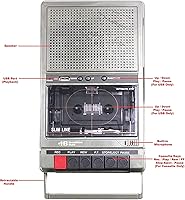
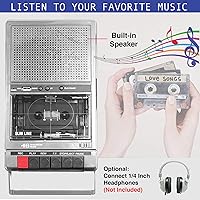
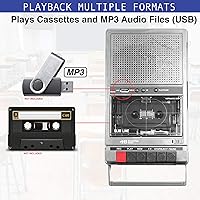
The HamiltonBuhl HA802 2-Station Classroom Cassette Player is a niche but genuinely useful piece of educational audio equipment — the kind of device you buy because you have a specific need, not because it showed up in a trending gadget roundup. Schools running phonics programs, language labs, and special education classrooms are the core buyers here. What sets it apart from a basic tape player is its ability to also handle MP3 files through a built-in USB port, giving it more practical range. It feels solid enough for classroom handling, and the retractable carry handle combined with AC/DC operation means it moves around without fuss.

Features & Benefits

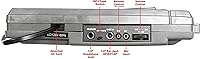
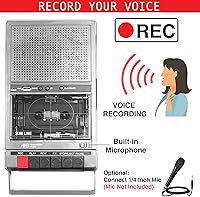
The two 3.5mm headphone jacks are arguably the most practical feature on this unit — two students can sit side by side and listen to the same tape without disturbing anyone else, which suits paired reading or listening comprehension activities well. The USB port handles MP3 playback, a welcome addition that lets teachers use digital audio files alongside older tape collections. There is also a built-in microphone for recording, handy for dictation exercises or capturing student responses. The auto shut-off is a quiet but important detail in settings where devices get left running unattended, and the AC/DC flexibility keeps it usable in rooms with limited outlets.

Best For

This dual-format listening station makes the most sense for elementary classrooms, special education programs, and ESL settings that still have cassette-based curriculum materials on the shelf. Libraries and literacy centers on tight budgets will also find it a practical fit — it does not require any software, accounts, or technical setup, which matters when the intended users are young children or staff who just need something that works reliably. Low-maintenance operation is genuinely one of its strengths. If your school has already moved entirely to digital, this is not the right buy — but if cassette tapes are still part of your rotation, the HamiltonBuhl unit covers that need without overcomplicating things.

User Feedback

Educators generally appreciate how quickly students figure out how to operate this classroom cassette player without needing guidance, which is a real practical win. The audio quality through headphones gets better marks than the built-in speaker, which is adequate but not strong in larger rooms. A recurring concern is battery consumption — four C-cells drain faster than some users expect under daily classroom use, so most rely on the AC adapter. A few buyers have noted questions about long-term cassette mechanism durability with heavy use, and sourcing replacement parts for institutional units can be tricky. Overall feedback leans positive for buyers who purchased it knowing exactly what it is.

Pros

  • Two headphone jacks let two students listen simultaneously, ideal for paired reading and ESL exercises.
  • Plug-and-play USB port adds MP3 playback without any software, setup, or technical know-how required.
  • Auto shut-off protects battery life when the unit is left running unattended in a busy classroom.
  • AC/DC operation gives genuine flexibility — plug it in at a station or run it on batteries elsewhere.
  • The retractable handle makes moving this classroom cassette player between rooms quick and effortless.
  • Young students consistently figure out how to operate it independently after a single demonstration.
  • Built-in microphone supports dictation and recording exercises without needing a separate device.
  • Compact enough to fit on a small desk or reading table without dominating the workspace.
  • Durable plastic casing handles the bumps and drops typical of daily student handling reasonably well.
  • No subscription, app, or internet connection required — it works the same way every single day.

Cons

  • Audio output is mono only, even through headphones, which limits sound quality noticeably.
  • The 1-watt built-in speaker is too weak for anything beyond very small group or one-on-one listening.
  • Four C-cell batteries drain quickly under daily classroom use and are not included in the box.
  • MP3 navigation is blind — no screen means no way to confirm which track or file is playing.
  • Only MP3 files are supported via USB; WMA, AAC, and other formats require conversion before use.
  • Cassette mechanism durability under heavy daily use raises long-term reliability concerns for institutional buyers.
  • Replacement parts are difficult to source, making repairs impractical when the mechanism eventually wears.
  • No auxiliary input or Bluetooth means there is no way to connect a phone, tablet, or modern device.
  • Volume dial lacks tactile stops, making it easy for students to inadvertently crank it too high.
  • The overall plastic feel does not inspire confidence for schools expecting five-plus years of heavy-rotation use.

Ratings

The HamiltonBuhl HA802 2-Station Classroom Cassette Player has been evaluated using AI-assisted analysis of verified buyer reviews collected globally, with spam, bot-generated, and incentivized feedback actively filtered out. This scoring reflects the real-world experiences of educators, librarians, and school administrators who rely on this dual-format listening station daily. Both consistent strengths and recurring frustrations are represented transparently in the scores below.
Ease of Use
91%
Teachers and paraprofessionals consistently note that students as young as five can operate this unit independently after a single demonstration. The controls are labeled clearly, the tape door is easy to open, and there is no software or pairing process involved — it just works from the moment you plug it in.
A small number of users found the USB port placement slightly awkward when inserting flash drives, particularly for younger students with limited fine motor control. The lack of a digital display also means users cannot confirm MP3 track selection visually.
Audio Quality (Headphones)
78%
22%
Through headphones, the audio output is clean and adequately loud for individual or paired student listening. ESL teachers specifically mention that spoken-word recordings and language tapes come through with enough clarity to support comprehension exercises without distortion at normal volume levels.
The headphone output is mono, not stereo, which limits the listening experience compared to consumer-grade players. Some users with higher audio expectations — particularly those using it for music playback — found the sound flat and uninspiring, though for educational spoken audio it remains functional.
Audio Quality (Built-in Speaker)
61%
39%
The built-in speaker handles small-group or one-on-one listening sessions acceptably, and for a 1-watt unit it performs reasonably in quiet settings. Some teachers use it for whole-class listening when volume expectations are low.
In anything larger than a small reading nook, the speaker struggles to fill the room. Users in open classrooms or shared library spaces consistently report needing to lean the unit closer to listeners, and background noise easily overpowers the output at higher volumes.
Cassette Mechanism Reliability
67%
33%
For standard daily classroom use involving a handful of tape plays per day, the cassette mechanism holds up well over a typical school year. Schools that rotate units across rooms report fewer issues than those that assign one unit to heavy daily use.
With intensive use — multiple tape cycles per day over several years — some buyers report playback speed inconsistencies and occasional tape catching. Sourcing replacement parts or getting the mechanism serviced is not straightforward, which is a real concern for institutional buyers managing a fleet of units.
Build Quality & Durability
73%
27%
The casing feels sturdy enough for classroom environments where devices regularly get bumped, dropped from desks, or jostled in storage carts. The retractable handle is a practical detail that holds up well with repeated use by students.
The plastic construction, while adequate, does not feel premium. A few users noted that the tape door hinge showed wear after extended use, and the overall finish can scuff noticeably in high-traffic settings. It is durable for its price tier, but not indestructible.
USB & MP3 Playback
74%
26%
The ability to play MP3 files from a USB flash drive is a genuine practical addition that teachers use to mix digital audio content with their existing tape libraries. It works without any setup or configuration, which educators appreciate.
The MP3 functionality is basic — there is no display, no track-skipping precision, and navigation between files is limited. Users accustomed to even entry-level digital players find the USB experience clunky, particularly when trying to access a specific file in a larger folder.
Battery Life
54%
46%
When used primarily on AC power — which most classroom setups support — battery life is a non-issue entirely. For short-term portable use, four C-cells provide reasonable run time for a listening session or two outside the classroom.
Heavy daily use on batteries drains a set of C-cells faster than many buyers expect, and batteries are not included. Schools using this unit in battery-only settings report ongoing consumable costs that add up, and several reviewers flagged this as an unexpected recurring expense.
Portability
82%
18%
At just over two pounds with a retractable handle, this dual-format listening station is genuinely easy to move between classrooms, resource rooms, or library stations. Teachers appreciate not needing a cart or a second set of hands to relocate it.
The unit is bulkier than a consumer portable cassette player, so it does not fit easily into a backpack or tote bag. It is portable in the classroom-to-classroom sense, not the take-home-with-a-student sense.
Value for Money
77%
23%
For a purpose-built educational device that handles both cassette and MP3 playback, supports two simultaneous listeners, and includes a built-in microphone, the price is reasonable by institutional standards. Schools buying in small quantities find the cost justifiable given the specialized functionality.
Casual buyers comparing it against consumer electronics at a similar price point will feel they are getting less for their money in terms of audio fidelity and modern features. The value proposition is strong only for buyers with a specific cassette-based instructional need.
Recording Capability
63%
37%
The built-in microphone and recording function works reliably for basic dictation tasks and language recording exercises. Speech pathologists and ESL teachers occasionally use it to record student responses for assessment purposes.
Recording quality is noticeably limited — background noise bleeds in easily and the recordings lack the clarity needed for anything beyond simple spoken-word capture. It serves the function adequately but is not a substitute for a dedicated recording device in any serious context.
Setup & Installation
93%
There is nothing to install, configure, or connect beyond plugging in the AC adapter or loading batteries. It is ready to use out of the box in under a minute, which is genuinely appreciated in school environments where tech setup time is a real constraint.
The lack of any quick-start guide or printed instructions inside the box was mentioned by a handful of buyers, though the unit is intuitive enough that most users figure it out without documentation. Nothing significant to fault here.
Compatibility with Existing Materials
88%
Standard audio cassette tapes — the kind found in school storage rooms, literacy kits, and language lab libraries — play without issue. The USB port accepts common flash drive formats and reads MP3 files from them reliably, covering the most widely used audio file type in educational settings.
The unit does not support other audio file formats beyond MP3 on USB, so teachers with WMA or AAC files need to convert them first. No Bluetooth or auxiliary input means there is no way to connect a phone or tablet, which limits flexibility for modern content delivery.
Student Independence
89%
One of the most consistently praised aspects across educator reviews is how confidently young students operate this unit on their own during independent reading or listening center rotations. The straightforward controls reduce the need for teacher intervention significantly.
The volume dial lacks tactile stops, so some students turn it higher than appropriate and staff need to periodically check levels. For very young users or those with fine motor challenges, the tape loading process can occasionally require adult assistance.
Noise & Disruption to Others
71%
29%
With both headphone jacks in use, the unit is effectively silent to the rest of the classroom, which makes it well-suited to listening center setups where multiple activities run simultaneously. The auto shut-off also prevents unattended playback noise.
When the built-in speaker is used instead of headphones, sound bleeds into adjacent areas more than some teachers would like. The speaker volume control does not offer particularly fine-grained adjustment at the lower end of the dial.

Suitable for:

The HamiltonBuhl HA802 2-Station Classroom Cassette Player was built for a specific audience, and within that audience it genuinely delivers. Elementary school teachers running listening centers, special education aides managing independent work stations, and ESL instructors who rely on recorded audio tapes for pronunciation and comprehension practice will find this unit fits their workflow without requiring any technical setup or ongoing maintenance. Libraries and literacy programs with existing cassette libraries — the kind accumulated over decades and still catalogued on shelves — get real extended utility from this dual-format listening station rather than needing to replace or digitize an entire tape collection. School districts operating on tight budgets will also appreciate that it handles two students simultaneously, effectively doubling the value of a single unit during paired reading rotations. If your instructional program still has cassettes in active rotation and you need something students can operate independently and reliably, this is a well-matched tool.
Not suitable for:

The HamiltonBuhl HA802 2-Station Classroom Cassette Player is a poor fit for anyone who has already moved past cassette-based materials and simply wants an affordable audio playback device for the classroom. The built-in speaker produces only 1 watt of output, which is not adequate for group listening in standard-sized classrooms or open library spaces, so buyers expecting whole-class playback will be disappointed. The MP3-via-USB feature is functional but basic — there is no display, no reliable track navigation, and no support for audio formats beyond MP3, which limits its usefulness as a modern digital player. Anyone comparing this against consumer electronics at a similar price point will find the audio fidelity underwhelming and the feature set dated. Buyers who need Bluetooth connectivity, auxiliary input for phones or tablets, or stereo headphone output should look elsewhere entirely, as this dual-format listening station does not address any of those needs.
Specifications

  • Brand: Manufactured by HamiltonBuhl, a company specializing in audio equipment for educational and institutional environments.
  • Model Number: The unit carries the official model designation HA802.
  • Dimensions: The device measures 5.75 x 10.5 x 2.15 inches, compact enough to fit on a standard student desk or reading table.
  • Weight: The unit weighs 2.07 pounds, light enough for easy one-handed transport between classroom stations.
  • Power Options: Operates on AC power via adapter or on 4 C-cell batteries (not included), supporting both stationary and portable classroom setups.
  • Speaker Output: Features a single built-in mono speaker rated at 1 watt, suitable for close-range individual or small-group listening.
  • Headphone Jacks: Equipped with two 3.5mm (0.25-inch) headphone jacks, allowing two listeners to use the device simultaneously.
  • USB Playback: A built-in USB port enables MP3 file playback directly from a standard USB flash drive without any software installation.
  • Cassette Function: Supports both cassette tape playback and recording using standard audio cassette tapes.
  • Microphone: Includes a built-in microphone for recording audio directly onto cassette tape, useful for dictation and language exercises.
  • Auto Shut-Off: An automatic shut-off function activates when the tape reaches its end, helping conserve battery life in unsupervised settings.
  • Handle: A retractable carry handle is integrated into the unit for convenient transport between rooms or storage locations.
  • Recommended Age: The manufacturer recommends this unit for users aged 3 years and up, reflecting its suitability for early childhood and elementary education settings.
  • Batteries Required: Four C-cell alkaline batteries are required for cordless operation and are not included in the package.
  • Audio Format Support: The USB playback function supports MP3 format only; other audio formats such as WMA or AAC are not natively compatible.
  • Audio Output Type: Both the built-in speaker and headphone outputs deliver mono audio, not stereo.
  • Availability Status: As of the available product data, this unit has not been discontinued by the manufacturer.
  • Department: Categorized under the Office and Educational Electronics department, reflecting its primary institutional use case.

Related Reviews
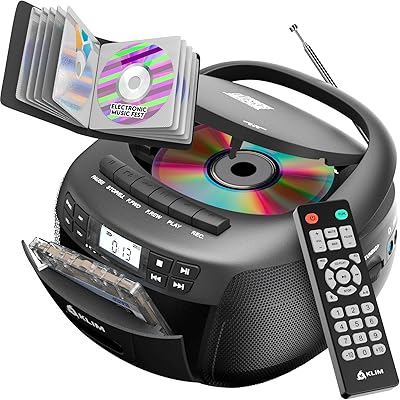
KLIM Boombox CD Cassette Combo Player
79%
91%
Versatility
88%
Ease of Use
83%
Cassette Recording
67%
Sound Quality
82%
Bluetooth Performance
More
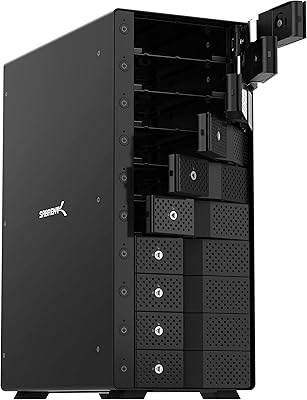
SABRENT DS-SC5B 5-Bay Hard Drive Docking Station
76%
88%
Build Quality
83%
Cooling Performance
61%
Noise Level
84%
Hot-Swap Usability
74%
Transfer Speed
More
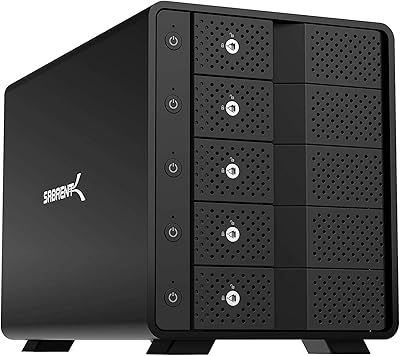
SABRENT DS-UCTB 10-Bay SATA Docking Station
75%
88%
Build Quality
92%
Individual Power Control
41%
Noise Level
67%
USB Bandwidth & Speed
71%
Value for Money
More
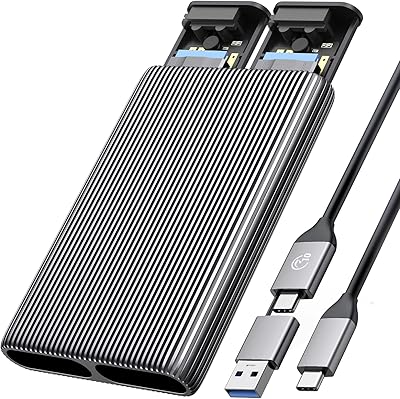
ORICO Dual M.2 NVMe SSD Enclosure
79%
88%
Build Quality
84%
Thermal Management
82%
Transfer Speed
71%
Drive Compatibility
91%
Ease of Installation
More
Jensen MCR-1500 CD Dual-Deck Cassette Boombox
63%
67%
Value for Money
48%
Build Quality
52%
Cassette Mechanism
61%
CD Performance
54%
Audio Quality
More
Sabrent DS-SC4B 4-Bay USB 3.2 Gen 2 Docking Station
80%
88%
Build Quality
83%
Cooling Performance
86%
Hot-Swap Reliability
74%
Transfer Speed
91%
Per-Bay Power Control
More
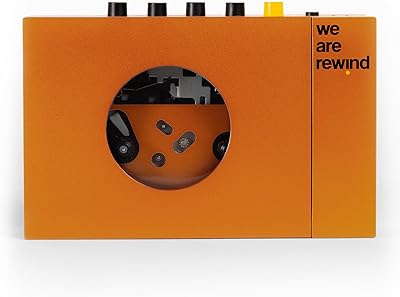
We Are Rewind Serge Portable Cassette Player
78%
88%
Build Quality
82%
Bluetooth Performance
67%
Sound Quality
84%
Battery Life
74%
Recording Capability
More
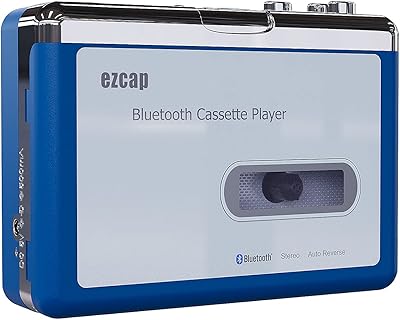
Ezcap Bluetooth Cassette Player
69%
81%
Ease of Use
67%
Bluetooth Connectivity
58%
Audio Quality
77%
Auto-Reverse Function
54%
Build Quality
More
MYPIN Bluetooth Cassette Player
72%
78%
Bluetooth Connectivity
62%
Audio Quality
58%
Tape Mechanism Reliability
41%
Bluetooth 5.0 Compatibility
83%
Auto-Reverse Function
More
Janryzone Janry-304-1 Cassette to MP3 Converter
66%
71%
Value for Money
58%
Audio Playback Quality
52%
MP3 Conversion Experience
79%
Ease of Setup
47%
Build Quality
More

FAQ

No, neither batteries nor headphones are included in the box. You will need to supply four C-cell batteries if you plan to use it cordlessly, and any standard 3.5mm headphones will work fine with the two jacks on the unit.

Yes, that is actually one of the most practical features of this classroom cassette player. There are two 3.5mm headphone jacks built in, so two students can listen to the same tape or USB audio simultaneously without disturbing the rest of the class.

The USB port plays MP3 files only. If you have audio in WMA, AAC, or another format, you would need to convert it to MP3 before loading it onto a flash drive. Most free audio converters handle this easily, but it is worth knowing upfront.

Yes, it plays standard audio cassette tapes without any issues. It also records onto blank cassette tapes using the built-in microphone, which is useful for language practice and dictation exercises.

Both the headphone output and the built-in speaker deliver mono audio, not stereo. For spoken-word educational content and language tapes, this is rarely a problem, but it is worth knowing if audio quality is a priority for your intended use.

Battery life varies quite a bit depending on usage. Under moderate daily classroom use — say, a couple of listening sessions per day — a set of C-cells can last a reasonable amount of time, but heavy continuous use drains them faster than many buyers expect. Most teachers who use it regularly in a fixed location just keep it plugged into AC power to avoid the ongoing battery cost.

Generally yes, and this is one of the most consistently praised aspects of the HamiltonBuhl HA802 2-Station Classroom Cassette Player. The controls are straightforward enough that most elementary-aged students can load a tape, press play, and adjust the volume independently after being shown once. Very young children or those with fine motor challenges may occasionally need help loading the tape.

For very close listening — one or two people gathered right around the unit — the built-in speaker is adequate in a quiet environment. In a standard-sized classroom or open library space, it will not project enough to serve a larger group. For whole-class listening, you would really need an external speaker or a different device entirely.

No, there is no auxiliary input, Bluetooth, or any other way to connect a phone or tablet. The only external audio source it supports is MP3 files on a USB flash drive. If you need to play audio from a mobile device, this dual-format listening station is not the right fit.

It holds up well under normal daily classroom use, and the plastic casing is sturdy enough to handle the occasional bump or drop from desk height. That said, the cassette mechanism can show wear over several years of intensive daily cycling, and sourcing replacement parts for repairs is not easy. Schools managing a fleet of units should factor in eventual replacement rather than expecting indefinite repairability.

Where to Buy