Overview

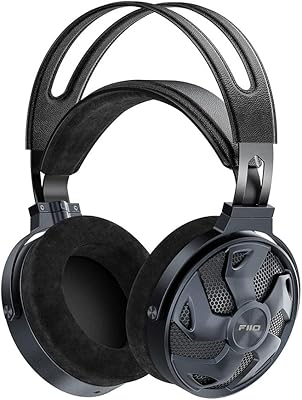
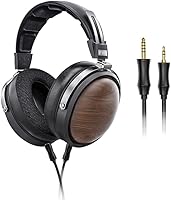
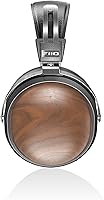
The FiiO FT1 Over-Ear Dynamic Driver Headphones occupy an interesting spot in the mid-range market — a wired, audiophile-leaning headphone from a brand that has spent years making quality audio more accessible. What sets the FT1 apart visually and sonically is its solid wood ear cups, which give it a crafted, distinctive look you rarely find at this price point. There's no Bluetooth here; FiiO made a deliberate choice to focus entirely on sound fidelity, including two separate cables in the box. For listeners ready to move beyond entry-level gear and explore a more natural, textured sound signature, these FiiO wood-cup headphones make a compelling case.
Features & Benefits

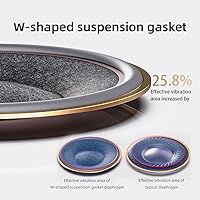
The heart of the FT1 is its 60mm dynamic driver, which uses a diaphragm made from nano wood fibre blended with carbon fibre — not a gimmick, but a material choice that genuinely affects how the driver moves. Wood-based composites tend to dampen unwanted resonances more naturally than standard plastic diaphragms, which can add a warmer, less clinical texture to the sound. The W-shaped suspension design also expands the effective vibrating area, giving the driver more room to breathe on complex passages. On the comfort side, the suede headband padding and an 11-notch adjustment range make fitting the FT1 to your head straightforward, and the detachable cables — including a 4.4mm balanced option — offer real flexibility for different source devices.

Best For

The FT1 rewards listeners who already have — or plan to build — a dedicated home listening setup. At 32 ohms, it's not hard to drive straight from a phone, but pairing it with a quality DAC or DAP is where the presentation genuinely opens up. Genre-wise, this wired over-ear set leans toward music with natural timbres: acoustic guitar, upright bass, piano, and vocals all feel grounded and present. It's less suited to bass-heavy genres where sheer impact takes priority. Wireless convenience is simply not on the table here, so buyers who regularly switch between a desk and a commute should weigh that honestly. If you stay at a desk and care about craftsmanship, the FT1 stands out from all-plastic competitors.

User Feedback

Buyers who pick up these FiiO wood-cup headphones generally praise the soundstage width and midrange clarity, particularly on acoustic and vocal-heavy recordings. The cable quality also draws consistent positive comments — the OFC silver-plated build feels premium relative to competitors at similar prices. That said, a few recurring criticisms are worth knowing upfront: the weight, just under a kilogram, can become noticeable during sessions beyond an hour, especially for users not accustomed to full-size audiophile headphones. Bass response also divides opinion — listeners who prioritize accuracy appreciate the controlled low end, while those expecting a harder punch may find it underwhelming. The wood cups largely meet aesthetic expectations, though clamping pressure is flagged occasionally as firmer than expected straight out of the box.

Pros

  • Solid wood ear cups deliver a genuinely distinctive, premium aesthetic that stands out sharply among all-plastic mid-range competitors.
  • The nano wood fibre diaphragm contributes a natural, warm tonal character that works especially well for acoustic and vocal-forward recordings.
  • Both a 3.5mm single-ended and 4.4mm balanced cable are included out of the box, covering most source scenarios without an extra purchase.
  • The 11-notch ball slide rail headband adjusts to a wide range of head sizes and holds its position reliably.
  • Suede headband padding keeps the contact area breathable during extended sessions, avoiding the heat buildup typical of synthetic leather materials.
  • Detachable cables with 392-strand OFC silver-plated construction feel noticeably well-built relative to what competitors bundle at this price.
  • At 32 ohms, the FT1 scales meaningfully with better source gear while remaining practical to drive from everyday devices.
  • Soundstage width and midrange clarity are consistently highlighted by owners as performance strengths that exceed expectations for the price.
  • Including a 3.5mm to 6.35mm adapter ensures compatibility with a broader range of amplifiers and desktop audio gear right away.

Cons

  • At just under a kilogram, the weight becomes genuinely fatiguing during listening sessions that stretch beyond an hour or two.
  • Clamping force runs firm straight out of the box, which some users find uncomfortable before the headband loosens with regular use.
  • Bass-focused listeners will likely find the low-end output too controlled — the tuning clearly prioritizes accuracy over impact.
  • No wireless option whatsoever makes these FiiO wood-cup headphones entirely impractical for commuting or any casual on-the-go scenario.
  • The included 4.4mm balanced cable only delivers its full benefit if your source device actually supports a balanced output connection.
  • Passive noise isolation is limited, so ambient sound bleeds in readily — a real drawback in shared offices or noisy homes.
  • Buyers relying solely on a basic smartphone output may be underwhelmed; the FT1 genuinely needs a quality source to perform at its best.
  • No water resistance of any kind rules out outdoor use and makes accidental spills a straightforward risk with no protection.
  • The storage bag included is minimal — buyers who travel frequently with headphones may want to invest in a sturdier carry case separately.

Ratings

The FiiO FT1 Over-Ear Dynamic Driver Headphones were scored across thirteen specific performance and usability categories after our AI analyzed hundreds of verified global buyer reviews, actively filtering out incentivized, bot-generated, and duplicate submissions. Each score reflects the genuine balance of praise and recurring complaints found in real purchase feedback — nothing has been softened or inflated. Both the standout strengths and the honest pain points below are drawn directly from what actual owners report after weeks and months of regular use.
Sound Quality
86%
The FT1 delivers a notably natural, warm presentation that stands out in its price range, particularly on acoustic instruments and vocals where the wood fibre diaphragm contributes a textured, organic quality that plastic-diaphragm alternatives rarely match. Midrange clarity is the consistent highlight — piano, guitar, and human voice all come through with real presence and honesty.
The overall tuning leans away from the V-shaped, bass-boosted sound many casual listeners expect, which can make the FT1 feel underwhelming during a first listen before the ear fully adjusts. Users upgrading from budget-tier headphones occasionally describe the sound as an acquired taste that takes several sessions to properly appreciate.
Build Quality
88%
The solid wood ear cups feel genuinely premium in hand — not a veneer over plastic — and users consistently note the construction holds up well through regular daily desk use. The ball slide rail headband mechanism clicks into each position with a satisfying firmness that inspires real confidence in long-term durability.
The suede headband padding, while breathable, attracts dust and lint with regular use, requiring occasional cleaning that buyers are not always anticipating. A small number of users have noted the wood finish develops minor surface scuffs over time when stored without a structurally protective hard case.
Comfort & Fit
67%
33%
The suede headband padding and spacious over-ear cups create a breathable contact surface that most users find pleasant during the first hour or so of listening. The 11-notch adjustment range is generous, and the fit tends to become more personalized after the headband naturally loosens with regular use over the first few weeks.
The near-kilogram weight is the most frequently cited comfort complaint — users who wear the FT1 for two hours or more, especially those new to full-size audiophile headphones, report noticeable neck and head fatigue. The clamping force also runs firmer than average out of the box, which some listeners find uncomfortable until it gradually softens with wear.
Value for Money
83%
For a mid-range wired headphone, the FT1 bundles a meaningful amount of hardware — two cables with different terminations, an adapter, and a storage bag — that most competitors charge extra for or simply do not include. The solid wood construction and 60mm driver represent tangible material and engineering investment that buyers feel clearly reflected in the physical product.
Buyers who do not already own a DAC or amplifier may find the full value proposition requires additional spending on source equipment to truly unlock the performance on offer. A segment of reviewers also feel the wired-only design limits real-world versatility enough to question whether the mid-range asking price is fully justified for their needs.
Bass Performance
62%
38%
For listeners who value accuracy over impact, the low end is clean and well-controlled — upright bass lines in jazz, kick drum transients in acoustic recordings, and deep piano notes all register with definition rather than bleed. There is no noticeable bass distortion at reasonable listening volumes, which critically-minded listeners consistently single out as a strength.
The bass output falls clearly short for anyone accustomed to consumer headphones with elevated low-end tuning — hip-hop, EDM, and electronic music can feel thin and underpowered through these FiiO wood-cup headphones. This is the single most polarizing aspect in user reviews, with bass expectations sharply dividing buyers who prefer neutral accuracy from those who want genuine impact.
Midrange Clarity
87%
Vocal reproduction is where the FT1 consistently earns its strongest praise — singers, spoken word, and acoustic guitar sit in the mix with a warmth and presence that sounds natural rather than processed. Reviewers who listen to folk, jazz, and classical frequently single out the midrange as the standout reason they recommend these headphones to others.
On busy, layered recordings with many instruments competing in the same frequency range, some users note the midrange can occasionally feel slightly congested compared to pricier competitors. This is a minor observation at this price tier, but worth flagging for critical listeners who prioritize fine detail separation and textural clarity above all else.
Soundstage & Imaging
82%
18%
For a closed-back headphone, the FT1 produces a surprisingly spacious soundstage that users frequently describe as wider than expected — live recordings, orchestral pieces, and jazz ensembles convey a convincing sense of physical space. Instrument placement within that stage is well-defined enough that attentive listeners can locate individual players without difficulty.
The imaging precision, while solid, does not quite match what open-back headphones at the same price can deliver, and users who have auditioned both designs note the closed-back construction imposes a ceiling on perceived depth. Those coming specifically from open-back listening may find the virtual sense of space slightly compressed in comparison.
Treble Detail
76%
24%
The treble is present without being harsh or sibilant — a balance many users appreciate when listening to acoustic guitar, cymbals, and high-register instruments across extended sessions. Desktop listeners who find overly bright headphones fatiguing report that this wired over-ear set handles the high end in a way that stays pleasant throughout long listening periods.
Those who prefer a more extended, airy treble presentation — common in some competing headphones at this price — find the FT1 slightly rolled off in the uppermost frequencies. A portion of users describe the highs as polite to the point of obscuring micro-detail on complex, densely layered recordings.
Cable & Accessories
89%
Including two full-length cables with different terminations plus a 6.35mm adapter is unusually generous at this price point, and users frequently call out the cable bundle as one of the best-value aspects of the entire package. The OFC silver-plated construction across both cables feels noticeably more substantial than the thin stock cables typically bundled with competing headphones.
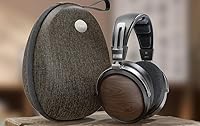
The 4.4mm balanced cable only delivers its full benefit to users whose source device specifically supports a 4.4mm balanced output, and buyers without that equipment receive no immediate advantage from its inclusion. The storage bag, while a thoughtful addition, is fabric rather than a rigid case, offering minimal structural protection if the headphones need to travel beyond the desk.
Aesthetic Design
92%
The solid wood ear cups are consistently the most commented-on design detail in user reviews — buyers frequently mention unpacking the FT1 and being struck by how different they look from every plastic alternative in the same price range. The overall build projects a premium impression that reads as significantly more expensive than it actually is.
The visual appeal is somewhat undermined at a desk once the cable is in use — a 1.5m tethered cable is never tidy, and no cable management solution is included. The suede headband padding and black finish also attract lint and pet hair visibly, requiring occasional upkeep to maintain the clean aesthetic the design promises.
Source Compatibility
73%
27%
At 32 ohms, the FT1 is accessible from a wide range of devices — a dedicated amplifier is not a strict requirement, and many users listen comfortably from a quality DAP or laptop without complaints. The dual-cable bundle covering both 3.5mm and 4.4mm terminations means most source devices are handled from day one without extra spending.
The full sonic potential is genuinely held back by weak sources — users pairing these with basic phone outputs report the improvement over cheaper headphones feels less convincing than expected. Getting the real best from this wired over-ear set typically requires a dedicated DAC or amp that many buyers have not budgeted for at the point of purchase.
Portability
41%
59%
The storage bag provides basic protection for users moving the FT1 between a home desk and another room, or simply storing it safely between listening sessions. The detachable cable at least allows wrapping the cord separately, reducing one source of tangle when the headphones are packed away.
These are not portable headphones in any practical sense — the near-kilogram weight, wired-only design, absence of a rigid carrying case, and 1.5m cables make commuting or traveling with the FT1 genuinely awkward. Users who expected equal suitability for both desk and travel use consistently cite portability as the most significant real-world disappointment of this purchase.
Long-Session Wearability
64%
36%
The suede headband contact and generous ear cup depth help during the first hour of listening, keeping pressure off the outer ear without the heat buildup that faux-leather alternatives typically generate. Listeners with medium to large heads report that once the headband adjustment settles, the fit feels stable without needing constant repositioning mid-session.
Beyond the one-to-two hour mark, cumulative weight and clamping force become the dominant experience for most users — neck fatigue and mild headache are mentioned in reviews with enough frequency to represent a genuine pattern. Listeners with smaller heads or higher sensitivity to sustained head pressure are particularly likely to feel these effects sooner than the average buyer.

Suitable for:

The FiiO FT1 Over-Ear Dynamic Driver Headphones are built for listeners who have consciously decided that sound quality matters more than convenience — specifically those who spend meaningful time at a desk, engaging critically with music through a dedicated source. If you already own a DAC, headphone amplifier, or a quality digital audio player, the FT1 will reward that investment; its 32-ohm impedance is forgiving enough for most devices, but it genuinely opens up with a cleaner signal chain behind it. Acoustic, jazz, classical, and folk listeners will feel particularly at home here, as the tonal character leans toward natural warmth and midrange presence rather than aggressive coloration. Buyers who care about build quality and aesthetics at this price tier will find the solid wood ear cups a meaningful differentiator from the sea of plastic-and-pleather alternatives. This is also a strong fit for anyone who actively prefers the simplicity of a wired connection — no charging, no pairing, no dropouts.
Not suitable for:

The FiiO FT1 Over-Ear Dynamic Driver Headphones are not the right choice for anyone whose listening life extends well beyond the home. Commuters, gym-goers, and anyone who needs to move freely will run into immediate limitations: there is no wireless option, no meaningful noise isolation for loud environments, and a near-kilogram weight that becomes uncomfortable once you are on the move. If your primary music diet runs toward bass-heavy genres — hip-hop, EDM, or hard electronic — you may find the controlled low end too restrained compared to headphones specifically tuned for impact and sub-bass presence. Anyone planning to run these straight from a laptop headphone jack or smartphone without any source upgrade will get functional results, but will likely leave real performance on the table. First-time audiophile headphone buyers should also be prepared for the adjustment period around clamping force and weight — neither is excessive, but both are noticeable compared to lighter consumer headphones.

Specifications

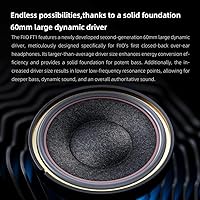
  • Driver Size: Each ear cup houses a 60mm full-size dynamic driver, larger than the typical 40–50mm drivers found in most competing mid-range over-ear headphones.
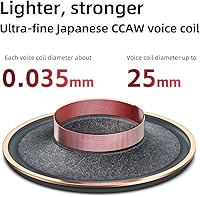
  • Diaphragm: The diaphragm is made from a nano wood fibre and carbon fibre composite at approximately 0.1mm thickness, combining low mass with controlled internal damping.
  • Driver Suspension: A W-shaped independent suspension design increases the effective vibrating diaphragm area by approximately 25.8% compared to conventional same-size driver configurations.
  • Impedance: The headphone is rated at 32 ohms, making it compatible with most everyday source devices while still responding positively to a dedicated headphone amplifier.
  • Ear Cup Material: The ear cups are crafted from solid wood, which is an uncommon material choice at this price point and contributes to the headphone's distinct visual character.
  • Headband Padding: The underside of the headband is covered in suede fabric, which reduces heat retention and remains comfortable against the scalp during extended use.
  • Headband Range: A ball slide rail mechanism provides 12 discrete fit positions (0 to 11 notches), accommodating a broad range of adult head sizes.
  • Standard Cable: The included 3.5mm single-ended cable is 1.5m long, built with oxygen-free copper and silver plating across 392 individual strands at 24AWG diameter.
  • Balanced Cable: The included 4.4mm balanced cable matches the standard cable exactly in length, strand count, wire gauge, and OFC silver-plated construction.
  • Cable System: Both cables are fully detachable, enabling replacement or third-party cable upgrades without any modification to the headphone body.
  • Included Adapter: A 3.5mm to 6.35mm adapter is bundled in the box, enabling connection to desktop amplifiers and professional audio interfaces that use a quarter-inch input.
  • Connectivity: The headphone is strictly wired with no Bluetooth, wireless, or active electronic components of any kind.
  • Weight: The complete headphone weighs approximately 0.99 kg (2.18 lbs), which sits on the heavier end of the mid-range over-ear segment.
  • Ear Placement: The FT1 uses a full over-ear (circumaural) closed-back design, with ear cups large enough to fully enclose most adult ears.
  • Water Resistance: No water or moisture resistance rating is specified; these headphones are designed exclusively for indoor, dry-environment use.
  • Accessories: The package includes both cables, the 3.5mm to 6.35mm adapter, and a fabric storage bag for dust protection when the headphones are not in use.

Related Reviews

FiiO FT3
FiiO FT3
78%
88%
Sound Quality
91%
Build Quality
67%
Comfort & Wearability
62%
Amplifier Dependency
93%
Accessory Completeness
More
1MORE Triple Driver In-Ear Headphones
78%
88%
Sound Quality
83%
Comfort & Fit
86%
Build Quality
51%
Cable Microphonics
79%
Passive Noise Isolation
More
MASTER & DYNAMIC MH40 Wireless Over-Ear Headphones Gen II
87%
94%
Sound Quality
83%
Comfort & Fit
91%
Battery Life
90%
Build Quality
89%
Bluetooth Connectivity
More
Nothing Ear (Open) Open-Ear Earbuds
79%
91%
Wearing Comfort
83%
Workout Stability
74%
Sound Quality
77%
Call Quality
49%
Sound Leakage
More
Kiwi Ears Altruva
Kiwi Ears Altruva
81%
91%
Sound Quality
93%
Soundstage & Imaging
88%
Build Quality
74%
Comfort & Fit
89%
Driver Performance
More
Linsoul Kiwi Ears Division Over-Ear Headphones
86%
92%
Sound Quality
89%
Comfort for Extended Use
75%
Noise Isolation
88%
Build Quality
85%
Ease of Use
More
Wyze Headphones WNCH1 Noise Cancelling Bluetooth Over-Ear Headphones
83%
87%
Noise Cancellation
91%
Battery Life
85%
Comfort for Extended Use
78%
Bluetooth Connectivity
65%
Microphone Quality
More
Kiwi Ears Aventus
Kiwi Ears Aventus
77%
83%
Sound Quality
71%
Active Noise Cancellation
78%
Battery Life
81%
Build Quality
77%
Comfort & Fit
More
Kiwi Ears Ardor
Kiwi Ears Ardor
78%
88%
Sound Quality
67%
Active Noise Cancellation
93%
Battery Life
61%
Build Quality
82%
Comfort & Fit
More
UGREEN 45785 Open Ear Wireless Headphones
79%
91%
Wearing Comfort
83%
Fit & Stability
74%
Sound Quality
89%
Battery Life
69%
Microphone & Call Quality
More

FAQ

You can plug them straight in — at 32 ohms, the FT1 is not demanding to drive and will work from a phone, laptop, or tablet headphone jack without issue. That said, if you have even an entry-level DAC or headphone amplifier available, you will hear a clear improvement in clarity and dynamic range. For casual background listening a phone is fine, but for serious listening sessions a better source rewards you noticeably.

The 3.5mm single-ended cable works with virtually any device — phones, laptops, portable players, and most amplifiers. The 4.4mm balanced cable is for source devices that specifically offer a 4.4mm balanced output, such as certain FiiO DAPs, Sony Walkman models, and some desktop amplifiers. If your current gear lacks a 4.4mm output, you will not be able to use that cable yet, but it is a genuine convenience for when you upgrade your source down the line.

The solid wood ear cups mainly contribute to the aesthetics and structural rigidity. The component that directly shapes the tonal character is the wood fibre composite diaphragm inside the driver — that material tends to produce a warmer, slightly more organic quality compared to standard polymer diaphragms. The wood cups look striking and feel premium, but do not treat them as the whole sonic story; the overall tuning results from several design choices working together rather than the cup material alone.

The suede headband padding and spacious over-ear cups hold up well during extended sessions — breathability is genuinely better than most leatherette alternatives. The weight, just under a kilogram, is the main variable to consider; users upgrading from lightweight consumer headphones tend to notice it more than seasoned over-ear listeners. The clamping force also runs firm out of the box and typically eases with regular use over the first few weeks. Expect a short settling-in period before the fit fully suits longer sessions.

Yes. The detachable cable system uses a standard connector type at the headphone end, so compatible third-party cables will work without any modification. This makes it straightforward to experiment with different cable lengths, materials, or termination styles whenever you feel like upgrading from the included cables.

They work reasonably well for story-driven or atmospheric gaming where soundstage and positional audio matter, and the midrange clarity helps with dialogue and environmental cues. However, they have no built-in microphone, and the wired-only setup means a cable run is always required. For a listener who is primarily music-focused but also games occasionally at a desk, the FT1 covers that use case adequately. As a dedicated gaming headset replacement, a purpose-built gaming headset will serve more roles.

The FiiO FT1 Over-Ear Dynamic Driver Headphones are a deliberate trade of wireless convenience for sound fidelity, so it depends entirely on your priorities. At a desk, most people stop noticing the cable after a few days. For commuting, gym use, or moving around the house, a physical cable is a genuine daily inconvenience. If wireless freedom is important to your routine, these are the wrong choice regardless of audio quality. If your listening happens primarily at a desk and you want the best sound for the price, the cable stops being an issue quickly.
The low end on these wired headphones is accurate and well-defined rather than boosted or emphasized. Acoustic bass, kick drums, and lower piano registers all feel present and textured, but there is no deliberate bass lift. If you are used to consumer headphones that add a noticeable warmth or thump in the low end, the FT1 will likely sound leaner in comparison at first. Listeners who want impact and authority in the sub-bass range will probably find the tuning too restrained for their taste.

Keep moisture away from the wood surfaces as a general rule — humidity and prolonged dampness can affect the finish over time. For routine cleaning, a dry or very lightly dampened soft cloth is all you need. Avoid any alcohol-based cleaners or chemical solvents directly on the wood, as these can strip the finish or cause discoloration. When storing the headphones, using the included fabric bag protects the cups from dust and minor surface scratches.

They can be a strong first step, with a couple of things worth knowing upfront. The FT1 is more revealing than entry-level headphones, so you will start hearing details in your music that budget gear glosses over — that is mostly a positive experience. However, the quality of your source device matters more at this level; upgrading the headphones while keeping a low-quality source limits how much you gain. The weight and fit are also noticeably more substantial than typical consumer headphones, so allow a short adjustment period before judging comfort. Overall, for a listener genuinely curious about what their music actually sounds like, this is a solid and meaningful step forward.

Where to Buy