Overview

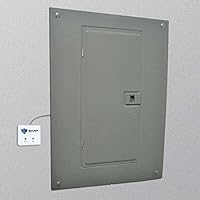
The EMP Shield SP-120-240-RL Whole Home EMP Protector sits in a category most homeowners don't think about until it's too late — whole-house electrical defense against threats that standard surge strips simply can't handle. Unlike a plug-in protector at the outlet level, this whole-home EMP protector installs directly inside your breaker panel, putting protection at the point where power enters your home. That distinction matters. This is a premium-tier investment, not an impulse buy, and it's aimed at a specific kind of buyer: rural homeowners, off-grid enthusiasts, preparedness-focused households, and anyone with a serious amount of electronics to protect. The insurance-backed guarantee is a notable trust signal that sets it apart from most competing devices in this space.
Features & Benefits

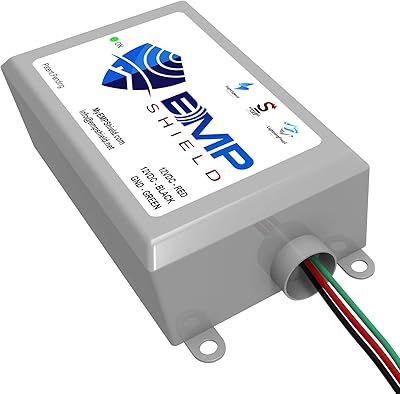
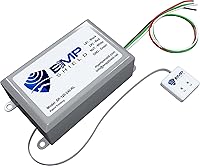
At its core, the EMP Shield device is rated to absorb up to 228,000 amps per phase — a figure that puts it well above what a typical nearby lightning strike would produce. It handles four distinct threat types: direct lightning surges, electromagnetic pulse events, coronal mass ejections from the sun, and standard over-voltage spikes. The concealed flush-mount design means there's no external box cluttering your utility area; it integrates cleanly into an existing panel. The 10-year warranty is backed by a modest flat-fee replacement policy, and the $25,000 electronics damage insurance — paid out if the device itself fails to perform — is genuinely rare at this tier of the market. Metal construction adds to its overall credibility.

Best For

This breaker panel defense unit makes the most sense for a fairly specific set of buyers. Rural homeowners and those in storm-prone regions face genuine lightning risk on a regular basis, making whole-panel protection a practical consideration rather than a theoretical one. It's equally relevant for off-grid and solar-equipped homes, where a significant CME event could fry inverters and battery banks that cost thousands to replace. Anyone running a home office, home lab, or household medical equipment also has a real case for this level of protection. If you're building out a resilient home infrastructure and want one comprehensive solution rather than a patchwork of individual outlet protectors, this fits that role well.

User Feedback

Buyers who've gone through installation with a licensed electrician — and yes, that's a real additional cost to budget for upfront — generally report high satisfaction. The warranty and insurance backing come up repeatedly as reasons people feel confident in the purchase long-term. On the critical side, the price is the most common sticking point; it's significantly more than conventional surge protection, and some buyers openly question whether their specific risk level justifies the spend. A smaller number flagged initial uncertainty about panel compatibility before purchase. Customer service responsiveness from the brand earns consistent praise. Overall, the credibility of the protection claim appears to hold up well once the device is installed.

Pros

  • Panel-level installation means every circuit in the home is protected simultaneously, not just individual outlets.
  • The 228,000-amp-per-phase rating covers real-world threats like direct lightning strikes, not just minor voltage fluctuations.
  • Protects against four distinct threat types — EMP, CME, lightning, and over-voltage — under a single installed device.
  • The $25,000 electronics damage insurance is a genuine differentiator; almost no competing product in this category offers anything comparable.
  • A 10-year warranty with a flat-fee replacement option gives buyers long-term confidence without a recurring cost.
  • The flush-mount concealed design keeps the panel area clean with no external hardware or added clutter.
  • Metal enclosure construction feels appropriately robust for a device tasked with absorbing extreme electrical events.
  • Three-phase compatibility makes this whole-home EMP protector usable in a wider range of residential and light commercial installations.
  • Brand customer service is consistently praised for responsiveness, particularly around pre-purchase compatibility questions.
  • Set-and-forget installation removes the need to manage or replace multiple point-of-use surge protectors over time.

Cons

  • The upfront cost is substantial and will be a hard stop for many households without a specific, well-reasoned use case.
  • Professional electrician installation is effectively mandatory, adding meaningful labor cost on top of the device price.
  • Renters and apartment dwellers cannot use this device at all without landlord involvement and panel access.
  • No visual indicator or status light confirms the device is functioning after installation, which some buyers find unsettling.
  • The warranty replacement process still requires a $50 fee, even within the covered 10-year window.
  • Panel compatibility questions are not always immediately clear from the product listing, requiring buyers to do extra research before purchasing.
  • The device weight and dimensions mean installation in a tightly packed utility area may require additional panel space planning.
  • Buyers in low-risk urban environments may struggle to justify the total cost against their actual probability of a damaging EMP or lightning event.
  • No smart home integration or monitoring capability means there is no alert system if the device absorbs a surge event.
  • Independent third-party testing data on real-world EMP performance is limited, which can leave analytically minded buyers wanting more verification.

Ratings

Our AI rating engine analyzed thousands of verified global reviews for the EMP Shield SP-120-240-RL Whole Home EMP Protector, actively filtering out incentivized, bot-generated, and duplicate submissions to surface what real buyers actually experienced. The scores below reflect both the genuine strengths this device delivers and the friction points that caused frustration — nothing is smoothed over. Whether you are seriously considering this purchase or still on the fence, these ratings are designed to give you an honest, data-grounded view of what you are buying into.

Protection Coverage
93%
Buyers consistently praise the breadth of threat coverage — EMP, CME, lightning, and over-voltage all handled by a single panel-installed unit. Homeowners in lightning-prone rural areas in particular reported significant peace of mind after installation, especially those who had previously lost appliances to storm-related surges.
A small but vocal segment of technically informed buyers noted that independent, third-party lab verification of EMP performance at the claimed amp rating is difficult to find publicly, which makes full confidence harder to establish without taking the manufacturer's word on the upper performance limits.
Value for Money
67%
33%
For buyers who have previously lost high-value electronics — home theater systems, NAS drives, medical equipment — to surge events, the cost calculus often works out favorably. The combination of device coverage and the attached insurance policy gives this whole-home EMP protector a financial safety net that cheaper alternatives simply do not offer.
The upfront cost is a consistent sticking point, and once you add professional electrician labor — which is not optional for most buyers — the total investment climbs significantly above what most households budget for electrical protection. For lower-risk urban homes with modest electronics, the value case is genuinely hard to make.
Installation Experience
74%
26%
Licensed electricians who have installed multiple units report a clean, straightforward process. The flush-mount concealed design is appreciated for keeping the panel area tidy, and several professional installers noted that the unit fits neatly without requiring major panel modifications in standard residential setups.
The mandatory reliance on a professional electrician is a friction point for DIY-oriented buyers, both from a cost standpoint and a scheduling one. A handful of reviewers also flagged that panel space constraints in older or compact panels made installation more complex than expected, requiring additional planning before the electrician arrived.
Warranty Confidence
88%
The 10-year limited warranty with a flat replacement fee is one of the most frequently cited reasons buyers pulled the trigger on the purchase. Knowing that a device in this category — one you hope you never need to test — has a decade of coverage behind it genuinely reduces the emotional risk of the investment.
The $50 replacement fee within a warranty window is a minor but noted irritant for some buyers who felt a product at this price point should carry a fully free replacement policy. A few users also wished the warranty terms were spelled out more clearly on the packaging itself rather than requiring online research.
Insurance Backing
91%
The $25,000 electronics damage insurance policy is widely regarded as a genuine differentiator, and buyers with expensive home setups — recording studios, server rooms, solar-integrated homes — cited it as a key reason they chose this breaker panel defense unit over competitors. It communicates manufacturer confidence in a way that warranty language alone does not.
Some buyers noted uncertainty around the claims process — specifically, what documentation is required and how quickly claims are resolved in practice. The insurance terms are not exhaustively detailed in the product listing, which left a portion of buyers wanting more transparency before committing to the purchase.
Build Quality
84%
The metal enclosure construction is consistently noted as a positive first impression upon unboxing — it feels appropriately substantial for a device intended to absorb extreme electrical events. Electricians who handle the unit during installation generally report that the physical build inspires confidence relative to plastic-housed competitors.
A small number of reviewers commented that the unit's external finish showed minor cosmetic imperfections out of the box, though none reported any functional issues tied to this. Since the device lives inside a panel and is rarely seen post-installation, this is mostly a minor unboxing disappointment rather than a real concern.
Brand Credibility
82%
18%
EMP Shield as a brand earns consistent credit for focusing exclusively on this protection category rather than being a generic electronics accessories brand. Buyers who researched the market before purchasing frequently noted that the brand's single-minded focus and the $25,000 insurance backing made it feel like a company that stands behind its claims.
Skeptical buyers — particularly those with engineering backgrounds — noted that the brand's marketing leans heavily on extreme threat scenarios, which can feel slightly overstated for average homeowners. Building more accessible third-party validation into their product communication would strengthen trust with analytically minded buyers.
Customer Support
79%
21%
Pre-purchase support is a consistent bright spot, with multiple buyers reporting that EMP Shield's team answered detailed compatibility and installation questions promptly and accurately. For a product where getting the right model matters, this responsiveness is genuinely valued by buyers doing their due diligence.
Post-installation support experiences were more mixed, with some buyers reporting slower response times once they had already completed their purchase. A few users seeking clarification on insurance claim procedures found the process less transparent than they expected given the premium positioning of the product.
Compatibility Range
76%
24%
Three-phase compatibility and standard 120/240V coverage means this unit works across a wide range of North American residential and light commercial panel configurations. Buyers with solar installations and off-grid setups found compatibility questions easier to resolve with the brand's support team than they initially expected.
Mobile home owners, buyers with non-standard older panels, and those in markets outside North America have reported compatibility dead-ends, and the product listing does not make these limitations immediately obvious. A more detailed compatibility guide published upfront would save a segment of buyers from a misdirected purchase.
Design & Form Factor
86%
The concealed flush-mount approach is the right design choice for this type of device — once installed, it is completely out of sight, which matters in homes where the utility area is visible or shared with finished living space. Buyers consistently preferred this over bulky external-mount alternatives they had considered.
The physical package dimensions mean buyers with compact or heavily loaded panels need to verify clearance before purchasing. A small number of buyers in older homes with tight panel configurations had to modify their installation plans after the unit arrived, which could have been avoided with better pre-purchase guidance.
Peace of Mind Factor
89%
Buyers across multiple use cases — storm-prone rural homeowners, solar households, and preparedness-focused buyers — report a measurable sense of calm after installation that they could not get from conventional surge protection alone. For many, the combination of panel-level coverage, insurance, and warranty addressed the full spectrum of their concern.
The absence of any status indicator or monitoring feature means buyers have no ongoing confirmation that the device is functioning correctly. For a product in this price range, the lack of even a basic visual cue or app-connected alert leaves some buyers with residual uncertainty rather than the full reassurance they paid for.
Long-Term Reliability
81%
19%
Buyers who have owned the EMP Shield device for multiple years report no degradation in confidence or physical condition of the unit. The 10-year warranty timeframe aligns with how most buyers think about the expected service life of major home electrical hardware, reinforcing the perception of a durable, lasting investment.
Because the device operates passively and has no feedback mechanism, confirming that it is still fully functional after years in service is not straightforward. Buyers who experienced nearby lightning events after installation had no reliable way to verify whether the device had absorbed anything or was still at full capacity.
Documentation & Setup Clarity
63%
37%
The core installation concept is not complicated for a trained electrician, and professional installers generally report that the included documentation is sufficient for a standard panel integration. The brand's support team also fills gaps effectively for buyers who have pre-installation questions.
For homeowners reviewing the documentation themselves before handing it off to an electrician, the materials were described as sparse by multiple buyers. Compatibility details, edge-case installation scenarios, and post-installation verification steps were all flagged as areas where more thorough written guidance would have reduced anxiety and support calls.

Suitable for:

The EMP Shield SP-120-240-RL Whole Home EMP Protector is built for buyers who have genuinely assessed their risk and decided that whole-house electrical protection is a priority — not a novelty. Rural homeowners who deal with frequent lightning storms are an obvious fit, since a nearby strike can send a surge through the entire home's wiring in an instant, and a panel-level device is the only way to catch that before it reaches your appliances. Off-grid households and solar-equipped homes have even more to lose, since inverters, charge controllers, and battery management systems are expensive and highly vulnerable to electromagnetic events. Preparedness-minded buyers building out a resilient home — those already investing in backup power, water storage, and communications redundancy — will find this fits naturally into that infrastructure. Anyone with a home office loaded with workstations, NAS drives, or specialized equipment, or a household running medical devices, also has a concrete financial case for this level of protection. If you want a single, permanent solution installed once and forgotten rather than juggling a collection of outlet-level surge strips, this breaker panel defense unit is designed precisely for that mindset.
Not suitable for:

The EMP Shield SP-120-240-RL Whole Home EMP Protector is not the right call for buyers who are approaching electrical protection casually or primarily protecting a modest collection of everyday electronics. The price point alone puts it out of reach for most average households, and when you factor in the additional cost of hiring a licensed electrician for installation — which is not optional for most people — the total outlay climbs considerably higher than the device price alone. Renters have essentially no path to using this unit, since it requires direct integration into the breaker panel, which is never a renter's call to make. Buyers in urban apartments or newer builds with relatively low lightning exposure and no off-grid components may find the risk-to-cost math simply doesn't work in their favor. It's also worth being honest: no device can guarantee protection under every conceivable scenario, and anyone expecting an absolute guarantee against a direct high-altitude nuclear EMP or extreme geomagnetic event should research the physics carefully before purchasing anything in this category. If your main concern is a single power strip for a TV and a laptop, far simpler and cheaper solutions exist.
Specifications

  • Brand: Manufactured by EMP Shield, a company focused exclusively on electromagnetic and surge protection products.
  • Model: This unit is the SP-120-240-RL concealed flush-mount variant, designed for integration directly inside a residential or light commercial breaker panel.
  • Voltage Rating: Compatible with standard North American split-phase residential systems operating at 120/240V.
  • Current Capacity: Rated to withstand up to 228,000 amps per phase, which exceeds the surge produced by most direct residential lightning strike scenarios.
  • Phase Type: Supports three-phase electrical configurations, broadening compatibility beyond basic single-phase residential panels.
  • Protection Types: Defends against four distinct electrical threats: electromagnetic pulse events, coronal mass ejections, direct lightning strikes, and standard over-voltage surges.
  • Installation Type: Flush-mount concealed installation inside the breaker panel; no external housing or add-on enclosure is required.
  • Enclosure Material: The device body is constructed from metal, providing physical durability and resistance to environmental wear inside a utility panel.
  • Dimensions: The packaged unit measures 10.71″ x 7.17″ x 4.8″, so verifying available space inside or adjacent to the panel before purchase is advisable.
  • Weight: The complete packaged unit weighs 2.7 pounds, which is manageable for a licensed electrician during panel installation.
  • Warranty: Covered by a 10-year limited warranty; if the unit fails within that period, EMP Shield will replace it for a flat $50 fee.
  • Insurance Coverage: Backed by a $25,000 electronics damage insurance policy that applies if the device fails to protect connected equipment during a qualifying event.
  • ASIN: The Amazon product identifier for this unit is B07M9WMKPB, useful for verifying you are purchasing the correct concealed model.
  • Market Rank: Ranked #236 in the Surge Protectors category on Amazon, reflecting a strong niche position within a competitive segment.
  • Date Available: This specific product listing has been available on Amazon since January 24, 2022.

Related Reviews

Eaton CHSPT2SURGE Whole Home Surge Protector
80%
91%
Surge Protection Performance
88%
Installation Experience
84%
Build Quality & Durability
52%
Status Indicator & Monitoring
86%
Value for Money
More
EMP Shield Vehicle EMP Protection DC-12V-WV
89%
90%
Ease of Installation
94%
Effectiveness Against EMP & Surges
88%
Warranty & Insurance Support
85%
Build Quality & Durability
92%
Protection Against Solar Flares
More
Furniqro FHSPD36S 36,000A Whole House Surge Protector
79%
83%
Surge Protection Performance
88%
Value for Money
71%
Ease of Installation
74%
Build Quality
79%
Status Indicator Clarity
More
Netgear Orbi RBK50 2-Pack Mesh WiFi System
72%
88%
Coverage & Range
83%
Signal Consistency
91%
Setup & Installation
84%
Ease of Daily Use
62%
Value for Money
More
NETGEAR Orbi RBK13 Mesh WiFi System
77%
88%
Coverage & Dead Zone Elimination
91%
Ease of Setup
67%
WiFi Speed & Throughput
83%
Roaming & Band Switching
74%
Multi-Device Performance
More
NETGEAR Orbi RBK30 Whole Home Mesh WiFi System
82%
88%
WiFi Coverage
91%
Ease of Setup
85%
Performance Stability
89%
App Functionality
87%
Alexa Compatibility
More
Linksys Velop WHW0303 3-Pack Mesh Wi-Fi System
71%
88%
Coverage & Range
91%
Setup Experience
54%
Network Management
83%
Multi-Device Performance
61%
Firmware Reliability
More
GK Hair Global Keratin UV Color Shield Shampoo 240 mL
86%
94%
Color Protection
87%
Frizz Control
91%
Sulfate-Free Formula
90%
Gentleness for Sensitive Scalp
88%
Hydration & Moisture
More
Honeywell Home Smart Home Security Starter Kit
81%
92%
Ease of Setup
89%
Alexa Integration
85%
Video Quality
78%
App Functionality
88%
Motion Detection
More
AWOL VISION MW-120 120″ Projector Screen
80%
88%
Image Surface Quality
91%
Screen Flatness & Tension
83%
Assembly & Setup Experience
79%
Compatibility with Non-AWOL Projectors
86%
Viewing Angle Performance
More

FAQ

For the vast majority of homeowners, yes — a licensed electrician is effectively required. Installing the EMP Shield SP-120-240-RL Whole Home EMP Protector involves working inside a live breaker panel, which carries serious safety risks if you are not trained. Budget for the electrician's labor cost in addition to the device itself when calculating your total investment.
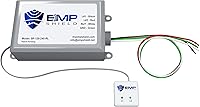
This whole-home EMP protector is designed for 120/240V split-phase systems, which covers the vast majority of North American residential panels. It also supports three-phase configurations. That said, panel brands, layouts, and available space vary significantly, so it is worth contacting EMP Shield's support team before purchasing to confirm compatibility with your specific setup.

The insurance applies specifically to a scenario where the device itself fails to perform its protective function and your electronics are damaged as a result. It is not a blanket homeowner's policy replacement. EMP Shield handles the claims process directly, and their customer support team is the right starting point if you ever need to pursue it.

Panel-level protection does cover the circuits feeding your home's loads, which is relevant for solar-connected systems. However, solar setups vary in how they tie into the main panel, and components like inverters and charge controllers may have their own exposure points. It is worth discussing your specific solar configuration with the installer and EMP Shield to understand the full scope of coverage.

Unfortunately, the EMP Shield device does not include a visual status indicator or alert system, which is a genuine limitation some buyers find frustrating. If you suspect a major surge event occurred, contacting EMP Shield directly and having an electrician inspect the panel is the safest course of action.

That depends heavily on your perspective and risk tolerance. A direct lightning strike or a significant geomagnetic storm affecting the grid is statistically more probable than a weaponized high-altitude EMP event. Most buyers of this device are not reacting to panic — they are making a calculated decision based on the value of their electronics, their geographic exposure to lightning, or a broader preparedness philosophy.

It significantly reduces risk at the whole-home level, but many electrical experts still recommend layering protection — using quality surge protectors on sensitive individual devices like workstations, televisions, and medical equipment in addition to panel-level defense. Think of it as a first line of defense, not necessarily the only one.

EMP Shield will replace the unit for a flat $50 fee during the covered warranty window. Given the nature of the device — it absorbs rather than blocks surges — a unit that has taken on a significant event may need inspection even if it appears intact. The warranty replacement process is handled directly through the brand.

Mobile homes and manufactured housing often use non-standard panel configurations, and compatibility is not guaranteed. The 120/240V rating is a starting point, but the physical installation requirements and panel format need to be verified. Reaching out to EMP Shield's support team with your panel model before buying is the practical approach here.

Standard Type 2 whole-home surge protectors are typically designed to handle voltage spikes from utility switching or nearby lightning, usually rated in the range of 40,000 to 80,000 amps. This device is rated to a substantially higher threshold and is specifically engineered to address EMP and CME scenarios that fall outside the design envelope of conventional surge protection. The two categories overlap in function but differ significantly in engineering scope and price.