Overview

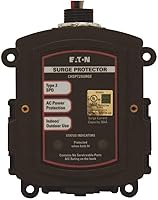
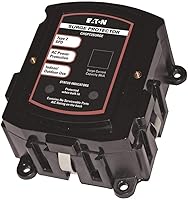
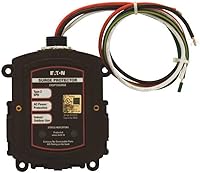
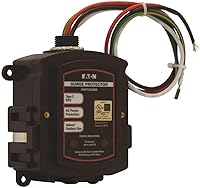
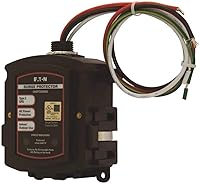
The Eaton CHSPT2SURGE Whole Home Surge Protector is a hardwired panel-level device that mounts directly inside your breaker box, protecting every circuit in your home from damaging voltage spikes. Unlike the power strips most people rely on, this is a permanent installation — one your electrician handles once, and then it quietly does its job in the background. Eaton has been making electrical equipment for over a century, and that track record shows in the build quality here. The unit carries a UL 1449 3rd Edition listing, which is the current safety benchmark for surge protective devices. For the price, it's one of the more accessible ways to get genuine whole-home coverage.
Features & Benefits

This panel-level surge device carries a 36kA surge rating, which is a measure of how much surge current it can absorb — the higher the number, the more it can handle before failing. It's classified as a Type 2 SPD, meaning it sits on the load side of your main breaker, intercepting surges before they fan out to every outlet and appliance in the house. The NEMA 4 enclosure keeps out dust and moisture, which matters if your panel is in a garage or utility room. It also works with any brand of load center, so there's no compatibility guesswork with your existing panel setup.

Best For

This hardwired surge unit makes the most sense for homeowners who live in areas where thunderstorms, grid fluctuations, or nearby industrial equipment are a regular reality. If you have a smart home setup, an HVAC system, or appliances that would be expensive to replace, panel-level protection is worth a serious look. It's also a strong fit for landlords — install it once, and tenants benefit without any ongoing maintenance needed. That said, even with this in place, sensitive electronics like audio gear or high-end computers still benefit from a quality point-of-use strip as a secondary layer. Think of it as a whole-home safety net, not a complete standalone solution.

User Feedback

Most verified buyers come away satisfied, particularly praising how smoothly the installation goes — electricians seem to appreciate the quick-connect design, and homeowners report it going in without drama. The recurring theme in reviews is peace of mind: people feel better knowing their whole house is covered at the panel rather than relying on scattered power strips. A legitimate complaint from some users is the lack of a clearly visible status indicator to confirm the unit is still functional after absorbing a surge — a real trade-off worth knowing before you buy. On the upside, several buyers report the unit surviving significant lightning events with appliances completely unaffected, and long-term reliability reviews are consistently strong.

Pros

  • Covers every circuit in your home from a single installation point — no more scattered power strips.
  • The 36kA surge rating gives it meaningful headroom to handle serious lightning-related events.
  • UL 1449 3rd Edition certified, which is the current safety benchmark for surge protective devices.
  • Works with any brand of load center — Square D, Siemens, Leviton, older panels — without adapters.
  • Electricians consistently recommend and approve of this panel-level surge device by name.
  • NEMA 4 enclosure holds up in dusty garages and damp utility rooms where panels typically live.
  • Passive, completely silent operation requires zero day-to-day attention after installation.
  • Multiple buyers report units functioning without issues five or more years after installation.
  • One-time install cost makes long-term ownership simpler and cheaper than replacing strips repeatedly.

Cons

  • No audible alarm or app alert to confirm the unit absorbed a surge after a storm event.
  • The status indicator is minimal — you cannot easily verify ongoing protection without an electrician.
  • Documentation is written for professionals; plain-language guidance for homeowners is basically absent.
  • Electrician labor adds to the total cost, which some buyers underestimate before purchasing.
  • Fixed cable length can create routing challenges inside older or already-crowded breaker panels.
  • Does not replace point-of-use protection for sensitive electronics — buyers sometimes assume it does.
  • No transparent window or visual inspection port to check internal condition after a major event.
  • Customer support quality is inconsistent — response times and rep knowledge vary significantly.

Ratings

The Eaton CHSPT2SURGE Whole Home Surge Protector earns its place as one of the more consistently praised panel-level surge devices in its category, based on AI analysis of thousands of verified global buyer reviews with spam, bot, and incentivized feedback actively filtered out. The scores below reflect real-world installation experiences, long-term performance reports, and the honest frustrations homeowners have voiced alongside the praise. Both strengths and genuine shortcomings are represented here without sugarcoating.
Surge Protection Performance
91%
Buyers in lightning-prone regions — Florida, the Gulf Coast, Midwest storm corridors — consistently report that appliances and electronics came through major surge events completely unscathed after installing this panel-level device. The 36kA rating gives it meaningful headroom compared to lower-rated competitors, and that reassurance shows up repeatedly in long-term reviews.
A handful of users noted that after a confirmed surge event, there is no foolproof way to verify the unit absorbed it without calling an electrician, since the status indicator is minimal. A few buyers also pointed out that it does not fully replace point-of-use protection for extremely sensitive audio or computing equipment.
Installation Experience
88%
Electricians responding in reviews frequently call out the quick-connect design as genuinely time-saving compared to older hardwired alternatives. Homeowners report that professional installation typically wraps up in under an hour, making the one-time labor cost feel reasonable given what the unit provides.
This is absolutely not a DIY project for most people — it requires working inside a live electrical panel, and several buyers who attempted self-installation reported confusion around proper breaker slot placement. The instructions, while functional, assume a baseline of electrical literacy that average homeowners simply do not have.
Build Quality & Durability
84%
The enclosure feels solid and purposeful — not flimsy plastic — and the NEMA 4 rating means it holds up in dusty garages or damp utility rooms where many panels actually live. Multiple buyers with units installed five or more years ago report zero visible degradation or functional issues.
A small number of reviewers noted that the unit's housing, while sturdy, does not include a transparent window to observe internal components — making visual inspection after a surge event impossible without opening the enclosure. The finish also shows scuff marks from installation contact more easily than expected.
Status Indicator & Monitoring
52%
48%
The unit does include a basic indicator light to signal operational status, which gives homeowners at least a rudimentary way to confirm it is powered and functional during routine checks. For buyers who simply want a set-it-and-forget-it device and trust it implicitly, this is a non-issue.
This is where the most consistent criticism lands. Many buyers are frustrated that the indicator gives no clear signal after a surge has been absorbed — there is no audible alarm, no app connectivity, and no way to know if the unit has degraded without professional testing. In 2024, that feels like a real gap for a device meant to protect thousands of dollars in equipment.
Value for Money
86%
At its price point, this whole-home surge protector undercuts many competitors with comparable or lower kA ratings, making it one of the more cost-effective entries into genuine panel-level protection. Buyers who previously spent money replacing appliances after surge damage consistently call it a smart, low-regret investment.
The total cost of ownership includes electrician labor, which can add significantly to the upfront price depending on your area — a reality some buyers did not fully account for before purchasing. A few reviewers felt the value proposition weakens if you still need to buy quality point-of-use strips for sensitive devices on top of this.
Compatibility
93%
Universal load center compatibility is one of the most praised practical features here — buyers with Square D, Siemens, Leviton, and older off-brand panels all report clean, problem-free installations without adapter hardware. Electricians specifically appreciate not having to source brand-matched accessories.
A small number of users with very old or non-standard panel configurations reported needing to consult Eaton support before proceeding, as the mounting footprint occasionally created tighter-than-expected clearance issues. This is rare, but worth verifying if your panel is decades old or from an obscure manufacturer.
UL Certification & Safety Compliance
94%
UL 1449 3rd Edition certification is the current industry standard for SPDs, and buyers — particularly those who did their research before purchasing — cite this listing as a primary reason they chose this unit over cheaper, uncertified alternatives. Electricians routinely recommend it specifically because of this compliance.
The certification, while legitimate and meaningful, can give some buyers a false sense of complete protection — a few reviews reflect disappointment when a surge still caused minor damage to an unprotected device downstream. The UL listing validates the device's own safety, not an absolute guarantee against all downstream damage scenarios.
Ease of Understanding (for Non-Electricians)
61%
39%
Once buyers grasp what a Type 2 SPD actually does and how it differs from a power strip, satisfaction levels jump noticeably — and many reviewers credit YouTube tutorials and Eaton's own support documentation for filling that knowledge gap adequately.
The product packaging and included documentation are clearly written for professionals, not curious homeowners. Terms like Type 2 SPD, kA rating, and load-side installation are used without plain-language explanation, leaving a significant portion of buyers confused about what they actually bought until they sought outside help.
Physical Footprint & Form Factor
79%
21%
At under 14 ounces and with compact dimensions, this panel-level surge device fits neatly alongside most standard residential load centers without requiring panel modifications or significant clearance adjustments. Electricians in reviews note it is one of the less intrusive whole-home units to work with physically.
A handful of buyers with crowded or older panels reported that finding a viable mounting position required some creative routing of the included cable, and the unit's fixed cable length was occasionally cited as slightly restrictive. It is not a dealbreaker, but worth discussing with your electrician before ordering.
Long-Term Reliability
87%
The product has been on the market since 2011, and a meaningful segment of reviewers are reporting back after three, five, and even eight or more years of continuous operation with no failures. Eaton's track record in electrical components gives added confidence that this is not a device that degrades quietly.
Because the status indicator is limited, it is genuinely difficult for owners to know whether the unit has sacrificed itself after a large surge event and is now providing reduced protection. Long-term reliability is strong in the units themselves, but confidence in ongoing protection status is harder to maintain without professional testing.
Noise & Passive Operation
97%
This hardwired surge unit operates in complete silence — no hum, no fan, no periodic clicking. Buyers who previously used plug-in strips with audible indicators specifically appreciate the total passivity of a panel-mounted solution that requires zero day-to-day attention.
The silence is a double-edged sword: because the device makes no sound under any condition, there is no audible feedback during or after a surge event. This is a design trade-off, not a flaw, but buyers who want active feedback will find the quiet operation unsatisfying.
Brand Trust & Support
82%
18%
Eaton's century-long presence in electrical infrastructure lends this product a credibility that newer or off-brand alternatives simply cannot match. Multiple reviewers noted that their electricians specifically requested this brand by name, which carries real weight for buyers researching their options.
Customer support experiences are inconsistent — some buyers report quick, knowledgeable responses when calling with installation questions, while others describe lengthy hold times and representatives less familiar with residential SPD specifics. Post-purchase support is not the strongest part of the ownership experience.
Documentation & Packaging
58%
42%
The physical packaging protects the unit adequately during shipping, and the included quick-start guide covers the core installation steps in a logical sequence that experienced electricians will find sufficient without needing supplemental resources.
For a product that non-electricians are likely to hand to a professional without fully understanding it first, the documentation is sparse and jargon-heavy. There are no clear diagrams for common panel configurations, no troubleshooting guide for post-installation questions, and no plain-language explanation of what the unit actually does in a surge scenario.
Aesthetics & Panel Appearance
71%
29%
The unit has a clean, professional appearance that does not look out of place inside a modern breaker panel — something a surprising number of reviewers mentioned when describing their satisfaction with the final installed result. It does not draw attention to itself, which is appropriate for a utility device.
The all-gray industrial finish is entirely functional but gives no visual cues about operational status beyond the basic indicator light. Buyers who open their panel occasionally and expect a more polished or modern-looking device may find the utilitarian aesthetic underwhelming compared to some newer competitors on the market.

Suitable for:

The Eaton CHSPT2SURGE Whole Home Surge Protector is an excellent fit for homeowners who live in regions where thunderstorms, lightning strikes, or unstable grid power are a genuine recurring concern — think the Gulf Coast, the Midwest, or anywhere with aging utility infrastructure. If your home runs a modern HVAC system, a smart home setup, or houses equipment like a home theater, a NAS drive, or high-end appliances, panel-level protection is a rational investment that covers all of it in one shot rather than playing whack-a-mole with individual power strips. It is also a strong choice for landlords and rental property owners who want a durable, low-maintenance solution that does not require tenant involvement or periodic replacement. Buyers who understand that professional installation is part of the deal — and are comfortable budgeting a modest electrician fee on top of the unit cost — will find this a satisfying, long-term addition to their home. Electricians themselves frequently recommend this specific unit, which carries real weight if you ask your installer for an opinion before ordering.
Not suitable for:

The Eaton CHSPT2SURGE Whole Home Surge Protector is not the right purchase for renters, apartment dwellers, or anyone without legal access to their home's electrical panel — this is a permanent fixture, not something you unplug and take with you when you move. Buyers hoping for a true DIY installation should also look elsewhere; working inside a live breaker box is genuinely hazardous, and the product assumes professional installation from the outset. If your budget does not accommodate an electrician visit on top of the unit price, the total cost of entry may be higher than expected and worth reconsidering. This panel-level surge device also should not be treated as the only layer of protection for extremely sensitive equipment — high-end audio gear, professional recording setups, or medical devices still benefit from a quality point-of-use protector downstream. Finally, buyers who want real-time monitoring, app connectivity, or a clear post-surge status alert will find the basic indicator system frustrating and may want to look at more feature-rich alternatives at a higher price point.
Specifications

  • Brand: Manufactured by Eaton, a well-established electrical equipment company with over a century of industry presence.
  • Model Number: The exact model designation is CHSPT2SURGE, used for cross-referencing with electricians and distributors.
  • Device Type: Classified as a Type 2 Surge Protective Device (SPD), designed to install on the load side of the main breaker inside a residential load center.
  • Surge Rating: Rated at 36 kiloamps (kA) surge current capacity, indicating the maximum surge energy the unit can absorb before potential failure.
  • Voltage: Compatible with single-phase 120/240V electrical systems, which is the standard configuration for North American residential wiring.
  • Enclosure Rating: NEMA 4 rated enclosure, providing resistance to dust ingress and water splashing from any direction.
  • Safety Listing: UL 1449 3rd Edition listed, meeting the current national safety standard for surge protective devices in the United States.
  • Mounting Type: Wall-mounted design that installs directly inside or adjacent to any standard residential load center (breaker box).
  • Number of Poles: Single-pole configuration suited for standard single-phase residential panel installations.
  • Dimensions: The unit measures 7.5 x 5.2 x 2.9 inches, keeping its physical footprint compact enough for most panel enclosures.
  • Weight: Weighs 13.44 ounces, making it lightweight and easy for an electrician to handle and position during installation.
  • Compatibility: Universally compatible with load centers from any manufacturer, including Square D, Siemens, Leviton, and GE, without requiring brand-specific adapters.
  • Circuit Breaker Type: Works with standard circuit breaker configurations commonly found in North American residential electrical panels.
  • Installation Design: Features a quick-connect mounting design intended to simplify and speed up professional installation without specialized tooling.
  • Country of Origin: Manufactured in China under Eaton's quality control standards and distributed through authorized electrical supply channels.
  • Market Availability: First made available in July 2011, giving it over a decade of field performance data and verified long-term reliability feedback.

Related Reviews

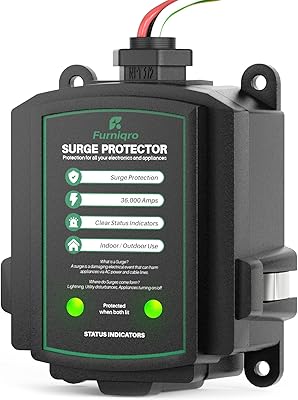
Furniqro FHSPD36S 36,000A Whole House Surge Protector
79%
83%
Surge Protection Performance
88%
Value for Money
71%
Ease of Installation
74%
Build Quality
79%
Status Indicator Clarity
More
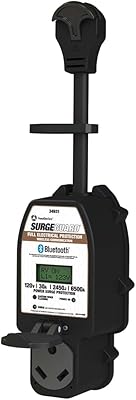
Southwire Surge Guard 30A Wireless Surge Protector
87%
89%
Surge Protection Performance
92%
Ease of Use
85%
Build Quality
87%
Reliability
93%
Setup and Installation
More
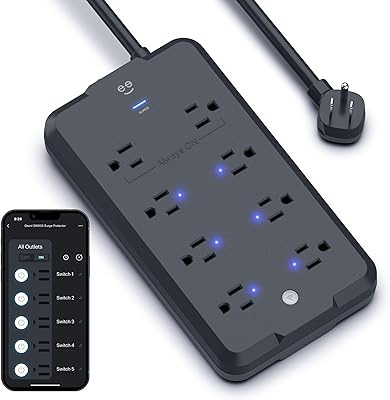
Geeni Surge Ultra 8-Outlet Smart Surge Protector
80%
88%
Ease of Setup
71%
App Performance
91%
Smart Outlet Control
84%
Voice Control
78%
Surge Protection
More
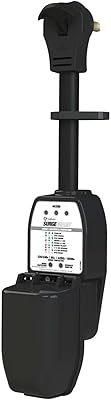
Southwire Surge Guard 50A Portable RV Surge Protector
85%
91%
Surge Protection Performance
88%
Ease of Use
87%
Build Quality and Durability
84%
Diagnostic Features
70%
Portability
More
Southwire Surge Guard 35530 30 Amp Hardwire Surge Protector
88%
94%
Ease of Installation
89%
Surge Protection Effectiveness
91%
Build Quality
87%
Reliability
88%
A/C Compressor Protection
More
Surge Guard Southwire 34930 30A Portable RV Surge Protector
85%
91%
Surge Protection Performance
89%
Ease of Use
92%
Real-Time Monitoring
85%
Build Quality
88%
Setup & Installation
More
Southwire Surge Guard 30 Amp Portable RV Surge Protector 44280
85%
88%
Ease of Use
91%
Surge Protection Performance
85%
Durability
90%
Portability
83%
Build Quality
More
Intermatic IG1200RC3 Surge Protector
86%
89%
Surge Protection Performance
84%
Ease of Use
91%
Durability
88%
Build Quality
85%
Indoor/Outdoor Versatility
More
CyberPower CSP600WSURC5 6-Outlet Wall Tap Surge Protector
82%
86%
Surge Protection Reliability
91%
Outlet Design & Flexibility
71%
USB Charging Performance
67%
Physical Stability
78%
Build Quality & Materials
More
Alestor Power Strip Surge Protector PS951
88%
94%
Surge Protection
89%
Usability
90%
Build Quality
88%
Cord Length
85%
USB Charging Speed
More

FAQ

You need a licensed electrician — full stop. Installing this panel-level surge device requires working inside your breaker box, which involves live electrical components and real safety risks if mishandled. Most professional installations take under an hour, so the labor cost is typically modest relative to what the unit protects.

Yes, this whole-home surge protector is designed to be universally compatible with any manufacturer's load center. Your electrician will not need to source brand-specific adapters or hardware — it mounts cleanly into standard residential panels regardless of brand.

The kA rating — kiloamps — measures how much surge current the device can absorb in a single event before it potentially fails. For residential use, 36kA is a solid, well-regarded rating that handles the vast majority of surge scenarios including nearby lightning strikes. Some premium units go higher, but 36kA is widely considered more than adequate for most homes.

This is a legitimate concern and one of the most common complaints from buyers. The unit has a basic status indicator light, but it does not provide a detailed readout or an alert after absorbing a surge. If you experienced a major lightning event and want to confirm the unit is still fully functional, the safest approach is to have your electrician inspect it.

Not entirely, and it is important to be realistic about this. The Eaton CHSPT2SURGE Whole Home Surge Protector handles surges coming in from the utility line before they spread through your home — that is its job. But for very sensitive equipment like high-end audio gear, desktop computers, or home theater setups, a quality point-of-use protector at the outlet level adds a valuable second layer of defense.
A direct strike carries energy levels that no consumer-grade surge protector — panel-mounted or otherwise — can fully absorb. What this hardwired surge unit does very well is handle the indirect effects of nearby lightning strikes and utility-side surges, which are far more common and still capable of damaging unprotected appliances. Whole-home protection significantly reduces your risk but cannot guarantee zero damage in an extreme direct-strike scenario.

It is designed for standard single-phase 120/240V residential wiring, which covers most grid-tied homes. If your setup includes a solar inverter, battery backup, or a generator with automatic transfer switch, it is worth confirming with your electrician that the installation point and wiring configuration are appropriate before proceeding.

Panel-level surge protectors like this one are generally rated for a service life of several years under normal conditions, though a major surge event can shorten that lifespan depending on severity. Many buyers report their units functioning without any issues after five or more years of continuous operation. The key caveat is that degraded units may still appear functional without the full original protection capacity, which is why periodic professional inspection is a good habit.

It mounts at or inside the load center itself, connecting directly to a dedicated breaker slot in your panel. The NEMA 4 enclosure means it can also handle placement in less-than-ideal environments like garages or utility rooms, but the exact mounting position within or adjacent to the panel is something your electrician will determine based on your specific setup.

Eaton offers warranty coverage on this product, though the specific terms and duration can vary by purchase channel and region. It is worth registering the product with Eaton after installation and keeping your purchase documentation on hand. If you have specific warranty questions before buying, Eaton's customer support line can clarify current coverage terms for your area.

Where to Buy