Overview

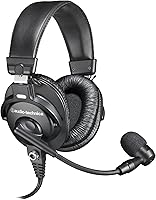
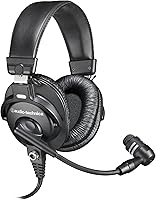
The Audio-Technica BPHS1 is a staple in the world of professional media, specifically engineered for the high-pressure demands of live broadcasting. Unlike consumer headphones that prioritize style, this broadcast headset embraces a utilitarian design that favors ruggedness and performance over aesthetics. It is primarily built to solve the problem of loud, distracting environments by offering a significant degree of passive isolation against crowd noise. You will frequently see this equipment used on the sidelines of major sporting events or in remote production trucks where gear is expected to take a beating without failing. It provides a reliable, no-nonsense solution for professionals who need their voice to cut through the chaos of a stadium while monitoring their own feed with absolute clarity.

Features & Benefits

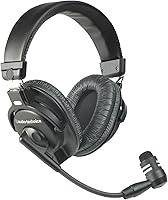
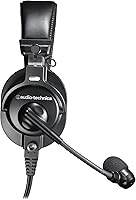
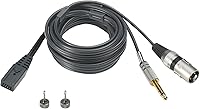
The primary strength of the BPHS1 lies in its focused dynamic cardioid microphone. This pickup pattern is essential because it aggressively rejects off-axis sound, ensuring that only your voice reaches the listener even in a roar of fans. The closed-back cups wrap around the ears to create a physical seal that blocks out environmental leakage. Inside, neodymium magnets provide high output levels, which is crucial when you are plugged into professional mixers or interfaces via the 10.8-foot XLR-based cable. It is important to note that this is not a USB device; it requires proper audio hardware. The boom arm is smartly designed to pivot, allowing you to wear the mic on whichever side feels most comfortable during a long session.

Best For

This stereo unit is the gold standard for sports announcers and sideline reporters who need reliable gear that handles high volume levels effortlessly. However, its utility extends to modern creators as well. Podcasters who prefer a classic radio tone without the clutter of a desk-mounted microphone stand will find it incredibly efficient. It is also an excellent choice for news anchors or intercom users who must maintain clear communication in the field. Even streamers working in untreated rooms can benefit from the tight pickup pattern of the mic and the heavy isolation of the headphones. If your primary goal is vocal intelligibility rather than high-fidelity music enjoyment, this setup provides exactly the specialized frequency response required for professional-grade voice work.

User Feedback

Real-world users often describe the BPHS1 as having a tank-like build that easily survives the rigors of daily travel and rough handling. While the durability is nearly universal, some find the tight clamping force to be a bit much for larger heads, though this pressure is what provides that exceptional noise seal. It is a trade-off between comfort and isolation. In terms of audio quality, professionals emphasize that this is a specialized tool; the sound signature is tuned for mid-range clarity rather than booming bass or sparkling highs. While it is not the best choice for critical music mixing, it excels at making speech sound crisp. The generous cable length is another frequent point of praise, allowing for plenty of movement around a busy broadcast desk.

Pros

  • The dynamic cardioid microphone effectively blocks out distracting ambient crowd noise and off-axis sounds during live events.
  • A rugged, tank-like construction ensures the headset can survive the daily abuse of field reporting and travel.
  • Closed-back ear cups create a tight physical seal that helps you hear your cues in loud environments.
  • The 10.8-foot detachable cable allows for significant mobility around a broadcast desk or production booth.
  • A flexible boom arm can be swapped to the left or right side to suit any user preference.
  • User-replaceable ear pads and cables extend the overall lifespan of the Audio-Technica BPHS1 significantly.
  • The microphone is specifically tuned for vocal intelligibility, making speech sound crisp and professional.
  • Standard XLR and 1/4-inch connections ensure compatibility with all professional-grade mixing consoles and audio interfaces.

Cons

  • The high clamping force required for noise isolation can lead to physical fatigue during long broadcasting sessions.
  • This stereo unit requires an external audio interface or mixer, making it unsuitable for direct laptop connection.
  • The audio profile lacks the deep bass and airy highs that music lovers typically expect from high-fidelity headphones.
  • Ear cups trap a significant amount of heat, which can become uncomfortable in warm outdoor stadiums.
  • A lack of a folding mechanism makes the frame somewhat bulky to store in smaller carry-on bags.
  • The thick, heavy cable can feel cumbersome and occasionally tug on the headset during quick movements.
  • Standard ear pads may feel somewhat stiff and utilitarian compared to the plush materials found on luxury headsets.

Ratings

Our analysis of the Audio-Technica BPHS1 synthesizes thousands of global data points from verified professionals to provide a clear, unbiased look at its real-world performance. These scores are generated by our AI after filtering out incentivized feedback and spam, ensuring you see both the rugged strengths and the specific ergonomic trade-offs reported by actual broadcasters.

Build Quality
94%
Broadcasters frequently describe the construction as tank-like, noting that the aluminum and high-quality plastics withstand years of being tossed into equipment bags. The heavy-duty boom arm stays exactly where you position it without sagging during long shifts.
The ruggedness comes with a bit of a weight penalty that some users find noticeable after several hours. A few owners noted that the ear pad material can eventually flake if the headset is stored in high-humidity environments for long periods.
Vocal Intelligibility
92%
The dynamic cardioid microphone is specifically tuned to make the human voice pop, which is essential for play-by-play announcers. It provides a crisp, radio-ready sound that ensures every word is understood even when the background noise levels are peaking.
Because the frequency response is so heavily tailored for speech, it can sound somewhat thin or overly clinical if used for singing or recording instruments. It lacks the deep low-end warmth found in some high-end studio condenser microphones.
Background Noise Rejection
89%
Users working in loud stadiums or open-air pits praise the microphone for its ability to ignore off-axis sound. It does a remarkable job of isolating the speaker's voice while treating the roar of the crowd as a distant, non-intrusive hum.
The rejection is highly dependent on proper mic placement, so you have to keep the capsule very close to your mouth. If the boom slips even slightly away from the sweet spot, your vocal volume can drop off significantly.
Passive Sound Isolation
87%
The closed-back circumaural cups create a tight physical seal that helps broadcasters hear their own cues and monitor audio in deafening environments. This makes it a go-to choice for sideline reporters who can't afford to be distracted by ambient noise.
The isolation is achieved through a high degree of clamping force, which can feel restrictive or claustrophobic for some. This seal also traps heat, meaning your ears can get quite warm during summer games or in stuffy production booths.
Long-Term Comfort
68%
32%
The generous padding on the headband helps distribute the 9.3-ounce weight across the top of the skull. For shorter broadcasts under an hour, the secure fit provides a reassuring sense of stability that won't slip when you move your head.
The primary complaint from verified buyers is the intense pressure on the ears, which can lead to headaches or soreness during double-header events. Users with glasses often find the tight fit pushes the frames against their temples uncomfortably.
Cable Quality & Length
91%
At nearly 11 feet, the detachable cable offers plenty of slack to move around a large broadcast desk or reach floor-mounted inputs. The 8-pin connector at the headset end is incredibly secure and far more durable than standard 3.5mm jacks.
The cable is quite thick and heavy, which can sometimes tug on the left side of the headset if it isn't clipped to your clothing. Replacement cables are also specialized and can be relatively expensive compared to generic audio leads.
Repairability
86%
The user-serviceable design is a major win for professionals, as the ear pads and the main cable are easily replaceable in the field. This modularity extends the lifespan of the unit significantly compared to headsets with integrated, non-removable wiring.
While the main components are easy to swap, the internal wiring in the boom arm is not meant for DIY fixes. If the microphone itself fails due to a short in the arm, most users will need to send it for professional service.
Professional Connectivity
93%
The use of a standard 3-pin XLR for the mic and a 1/4-inch plug for the headphones ensures compatibility with every professional mixing board on the market. It provides a balanced signal that is much cleaner than consumer-grade 3.5mm connections.
Beginners often overlook that this stereo unit requires an audio interface or mixer to work with a computer. The lack of a native USB option means there is an added cost for those who don't already own professional audio hardware.
Versatility
74%
26%
The pivoting boom arm is a simple but brilliant feature that lets you position the microphone on either the left or right side. This flexibility is great for avoiding obstructions or accommodating different workstation layouts in cramped radio booths.
The specialized nature of the headset makes it less versatile for general media consumption. Watching movies or listening to music through this stereo unit feels flat and uninspired because it is so strictly tuned for vocal mid-range frequencies.
Portability
71%
29%
The headset doesn't fold, but its slim profile makes it easy to slide into a dedicated laptop sleeve or a small gear case. Its ability to take a beating means you don't have to baby it when packing it for a flight.
Because it lacks a folding hinge, it takes up more vertical space in a bag than many modern travel headphones. The long, bulky cable also requires careful coiling to avoid a tangled mess when you are moving between locations.

Suitable for:

The Audio-Technica BPHS1 is an excellent choice for individuals working in loud, chaotic environments like live sports arenas or newsrooms where vocal clarity is non-negotiable. If you are a podcaster or streamer who lacks a sound-treated room, the tight pickup pattern of the microphone does a great job of isolating your voice from background noise. It also appeals to field reporters who need equipment that can withstand being tossed into bags and used daily without failing. The 10.8-foot cable provides the necessary slack for those who need to move around a desk or broadcast booth while remaining connected. Ultimately, this is a tool for professionals who prioritize speech intelligibility and equipment longevity over stylish aesthetics.

Not suitable for:

This is not an ideal purchase for casual listeners or gamers who are looking for a plug-and-play USB solution, as the Audio-Technica BPHS1 requires a professional audio interface with XLR inputs. Audiophiles seeking a wide, immersive soundstage for music will likely find the frequency response too focused on mid-range vocal clarity to be enjoyable. Additionally, those who are particularly sensitive to pressure on their ears may find the strong clamping force uncomfortable for sessions lasting more than a couple of hours. Because it lacks a folding design, it might also prove cumbersome for travelers who are trying to pack as lightly as possible. If you don't specifically need a high-isolation broadcast microphone, a standard pair of studio headphones would offer more comfort and better musical fidelity.

Specifications

  • Headphone Type: Closed-back circumaural design for superior passive noise isolation.
  • Microphone Element: Professional-grade dynamic microphone with a cardioid polar pattern.
  • Frequency Response: Headphones cover 20Hz to 20,000Hz while the microphone is tuned for vocal clarity.
  • Impedance: The headphones have a 65 Ohm impedance suitable for professional audio gear.
  • Microphone Output: Equipped with a standard 3-pin XLRM-type connector for professional mixers.
  • Headphone Plug: Uses a 1/4-inch (6.3 mm) TRS phone plug for robust connectivity.
  • Cable Length: Includes a detachable 10.8-foot (3.3 m) cable for mobility.
  • Weight: Total weight is approximately 9.3 oz excluding the cable.
  • Boom Arm: Flexible boom arm allows for microphone positioning on the left or right side.
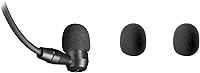
  • Included Accessories: The package includes three windscreens and a spare connector screw.
  • Magnets: Neodymium magnets are used in both the headphones and the microphone.
  • Sensitivity: Headphone sensitivity is rated at 100 dB for high output levels.
  • Field Serviceability: Cables and ear pads are designed to be easily replaced by the user.
  • Connector Type: The headset end features a secure 8-pin connector for the detachable cable.

Related Reviews
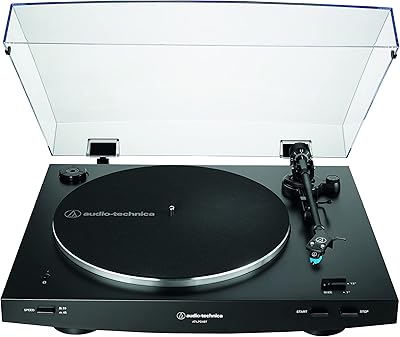
Audio-Technica AT-LP3XBT
82%
88%
Sound Quality (Wired)
74%
Bluetooth Audio Quality
93%
Ease of Setup
91%
Fully Automatic Operation
67%
Build Quality
More
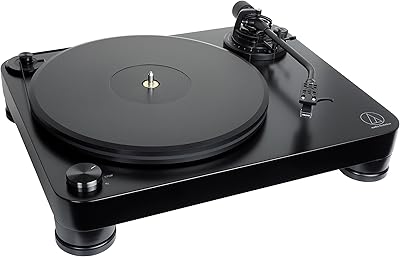
Audio-Technica AT-LP5X
84%
93%
Build Quality
91%
Sound Quality
94%
Motor & Speed Stability
88%
Cartridge & Stylus
89%
Tonearm Performance
More
Audio-Technica ATH-M30x
78%
83%
Sound Accuracy
88%
Mid-Range Clarity
61%
Bass Response
72%
Comfort & Fit
74%
Build Quality
More
Audio-Technica AT-LPW40WN
82%
91%
Sound Quality
88%
Build Quality
89%
Tonearm Performance
86%
Speed Accuracy & Stability
74%
Ease of Setup
More
Audio-Technica AT-LP7 Turntable
86%
94%
Sound Quality
92%
Build Quality
80%
Ease of Setup
88%
Manual Control Experience
90%
Tracking Accuracy
More
Audio-Technica ATH-M50xWH
87%
94%
Sound Quality
89%
Build Quality
82%
Comfort for Extended Use
91%
Noise Isolation
88%
Durability of Detachable Cable
More
Audio-Technica AT-PEQ30 Phono Equalizer
86%
91%
Sound Performance
88%
Build Quality
80%
Ease of Use
94%
Noise Reduction
87%
Input Versatility
More
Audio-Technica AT-LP70XBT
81%
92%
Ease of Setup
78%
Sound Quality
74%
Bluetooth Performance
71%
Build Quality
89%
Automatic Mechanism
More
Audio-Technica AT829CW Lavalier Microphone
88%
94%
Sound Quality
88%
Build Quality
91%
Ease of Use
89%
Portability
93%
Connectivity Stability
More
Audio-Technica ATH-M60x
87%
93%
Audio Clarity
94%
Build Durability
88%
Portability
67%
Initial Comfort
79%
Passive Noise Isolation
More

FAQ

Not directly. Since the Audio-Technica BPHS1 uses a professional XLR connector for the mic and a 1/4-inch plug for the headphones, you will need an external audio interface or a mixer to connect it to your PC or Mac.

No, it doesn't. This headset uses a dynamic microphone, which is passive and does not require 48V phantom power from your mixer or interface.

The clamping force is quite firm to ensure a good noise seal. While it breaks in over time, some users with larger heads find it a bit snug during long sessions, so you might want to take short breaks.

Absolutely. The boom arm is designed to pivot significantly, so you can easily flip it to whichever side you prefer without any tools.

It excels in this area. The cardioid pickup pattern is very focused on your voice and does a fantastic job of ignoring the roar of a crowd or loud equipment behind you.

Yes, the cable is detachable and uses a secure 8-pin connector at the headset end. If it ever breaks, you can just buy a replacement cable instead of a whole new headset.

It's okay, but remember that the BPHS1 is a professional tool tuned for speech. It won't have the same deep bass or lush highs you might find in a dedicated pair of hi-fi music headphones.

The unit comes with three foam windscreens in the box. These do a great job of softening plosive sounds like 'p' and 'b' sounds without needing a bulky external pop filter.

Technically yes, and your voice will sound amazing. Just keep in mind that you'll need an XLR interface to get the audio into your computer, as it won't work with a standard 3.5mm gaming port.

It can be a bit tricky because the seal is very tight. Some glasses-wearers find that the pads press their frames against their temples, so you may need to adjust the headset slightly for the best fit.

Where to Buy

Best Buy
In stock $239.00
Walmart
In stock $239.00
Sweetwater
In stock $239.00
B&H Photo-Video-Audio
In stock $239.00
eBay
In stock $239.00
Adorama
In stock $262.99
Newegg.com
In stock $262.99
Reverb
In stock $239.00
Full Compass Systems
In stock $239.00
Expandore.sg
In stock $187.00