

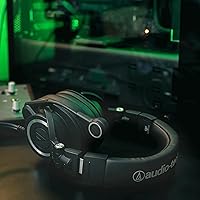

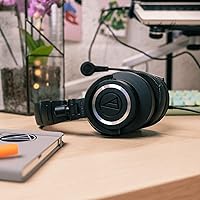

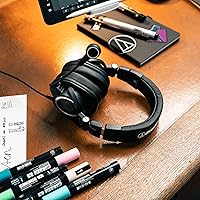
Overview

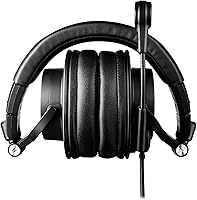
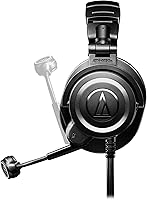
The Audio-Technica ATH-M50xSTS is essentially Audio-Technica's answer to a specific question: what if you could take the studio headphones that engineers have trusted for years and add a professional-grade boom mic to the same unit? The result is a premium streaming headset aimed at live streamers, podcasters, and home recording enthusiasts tired of juggling separate headphone and microphone setups. One thing to know right away — this XLR headset is not plug-and-play. You will need an audio interface or mixer to get it working, which places it firmly in prosumer territory rather than the casual consumer space.

Features & Benefits

The M50xSTS is built around the same 45mm dynamic drivers that made the original M50x a recording studio staple — delivering the wide soundstage, accurate bass, and detailed midrange that producers rely on for critical listening. At 38 ohms, it pairs well with most audio interfaces without needing a dedicated headphone amp. The boom mic draws from Audio-Technica's respected 20 Series condensers, and the cardioid pickup pattern does a solid job focusing on your voice while reducing ambient room noise. The flexible arm holds its angle reliably, and the retractable cable keeps desk clutter minimal during long sessions.

Best For

This streaming headset makes the most sense for Twitch or YouTube streamers who want genuinely broadcast-quality voice audio without dedicating desk space to a separate condenser on a stand. Podcasters who already own an audio interface will find the setup approachable and the output competitive with entry-level studio microphones. Home studio musicians can also use it effectively for monitoring and scratch vocals. That said, casual gamers expecting to plug directly into a PC or console will find this XLR headset a poor match. The XLR-only connection is a deliberate choice that rewards users who already have the right supporting gear.

User Feedback

Buyers consistently praise the mic clarity, with many noting it rivals standalone condensers costing nearly as much on their own — a genuine compliment from users stepping up from gaming headsets. Comfort draws more mixed reactions. At 454 grams, the headset runs heavier than most alternatives, and some users flag ear fatigue during sessions exceeding two hours. The boom arm attracts occasional complaints about gradually losing tension after months of regular use, which can interrupt a stream at the worst moment. On the positive side, existing M50x owners frequently describe the M50xSTS as the natural next step, appreciating a unified audio chain over managing two separate pieces of equipment.

Pros

  • Mic clarity rivals standalone budget condensers — a genuine upgrade for streamers and podcasters.
  • The 45mm drivers deliver accurate, reliable sound for monitoring mixes and stream audio.
  • At 38 ohms, the M50xSTS works well with virtually any audio interface without extra amplification.
  • Consolidated setup replaces a separate mic, stand, and shock mount — desk space saved noticeably.
  • Cardioid pickup pattern keeps keyboard clatter and fan noise largely out of your recordings.
  • Retractable cable keeps the workspace tidy during long recording or streaming sessions.
  • Flexible boom arm holds mic position consistently across different head angles and movements.
  • Passive over-ear isolation reduces ambient bleed during headphone monitoring without active noise cancellation.
  • Clean, understated aesthetic fits professional desk setups without looking like a gaming peripheral.

Cons

  • XLR-only connection means you cannot use it at all without a separate audio interface or mixer.
  • At 454 grams, ear and neck fatigue become real concerns during sessions lasting more than two hours.
  • The boom arm tension can weaken noticeably after several months of daily repositioning.
  • No USB option means zero portability for laptop recording away from your main desk setup.
  • True total cost of ownership is significantly higher than the headset price alone for new buyers.
  • Boom arm stays extended when stored — it does not fold away compactly when not in use.
  • Passive isolation alone is insufficient in genuinely noisy environments like shared apartments.
  • Buyers used to consumer-tuned headphones may find the studio sound signature overly analytical at first.

Ratings

Our AI rating engine analyzed thousands of verified global reviews for the Audio-Technica ATH-M50xSTS, actively filtering out incentivized, bot-generated, and duplicate submissions to surface what real streamers, podcasters, and home studio users actually experience. Scores reflect both the consistent strengths that keep buyers recommending this XLR headset and the recurring frustrations that hold some users back. Nothing is glossed over — the numbers tell the honest story.

Microphone Clarity
91%
Users consistently describe the boom mic as punching well above its class, with many noting it captures voice with a presence and warmth that rivals standalone condensers in the $80–$100 range. Streamers report that their chat audiences immediately noticed an upgrade in broadcast quality compared to typical headset mics.
In untreated rooms with hard surfaces, some users picked up a subtle room resonance that required minor EQ correction on their interface. It is not a criticism of the mic itself so much as a reminder that no cardioid condenser fully compensates for poor acoustic environments.
Headphone Sound Quality
89%
The 45mm drivers carry forward the M50x legacy faithfully — buyers with prior studio monitoring experience recognize the accurate bass reproduction and detailed midrange immediately. For mixing down a podcast or checking stream audio levels, the sound profile is genuinely reliable rather than hyped for consumer listening.
The relatively pronounced low-end, while accurate, can feel fatiguing during extended critical listening sessions if you are not accustomed to studio-tuned headphones. A small number of reviewers used to consumer V-shaped sound signatures found the tuning overly analytical at first.
Build Quality
84%
The overall construction feels solid and purposeful — the headband adjustment mechanism clicks firmly into position, and the over-ear cups have a reassuring density to them. Most users who handled both this and the standard M50x report the headset variant feels comparably robust for daily desk use.
A recurring complaint involves the boom arm gradually losing its ability to hold a precise angle after several months of regular adjustment, which can become genuinely disruptive mid-stream. The plastic joints on the arm feel slightly less premium than the headphone chassis itself.
Comfort & Wearability
67%
33%
For sessions under 90 minutes, most users find the over-ear cushions adequately padded and the clamping force reasonable without causing immediate pressure fatigue. The rounded ear cup shape accommodates a range of ear sizes without feeling restrictive during shorter recording stints.
At 454 grams, this XLR headset is noticeably heavier than most streaming alternatives, and reviewers regularly flag neck and ear fatigue during streams or podcast recordings exceeding two hours. Replacement cushions are the most commonly mentioned upgrade users pursue within the first six months.
Setup & Ease of Use
58%
42%
For users who already own an audio interface — a Focusrite Scarlett, a GoXLR, or anything comparable — getting up and running is genuinely straightforward. The XLR connection is standard, the impedance is friendly, and no drivers or software are required beyond what your interface already demands.
The XLR-only output is the single biggest barrier for new buyers, and reviews make clear that many purchased this headset without realizing an interface was mandatory. The additional $100–$200 investment in supporting gear catches beginners off guard and drives a disproportionate share of the negative reviews.
Noise Isolation
78%
22%
The passive over-ear seal does a competent job blocking out ambient keyboard noise, HVAC hum, and general room ambiance during monitoring — useful when you need to hear your own stream mix clearly without bleed from speakers. Home studio users in moderately quiet rooms find it sufficient without any active noise cancellation.
In louder environments — shared apartments, open-plan home offices with background TV — the passive isolation alone is not enough to fully block distractions. There is no active noise cancellation here, so anyone in a genuinely noisy space may find focus difficult during longer sessions.
Boom Arm Flexibility
73%
27%
Out of the box, the flexible boom arm positions intuitively and holds its angle well enough to keep the mic consistently close to the mouth across different head positions. Streamers who move around during broadcasts appreciate that minor head tilts do not dramatically alter the mic-to-mouth distance.
Long-term durability of the arm tension is the most repeated structural concern in user reviews, with some reporting noticeable loosening within three to six months of daily use. A boom arm that slowly droops away from the mouth mid-recording is a practical problem that a few users found difficult to ignore.
Background Noise Rejection
81%
19%
The cardioid polar pattern does a credible job of keeping mechanical keyboard clatter, desk fan noise, and peripheral room sounds from creeping into recordings at typical mic placement distances. Several streamers noted their audiences stopped complaining about background noise after switching to the M50xSTS from an omnidirectional headset mic.
At louder ambient noise levels — a loud PC cooling system positioned nearby or a noisy street outside — some bleed is still audible, particularly in the low-frequency range. Users relying solely on the mic's natural rejection without any software gate may find results inconsistent in less controlled environments.
Cable & Connectivity
76%
24%
The retractable cable design keeps the desk tidy and avoids the tangled mess that plagues fixed-cable headsets during recording sessions. Having both an XLR output for the mic and a 3.5mm jack for headphone monitoring gives users flexibility in how they route audio through their interface setup.
The lack of any USB option means zero compatibility with basic laptop recording without an interface, and there is no wireless mode of any kind. For users who occasionally want to record on a laptop away from their main desk setup, the wired-only design is a real limitation.
Value for Money
72%
28%
For buyers who already have an audio interface, the consolidated cost of getting M50x-grade monitoring and a 20 Series-quality mic in one purchase compares favorably to buying those two components separately. Existing M50x users in particular tend to rate the value highly given the meaningful step-up in capability over the standard headphone.
For buyers without an interface, the true total cost of ownership climbs quickly and shifts the value calculus considerably. Compared to all-in-one USB streaming headsets at a similar nominal price, this XLR headset demands a meaningful additional investment before you can use it at all.
Compatibility
83%
At 38 ohms, the headphone side pairs well with virtually every audio interface on the market without requiring a dedicated headphone amplifier, which simplifies the signal chain considerably. The 3.5mm monitoring jack also allows direct connection to smartphones or computers for casual listening when the interface is not in use.
Gaming consoles and most standalone mixers without a dedicated headphone out require adapter cables or additional routing, which adds friction for users coming from a gaming background. The XLR mic side is simply incompatible with any device lacking an XLR input, which narrows the potential user base considerably.
Desk & Setup Aesthetics
79%
21%
Compared to a dedicated microphone arm taking up desk real estate alongside a separate headphone stand, this streaming headset meaningfully reduces the physical footprint of a streaming or recording workstation. The clean, matte black finish and relatively understated design fit naturally into professional desk setups without looking like gaming peripheral hardware.
The boom arm, while functional, is visually prominent and not retractable when not in use — it stays extended across your desk whether you need it or not. Users who stream only occasionally mentioned wishing the arm folded away more compactly when the headset is stored.
Durability Over Time
69%
31%
The headphone chassis itself holds up well with regular daily use, and Audio-Technica's track record with the M50x line gives buyers reasonable confidence in long-term reliability for the driver and headband components. Users report the ear cushions remaining supple and intact well into the first year of regular use.
The boom arm joint tension degrading over time is the most consistent durability complaint, and it is specific enough across reviewers to suggest it is a design characteristic rather than isolated defects. A headset at this price point would benefit from a more robust arm locking mechanism.

Suitable for:

The Audio-Technica ATH-M50xSTS is purpose-built for streamers, podcasters, and home studio creators who are ready to invest in a proper audio chain and want to consolidate their setup without sacrificing quality. If you are already running a Focusrite Scarlett, a GoXLR, or any comparable interface, this headset slots in naturally and removes the need for a separate microphone, stand, shock mount, and cable cluttering your desk. Twitch and YouTube streamers who broadcast regularly will appreciate the broadcast-grade voice clarity the 20 Series condenser mic provides — it is a genuine step up from anything built into a typical gaming headset. Podcasters recording solo or interview episodes at home will find the cardioid mic handles voice isolation well enough for professional-sounding output without heavy post-processing. Home studio musicians who need reliable monitoring headphones for mixing and want a capable mic for scratch vocals or voiceover work also get strong value from a single purchase. Basically, if you already know what an XLR connection is and you have the gear to support it, this headset makes a compelling case for itself.

Not suitable for:

The Audio-Technica ATH-M50xSTS is not the right purchase for anyone expecting to unbox it and plug directly into a laptop or gaming console — the XLR-only mic output makes that impossible without an audio interface, and that extra piece of gear typically adds $100 to $200 to the total cost. Casual gamers or Discord users who just need a functional headset mic for voice chat will find this setup unnecessarily complex and expensive relative to what the use-case demands. If you stream or record for only an hour or two at a time, the 454-gram weight may not be a dealbreaker, but marathon streamers who spend four or more hours in a session have consistently flagged fatigue as a real issue — there are lighter XLR alternatives worth considering at this price point. Anyone on a tight budget who does not already own an interface should factor in the full system cost before committing. And if you need wireless freedom to move around your space while recording, this wired-only headset simply cannot deliver that.

Specifications

  • Driver Size: The headphones use 45mm large-aperture dynamic drivers with rare earth magnets and copper-clad aluminum wire voice coils.
  • Impedance: Headphone impedance is rated at 38 ohms, making it compatible with most audio interfaces without requiring a dedicated headphone amplifier.
  • Mic Type: The integrated boom microphone is a cardioid condenser design based on Audio-Technica's 20 Series microphone lineup.
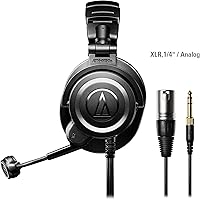
  • Mic Connection: The microphone outputs via a standard XLR connector, requiring an audio interface or mixer with phantom power or line-level XLR input.
  • Headphone Jack: The headphone monitoring side terminates in a 3.5mm (1/8-inch) stereo jack for direct connection to an interface headphone output or compatible device.
  • Frequency Range: The headphones cover an extended frequency range with deep low-end response suitable for critical monitoring and voice reproduction.
  • Noise Control: Sound isolation is passive, achieved through the over-ear cushioned seal rather than active noise-cancellation circuitry.
  • Ear Placement: The headset uses a fully over-ear (circumaural) design with rounded ear cup housings that enclose the ear rather than resting on it.
  • Weight: The complete headset weighs approximately 454 grams (about 1 lb), which is heavier than most consumer streaming headsets in its price range.
  • Dimensions: Overall product dimensions measure 4.53 x 8.9 x 10.4 inches, reflecting the combined footprint of the headphones and extended boom arm.
  • Cable Design: The cable is retractable, reducing desk clutter during active use and allowing manageable storage when the headset is not in use.
  • Boom Arm: The flexible boom arm is manually repositionable and designed to hold its set angle, keeping the microphone consistently close to the mouth.
  • Wireless Support: This is a wired-only headset with no Bluetooth or wireless capability of any kind.
  • Compatible Devices: The headset is designed for use with audio interfaces, mixers, PCs, Macs, and smartphones — any device that accepts standard XLR mic input and 3.5mm headphone output.
  • Material: Key structural components including the headband and adjustment mechanism use aluminum, contributing to the headset's durability and overall weight.
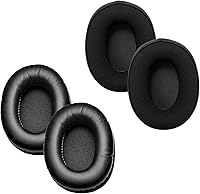
  • Ear Cushions: Replacement ear cushions are included in the box and are available separately, as cushion wear is a common maintenance consideration over time.
  • Series Lineage: The microphone component is derived from Audio-Technica's 20 Series, the same line used as an entry point for professional studio and broadcast recording.
  • Release Date: The headset was first made available for purchase on January 5, 2023, making it a relatively recent addition to the M50x product family.

Related Reviews
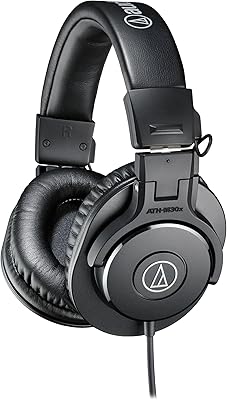
Audio-Technica ATH-M30x
78%
83%
Sound Accuracy
88%
Mid-Range Clarity
61%
Bass Response
72%
Comfort & Fit
74%
Build Quality
More
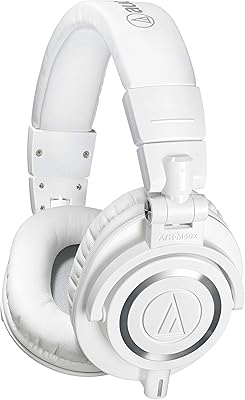
Audio-Technica ATH-M50xWH
87%
94%
Sound Quality
89%
Build Quality
82%
Comfort for Extended Use
91%
Noise Isolation
88%
Durability of Detachable Cable
More
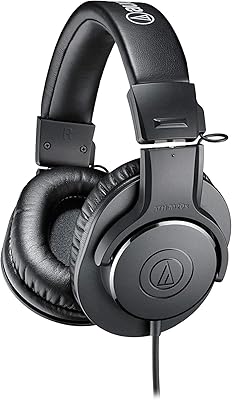
Audio-Technica ATH-M20x
82%
88%
Audio Accuracy
84%
Passive Sound Isolation
94%
Value for Money
81%
Long-Session Comfort
87%
Studio Build Durability
More
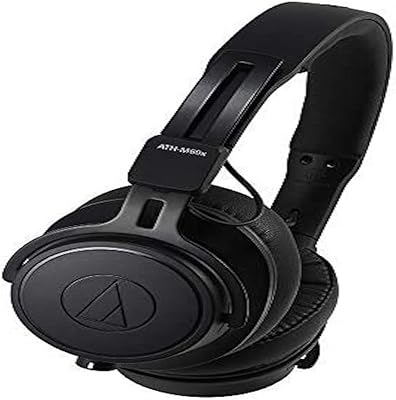
Audio-Technica ATH-M60x
87%
93%
Audio Clarity
94%
Build Durability
88%
Portability
67%
Initial Comfort
79%
Passive Noise Isolation
More
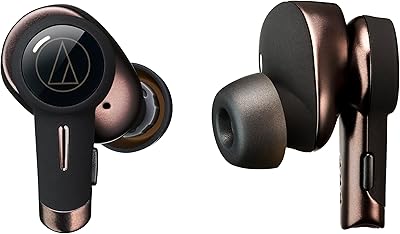
Audio-Technica ATH-TWX9
75%
93%
Sound Quality
78%
Noise Cancellation
89%
Hear-Through Mode
71%
Fit & Comfort
86%
Battery Life
More
Audio-Technica ATH-CLR100iS In-Ear Headphones
81%
78%
Sound Quality
85%
Comfort and Fit
65%
Microphone Quality
80%
Build Quality
77%
Noise Isolation
More
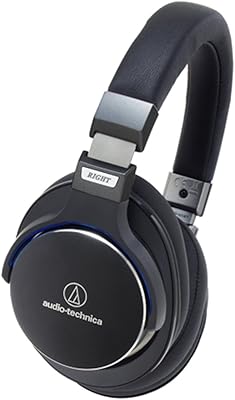
Audio-Technica ATH-MSR7 Over-Ear Headphones
86%
94%
Sound Quality
88%
Comfort
91%
Build Quality
87%
Value for Money
89%
Bass Response
More
Audio-Technica ATH-MSR7bGM Over-Ear Headphones
87%
91%
Sound Quality
88%
Comfort for Extended Use
85%
Build Quality & Durability
89%
Noise Isolation
87%
Value for Money
More
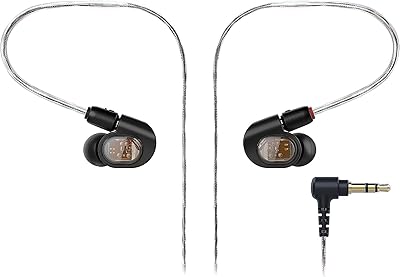
Audio-Technica ATH-E70 In-Ear Monitors
89%
94%
Sound Quality
89%
Comfort & Fit
91%
Durability
93%
Noise Isolation
88%
Cable Quality
More
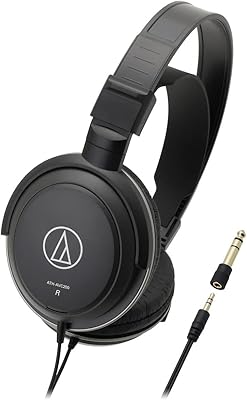
Audio-Technica ATH-AVC200
74%
88%
Value for Money
84%
Comfort & Fit
76%
Sound Quality
61%
Build Quality
73%
Passive Noise Isolation
More

FAQ

Yes, an audio interface or mixer is required — there is no way around it. The microphone uses an XLR output, which no standard PC, laptop, or gaming console accepts directly. A basic interface like a Focusrite Scarlett Solo will get you up and running, but budget for that additional cost before purchasing.

It holds up surprisingly well. Most users coming from entry-level standalone condensers in the $60–$100 range find the voice clarity and presence comparable, sometimes better for close-proximity speech. It is not going to replace a large-diaphragm condenser for music recording, but for streaming and podcasting it is genuinely competitive.

It is more than just a mic attachment. While the headphone drivers share the same DNA as the M50x, the M50xSTS is a purpose-built headset with an integrated boom arm, a dedicated cardioid condenser mic based on the 20 Series, and a retractable cable — none of which are standard on the base M50x. It is designed as a unified audio solution rather than an aftermarket mod.

Yes, it works well with the GoXLR and similar streaming mixers that include standard XLR mic inputs and a 3.5mm headphone output. That combination is actually one of the more popular setups among streamers who use this headset.

Honestly, that depends on the person. At 454 grams, it is noticeably heavier than most headsets in this category, and a meaningful number of users report ear and neck fatigue after sessions exceeding two hours. If you stream for long stretches daily, it is worth trying one on in person if possible, or buying from somewhere with a good return policy.

When new, the arm holds its position reliably. However, with regular daily adjustment, some users report the joint tension gradually loosening over several months, causing the arm to drift away from the optimal mouth position. It is not a universal complaint, but it comes up frequently enough to be worth knowing about before buying.

You can use it for gaming, but it is not designed with gamers in mind. There is no USB connection, no virtual surround sound, no inline volume wheel, and setup requires an audio interface. If gaming is your primary use case, a dedicated gaming headset will likely suit you better and cost less total.

Yes, replacement cushions are included in the box and are also available to purchase separately from Audio-Technica. This is a practical consideration since over-ear cushions on heavily used headsets typically show wear within one to two years.

Yes, as a condenser microphone the boom mic requires phantom power, typically 48V, which is a standard feature on virtually all audio interfaces. Just make sure phantom power is enabled on your interface before recording — it is usually a button or toggle on the unit itself.

The retractable cable design is intended for desk use and provides enough reach for standard interface-to-headset distances without excess slack. Because it is a proprietary retractable cable rather than a standard detachable connector, replacement in case of damage would require sourcing a compatible part from Audio-Technica directly or going through a repair service.