Overview

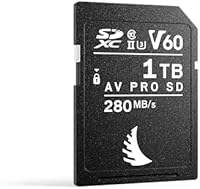
The Angelbird AV PRO SD V60 1TB Card sits in an interesting corner of the memory card market — made by an Austrian company that most photographers find through word of mouth rather than shelf placement at a big-box store. Angelbird has built a quiet but solid reputation among working professionals who care more about consistency than brand recognition. The V60 UHS-II speed class is the smart middle ground: quicker than the V30 cards that come with starter kits, and more budget-conscious than V90 territory. A full terabyte also means shooting all day without swapping cards. One honest caveat: you need a camera with a UHS-II slot to get the real speed benefit here.
Features & Benefits

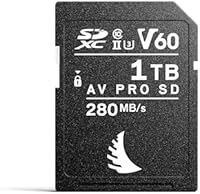
What separates this high-capacity SD card from the pack starts with what Angelbird calls Stable Stream Technology — a sustained 140 MB/s write speed maintained across the card's entire capacity, not just during the first few gigabytes. That distinction matters when you are shooting a long ceremony or a wildlife sequence where the buffer needs to drain reliably every single time. Read speeds top out at 280 MB/s, which means offloading a session of large RAW files to your laptop takes minutes rather than a lunch break. The physical write-protect switch is the kind of small feature you only appreciate after the first close call. Add in robust protection against shock, moisture, and X-rays, plus a free data recovery service backed by Angelbird's own team in Austria, and the value case becomes clearer.

Best For

The Angelbird V60 1TB makes the most sense for professionals where reliability is non-negotiable. Wedding photographers shooting long receptions in burst mode will appreciate not switching cards mid-ceremony. Videographers recording 4K or 6K footage in mirrorless bodies will benefit from the sustained write speeds that prevent dropped frames. Travel and wildlife shooters who put their gear through heat, cold, or airport X-ray machines regularly will find the durability specs reassuring rather than just marketing copy. Studio photographers who offload constantly between setups will notice the fast read speeds keeping their workflow tight. And anyone who has ever accidentally reformatted a card in the field will immediately understand the write-protect switch appeal.

User Feedback

This professional memory card holds a 4.7 out of 5 rating across 72 reviews, which is encouraging but a relatively modest sample size — so treat it as a directional signal rather than a definitive verdict. Consistent praise centers on speed reliability during extended sessions, with buyers noting the card keeps up where cheaper options have let them down. The tension point, as expected, is price: some buyers find it hard to justify compared to competing 1TB V60 options from more familiar brands. A handful of reviews touch on compatibility confusion — buyers expecting full-speed performance from UHS-I cameras were understandably underwhelmed. The data recovery service, though rarely needed, earns strong confidence from the professionals who know it exists.

Pros

  • Sustained 140 MB/s write speed holds steady across the full 1TB — no performance drop halfway through a long shoot.
  • One terabyte of capacity means covering a full wedding, safari, or commercial day without swapping cards once.
  • Read speeds of 280 MB/s make offloading a dense RAW session to a laptop noticeably quicker than mid-range alternatives.
  • The physical write-protect switch is a practical, underrated safeguard against accidental reformats on chaotic multi-person sets.
  • Shock-proof, moisture-resistant, X-ray proof, and temperature-rated — the durability specs hold up in real location and travel conditions.
  • Free in-house data recovery service from Angelbird's own facility in Austria is a rare safety net that most competitors simply do not offer.
  • The three-year limited warranty provides meaningful long-term coverage for a card that sees heavy professional use.
  • V60 UHS-II hits a practical sweet spot — fast enough for continuous high-resolution shooting without the cost of V90 territory.
  • The Angelbird V60 1TB carries a strong 4.7-star average, with consistent praise from buyers focused on reliability over long shooting sessions.
  • At 0.07 ounces, it adds nothing to a bag and fits any standard SD card wallet without a second thought.

Cons

  • The asking price runs noticeably higher than competing 1TB V60 options from Sony or Lexar, which is a real barrier for budget-conscious buyers.
  • Only 72 ratings at the time of this review — not enough data to draw confident conclusions about long-term failure rates.
  • UHS-I camera owners get zero speed benefit; the performance advantage is entirely locked behind a UHS-II-compatible body.
  • Angelbird is a niche brand with limited retail presence, which can make sourcing, returns, or in-person support more complicated.
  • The V60 rating may fall short for shooters working in high-bitrate RAW video formats that genuinely call for V90-class performance.
  • No card case, reader, or protective accessories are included — some competitors bundle at least a basic case at this price point.
  • Angelbird's smaller support infrastructure means warranty or recovery claims may take longer to resolve than with a major mass-market brand.
  • The write-protect switch is small enough that it can be toggled accidentally during insertion, which is a minor but recurring annoyance.
  • Price-to-value perception is a recurring friction point in user feedback, particularly for buyers who are new to the Angelbird brand.

Ratings

The Angelbird AV PRO SD V60 1TB Card scores are generated by AI after systematically analyzing verified buyer reviews worldwide, with spam, bot activity, and incentivized feedback actively filtered out to ensure the results reflect genuine user experiences. Across fourteen evaluated categories — from write speed consistency to brand trust — both the card's real strengths and its honest limitations are represented without softening the rough edges. The result is a balanced, data-informed picture designed to help serious buyers make a confident, well-informed decision.
Write Speed Consistency
93%
Photographers shooting long continuous bursts — think wedding ceremonies or wildlife sequences — consistently praise how reliably this card clears the camera buffer, even deep into a 1TB session. The Stable Stream Technology delivering 140 MB/s across the full card capacity is a real differentiator, not a marketing footnote.
The sustained write advantage is only unlocked when paired with a UHS-II compatible camera body; in UHS-I bodies, this entire performance story collapses to baseline speeds. Some users feel the premium commanded by this consistency is only justified if continuous shooting is a core part of their workflow.
Read Speed Performance
88%
Offloading a full session of high-resolution RAW files to a laptop is noticeably faster with a UHS-II reader, and professionals who shoot heavy volumes daily report meaningful time savings compared to mid-tier alternatives. At 280 MB/s peak, the card keeps studio and commercial workflows moving without long waits between setups.
The impressive read speeds only materialize with a UHS-II compatible card reader — a piece of kit many buyers do not yet own and must budget for separately. Users with older UHS-I readers who expected a faster offload experience were sometimes caught off guard by the compatibility ceiling.
Build Quality & Durability
91%
Travel and wildlife shooters who put their cards through airport X-ray belts, tropical humidity, and cold-weather conditions report solid confidence in the construction. The shock-proof, moisture-resistant, and magnet-proof ratings reflect an engineering approach aimed at professional field conditions, not controlled studio scenarios.
The card carries no published IP rating against a standardized waterproofing benchmark, so moisture resistance has a real upper bound that some outdoor photographers find ambiguous. A few users note that the physical housing, while solid, does not feel dramatically more substantial than well-built cards from competing brands.
Storage Capacity
94%
Shooting an entire multi-day event, long-form documentary segment, or week-long wildlife expedition without swapping cards is a genuine operational advantage that experienced photographers consistently highlight. A single 1TB card in-camera also reduces the logistical friction of managing, labeling, and tracking multiple smaller cards across long projects.
The 1TB capacity is also a risk concentration point — if a failure occurs and no immediate backup exists, the potential loss is larger than with a 256GB card. Some photographers with disciplined multi-card backup workflows find the sheer capacity more than their process can comfortably absorb.
Value for Money
63%
37%
Professionals who regularly shoot long events or demanding video sessions see clear value in the combination of 1TB capacity, sustained write consistency, and the included data recovery service — three things they would otherwise pay for separately or go without. For this specific buyer profile, the premium over competing cards is defensible.
For the broader market, the price is a recurring friction point — particularly when competing 1TB V60 options from Sony and Lexar offer strong performance at lower cost and with larger review pools for reference. Casual photographers and those shooting on UHS-I bodies will almost certainly find better value elsewhere.
Compatibility
72%
28%
The card is backward compatible with UHS-I slots, meaning it will function in virtually any camera body with an SD slot — useful for shooters who use multiple bodies across different generations. For travel photographers juggling older backup bodies alongside newer mirrorless systems, this physical flexibility has real practical value.
Full performance is firmly locked behind the UHS-II ecosystem, and buyers who do not yet own a UHS-II body and reader will not experience the speed benefits that justify much of the cost. Compatibility confusion is a recurring theme in user feedback, particularly from buyers who assumed UHS-II speed was backward accessible.
Reliability & Data Integrity
89%
The professional photography community places significant weight on card reliability above almost any other spec, and the Angelbird V60 1TB consistently earns praise from buyers who have used it through multi-day events and demanding wildlife shoots without a single dropped frame or read error. The brand's reputation among working professionals for dependable cards underpins this confidence.
With only 72 ratings at the time of this analysis, the sample size is too small to draw firm statistical conclusions about long-term failure rates compared to Sony or Lexar, which carry thousands of reviews. Buyers seeking extensive real-world longevity data before committing will find the evidence base here thinner than with larger brands.
Warranty Coverage
84%
A 3-year limited warranty issued directly by the manufacturer — rather than routed through a distributor — adds a degree of accountability that budget-oriented buyers rarely see at any price point. For shooters who rely heavily on their cards for paid professional work, this coverage horizon is a meaningful purchasing factor.
Angelbird's smaller operational footprint means warranty claim logistics may take longer compared to Sony or SanDisk, which have broader regional support infrastructure. Some users outside of Europe have reported that turnaround times for warranty-related communications with the Austrian team can stretch beyond comfortable expectations.
Data Recovery Service
96%
The inclusion of a free in-house data recovery service — performed by Angelbird's own engineers in Austria rather than a third-party lab — is the kind of safety net that professionals shooting irreplaceable images genuinely value. Wedding and event photographers in particular highlight this as a meaningful reason to choose this card over similarly priced alternatives.
The service requires shipping the card internationally to Austria, which introduces logistical delays for non-European buyers who need a fast turnaround after a failure event. There is also limited published information on the scope, success rate, or exclusions of the recovery service, leaving some buyers uncertain about what it actually covers.
Thermal Stability
83%
Photographers and videographers shooting in extreme heat — think desert documentary work or outdoor summer events — report that this card handles sustained read and write operations without the throttling that affects some competitors under thermal stress. The temperature-rated construction reflects an engineering philosophy built around real field conditions rather than controlled lab benchmarks.
Specific operating temperature ranges are not prominently published in the card's documentation, making it difficult for buyers in truly extreme environments to verify suitability with certainty. Thermal performance under sustained 6K recording in high-heat conditions is an area with limited independent testing data currently available.
Brand Reputation
77%
23%
Among professional photographers and videographers who have discovered Angelbird through peer recommendations or industry circles, the brand commands genuine respect for engineering quality and purpose-built products. It earns its following through consistent performance rather than aggressive marketing, and that quiet reputation carries real weight among experienced buyers.
Angelbird's niche positioning means many buyers will encounter this card without the reassurance of widespread recognition, extensive third-party reviews, or readily available in-store comparisons. For buyers who rely on broad community consensus before purchasing, the smaller review footprint creates a trust gap that more established brands simply do not have.
Transfer Efficiency
86%
Studio photographers and commercial shooters with tight delivery deadlines consistently note that 280 MB/s read speeds make a tangible difference — a large RAW session that offloads in minutes rather than half an hour keeps the day on schedule. Paired with a UHS-II reader, the transfer experience is among the fastest available at this card class.
The efficiency gains are entirely dependent on owning a UHS-II card reader, which is not included in the box and not something every buyer already has. Buyers coming from a UHS-I offload workflow who do not factor in the cost of a compatible reader may find the real-world transfer speeds initially disappointing.
Write-Protect Usability
79%
21%
Photographers who manage cards across busy event sets or hand memory over to clients for spot review genuinely appreciate having a physical write-protect toggle — one of the few remaining mechanical safeguards in an otherwise software-dependent workflow. Engaging it after a completed shoot and before backup creates a simple, reliable protection layer.
The write-protect switch is notably small, and several users report toggling it accidentally when inserting or removing the card quickly — an ironic frustration for a dedicated safety feature. There is also no visual or in-camera indicator that the switch is engaged, so discovering the lock mid-shoot requires physically pulling the card to check.
Long-Session Performance
92%
Videographers recording extended interviews, multi-hour events, or time-lapse sequences specifically call out the Angelbird V60 1TB for maintaining consistent throughput without the buffer stalls or write throttling that has plagued other cards during marathon recording conditions. This card earns its most enthusiastic reviews precisely in the scenarios where lesser cards fall short.
Users who have pushed the card through genuinely extended video sessions note that the V60 rating can become a limiting factor in specific high-bitrate formats that really need V90 headroom. Long-session endurance, while strong, has not been independently benchmarked across enough real-world scenarios to make absolute claims with confidence.

Suitable for:

The Angelbird AV PRO SD V60 1TB Card is built for working photographers and videographers who treat storage failure as simply not an option. Wedding and event shooters will get the most obvious benefit — a single card that covers an entire multi-hour reception without interruption, backed by write speeds that stay consistent whether you are on frame 50 or frame 5,000. Videographers running 4K or 6K workflows on modern mirrorless bodies will find the sustained 140 MB/s write speed far more useful in practice than a flashy peak number that only holds for the first few gigabytes. Travel and wildlife photographers who work in unpredictable conditions — desert heat, coastal humidity, airport X-ray belts — will appreciate the durability ratings as genuine practical protection rather than checkbox marketing. Studio and commercial shooters who constantly offload and re-use cards between setups will also benefit from the 280 MB/s read speed, which meaningfully cuts dead time between sessions. If you regularly leave cards in-camera for extended periods or on busy sets where multiple people handle your gear, the physical write-protect switch adds a low-tech but effective safeguard that no digital protection can fully replicate.
Not suitable for:

The Angelbird AV PRO SD V60 1TB Card is a poor match for anyone shooting with an older camera body that only supports UHS-I — you get the storage capacity but none of the speed advantage, making the premium price very difficult to justify. Casual photographers who shoot JPEG in everyday conditions and offload once a week have no practical need for sustained write speeds or extreme-environment durability; a solid mid-tier V30 card will serve them just as well for considerably less money. Budget-conscious buyers drawn to the 1TB capacity but comparing against more affordable alternatives from Sony or Lexar should also weigh the fact that Angelbird is a smaller, niche-focused brand — wider availability, a larger review pool, and potentially faster support turnaround exist with the bigger players at this capacity tier. Hybrid shooters working in demanding RAW video formats may find the V60 rating is not enough headroom and should look seriously at V90-class cards before committing. Finally, anyone who expects to maximize transfer speeds through a UHS-I card reader when offloading will hit a compatibility ceiling regardless of what the card itself is capable of.

Specifications

  • Capacity: Offers 1 TB of usable storage, sufficient for thousands of high-resolution RAW files or several hours of 4K and 6K footage without changing cards.
  • Speed Class: Rated V60 (Video Speed Class 60) and UHS-II, guaranteeing a minimum sustained write speed of 60 MB/s with typical real-world sustained performance of 140 MB/s.
  • Interface: Uses the SDXC UHS-II standard with dual-row electrical contacts, requiring a UHS-II compatible camera slot or card reader to reach its rated maximum speeds.
  • Max Read Speed: Achieves a maximum read speed of 280 MB/s, enabling fast file transfers to a computer when paired with a UHS-II compatible card reader.
  • Max Write Speed: Reaches a peak write speed of 160 MB/s under optimal conditions, supporting rapid camera buffer clearing during high-resolution burst sequences.
  • Sustained Write: Maintains a consistent 140 MB/s write speed across the card's entire 1 TB capacity, not just during the initial buffer phase, via Angelbird's Stable Stream Technology.
  • SD Class: Carries the SD Association Class 10 designation, confirming a baseline minimum write speed of 10 MB/s and broad backward compatibility with standard SD slots.
  • Dimensions: Measures 1.26 x 0.94 x 0.08 inches, matching the standard full-size SD card form factor for universal physical compatibility with any SD or SDXC slot.
  • Weight: Weighs 0.07 ounces, adding no meaningful mass to a camera bag, card wallet, or pocket.
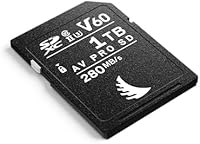
  • Write-Protect: Features a physical write-protect switch on the card body that prevents file deletion and card reformatting when manually engaged.
  • Shock Resistance: Engineered to withstand physical impact and drops, meeting shock-proof standards appropriate for active field and location production use.
  • Environmental Rating: Rated as moisture-resistant, magnet-proof, and X-ray proof, providing reliable protection through airport security scanners and in humid or wet shooting environments.
  • Temperature Range: Specified to operate reliably across an extreme temperature range, covering both sub-zero cold and high-heat conditions encountered in professional field production.
  • Warranty: Covered by a 3-year limited warranty issued by Angelbird Technologies GmbH, headquartered in Austria.
  • Data Recovery: Includes a complimentary in-house data recovery service performed by Angelbird's own engineering team in Austria, addressing both hardware and software-level card failures.
  • Compatibility: Designed for modern mirrorless and DSLR cameras with UHS-II SD slots; backward compatible with UHS-I slots and readers at reduced transfer speeds.

Related Reviews
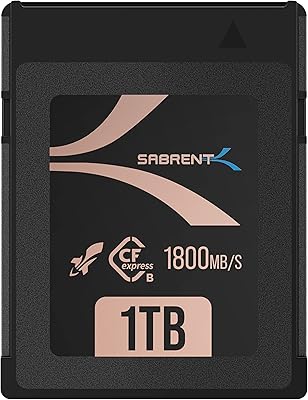
Sabrent Rocket CFX PRO 1TB CFexpress Type B Memory Card

91%
96%
Performance for Video Recording
94%
Read Speed
93%
Write Speed
89%
Durability Under Heavy Use
87%
Value for Money
More
Apple MacBook Pro 14-inch M1 Pro Laptop
84%
96%
Raw Performance
88%
Battery Life
94%
Display Quality
91%
Thermal Management
93%
Build Quality
More
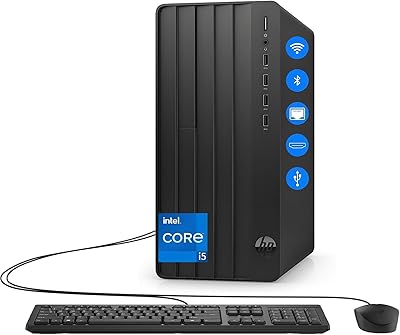
HP Pro Tower 290 G9 Desktop (i5-12500, 32GB RAM, 1TB SSD)
81%
96%
Multitasking Capability
91%
Value for Money
88%
Port Selection
84%
Thermal & Acoustic Performance
93%
Boot Speed & Storage
More
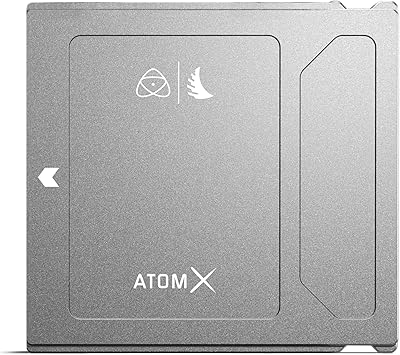
Angelbird AtomX SSDmini 1TB Recording SSD
84%
94%
Recording Reliability
93%
Atomos Device Compatibility
91%
Sustained Write Performance
89%
Build Quality & Durability
88%
Codec Compatibility
More
Samsung 860 Pro 1TB Internal SSD
84%
88%
Read & Write Performance
93%
Endurance & Longevity
58%
Value for Money
91%
Build Quality
86%
Installation Ease
More
VIXLW Video Capture Card Pro+
77%
91%
Ease of Setup
72%
Video Capture Quality
58%
Audio Sync Reliability
88%
Software Compatibility
84%
Signal Format Detection
More
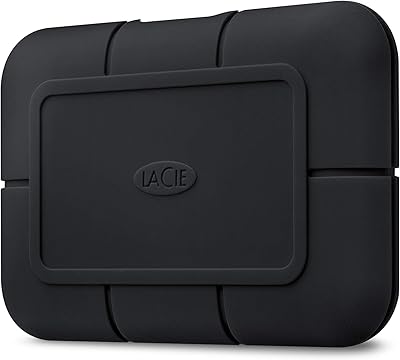
LaCie Rugged SSD Pro 1TB External SSD
80%
92%
Transfer Speed
94%
Build Quality
91%
Water & Dust Resistance
88%
Portability
67%
Port Compatibility
More
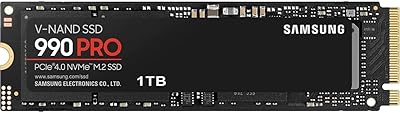
Samsung 990 Pro 1TB M.2 SSD
85%
93%
Raw Read/Write Speed
89%
Random IOPS Performance
71%
Thermal Management
84%
Gaming Performance
91%
Installation & Compatibility
More
Samsung 970 PRO SSD 1TB
88%
94%
Performance
92%
Speed & Data Transfer
90%
Reliability
88%
Thermal Management
87%
Ease of Setup
More
TEAMGROUP MP33 PRO 1TB NVMe SSD
88%
93%
Performance
91%
Read Speed
88%
Reliability
87%
Write Speed
85%
Installation Ease
More

FAQ

Yes, the Angelbird AV PRO SD V60 1TB Card will physically fit and function in any standard SD slot, including UHS-I. The catch is that you will only get UHS-I speeds — typically capped around 100 MB/s read — not the 280 MB/s the card is capable of. If your body is UHS-I only, the card works fine as storage, but you are paying a premium for performance you cannot fully access, so it is worth checking your camera manual before buying.

V60 means the card guarantees a minimum sustained write speed of 60 MB/s, which is more than enough for 4K, most 6K formats, and continuous RAW burst shooting on the vast majority of mirrorless and DSLR cameras. V90 pushes that floor to 90 MB/s and is generally aimed at shooters using 8K RAW or very high-bitrate cinema formats. For most hybrid and stills photographers, V60 is the right balance of speed and cost — but if you shoot demanding internal RAW video, check your camera manufacturer's recommended card specs before deciding.

This is a genuine debate among professionals, and reasonable people land on both sides. The traditional argument for multiple smaller cards is redundancy — if one fails, you only lose part of the shoot. The counter-argument is that card swaps mid-ceremony or mid-sequence introduce their own risks, and a well-made card from a reputable brand is very unlikely to fail mid-shoot. Most photographers who rely on a single large card also maintain a tight backup routine — dual-slot bodies, or copying files during natural breaks — so the card itself is rarely the weakest link in the chain.

Most memory cards advertise a peak write speed that is only achievable under ideal conditions or early in the card's capacity — after which performance can quietly drop. Angelbird's Stable Stream Technology is designed to hold a consistent 140 MB/s write speed across the full 1 TB, not just the first portion. In real terms, this means the camera buffer is less likely to stall during a long continuous burst or an extended video recording session. It is the kind of spec that matters most precisely when you cannot afford a pause — during a ceremony, a critical wildlife sequence, or a live performance.

Yes. To reach the advertised 280 MB/s read speed when transferring files to your computer, you need a card reader that supports UHS-II. A standard UHS-I reader will work but will cap your transfer speed at UHS-I levels, which means noticeably longer wait times for a full 1 TB card. Angelbird makes their own UHS-II readers, and solid third-party options from ProGrade and Lexar are widely available. If you offload large volumes regularly, upgrading to a UHS-II reader is one of the most practical workflow improvements you can make alongside this card.

If the card fails and files cannot be accessed by normal means, you send the card back to Angelbird's facility in Austria, where their engineering team attempts recovery at both the hardware and software level — this is not outsourced to a third party. The service is included with the card at no extra charge, which is genuinely rare in this product category. It is the kind of feature you hope never becomes relevant, but for professional shooters where the cost of lost images is high, it is a meaningful differentiator over cheaper alternatives.

Sony and Lexar both offer strong alternatives with larger user review pools and wider retail availability, which matters if you want extensive real-world data before committing. The Angelbird V60 1TB stands out primarily through its verified sustained write consistency, the physical write-protect switch, and the in-house data recovery service — none of which are standard across the competition at this tier. If brand recognition and accessible customer support are top priorities, Sony or Lexar may feel like the safer choice. If sustained performance and that recovery safety net matter most, this professional memory card holds its own at the top of the shortlist.

The card is rated as moisture-resistant rather than submersion-rated to any specific IP standard, so treat it as protected against rain, humidity, condensation, and accidental splashes rather than full underwater exposure. For the vast majority of outdoor, travel, and location shooting scenarios, that level of protection is more than adequate. Just do not expect it to survive a drop into a river.

It is easy to dismiss as a legacy feature, but any photographer who has handed a card to a client or an assistant and had it come back reformatted will tell you otherwise. Flipping it on after a completed shoot — before you have had a chance to back up — means that even if you or someone else grabs the wrong card, the camera will refuse to write or reformat it. On a fast-moving set or a multi-day event where multiple people are handling cards, that simple mechanical lock quietly prevents the kind of mistake that is impossible to undo.

For 6K video in standard compressed formats used by most mirrorless cameras from Sony, Fujifilm, or Panasonic, the sustained 140 MB/s write speed is comfortably sufficient for continuous recording without buffer issues. Where it gets more nuanced is with 6K RAW or unusually high-bitrate internal formats, which can push data rates high enough that a V90 card becomes the safer choice. Always check your specific camera's recommended minimum card class for the recording mode you plan to use — manufacturers typically publish this in the manual or on their support pages.