Overview

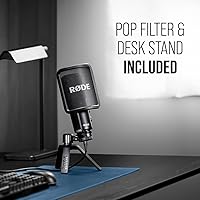
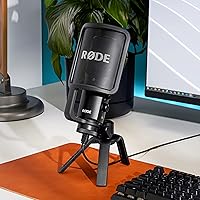
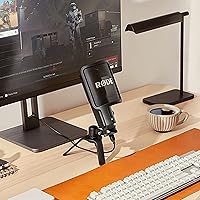
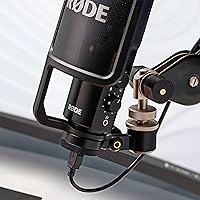
The RØDE NT-USB USB Condenser Microphone is built for people who want real studio sound without buying a separate audio interface or mixer. Plug it into a laptop or tablet and it is recognized instantly, no drivers to chase down, no settings to fight with. Inside is a cardioid capsule, which simply means it favors sound coming from directly in front of it rather than grabbing everything in the room. What stands out is how complete the package feels right away: a desktop tripod and a pop filter come included, so you are not scrambling to buy extra accessories just to start recording. For anyone tired of treating audio as an afterthought, this USB microphone removes most of the usual setup friction.

Features & Benefits

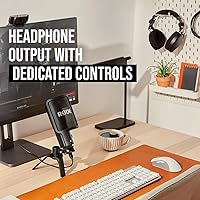
Once you start using the NT-USB regularly, a few details earn their keep. The cardioid pickup pattern does a solid job of focusing on your voice while pushing background hum and room echo into the background, though it is not magic in a noisy apartment. A headphone jack lets you monitor your own voice in real time with no annoying delay, which matters more than people expect until they try recording without it. On the body itself, a basic gain dial and a mute button make quick adjustments painless mid-session. The metal housing also feels noticeably more solid than the plastic shells common on cheaper USB mics, and that included pop filter genuinely helps soften harsh p and b sounds during vocal takes.

Best For

This condenser mic tends to make the most sense for a fairly specific group of buyers. Podcasters who want their voice to sound broadcast-ready without learning a mixer will likely appreciate it most, and the same goes for streamers and gamers who just want commentary that sounds clear instead of tinny or distant. Singer-songwriters recording vocals or an acoustic guitar at home get a meaningful step up from a phone or webcam mic. Voiceover artists and YouTubers doing solo narration work will find the plug-and-play setup convenient for fast turnaround. It is also a natural pick for someone outgrowing a gaming headset mic and looking for their first real upgrade without diving into a full studio setup.

User Feedback

Looking at how people actually talk about the NT-USB after living with it, the response is mostly positive with a few honest caveats. A common theme is praise for the warm, clear tone, with many buyers feeling it punches above its price tier. The recurring criticism is that, since it is cardioid rather than noise-cancelling, it does pick up more ambient room noise than a dynamic microphone would in an untreated space. Long-term owners frequently mention the metal build holding up well after years of regular use, which says something about durability. A smaller number of reviewers feel the included stand is a bit light for a desk. Overall, it is often described as a clear step up from a built-in laptop mic.

Pros

  • Delivers a warm, clear vocal tone that punches above its price tier
  • Works the moment you plug it in, with no interface or drivers needed
  • Comes with a usable pop filter and tripod stand right out of the box
  • Headphone output lets you monitor your voice with zero noticeable delay
  • Metal housing feels genuinely durable compared to typical plastic USB mics
  • Onboard gain and mute controls make quick mid-session adjustments simple
  • Owners often say it is a clear upgrade over a built-in laptop mic
  • Cardioid pattern focuses on your voice better than an omnidirectional mic would

Cons

  • Still picks up more ambient room noise than a true dynamic microphone
  • Single mono channel limits use for simultaneous multi-instrument recording
  • Included desktop stand feels a bit light and basic to some owners
  • Not ideal for loud, untreated rooms or shared living spaces
  • USB-only connection means no XLR flexibility for future mixer upgrades
  • Performs best with at least minimal room treatment, which adds extra cost
  • Bulkier setup than a simple clip-on mic for travel or mobile recording

Ratings

Our scores for the RØDE NT-USB USB Condenser Microphone are generated by AI after analyzing thousands of verified user reviews from around the world, with spam and incentivized feedback filtered out. The result reflects real, lived-in experiences from podcasters, streamers, and home musicians, not marketing claims. Both the genuine strengths and the recurring frustrations are represented honestly below.

Vocal Clarity
89%
Most buyers recording podcasts or voiceovers describe the vocal tone as warm and noticeably clearer than a laptop or headset mic. It picks up nuance in speech well, which makes long-form narration and solo recording sessions sound more polished without extra processing.
A handful of users feel the tone can sound slightly thin without EQ adjustments in post-production. It is not on par with high-end XLR studio mics, so some experienced recordists still notice the ceiling on tonal depth.
Background Noise Handling
68%
32%
The cardioid pattern does meaningfully reduce noise compared to an omnidirectional mic, which helps in moderately quiet home offices or bedrooms used for recording. Streamers gaming in a quiet room report commentary that sounds focused rather than washed out.
Several owners in apartments or shared spaces note it still picks up more ambient sound than a dynamic microphone would. It is not noise-cancelling, so fans, traffic, and roommates can bleed into recordings if the room is not at least somewhat treated.
Build Quality
91%
The metal housing is a frequently cited highlight, with long-term owners saying it still feels solid after years of daily podcasting or streaming use. It clearly outperforms the plastic shells found on many similarly priced USB mics.
A small number of users mention the included tripod stand feels less substantial than the mic itself, creating a slight mismatch in perceived quality. It is functional but not something everyone trusts on a cluttered desk long-term.
Setup Simplicity
94%
Plug-and-play USB connectivity is consistently praised, with beginners and busy creators alike getting usable recordings within minutes of opening the box. No drivers, mixers, or interfaces are needed, which removes a major barrier for first-time podcasters.
A few users note that because everything is automatic, there is limited room for the kind of fine-tuned control an XLR setup with a dedicated interface would offer. Power users may eventually outgrow the simplicity.
Headphone Monitoring
88%
The zero-latency headphone output is genuinely appreciated by voiceover artists and singers who need to hear themselves accurately while recording. It removes the disorienting echo that comes from monitoring through computer speakers or software with delay.
A minority of reviewers wish the headphone volume had a bit more headroom at max levels in noisy environments. It is solid but not class-leading compared to dedicated audio interfaces.
Onboard Controls
82%
18%
The gain dial and mute button are handy for streamers who need to mute quickly during gameplay or calls, and for podcasters making mid-session volume tweaks without touching software. It feels intuitive even for first-time users.
Some users find the gain dial a little stiff or imprecise for fine adjustments. It works well for quick changes but is not a substitute for proper software-level gain staging.
Value for Money
85%
Many buyers feel it punches above its price tier, especially once they factor in the included pop filter and tripod that would otherwise cost extra. For podcasters and streamers upgrading from a basic mic, it feels like a meaningful investment rather than an impulse buy.
A smaller group feels the price climbs close to entry-level XLR setups with an interface, which offer more long-term flexibility. Buyers planning to expand to multi-mic setups may find better long-term value elsewhere.
Compatibility
90%
Working across laptops, tablets, and even some cameras or audio interfaces makes it flexible for creators who switch between recording setups. Streamers and podcasters appreciate not being locked into a single device.
A few users recording on certain tablets report occasional recognition hiccups requiring a reconnect. It is generally reliable, but not entirely free of the usual USB quirks.
Portability
71%
29%
It is compact enough to fit in a backpack for creators recording on the go, and the all-in-one design means fewer cables to manage compared to a full XLR setup. This appeals to YouTubers filming away from a fixed studio space.
The included tripod stand adds bulk that some travelers prefer to leave at home, and the metal body, while durable, adds noticeable weight compared to ultra-compact USB mics.
Plosive and Pop Control
86%
The included pop filter genuinely softens harsh p and b sounds, which singer-songwriters and narrators notice immediately when comparing takes with and without it. It is a small addition that saves real editing time afterward.
A few users recording very close to the mic still notice occasional plosive pops getting through during louder vocal passages. Proper mic distance still matters even with the filter attached.
Long-Term Reliability
88%
Long-term owners frequently report the unit performing consistently after years of regular use, with the metal build showing little wear. This gives podcasters and streamers confidence in it as a daily-use tool rather than a short-term gadget.
A small number of older units reportedly develop minor connection looseness over extended heavy use. It is not a widespread issue, but it is worth noting for anyone planning years of daily recording.
Beginner Friendliness
92%
First-time creators consistently describe it as an easy, low-stress upgrade from a webcam or gaming headset mic, with no learning curve to fight through. The plug-and-play nature makes it a confident first step into better audio.
More advanced users sometimes feel they outgrow its single-channel, software-light design once they want finer control over multiple inputs or advanced routing.

Suitable for:

The RØDE NT-USB USB Condenser Microphone fits anyone who wants a noticeable jump in audio quality without learning a full studio setup. Podcasters who record solo or interview guests over a call benefit from the clear, plug-and-play voice capture without needing a separate mixer. Streamers and gamers who want commentary that sounds present and intelligible rather than thin or distant will find it an easy upgrade from a headset mic. Singer-songwriters and home musicians get a real step up for capturing vocals or acoustic instruments in a bedroom or home office setup. It also suits voiceover artists and YouTubers who need consistent, professional-sounding narration without renting studio time. Even total beginners can get good results on day one since it works the moment it is plugged in.

Not suitable for:

This condenser mic is not the right call for anyone recording in a noisy household, a busy apartment, or a room with hard, untreated walls, since cardioid pickup still lets in a fair amount of ambient sound. Buyers who need to isolate a voice in unpredictable environments, like loud co-working spaces, are usually better served by a dynamic mic. Musicians needing multiple simultaneous inputs will hit a wall, since the RØDE NT-USB USB Condenser Microphone only handles a single mono channel. Anyone who travels often and needs something compact and rugged may find the desktop tripod a bit bulky for a bag. People expecting noise-cancelling performance will likely be disappointed, since that is simply not what a cardioid capsule does.

Specifications

  • Connectivity: It connects to a computer or tablet using a standard USB cable.
  • Polar Pattern: The capsule uses a cardioid (unidirectional) pattern that focuses on sound from the front.
  • Internal Connector: It uses an internal XLR-style capsule design housed within the USB body.
  • Included Accessories: The package includes a desktop tripod stand and a pop filter.
  • Housing Material: The body is constructed from metal for added long-term durability.
  • Weight: The microphone weighs approximately 1.1 to 1.15 pounds.
  • Dimensions: It measures 2.44 x 1.97 x 7.24 inches.
  • Signal-to-Noise Ratio: It has a signal-to-noise ratio of 82 dB.
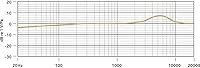
  • Frequency Response: The frequency response extends up to 20 kHz.
  • Channel Count: It records a single mono audio channel.
  • Headphone Monitoring: A built-in headphone output allows zero-latency monitoring while recording.
  • Onboard Controls: It includes a gain dial and a mute button on the body.
  • Device Compatibility: It works with laptops, tablets, audio interfaces, and PCs or cameras with USB input.
  • Power Source: It is powered directly through the USB connection, requiring no separate power supply.
  • Color: It is finished in black.

Related Reviews
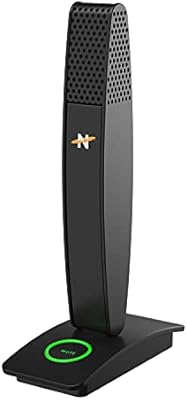
Neat Microphones Skyline USB Desktop Condenser Microphone
89%
94%
Audio Quality
91%
Ease of Use
89%
Build Quality
90%
Mute Button Functionality
92%
Value for Money
More
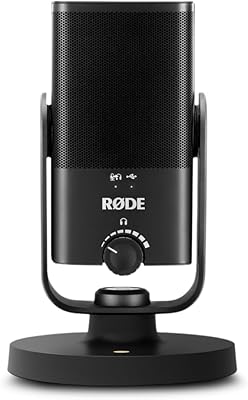
RØDE NT-USB Mini
RØDE NT-USB Mini
86%
94%
Build Quality
91%
Vocal Clarity
96%
Setup Simplicity
67%
Background Noise Rejection
83%
Software Integration
More
HyperX QuadCast S
HyperX QuadCast S
87%
88%
Vocal Clarity
96%
Mute Functionality
91%
Build Quality
84%
Shock Absorption
89%
Gain Control Ease
More
RØDE NTG4+ Supercardioid Condenser Shotgun Microphone
87%
91%
Sound Quality
96%
Battery Life
88%
Build Quality
84%
Ease of Use
90%
Noise Isolation
More
Elgato Wave Neo
Elgato Wave Neo
80%
88%
Audio Quality
96%
Ease of Setup
91%
Mute Button & LED Indicator
67%
Build Quality & Materials
83%
Stand & Positioning Design
More
JOBY Wavo POD USB Condenser Microphone
76%
78%
Audio Quality
94%
Ease of Setup
62%
Build Quality
74%
Value for Money
57%
Background Noise Rejection
More
Elgato Wave:3
Elgato Wave:3
86%
94%
Software Ecosystem
97%
Audio Distortion Prevention
68%
Build Quality & Materials
91%
Ease of Setup
88%
Voice Clarity & Sound Quality
More
AMOOX BM-800
AMOOX BM-800
74%
88%
Value for Money
71%
Audio Quality
93%
Ease of Setup
74%
Build Quality
66%
Noise Isolation
More
Thronmax M8 Pulse USB Condenser Microphone
71%
74%
Audio Clarity
61%
Noise Rejection
58%
Build Quality
89%
Portability
93%
Ease of Setup
More
HyperX SoloCast
HyperX SoloCast
84%
89%
Audio Clarity
97%
Ease of Setup
93%
Mute Functionality
42%
Vibration Isolation
86%
Build Quality
More

FAQ

No, that is the main appeal here. This USB microphone plugs straight into your computer or tablet and shows up as a standard audio input, so you can skip the interface entirely.

It can, but keep in mind it only records a single mono channel, so both voices get blended into one track. For separate tracks per speaker, you would need two mics and an interface instead.

Being cardioid, it favors sound from the front and reduces some room noise compared to an omnidirectional mic, but it is not a noise-cancelling device. In an untreated or noisy room, you will still hear some ambient sound in the recording.

It works fine for everyday desk use, though a few long-term owners feel it is a bit light for the size of the microphone. If you want something more substantial, a separate boom arm is a reasonable upgrade.

Yes, there is a built-in headphone output that gives you zero-latency monitoring, so you hear yourself in real time instead of a delayed echo through your computer.

Definitely. The RØDE NT-USB USB Condenser Microphone gives noticeably clearer, more present audio than a typical gaming headset, which makes commentary easier to understand for viewers.

The metal housing holds up well, and several long-term owners report it still performing reliably after years of regular use. It feels sturdier than the plastic-bodied USB mics in this price range.

It works with tablets as well as laptops and desktops, since it connects over standard USB and does not require special drivers.

The onboard gain dial lets you adjust input sensitivity directly on the mic, which is handy for quick volume tweaks without digging into your computer's audio settings mid-recording.

Yes, this is exactly the kind of buyer it suits best. It is simple enough for beginners to set up immediately, while still sounding like a real step up from built-in laptop or headset mics.