Overview

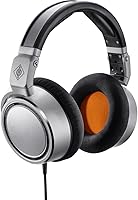
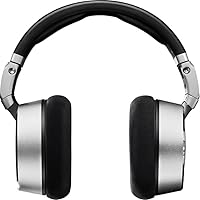
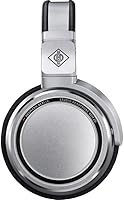
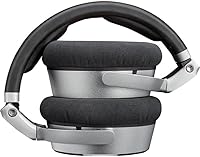
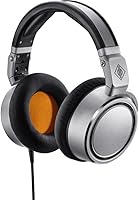
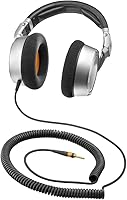
The Neumann NDH 20 arrives carrying a serious pedigree — the brand built its reputation on studio microphones trusted in professional recording rooms for decades, so when they entered the headphone market, engineers took notice. These studio headphones land at roughly $509, placing them firmly in prosumer territory alongside well-regarded names like Beyerdynamic and Sony. The closed-back circumaural design is a clear statement of intent: this is a monitoring tool, not a lifestyle product. Aluminum construction, fabric earpads, and a foldable over-ear build give it a premium feel that holds up to the price tag without feeling overwrought.

Features & Benefits

The 38mm neodymium driver at the core of these studio headphones keeps distortion impressively low — in practice, that translates to a clean, accurate representation of what is actually in your mix. The frequency range runs from 12 Hz to 34 kHz, covering everything a mixing session demands. One critical point upfront: at 150 Ohm impedance, this closed-back monitor needs a proper headphone amp or audio interface to perform as intended. Plugging it into a laptop headphone jack will leave it sounding quiet and flat. The detachable cable system — both straight and coiled options included — is a well-considered studio convenience, and passive noise isolation keeps your monitoring environment controlled without introducing any processing artifacts.

Best For

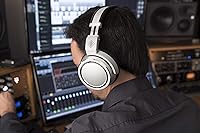
These studio headphones are purpose-built for professional work and do not pretend otherwise. Mixing and tracking engineers who need reliable bleed isolation will find the NDH 20 genuinely useful — you get an accurate, controlled picture of a mix without the room acoustics that make speaker monitoring unpredictable. Home studio producers who lack proper acoustic treatment can also rely on this closed-back monitor for critical mixing decisions. Podcasters and content creators who monitor their own recordings live in-session are well-served too. What it is not suited for: wireless use, commuting, or plug-and-play compatibility with consumer devices. The high impedance alone rules it out for anyone without a dedicated amp or interface.

User Feedback

Buyers who understand reference monitoring consistently praise the NDH 20 for its imaging and low distortion — the honest, flat response is exactly what studio work requires, and it shows in how tracking engineers talk about it. Build quality earns consistent appreciation too; the materials feel proportionate to the price. Two recurring complaints are worth flagging directly: the clamping force and overall weight become noticeable discomfort during extended sessions, something marathon mix engineers should take seriously. A number of buyers were also caught off-guard by how poorly these studio headphones performed without a proper amp — a predictable consequence of the high impedance that was not obvious at purchase. Overall, 4.4 out of 5 stars from 128 reviews reflects a genuinely well-regarded headphone with real, honest limitations.

Pros

  • Reference-accurate sound reproduction lets you make confident, reliable mixing decisions without second-guessing your monitoring.
  • The neodymium driver delivers impressively low distortion, so subtle mix details stay clearly audible and well-defined.
  • Passive noise isolation blocks ambient room noise without adding any signal processing that could color what you hear.
  • Aluminum housing and quality fabric earpads feel genuinely premium and hold up well to daily professional studio use.
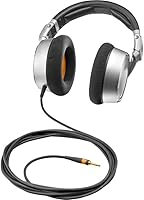
  • Both straight and coiled detachable cables are included, covering desk-based and mobile studio scenarios without extra purchases.
  • The foldable design makes storage and studio-to-studio transport practical without adding bulk to a gear bag.
  • Stereo imaging is precise and reliable — instrument placement across the mix translates consistently in ways that cheaper headphones obscure.
  • At this price, the acoustic engineering credentials behind the NDH 20 are hard to match from other headphone brands.
  • Frequency extension down to 12 Hz means low-end mixing decisions feel grounded rather than guessed at.

Cons

  • A dedicated headphone amp or audio interface is required — these studio headphones perform poorly from phones or laptop outputs.
  • At 2.44 pounds, fatigue and pressure become real discomfort issues during multi-hour mixing or tracking sessions.
  • The clamping force, while good for isolation, causes noticeable pressure around the ears after roughly two hours for many users.
  • Replacement earpads are not as widely available or interchangeable as those for Beyerdynamic or Sony equivalents.
  • No wireless option exists — buyers who need Bluetooth or cord-free use have no workaround here.
  • The proprietary cable connector design limits third-party cable replacement options compared to more open connector standards.
  • Fabric earpads wear and compress faster than leatherette alternatives, particularly in warm or humid studio environments.
  • The flat, uncolored tuning requires calibration time for listeners transitioning from consumer-grade headphones with enhanced bass or treble.

Ratings

The Neumann NDH 20 earns its reputation as one of the more serious closed-back options in the prosumer studio space, and the scores below reflect exactly that — purpose-built strengths alongside a few friction points that real buyers have run into. These ratings were generated by AI after analyzing verified global user reviews, with spam, incentivized, and bot-flagged submissions actively filtered out. Both where these studio headphones genuinely deliver and where they fall short are represented without softening.

Sound Accuracy
94%
Engineers and producers consistently describe the frequency response as honest and uncolored — what you hear is what is in the track, which is exactly what closed-back monitoring demands. The low distortion from the neodymium driver means subtle details in a mix, like room reverb tails or low-level background noise, stay audible and clearly placed.
For listeners coming from consumer headphones tuned with a bass boost or V-shaped EQ curve, the flat response can initially feel underwhelming or even dry. It takes a calibrated ear to appreciate what the NDH 20 is doing — buyers expecting excitement rather than accuracy will be disappointed.
Build Quality
88%
The aluminum housing and fabric earpads feel genuinely premium in hand, and the construction holds up well to daily studio use without the creaky plastic feel that plagues many competitors at lower price points. Multiple buyers noted that the headband and yoke mechanism feel sturdy and confidence-inspiring even after extended daily wear.
A few users reported that the headband padding compresses over time, reducing cushioning comfort during longer sessions. The fabric earpads, while quality, are not as easy to source as replacement parts compared to more mainstream studio headphone brands.
Comfort & Wearability
61%
39%
The over-ear circumaural fit creates a good seal without pressing directly on the ears, and the fabric earpads breathe better than leather or pleather alternatives during longer tracking sessions. Initial fit feels well-balanced for most head sizes.
At 2.44 pounds, fatigue sets in faster than with lighter alternatives — this is one of the most consistently flagged criticisms from buyers who wear them for multi-hour mixing sessions. The clamping force is firm, which aids isolation but becomes a noticeable pressure point around the two-hour mark for many users.
Noise Isolation
83%
Passive isolation does a solid job of blocking ambient room noise without any signal processing involved, which matters in a studio context where ANC artifacts could color what you hear. Tracking vocalists or instrumentalists in a live room find the bleed rejection more than adequate for most recording scenarios.
Because isolation is entirely passive, it will not compete with active noise cancellation for truly loud environments. Open-plan offices or loud home setups with air conditioning, traffic, or roommates will still bleed through enough to be mildly distracting during critical listening.
Amp Compatibility
58%
42%
When paired with a proper headphone amplifier or audio interface — which most studio users already own — the NDH 20 performs exactly as intended, opening up the full dynamic range and transient detail that the driver is capable of delivering.
At 150 Ohm impedance, plugging these into a laptop, phone, or basic USB dongle results in noticeably low volume and a flattened, congested sound. A surprising number of buyers discovered this the hard way after purchase, and it is a legitimate barrier for anyone without an existing interface or dedicated amp.
Value for Money
72%
28%
For professional studio engineers who need reference-grade closed-back monitoring, the price is defensible — you are getting Neumann acoustic engineering in a headphone form factor, and the sound accuracy justifies the cost in a working studio context. Compared to similarly positioned competitors, the driver quality holds its own well above the price tier.
At around $509, the NDH 20 faces serious scrutiny from buyers who can find the Beyerdynamic DT 770 Pro or the Sennheiser HD 280 Pro at a fraction of the cost. The comfort issues and amp requirement make the value equation harder to justify for home hobbyists or light users who do not need that level of monitoring precision.
Cable System
81%
19%
Shipping with both a straight cable and a coiled cable is a practical, thoughtful choice for studio use — the coiled cable works well at a fixed desk setup while the straight option suits tracking or recording scenarios with more movement. The detachable connection reduces the long-term risk of cable failure, a common failure point on fixed-cable headphones.
The locking cable connectors, while secure, are proprietary in design, which makes third-party replacement options limited. A couple of buyers noted that the connectors feel slightly stiff to seat and unseat, which can feel awkward during quick cable swaps mid-session.
Frequency Extension
89%
The 12 Hz to 34 kHz range is genuinely wide, and the sub-bass extension is audible in practice — low-end mixing decisions feel grounded rather than guessed at, which matters when you are shaping kick drums or bass lines for playback on systems with real subwoofers. High-frequency detail remains clear and unstrained well beyond normal listening ranges.
Some engineers note that the low-end, while extended, can feel slightly over-represented compared to a fully flat reference curve, requiring a small adjustment period when cross-referencing mixes on other systems. This is a minor calibration issue rather than a flaw, but worth flagging for obsessive mixers.
Portability
66%
34%
The foldable design is a genuine convenience for studio-to-studio transport, and the included carrying case keeps the headphones protected during transit without requiring a bulky hard case. Compared to non-folding competitors, packing these into a bag is noticeably easier.
The weight and the amp dependency largely cancel out the portability benefit in real-world use — traveling with a headphone that also requires a separate amp or interface to sound its best is not truly portable in any practical sense. The folding mechanism is useful in a studio drawer context more than a travel context.
Imaging & Stereo Separation
91%
Stereo placement is one of the most praised aspects among verified buyers who use these for mixing — instruments sit in clearly defined positions across the stereo field, making panning decisions and spatial arrangement feel reliable and repeatable. This level of imaging precision is where the Neumann engineering heritage becomes tangible.
A small number of buyers with primarily consumer listening backgrounds found the imaging almost too clinical, lacking the artificially widened soundstage that some competing headphones create through DSP or tuning choices. This is a preference issue rather than a deficiency, but worth noting for buyers used to a more immersive, processed sound.
Ease of Use
74%
26%
Once properly set up with an appropriate source, the NDH 20 requires no software, no charging, and no pairing — plug in and monitor, which is exactly what you want in a professional tool. The physical controls are minimal by design, keeping the signal path clean.
The setup barrier is real: new users need to understand impedance matching before the experience clicks. Without that knowledge, first impressions can be underwhelming or confusing, and the product does little to guide inexperienced buyers through the amp requirement at purchase.
Durability
82%
18%
The aluminum construction and reinforced headband suggest a headphone designed to survive regular professional use rather than occasional consumer handling. Studio environments put gear through consistent daily stress, and multiple long-term owners report no structural deterioration after a year or more of use.
The fabric earpads, while comfortable initially, show wear faster than leather or leatherette alternatives in high-humidity environments or for users who perspire during long sessions. Replacement availability is limited compared to more ubiquitous studio headphone lines.
Low-End Accuracy
86%
Bass reproduction is tight and informative rather than inflated, which allows engineers to make confident low-frequency mixing decisions. Kick drum transients and bass guitar fundamentals translate with enough weight to feel real without masking the midrange.
Listeners coming from bass-forward consumer headphones may find the low end underwhelming in casual listening contexts. The accuracy is the feature, but it reads as thinness to anyone not approaching these as a studio reference tool.

Suitable for:

The Neumann NDH 20 was built for people who work with audio professionally or seriously — and that distinction matters before spending $509. Studio mixing and tracking engineers are the obvious primary audience: the closed-back design keeps bleed out during recording sessions, and the accurate frequency response means you are hearing the actual mix rather than a flattering version of it. Home studio producers who lack proper acoustic treatment will find these studio headphones especially valuable, since a well-isolated, reference-accurate closed-back can substitute for a treated listening room in ways that cheaper headphones simply cannot. Audiophiles who prioritize a neutral, uncolored sound signature over the bass-heavy or V-shaped tuning common in consumer gear will also feel at home here. Podcasters, voiceover artists, and content creators who need reliable headphone monitoring while recording — without mic bleed from open-back alternatives — round out the core audience for this closed-back monitor.

Not suitable for:

If you do not already own a headphone amplifier or audio interface, the Neumann NDH 20 is a purchase you need to think twice about. At 150 Ohm impedance, these studio headphones will sound noticeably quiet and dynamically flat when plugged into a phone, laptop headphone jack, or basic USB audio dongle — the amp requirement is not optional, and that adds cost and setup complexity that casual buyers rarely anticipate. Anyone looking for wireless freedom, Bluetooth connectivity, or active noise cancellation for commuting or gym use should look elsewhere entirely; this is a wired-only, passive isolation design with no concession to portability in any practical sense. Listeners who enjoy a warm, bass-boosted, or otherwise enhanced sound signature will likely find the flat monitoring response uninspiring or even sterile. At nearly 2.5 pounds, extended wear sessions can become fatiguing, so buyers who need to wear headphones for four or more consecutive hours regularly should weigh that honestly before committing.

Specifications

  • Type: Closed-back circumaural (over-ear) dynamic headphones designed for studio monitoring and critical listening.
  • Driver: 38mm dynamic driver with a neodymium magnet, engineered for low distortion and accurate frequency reproduction.
  • Impedance: 150 Ohm nominal impedance, requiring a dedicated headphone amplifier or audio interface for optimal performance.
  • Frequency Range: 12 Hz to 34 kHz (-3 dB), covering the full audible spectrum and extending well into ultrasonic territory.
  • Sound Pressure Level: 104 dB SPL at 1 kHz (1 Vrms), providing adequate monitoring volume when driven by an appropriate amplifier.
  • Distortion: Total harmonic distortion is rated below 0.03% at 1 kHz and 100 dB SPL, indicating a very clean signal output.
  • Noise Isolation: Passive sound isolation is achieved through the closed-back sealed design with no active noise cancellation circuitry involved.
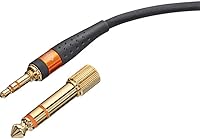
  • Cable: Two detachable cables are included: one straight and one coiled, both terminating in a 3.5mm jack with a 1/4-inch adapter.
  • Connector: 3.5mm stereo jack with a screw-on 1/4-inch (6.35mm) adapter included for use with professional studio equipment.
  • Wireless: No wireless or Bluetooth functionality; the NDH 20 is a strictly wired headphone with no option for cordless use.
  • Weight: 2.44 pounds (approximately 1,107 grams), which is on the heavier side for over-ear studio headphones.
  • Dimensions: 9.58 x 10 x 3.3 inches when unfolded, with a foldable design that reduces storage and transport footprint.
  • Build Materials: Housing is constructed from aluminum with fabric-covered earpads and a padded headband for over-ear wear.
  • Form Factor: Foldable circumaural design that collapses for storage or transport while maintaining structural rigidity during use.
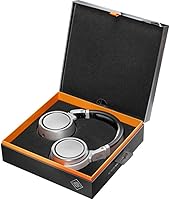
  • Carrying Case: A soft cloth or fabric carrying case is included in the box for basic protection during storage and transport.
  • Compatibility: Compatible with any device featuring a 3.5mm or 1/4-inch audio output, though a headphone amp is strongly recommended.
  • Manufacturer: Designed and manufactured by Neumann GmbH, a Berlin-based audio engineering company historically known for professional studio microphones.
  • Model Number: Series number 508585, sold under the NDH 20 Black Edition designation for the dark colorway variant.

Related Reviews
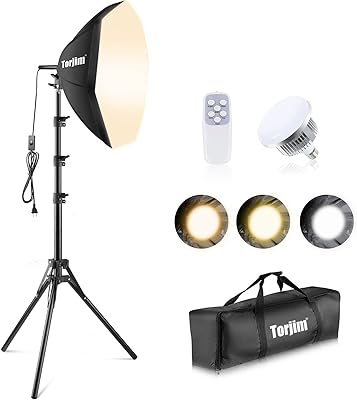
Torjim Softbox Lighting Kit 20″x20″
79%
88%
Light Quality
84%
Color Temperature Range
76%
Build Quality
93%
Ease of Assembly
79%
Tripod Stability
More
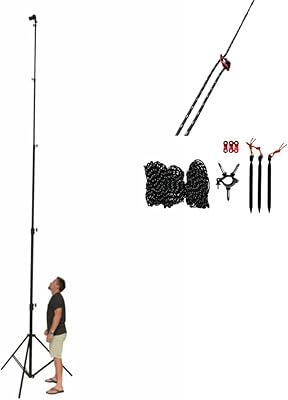
Glide Gear TST 20 Sky High 20' Tripod Stand
83%
89%
Stability at Height
74%
Portability & Weight
90%
Build Quality
82%
Ease of Setup
85%
Versatility in Use
More
DCL Skincare AHA Resurfacing Lotion 20 with 20% Glycolic Acid, 1.7 Fl oz
82%
91%
Exfoliation Effectiveness
68%
Skin Sensitivity Compatibility
84%
Hydration and Soothing Benefits
87%
Texture and Finish
90%
Absorption Rate
More
Neumann TLM 102
Neumann TLM 102
86%
94%
Sound Clarity & Transparency
91%
Build Quality & Durability
86%
Background Noise Rejection
78%
Value for Money
89%
Form Factor & Desk Presence
More
Neumann TLM 102
Neumann TLM 102
86%
93%
Vocal Clarity & Presence
97%
High SPL Handling
89%
Build Quality & Durability
86%
Form Factor & Size
88%
Noise Rejection & Isolation
More
Thinlerain 20″ PC Monitor
80%
91%
Value for Money
80%
Display Quality
88%
Ease of Setup
85%
Connectivity
78%
Build Quality
More
othoig 20-inch TV
othoig 20-inch TV
85%
88%
Display Quality
90%
Ease of Setup
85%
Portability
78%
Sound Quality
89%
Connectivity
More
EZLucky 20″ Octagonal Softbox Lighting Kit
77%
83%
Light Quality
78%
Color Temperature Accuracy
88%
Ease of Assembly
91%
Remote Control Usability
67%
Tripod Stability
More
Neumann KM 185 Hypercardioid Microphone
89%
94%
Sound Quality
92%
Build Quality
88%
Ease of Use
90%
Weight/Comfort
96%
Microphone Precision
More
Dynamic Ink 4oz Greywash #20
88%
89%
Shading Effectiveness
92%
Smooth Flow and Application
90%
Pigment Quality
85%
Blending Ability
88%
Long-lasting Results
More

FAQ

Yes, practically speaking. At 150 Ohm impedance, these studio headphones will not reach adequate volume or dynamic performance when plugged directly into a phone, laptop, or tablet. A dedicated headphone amp or audio interface — even a modest one — makes a significant difference. If you do not own either yet, budget for one alongside the headphones.

You can, but they are not tuned for that purpose. The NDH 20 targets a flat, reference-accurate sound that sounds neutral rather than exciting. If you enjoy a warm bass response or an energetic high-end, these will feel clinical by comparison. Producers and engineers tend to love that quality; everyday listeners often find it underwhelming.

Both are well-regarded closed-back studio headphones, but they sit in different tiers and price brackets. The DT 770 Pro offers a slightly V-shaped, more consumer-friendly response at a much lower price point, while these studio headphones aim for a flatter, more analytically accurate curve. For serious mixing work, the NDH 20 has the edge in imaging and distortion performance; for general studio use on a budget, the Beyerdynamic remains a strong value option.

Yes, the earpads are physically removable, but finding compatible replacements from third-party suppliers is harder than it is for more widely distributed studio headphones like Beyerdynamic or Sony models. Your best option is to go through Neumann directly or authorized dealers for replacement pads.

The headband can be extended to fit different head sizes, which affects how much clamping pressure you experience. The fit is firm by design — that seal is part of what makes passive isolation work effectively. Some users find the pressure manageable with the headband fully extended; others note it remains snug regardless. Breaking them in over a few weeks of use tends to soften the initial clamp slightly.

You get two detachable cables: a straight cable suited for tracking and movement, and a coiled cable that works well at a fixed desk setup without excess slack. Both terminate in a 3.5mm connector, and a screw-on 1/4-inch adapter is also included for use with professional interfaces and amplifiers.

That depends on your sensitivity to clamping pressure and the headphone weight. Many users find them comfortable for up to two hours without issue, but fatigue — particularly around the temples and the top of the head — sets in noticeably during longer sessions. If you regularly mix for four or five hours at a stretch, this is worth factoring into your decision carefully.

Technically they will work with any 3.5mm or 1/4-inch source, so you can connect them to a gaming setup. The sound accuracy and imaging are actually excellent for positional audio in games. That said, the amp requirement, weight, and premium price make them impractical as a dedicated gaming headset — and there is no microphone, so you would need a separate solution for chat.

In practice, no noticeable durability issues have been reported specifically related to the folding mechanism. The hinges feel solid, and the aluminum construction adds rigidity at stress points. As with any folding headphone, avoiding forceful folding and storing them in the included case when not in use will extend the lifespan of the joints.

As of the available information, this closed-back monitor is not discontinued and remains in active production. Neumann continues to support the NDH line alongside newer models like the open-back NDH 30. Firmware or software updates are not applicable here since there are no electronic components beyond the passive driver — no battery, no connectivity, no software dependency.