Overview

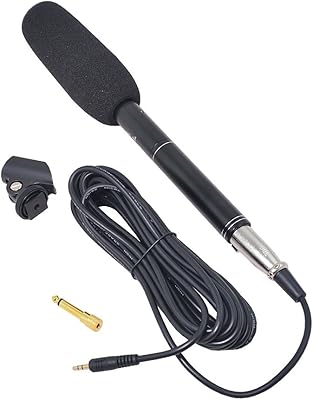
The DPA 4017B Shotgun Condenser Microphone has held a firm place in professional audio kits since its 2015 debut — and that kind of staying power is earned. DPA built its name on precision measurement microphones, and the 4017B carries that same exacting philosophy into the shotgun format. The chassis feels substantial without being heavy, inspiring confidence whether it is mounted on a boom pole or strapped to a camera rig. One essential caveat upfront: this mic requires phantom power via XLR, so it simply will not work without the right interface, mixer, or camera input. If plug-and-play convenience is the goal, this broadcast-grade microphone is not the right fit.

Features & Benefits

What sets the 4017B apart is its unidirectional polar pattern, which tightly focuses pickup on whatever is directly in front of the capsule while pushing ambient noise and room reflections to the side. In practice, this translates to clean dialogue on a noisy film set or a crisp narration track even when the recording room is less than ideal. The condenser capsule responds well to transient detail — string attacks, consonant clarity in speech, subtle high-frequency overtones that budget mics simply smear. The mic is also notably light for its class, which boom operators genuinely appreciate over a long shooting day. Pair it with a quality preamp and you will hear exactly what the XLR signal chain is capable of.

Best For

This DPA shotgun mic earns its keep in situations where audio failure is simply not an option. Documentary filmmakers and ENG crews working in environments they cannot control — a crowded street, a live event, an unpredictable interview setting — will appreciate how reliably it isolates voice from background clutter. Voice-over artists recording narration in treated spaces will find the high-frequency clarity flattering on speech, and the directional focus keeps room reflections from creeping in. It also holds its own for instrument spot-miking in music sessions. That said, home podcasters and beginners will find this broadcast-grade microphone is built for a different tier entirely.

User Feedback

Professionals who have used the 4017B for extended periods consistently point to its off-axis rejection as the standout quality — in reverberant spaces or noisy locations where lesser mics would buckle, it keeps the on-axis signal clean and focused. Long-term durability also draws praise; many owners note no meaningful degradation in capsule performance after years of regular field use. The recurring critique, and it is a fair one, centers on cost: some users feel the investment is steep compared to well-regarded alternatives, and in honest terms, those alternatives are worth auditioning before committing. Handling noise has been flagged occasionally, though a quality shock mount and proper boom technique typically resolve it.

Pros

  • Exceptional off-axis rejection keeps dialogue clean even in noisy or reverberant recording environments.
  • The condenser capsule captures transient detail and high-frequency nuance that budget shotgun mics consistently miss.
  • Lightweight construction makes it far easier to handle on a boom pole during long shooting days.
  • The DPA 4017B Shotgun Condenser Microphone has proven its durability through years of demanding field use.
  • Standard XLR connectivity integrates cleanly into any professional signal chain without adapters or workarounds.
  • Consistent capsule performance over multi-year ownership makes it a dependable long-term investment for working professionals.
  • Handles voice recording, instrument miking, and broadcast dialogue capture with equal confidence across varied applications.
  • The tight unidirectional polar pattern performs reliably in locations where controlling the acoustic environment is simply impossible.

Cons

  • Requires phantom power via XLR, making it completely incompatible with USB interfaces and basic consumer recording gear.
  • The price point places it firmly out of reach for hobbyists, beginners, and anyone on a modest budget.
  • Handling noise can become an issue in field conditions without a quality shock mount, which is sold separately.
  • Competing shotgun microphones at lower price points narrow the performance gap enough to make the value case genuinely debatable.
  • No wireless capability at all; users needing a cable-free setup will have to look at entirely different solutions.
  • Getting the best out of it demands a proper preamp or mixer; an underpowered signal chain will hold it back.
  • Not a practical choice for anyone recording in untreated rooms where wall reflections and room tone are persistent problems.

Ratings

The DPA 4017B Shotgun Condenser Microphone earns its scores from an AI-driven analysis of verified owner reviews gathered from audio professionals, filmmakers, and broadcast technicians worldwide — with spam, incentivized submissions, and bot activity actively filtered out before scoring. The results reflect a transparent, unvarnished picture of where the 4017B genuinely outperforms expectations and where real-world users have hit consistent friction. Both the standout strengths and the legitimate pain points are represented honestly in every category below.

Sound Quality
93%
Across years of professional use in documentary production and broadcast, users consistently describe the on-axis sound as clean and natural, capturing speech and instrument detail without coloration or artificial brightening. The condenser capsule renders transient nuances — a hard consonant, a string pluck, a subtle breath — with a precision that makes a genuine difference in post-production.
The mic's sensitivity means it can reveal imperfections in the signal chain that cheaper mics might mask, making a weak preamp a more noticeable bottleneck. In highly reverberant spaces without acoustic treatment, the clarity that makes it exceptional can also expose unwanted room character more than a less sensitive mic would.
Off-Axis Rejection
91%
Boom operators and location sound mixers are among the most vocal admirers of the 4017B's off-axis performance — on a busy street or in a reverberant conference room, it holds dialogue front and pushes ambient chaos decisively to the sides. Professionals in ENG and documentary work report that this is the feature that most clearly separates it from lower-tier shotgun mics.
In extreme reverberant environments — a cathedral, a tiled bathroom, a large empty warehouse — no shotgun mic can fully overcome the acoustic physics at play, and the 4017B is no exception. Those expecting to fully eliminate room tone in completely uncontrolled spaces will still need additional post-production cleanup regardless of how the mic is positioned.
Build Quality
88%
The physical construction inspires immediate confidence — the housing feels dense and purposeful without unnecessary heft, and professionals who put it through regular field use describe a reassuring rigidity that holds up under the demands of location work. Multiple long-term owners note no loosening of components or degradation in fit after years of daily carry and deployment.
The exterior finish can show wear marks after extended outdoor use in rough conditions, which is largely cosmetic but noticeable given the price tier. There are also recurring mentions that the standard package lacks accessories — no included shock mount or carrying case — that many users feel should be bundled in at this investment level.
Value for Money
63%
37%
For broadcast professionals and documentary crews who depend on clean location audio daily, the long-term cost-per-use calculus tends to work in the 4017B's favor — particularly given its capsule longevity and the reduced post-production time it saves on difficult shoots. Those who make their living in audio consistently describe it as a purchase they stop second-guessing after the first serious job.
The price is a genuine barrier for a significant share of buyers, particularly semi-professionals who find that competing mics at much lower prices close the performance gap enough to make the premium hard to justify. Without an existing XLR signal chain to pair it with, the total system cost rises considerably above what the mic itself costs.
Transient Response
89%
Voice-over artists and music recordists repeatedly highlight how the condenser capsule handles fast-attack sounds — consonants in speech, plucked strings, percussion accents — with a clarity and immediacy that slower-responding dynamic mics simply cannot replicate. In dialogue editing, this translates to tracks that require far less high-frequency enhancement in post, saving time and preserving a natural result.
The same condenser sensitivity that delivers excellent transient capture also makes this mic less forgiving in rough handling situations compared to a rugged dynamic shotgun — a sudden mechanical impact is more likely to register as a loud artifact. Some users in unpredictable field environments mention this as a reason to always keep a more resilient backup available.
Handling Noise
71%
29%
When properly mounted in a compatible shock suspension system, handling noise is well-controlled, and professionals running it on a well-dampened boom pole report clean results even during active repositioning. The mic's relatively low mass also helps reduce the inertial forces that tend to generate low-frequency rumble during boom movement.
Without a shock mount — which is not included — handling noise is a recurring complaint, particularly for handheld use or when the mic is mounted directly to a camera shoe without isolation. Several users feel that at this price tier, a basic suspension mount should come bundled as standard rather than being an additional purchase.
High-Frequency Clarity
92%
Narration artists and broadcast journalists specifically call out the natural air and presence in the upper frequencies, which makes voices sound open and articulate without the hyped, artificially brightened quality that cheaper condensers often introduce. This characteristic is particularly valued in music recording applications where instrument overtones need accurate reproduction.
In environments with significant high-frequency ambient noise — mechanical ventilation systems, outdoor locations with wind-generated sibilance — the mic's sensitivity to upper frequencies can make those noise sources more prominent, requiring careful boom placement and positioning. A minority of users also noted that very sibilant voices can sound slightly intense without deliberate mic angle adjustment.
Ease of Setup
74%
26%
For professionals already operating an XLR signal chain, getting this mic running is completely straightforward — plug it in, engage phantom power, and it performs as expected with no driver installation, app pairing, or firmware configuration required. Experienced recordists consistently describe the setup process as a complete non-issue.
For buyers new to XLR workflows, the setup barrier is real — they will need to separately source a compatible interface or recorder, confirm phantom power availability, and often purchase a shock mount and windshield before the system is field-ready. The total onboarding effort and unexpected accessory costs surprise a noticeable proportion of first-time buyers unfamiliar with professional audio infrastructure.
Durability
87%
Long-term owners are among the mic's strongest advocates on durability — consistent reports of capsule performance holding steady through multiple years of professional field deployment, regular travel, and daily location recording work reinforce the sense that this is a tool genuinely built to last. Several reviewers specifically cite having owned theirs for five or more years without notable performance issues.
A minority of users noted susceptibility to moisture and humidity during extended outdoor use in rain-prone environments, which is worth considering for anyone working without appropriate weatherproofing accessories. The exterior finish also shows cosmetic wear faster than the internal components degrade, which some users find hard to accept given the premium asking price.
Weight & Balance
82%
18%
Boom operators consistently appreciate the weight distribution — it sits well on a standard pole without excessive forward lean, and the relatively low mass compared to rival professional shotgun mics makes it notably easier to manage across multi-hour shoots. Run-and-gun documentary crews in particular mention this as a meaningful practical advantage over a full working day.
For operators using very long-reach boom setups with extended pole lengths, even the modest weight contributes to forearm and shoulder fatigue over full shooting days — a physics problem rather than a product flaw, but a real consideration nonetheless. A small number of users also noted that the body length requires awareness when working in confined shooting locations.
Versatility
79%
21%
The 4017B covers a broad range of professional applications — dialogue on film sets, ENG broadcast, studio voice-over, and instrument spot-miking — without needing to be a dedicated specialist tool for any single one. Professionals who work across multiple audio disciplines find genuine value in having one mic that performs competently across all of them.
Despite its range, this broadcast-grade microphone is strictly a mono XLR device with no USB mode, no stereo option, and no wireless compatibility, which limits its reach for users whose work spans both professional and casual contexts. It also demands supplementary gear investment that more narrowly focused, single-application mics typically do not require.
Compatibility
76%
24%
Within professional XLR ecosystems — field recorders, broadcast consoles, professional camera rigs, studio interfaces — integration is completely trouble-free, and the standard 3-pin XLR connector means it works with virtually every piece of professional audio gear without adapters or workarounds. This reliability is genuinely appreciated by working professionals who depend on their tools under deadline pressure.
The XLR-only design creates an absolute compatibility wall for anyone using consumer-grade gear, smartphones, tablets, or computers without dedicated audio interfaces — there is simply no direct connection path without additional hardware. Users expecting to connect this mic to a basic laptop or entry-level camera will face frustration and unplanned additional expenditure.
Noise Floor
88%
Sound recordists working in quiet studio environments appreciate how low the self-noise floor is, allowing very quiet acoustic passages to be captured without the underlying hiss that compromises recordings made on noisier condensers. This characteristic makes the 4017B particularly well-suited for intimate, close-miked speech and narration work where silence between words is as important as the words themselves.
While the self-noise is genuinely low, it is not entirely inaudible in the most demanding studio monitoring scenarios, and engineers with very high standards may notice it when tracking in treated rooms on precision monitors. Competing microphones in adjacent categories — particularly large-diaphragm studio condensers — can achieve lower measured noise floors for purely studio-based recording applications.
Phantom Power Efficiency
84%
The 4017B powers up reliably and consistently from standard 48V phantom power sources, and users across a wide variety of interfaces and recorders report no sensitivity to varying phantom power implementations. It draws a stable, predictable power load that does not stress the phantom supply of well-designed interfaces or portable battery-powered field recorders.
As with all phantom-powered condensers, losing power mid-recording — due to a faulty cable, a device running low on battery, or an accidental switch-off — means the mic goes immediately silent with no fallback. Solo field operators are advised to build power redundancy into their signal chain, which adds complexity that self-powered microphones simply do not require.
Long-Term Value
84%
For professionals who keep this mic in active rotation, the long-term ownership story is strong — the capsule holds its performance characteristics over years of use without significant drift, making it a tool that earns back its cost across an extended career lifespan rather than needing periodic replacement. DPA's reputation for component longevity reinforces this long-view ownership perspective.
Part-time or occasional users who do not generate enough professional audio work to fully utilize this mic's capabilities will find the return on investment significantly lower than working professionals do. Resale value is reasonable for the brand, but it does not fully offset the initial outlay for buyers who ultimately move on to a different workflow or audio discipline.

Suitable for:

The DPA 4017B Shotgun Condenser Microphone was built for professionals who cannot afford to gamble on audio quality in demanding real-world conditions. Documentary filmmakers and ENG crews operating in acoustically unpredictable environments — a busy street, a reverberant warehouse, a live press event — will find its tight unidirectional pickup pattern genuinely valuable, cleanly isolating dialogue while keeping ambient chaos from overwhelming the track. Broadcast journalists who need a reliable, field-hardened mic that holds up through daily use will appreciate both its consistent performance and its lightweight construction, which reduces fatigue during long boom sessions. Voice-over artists and narration recordists in treated studio spaces will benefit from the condenser capsule's sensitivity to transient detail and high-frequency clarity, capturing speech with a natural presence that many competing shotguns struggle to match. Music producers looking for precise spot-miking of acoustic instruments will also find it a capable tool, particularly where off-axis bleed from surrounding sources is a concern. Anyone already running an XLR signal chain with a quality preamp or interface is positioned to get the most out of what this mic delivers.

Not suitable for:

The DPA 4017B Shotgun Condenser Microphone is a poor fit for anyone just getting started with audio recording or who does not already own XLR-compatible gear. It requires phantom power to operate, meaning a USB interface, a basic camera with no XLR input, or a consumer-grade recorder will leave you with nothing but silence; budgeting for a proper preamp or mixer is non-negotiable before anything else. Home podcasters, beginner YouTubers, and casual content creators who do not require broadcast-grade directional isolation will find the performance premium over much more affordable alternatives very difficult to justify. Those working with tight budgets should know that well-regarded shotgun microphones exist at a fraction of the cost and will adequately serve entry-level and mid-tier needs. Buyers hoping for a wireless solution are also out of luck, as the 4017B is strictly a wired XLR microphone with no wireless adapter or built-in receiver compatibility. If the recording environment is already well-controlled and the application is casual, the additional performance this mic provides may simply go unnoticed.

Specifications

  • Brand: Manufactured by DPA Microphones, a Danish audio company with a long-standing reputation in professional broadcast and measurement microphone design.
  • Model: Model designation is 4017B, part of DPA's d:dictate series of professional-grade directional microphones.
  • Mic Type: Shotgun condenser microphone engineered for directional audio capture in professional recording, broadcast, and field production environments.
  • Polar Pattern: Unidirectional (shotgun) polar pattern that tightly focuses pickup on the on-axis source while rejecting ambient noise and off-axis room reflections.
  • Connector: Terminates in a standard 3-pin XLR connector, compatible with professional audio interfaces, mixers, sound recorders, and XLR-equipped cameras.
  • Sensitivity: Audio sensitivity rated at 34.4 dB, reflecting the capsule's ability to accurately resolve quiet and detailed sound sources.
  • Frequency Range: Frequency response extends up to 20 kHz, covering the full audible spectrum including the subtle high-frequency detail critical to speech intelligibility and musical overtones.
  • Channels: Single-channel (mono) output, which is standard for professional shotgun microphones used in broadcast, narrative film, and voice-over applications.
  • Power Source: Operates exclusively via corded phantom power delivered through the XLR connection; no battery operation or USB power is supported.
  • Weight: Listed product weight is approximately 2.2 pounds (1 kg) as specified, which may reflect packaged weight inclusive of included accessories.
  • Dimensions: Overall dimensions measure 3.94 × 1.97 × 5.91 inches, providing a compact physical profile suited for boom pole and camera rig mounting.
  • Compatibility: Compatible with amplifiers and any XLR-equipped audio device — including field recorders, professional mixers, and broadcast cameras — that supplies 48V phantom power.
  • Recommended Uses: Designed for professional voice recording, video production dialogue, speech capture, and music recording across both studio and field environments.
  • Form Factor: Shotgun form factor allows mounting on boom poles, camera hot shoes with XLR adapters, or studio microphone stands depending on the application.
  • Market Since: First made available in February 2015, giving this microphone over a decade of active use and validation across professional production industries.

Related Reviews

RØDE NTG4+ Supercardioid Condenser Shotgun Microphone
87%
91%
Sound Quality
96%
Battery Life
88%
Build Quality
84%
Ease of Use
90%
Noise Isolation
More
LyxPro CMG-50
LyxPro CMG-50
85%
88%
Audio Clarity
93%
Build Durability
82%
Off-Axis Rejection
91%
Power Versatility
96%
Value for Money
More
Ruittos M-11 Shotgun Microphone
71%
74%
Audio Clarity
61%
Build Quality
82%
Value for Money
88%
Ease of Setup
71%
Noise Rejection
More
Rode NTG-1 Shotgun Condenser Microphone
86%
92%
Sound Quality
89%
Portability
87%
Build Quality
74%
Wind Noise Reduction
90%
Ease of Use
More
Audio-Technica ATR6550X Condenser Shotgun Microphone
72%
81%
Audio Clarity
78%
Directionality Control
67%
Build Quality
91%
Ease of Setup
83%
Value for Money
More
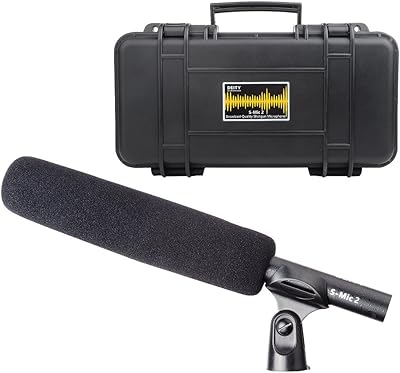
Deity S-Mic 2 Shotgun Condenser Microphone
78%
88%
Audio Clarity
84%
Off-Axis Rejection
67%
Build Quality
86%
Value for Money
83%
Included Accessories
More
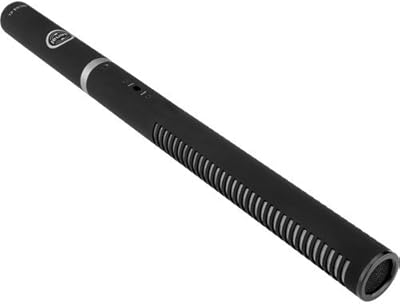
Senal MC24-EL Shotgun Condenser Microphone
77%
83%
Audio Clarity
78%
Noise Rejection
81%
Build Quality
91%
Power Flexibility
88%
Ease of Setup
More
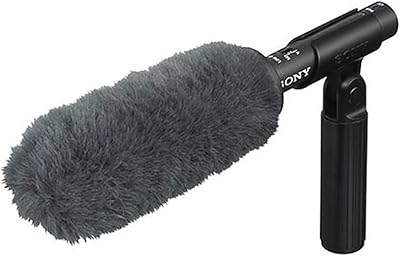
Sony ECM-VG1 Shotgun Microphone
79%
88%
Audio Clarity
86%
Directional Rejection
81%
Wind Noise Handling
91%
Build Quality
78%
Low-Cut Filter Utility
More
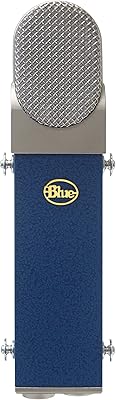
Blue Blueberry Cardioid Condenser Microphone
79%
93%
Tonal Character
91%
Vocal Performance
89%
Build Quality
94%
Capsule Quality
71%
Preamp Compatibility
More
Aston Microphones Stealth Condenser Microphone
79%
88%
Sound Quality
84%
Voice Mode Versatility
86%
Built-in Preamp
91%
Build Quality
83%
Value for Money
More

FAQ

Yes — the 4017B runs entirely on phantom power delivered through an XLR cable, so you will need a device that supplies 48V phantom power: a dedicated audio interface, a mixer, a portable field recorder, or a camera with an XLR input. There is no USB mode and no battery compartment. If you are unsure whether your gear supports phantom power, check for a switch labeled 48V or P48 on your recording device.

It depends on your camera. Most entry-level and mid-range DSLRs and mirrorless bodies only have a 3.5mm mini-jack input, which is not directly compatible without an external XLR adapter box that also supplies phantom power. Cameras with built-in XLR inputs — certain Sony, Panasonic, or Canon cinema models — will work without any adapters. For consumer cameras, pairing the 4017B with an external recorder like a Sound Devices or Zoom F-series unit is the standard professional approach.

That genuinely depends on your work. For professional broadcast journalism, documentary filmmaking, or high-end voice-over, the difference in off-axis rejection and transient clarity is real and audible in ways that matter in a final cut. For casual YouTube content or home podcasting, several microphones at a fraction of the price will cover most of your needs adequately. Think of this mic as a long-term professional tool purchase, not a hobbyist upgrade.

It performs very well in treated studio spaces, where the condenser capsule adds natural presence and clarity to speech that suits narration and voice-over work closely. That said, shotgun microphones are not always ideal in untreated rooms — the narrow pickup pattern can make room reflections more audible at certain frequencies compared to a cardioid mic. If your recording space has good acoustic treatment, this mic will reward you with detailed, clean results.

Honestly, it is more complexity than most podcast setups call for. Podcasting typically works best with a USB condenser or a dynamic mic that connects directly to a computer, whereas this mic requires a full XLR signal chain just to get audio flowing. The audio quality is certainly there, but the additional gear cost and setup overhead are difficult to justify for a conversational talk format.

A shock mount is not included in the standard package, and for any serious field or boom use you will almost certainly want one. Handling vibrations transmitted through a boom pole can be picked up by the capsule, and a dedicated suspension shock mount reduces that significantly. DPA and several compatible third-party manufacturers offer suitable mounts, so factor that accessory cost into your overall budget when planning your purchase.

This is one of the areas where the 4017B genuinely stands out. The tight unidirectional pattern focuses closely on whatever is directly in front of the capsule, pushing crowd noise, ambient hum, and room reflections to the sides in a way that lesser shotgun mics simply cannot match. It will not transform a chaotic location into a studio, but it isolates the primary sound source more cleanly and reliably than most competing mics in its class.

Yes, it handles instrument spot-miking well in the right context. The extended frequency response and transient sensitivity make it useful for acoustic guitar, strings, brass, and other instruments where detail and articulation matter. It is less commonly used for music than a dedicated small-diaphragm instrument condenser, but in situations where separating a specific instrument from surrounding sources is the priority, it delivers accurate and clean results.

Long-term users consistently report positive durability impressions. The capsule and overall construction appear to hold up reliably through years of regular professional field use, with very few reports of performance degradation over time. It is the kind of tool that, if stored and handled reasonably well, is likely to remain a working part of your kit for a long time without needing replacement.

Any clean, low-noise XLR preamp that reliably supplies 48V phantom power will serve this mic well. High-quality preamp stages found in recorders like the Sound Devices 7-series, Zoom F-series, or professional broadcast consoles will allow the capsule's full detail to come through clearly. A noisy or underpowered preamp can introduce hiss and mask what the capsule is actually capable of, so matching this mic with a quality signal chain is worth the attention.