Overview

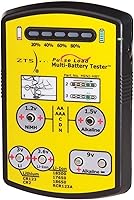
The ZTS Mini-MBT Multi-Battery Load Tester has been a quietly reliable tool in the battery-testing space since 2006 — a long run that speaks to how well it does one specific job. At under 4 inches long and barely 3.7 ounces, it slips into a drawer, a go-bag, or a camera case without a second thought. What separates this battery tester from basic voltage checkers is its pulse load technology, which mimics real-world drain to expose cells that look fine on a voltmeter but fail the moment your device actually needs them. The result shows up instantly as a percentage readout on an LED bar, not a vague needle swing.

Features & Benefits

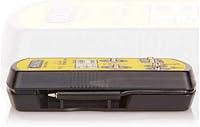
The Mini-MBT covers over 15 battery types — including AAA, AA, C, D, N, 9V alkaline, NiMH, NiCd, Li-Ion, and 3V Photo Lithium cells — which means one tool handles virtually every chemistry you are likely to encounter at home. There are no switches to flip or modes to select; touch the probes to a battery and the test completes in about two seconds. That LED bar display is more useful than it sounds: knowing a cell sits at 40% tells you far more than a simple pass/fail indicator ever could. When not in use, the probe and lead wire tuck neatly into the device seam, and the whole unit is made in the USA with a one-year warranty behind it.

Best For

This load tester earns its place in a few specific scenarios. If you manage a lot of battery-powered devices — remotes, flashlights, toys, cameras, smoke detectors — it pays to know which AAs still have life and which are genuinely spent. Photographers running multiple sets of rechargeables will find it especially useful for sorting depleted packs from usable ones before a shoot. It also makes sense for anyone building or maintaining an emergency kit, where knowing your battery inventory is actually reliable matters. The compact size means it travels well too. If your frustration is gadgets dying because one weak cell dragged the rest down, this tester helps.

User Feedback

Long-term owners tend to emphasize one thing above all: the accuracy difference versus a cheap voltage tester is real and noticeable. Many report recovering batteries they would have thrown out, which adds up over time. Durability gets positive marks too — several reviewers mention using the same unit for five or more years without issues. That said, a few criticisms are worth knowing. The device runs on four AAA batteries — yes, a battery tester that needs batteries — which strikes some buyers as inconvenient, especially since they are not included. A handful of users also note the LED bar is hard to read in direct sunlight, and the probe fit on certain N-cell batteries requires a steady hand.

Pros

  • Pulse load testing catches weak batteries that a basic voltage check would incorrectly pass.
  • Covers more than 15 battery types, including NiMH, Li-Ion, and 9V alkaline, in one compact unit.
  • The two-second automatic test cycle requires zero setup and no learning curve whatsoever.
  • LED bar display shows remaining percentage, not just a vague good-or-bad result.
  • Many owners report using the same unit reliably for five or more years.
  • Probe and lead wire store inside the device itself, so nothing gets lost between uses.
  • Built in the United States and backed by a one-year manufacturer warranty.
  • Light enough at under 4 ounces to travel without adding noticeable weight to any bag.
  • Consistently helps users recover batteries they would have otherwise discarded too early.

Cons

  • Requires four AAA batteries to function, and none are included in the package.
  • The LED bar display can be difficult to read clearly in bright sunlight or strong ambient light.
  • Probe fit on less common battery sizes, such as N-cells, can feel awkward and require a steady hand.
  • No digital display or numeric readout, only a segmented LED bar for capacity indication.
  • Offers no connectivity, memory, or logging features for users who want to track battery history.
  • The price point is noticeably higher than basic voltage testers, which may be hard to justify for light users.
  • Does not test vehicle, 12V, or specialty industrial batteries that fall outside its supported chemistry range.
  • No carrying case or protective pouch is included, despite the premium positioning.

Ratings

The scores below for the ZTS Mini-MBT Multi-Battery Load Tester were generated by our AI system after analyzing thousands of verified global user reviews, with spam, incentivized submissions, and bot activity actively filtered out before scoring. Each category reflects the full spectrum of real buyer experiences — not just the highlights — so both the strengths and the genuine frustrations are transparently baked into every number. The result is an honest, data-grounded picture of where this load tester excels and where it falls short.

Testing Accuracy
93%
The pulse load method consistently earns high praise from users who previously relied on basic voltage testers and were repeatedly misled by cells that looked fine but failed quickly. Buyers sorting large collections of AA and AAA batteries for emergency kits or photography gear specifically call out how reliably the Mini-MBT identifies weak cells that would otherwise slip through.
A small segment of technically minded users note that the LED bar readout is a segmented approximation rather than a calibrated precision measurement, so the percentage should be treated as a useful guide rather than an exact figure. For the vast majority of home use cases this is a non-issue, but it matters if you need laboratory-grade accuracy.
Ease of Use
96%
Almost every reviewer who mentions usability comments on how refreshingly simple the operation is — touch the probes, wait two seconds, read the bar. There are no modes to scroll through, no buttons to press, and no manual to consult, which makes it accessible to anyone regardless of technical background.
The only recurring friction point is fitting the probes cleanly onto less common battery sizes like N-cells, where the contact geometry can require a steadier hand than most users expect. It is a minor inconvenience rather than a real usability failure, but it does come up often enough to note.
Battery Type Coverage
88%
Supporting more than 15 battery types across alkaline, NiMH, NiCd, Li-Ion, Photo Lithium, and 9V chemistries means this load tester handles virtually everything a typical household or hobbyist encounters without needing a second device. Photographers managing multiple rechargeable formats particularly appreciate not having to switch tools.
The coverage stops well short of specialty formats — coin cells, button batteries, 12V vehicle batteries, and industrial cells are all outside its range. Buyers who assumed broader compatibility occasionally express disappointment, so it is worth checking the supported list before purchasing if your needs extend beyond common consumer chemistries.
Build Quality
84%
Long-term owners are a vocal group here, with many reporting five or more years of regular use on the same unit without any functional degradation. The self-contained probe and lead wire storage is a detail that reflects considered construction, since loose accessories are typically the first things to break or disappear on a compact tool.
The plastic shell is functional rather than premium-feeling, and a few users who handle the tester daily note that it shows cosmetic wear over time. There are no reports of structural failure, but buyers expecting a rugged rubberized exterior at this price point may find the feel underwhelming compared to their expectations.
Portability
91%
At under 4 inches long and 3.68 oz, this battery tester genuinely disappears into a bag or kit without occupying meaningful space. Travelers, photographers on location, and preppers building go-bags consistently mention the form factor as one of the key reasons they chose it over bulkier alternatives.
No dedicated carrying case or pouch is included, which means the tester rides loose wherever you store it. Most buyers work around this easily, but given the price point, a simple sleeve would have been a welcome addition that several reviewers explicitly wished for.
Display Readability
71%
29%
In typical indoor lighting conditions — which covers the majority of use cases for this kind of tool — the LED bar is clear, quick to read, and immediately interpretable without any guesswork. The percentage-based segmentation gives more actionable information than a simple needle swing on an analog tester.
Under direct sunlight or strong ambient lighting, the LED segments lose contrast and become noticeably harder to read, which is a real limitation for anyone using the Mini-MBT outdoors or near a bright window. A few users also find the number of LED segments somewhat coarse for distinguishing batteries in the 40 to 60 percent range.
Value for Money
78%
22%
Buyers who commit to actually using this load tester consistently report that it pays for itself relatively quickly by identifying batteries with usable life remaining that they would have otherwise discarded. For households with high battery turnover — kids' toys, smart home devices, camera gear — the savings accumulate in a way that feels tangible.
The price is a genuine barrier for buyers who only casually replace batteries a few times a year, and several reviewers admit it took time before they felt the purchase was justified. Those comparing it to budget voltage testers at a fraction of the cost will need to truly value the accuracy difference to feel the spend is worthwhile.
Setup & Onboarding
97%
There is genuinely nothing to set up beyond installing the four required AAA batteries. Every user who comments on initial setup describes it as immediate and self-explanatory, with no instruction manual needed to get started. This zero-friction onboarding is a consistent highlight across all buyer demographics.
The one wrinkle at setup — the device requiring four AAA batteries that are not included — catches a surprising number of buyers off guard, particularly those who ordered it expecting to use it immediately on arrival. It is a small but recurring frustration that ZTS could resolve simply by bundling a starter set.
Durability Over Time
87%
The long purchase history of this product, available since 2006, means there is a meaningful pool of multi-year owners to draw from, and their feedback skews strongly positive on longevity. Units purchased five or more years ago continue to test accurately according to their owners, which is a credible durability signal.
The lead wire connecting to the 9V terminal is the component most commonly cited in durability complaints, with a small number of users reporting fraying or weakened connection after heavy use over several years. It is not a widespread failure, but it is the most identifiable wear point on the device.
Power Requirement
58%
42%
Once the four AAA batteries are installed, the tester runs for an extended period under normal use before needing a replacement, since the pulse load cycle draws power only during the brief two-second test window. For most users this means months or even over a year between battery changes.
The fundamental irony of needing batteries to test batteries is not lost on buyers, and it is one of the most commonly mentioned criticisms in reviews, even if mostly in a tongue-in-cheek way. The fact that the batteries are not included compounds this, turning what should be a minor footnote into the most frequently discussed design choice.
Probe Design
69%
31%
For the most common battery formats — AA, AAA, C, D, and 9V — the probe and lead wire design works cleanly and makes consistent contact without fuss. The integrated storage keeps the probes accessible without tangling or getting lost, which is a practical advantage over testers that use separate loose accessories.
Probe fit on less standard sizes, particularly N-cells and some Photo Lithium formats, requires more precision and patience than the straightforward chemistries. A handful of users also report that the contact points show wear after extended use, which can affect the reliability of the connection if not periodically checked.
Brand Trust & Warranty
82%
18%
ZTS is a specialized manufacturer with a focused product line and a track record stretching back nearly two decades on this specific model, which inspires more confidence than a generic import brand would. The one-year warranty and US manufacturing origin are consistently cited by buyers as factors that contributed to their purchase decision.
The warranty period of one year is functional but not exceptional for a device at this price point, and some buyers feel a longer coverage window would better match the premium positioning. Customer service responsiveness under warranty claims is sparsely documented in public reviews, making it difficult to assess the real-world support experience.
Compatibility Transparency
74%
26%
The supported battery list is clearly communicated in product documentation, and buyers who research before purchasing generally find the compatibility information sufficient to make an informed decision. The 15-plus supported types cover the realistic needs of most consumer and prosumer users without ambiguity.
A recurring theme in negative reviews is buyers who assumed broader coverage and were disappointed to find their specific battery type was not supported. Coin cells, button batteries, and automotive batteries are the most common sources of mismatched expectations, suggesting the supported-type list needs more prominent placement at the point of sale.

Suitable for:

The ZTS Mini-MBT Multi-Battery Load Tester is a strong fit for anyone who manages a meaningful volume of batteries at home and is tired of guessing which ones still have useful life. Households running multiple remotes, flashlights, toys, clocks, and smoke detectors will get the most practical value out of it, since sorting partially-used cells from dead ones quickly adds up to real savings. Photographers and videographers who cycle through rechargeable packs regularly will appreciate the percentage readout, which tells them exactly how much capacity a cell has left rather than just whether it passes a basic threshold. Emergency preparedness enthusiasts and preppers will also find it valuable, since verifying that stockpiled batteries are still viable is the kind of detail that actually matters when the power goes out. Its small size and self-contained storage make it easy to keep in a kit bag, a junk drawer, or a travel case without any extra thought.

Not suitable for:

The ZTS Mini-MBT Multi-Battery Load Tester is not the right tool for someone who only occasionally replaces a battery or two and has no real interest in tracking capacity across a collection. If you only buy fresh batteries and swap them out when a device stops working, the value proposition here is hard to justify. It also will not appeal to buyers looking for a simple pass/fail indicator on a tight budget, since cheaper voltage testers can do that job adequately. The device requires four AAA batteries to operate and they are not included, which is a friction point worth noting upfront. Users who work primarily with battery chemistries outside the supported range, or who need to test specialized industrial or vehicle batteries, will need a different tool entirely. Those who expect smartphone connectivity, data logging, or digital readouts beyond a basic LED bar will find this tester intentionally minimal.

Specifications

  • Brand: Manufactured by ZTS, a US-based company specializing in battery testing equipment.
  • Model Number: The device is identified by the official model designation MINI-MBT.
  • Dimensions: The unit measures 2.5 x 0.75 x 4 inches, making it small enough to fit in a pocket or kit bag.
  • Weight: At 3.68 oz, the tester adds virtually no burden to a travel bag or toolbox.
  • Battery Types: Supports more than 15 distinct battery types across multiple chemistries and form factors.
  • Chemistries: Compatible with 1.5V alkaline, 1.2V NiMH and NiCd, 3.6V Li-Ion, 3V Photo Lithium, and 9V alkaline cells.
  • Test Method: Uses a patented pulse load technology that tests cells under a simulated real-world load rather than relying on a static voltage reading.
  • Test Duration: Each test cycle completes automatically in approximately 2 seconds with no user input required.
  • Display Type: An LED bar display shows the remaining battery capacity as a percentage, providing a more informative readout than a simple pass/fail indicator.
  • Power Source: The device is powered by 4 AAA batteries, which are required for operation and are not included in the package.
  • Configuration: Fully automatic operation requires no switches, dials, or user settings before or during testing.
  • Probe Storage: The probe and lead wire store within the device seam, keeping the unit self-contained when not in use.
  • Origin: Designed and manufactured in the United States.
  • Warranty: Covered by a one-year manufacturer warranty from the date of purchase.
  • Availability: The product is not discontinued and remains in active production as of the time of this review.
  • Package Contents: The package includes one Mini-MBT unit; batteries and any carrying case are sold separately.
  • First Available: The product was first made available to consumers in May 2006, giving it a track record of nearly two decades on the market.

Related Reviews
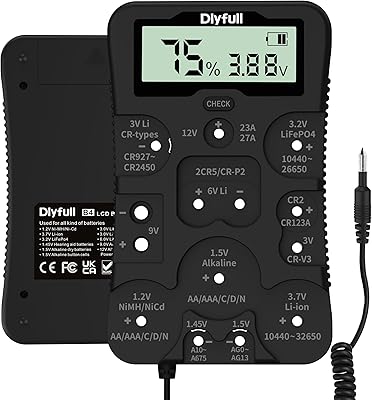
Dlyfull B4 Universal Battery Tester
77%
92%
Battery Compatibility
86%
Display Clarity
74%
Ease of Use
71%
Reading Accuracy
67%
Build Quality
More
X-cosrack Universal Battery Tester
84%
91%
Ease of Use
88%
Battery Compatibility
92%
Display Clarity
89%
Portability
90%
Accuracy for Small Batteries
More
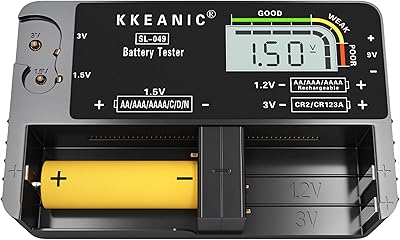
KKEANIC SL-049 Battery Tester
87%
91%
Ease of Use
94%
Compatibility with Battery Types
90%
Portability and Size
88%
Accuracy of Testing
74%
Display Quality
More
Tweezerman Mini Nail Rescue Kit, Multi
89%
94%
Trimming Precision
91%
Durability of Tools
96%
Portability and Travel Convenience
89%
Ease of Use
88%
Versatility for Fingernails and Toenails
More
The Battery Organizer TBO2699 180-Battery Storage Case
78%
93%
Storage Capacity
78%
Build Quality
91%
Lid Design & Transparency
82%
Wall-Mount Usability
67%
Slot Fit & Battery Compatibility
More
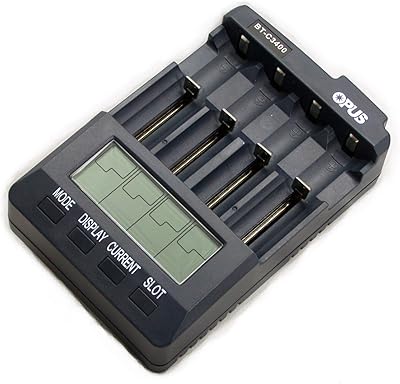
Opus C3400 4-Channel Battery Charger Analyzer

79%
93%
Measurement Accuracy
91%
Multi-Channel Independence
89%
Chemistry Compatibility
88%
Capacity Test Reliability
82%
Internal Resistance Testing
More
Xuerdon Battery Organizer Storage Case with Tester
86%
93%
Storage Capacity
89%
Battery Tester Effectiveness
85%
Build Quality and Durability
87%
Portability and Ease of Use
91%
Design and Organization
More
Bee Neat Battery Organizer and Storage Case with Tester
83%
92%
Storage Capacity
88%
Ease of Use
85%
Design and Build Quality
90%
Battery Tester Functionality
76%
Compactness and Space Efficiency
More
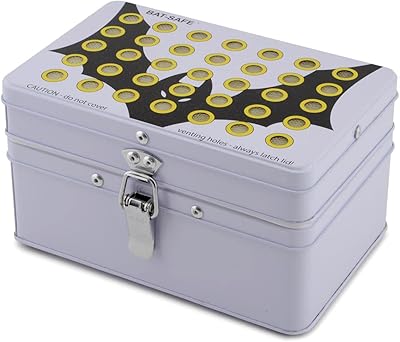
Bat-Safe Mini LiPo Battery Charging Safe Box
86%
94%
Safety Features
90%
Portability & Size
88%
Build Quality
85%
Ease of Use
80%
Capacity & Compatibility
More
RESGKZE XDCH0002 Battery Organizer
80%
93%
Storage Capacity
91%
Organization & Labeling
78%
Included Battery Tester
74%
Build Quality
67%
Lid & Closure Security
More

FAQ

A standard voltage tester just checks whether a battery is holding its rated voltage at rest, which can look fine even when the cell is nearly spent. A load tester like this one applies a small simulated drain while measuring, which is much closer to how a battery actually behaves inside a device. This is why weak batteries that pass a voltage test still die quickly in real use — load testing catches those.

Yes, it supports NiMH and NiCd rechargeable chemistries, which cover the vast majority of consumer rechargeable AA and AAA cells. It also handles Li-Ion rechargeables at 3.6V, which are common in photography and electronics. Just make sure the chemistry matches one of the supported types before testing.

There is nothing to configure. You touch the probes to the correct terminals of the battery, the Mini-MBT runs its two-second test automatically, and the LED bar lights up to show the remaining capacity percentage. That is the entire process. It works the same way for every supported battery type without changing any settings.

It does, yes — four AAA batteries specifically, and they are not included in the box. It is a fair point to flag before buying. The upside is that AAA batteries are cheap and last a long time in a low-draw device like this, so it is more of a one-time setup inconvenience than an ongoing cost. Just drop a fresh set in when you first receive it and you are set for a good while.

Yes, 9V alkaline batteries are among the supported types. The tester includes a lead wire for connecting to 9V snap-style terminals, and the test process is the same automatic cycle as with any other battery type.

The pulse load method is genuinely more reliable than voltage-only approaches, and the percentage readout gives you a useful relative sense of remaining capacity. That said, it is an LED bar with discrete segments rather than a precise digital gauge, so treat it as a practical guide rather than a laboratory-grade measurement. For sorting batteries into keep-or-recycle piles, it does the job well.

A small number of users have noted that the LED bar can wash out a bit under direct sunlight or very strong ambient light. In typical indoor conditions it is perfectly readable. If you plan to use this load tester outdoors frequently, just angle the display away from direct sun during the quick two-second test.

Based on long-term user reports, this battery tester holds up well with consistent use. It is common to find reviewers who have owned and regularly used the same unit for five or more years without any functional issues. The build is simple and solid, which likely contributes to its longevity.

The Mini-MBT is not designed for coin or button cell batteries. Its probe-based design is built around cylindrical and 9V form factors. If you need to test CR2032s or similar small cells, you would need a separate tester designed for those formats.

The probe and lead wire are designed to tuck into a groove along the seam of the device when not in use, so everything stays with the unit and nothing floats loose in a drawer or bag. It is a practical design detail that makes a real difference if you move the tester around frequently.

Where to Buy