Overview

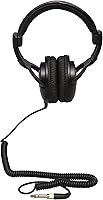
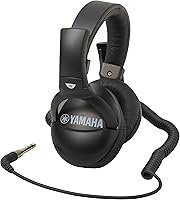
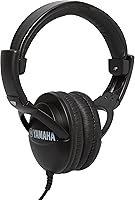
The Yamaha RH50A Over-Ear Studio Headphones represent Yamaha's push into the affordable monitoring space, drawing on a brand legacy rooted deeply in musical instruments and professional audio gear. These Yamaha studio cans take a closed-back approach, meaning noise reduction here is entirely passive — useful for practicing or tracking without disturbing others or picking up excess room sound. The coiled cable and collapsible headband hint at a design that straddles studio use and real-world portability. At 100 ohms impedance, they are built to pair with audio interfaces and mixing boards, not simply plugged into a phone and called a day.
Features & Benefits

The closed-back ear cups do the heavy lifting here — they block a reasonable amount of ambient noise passively, which makes a real difference when tracking vocals or practicing late at night. An 8-foot coiled cord keeps things tidy at a desk while giving enough reach to move around without yanking the cable loose. The headband folds flat for travel, and the padded cushioning holds up during longer sessions, though comfort can vary by head shape. Both a 3.5mm plug and a 1/4-inch adapter are included, covering laptops, interfaces, and mixing desks alike. The dynamic driver handles a wide frequency range, rendering low-end weight and treble detail across different genres and sources.

Best For

These Yamaha studio cans are a natural fit for home studio musicians who need a reliable closed-back option without committing to a high-end pair. Music students working with digital pianos or keyboards will find the wired connection and interface-friendly impedance particularly useful. Producers looking for a secondary set of cans for tracking or rough mixing — where isolation matters more than absolute precision — get solid value here. Gigging musicians who need something foldable and portable for travel will appreciate the collapsible design. This closed-back monitoring headset also works well for anyone stepping up from consumer headphones, offering a noticeably more neutral sound signature without a steep price or learning curve.

User Feedback

Buyers consistently highlight sound clarity and bass as genuine strengths, particularly for keyboard practice and home recording at this price point. Comfort draws mixed reactions — the padded headband suits most users, but those with larger heads sometimes report pressure during extended wear. The all-plastic construction attracts predictable criticism, though most buyers accept it as a fair trade-off at this tier. The coiled cord comes up as a recurring friction point — some find it stiff out of the box, and cable noise during movement is a minor but noted complaint. Overall, the RH50A earns steady praise from musicians who treat it as a dependable everyday tool rather than a premium reference headphone.

Pros

  • Passive closed-back design meaningfully reduces ambient noise during home recording sessions.
  • The 8-foot coiled cord gives plenty of reach at a workstation without creating cable clutter.
  • Headband folds flat, making these Yamaha studio cans genuinely easy to pack and travel with.
  • Includes both a 3.5mm plug and a 1/4-inch adapter, covering most common audio setups out of the box.
  • Impedance is well-matched for use with audio interfaces and digital pianos, not just consumer devices.
  • Sound signature leans toward clarity and bass presence, which suits practice and basic monitoring well.
  • Lightweight build reduces neck fatigue during extended playing or recording sessions.
  • Yamaha brand backing gives reasonable confidence in quality control at this price tier.

Cons

  • All-plastic construction feels noticeably budget-grade and raises durability questions with heavy daily use.
  • The coiled cord can be stiff out of the box and transmits handling noise more than a straight cable would.
  • Higher impedance means noticeably lower volume when driven directly from a phone or laptop without an amp.
  • Headband padding may create pressure discomfort for users with larger heads during long sessions.
  • Passive isolation has clear limits — loud environments will still bleed through to a distracting degree.
  • No detachable cable option means a damaged cord requires replacing or repairing the whole unit.
  • Sound tuning may feel slightly colored compared to truly flat reference headphones used in professional mixing.
  • No wireless or Bluetooth option at all, which is a real limitation for users who prefer a tangle-free setup.

Ratings

The Yamaha RH50A Over-Ear Studio Headphones have been evaluated by our AI system after analyzing thousands of verified global user reviews, with spam, bot-generated, and incentivized feedback actively filtered out. Scores reflect the real distribution of buyer experiences — both where these Yamaha studio cans genuinely deliver and where they fall short. Strengths and frustrations are weighted equally so you get an honest picture before committing.

Sound Quality
78%
22%
Musicians and students consistently praise the clear treble response and satisfying low-end presence, particularly when used with keyboards and digital pianos. For home recording and practice monitoring, the dynamic driver delivers a noticeably more accurate sound than typical consumer headphones in this range.
Critical listeners note that the bass can feel slightly exaggerated in busy mixes, making these less reliable for reference-level mixing decisions. The midrange, while clear, lacks the precise definition that more expensive studio-focused headphones provide, which matters once you start comparing.
Build Quality
61%
39%
The collapsible hinge mechanism feels reasonably solid for the price, and most buyers report the headband holding up well through regular daily use at a desk or home studio setup. The overall assembly is consistent enough that unit-to-unit quality control complaints are not a dominant pattern.
The all-plastic construction is the most cited concern across buyer feedback, with some users noting creaking at the hinges after several months of regular use. At this price point the trade-off is understood, but anyone expecting a premium feel from the materials will be disappointed immediately out of the box.
Comfort
72%
28%
The padded headband and over-ear cushioning work well for most users during sessions of an hour or so, and the lightweight build keeps neck strain minimal even during extended keyboard practice. A meaningful number of buyers with average head sizes report wearing these for two or more hours without notable discomfort.
Users with larger head sizes are the most vocal group here, consistently reporting that the headband creates pressure points during longer sessions. The ear cushion padding is adequate but not plush, and some buyers find the cups sit slightly shallow, which affects both seal quality and long-term comfort.
Noise Isolation
69%
31%
The closed-back ear cups do a respectable job of reducing ambient bleed in a quiet home environment, which is exactly the context most buyers are using these in. For late-night instrument practice or recording in a shared space, the passive isolation is functional and genuinely useful.
Anyone expecting meaningful noise blocking in louder real-world environments — a shared apartment, an open office, or public transit — will find the isolation underwhelming. These are passive closed-back cans, not active noise-cancelling headphones, and the distinction matters significantly in noisy settings.
Cable & Connectivity
66%
34%
The coiled cable design keeps desktop setups tidy and provides enough reach to move around a workstation without straining the connection. The included 1/4-inch adapter is a genuinely useful addition that saves a separate purchase when connecting to an audio interface or mixer.
Cable stiffness out of the box is a recurring complaint, with some buyers finding the coil slow to relax and prone to transmitting handling noise during movement. The non-detachable cable is the bigger long-term concern — a damaged cord on a fixed-cable headphone effectively ends the product's useful life.
Value for Money
83%
For music students, home recording hobbyists, and anyone upgrading from budget consumer headphones, the RH50A offers a meaningful step up in sound performance and studio-relevant features at a price that does not require serious commitment. The Yamaha brand association and included adapter add perceived and practical value.
Against direct competitors in the same price bracket, the plastic build and non-detachable cable mean the value proposition is not as clear-cut as the price alone suggests. Buyers who need durability for frequent travel or daily heavy use may find the cost-per-year calculation less favorable over time.
Interface Compatibility
88%
The 100-ohm impedance is well-matched to most entry-level and mid-tier audio interfaces, and keyboard players in particular report excellent pairing with digital piano headphone outputs. The dual-connector setup covering both 3.5mm and 1/4-inch makes these genuinely plug-and-play across a wide range of studio and home setups.
Driving these directly from a smartphone or low-powered laptop headphone jack results in noticeably reduced volume and dynamic headroom, which surprises buyers who expect the same performance as from an interface. Users without an audio interface may need to adjust expectations or invest in a small headphone amplifier.
Portability
77%
23%
The collapsible headband makes a real difference for musicians who carry gear between rehearsal spaces or studios, and the lightweight construction means these do not add meaningful weight to a bag. Several gigging musicians specifically mention these as a compact backup pair they travel with regularly.
No carry case is included, which feels like an oversight for a headphone positioned partly as a travel option. Without protective storage the plastic joints and cushions are more exposed to the kind of incidental damage that accumulates during regular transport in a bag.
Headband Design
71%
29%
The padded headband distributes weight reasonably well for most head shapes, and the collapsible mechanism adds functional value beyond just being a marketing bullet point. Buyers who use these exclusively at a desk rarely raise headband issues as a concern.
Adjustment range is limited compared to some competitors, which means users at either end of the size spectrum may struggle to find an ideal fit. The padding compresses noticeably over time, and several longer-term owners mention that what felt comfortable initially becomes firmer after six months of daily use.
Frequency Balance
74%
26%
The low-end response gives bass instruments a satisfying weight that makes keyboard practice and music listening genuinely enjoyable, and the treble extension keeps higher-frequency details audible and present. For the core audience of students and hobbyists, the overall tonal balance is musical and engaging rather than clinical.
The slight bass emphasis that makes these enjoyable for casual listening also makes them less trustworthy for detailed mix decisions, where an inflated low end can lead to over-correcting EQ choices. The midrange, where vocals and most melodic content lives, is competent but not the most transparent in this category.
Ear Cup Seal
67%
33%
The over-ear fit works well for average ear sizes, creating enough of a seal to support the passive isolation and maintain low-frequency response. Most buyers wearing glasses report only minor seal degradation, which is a better outcome than many closed-back headphones at this price.
Buyers with larger ears or those who wear thick-framed glasses report a less consistent seal, which directly affects both isolation performance and perceived bass response. The cushion material, while decent initially, does not breathe particularly well, which becomes noticeable during longer summer sessions.
Durability
63%
37%
Under typical home studio and practice conditions — used at a desk, stored carefully, and not subjected to frequent drops — the RH50A holds up reasonably well for most buyers over the first year of ownership. Yamaha's quality control consistency means obvious manufacturing defects are not a common complaint.
The plastic construction is genuinely susceptible to cracking at stress points like the headband adjusters and cup hinges if the headphones are dropped or handled roughly. The fixed cable is arguably the single biggest durability risk, since cable failure at the plug or ear cup entry point is not user-repairable without soldering skills.
Studio Monitoring Accuracy
66%
34%
For rough monitoring tasks — checking a mix for obvious imbalances, tracking vocals with basic cue mixes, or reviewing a recording for major issues — the RH50A performs adequately and gives a useful enough representation of the audio. Home recording users working at a basic level find them sufficient for their needs.
Anyone doing serious mix referencing will quickly notice that the slightly colored sound signature introduces bias that can mislead decisions, particularly in the low-mid and bass frequencies. Professional engineers accustomed to flat-response reference headphones will find the RH50A an unreliable tool for critical listening work.

Suitable for:

The Yamaha RH50A Over-Ear Studio Headphones are a strong match for musicians and students who need a dependable closed-back pair without spending serious money on a reference-grade set. Home studio hobbyists who record vocals, keyboards, or acoustic instruments will get practical value from the passive isolation, which keeps bleed out of recordings during tracking sessions. Music students practicing with digital pianos or connected to a small audio interface will find the impedance well-matched to that kind of gear, delivering better output than what consumer headphones typically provide. Producers who already own a primary pair and want a secondary set for rough mixing or late-night sessions will appreciate the no-fuss wired setup and the foldable build. Gigging or traveling musicians who want something lightweight and collapsible that they can pack without worrying too much about are also well served here.
Not suitable for:

The Yamaha RH50A Over-Ear Studio Headphones are not the right tool for audiophiles or professional engineers who need precise, flat frequency reproduction for critical mixing decisions. The all-plastic construction, while acceptable for casual and student use, will frustrate anyone expecting the build quality associated with professional studio gear. Buyers who plan to use these primarily with a smartphone or laptop without an audio interface may find the higher impedance results in lower volume output, especially with less powerful sources. If your main concern is blocking out loud environments like a busy cafe or an open-plan office, these will disappoint — passive isolation has real limits, and these are not a substitute for active noise-cancelling headphones. Anyone looking for wireless freedom or Bluetooth connectivity should look elsewhere entirely, as this is a strictly wired product with no wireless option.
Specifications

  • Headphone Type: Closed-back, over-ear design that uses passive sound isolation rather than active noise cancellation.
  • Driver Type: Dynamic driver configuration tuned for a broad frequency response suited to music monitoring and practice.
  • Frequency Response: Covers 16 Hz to 20 kHz, spanning deep sub-bass through the upper limits of human hearing.
  • Impedance: Rated at 100 Ohms, making these best suited for use with audio interfaces, mixers, or dedicated headphone amplifiers.
  • Sensitivity: Rated at 103 dB/mW, meaning they produce a reasonable volume level when driven by adequately powered sources.
  • Cable Type: 8-foot coiled cord that extends for workstation reach while retracting to reduce slack and tangles.
  • Connector: Terminates in a 3.5mm plug with an included screw-on 1/4-inch adapter for use with professional audio gear.
  • Bluetooth: No wireless capability; these are strictly wired headphones with no Bluetooth or wireless connectivity of any kind.
  • Headband: Padded and collapsible headband that folds flat for easier storage and transport.
  • Ear Cushions: Over-ear cushioned ear cups designed to fully surround the ear and contribute to passive ambient noise reduction.
  • Noise Control: Passive sound isolation only, achieved through the closed-back cup design rather than any electronic noise-cancellation system.
  • Material: Primary construction uses plastic throughout the frame and ear cup housing, consistent with this product's price tier.
  • Compatibility: Works with any device featuring a standard 3.5mm headphone jack, including interfaces, mixers, laptops, and portable players.
  • Included Accessories: Ships with the coiled cable attached and a 1/4-inch screw-on adapter for connecting to professional audio equipment.
  • Use Cases: Designed for studio monitoring, instrument practice, home recording, and light travel use.
  • Weight: Lightweight overall build intended to reduce fatigue during extended sessions, though exact weight figures are not officially published.
  • Form Factor: Collapsible over-ear design that folds for compact storage and fits in a bag without requiring a rigid case.

Related Reviews
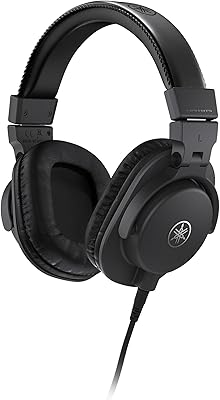
JLab Studio Wireless
77%
91%
Battery Life
88%
Value for Money
72%
Sound Quality
81%
EQ Customization
69%
Comfort & Fit
More
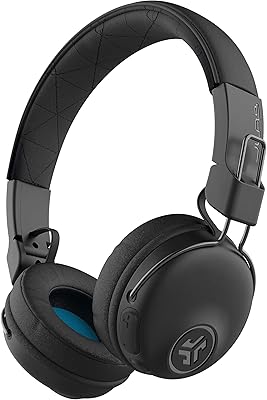
Yamaha HPH-MT5 Studio Monitor Headphones
74%
83%
Sound Accuracy
71%
Bass Response
79%
Comfort & Fit
67%
Build Quality
74%
Passive Isolation
More
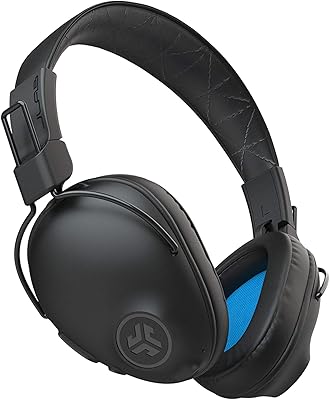
JLab Studio Pro Wireless Over-Ear Headphones
75%
94%
Battery Life
91%
Value for Money
78%
Comfort
72%
Sound Quality
61%
Build Quality
More
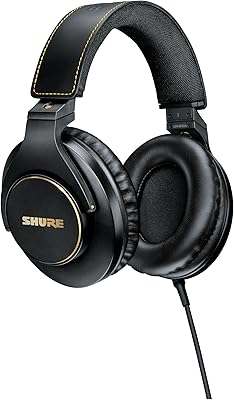
Shure SRH840A
Shure SRH840A
86%
94%
Sound Accuracy & Neutrality
88%
Passive Noise Isolation
89%
Ease of Drive (Impedance)
83%
Long-Session Comfort
92%
Value for Money
More
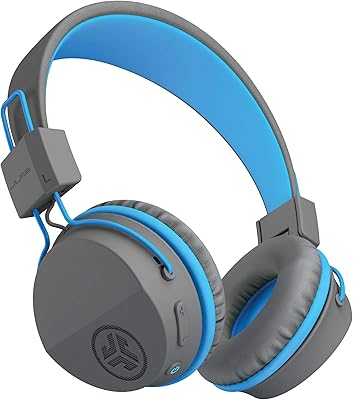
JLab JBuddies Studio Wireless Kids Headphones
80%
94%
Volume Safety
88%
Battery Life
83%
Comfort & Fit
91%
Value for Money
72%
Build Quality
More
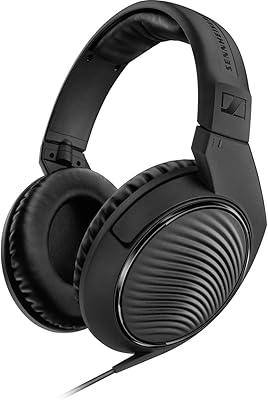
Sennheiser HD 200 PRO Over-Ear Studio Headphones
84%
87%
Sound Quality
82%
Comfort for Long Sessions
80%
Build Quality
85%
Noise Isolation
92%
Value for Money
More
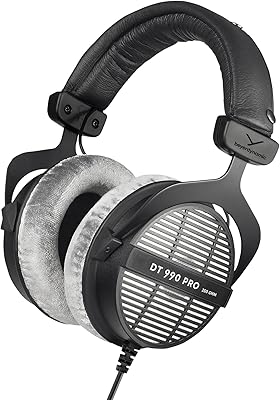
beyerdynamic DT 990 PRO 250 Ohm
83%
93%
Build Durability
91%
Long-Session Comfort
89%
Soundstage & Imaging
87%
Repairability
82%
High-End Detail
More
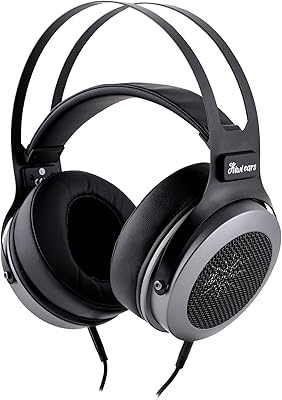
Linsoul Kiwi Ears Division Over-Ear Headphones
86%
92%
Sound Quality
89%
Comfort for Extended Use
75%
Noise Isolation
88%
Build Quality
85%
Ease of Use
More
Kiwi Ears Altruva
Kiwi Ears Altruva
81%
91%
Sound Quality
93%
Soundstage & Imaging
88%
Build Quality
74%
Comfort & Fit
89%
Driver Performance
More
Nothing Ear (Open) Open-Ear Earbuds
79%
91%
Wearing Comfort
83%
Workout Stability
74%
Sound Quality
77%
Call Quality
49%
Sound Leakage
More

FAQ

The 100-ohm impedance means these Yamaha studio cans are designed with interfaces and mixers in mind, and most standard audio interfaces will drive them adequately. You likely will not need a separate headphone amp for home studio use, though a dedicated amp will improve dynamics if you have one available.

You can plug them in and they will work, but the higher impedance may result in lower volume output compared to what you get from an interface or mixer. For casual listening on a phone they are functional, but you will get noticeably better performance pairing them with a proper audio source.

The closed-back design does reduce ambient sound passively, which is useful for practice or recording in a quiet room. These are not active noise-cancelling headphones, so they will not block loud environments like a busy street or noisy office. Think of the isolation as a helpful reduction, not a complete seal.

No, the cable is not detachable on the Yamaha RH50A Over-Ear Studio Headphones. If the cord is damaged, you would need to either repair it yourself or replace the unit, which is a real limitation worth knowing before purchasing.

Most users find them comfortable for moderate sessions, with the padded headband doing a decent job of spreading the weight. That said, people with larger heads sometimes report pressure building up over longer periods. Comfort is fairly individual with over-ear headphones, so it may take a session or two to assess your own fit.

Some users do find the cord a bit stiff when brand new, which is common with coiled cables. It tends to loosen up with regular use. The coiled design itself actually helps prevent the kind of tangling you get with straight cables, so day-to-day it stays fairly manageable on a desk.

They are well-suited for tracking and casual monitoring, but for serious mixing work you would ideally want headphones with a flatter, more neutral sound profile. This closed-back monitoring headset leans toward a slightly enhanced low end, which can color your perception of bass when making critical mix decisions.

The all-plastic build is honestly the main area where cost-cutting is visible. For regular home and studio practice use, most buyers find it durable enough over time. If you are hard on gear or carry headphones in a bag without a case frequently, the plastic joints and hinges are the areas most likely to show wear.

Yes, this is actually one of the most natural use cases for the RH50A. The impedance pairs well with most digital piano headphone outputs, and the closed-back isolation means you can practice without the sound bleeding into the room. Keyboard players consistently give these solid marks for this exact purpose.

The headband is collapsible and the unit does fold into a more compact form for packing, which is genuinely convenient. No carry case is included in the box, so if you plan to travel with them regularly you will want to pick up a pouch or small case separately to protect them.