
Overview

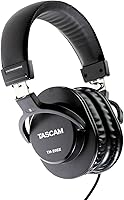
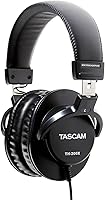
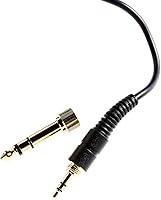
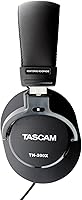
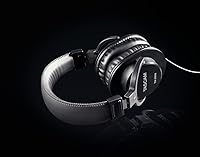
The Tascam TH-200X Studio Headphones represent a practical entry point into professional monitoring from a brand that has earned its place in recording gear over several decades. These are not built for commuting or casual playlist listening — they are purpose-made for studio work, with a closed-back, over-ear design that passively blocks ambient noise without any electronic trickery. Wired-only connectivity with both 3.5mm and 6.35mm jack support means you can plug directly into a phone, laptop, or full-sized audio interface without hunting for an adapter. At this price point, that kind of practical versatility genuinely counts.

Features & Benefits

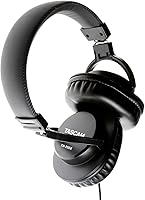
One of the more underrated aspects of the TH-200X is how its feature set translates into daily studio use rather than just looking good on paper. The 15Hz–22kHz frequency response covers more than enough range for tracking vocals, instruments, or dialogue without obvious gaps in the low or high end. The retractable cable is a small but meaningful detail — studio cables have a way of becoming a tangled mess fast, and having one that retracts neatly saves real frustration. The stainless steel headband keeps weight low while feeling sturdy, and the oval ear cushions help sustain comfortable extended wear during longer recording sessions.

Best For

The TH-200X punches above its weight for a fairly specific crowd: home studio musicians, podcasters, and bedroom producers who need something more reliable than consumer earbuds but are not yet ready to spend significantly more. Vocal tracking is probably the strongest use case — the passive isolation does a solid job keeping speaker bleed out of the microphone, which matters more than people expect. Content creators switching between a laptop, tablet, and phone will appreciate the dual-jack setup. That said, seasoned mixing engineers will likely find the soundstage limiting; this Tascam pair is an honest tool for hobbyists and newcomers, not a professional mixing workhorse.

User Feedback

Across roughly 240 ratings, these studio headphones hold a strong 4.5-star average, which is a decent indicator of consistent satisfaction rather than a handful of outliers skewing the number. Comfort and build quality come up repeatedly in positive reviews — buyers mention wearing them through multi-hour sessions without significant fatigue. On the critical side, some users note the clamping force feels tight out of the box, and a few have flagged that the cable, despite being retractable, can feel less robust over time. Bass response also draws occasional criticism from those expecting a fuller low end. The pattern suggests most reviewers are first-time studio buyers rather than working professionals.

Pros

  • Tascam is a trusted name in recording gear, lending real credibility at this modest price point.
  • The closed-back design provides solid passive isolation that genuinely reduces microphone bleed during tracking.
  • Dual 3.5mm and 6.35mm jack support means you can plug into almost any device without hunting for an adapter.
  • The retractable cable is a genuinely practical feature that keeps your workspace tidier day to day.
  • A stainless steel headband keeps these studio headphones feeling sturdy without adding uncomfortable weight.
  • The wide 15Hz–22kHz frequency range handles monitoring duties across the full audible spectrum without obvious gaps.
  • Oval ear cushions support longer wear sessions without the fatigue that tight, circular cups tend to cause.
  • A 4.5-star average across hundreds of real buyers suggests consistent satisfaction rather than polarized opinions.
  • Compatible with a wide range of devices, from audio interfaces to tablets and smartphones.
  • An honest entry point for beginners who want professional-grade intent without a professional-grade price tag.

Cons

  • The clamping force is reported as tight out of the box and can feel uncomfortable during the break-in period.
  • Bass response lacks depth and weight, which may disappoint anyone used to consumer-tuned headphones.
  • The soundstage is relatively narrow, making these a poor choice for detailed stereo mixing work.
  • The retractable cable mechanism has raised durability concerns among some long-term users.
  • Wired-only connectivity is a hard dealbreaker for anyone who needs wireless flexibility.
  • The overall sound profile skews flat and analytical, which feels dry for casual music listening.
  • Ear cushion material quality is average for the price and may degrade faster with heavy daily use.
  • Not well-suited for professional mixing engineers who need highly accurate low-frequency reproduction.
  • The 14.4-ounce weight, while manageable, may feel slightly bulky compared to lighter consumer alternatives.
  • Limited color and style options mean aesthetics take a back seat entirely to function.

Ratings

Our AI rating system analyzed verified buyer feedback for the Tascam TH-200X Studio Headphones from multiple global sources, actively filtering out incentivized, bot-generated, and low-credibility submissions to surface what real users actually experience. Scores reflect a balanced view across both consistent strengths and recurring pain points, so you get an honest picture rather than a polished highlight reel. Whether buyers praised the isolation during vocal sessions or flagged the tight clamp out of the box, both sides are transparently represented below.

Sound Isolation
83%
The closed-back design earns genuine praise from home studio users who track vocals and instruments and need to prevent audio from bleeding into a nearby microphone. Buyers consistently note that at typical monitoring volumes, the passive isolation holds up well without any active technology involved.
It falls short of a perfect acoustic seal, particularly for users with larger ears or those who wear glasses, where the cup-to-head contact is less consistent. In louder environments, the passive isolation alone is not sufficient to fully block ambient noise the way active noise cancellation would.
Build Quality
79%
21%
The stainless steel headband is a standout detail at this price tier — buyers regularly comment that the TH-200X feels noticeably more solid than similarly priced plastic-frame competitors. Several reviewers specifically mention the headband as a reason they trust these for regular studio use rather than treating them as disposable gear.
The ear cushion material is average and shows wear more quickly under heavy daily use, which becomes a concern for buyers relying on these as a primary pair. A few users also noted that the plastic components around the ear cup housing feel less refined than the headband itself, creating an inconsistency in overall construction.
Comfort & Fit
71%
29%
The oval ear cup shape is a practical advantage — it conforms better to the natural geometry of the ear than circular alternatives, which helps during longer sessions. Users doing multi-hour podcast recordings or tracking sessions generally report acceptable fatigue levels compared to cheaper headphones in the same range.
Clamping force is the single most recurring complaint across buyer feedback, with many noting it feels excessively tight straight out of the box and requires a deliberate break-in period. Users with wider heads or those who wear glasses report more significant discomfort, sometimes enough to limit session length noticeably.
Sound Accuracy
74%
26%
For beginner-to-intermediate monitoring tasks — checking vocal takes, reviewing podcast edits, or basic instrument tracking — the frequency response is clear and even enough to catch obvious problems in a mix. Buyers entering audio production from consumer earbuds find the step up in clarity and flatness immediately noticeable and useful.
Experienced ears will find the low-end reproduction too soft and imprecise for serious mixing decisions, and the soundstage lacks the width needed to accurately place elements in stereo. This Tascam pair is honest rather than exciting, which works for monitoring but leaves something to be desired for anyone attempting detailed mix work.
Cable Quality
61%
39%
The retractable cable mechanism is a genuinely thoughtful inclusion — buyers who have dealt with permanently tangled studio cables appreciate how cleanly it manages cord length during day-to-day use. It reduces clutter on a desk setup and is far more convenient than a fixed, coiled cable for users moving between devices.
Long-term durability of the retractable mechanism has surfaced as a recurring concern, with some buyers reporting that it becomes less reliable after sustained heavy use. The cable itself is not field-replaceable in any straightforward way, which means a cable failure could render the entire headphone unusable without a workaround.
Bass Response
58%
42%
The restrained bass tuning is intentional and useful in a monitoring context — it avoids the exaggerated low end found in consumer headphones that can mislead producers into under-applying bass in their mixes. Users specifically doing spoken-word recording and podcast work find the bass balance perfectly adequate for their needs.
Buyers who came from bass-heavy consumer headphones often describe the low end as thin or underwhelming, which creates a genuine disconnect when these headphones are used for casual music enjoyment. Even within studio contexts, tracking music with significant sub-bass content can feel unsatisfying because the driver simply does not deliver enough weight below 60Hz.
Value for Money
82%
18%
At this price point, getting a Tascam-branded, stainless-reinforced, closed-back monitoring headphone with dual-jack support represents a strong value proposition for anyone building a budget home studio. Buyers who compared these against similarly priced consumer alternatives consistently felt they were getting purpose-built gear rather than a lifestyle product dressed up as studio equipment.
The value calculus shifts if a buyer's needs extend to serious mixing or frequent travel, where the limitations in sound accuracy and portability start to erode the cost advantage. A small number of reviewers felt that a slightly higher investment would have yielded significantly better sound performance, questioning whether the savings were worth the audio trade-offs.
Device Compatibility
88%
Dual-jack support — covering both 3.5mm and 6.35mm outputs — means these studio headphones work natively with practically every audio device a home producer or content creator is likely to own. Switching between a smartphone for casual listening, a laptop for editing, and a dedicated audio interface requires no adapter swapping whatsoever.
There is no wireless option, which is a hard stop for buyers who need Bluetooth flexibility for their workflow. Users who regularly work in different rooms or move around while monitoring will find the wired-only setup restrictive compared to modern wireless studio alternatives.
Frequency Range Coverage
77%
23%
The 15Hz–22kHz rated range covers everything in the audible spectrum and then some, giving these headphones enough theoretical bandwidth to handle any standard audio monitoring task without obvious roll-off at the extremes. For entry-level recording, this translates to a clear and relatively even presentation across most instruments and vocal ranges.
Rated frequency range and actual perceived performance do not always align, and the low-frequency performance in practice is softer than the 15Hz figure implies. The upper range extension is solid, but the lower register loses authority before the spec suggests it should, which matters when tracking bass-heavy instruments or electronic music.
Ease of Use
91%
There is genuinely nothing complicated about picking these up and getting started — plug in, adjust the headband, and you are monitoring. Buyers who are new to studio gear and intimidated by technical setup find the plug-and-play nature of a simple wired headphone refreshingly approachable compared to wireless or USB alternatives.
The headband adjustment mechanism, while functional, has been described as stiff by some users and requires a bit of force to position precisely during the first few uses. There is no in-line volume control or remote, which some users switching between a recording interface and a phone find mildly inconvenient.
Portability
53%
47%
The headphones are reasonably lightweight at around 14.4 ounces, making them physically manageable to carry if needed. The retractable cable reduces the bulk of cable management when packing up, which does help in casual transport between rooms or locations.
Without a foldable or collapsible design and with no included carrying case, these are cumbersome to transport safely compared to headphones built with portability in mind. They are clearly designed to sit on a studio desk rather than go into a bag, and buyers who expected otherwise are frequently disappointed.
Ear Cushion Quality
63%
37%
The oval shape of the cushions is the right call ergonomically, and for buyers with average-sized ears, the initial feel is comfortable enough to use without immediately wanting to swap them out. New units generally have adequate padding density for monitoring sessions of a moderate length.
The cushion material degrades faster than premium alternatives, and buyers who use these as a daily driver report noticeable wear within the first year of heavy use. Replacements are not widely available through mainstream retailers, making long-term maintenance a legitimate concern for buyers expecting to rely on this Tascam pair for several years.
Brand Credibility
86%
Tascam has been producing professional recording equipment for decades, and buyers in the audio community recognize the name as one associated with real studio tools rather than consumer electronics dressed up for the market. That pedigree provides a layer of confidence when purchasing at this price tier that many no-name alternatives simply cannot offer.
While the brand name carries weight, some experienced audio professionals feel that Tascam's headphone line does not fully live up to the standard of their other gear categories, such as recorders and interfaces. A portion of buyers admit the brand recognition influenced their purchase more than the headphone's actual performance benchmarks warranted.

Suitable for:

The Tascam TH-200X Studio Headphones are a strong match for anyone taking their first serious steps into home recording without wanting to overspend. Bedroom producers, singer-songwriters, and podcasters will find the closed-back design genuinely useful during vocal tracking sessions, where keeping audio bleed away from the microphone actually matters. The dual 3.5mm and 6.35mm jack support makes these a practical choice for people who regularly move between a smartphone, a laptop, and a dedicated audio interface — no adapter bag required. Content creators who spend long stretches editing audio will also appreciate the lightweight build and oval cushions, which hold up reasonably well over extended wear. If you want a credible step up from consumer earbuds and need something purpose-built for monitoring rather than casual enjoyment, this Tascam pair delivers solid value for the asking price.

Not suitable for:

The Tascam TH-200X Studio Headphones are not the right tool for experienced engineers who rely on headphones for critical mixing decisions. At this price tier, the soundstage is relatively narrow and the low-end reproduction lacks the depth and precision that demanding mixing work requires — experienced ears will notice the limitations quickly. Buyers who prioritize wireless freedom will also be immediately ruled out, since these are strictly wired with no Bluetooth option whatsoever. If you tend to be rough on gear or need a cable that can withstand heavy daily abuse, the retractable mechanism may frustrate you over time, as durability concerns have surfaced in user feedback. Listeners who prefer a bass-heavy or consumer-tuned sound signature for casual music enjoyment will likely find the TH-200X too flat and utilitarian for their taste. These headphones are built for a specific job, and buyers outside that use case may feel underserved.

Specifications

  • Brand: Manufactured by Tascam, a professional audio brand with decades of experience in recording equipment.
  • Model: The model designation is TH-200X, an over-ear studio monitoring headphone in the Tascam lineup.
  • Form Factor: Over-ear, closed-back design that physically encloses the ear for passive noise isolation during recording.
  • Driver Type: Equipped with dynamic drivers housed in oval-shaped ear cups to support a natural listening response.
  • Frequency Response: Rated frequency response spans 15Hz to 22kHz, covering the full audible spectrum and extending slightly at both extremes.
  • Connectivity: Wired-only connection with no Bluetooth or wireless capability of any kind.
  • Jack Types: Includes both a 3.5mm mini jack and a 6.35mm standard jack, accommodating portable devices and professional audio interfaces alike.
  • Cable Design: Features a retractable cable mechanism intended to reduce tangling and extend practical cable lifespan.
  • Headband Material: The headband is constructed from stainless steel, balancing structural durability with a relatively low overall weight.
  • Noise Control: Passive sound isolation achieved through the closed-back enclosure design, with no active noise cancellation involved.
  • Earpiece Shape: Oval ear cushions are used to better conform to the natural shape of the ear for improved seal and comfort.
  • Item Weight: The headphones weigh approximately 14.4 ounces (around 0.41 kg), keeping them manageable for extended studio sessions.
  • Dimensions: Product dimensions measure 9.8 x 7.25 x 3.8 inches, making them a standard over-ear size with a moderately compact footprint.
  • Compatible Devices: Works with audio interfaces, laptops, desktops, tablets, smartphones, gaming consoles, and most other standard audio output devices.
  • Primary Use: Designed specifically for studio recording and audio monitoring rather than casual or lifestyle listening.
  • Age Range: Intended for adult users, particularly those in home recording, podcasting, or entry-level professional audio environments.
  • Included Components: The package includes the headphones themselves along with a cable and headband — no additional accessories are listed.
  • Availability Status: The TH-200X has not been discontinued by the manufacturer as of the most recent product data available.

Related Reviews
Tascam TH-300X Studio Headphones
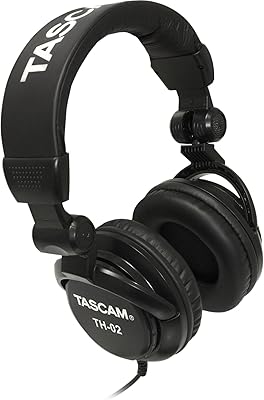
78%
78%
Sound Accuracy
82%
Passive Isolation
76%
Comfort & Wearability
61%
Build Quality
84%
Cable Design
More
Tascam TH-02
Tascam TH-02
73%
83%
Sound Quality
91%
Value for Money
67%
Build Quality
63%
Comfort & Fit
74%
Passive Noise Isolation
More
Tascam TH-07 High Definition Studio Monitor Headphones
85%
91%
Sound Quality
94%
Bass Response
88%
Comfort for Long Sessions
90%
Sound Isolation
85%
Build Quality
More
Tascam TH-MX2 Closed-Back Studio Mixing Headphones
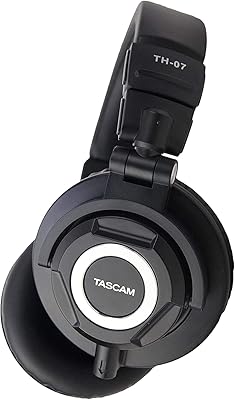
77%
83%
Sound Accuracy
78%
Sound Isolation
81%
Comfort & Fit
61%
Build Quality
88%
Value for Money
More
Koss Pro4AA
Koss Pro4AA
72%
91%
Sound Accuracy
83%
Build Quality
67%
Comfort & Fit
74%
Noise Isolation
88%
Value for Money
More
Koss Pro4S Studio Headphones
87%
93%
Sound Quality
88%
Comfort for Long Sessions
90%
Build Quality
81%
Noise Isolation
89%
Durability
More
AKG K361 Closed-Back Studio Monitor Headphones
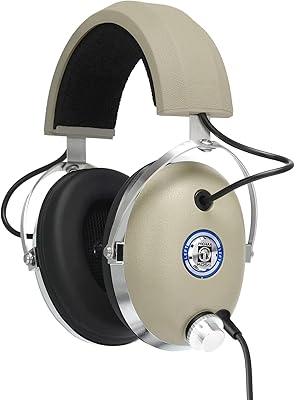
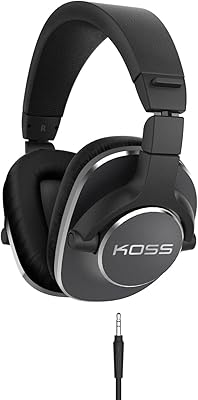
81%
91%
Sound Accuracy
89%
Driver Performance
92%
Frequency Balance
83%
Passive Isolation
88%
Value for Money
More
Superlux HD681
Superlux HD681
76%
91%
Audio Resolution
98%
Value for Money
88%
Soundstage Width
64%
Treble Accuracy
57%
Long-Term Comfort
More
Yamaha HPH-MT5 Studio Monitor Headphones
74%
83%
Sound Accuracy
71%
Bass Response
79%
Comfort & Fit
67%
Build Quality
74%
Passive Isolation
More
Shure SRH440 Professional Studio Headphones
80%
88%
Sound Accuracy
83%
Build Durability
66%
Comfort & Fit
91%
Cable Design
78%
Passive Isolation
More

FAQ

No adapter needed in most cases. The TH-200X ships with both a 3.5mm and a 6.35mm jack, so you can plug directly into a full-sized audio interface using the larger connector, or into a laptop or phone using the smaller one. That dual-jack setup is one of its more practical touches for home studio users.

Most users find them comfortable for extended wear, particularly thanks to the oval ear cushions, which fit the natural shape of the ear better than circular cups tend to. The stainless steel headband keeps weight reasonable. That said, some buyers do report the clamping force feels tight at first, so you may want to give them a short break-in period before expecting a perfect fit.

The closed-back design provides solid passive isolation, and at typical monitoring volumes, bleed into a nearby microphone is minimal. It is not a perfect seal by any means, but it handles the job well enough for home studio vocal tracking, which is exactly the use case these were designed for.

You can, technically — they connect to consoles, TVs, and most other devices without issue. However, the sound profile is tuned for monitoring accuracy rather than entertainment, so the bass will feel comparatively lean next to consumer-oriented headphones. If flat, analytical sound is not your preference for gaming or casual watching, you may find them underwhelming.

The retractable mechanism works smoothly and does a good job keeping the cable from tangling in day-to-day use. Durability is where some caution is warranted — a portion of long-term users have flagged the cable as a weak point over heavy use, so it is worth handling it with a little care rather than yanking it repeatedly.

They are better suited to tracking and monitoring than critical mixing. The soundstage is relatively narrow and the low-end reproduction lacks the precision that experienced engineers rely on for detailed mix decisions. If you are just starting out and mixing casually, the TH-200X works fine, but seasoned mixers will likely want something with more accurate stereo imaging and bass response.

Fairly well, actually. The stainless steel headband feels noticeably more substantial than the all-plastic frames common on budget headphones. The overall construction has earned consistent praise from buyers in terms of build quality relative to price, and Tascam's reputation in professional gear carries some reassurance here.

Tascam does offer replacement parts for some of their headphone models, and it is worth reaching out to their support team to confirm availability for this specific pair. The ear cushion material on this Tascam pair is average for the price tier and may show wear with heavy daily use over time, so knowing your options upfront is a smart move.

The TH-200X does not have a fully collapsible or foldable design like some portable headphones, which makes them a bit bulkier to pack away. They are primarily intended for studio use rather than commuting or travel, so portability is not their strong suit. A carrying case is not included, so you would need to source one separately if you plan to move them around often.

The overall reception is genuinely positive, with a 4.5-star average across a meaningful number of ratings. Comfort and build quality for the price come up most often in praise, while tight clamping force and a leaner-than-expected bass response are the most common gripes. The buyer base skews toward beginners and hobbyists rather than working professionals, which gives useful context for interpreting that satisfaction level.

Where to Buy