Overview

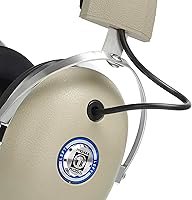
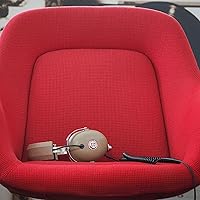
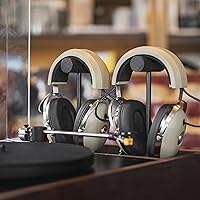
The Koss Pro4AA has been around since 1970, and that fact alone deserves some attention. Very few headphones survive five decades in an industry that reinvents itself every couple of years. The chunky beige build and retro aesthetic look nothing like the sleek black cans dominating today's market — and that is entirely by design. This is a serious audio tool, not a lifestyle accessory, built for people who want to hear recordings accurately rather than flattered. Koss backs it with a lifetime warranty, which is not a marketing footnote. It means you realistically buy these studio headphones once and never have to think about replacing them.

Features & Benefits

The closed-back over-ear design provides solid passive isolation — enough to block out ambient room noise during a recording or focused listening session, though it won't compete with active noise-cancelling technology. The 250-ohm impedance means these studio headphones really open up when paired with an audio interface, a dedicated headphone amp, or any source with decent output power. At full frequency range (10 Hz to 25,000 Hz), the dynamic driver reproduces audio with a warm, detailed character rather than exaggerating bass for entertainment effect. The coiled 8-foot cord enters from one side only, keeping things tidy on a desk, and includes both a 6.3mm plug and a 3.5mm adapter for flexibility.

Best For

These studio headphones are an obvious fit for home studio musicians and anyone doing reference listening who wants accuracy over flattery. Vinyl enthusiasts and hi-fi hobbyists tend to appreciate them for the same reason — the sound is honest rather than punchy and bass-heavy in the way consumer headphones often are. The lifetime warranty changes the buying calculation meaningfully: rather than replacing a budget pair every few years, you're making a single considered purchase. Keep in mind that the 8-foot coiled cord is a clear advantage at a stationary desk setup, but it would be genuinely inconvenient for commuting or mobile use. The retro design appeals strongly to buyers who enjoy vintage aesthetics, though it is admittedly not for everyone.

User Feedback

Owners of the Koss classics consistently praise the sound clarity and natural audio reproduction — many describe it as refreshingly uncolored compared to popular consumer headphones at similar price points. On the comfort side, opinions vary more. A number of long-term users report that the headband padding compresses and loses cushioning over time, and some find the initial clamping force uncomfortable during sessions lasting more than an hour. The beige colorway genuinely divides people — vintage audio fans love the throwback look, while others find it too dated for modern setups. One practical note worth flagging: the high impedance means weaker sources like phones or budget laptops may not drive this wired over-ear to its full potential without a dedicated amp.

Pros

  • Accurate, uncolored sound reproduction that works as a genuine reference tool for mixing and monitoring.
  • The lifetime warranty is rare at this price tier and effectively makes these studio headphones a one-time purchase.
  • Dynamic driver handles the full frequency range with warmth and detail, especially on acoustic and instrumental recordings.
  • Closed-back design provides meaningful passive isolation for focused listening in shared home environments.
  • Steel headband construction holds up to years of daily use without structural degradation.
  • Single-entry coiled cord keeps desk setups tidy and reaches comfortably across a typical studio workspace.
  • The retro beige design is a genuine statement piece for vintage audio fans and classic studio setups.
  • Includes both a 6.3mm plug and a 3.5mm adapter, covering a wide range of stationary source devices.
  • A long track record of owner loyalty — many buyers report using the Koss classics for five to ten years without issues.
  • Broad frequency response rewards high-quality source material and high-resolution audio formats.

Cons

  • The 250-ohm impedance requires a proper amp or audio interface — phones and basic laptops simply won't drive them well.
  • Headband padding flattens noticeably over time, reducing comfort in a way that is hard to reverse without sourcing replacement parts.
  • No carrying case and no folding design make transport genuinely impractical.
  • Clamping force is strong out of the box and causes fatigue during sessions longer than an hour for many users.
  • The non-detachable cord is a long-term vulnerability — cable damage cannot be fixed with a simple replacement.
  • Ear pad foam degrades with extended use, and fitting replacement pads is not a straightforward process for most buyers.
  • The beige colorway is a decisive aesthetic that works against buyers who want something that blends into a modern setup.
  • No audio controls, inline remote, or microphone — purely a passive listening tool with no added functionality.

Ratings

The Koss Pro4AA has earned a devoted following over decades, and these scores reflect what real buyers around the world actually experience — not what the marketing says. Our AI analyzed verified purchase reviews globally, actively filtering out incentivized, bot-generated, and spam submissions, to produce scores that honestly reflect both where these studio headphones genuinely shine and where they fall short. Strengths and frustrations are weighted equally so you get a complete picture before deciding.

Sound Accuracy
91%
Users consistently describe the audio reproduction as honest and uncolored — instruments sit where they belong in a mix, and nothing feels artificially pushed. For vinyl listeners and home studio work, this kind of reference-quality sound at this price tier is genuinely difficult to find elsewhere.
Some buyers coming from consumer-tuned headphones find the sound flat or underwhelming at first, expecting more bass punch. The 250-ohm impedance also means the sound can feel restrained when driven from a phone or budget laptop without a proper amp.
Build Quality
83%
The steel headband and overall construction feel built for long-term use, and many owners back this up with stories of daily use spanning five or more years without structural failure. The materials feel utilitarian rather than premium, but they hold up reliably in real-world conditions.
The headband padding is a recurring complaint — it compresses noticeably over time and loses its cushioning, which affects both comfort and fit. A few buyers also note that the ear cup swivel mechanism feels a little loose after extended use.
Comfort & Fit
67%
33%
The adjustable steel headband accommodates a wide range of head sizes, and the ear cups fully envelope the ears for most users. For short to medium listening sessions at a desk, the fit feels stable and reasonably comfortable.
Clamping force is the most common complaint, especially during the first weeks of use before the headband loosens up. Users with larger heads or those listening for more than an hour at a stretch often report fatigue and pressure at the ear cup edges.
Noise Isolation
74%
26%
The closed-back over-ear design provides enough passive isolation to noticeably reduce ambient room noise — usable in a home studio or shared workspace where background noise is moderate. Most users find it sufficient for focused listening without distractions.
This is purely passive isolation, so it won't compete with active noise-cancelling headphones in noisy environments like coffee shops or commutes. A few buyers mistakenly expected ANC-level blocking and were disappointed when ambient sound still bled through at higher levels.
Value for Money
88%
When you factor in the lifetime warranty, the value calculation shifts significantly. Buyers are not purchasing a product they will need to replace in two or three years — many frame it as a one-time investment, which makes the price feel considerably more reasonable over a long ownership horizon.
Without the warranty context, the price can feel steep compared to competing wired headphones with similar specs. Buyers on a tight budget who don't plan for long-term ownership may find better immediate value in alternatives at a lower price point.
Cable & Connectivity
72%
28%
The single-entry 8-foot coiled cord keeps desktop setups tidy and reaches comfortably from an audio interface or amplifier to a listening position across a studio desk. The included 3.5mm adapter adds practical flexibility for different source devices.
The long coiled cord is genuinely inconvenient anywhere other than a stationary setup — it adds bulk and becomes a tangling problem if you try to use these studio headphones on the move. There is no detachable cable option, so damage to the cord is a real long-term risk.
Design & Aesthetics
63%
37%
The retro beige colorway is a genuine differentiator and has a loyal fanbase among vintage audio enthusiasts and collectors. In a home studio surrounded by classic gear, these headphones look entirely at home and carry an authenticity that newer designs can't replicate.
Opinion is sharply divided on the look — a significant portion of buyers find the beige dated and visually out of place next to modern equipment. It is not a neutral design choice, and for buyers who prefer understated black or contemporary styling, this alone can be a dealbreaker.
Source Compatibility
61%
39%
Paired with a dedicated headphone amp or audio interface, these studio headphones perform at their best — the dynamic driver opens up and delivers the full frequency range that the specs promise. For desktop and studio use with proper equipment, compatibility is a non-issue.
The 250-ohm impedance is genuinely problematic with low-power sources like smartphones, tablets, or basic laptop headphone jacks. Without adequate output power, the volume ceiling is low and the sound feels thin — which leads to a number of negative reviews from buyers who didn't anticipate needing additional hardware.
Headband Padding
58%
42%
Out of the box, the padded rubber headband feels adequate and provides a stable base for the adjustable steel frame. For users with average head shapes, initial fit impressions are generally positive.
Long-term padding degradation is one of the most consistently reported issues across verified reviews. Within a year or two of regular use, the cushioning flattens considerably, and replacement padding options are limited, which creates a noticeable comfort regression over time.
Portability
34%
66%
The headphones are relatively lightweight for a full-size over-ear design, and the adjustable headband allows for a secure fit when stationary. For a dedicated home or studio setup, portability simply isn't a relevant concern.
There is no folding or collapsing mechanism, no carrying case included, and the 8-foot coiled cord makes transport actively inconvenient. Anyone who wants to use these outside of a fixed desktop setup will find the form factor impractical from day one.
Driver Performance
86%
The dynamic driver has a warm character that handles both the high-frequency detail in acoustic recordings and the low-end body of bass instruments without distortion at moderate listening levels. Users doing home recording monitoring consistently report it as reliable and faithful.
At very high volumes, a small number of users report slight driver strain on particularly low-frequency heavy material. It is a minor concern for most use cases, but audio engineers pushing volume in bass-heavy genres occasionally note the driver's limits.
Long-Term Durability
89%
Across hundreds of long-term reviews, the structural integrity of the Koss classics holds up remarkably well. Stories of decade-long daily use are genuinely common, and the lifetime warranty backstops any hardware failure, making durability one of the strongest arguments for this wired over-ear.
While the main structure lasts, wear items like ear pad foam and headband cushioning deteriorate faster than the chassis. Replacement parts are available but require extra effort to source, and the process of refreshing worn foam deters less technically confident buyers.
Ear Pad Quality
62%
38%
The ear pads provide a comfortable initial seal around the ears and contribute meaningfully to the passive noise isolation. Fresh out of the box, the padding depth accommodates most ear sizes without putting pressure directly on the ear.
Ear pad wear is a recurring theme in long-term reviews — the foam flattens and the outer material can crack or peel after sustained use. Replacement pads exist but fitting them is not always straightforward, and the process frustrates users who expected a more durable original component.
Frequency Range Usability
82%
18%
The stated 10 Hz to 25,000 Hz range translates in practice to a wide, detailed sound that handles both the subtle air in high-resolution recordings and the sub-bass foundation in orchestral or acoustic music. For reference listening, this breadth is a genuine asset.
The upper frequency extension is only fully realized with quality source material and adequate amplification — compressed audio files or weak sources clip the headphones' potential noticeably. Buyers using these primarily with streaming services on consumer devices may not hear the full benefit.

Suitable for:

The Koss Pro4AA is built for a specific kind of buyer, and for that buyer it genuinely delivers. Home studio musicians and audio engineers who need a reliable reference headphone — something that tells the truth about a mix rather than flattering it — will find these studio headphones a practical, long-term investment. Vinyl enthusiasts and hi-fi listeners who have grown tired of consumer headphones that over-emphasize bass will appreciate the balanced, detailed character of the sound. If you are working at a fixed desk setup with an audio interface or a dedicated headphone amp, the 8-foot coiled cord is a natural fit rather than a compromise. Buyers who think in terms of total cost of ownership will also find the lifetime warranty compelling — replacing budget headphones every two or three years adds up, and the Koss classics sidestep that cycle entirely. Anyone drawn to vintage industrial design who wants their gear to look as considered as it sounds will also feel right at home here.

Not suitable for:

The Koss Pro4AA is not a good match for every buyer, and it is worth being honest about where it falls short before you commit. If your primary source is a smartphone, a basic laptop headphone jack, or any device without dedicated amplification, the 250-ohm impedance will work against you — volume headroom will be limited and the sound will feel underwhelming compared to what these studio headphones are actually capable of. Anyone looking for portability should look elsewhere entirely: there is no folding mechanism, no carrying case, and an 8-foot coiled cord that becomes a real inconvenience the moment you step away from your desk. The beige colorway is genuinely polarizing, and buyers who prefer understated modern aesthetics will likely find it difficult to overlook. People who need long wearing sessions — several consecutive hours — should also be aware that the clamping force and headband padding wear are recurring complaints, and comfort over extended periods is inconsistent across users. Finally, this wired over-ear offers only passive noise isolation, so if you are shopping with noisy commutes or open offices in mind, active noise-cancelling alternatives will serve you better.

Specifications

  • Headphone Type: Over-ear, closed-back design with full-size ear cups that fully encompass the ear.
  • Driver Type: Dynamic driver, the same driver architecture Koss has used since the original 1970 design.
  • Impedance: 250 ohms, which requires an amplifier or audio interface to reach optimal listening volume and sound quality.
  • Frequency Response: 10 Hz to 25,000 Hz, covering the full range of human hearing with extension beyond standard listening thresholds.
  • Sensitivity: 95 dB SPL per milliwatt, indicating the headphones are moderately efficient but still benefit significantly from proper amplification.
  • Cord: 8-foot coiled single-entry cable, terminated with a 6.3mm (1/4-inch) plug and supplied with a 3.5mm adapter.
  • Headband: Adjustable steel headband with padded rubber cushioning and slide-bar adjustment for fit customization.
  • Ear Placement: Over-ear fit with padded cups designed to enclose the ear fully for passive noise isolation.
  • Color: Beige, reflecting the original 1970 colorway that distinguishes this model from the majority of modern black headphones.
  • Weight: Approximately 1.85 pounds, which is standard for a full-size studio over-ear headphone of this construction.
  • Dimensions: 9.45 x 9.45 x 4.09 inches, sized for stationary desktop or studio use rather than portable carry.
  • Warranty: Koss Limited Lifetime Warranty covers the headphones for the life of the original purchaser against manufacturing defects.
  • Release Year: Original design dates to 1970, making this one of the longest-running headphone models in continuous production.
  • Noise Control: Passive sound isolation via closed-back over-ear design; no active noise-cancelling technology is included.
  • Compatibility: Works with desktops, laptops, tablets, audio interfaces, amplifiers, and music production equipment via wired connection.
  • Carrying Case: No carrying case or pouch is included in the standard package.
  • Plug Type: 6.3mm (1/4-inch) plug with an included 3.5mm adapter for use with standard consumer audio jacks.
  • Ear Cup Shape: Round ear cups with padded cushioning designed for extended wear in studio and home listening environments.

Related Reviews
Koss Pro4S Studio Headphones
87%
93%
Sound Quality
88%
Comfort for Long Sessions
90%
Build Quality
81%
Noise Isolation
89%
Durability
More
Koss KPH30i
Koss KPH30i
77%
83%
Sound Quality
88%
Comfort & Fit
61%
Build Quality
79%
Cable Durability
58%
Microphone Quality
More
Koss UR40 Over-Ear Headphones
82%
78%
Sound Quality
89%
Comfort & Fit
92%
Portability
60%
Noise Isolation
81%
Build Quality
More
Koss CS195 USB Communication Headset
83%
88%
Comfort for Long Use
82%
Microphone Clarity
85%
Noise Cancellation Effectiveness
80%
Build Quality & Durability
90%
Ease of Setup
More
Koss SB-45 Communication Stereophones
73%
83%
Voice & Call Clarity
79%
Comfort & Wearability
58%
Build Quality
61%
Noise Isolation & Cancellation
77%
Microphone Quality
More
Koss KPH40 Utility
Koss KPH40 Utility
77%
88%
Sound Quality
86%
Comfort & Fit
82%
Build Quality
91%
Detachable Cable System
93%
Value for Money
More
Koss Porta Pro
Koss Porta Pro
70%
83%
Sound Quality
88%
Comfort & Fit
74%
Build Quality
91%
Value for Money
86%
Portability
More
Koss R-80 Over-Ear Headphones
85%
88%
Sound Quality
91%
Comfort for Long Sessions
75%
Noise Isolation
85%
Build Quality
82%
Bass Response
More
Koss QZ-99 Noise Reduction Stereophone
83%
88%
Sound Quality
82%
Comfort
85%
Noise Isolation
74%
Build Quality
91%
Ease of Use
More
Koss SB45 USB Multimedia Stereo Headphone
85%
92%
Value for Money
88%
Comfort
85%
Sound Quality
89%
Microphone Clarity
70%
Build Quality
More

FAQ

Technically you can plug them into any standard headphone jack, but at 250 ohms the impedance is high enough that weak sources like smartphones or basic laptop outputs will struggle. You will get noticeably better volume and a fuller sound with a dedicated headphone amp or an audio interface. If you are using these purely at a desk with a DAC or interface, you are in good shape.

The closed-back over-ear design does a decent job of blocking out moderate ambient noise — think background conversation, a fan running, or general room noise. It is not active noise cancellation, so loud or unpredictable environments will still bleed through. For a home studio or focused listening at a desk, most users find the passive isolation more than adequate.

Yes, replacement ear pads are available, though they are not always easy to find through mainstream retailers. The foam does compress and degrade over time with regular use, so it is worth budgeting for a refresh every few years. Koss customer support can also point you toward compatible replacement parts.

The Koss Stereophones Limited Lifetime Warranty covers manufacturing defects for the life of the original purchaser. In practice, Koss has a strong reputation for honoring it — many owners report successful warranty claims years after purchase. It does not cover physical damage from misuse, but for normal wear and hardware failures it is a genuinely useful safety net.

It depends entirely on how you use them. At a stationary desk the 8-foot coiled cord is actually very tidy — it retracts when you're not moving and gives plenty of reach without dragging. If you want to walk around the house or use them away from a fixed setup, the cord becomes cumbersome quickly and is not really designed for that kind of use.

These studio headphones hold up very well on sound accuracy and build longevity, which are the metrics that matter most for reference listening. Where modern competitors often win is in comfort engineering and cable flexibility — detachable cables and better long-term padding are common in newer designs. But few competitors at this price include a lifetime warranty, which shifts the value comparison considerably.

Yes, it does. Most users find that the steel headband loosens gradually over the first few weeks of regular use, and the fit becomes less tight as a result. If the initial clamp is really uncomfortable, some users gently bend the headband outward slightly to speed up the break-in process — just be careful not to overdo it.

You can use the Koss classics for gaming or video playback at a desktop, and the sound quality is genuinely good for those applications. However, there is no built-in microphone and no inline controls, so you would need a separate mic for calls or streaming. For pure listening in a stationary setup, they work well; they just won't replace a dedicated headset with communication features.

Yes, it is a distinctive look that divides opinion pretty evenly. In person the beige is warm and unmistakably vintage — if you are into that aesthetic it looks great alongside classic audio gear. If you were hoping it might read as subtle or neutral in a modern setup, it does not; the color is a deliberate design statement and is very much present.

They are a particularly strong match for vinyl listening. The accurate, uncolored sound signature suits the warmth and dynamic range of vinyl recordings well, and the wide frequency response picks up the fine detail that makes high-quality pressings worth the investment. Just make sure your turntable setup includes a phono preamp with enough output to drive the 250-ohm impedance properly.