
Overview

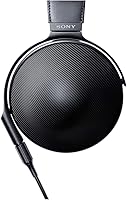
The Sony MDR-Z1R Over-Ear Headphones sit at the very top of Sony's Signature Series — a wired-only, closed-back design built entirely for serious home listening. Made in Japan with a beta titanium headband, genuine leather, and magnesium dome drivers, the craftsmanship here is not decorative; it reflects a deliberate philosophy around acoustic precision. There are no wireless options, no active noise cancellation, and no apologies for either. Reference-grade sound is the singular focus, and the MDR-Z1R has held its reputation as a benchmark among high-end dynamic driver headphones since its 2016 launch — a long run in a category that moves quickly.

Features & Benefits

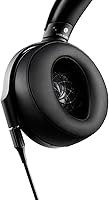
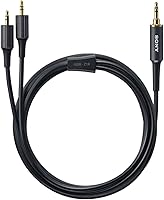
The most striking technical fact about these flagship Sony headphones is the use of 70mm dynamic drivers — unusually large even by flagship standards — which produce a frequency range stretching from 4Hz all the way to 120,000Hz. That breadth means the headphone can resolve low-end texture and ultra-high-frequency air that most listeners have never heard reproduced accurately. The Fibonacci-patterned grill is not a cosmetic choice; it actively disrupts standing waves inside the cup. Add a resonance-free all-metal housing, separated ground cables made from silver-coated oxygen-free copper, and Hi-Res Audio certification, and you have a headphone engineered with very few compromises.

Best For

The MDR-Z1R is built for a specific kind of listener: someone with a dedicated listening space, a quality DAC or amplifier already in the chain, and a genuine preference for wired hi-fi listening over convenience. Classical, jazz, and acoustic recordings tend to reward this headphone's strengths — its ability to resolve fine spatial detail and tonal nuance is where it earns its keep. Portability is simply not part of the proposition. If you need wireless, noise cancellation, or something workable without additional equipment, this Signature Series headphone is probably not the right fit regardless of budget.

User Feedback

Among verified buyers and audio reviewers, the MDR-Z1R draws consistent praise for its expansive soundstage and natural tonal character — two qualities harder to engineer than raw frequency extension. Build quality, especially the cables and leather finishing, is frequently highlighted as genuinely special rather than just expensive-looking. That said, the headphone is not without friction points. At nearly 3 pounds, listening fatigue can creep in during extended sessions, and a handful of users note the sound signature runs slightly warm, suiting certain genres more than others. Perhaps most critically, pairing with a capable amplifier is not optional — an underpowered source will noticeably limit what this headphone can do.

Pros

  • Exceptionally wide soundstage that makes well-recorded music feel genuinely three-dimensional.
  • 70mm dynamic drivers resolve low-end texture and high-frequency air with rare accuracy.
  • Build quality — from the titanium headband to the leather carrying case — feels genuinely crafted, not assembled.
  • Detachable silver-coated OFC cables are well-made and easy to replace if needed.
  • Hi-Res Audio certification means the MDR-Z1R is ready for high-quality lossless and studio-format files.
  • Sheepskin earpads are soft, well-shaped, and comfortable for moderate listening sessions.
  • The Fibonacci-patterned grill noticeably reduces internal resonance for cleaner mid and high reproduction.
  • Closed-back design provides decent passive isolation without requiring active noise-cancellation electronics.
  • Made in Japan with materials and tolerances that hold up under long-term, regular use.
  • A rare dynamic driver headphone that competes credibly with top planar magnetic alternatives at this tier.

Cons

  • Requires a dedicated amplifier or DAC to perform properly — budget nothing extra and you will be disappointed.
  • At nearly 3 pounds, physical fatigue can set in faster than lighter competing models.
  • Wired-only connectivity makes this completely impractical for mobile or commute use cases.
  • The slightly warm tuning can obscure fine detail in busy, densely arranged recordings.
  • Some users report noticeable heat buildup inside the ear cups during longer sessions.
  • No in-line microphone or remote control of any kind is included.
  • The price tier demands a serious commitment that is difficult to justify without an already established hi-fi setup.
  • Older drivers and an aging launch date mean some competitors now offer comparable or better resolution per dollar.

Ratings

The scores below for the Sony MDR-Z1R Over-Ear Headphones were generated by AI after systematically analyzing verified buyer reviews from global markets, with automated filtering applied to remove incentivized, bot-generated, and outlier feedback. Each category reflects the honest distribution of real listener experiences — strengths are credited where earned, and genuine pain points are not softened. The result is a transparent, balanced picture of where this flagship headphone excels and where it falls short of expectations.

Sound Quality
94%
Listeners across multiple markets consistently describe the soundstage as unusually wide and three-dimensional for a closed-back design, with instrument separation that holds up even on dense orchestral recordings. The 70mm drivers resolve low-end texture and high-frequency air in a way that many buyers say genuinely changed how familiar albums sounded to them.
A meaningful minority of reviewers feel the tuning skews slightly warm, which can reduce perceived clarity on heavily layered electronic or pop productions. Buyers accustomed to a flat, analytical signature may find the tonal balance flattering rather than strictly accurate.
Build Quality
93%
The all-metal housing, beta titanium headband, and genuine leather components are routinely singled out by buyers as the clearest sign that this headphone was built to last rather than to look expensive. Many owners note that after years of regular use, the structural integrity remains intact with no creaking, loosening, or finish degradation.
The weight — nearly 3 pounds — is a direct consequence of the premium materials, and for some users that trade-off tips in the wrong direction. A handful of reviewers also note that the large physical footprint makes careful storage essential, as the headphone is not casually portable.
Comfort
71%
29%
The sheepskin leather ear pads receive consistent praise for their softness and generous depth, and most listeners report that short to mid-length sessions of one to two hours feel genuinely comfortable. The headband padding and clamping force are generally considered well-calibrated for the size of the headphone.
Extended sessions beyond 90 minutes are where comfort complaints cluster — the weight becomes noticeable and some users describe neck and scalp fatigue during three-plus hour listening blocks. Heat buildup inside the sealed cups is a secondary concern, particularly in warmer environments.
Cable & Connectivity
88%
The silver-coated OFC cables feel substantively premium in hand, and the detachable design is a practical advantage that many buyers specifically called out — knowing a cable swap is simple removes one of the most common long-term headphone failure anxieties. The separated ground configuration is also appreciated by technically minded users who notice the reduction in channel noise.
The proprietary connector format on the headphone end means third-party cable upgrades require compatibility research before purchase. A small number of users also feel the included cable length options could be more flexible for different desk setups.
Amplifier Dependency
58%
42%
Buyers who already own a quality desktop amplifier or DAC-amp report that the MDR-Z1R scales impressively with better source equipment, rewarding upstream investment more noticeably than many competing headphones in this category.
This is the most common source of buyer frustration — users who connected the MDR-Z1R directly to a smartphone, laptop, or entry-level dongle DAC consistently report underwhelming results and a sense that the headphone is not performing as advertised. The amplifier dependency is real, significant, and adds meaningful cost to the total ownership proposition.
Hi-Res Audio Performance
91%
On Hi-Res Audio and lossless FLAC files, the MDR-Z1R demonstrates the full benefit of its 4Hz–120kHz frequency range in a way that buyers with access to high-quality digital libraries describe as revelatory. The level of micro-detail retrieval — subtle room reverb, breath between notes, string resonance — is frequently highlighted as exceptional.
The gap between a standard compressed stream and a true Hi-Res source is more audible here than on most headphones, which means listeners who primarily use streaming services at standard quality tiers may not access the headphone's ceiling. The value case weakens meaningfully without a high-quality source library.
Value for Money
63%
37%
Among dedicated audiophiles who purchased the MDR-Z1R as part of an existing hi-fi stack, satisfaction with the long-term value is generally high — the build durability, sonic performance, and design integrity are considered commensurate with the price tier when the full setup is in place.
For buyers who purchased without a quality amplifier or with casual listening habits in mind, the value perception drops sharply. At this price point, reviewers note that competitive alternatives from other flagship brands offer more flexible value, especially for listeners who do not already have a matching source chain.
Noise Isolation
74%
26%
The closed-back, over-ear design provides a respectable degree of passive isolation that works well in quiet home environments, helping listeners stay focused on the music without needing any powered electronics to do the job.
Compared to headphones with active noise cancellation or purpose-built isolation designs, the passive performance here is good but not exceptional. Users in noisier home environments — open-plan spaces, households with children — mention that ambient intrusion is still noticeable during quieter musical passages.
Ear Pad Durability
79%
21%
Sheepskin leather ages better than synthetic alternatives under normal use conditions, and buyers who have owned the MDR-Z1R for several years generally report that the pads retain their shape and surface texture well when stored properly.
Replacement pads are available but not always easy to source depending on region, and the cost of genuine Sony replacements is non-trivial. A few users in humid climates mention that the leather surface shows wear faster than expected under daily use.
Soundstage & Imaging
92%
For a closed-back headphone, the spatial presentation of the MDR-Z1R is a standout characteristic — listeners describe a sense of depth and width that feels unusually open for a sealed design. Classical and jazz recordings in particular benefit from precise positional imaging that makes individual instruments feel anchored in defined space.
Open-back competitors at a similar price point do technically outperform the MDR-Z1R on raw soundstage width, and buyers who have compared both report a clear difference in perceived openness. The MDR-Z1R is excellent for a closed-back design, but that qualifier matters at this level.
Portability
31%
69%
The included leather carrying case offers a layer of protection during storage and careful transport between rooms or locations, which is the most practical use for it.
At nearly 3 pounds with a large physical footprint, the MDR-Z1R is not a portable headphone by any realistic measure. There is no folding mechanism, and using it commuting or traveling is impractical — buyers who need on-the-go capability should factor this as a hard limitation, not a minor inconvenience.
Ease of Setup
77%
23%
Connecting the cables is straightforward, and the detachable design means there is no complicated assembly required out of the box — most buyers are listening within minutes of unboxing.
The broader setup complexity comes from the amplifier requirement rather than the headphone itself — configuring an appropriate DAC-amp chain is not difficult for experienced hi-fi users, but it adds a barrier for buyers who are new to this tier of audio equipment.
Aesthetics & Finish
89%
The all-black finish, Fibonacci-patterned grills, and leather accents give the MDR-Z1R a visual identity that reads as premium without being ostentatious — many buyers describe the look as refined and understatedly impressive in person.
The design language is conservative and has not been updated since the 2016 launch, which some buyers find dated compared to newer flagship designs from competing brands. The all-black color option is the only variant available, limiting personalization.
Genre Versatility
72%
28%
Classical, acoustic jazz, folk, and well-recorded acoustic genres are where the MDR-Z1R consistently earns its highest praise — the warm tuning and wide soundstage suit music with natural dynamics and spatial depth exceptionally well.
The slightly warm signature is less flattering for listeners who primarily listen to electronic, hip-hop, or heavily produced pop, where a tighter, more neutral low end is often preferred. The MDR-Z1R is not tuned to be a genre-agnostic tool, and buyers with eclectic tastes may feel constrained.

Suitable for:

The Sony MDR-Z1R Over-Ear Headphones are purpose-built for audiophiles who have already invested in a proper listening setup — think a dedicated desktop amplifier or a quality external DAC — and want a headphone that can genuinely reveal what that equipment is capable of. Listeners who spend serious time with classical recordings, acoustic jazz, or well-mastered studio albums will find that the MDR-Z1R's ability to resolve spatial detail and tonal nuance is genuinely exceptional at this driver size. This is also a strong choice for collectors and enthusiasts who value the craft behind a product as much as its performance — the beta titanium headband, sheepskin leather earpads, and made-in-Japan construction are not marketing points but tangible differentiators. If your listening happens primarily at home, at a desk or in a dedicated chair, and portability is simply not a factor you care about, these flagship Sony headphones fit that lifestyle precisely. Anyone comfortable navigating the wired hi-fi world and already familiar with impedance matching will find the MDR-Z1R rewards patience and proper pairing handsomely.

Not suitable for:

Buyers looking for a versatile, everyday headphone that works straight from a smartphone or laptop should look elsewhere — the Sony MDR-Z1R Over-Ear Headphones are wired-only with a 64-ohm impedance that genuinely needs a capable source to perform at its best, and plugging them into an underpowered device is a fast way to feel like you overspent. There is no Bluetooth, no active noise cancellation, and no inline remote, which rules them out entirely for commuting, travel, or office use in shared spaces. At nearly 3 pounds, extended wear can become physically tiring for some listeners, making them a poor match for anyone sensitive to headphone weight or planning marathon listening sessions regularly. The slightly warm tuning, while pleasant for acoustic and orchestral content, may feel less ideal for listeners who prefer a neutral or analytical signature for mixing and production work. Finally, buyers without an existing amplifier or DAC in their setup should factor that additional cost into the decision — the MDR-Z1R without proper amplification is a significantly diminished experience.

Specifications

  • Driver Size: Each ear cup houses a 70mm dynamic driver, which is notably larger than the 40–50mm drivers found in most over-ear headphones.
  • Frequency Range: The MDR-Z1R covers a frequency range of 4Hz to 120,000Hz, well beyond standard human hearing limits and qualifying it for Hi-Res Audio certification.
  • Impedance: Rated at 64 ohms, the headphone benefits significantly from a dedicated amplifier rather than a standard headphone output on a phone or laptop.
  • Diaphragm: The driver uses a magnesium dome center with a liquid crystal polymer edge, a combination designed to balance rigidity and controlled damping across the full frequency range.
  • Headband Material: The headband frame is constructed from beta titanium, a lightweight yet highly resilient alloy that holds its shape under regular use.
  • Ear Pad Material: Ear pads are made from genuine sheepskin leather, chosen for both softness against the skin and long-term durability.
  • Housing: The outer housing is all-metal and engineered to be resonance-free, preventing the enclosure itself from adding unwanted coloration to the sound.
  • Grill Pattern: The ear cup grills follow a Fibonacci mathematical pattern, which disrupts standing wave formation inside the cup and contributes to more even sound reproduction.
  • Cable: The included cables are made from silver-coated oxygen-free copper, and the design uses a separated ground configuration to minimize channel crosstalk.
  • Cable Jack: The cables terminate in a standard 3.5mm jack, and the connection to the headphone is detachable, allowing cable replacement without sending the unit in for service.
  • Connectivity: The MDR-Z1R is a wired-only headphone with no Bluetooth, wireless, or active noise-cancellation circuitry of any kind.
  • Weight: The headphone weighs approximately 2.97 lbs (roughly 1,350g), which is heavier than most consumer over-ear models and worth considering for extended sessions.
  • Dimensions: The unit measures approximately 8.56 × 6.22 × 9.28 inches in its packaged form, reflecting the large driver housing and substantial build.
  • Carrying Case: A leather carrying case is included in the box, offering a degree of protection during storage or careful transport.
  • Hi-Res Audio: The MDR-Z1R is officially Hi-Res Audio certified, confirming it meets the standard for playback of high-resolution lossless audio formats.
  • Form Factor: The headphone is a closed-back, over-ear design, which provides passive isolation from ambient noise without requiring powered noise-cancellation.
  • Origin: The MDR-Z1R is manufactured in Japan, reflecting Sony's highest tier of production standards within the Signature Series lineup.
  • Ear Cup Shape: The ear cups are round in profile, sized generously to fit fully around most ear sizes without contact pressure on the ear itself.
  • Control Type: There are no in-line controls, microphone, or remote on the cable — the headphone is designed purely for listening without call or media control functionality.
  • Series: The MDR-Z1R belongs to Sony's Signature Series, which represents the brand's reference-grade tier alongside matching amplifiers and digital audio players.

Related Reviews
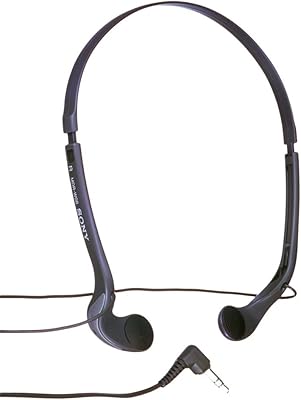
Sony MDR-V55 DJ Over-Ear Headphones
70%
72%
Sound Quality
58%
Comfort & Fit
54%
Build Quality
83%
Design & Aesthetics
78%
Cable & Connectivity
More
Sony MDR-W08L In-Ear Headphones
71%
91%
Wearing Comfort
78%
Sound Quality
34%
Noise Isolation
63%
Build Quality
72%
Cable Design
More
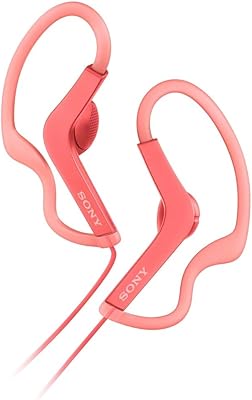
Sony MDR-AS210/P Sport In-ear Headphones
79%
88%
Comfort and Fit
74%
Sound Quality
91%
Water Resistance
65%
Durability
80%
Ease of Use
More
Sony MDR-EX155AP
Sony MDR-EX155AP
76%
74%
Sound Quality
81%
Microphone & Call Performance
68%
Fit & Comfort
61%
Build Quality & Durability
88%
Value for Money
More
Sony MDREX15AP In-Ear Headphones
82%
85%
Sound Quality
90%
Comfort and Fit
70%
Build Quality
88%
Ease of Use (Controls)
65%
Bass Performance
More
Sony MDR-RF811RK Wireless Headphones
83%
88%
Sound Quality
92%
Wireless Range
75%
Comfort
85%
Battery Life
82%
Build Quality
More
Sony MDR-ZX310
Sony MDR-ZX310
68%
67%
Sound Quality
78%
Comfort & Fit
58%
Build Quality
72%
Cable & Connectivity
83%
Portability
More
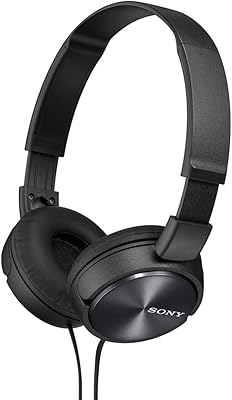
Sony MDR-ZX110 On-Ear Headphones
68%
83%
Value for Money
61%
Sound Quality
58%
Comfort
54%
Build Quality
82%
Portability
More
Sony WI-C200 Wireless In-Ear Headphones
79%
85%
Sound Quality
91%
Battery Life
88%
Comfort & Fit
78%
Build Quality
87%
Ease of Use
More
Sony MDR-XB800 Over-Ear Headphones
78%
88%
Bass Performance
79%
Comfort & Fit
61%
Sound Clarity
82%
Build Quality
84%
Portability
More

FAQ

Technically you can plug them into any 3.5mm output, but the honest answer is yes — a proper amplifier makes a meaningful difference. At 64 ohms, the MDR-Z1R needs more current than a phone or laptop headphone jack typically delivers, and without it the low end sounds thin and the soundstage collapses noticeably. Most owners pair them with a dedicated desktop amp or DAC-amp combo, and that is really where the headphone starts to justify itself.

Physically, yes — the 3.5mm cable will plug into any device with a matching jack or adapter. However, the sonic result from a smartphone alone is underwhelming at best. These headphones are engineered for high-output, low-noise sources, and a phone simply cannot drive them to their potential. If your primary listening device is a smartphone, this is probably not the right headphone for your setup.

Yes. Sony has made replacement ear pads available, and because the MDR-Z1R uses a detachable pad design, swapping them does not require any tools or technical skill. Sheepskin leather does age with heavy use, so it is good to know the option exists rather than having to retire the entire headphone over pad wear.

This is genuinely one of the more common concerns among buyers. At close to 3 pounds, the MDR-Z1R is heavier than most headphones in its category, and some users do notice fatigue after 90 minutes or more. The beta titanium headband and leather padding help distribute the weight, so it is not uncomfortable in short to mid-length sessions — but if you routinely listen for 3 or 4 hours at a stretch, it is worth factoring that in honestly.

Yes, the cables are fully detachable, which is a practical advantage at this price tier. The connection uses Sony's proprietary plug format on the headphone end, so you will want to verify compatibility before buying a third-party aftermarket cable, but the option is there. Many owners do experiment with cable upgrades, though results are subjective.

It offers decent passive isolation from ambient sound — enough to reduce background noise in a quiet room or home environment. That said, it is not the same level of isolation you would get from active noise cancellation, and it will not block out louder environments like an open-plan office or public transport effectively. For home use in a reasonably quiet space, it works well.

Classical, acoustic jazz, folk, and well-recorded acoustic genres tend to shine brightest on these headphones. The wide soundstage and natural tonal balance reward recordings with real spatial depth and dynamic range. The tuning runs slightly warm, which enhances organic and instrumental music but may feel a touch soft for listeners who prefer a sharper, more analytical presentation for electronic or heavily produced music.

It is possible, but it is not the most common choice for that purpose. The slightly warm tuning means low-mids can feel a little fuller than perfectly flat, which can make critical mixing decisions trickier. Most professional mixing is done on headphones with a flatter, more neutral response. This Signature Series headphone is better framed as a high-end listening tool than a studio monitoring tool.

The all-metal housing, titanium headband, and quality leather components all suggest long-term durability is a genuine design priority. Users who have owned the MDR-Z1R for several years report that it holds up well structurally, and the detachable cables remove one of the most common failure points in high-end headphones. The ear pads will eventually show wear, but as noted, they are replaceable.

The box includes the headphone itself, the silver-coated OFC cable, and a leather carrying case. What it does not include is a DAC or amplifier, and as discussed, you will want one. Sony does make matching components in the Signature Series lineup — notably the TA-ZH1ES amplifier — but those are separate purchases. Consider the out-of-box package complete for the headphone itself, but incomplete for the full listening chain.

Where to Buy