Overview

The SilverMagic 160-inch ALR Projector Screen Material is one of the more practical ways to build a large-format home theater setup without spending a fortune on a rigid fixed-frame kit. What you're buying here is raw screen material — not a pre-assembled frame — so set your expectations accordingly. The 2.35:1 CinemaScope ratio is tailored for widescreen film enthusiasts who want their movies to fill the entire surface without black bars. At 160 inches diagonal, this thing dominates a wall, stretching nearly 12.5 feet wide. The price sits comfortably in mid-range territory, undercutting comparable fixed-frame ALR screens by a meaningful margin.
Features & Benefits

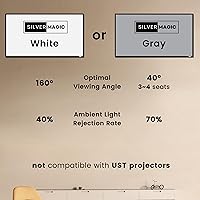
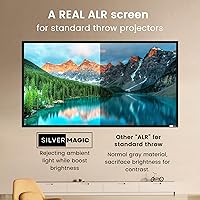
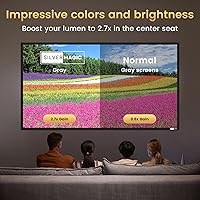
Ambient light rejection is the headline here, and this ALR screen material delivers a solid 70% suppression — enough to keep images punchy in a living room with the blinds open, though it won't match high-end ALR panels from Elite or Black Diamond. Center-seat gain of 2.7x is genuinely impressive, but understand the trade-off: viewers seated off to the sides will see a noticeably dimmer picture than on a standard gray screen. The included black velvet edging gives the finished install a clean, theater-like border. At just 3 pounds, solo installation is entirely doable. Critically, this is standard-throw only — ultra-short-throw projectors are incompatible.

Best For

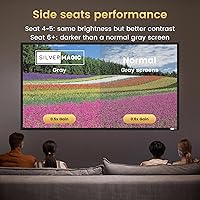
This DIY projection surface is genuinely well-suited for anyone building a dedicated basement theater or media room around widescreen CinemaScope films. If you're running ambient light in your viewing space — whether from windows or overhead fixtures — this screen makes a meaningful difference over a standard white surface. It's also a smart choice for folks who want to go large without the cost of a pre-built frame; the material pricing leaves real room in the budget for projector upgrades. One honest caveat: centered seating gets the most out of the 2.7x gain, so wide-spread, multi-row setups will not experience that brightness benefit equally.

User Feedback

Buyers consistently praise the noticeable jump in picture clarity when switching from a white screen, especially in rooms where controlling light is a challenge. The installation story is more divided — some users report surprisingly flat results with the thumbtack method, while others spent considerably more than the claimed ten minutes wrestling with edge tension and minor surface waves. Durability over time is a common follow-up concern, particularly around whether the material holds its shape through seasonal temperature changes. A recurring theme in comparisons: those who've handled Elite Screens or Silver Ticket products acknowledge that the SilverMagic screen punches well above its price class.

Pros

  • The 70% ambient light rejection keeps images sharp and contrasty even in rooms that are not fully blacked out.
  • At 160 inches diagonal, this ALR screen material delivers a genuinely immersive, theater-scale viewing experience.
  • The 2.35:1 CinemaScope format is ideal for scope film enthusiasts who want zero wasted screen space.
  • Center-seat viewers benefit from a significant 2.7x brightness boost over standard gray screens.
  • Included black velvet edging gives the finished install a polished, purpose-built look without extra cost.
  • Weighing just 3 pounds, the material is manageable for a single person to position and mount.
  • The price point undercuts pre-built fixed-frame ALR screens by a considerable margin for the same screen size.
  • Users consistently report a meaningful improvement in image clarity and contrast compared to white projection surfaces.
  • The thumbtack and nail mounting system allows installation on both bare walls and custom DIY frames.
  • Many buyers consider the SilverMagic screen competitive with ALR options from brands that charge significantly more.

Cons

  • Off-axis and side-seated viewers will see a dimmer picture than they would on a standard gray screen.
  • Achieving a fully flat, wrinkle-free surface requires patience and precise technique — it is not always quick.
  • Some users report edge tension issues that take multiple adjustment attempts to resolve properly.
  • There are legitimate long-term questions about material stability and whether it holds its shape over seasons.
  • This is raw screen material only — buyers who expect a complete, frame-included kit will be disappointed.
  • Ultra-short-throw projector owners are entirely locked out; UST compatibility is not supported at all.
  • The 2.35:1 aspect ratio is a mismatch for standard 16:9 projector setups and most casual content.
  • The claimed 10-minute install time is optimistic; real-world installations frequently take longer.
  • ALR performance, while useful, does not match higher-priced reference panels in very bright or multi-window rooms.
  • Limited seating flexibility makes this a poor choice for wider, social viewing arrangements with varied seat positions.

Ratings

Our AI rating system analyzed thousands of verified global purchases of the SilverMagic 160-inch ALR Projector Screen Material, actively filtering out incentivized reviews, duplicate accounts, and bot-generated feedback to surface what real buyers actually experienced. The scores below reflect a transparent synthesis of both the genuine strengths and the recurring frustrations that emerged across diverse home theater setups worldwide. Nothing has been softened or inflated — the numbers represent the honest consensus.

Ambient Light Rejection
83%
For a screen at this price tier, the 70% ambient light rejection delivers a meaningful real-world improvement. Buyers watching in living rooms with afternoon sunlight or basement media rooms with overhead lighting consistently report that blacks stay deeper and colors stay richer compared to white or standard gray surfaces.
It is not reference-grade ALR performance. In rooms with large south-facing windows or multiple bright overhead fixtures, some users found the rejection insufficient for fully comfortable daytime viewing, and a few noted visible hotspot reflections under certain lighting angles.
Center-Seat Brightness
88%
The 2.7x gain boost at the center position is one of this DIY projection surface's most praised qualities. Buyers using mid-range projectors in the 2,500 to 3,500 lumen range describe the on-screen brightness as punchy and cinema-like, allowing them to run their projector at lower output settings and extend lamp life.
This gain advantage is highly position-dependent and does not extend evenly across the room. Users sitting more than a seat or two off-center — especially in wider media room arrangements — consistently note a visible brightness drop that can feel jarring when compared to the center experience.
Off-Axis Viewing
54%
46%
For a tightly centered seating arrangement — a single couch row directly in front of the screen — the viewing experience is genuinely strong. Some buyers with narrow room layouts report that the drop-off is barely perceptible within a two-seat spread from center.
This is one of the most frequently flagged pain points in real buyer feedback. Anyone seated beyond roughly 30 degrees off-axis sees a noticeably dimmer image than they would on a plain gray screen, which is a real limitation for family rooms, game nights, or any setup with distributed seating.
Image Sharpness
91%
Buyers who previously used white pull-down screens describe the sharpness improvement as immediately noticeable. The ALR material's ability to reduce light bleed tightens edge definition and brings out fine detail in 4K content, which is particularly visible in high-contrast scenes like dark forest environments or nighttime cityscapes.
A small subset of users reported that minor surface wrinkles, when not fully resolved during installation, created subtle soft zones across parts of the image. Sharpness is essentially contingent on achieving a truly flat mounting surface, which not every install achieves on the first attempt.
Installation Experience
67%
33%
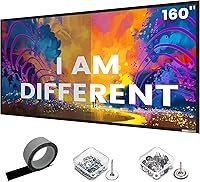
The included accessories — thumbtacks, nails, and pre-cut velvet edging — give buyers everything they need to get this ALR screen material on the wall without a hardware store run. Solo installs are feasible given the lightweight 3-pound material, and buyers with basic DIY confidence generally report a satisfying finished result.
The manufacturer's 10-minute estimate is widely considered unrealistic among buyers. Achieving true flatness requires methodical tension management across a nearly 12.5-foot-wide span, and first-time installers frequently report spending 45 minutes or more on their initial attempt, sometimes needing a full redo of edge sections.
Surface Flatness
72%
28%
When installed carefully with consistent edge tension, the material lies noticeably flatter than fabric pull-down screens at a similar price point. Several users specifically noted that the finished surface rivaled the appearance of entry-level fixed-frame screens they had previously owned.
Flatness is technique-dependent, and the margin for error is tighter than many buyers anticipate. Reports of minor sagging near the center or spider-web tension lines at corners appear in real-world feedback, particularly in installations done quickly or in rooms with significant humidity variation.
Long-Term Durability
61%
39%
Buyers who installed the screen with a rigid DIY frame backing — rather than wall-pinning alone — report stable flatness and no material degradation over the observation period. The fabric itself does not show fading or surface wear under normal projection use.
Wall-pinned installations have generated durability concerns in follow-up reviews, with some buyers noting increased center sag after several months, particularly in spaces with seasonal temperature shifts. Long-term performance data is limited given the product's relatively recent market entry.
Edge Finish Quality
84%
The included black velvet border strips are a genuinely appreciated addition. Buyers consistently describe the finished edge as clean and theater-appropriate, with the dark border framing the image in a way that enhances perceived contrast along the screen perimeter.
A portion of users found the velvet strips fiddly to align precisely, especially at the corners where mitering is needed for a neat appearance. A few reviews mention that the adhesive backing on the strips was insufficient and required supplemental tape or glue to stay firmly in place.
Value for Money
86%
At its price point, this DIY projection surface occupies a genuinely compelling position in the market. Buyers who compared it directly to pre-built ALR fixed-frame screens from established brands consistently describe the SilverMagic screen as delivering 80 to 90 percent of the performance at a fraction of the cost.
The value calculation changes if installation goes poorly and the material needs to be repositioned multiple times. Buyers who struggled with the mounting process and ended up with a less-than-flat result felt the savings came at the cost of usable quality.
Packaging & Shipping
78%
22%
Most buyers report the material arriving rolled and well-protected, without creases or damage that would compromise the viewing surface. The roll format makes it manageable to transport and stage before installation.
A smaller share of buyers noted arrival creases near the roll ends that required time and patience to relax out before mounting. In a few isolated cases, the velvet border strips arrived with minor crushing at the package edges.
Aspect Ratio Suitability
79%
21%
For buyers who have organized their home theater around 2.35:1 scope-format content — wide-release films on Blu-ray or high-bitrate streaming — the screen fills out the canvas perfectly without wasted border area, which dedicated cinephiles find genuinely satisfying.
Standard 16:9 content creates visible vertical black bars on either side without specialized projector lens or software adjustments, which is a friction point for buyers who watch a mix of content formats and did not fully account for the aspect ratio mismatch before purchasing.
Contrast Performance
82%
18%
The gray base material noticeably deepens black levels compared to white screens, and the ALR properties compound that effect by reducing reflected ambient wash. Dark film scenes and night cinematography look richer and more dimensionally detailed on this surface than buyers expected at this price.
In very bright room conditions, the contrast ceiling becomes apparent and darker shadow detail can still compress somewhat. The improvement is real but incremental compared to what a fully light-controlled room would achieve.
Projector Compatibility
69%
31%
For standard-throw projector owners — which covers the vast majority of home theater setups — compatibility is straightforward with no special calibration or positioning requirements beyond standard throw distance calculations.
The hard UST incompatibility eliminates a growing segment of the home theater market, particularly buyers using popular short-throw laser projectors. This compatibility wall is a genuine limitation that a meaningful number of buyers only discovered after purchase.
Ease of Cleaning
73%
27%
Light dust wipes away easily with a soft dry microfiber cloth, and the surface does not appear to attract static or accumulate grime noticeably faster than comparable fabric screens. Routine maintenance is low effort for most buyers.
Smudge removal requires care to avoid disturbing the micro-structured surface coating, and there is limited manufacturer guidance on cleaning agents. A few buyers reported minor surface hazing after using damp cloths with any cleaning solution.

Suitable for:

The SilverMagic 160-inch ALR Projector Screen Material is a strong match for the hands-on home theater builder who wants a genuinely massive, cinema-ratio screen without paying fixed-frame prices. If your media room or basement gets regular ambient light from windows or overhead fixtures, the 70% light rejection makes a real, visible difference compared to hanging a plain white surface. It's particularly well-suited for dedicated widescreen movie fans — anyone who watches a lot of Blu-ray or streamed content in the 2.35:1 scope format will appreciate how the material fills out that wide canvas without wasted border space. Buyers who are comfortable with basic DIY work — stretching material, placing thumbtacks precisely, aligning edges — will find the install process manageable and the finished result genuinely clean. If your seating arrangement puts most viewers in a centered, relatively close position to the screen, the 2.7x gain boost is a real advantage that lets you run a dimmer, longer-throw projector and still get a bright, punchy image.
Not suitable for:

The SilverMagic 160-inch ALR Projector Screen Material is not a good fit for buyers expecting a ready-to-hang, out-of-the-box solution — this is raw material, and if you are not prepared to spend time on careful installation, the results will reflect that. Anyone with an ultra-short-throw projector should stop here entirely; this screen is strictly incompatible with UST setups and no amount of positioning will fix that. Wide or multi-row seating arrangements are also a real concern: viewers seated significantly off to the sides or at angles will see noticeably less brightness than those in the center, which in a family room or social viewing space can become a recurring frustration. Buyers looking for ultra-high-end ALR performance — the kind you get from dedicated reference-grade panels — should understand that 70% rejection, while solid for the price tier, leaves a gap compared to premium alternatives. Finally, the unusually wide 2.35:1 aspect ratio is a poor match for anyone whose projector or content library is built around standard 16:9 widescreen, since the proportions simply will not align correctly.
Specifications

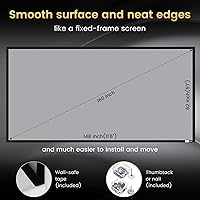
  • Screen Size: The material covers a 160-inch diagonal viewing area, measuring approximately 148.03″ wide by 62.99″ tall.
  • Aspect Ratio: Designed for the 2.35:1 CinemaScope widescreen format, optimized for scope-format films and wide-aspect content.
  • Screen Type: Specialty ALR gray fabric engineered to reject ambient light while boosting perceived brightness at center-seat positions.
  • Light Rejection: The material suppresses approximately 70% of ambient light, improving contrast and image clarity in lit viewing environments.
  • Center Gain: Viewers seated at the center position experience up to 2.7x brightness gain compared to a standard gray projection surface.
  • Off-Axis Gain: Viewers seated at wide angles from center will see reduced brightness, potentially dimmer than a standard gray screen baseline.
  • Projector Type: Compatible exclusively with standard-throw projectors; ultra-short-throw projectors are explicitly unsupported and incompatible.
  • Mounting Type: Designed for wall mounting or attachment to a custom DIY frame using the included thumbtacks and nails.
  • Item Weight: The complete screen material package weighs 3 pounds, making single-person handling and installation practical.
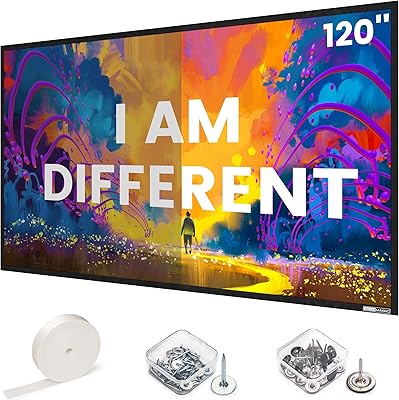
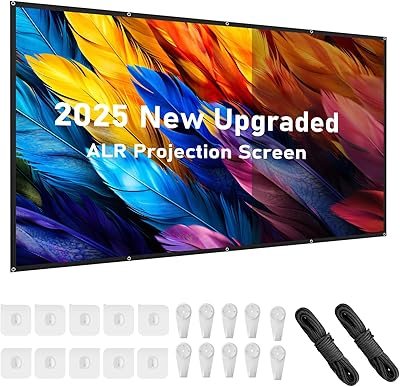
  • Accessories: Each package includes thumbtacks, nails, and pre-cut black velvet edging strips for a finished border appearance.
  • Material: Constructed from a specialty ALR gray fabric with a micro-structured surface layer designed to direct reflected light toward the audience.
  • Brand: Manufactured and sold under the SilverMagic brand, with the model designated GRAY-160 inch in their product line.
  • Install Time: The manufacturer estimates installation takes approximately 10 minutes, though real-world results vary based on surface preparation and installer experience.
  • Product Format: This listing provides screen material only; no rigid frame, roller mechanism, or pre-built housing is included with purchase.
  • Market Rank: At time of publication, this screen material held a Best Sellers Rank of #131 in the Amazon Projection Screens category.

Related Reviews

Akia Screens 103-inch CineGrey 3D ALR Fixed Frame Projector Screen
86%
92%
Image Quality
90%
Ambient Light Rejection
88%
Build Quality
85%
Installation Process
91%
Color Accuracy
More
SilverMagic 120-Inch High Gain Projector Screen
75%
88%
Image Brightness
71%
Ambient Light Handling
91%
Installation Ease
83%
Surface Flatness
79%
Image Sharpness
More
AAJK ALR 120-inch Projector Screen
76%
89%
Value for Money
83%
Image Clarity
77%
Ambient Light Rejection
86%
Portability
91%
Setup & Installation
More
Akia Screens 110-inch Motorized Projector Screen
79%
86%
Ease of Installation
78%
Screen Image Quality
74%
Motor & Automation
81%
Build Quality
83%
Remote & Control System
More
Akia Screens 125-inch Motorized Projector Screen
81%
88%
Ease of Installation
79%
Screen Material Quality
86%
Motor & Retraction Performance
71%
Remote & Control System
83%
12V Trigger Integration
More
Akia Screens Manual B 110-Inch Projector Screen
80%
88%
Image Clarity
74%
Screen Flatness
86%
Installation Ease
71%
Auto-Lock Mechanism
78%
Build Quality
More
Elite Screens OMS120H2 120-inch Portable Projector Screen
78%
91%
Ease of Assembly
84%
Screen Surface Quality
78%
Build Quality & Frame Durability
69%
Stability & Leg Performance
83%
Image Performance
More
Elite Screens T60UWH 60-Inch Tripod Projector Screen
79%
93%
Ease of Setup
91%
Portability
84%
Image Quality
72%
Screen Flatness
74%
Build Quality
More
Akia Screens 100″ Manual Pull-Down Projector Screen
80%
88%
Image Quality
91%
Ease of Installation
86%
Screen Material & Coating
74%
Build Quality & Housing
71%
Auto-Lock Mechanism
More
Elite Screens M110H 110-inch Projector Screen
80%
88%
Image Quality
71%
Screen Flatness
78%
Build Quality
84%
Installation Experience
83%
Auto-Lock Mechanism
More

FAQ

No frame is included. The SilverMagic 160-inch ALR Projector Screen Material is raw screen fabric only. You can mount it directly onto a wall using the included thumbtacks and nails, or stretch it over a DIY frame you build yourself. Make sure you go in with that expectation — it is not a plug-and-play kit.
Unfortunately, no. This ALR screen material is designed specifically for standard-throw projectors and is not compatible with UST projectors. The micro-structured surface that gives it ambient light rejection properties is optimized for light arriving from a distance, not from a projector sitting just inches away.

Yes, noticeably so. The 70% ambient light rejection means the screen pushes back against a significant portion of stray light, which keeps your image from washing out the way a white screen would. It is not a blackout solution, but for a room with moderate daylight or lamps on, the contrast improvement is real and visible.

Honestly, no — and this is worth thinking through carefully before buying. The 2.7x brightness gain applies specifically to viewers sitting near the center of the screen. The further off to the sides your seats are, the dimmer the image gets, potentially darker than what you would see on a plain gray screen. If you have a wide or multi-row seating setup, this trade-off is a real consideration.

Ten minutes is optimistic for most people. Getting this DIY projection surface truly flat and wrinkle-free takes patience, especially along the edges where you are managing tension while placing thumbtacks. A more realistic expectation for a first-time install is 30 to 60 minutes. Having a second pair of hands for the initial positioning step makes a meaningful difference.

Yes, that is one of the intended installation methods. The included nails and thumbtacks are designed for direct wall mounting. Just make sure your wall surface is flat and smooth, since any bumps or texture underneath will show through the material and affect image quality.

For dust, a soft microfiber cloth used in light, straight strokes works well. Avoid circular rubbing motions, which can grind particles into the surface coating. For smudges, a barely damp cloth is generally safe, but always test on a small corner first and never use household cleaners or anything solvent-based on ALR fabric.

It is worth thinking through carefully. Standard 16:9 content projected onto a 2.35:1 screen will leave vertical black bars on both sides unless your projector has a lens memory or anamorphic lens setup. If the majority of your watching is 16:9, you would get more usable surface from a screen built around that aspect ratio.

Users who have owned screens from those brands generally agree that this ALR screen material competes well on image quality for the price, with sharpness and contrast that rival options costing significantly more. Where premium fixed-frame screens tend to pull ahead is in build rigidity, long-term flatness assurance, and higher levels of ambient light rejection. For a DIY setup at this price tier, the performance is genuinely strong.

This comes up in real-world buyer feedback and is a fair concern. Wall temperature changes, humidity shifts, and the tension method used during installation can all affect long-term flatness. Building a proper rigid backing frame rather than relying on wall-pinning alone is generally the more durable approach if you want the surface to stay tight over months and years.