Overview

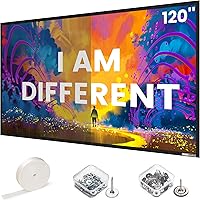
The SilverMagic 120-Inch High Gain Projector Screen enters a crowded market with a clear promise: deliver a noticeably brighter, sharper image than a standard white screen without the expense of a rigid fixed-frame setup. What sets it apart is the tape-based installation method — no drilling, no frame assembly, just a flat surface adhered to your wall in roughly ten minutes. One caveat worth stating upfront: this projection screen is strictly for standard throw projectors. If you own an ultra-short-throw model, stop here — it is not compatible. For everyone else, it occupies a useful middle ground between bare-wall improvisation and dedicated home theater hardware.
Features & Benefits

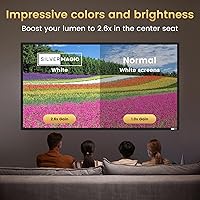
The optical fabric behind this wall-mount screen does some genuinely useful work. The 2.6x center-seat gain means the image appears significantly brighter when you are sitting directly in front of it — think of the difference between watching in a dim den versus a sun-lit living room. That brightness lets your projector punch above its lumen rating on a 120-inch diagonal surface. The screen also rejects roughly 30% of ambient light, improving contrast and color depth compared to plain matte white. It is not a full ALR panel, so very bright rooms will still challenge it, but for typical living room lighting conditions it makes a real, visible difference.

Best For

This projection screen is a strong match for renters and apartment dwellers who need a large-format viewing surface without putting holes in their walls. The tape installation is a legitimate solution, not just a workaround. It also suits living rooms or dens where you can dim the lights but cannot achieve full blackout — the moderate ambient light rejection keeps images looking clean enough. Those upgrading from a bare wall or a basic pull-down screen will notice an immediate step up. The gain advantage is most pronounced from the center seat, so it fits setups with a defined primary position better than rooms with very wide, spread-out seating.

User Feedback

Buyers consistently praise how flat and wrinkle-free the screen arrives, with many noting the edges look surprisingly tidy given the tape-based design. Installation is a frequent highlight — most report getting it up solo in under fifteen minutes. On the critical side, viewers seated at wide angles notice brightness drops off noticeably, which is the expected trade-off with high-gain material. Buyers in sun-drenched rooms sometimes find the 30% light rejection falls short of their expectations. There are occasional concerns about long-term tape adhesion on textured or painted walls. Overall, most reviewers consider the value solid for the price tier, though those comparing it to rigid fixed-frame screens point out a gap in edge tension over extended use.

Pros

  • Tape-based installation takes about ten minutes and requires no drilling or tools.
  • At 2.4 pounds, this wall-mount screen is light enough for one person to install solo.
  • The 2.6x center-seat gain delivers a genuinely brighter image compared to standard white screens.
  • A 120-inch diagonal gives you a theater-scale image without a bulky or expensive frame.
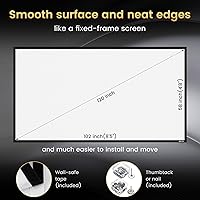
  • The flat, taut surface and clean edges closely mimic the look of a fixed-frame screen.
  • Partial ambient light rejection improves contrast and color in rooms with typical indoor lighting.
  • Renters benefit from the damage-light removal process when moving out.
  • Reduced light bleed compared to matte white screens produces a sharper, more defined image.
  • The projection screen ships wrinkle-free and is ready to use right out of the box.
  • Solid value for buyers stepping up from bare-wall or entry-level pull-down alternatives.

Cons

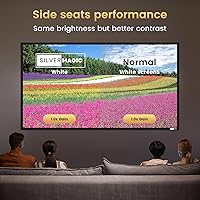
  • Brightness drops off noticeably for viewers seated at wide angles from center.
  • 30% ambient light rejection is insufficient for rooms with strong direct sunlight.
  • Not compatible with ultra-short-throw projectors under any circumstances.
  • Long-term tape adhesion performance varies depending on wall texture and paint type.
  • Edge tension may loosen over extended use compared to a rigid fixed-frame screen.
  • This projection screen is not a substitute for a true ALR panel in bright-room setups.
  • No frame means alignment during installation depends entirely on a steady hand.
  • High-gain material can reveal hot-spotting if the projector lens is not well-centered.

Ratings

The scores below for the SilverMagic 120-Inch High Gain Projector Screen were generated by our AI rating engine after analyzing verified buyer reviews from multiple global markets, with spam, bot-submitted, and incentivized feedback actively filtered out. Each category reflects the genuine consensus of real users across a wide range of home setups and viewing habits. Both the standout strengths and the honest frustrations are factored directly into every score.
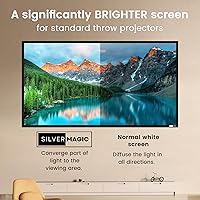
Image Brightness
88%
The 2.6x center-seat gain is the single most praised aspect of this wall-mount screen. Buyers consistently report that movies and TV content look noticeably more vivid compared to their previous plain wall or standard white screen, particularly in rooms where dimming the lights completely is not always practical.
The brightness advantage is strongly tied to the center viewing position. Users seated at wider angles — even on the same couch — report a visible drop-off, which becomes a real frustration in family viewing setups where seating is spread out.
Ambient Light Handling
71%
29%
In typical living room conditions — a few lamps on, overhead lights at half level — the 30% ambient light rejection does produce a cleaner, more contrasty image than a bare wall or standard matte screen. Daytime viewing with curtains drawn is where this screen earns consistent praise.
Buyers expecting full bright-room performance are regularly disappointed. Rooms with large windows and direct sunlight still wash out the image considerably, and some users note the improvement feels marginal in those conditions compared to a standard white screen.
Installation Ease
91%
The tape-based installation is one of the most frequently praised aspects in user feedback. Most buyers report completing the full install solo in under fifteen minutes, without any tools, drilling, or wall anchors, which is a significant practical advantage especially for renters.
Getting the screen perfectly level and aligned requires patience, since there is no frame or hardware to guide placement. A small number of users mention needing to re-stick sections after the first attempt because initial positioning was slightly off.
Surface Flatness
83%
Considering there is no rigid frame involved, the screen sits remarkably flat against the wall for most buyers. The taut, wrinkle-free surface is regularly highlighted in reviews, with many users noting the finished look is far cleaner than they expected from a tape-mounted product.
Edge tension is not as consistent as a fixed-frame screen, and a few buyers report minor waviness near the corners after extended use or in rooms with temperature fluctuations. It is a step below a true fixed-frame in long-term rigidity.
Image Sharpness
79%
21%
The reduced light bleed compared to standard matte white surfaces translates into noticeably sharper perceived edges and more defined details, especially at 1080p and 4K input sources. Users upgrading from bare walls notice the difference immediately.
Image sharpness is also dependent on projector quality and throw distance calibration, and a few buyers note that off-center projector placement reveals some inconsistency in surface uniformity that a rigid screen would not show.
Wall Compatibility
66%
34%
On smooth, standard painted drywall the tape adheres reliably and the removal process is generally clean, which gives renters real peace of mind. Several buyers in apartments specifically call out the wall-safe claim as accurate for their surfaces.
Textured walls, rough plaster, and surfaces with older or chalky paint present real problems. A recurring complaint involves uneven adhesion on non-smooth surfaces, leading to slight bubbling or edges that do not sit fully flush against the wall.
Long-Term Tape Adhesion
62%
38%
For users in stable, climate-controlled rooms with smooth walls, the tape holds reliably over many months of use with no reported sagging or peeling. Short-to-medium-term performance in ideal conditions is generally positive.
In rooms with higher humidity, temperature swings, or on textured surfaces, tape adhesion becomes less dependable over time. Some buyers report corners beginning to lift after several months, requiring touch-up application of additional adhesive.
Viewing Angle Performance
58%
42%
For setups with a single primary seating position directly in front of the screen, the optical performance is solid and the high gain delivers well. Family movie nights with a defined main couch position are the ideal use case where angle limitations go largely unnoticed.
This is arguably the screen's most consistent weakness in user feedback. Anyone seated more than about 30 to 40 degrees off-center will notice a meaningful brightness reduction, which makes it a poor fit for rooms with wide or flexible seating arrangements.
Value for Money
84%
At its price point, buyers who understand what they are getting — a high-gain, tape-mounted screen with partial ALR — overwhelmingly consider it strong value. It fills a real gap between cheap pull-down screens and expensive fixed-frame alternatives.
Buyers who expected full ALR performance or fixed-frame rigidity at this price point tend to feel let down. The value perception drops considerably when the purchase was driven by mismatched expectations about ambient light rejection capability.
Compatibility Clarity
53%
47%
Buyers who read the product details carefully and own a standard throw projector report zero compatibility issues and smooth setup experiences. The screen performs exactly as intended within its defined use case.
UST projector owners who missed the compatibility warning represent a consistent source of negative feedback. The incompatibility with ultra-short-throw projectors causes real frustration and returns, suggesting the warning needs to be more prominent for this type of buyer.
Edge and Border Finish
76%
24%
The border edges are clean and straight for the majority of users, giving the installed screen a polished appearance that is notably better than pull-down or tensioned rollable alternatives. The absence of a physical frame is less noticeable than expected.
On very close inspection, the edges lack the crisp, defined border of a true fixed-frame screen, and a small number of buyers find the tape lines slightly visible from certain angles under direct room lighting.
Packaging and Unboxing
81%
19%
Buyers consistently report the screen arrives flat, well-protected, and free of creases or shipping damage. The ready-to-install condition out of the box is a small but genuinely appreciated detail that reduces setup stress.
Some users note the included tape quantity is just enough for a single install with little margin for repositioning, meaning a mistake during first placement can leave you short on adhesive before the screen is fully secured.
Screen Size Accuracy
87%
The 120-inch diagonal measurement is confirmed as accurate by a strong majority of buyers, which matters given that some lower-cost screens are known to overstate their sizes. The actual image area consistently matches published specifications.
A small number of buyers express surprise at the overall physical footprint of the screen once installed, noting that the full 102.88″ width requires a genuinely large, unobstructed wall section that not every room can accommodate.

Suitable for:

The SilverMagic 120-Inch High Gain Projector Screen is an excellent fit for renters and apartment dwellers who want a large-format viewing surface without drilling into walls or committing to a permanent installation. If your living room or den gets moderate natural light during the day and you cannot always achieve a full blackout, the combination of 2.6x center-seat gain and partial ambient light rejection will produce a noticeably cleaner image than a bare wall or a basic pull-down screen ever could. It works especially well for households with a defined primary seating position — a couch directly in front of the screen — where the high-gain optics deliver the most consistent brightness. Budget-conscious home theater fans who want the flat, taut look of a fixed-frame screen without paying fixed-frame prices will find this wall-mount screen hits a genuinely useful sweet spot. It is also a smart choice for anyone who moves frequently, since the tape-based system means the screen can come down without leaving damage behind.
Not suitable for:

The SilverMagic 120-Inch High Gain Projector Screen is a hard pass for anyone with an ultra-short-throw projector — the optical properties of this screen are simply incompatible with UST throw angles, and no workaround exists. Buyers who regularly watch with guests spread out at wide seating angles will find the image becomes noticeably dimmer toward the sides, which is an inherent trade-off of high-gain material and not something that can be adjusted. If your room receives intense, direct sunlight or you prefer watching with all the lights on at full brightness, the 30% ambient light rejection will not be sufficient — this screen is not in the same category as a true ALR panel designed for bright room use. Dedicated home theater enthusiasts with a light-controlled room and a larger budget will likely find the edge tension and long-term surface rigidity of a proper fixed-frame screen more satisfying over time. Finally, buyers with heavily textured or delicate painted walls should carefully research the tape adhesion system before committing, as wall surface compatibility is a real variable.
Specifications

  • Screen Size: The diagonal screen size measures 120 inches, providing a large-format viewing surface suitable for home theater use.
  • Aspect Ratio: The screen is designed for a 16:9 widescreen aspect ratio, matching the standard format for HD and 4K content.
  • Display Area: The active viewing surface measures approximately 67.8″ wide by 38.2″ tall.
  • Overall Dimensions: The full screen assembly, including border and mounting material, measures 102.88″W by 58.26″H.
  • Weight: The screen weighs 2.4 pounds, making solo handling and installation manageable for most adults.
  • Gain: The optical surface delivers a center-seat gain of 2.6x compared to a standard 1.0 gain white screen.
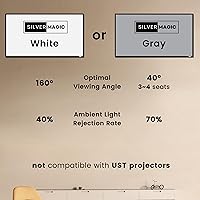
  • Ambient Light Rejection: The screen material suppresses approximately 30% of ambient light, improving contrast in moderately lit environments.
  • Mounting Type: This is a wall-mount screen installed directly onto a flat wall surface without any frame or hardware drilling required.
  • Installation Method: SilverMagic uses a patented wall-safe tape system that adheres the screen flat to the wall in approximately ten minutes.
  • Projector Compatibility: This screen is compatible with standard throw and long-throw projectors only; it is not suitable for ultra-short-throw projectors.
  • Material: The screen surface is constructed from a proprietary optical fabric engineered to enhance gain and reduce light bleed.
  • Surface Finish: The screen has a smooth, flat optical surface designed to minimize wrinkles and produce clean, sharp edges without a rigid frame.
  • Brand: This screen is manufactured and sold under the SilverMagic brand.
  • Model Number: The official model designation for this screen is WHITE-120 inch.
  • Date Available: This product was first made available for purchase in August 2024.

Related Reviews
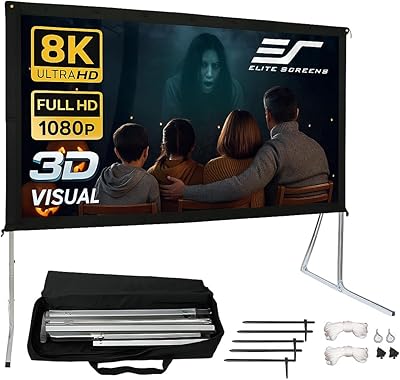
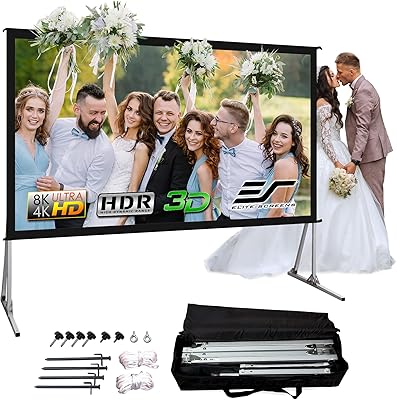
Elite Screens OMS120H2 120-inch Portable Projector Screen
78%
91%
Ease of Assembly
84%
Screen Surface Quality
78%
Build Quality & Frame Durability
69%
Stability & Leg Performance
83%
Image Performance
More
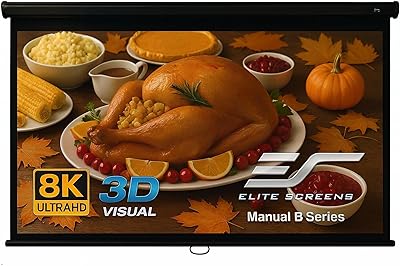
Elite Screens M120H 120-Inch Manual Pull-Down Projector Screen
87%
91%
Ease of Setup
87%
Image Quality
92%
Build Quality
88%
Value for Money
89%
Compatibility with 4K/8K/3D
More
Elite Screens Yard Master 2 120-inch Outdoor Projector Screen
84%
94%
Portability
91%
Setup Ease
85%
Build Quality
89%
Picture Quality
74%
Weather Resistance
More
Elite Screens T120UWH 120-inch Tripod Projector Screen
77%
91%
Ease of Setup
67%
Screen Flatness
84%
Image Quality
78%
Portability
74%
Build Quality
More
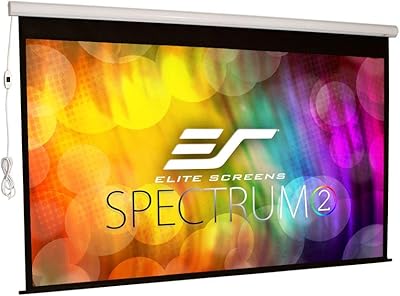
Elite Screens Spectrum 2 120-inch Projector Screen
78%
88%
Image Quality
83%
Build Quality
86%
Ease of Installation
81%
Motor Performance
87%
Screen Material
More
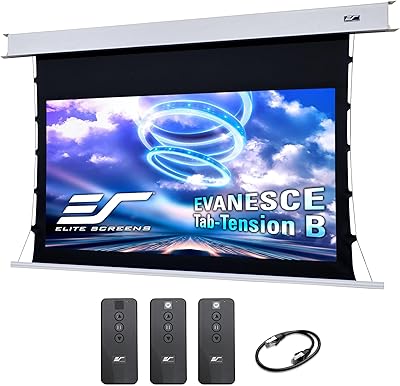
Elite Screens Evanesce Tab-Tension B 120″ Screen
82%
93%
Image Flatness
88%
Screen Surface Quality
84%
Build & Housing Quality
51%
Installation Experience
86%
Remote & Trigger Reliability
More
Taotique 120-inch Projector Screen
85%
92%
Value for Money
89%
Ease of Setup
94%
Portability & Weight
85%
Image Quality
75%
Durability
More
DUYIKJ 120-inch Portable Projector Screen with Stand
75%
83%
Ease of Assembly
88%
Portability & Packability
79%
Image Contrast & Black Backing
67%
Frame Stability
76%
Fabric Quality & Surface Finish
More
ZUEDA 120-inch Motorized Projector Screen
85%
93%
Motorized Functionality
91%
Ease of Installation
88%
Image Quality
85%
Viewing Angle
87%
Durability & Build Quality
More
VISULAPEX 120-Inch Portable Projector Screen with Stand
77%
88%
Portability & Transport
91%
Setup Speed & Ease
73%
Screen Flatness & Tension
67%
Outdoor Stability & Wind Resistance
79%
Image Quality & Projection Performance
More

FAQ

No, it will not. The optical properties of this wall-mount screen are designed for standard and long-throw projectors. UST projectors fire light at a very steep angle that this screen material cannot handle correctly, and you will get a distorted or washed-out image. Check your projector specs before buying.

The screen uses a patented wall-safe tape along its edges to adhere flat to your wall, similar in concept to heavy-duty mounting strips. Most users report clean removal without paint damage, but results can vary depending on your wall paint type and texture. If your walls have a delicate finish or heavy texture, do a small test patch first.

The 2.6x gain means the image at the center seat appears noticeably brighter than what you would get on a standard 1.0 gain white screen. A practical way to think about it: if your projector looks decent in a dim room on a regular screen, this one can make that same image look considerably more vivid. The gain effect is strongest when you are seated directly in front of the screen.

You can, within reason. The 30% ambient light rejection improves contrast and reduces washed-out colors compared to a plain white surface, so it handles typical indoor lighting — lamps, overhead lights at moderate levels — fairly well. That said, this is not a full ambient light rejecting panel, so a room flooded with direct sunlight will still challenge it.

High-gain screens inherently trade off-axis brightness for center brightness, and this one is no exception. Viewers seated well off to the sides will notice the image getting dimmer compared to center seats. It works best for setups with a primary seating position directly in front, like a main couch or recliner, rather than rooms with very wide or spread-out seating arrangements.

Yes, buyers generally confirm the 120-inch diagonal measurement is accurate. The flat surface is one of the more praised aspects — the tape installation keeps the material taut enough that wrinkles are minimal, and the edges look reasonably clean and straight. It does not quite match the precision of a rigid fixed-frame screen, but it gets surprisingly close for what it costs.

Smooth, painted drywall is the ideal surface for the tape to adhere evenly. Textured walls, rough plaster, or surfaces with a loose or chalky paint finish may affect how well the tape holds and how flat the screen lies. If your wall is anything other than a standard smooth-painted surface, take some extra time to test adhesion before committing the full install.

Most buyers report being able to handle installation solo thanks to the lightweight 2.4-pound build. The general approach is to position the screen against the wall, align it carefully, and press the tape sections into place. Having a second person makes alignment easier, but it is not strictly necessary for most people.

Use a soft, dry microfiber cloth for routine dust removal. For smudges, lightly dampen the cloth with water — avoid any chemical cleaners, sprays, or abrasive materials, as the optical coating can be sensitive. Always wipe gently rather than scrubbing to protect the surface finish.

The difference is meaningful. A bare wall typically has texture and inconsistent reflectivity, which degrades image sharpness and color accuracy. This projection screen uses an optical fabric that produces a significantly brighter, more uniform image with better contrast. For anyone currently using a wall as a makeshift screen, this is a genuine and noticeable upgrade.