
Overview

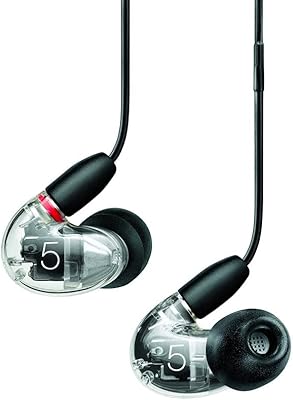
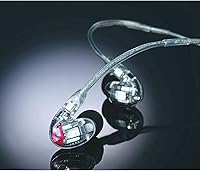
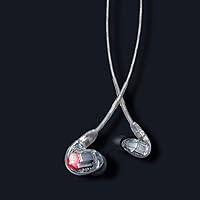
The Shure SE846 Sound Isolating Earphones have been a serious reference point in professional audio since their 2013 debut — and the fact that they're still actively sold says something meaningful about their staying power. Built around four balanced armature drivers in a 3-way configuration, the SE846 delivers a soundstage that most consumer earphones simply can't match. There's no active noise cancellation circuitry here; the isolation is entirely passive, achieved through a deep-insertion fit that physically blocks ambient sound. Detachable Kevlar-reinforced cables and swappable tuning nozzles make these earphones repairable and customizable, which is rare at any tier. These are earphones you invest in once and maintain, not replace every couple of years.

Features & Benefits

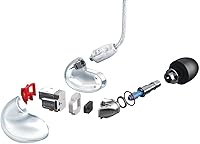
The most distinctive feature here is the swappable sound-filter system. Three nozzle inserts — warm, balanced, and bright — let you shift the frequency character before you even press play. The differences are real but measured; don't expect a night-and-day shift, more like adjusting a tone dial with intention. Underneath that, four dedicated balanced armature drivers handle lows, mids, and highs separately, keeping the sound clean and uncompressed even at high volume. The MMCX detachable cable system is a genuine practical advantage — a frayed cable gets replaced without touching the earphones themselves. The accessory bundle rounds things out impressively: two cable lengths, multiple sleeve types, airline adapter, and a hard carrying case.

Best For

These Shure in-ear monitors are built with a specific kind of buyer in mind. On stage, musicians and live performers rely on them for accurate monitoring without battery concerns or active circuitry that could fail mid-set. Frequent travelers appreciate the passive isolation — up to 37 dB — which cuts cabin noise without needing to charge anything. Audiophiles who find themselves replacing earphones every few years tend to respond well once they realize the SE846 is designed to be serviced rather than discarded. The filter-swapping system also appeals to listeners who want some control over sound signature. If you prefer a fixed, plug-and-play audio profile, these earphones may be more than you need.

User Feedback

Long-term owners consistently highlight the sub-bass extension and how the earphones hold up at higher volumes without turning harsh or muddy. The filter system draws more divided reactions — most appreciate the flexibility, but several buyers note the differences between nozzles are subtle rather than transformative. Fit is the most variable factor in any review thread; sleeve selection matters enormously, and buyers with unusual ear canal shapes sometimes struggle to achieve a consistent seal. The Gen 1 cable lacks an inline mic or remote, which frustrates smartphone users expecting hands-free functionality. MMCX connector longevity surfaces as a concern in older reviews, though the replaceability of cables largely offsets that worry for owners who stick with these earphones over many years.

Pros

  • Four dedicated balanced armature drivers keep bass, mids, and highs clean and separated even at high listening volumes.
  • Passive isolation blocks up to 37 dB of ambient noise without any battery, charging, or active circuitry required.
  • Detachable MMCX cables mean a worn-out cable is a minor repair, not a reason to replace the entire unit.
  • Three swappable sound-filter nozzles let you nudge the frequency response toward warm, balanced, or bright signatures.
  • The included accessory kit is genuinely comprehensive — two cable lengths, multiple sleeve types, airline adapter, and a hard case.
  • Sub-bass extension reaches down to 15 Hz, giving these earphones a low-end presence that most consumer earphones skip entirely.
  • Metal housing and Kevlar-reinforced cables signal durability built for professional use, not just everyday casual wear.
  • Long-term owners consistently report keeping the SE846 for years, which speaks to the repairability and sustained audio performance.

Cons

  • The Gen 1 standard cable has no inline microphone or remote, making smartphone hands-free use awkward without an upgrade cable.
  • Getting a reliable acoustic seal requires careful sleeve selection — buyers with uncommon ear canal shapes may struggle consistently.
  • The tuning filter differences between warm, balanced, and bright nozzles are noticeable but modest, not dramatic sound overhauls.
  • MMCX connector longevity has been questioned in multi-year ownership reviews, particularly with heavy daily use and frequent cable swaps.
  • Deep-insertion fit takes getting used to and is not comfortable for all-day wear for every listener right out of the box.
  • The overall package weight including accessories is substantial for a portable kit — not a light travel setup by most standards.
  • No wireless option exists; commuters or gym users who prefer cable-free listening will need to look elsewhere entirely.

Ratings

The scores below were generated by AI after analyzing thousands of verified global user reviews for the Shure SE846 Sound Isolating Earphones, with spam, bot-submitted, and incentivized feedback actively filtered out before scoring. Each category reflects what real buyers consistently reported across long-term ownership — not just first impressions — so both the standout strengths and the genuine friction points are represented with equal honesty.

Sound Quality
93%
Across nearly every verified review, the sub-bass extension and overall clarity are singled out as exceptional — listeners describe a fullness in the low end that does not muddy the mids, even at high volumes. The 3-way driver configuration means each frequency range gets dedicated attention, which translates to a layered, spacious presentation that holds up during critical listening sessions and on stage alike.
A small segment of users with a preference for brighter, more analytical signatures find the default balanced tuning slightly warm for their taste. While the filter nozzles help, buyers expecting razor-sharp treble extension comparable to some competing single-driver or EST hybrid designs may feel the top end has a slight ceiling.
Noise Isolation
89%
Passive isolation performing at up to 37 dB is genuinely effective for travel and live performance use — multiple reviewers note that airplane cabin noise becomes a background murmur rather than a constant intrusion. Unlike active noise cancellation systems, there is no hiss, no battery drain, and no pressure sensation, which long-haul travelers specifically appreciate.
The isolation score depends almost entirely on achieving a proper in-ear seal, and that is not guaranteed for every buyer straight out of the box. Users who struggle to find the right sleeve fit report dramatically reduced isolation, sometimes comparable to far cheaper earphones, which makes the fit-matching process feel like a prerequisite rather than a minor setup step.
Build Quality
86%
The metal housings feel immediately premium and have held up well for long-term owners who report years of heavy professional use without structural failure. Kevlar-reinforced cables add genuine reassurance, and multiple reviewers who have owned the SE846 for three or more years still describe the housings as looking and functioning like new.
MMCX connector longevity is a recurring concern in multi-year reviews, with some owners noting the connection becoming intermittent after frequent cable swaps. The cable jacket near the ear hook can also show visible wear earlier than the housing itself, which is frustrating given the overall premium positioning of the product.
Comfort & Fit
71%
29%
For buyers whose ear canal shape happens to work well with the included sleeves, the deep-insertion fit locks in securely and becomes genuinely unnoticeable during extended sessions — several long-haul musicians describe wearing them for multi-hour rehearsals without fatigue. The variety of included sleeve types reflects a real effort to accommodate different anatomies.
Fit feedback is the most divided of any category in user reviews. Buyers with narrower or irregularly shaped ear canals frequently report spending significant time cycling through sleeves before finding a workable combination, and some never find one that feels truly secure. Deep-insertion designs inherently carry a higher comfort risk than shallower ear tips, and this is a genuine dealbreaker for a meaningful portion of buyers.
Sound Tuning Flexibility
78%
22%
The three interchangeable nozzle filters are a genuinely useful feature for listeners who like to match their earphone tuning to genre or listening environment — switching from warm for late-night jazz to balanced for studio work takes seconds and requires no tools. Audiophiles who would otherwise need multiple earphones appreciate having meaningful options built into a single unit.
A notable share of buyers describe the difference between the three filters as subtler than they anticipated, particularly between the balanced and warm options. Those expecting a transformative sonic shift comparable to switching between different earphone models may feel the system does not justify the expectation it creates, and a few reviewers describe eventually settling on one nozzle and leaving it permanently installed.
Cable & Connectivity
74%
26%
The detachable MMCX system is practically valuable — a frayed or damaged cable is a straightforward replacement rather than a product-ending failure, and the aftermarket cable ecosystem for MMCX is wide enough that upgrades and mic-equipped cables are easy to find. Having both a 45″ and 60″ cable included in the box covers most listening scenarios without an immediate additional purchase.
The Gen 1 standard cable does not include an inline microphone or remote, which is a meaningful omission for smartphone users who expect hands-free call capability as standard at this price tier. Several reviewers specifically flag this as an unexpected inconvenience and note that purchasing a mic-equipped aftermarket cable should be budgeted as a near-immediate additional cost.
Accessory Value
88%
The included accessory bundle is notably comprehensive by any standard — two cable lengths, multiple sleeve varieties, a polishing cloth, nozzle removal key, airline adapter, and a solid hard-shell carrying case represent genuine value for a complete out-of-box experience. Reviewers across experience levels consistently mention being surprised by how complete the package feels.
The square hard carrying case, while protective, is described by several frequent travelers as bulkier than ideal for fitting into jacket pockets or small carry-on organizer pouches. The nozzle removal key is appreciated but somewhat reflects the complexity of the system — it is a tool that should not strictly be necessary for routine use.
Durability Over Time
81%
19%
Long-term owners — some reporting five or more years of regular use — consistently cite the SE846 as one of the few earphones they have not felt compelled to replace, with the repairability of cables and nozzle components being a key factor. The metal construction resists the cosmetic degradation that plastic-bodied competitors often show over years of pocket and case use.
MMCX connectors and cable jackets are the failure points most likely to emerge over extended ownership, and replacement parts, while available, add cumulative cost over time. Some owners also note that the deep-insertion sleeves wear out faster than expected with daily use, requiring periodic repurchasing of foam tips.
Value for Money
67%
33%
For professional musicians, critical listeners, and audiophiles who intend to own and maintain a single pair of earphones for many years, the cost-per-year calculation looks considerably more reasonable than the upfront price implies. Repairability, component replaceability, and sustained performance across years of use are genuine factors that shift the value equation in favor of long-term buyers.
For casual listeners or buyers who simply want great-sounding earphones for commuting or everyday use, the price tier is difficult to justify against strong competition from newer IEM options that have emerged since the SE846 launched in 2013. First-time in-ear monitor buyers in particular may find the entry cost steep before confirming the deep-insertion format suits them.
Isolation Without Power
91%
The complete absence of active circuitry is consistently praised by performers and travelers who cannot tolerate the risk of a dead battery mid-use. Reviewers in professional contexts repeatedly note that passive isolation removing the battery variable entirely is not a compromise — for their use case, it is the correct engineering decision.
Passive isolation is inherently seal-dependent, meaning a poor sleeve fit does not just reduce comfort — it collapses the entire isolation performance. Unlike active noise cancellation which maintains some baseline effectiveness regardless of fit, passive designs offer no fallback if the physical seal is compromised during use.
Ease of Setup
63%
37%
Once a buyer has identified the correct sleeve type and size, the setup process is repeatable and consistent — the earphones insert the same way every time, and nozzle filter swaps are manageable with the included removal key after some practice. Experienced in-ear monitor users report no meaningful friction in the initial setup.
First-time in-ear monitor users frequently describe the initial sleeve selection process as more involved and time-consuming than expected, and a few reviewers report abandoning their first listening session out of frustration before getting a proper fit. The nozzle filter system also adds a layer of setup complexity that more straightforward earphones do not require, which can feel overwhelming at first.
Portability
77%
23%
The earphones themselves are compact and light enough for daily carry, and the included hard case keeps everything organized without requiring a separate purchase. The two included cable lengths give practical flexibility for different carry configurations, from pocket to bag use.
The overall kit — earphones, both cables, all sleeves, nozzle inserts, and the hard case — adds up to a noticeably substantial carry package for buyers who prefer minimalist travel. The square case is protective but takes up more space than slim cylindrical cases offered by competing brands.
Compatibility
82%
18%
The 3.5 mm connection means the SE846 works with virtually any source device without adapters — smartphones, dedicated DAPs, studio interfaces, mixing desks, and airline entertainment systems are all covered, and the included airline adapter adds one more compatibility layer straight out of the box.
As more smartphones eliminate the 3.5 mm headphone jack entirely, buyers using recent flagships will need a Lightning, USB-C, or Bluetooth adapter, none of which are included. The wired-only design also excludes the SE846 from any use case where cable-free listening is a hard requirement.

Suitable for:

The Shure SE846 Sound Isolating Earphones were designed with a clear audience in mind: people who take audio seriously enough to invest in a tool rather than a gadget. Working musicians and live performers get the most obvious value — reliable passive isolation and a quad-driver configuration that delivers accurate, detailed sound without any battery or wireless dependency to worry about mid-performance. Studio professionals and critical listeners doing mix referencing on the go will appreciate how honestly the SE846 reproduces a signal across the full frequency range, from genuine sub-bass extension down to 15 Hz up through 20 kHz. Frequent travelers who want serious ambient noise blocking without charging anything overnight will find the passive seal — up to 37 dB with a proper fit — more than capable on long flights or noisy commutes. Audiophiles who have grown tired of replacing earphones every couple of years will find the detachable MMCX cable system and swappable tuning nozzles genuinely useful for long-term ownership and personalization.

Not suitable for:

The Shure SE846 Sound Isolating Earphones are a poor match for buyers who want a casual, low-maintenance listening experience. The deep-insertion fit requires patience during setup — sleeve selection is not optional, and anyone with an unusual ear canal shape may spend considerable time finding a combination that actually seals and stays comfortable for hours. Buyers expecting a dramatic sound transformation from the filter nozzles may feel underwhelmed; the tuning shifts are real but subtle, not the kind of stark change some marketing language implies. The Gen 1 version reviewed here lacks an inline microphone or remote on its standard cable, which makes hands-free calls on a smartphone genuinely inconvenient without an aftermarket cable. Anyone primarily interested in wireless or true wireless listening will find no accommodation here — these are wired earphones, full stop. And buyers who are not prepared for the premium price tier should weigh the cost honestly; the performance is real, but so is the financial commitment.

Specifications

  • Driver Type: Four balanced armature drivers are arranged in a 3-way configuration, with dedicated drivers handling low, mid, and high frequencies separately.
  • Frequency Response: The SE846 covers a frequency range of 15 Hz to 20 kHz, including genuine sub-bass extension that most consumer earphones do not reproduce.
  • Sound Isolation: Passive sound isolation is achieved through a deep-insertion fit, with up to approximately 37 dB of ambient noise reduction depending on sleeve fit.
  • Connector: A standard 3.5 mm jack connects the earphones to source devices, compatible with smartphones, DACs, amplifiers, and professional audio equipment.
  • Cable Design: Cables are detachable via MMCX connectors and reinforced with Kevlar for durability; two cable lengths are included — 45″ and 60″.
  • Nozzle Filters: Three interchangeable sound-tuning nozzle inserts are included — warm, balanced, and bright — allowing listeners to adjust the frequency character to personal preference.
  • Sleeve Types: Multiple sleeve options are included: standard foam (3 pairs), yellow foam (1 pair), and triple-flange silicone sleeves, accommodating a range of ear canal sizes.
  • Earpiece Shape: The earphones use a deep-insertion in-ear design intended to create a firm acoustic seal within the ear canal.
  • Housing Material: The earphone housings are constructed from metal, contributing to the overall durability and premium build quality of the unit.
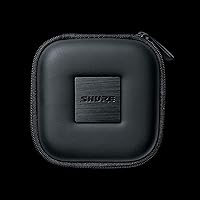
  • Carrying Case: A square hard-shell carrying case is included for storage and travel protection of the earphones and accessories.
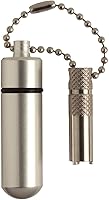
  • Accessories Included: The package includes a 45″ cable, 60″ cable, airline adapter, volume control, cable clip, nozzle removal key, polishing cloth, and balanced, warm, and bright nozzle inserts.
  • Style/Generation: This listing refers to the Gen 1 version of the SE846, which uses a standard cable without an integrated inline microphone or remote.
  • Warranty: Shure includes a limited 2-year manufacturer warranty covering defects in materials and workmanship from the date of purchase.
  • Item Weight: The full package including accessories weighs approximately 1.36 pounds; the earphones themselves are considerably lighter for in-ear use.
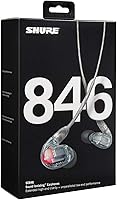
  • Package Dimensions: The retail package measures approximately 9.1 x 5.7 x 2.6 inches, housing the earphones and the complete accessory bundle.
  • Compatibility: The SE846 is compatible with smartphones, portable audio players, studio equipment, and any device with a standard 3.5 mm headphone output.
  • Noise Control Type: Sound isolation is entirely passive — no active noise cancellation circuitry is used, meaning no battery or charging is required for isolation performance.
  • UPC: The Universal Product Code for this unit is 042406277464, corresponding to the Clear colorway Gen 1 variant.

Related Reviews
Shure SE215SPE Blue Sound Isolating Earphones
86%
94%
Sound Quality
91%
Noise Isolation
88%
Comfort & Fit
86%
Bass Performance
89%
Build Quality
More
Shure SE535 Sound Isolating In-Ear Earphones
74%
93%
Sound Clarity
67%
Bass Response
88%
Noise Isolation
61%
Fit & Comfort
84%
Build Quality
More
Shure AONIC 215 Wired Sound Isolating Earbuds
78%
88%
Sound Clarity
83%
Noise Isolation
86%
Build Quality
74%
Fit & Comfort
71%
Cable Quality
More
Shure AONIC 3 Wired Sound Isolating Earbuds
84%
94%
Sound Clarity
91%
Noise Isolation
89%
Build Quality
86%
Comfort/Fit
85%
Ease of Use
More
Shure AONIC 5 Sound Isolating Earbuds
81%
93%
Sound Quality
91%
Noise Isolation
74%
Comfort & Fit
67%
Value for Money
83%
Cable System
More
Direct Sound EX29 Plus Isolation Headphones
78%
93%
Noise Isolation
81%
Audio Accuracy
67%
Comfort & Fit
74%
Build Quality
62%
Cable & Connectivity
More
Sound Storm BTB8 8-Inch ATV Sound System
70%
93%
Ease of Installation
78%
Volume & Loudness
61%
Bluetooth Reliability
82%
Weather & Dust Resistance
58%
Sound Quality
More
Sound Storm Laboratories BTB6 ATV UTV Sound System
85%
89%
Sound Quality
94%
Ease of Installation
92%
Weather Resistance
87%
Build Durability
85%
Bluetooth Connectivity
More
Creative Sound Blaster Audigy FX V2
74%
83%
Audio Quality Improvement
89%
Ease of Installation
57%
Software & Driver Experience
74%
Surround Sound Performance
78%
Build Quality & Hardware
More
Sound Storm Laboratories SB26 26-Inch Soundbar
74%
83%
Sound Volume & Loudness
71%
Audio Clarity & Detail
54%
Bass Response
88%
Weatherproofing & Durability
76%
Bluetooth Connectivity
More

FAQ

Start with the balanced nozzle — it is the most neutral of the three and gives you a fair baseline for what the SE846 actually sounds like. From there, try the warm filter if you want a slightly richer low end, or the bright filter if you prefer more presence in the upper frequencies. The differences are real but not extreme, so take your time comparing them with music you know well.

They work fine straight from a smartphone or laptop via the 3.5 mm jack — no external amplifier is strictly required. That said, because balanced armature drivers are generally efficient and revealing, pairing the SE846 with a decent DAC or portable amplifier will show a noticeable improvement in resolution and dynamics if you want to get the most out of them.

Sleeve selection is almost certainly the issue. A loose fit kills the passive seal completely, which is why isolation feels poor. Work through the included sleeve options systematically — try the foam sleeves first, as they conform to the ear canal shape and typically produce the best seal for most people. If standard foam does not work, try the triple-flange sleeves or the yellow foam alternatives. Getting the seal right is the single most important step with these earphones.

You can absolutely replace just the cable — that is one of the core practical advantages of the MMCX detachable cable system. Shure sells replacement cables, and a wide range of third-party MMCX cables are available at various price points. You never need to replace the earphones themselves because of cable wear.

No, the standard cable included with the Gen 1 SE846 does not have an inline microphone or remote. If you need hands-free call functionality, you will need to purchase a compatible aftermarket MMCX cable that includes a microphone. It is worth checking the cable spec before buying a third-party option, as mic compatibility can vary between Android and iOS devices.

Remove the sleeves and wipe them down with a lightly dampened cloth; foam sleeves can be washed gently with mild soap and water, then left to air dry completely before reuse. For the earphone housings, use a dry or very slightly damp cloth — avoid moisture near the nozzle opening. Shure includes a polishing cloth in the box specifically for the metal housings. Never submerge any part of the unit in water.

They can work for moderate activity, but they are not designed as sport earphones. There is no sweat resistance or IP rating listed, and the deep-insertion fit can shift during vigorous movement. For light workouts or commuting they are fine, but if intense exercise is your primary use case, a purpose-built sport in-ear monitor would be a more practical choice.

Honest answer: the difference is noticeable but not transformative. Switching from warm to bright does shift the character of the sound — the warm filter softens the highs and adds body to the low end, while the bright filter adds air and presence in the upper range. But these are refinements, not radical changes. If you are expecting to switch filters and feel like you are hearing a completely different pair of earphones, you will likely be underwhelmed.

They are an excellent pair of earphones, but probably not the most sensible starting point if you have no experience with the in-ear monitor format. The deep-insertion fit takes adjustment, sleeve selection requires patience, and the price tier assumes you already know you prefer this listening style. Consider spending time with a mid-range in-ear monitor first to confirm the format suits you before committing to a premium purchase.

The cable itself — particularly the outer jacket — tends to show wear first, especially near the ear hook or at the plug end where repeated bending occurs. MMCX connector fatigue is a different issue where the connection point between the cable and the earphone housing becomes intermittent or loose after thousands of connection cycles. Both are serviceable by replacing the cable, which is exactly why the detachable design matters. If you are swapping cables frequently, handle the MMCX connection points with care to extend their lifespan.

Where to Buy