Overview

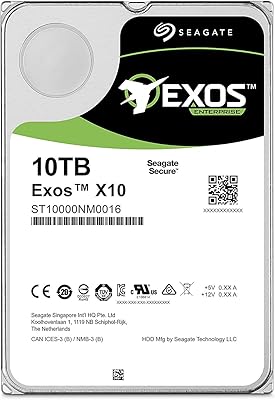
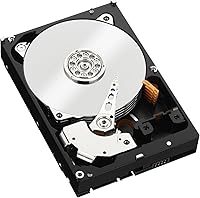
The Seagate ST6000NM0034 6TB SAS Enterprise HDD is built from the ground up for server and data center environments — not as a consumer upgrade dressed in enterprise clothing. Before anything else, understand that this drive requires a SAS-compatible controller or backplane; plug it into a SATA port and nothing happens. That single compatibility requirement filters the audience considerably. With 6TB of capacity spinning at 7200RPM, it targets IT teams managing storage arrays where throughput and sustained reliability matter more than price per gigabyte. This is premium-tier enterprise hardware, purchased by administrators, not hobbyists.
Features & Benefits

Running at 12Gb/s over SAS, this Seagate enterprise drive delivers substantially higher bandwidth than a comparable SATA drive can manage — a meaningful difference when you have dozens of drives serving simultaneous I/O requests in a production array. The dual-port design adds path redundancy, so a single cable or controller failure does not take the drive offline. A 128MB cache buffer keeps sequential read/write throughput stable under load. PowerChoice technology lets the drive throttle back power during quiet periods without a jarring spin-up penalty. For environments where silent data corruption is unacceptable, T10 DIF protection and super parity provide hardware-level integrity checking at the block level.

Best For

This SAS hard drive belongs in SAS-based storage arrays — SAN or NAS enclosures with proper SAS expanders or controllers. IT administrators expanding rack-mounted storage, running virtualization clusters, or managing database servers will find the capacity-to-performance balance well-suited to those workloads. Organizations in regulated industries where data integrity auditing is a compliance requirement will appreciate the T10 DIF support. What this drive is not suited for: home labs with consumer NAS boxes, desktop workstations, or any SATA-only enclosure. That point cannot be overstated. Buying this without confirming controller compatibility first is the most common and costly mistake buyers make.

User Feedback

With 68 ratings and a 4.0-star average, the feedback pool here is smaller than you would want for high-confidence conclusions — keep that context in mind. That said, buyers who deploy the ST6000NM0034 in multi-drive RAID arrays consistently report stable long-term performance with no unusual failure rates. The recurring complaint is not about the drive itself but about compatibility surprises — buyers who did not verify their controller specifications before purchasing. A handful of users noted the drive runs warm in dense rack configurations, worth accounting for in airflow planning. Pricing relative to comparable enterprise alternatives draws mixed reactions, with some finding it fair and others considering it a stretch.

Pros

  • Dual-port SAS connectivity provides hardware-level path redundancy, reducing the risk of unplanned downtime in production arrays.
  • The 12Gb/s interface delivers meaningfully higher throughput than SATA alternatives in multi-drive server configurations.
  • T10 DIF protection information helps catch and prevent silent data corruption before it reaches applications or backups.
  • Super parity error correction adds an extra layer of reliability in RAID configurations under sustained write pressure.
  • PowerChoice technology reduces idle power draw without a noticeable spin-up penalty during workload bursts.
  • Buyers deploying this SAS hard drive in RAID arrays consistently report stable long-term performance across extended periods.
  • 512e sector format maintains compatibility with legacy enterprise operating systems and older SAS controllers.
  • The 3.5-inch form factor fits standard LFF drive bays found in most enterprise rack enclosures without adapters.
  • Low halogen design makes this Seagate enterprise drive a better fit for organizations with strict environmental compliance requirements.
  • At 6TB capacity, this drive hits a practical sweet spot for organizations that need density without jumping to higher-cost larger drives.

Cons

  • Requires a dedicated SAS HBA or SAS-capable backplane — incompatible with any SATA-only enclosure or controller.
  • The review pool of 68 ratings is too small to draw confident conclusions about long-term failure rates.
  • No mounting bracket or rails included — bare drive only, which adds friction for builds that need hardware accessories.
  • Users in dense rack environments have flagged elevated operating temperatures, requiring careful airflow planning.
  • The price-per-terabyte is significantly higher than comparable-capacity SATA or NAS-optimized drives at the same capacity.
  • Enterprise SAS drives like the ST6000NM0034 generate more audible noise than nearline SATA alternatives under sustained load.
  • Compatibility verification with specific SAN and NAS controllers is non-trivial — some buyers have reported unexpected interoperability issues.
  • Not designed for intermittent or light workloads — the value proposition erodes quickly outside of 24/7 enterprise use cases.

Ratings

The scores below reflect an AI-driven analysis of verified global user reviews for the Seagate ST6000NM0034 6TB SAS Enterprise HDD, with spam, incentivized, and bot-generated feedback actively filtered out before scoring. Each category is weighted against real-world deployment patterns reported by IT professionals, data center administrators, and enterprise storage engineers. Both the strengths and the friction points are represented transparently — no category has been inflated to flatter the product.

Throughput Performance
88%
Users running multi-drive SAS arrays consistently report that this Seagate enterprise drive holds up well under sustained sequential workloads — database reads, backup streams, and virtualization I/O all perform at the level you would expect from a 12Gb/s SAS drive. The 128MB cache helps keep throughput from dipping during burst activity.
Random I/O performance, while adequate for most enterprise use cases, does not impress users who compare it to SAS SSDs in the same price range. For workloads dominated by small random reads and writes, the mechanical nature of this SAS hard drive becomes a genuine bottleneck.
Reliability & Uptime
83%
Buyers who have deployed the ST6000NM0034 in RAID arrays over extended periods generally report no unusual failure rates. In 24/7 server environments — the exact context this drive is built for — long-term stability is consistently described as solid rather than exceptional.
With only 68 ratings available, drawing confident reliability conclusions is statistically premature. A small number of buyers have reported early failures, and without a larger sample it is difficult to determine whether those represent an outlier pattern or a genuine quality consistency issue.
Data Integrity Features
91%
The combination of T10 DIF protection and super parity is genuinely valued by users operating in regulated environments. Administrators managing healthcare records or financial data specifically call out these hardware-level integrity features as a meaningful differentiator over standard SATA enterprise drives.
These features only function end-to-end when the entire storage path — controller, HBA, and OS — supports T10 DIF. Users with older or mixed-vendor infrastructure sometimes find that the integrity features are present on paper but not fully active in practice without additional configuration effort.
Compatibility & Setup
61%
39%
For buyers who arrive with the right SAS infrastructure already in place, installation is straightforward. The 3.5-inch LFF form factor drops into standard enterprise bays without adapters, and the 512e sector format handles legacy OS compatibility without special configuration in most cases.
Compatibility is the single largest source of negative reviews. A recurring pattern involves buyers who did not verify SAS controller requirements before purchasing and found the drive entirely unusable in their SATA-based systems. This is not a drive defect, but it generates real frustration and return friction at a meaningful rate.
Value for Money
67%
33%
Within the SAS enterprise segment, the pricing is broadly competitive with comparable offerings from other major manufacturers. Users who need what this drive offers — 12Gb/s SAS, dual ports, T10 DIF — tend to view the cost as justified given the feature set and Seagate's brand standing in enterprise storage.
The price-per-terabyte is substantially higher than SATA alternatives at the same capacity, which makes it a poor choice for anyone who does not specifically require SAS. Several reviewers noted that comparable-capacity NAS-optimized SATA drives deliver sufficient reliability for less demanding workloads at a fraction of the cost.
Power Efficiency
79%
21%
PowerChoice technology earns consistent quiet praise from administrators who manage large drive counts and watch power draw at the rack level. The ability to reduce idle power consumption without a disruptive spin-up cycle is a practical benefit in deployments where drives are not under constant load.
Under sustained workloads, the drive draws power at levels typical of high-RPM enterprise mechanical drives, which is not a surprise but does limit how much the PowerChoice feature actually moves the needle in always-active server environments.
Thermal Management
71%
29%
In well-ventilated rack enclosures with standard enterprise airflow, operating temperatures stay within normal range and users report no thermal-related issues during extended continuous operation. The drive performs as expected in environments designed with proper cooling in mind.
Users packing drives into high-density enclosures with limited airflow have flagged elevated temperatures as a genuine concern. This drive runs warmer than many SATA counterparts under load, and inadequate cooling in a dense configuration is a real risk rather than a theoretical one.
Noise Level
66%
34%
In a standard server room or data center environment, the acoustic footprint of this SAS hard drive is completely unremarkable — background rack noise and cooling fans easily mask it. Users operating in noisy enterprise settings report no complaints whatsoever.
In quieter environments such as small office server closets or home lab setups, the 7200RPM spin and seek noise is clearly audible. Buyers who underestimated this aspect — particularly those running the drive outside a proper server chassis — mention it as a minor but persistent annoyance.
Build & Physical Quality
82%
18%
The physical construction feels appropriately robust for an enterprise-class mechanical drive. Users handling multiple units describe consistent build quality with no reports of cosmetic or structural defects, and the weight and dimensions are exactly what you expect from a standard 3.5-inch LFF bare drive.
The drive ships without any mounting hardware, rails, or brackets, which is standard practice for bare enterprise drives but catches some buyers off guard. Those expecting a more complete package sometimes factor the additional accessory cost into their value assessment.
Documentation & Support
58%
42%
Seagate's enterprise product documentation covers the technical specifications thoroughly, and users with experience in enterprise storage generally find the published datasheets sufficient to plan a deployment without guesswork.
Several buyers noted that pre-purchase compatibility guidance is not easy to find without digging into technical documentation. Seagate's consumer support channels are poorly equipped to handle enterprise SAS compatibility questions, leaving some buyers to rely on community forums rather than official support resources.
Multi-drive Scalability
84%
Users expanding SAS arrays with multiple units of this Seagate enterprise drive report consistent behavior across drives in the same RAID group, with no unusual variance in performance or error rates when mixing drives from the same production batch.
Scaling up adds cost quickly given the per-drive pricing, and some administrators noted that sourcing matched batches of the same firmware version for large array builds required more lead time than anticipated.
Firmware & Software Ecosystem
72%
28%
The drive integrates cleanly with major enterprise storage management platforms, and Seagate's SeaChest and similar utilities give administrators low-level diagnostic access without requiring proprietary hardware. Firmware updates are available through standard enterprise channels.
The firmware update process is not straightforward for less experienced administrators, and documentation around firmware compatibility with specific SAS HBAs is sparse in places. A handful of users reported having to research update procedures independently rather than relying on clear official guidance.

Suitable for:

The Seagate ST6000NM0034 6TB SAS Enterprise HDD is purpose-built for IT professionals who operate SAS-based storage infrastructure and need high-capacity drives that can sustain continuous workloads without compromise. If you are an administrator managing a SAN or NAS array in a production environment, this drive fits naturally into that ecosystem — the 12Gb/s interface and dual-port design are exactly what those setups are engineered to exploit. Data centers running virtualization platforms, relational databases, or large-scale backup targets will appreciate the consistent throughput at 7200RPM combined with the 128MB cache under heavy sequential I/O. Organizations in regulated industries — healthcare, finance, legal — will find the T10 DIF data integrity protection particularly relevant, since silent data corruption in those environments carries serious consequences. This is a drive for buyers who already know what SAS means and have the hardware to use it properly.
Not suitable for:

If you are a home user, a PC builder, or someone looking to add cheap bulk storage to a consumer NAS, the Seagate ST6000NM0034 6TB SAS Enterprise HDD is not what you need — and buying it without a SAS controller means it simply will not connect to anything you own. SATA backplanes, which power the vast majority of consumer and prosumer enclosures, are physically and electrically incompatible with this drive. Beyond the interface mismatch, the pricing reflects an enterprise market tier that rarely makes economic sense outside of a rack-mounted server environment. Budget-conscious buyers will find far better value-per-terabyte in consumer or NAS-optimized SATA drives. Even technically inclined home lab enthusiasts should verify they have a genuine SAS HBA before considering this purchase, since the cost of getting it wrong adds up quickly.
Specifications

  • Storage Capacity: This drive provides 6TB of raw storage capacity, formatted using the 512e (512-byte emulation) sector standard for broad enterprise OS compatibility.
  • Interface: It uses a Serial Attached SCSI (SAS) interface running at 12Gb/s, which is incompatible with standard SATA backplanes or controllers.
  • Rotational Speed: The drive spins at 7200RPM, delivering the sustained throughput expected in server and data center workloads.
  • Cache Buffer: A 128MB cache buffer helps maintain consistent read and write performance during heavy sequential I/O operations.
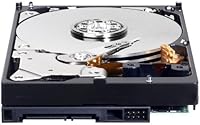
  • Form Factor: It ships in the standard 3.5-inch large form factor (LFF), measuring 5.88 x 4.01 x 1.03 inches, fitting most enterprise rack enclosures.
  • Port Configuration: Dual SAS interface ports are included, enabling path redundancy and multipath I/O support in high-availability storage configurations.
  • Data Integrity: Protection Information (T10 DIF) is implemented at the hardware level to detect and prevent silent data corruption across the storage path.
  • Error Correction: Super parity technology provides an additional layer of error correction beyond standard RAID parity, reducing uncorrectable error risk under sustained writes.
  • Power Management: PowerChoice technology allows the drive to enter low-power idle states and return to full performance without a significant spin-up delay.
  • Halogen Content: The drive is built with a low halogen design, meeting environmental compliance requirements relevant to many regulated industries and data centers.
  • Weight: The bare drive weighs 1.72 pounds, consistent with standard 3.5-inch enterprise mechanical hard drives of this capacity.
  • Installation Type: This is an internal bare drive with no mounting bracket, rails, or accessory hardware included in the package.
  • Manufacturer: Manufactured by Seagate under the Enterprise Capacity product series, model designation ST6000NM0034.
  • Operating Environment: Designed exclusively for continuous 24/7 operation in server and data center environments; not rated or intended for desktop or consumer NAS use.
  • Sector Format: Uses 512e (512-byte emulation) formatting, which presents a 512-byte logical sector size to the host while using larger physical sectors internally.

Related Reviews
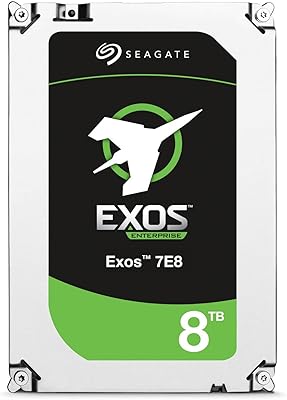
Seagate 8TB Enterprise HDD
83%
90%
Performance Under Load
92%
Reliability/Durability
65%
Noise Level
70%
Heat Generation
75%
Ease of Setup
More
Seagate Enterprise Capacity ST10000NM0016 10TB HDD
86%
91%
Performance
93%
Reliability
89%
Build Quality
88%
Energy Efficiency
72%
Noise Levels
More
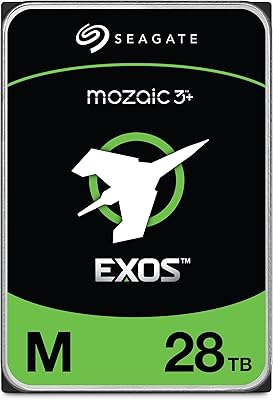
Seagate Exos M 28TB Internal Hard Drive
81%
97%
Storage Capacity
88%
Reliability & Longevity
83%
Sequential Throughput
86%
NAS Compatibility
67%
Value for Money
More
Seagate ST1000NM0023 1TB Enterprise SAS Hard Drive
77%
88%
Reliability in RAID Arrays
91%
Interface & Connectivity
83%
Sequential Throughput
57%
Random I/O Performance
86%
RAID Firmware Behavior
More
Seagate Enterprise Capacity ST4000NM0023 4TB HDD
87%
94%
Data Transfer Speed
91%
Reliability Under Load
88%
Integration with RAID Systems
90%
Durability
85%
Ease of Setup
More
Seagate 3TB Enterprise Capacity HDD ST3000NM0033
88%
94%
Reliability
92%
Performance in Enterprise Environments
78%
Data Transfer Speed
89%
Compatibility with RAID Configurations
90%
Durability & Lifespan
More
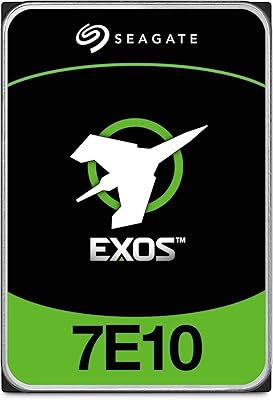
Seagate Exos 7E10 6TB SAS Hard Drive
87%
94%
Performance in RAID Setups
92%
Reliability & Durability
90%
Workload Capacity
89%
Compatibility with Data Centers
60%
Noise Levels
More
Seagate Exos ST1200MM0009 1.2TB Internal Hard Drive
72%
83%
Read/Write Performance
91%
SAS Compatibility
78%
Build Quality
74%
Reliability Over Time
61%
Value for Money
More
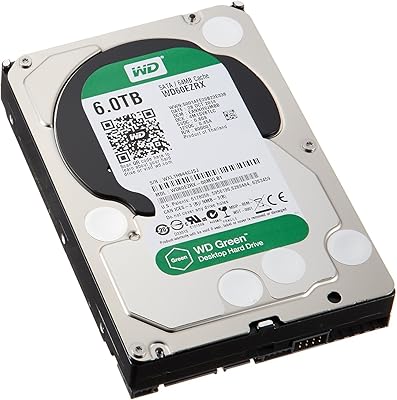
WD Green 6TB HDD
WD Green 6TB HDD
85%
78%
Performance
91%
Noise Level
93%
Energy Efficiency
88%
Value for Money
86%
Storage Capacity
More
Seagate ST1000LM024 1TB Internal Hard Drive
74%
88%
Value for Money
83%
Storage Capacity
91%
Installation Ease
57%
Transfer Speed
86%
Physical Compatibility
More

FAQ

No, it will not. This SAS hard drive requires a SAS HBA (host bus adapter) or a SAS-capable backplane to function. Standard desktop motherboards and consumer NAS enclosures use SATA connections, which are physically and electrically incompatible with SAS drives. Buying this without the right controller means the drive simply cannot connect to your system.

You need a SAS HBA or a SAS expander backplane that supports 12Gb/s SAS. Before purchasing, check that your controller or storage array explicitly lists compatibility with 3.5-inch LFF SAS drives. Some older SAS controllers running at 6Gb/s will still work, but you will not get the full 12Gb/s throughput.

Yes, and that is actually one of the primary use cases it is designed for. The dual-port SAS interface supports multipath I/O, and the super parity feature adds resilience in RAID configurations. Users running RAID 5, 6, or 10 in production environments consistently report stable performance over extended deployment periods.

It gives you two independent data paths to the drive. In practice, this means that if one SAS cable, expander port, or controller fails, the drive stays online through the second path. For high-availability environments where downtime is costly, that redundancy is genuinely useful rather than just a spec-sheet checkbox.

The SAS interface runs at 12Gb/s versus 6Gb/s for SATA, which matters most when you have many drives serving concurrent I/O requests. SAS also supports dual-port connectivity and is generally built to tighter reliability tolerances. The trade-off is cost — this Seagate enterprise drive carries a meaningfully higher price per terabyte than SATA alternatives, so the upgrade only makes economic sense if your infrastructure actually takes advantage of SAS capabilities.

Like most 7200RPM enterprise drives, it generates noticeable heat under sustained load. Users in dense rack configurations have flagged elevated temperatures as something to plan around. Standard server chassis with proper airflow handle it fine, but if you are packing a lot of drives into a tight enclosure without adequate ventilation, you should factor in thermal management before deploying.

For most modern enterprise operating systems and SAS controllers, 512e is handled transparently with no special configuration required. It does mean the drive uses larger physical sectors internally while presenting a 512-byte logical sector to the host, which is a well-established standard in enterprise storage. Where you might run into issues is with very old or niche operating systems that were never updated to handle advanced format drives — worth checking your OS documentation if you are running legacy infrastructure.

T10 DIF, or Protection Information, adds integrity checksums to data blocks at the drive hardware level. It catches cases where data is silently altered or corrupted in transit between the application, controller, and drive — errors that standard ECC alone might miss. For organizations in healthcare, finance, or any regulated industry where data accuracy is non-negotiable, having that hardware-level verification layer is a meaningful safeguard.

It is an enterprise mechanical drive spinning at 7200RPM, so do not expect silence. In a server room or data center where ambient noise is already present, it is entirely unremarkable. In a quiet office or home lab environment, you will hear it. That is the nature of high-RPM mechanical drives — not a defect, just a physical reality to account for in your deployment context.

According to Seagate, this model has not been discontinued as of the most recent product information available. However, enterprise drives at specific capacity points do cycle out of active production over time as newer generations replace them, so it is worth verifying current availability and warranty terms directly with Seagate or your preferred reseller before committing to a large-quantity purchase.