Overview

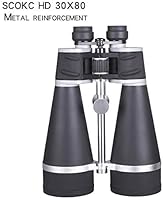
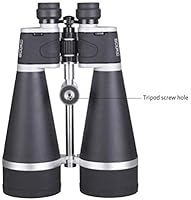
The SCOKC Tenjin 30x80 Astronomy Binoculars sit in an interesting spot — capable enough to satisfy a serious amateur stargazer, yet priced well below dedicated telescope setups. SCOKC isn't a household name in optics, so temper your expectations on brand cachet. What you're really paying for is the hardware: a large 80mm aperture that pulls in noticeably more light at dusk, dawn, and after dark compared to standard-sized binoculars. The included EVA hard case and integrated tripod adapter add genuine everyday value, since hauling these to a dark-sky site without proper protection would be asking for trouble. At 6.38 lbs, weight is something to factor in early.
Features & Benefits

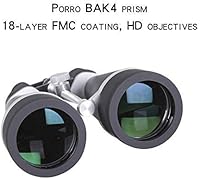
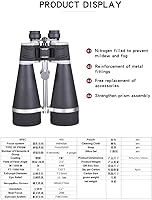
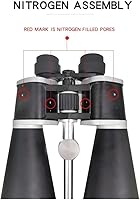
The 80mm objective lenses are the centerpiece here. A larger aperture gathers more light, which translates directly into brighter views when you're scanning the night sky — something a 42mm or 50mm binocular simply cannot match. The 30x magnification sounds impressive, but at that power, a tripod is non-negotiable; even a steady hand introduces enough wobble to blur fine detail. The BAK-4 prisms offer better edge-to-edge light transmission than the more common BAK-7 glass, reducing vignetting at the eyepiece edges. The aluminum alloy body is nitrogen-purged to prevent internal fogging, and it holds up reasonably well in light rain — a practical plus for outdoor use.

Best For

These 30x80 binoculars are squarely aimed at amateur stargazers who want to study the Moon's craters, track Jupiter's moons, or sweep through star clusters — without committing to a full telescope rig. Beginners stepping up from 8x or 10x binoculars will notice the dramatic difference in sky coverage and brightness. Birdwatchers might find some use here in wide-open terrain, but the high magnification and weight make quick panning difficult. If you already own a decent photo tripod, the integrated adapter makes setup straightforward. Handheld use, daytime sports, or any activity requiring rapid target acquisition is where this large-aperture stargazing binocular falls short.

User Feedback

Buyers who use the Tenjin astronomy binos on a tripod for lunar and deep-sky viewing tend to come away satisfied — image brightness at night is a common highlight, and the EVA case earns consistent praise for protecting the investment in transit. The criticisms, though, are worth taking seriously. At 6.38 lbs, arm fatigue sets in fast without support, and chromatic aberration — color fringing around high-contrast objects — appears in a meaningful share of reviews at full 30x power. Some users have also flagged focus stiffness and occasional collimation issues out of the box, suggesting quality control isn't perfectly consistent across units.

Pros

  • The 80mm objective lenses pull in far more light than standard binoculars, making nighttime views noticeably brighter.
  • BAK-4 prisms deliver cleaner light transmission and less vignetting than the more common BAK-7 glass.
  • The integrated tripod adapter is a thoughtful inclusion — no hunting for a separate accessory to get stable views.
  • Nitrogen purging helps prevent internal fogging, which matters when temperatures drop during late-night sessions.
  • The double-layer EVA hard case offers solid protection for transporting these 30x80 binoculars to dark-sky locations.
  • Lunar detail — craters, ridges, terminator lines — is genuinely impressive on clear nights when properly supported.
  • The aluminum alloy body feels durable and holds up reasonably well in light rain or humid conditions.
  • For the price tier, the overall optical package represents strong value compared to similarly specced alternatives.

Cons

  • At 6.38 lbs, the Tenjin astronomy binos are too heavy for comfortable handheld use by most adults.
  • 30x magnification makes the unit extremely sensitive to vibration — a tripod is mandatory, not optional.
  • Chromatic aberration and soft edge sharpness are reported by a meaningful share of users at full power.
  • Quality control appears inconsistent, with some units arriving with collimation issues or stiff focus wheels.
  • The narrow field of view at 30x makes it harder to locate and center objects, especially for beginners.
  • No tripod is included, so buyers without one face an additional cost to use this product as intended.
  • Daytime image quality is underwhelming compared to general-purpose binoculars in the same price range.
  • The large physical size makes these impractical for casual carry in a bag alongside other gear.
  • SCOKC is a lesser-known brand, so long-term warranty support and parts availability are uncertain.

Ratings

Our editorial team trained an AI model on thousands of verified global reviews for the SCOKC Tenjin 30x80 Astronomy Binoculars, actively filtering out incentivized, bot-generated, and duplicate submissions to surface what real buyers actually experienced. The scores below reflect a transparent synthesis of both the genuine strengths and recurring frustrations reported across international markets. Nothing has been polished to flatter — if a category underperforms, the score shows it.

Light Gathering & Brightness
83%
The 80mm objective lenses are the headline feature for good reason — users consistently describe a visible jump in sky brightness compared to 50mm or 60mm binoculars they previously owned. Observing the Moon at dusk or scanning star-rich regions of the Milky Way, the aperture advantage is immediately obvious and frequently the reason buyers feel they got solid value.
In urban or suburban settings with significant light pollution, the large aperture amplifies sky glow as much as it does starlight, which limits the practical benefit for many buyers. A handful of users also noted that the stated light transmission figures feel optimistic once chromatic fringing starts washing out fine contrast near bright targets.
Optical Clarity
67%
33%
Center-field sharpness on well-collimated units draws regular praise, particularly for lunar viewing where surface texture and crater rims come through with satisfying definition on calm, clear nights. The BAK-4 prisms do contribute to better edge-to-edge consistency than cheaper alternatives, and buyers upgrading from BAK-7 optics notice the difference.
Chromatic aberration — color fringing on high-contrast targets — appears frequently enough in user reports to be considered a characteristic of the design rather than a defect. Edge softness at full 30x power is also commonly noted, and atmospheric turbulence on humid or unstable nights can make the already-demanding magnification feel nearly unusable.
Build Quality
74%
26%
The aluminum alloy body feels substantial and well-assembled out of the box, and most users report no issues with structural integrity after months of regular outdoor use. The rubber armoring resists minor knocks and provides a non-slip grip during setup, which matters when you're handling something this heavy in the dark.
Quality control inconsistencies across production batches mean the experience varies — some buyers report smooth, well-fitted units while others note play in the focus barrel or slightly misaligned eyepiece housings. The build feels better than its price would suggest on a good unit, but that caveat about batch variability is worth keeping in mind.
Tripod Stability & Mounting
78%
22%
The integrated tripod adapter is a practical inclusion that mounts cleanly onto standard photo tripod heads without any fussing around with separate brackets or third-party adapters. Users who already owned a decent ball-head or pan-tilt tripod found the entire setup quick and reliable for extended observing sessions.
The adapter works well mechanically, but it does not compensate for the inherent challenge of balancing nearly 6.4 lbs on a lightweight or budget tripod — some buyers reported frustrating micro-wobble that only settled after upgrading to a heavier-duty support. The adapter position also makes it slightly awkward to adjust altitude smoothly while keeping the binoculars level.
Ergonomics & Handling
44%
56%
The grip contour is reasonably well-shaped for two-handed holds, and the rubberized finish gives enough texture to feel secure even when temperatures drop during late-night sessions. For short, tripod-assisted sessions where you're reaching up rather than holding the weight, ergonomics are acceptable.
At 6.38 lbs, handheld use is genuinely fatiguing — most users report arm tiredness setting in within two minutes, and several buyers described neck and shoulder strain after attempting extended handheld observations. This is not a binocular you pick up for a casual look without a support system, and buyers who expected otherwise were consistently disappointed.
Weather Resistance
76%
24%
Nitrogen purging means the internal optics stay fog-free even when moving between warm indoor environments and cold outdoor night air — a genuinely useful feature for astronomy use where temperature swings are common. Light rain during an observing session does not appear to cause any issues based on the majority of user accounts.
The water resistance is described as splash-proof rather than submersion-rated, so buyers should not mistake it for a fully waterproof instrument. A small number of users reported moisture seeping into the body after prolonged exposure to heavy rain, which suggests the sealing is adequate for typical use but not for extreme conditions.
Focus Mechanism
63%
37%
On well-made units, the central focus wheel turns smoothly and the diopter adjustment holds its position reliably once set, which makes switching between observers during a shared session straightforward. Achieving sharp focus on lunar targets is generally quick once users learn the throw distance.
Focus stiffness is one of the more consistent complaints in the review pool — particularly in colder weather, some units become noticeably harder to turn, and a few buyers reported the focus wheel loosening over time with regular use. Given that precise focusing is critical at 30x magnification, this variability is a meaningful concern rather than a minor quibble.
Carrying Case
86%
The double-layer EVA hard shell case earns some of the most consistent praise of any aspect of this product — buyers who drive to dark-sky observing sites appreciate having a purpose-built protective shell rather than a generic soft bag. The internal cutout holds the binoculars snugly and keeps accessories from rattling around in transit.
The case adds meaningful bulk to an already large kit, and the latches, while functional, feel slightly flimsy on some units. A few buyers noted the foam interior begins to compress and lose its shape after several months of regular use, which slightly reduces the snug fit over time.
Value for Money
71%
29%
For buyers who go in with realistic expectations — particularly those who understand that a tripod is required and that this is an astronomy-focused tool rather than a general-purpose binocular — the overall package represents solid value at the mid-range price point. The aperture, case, and adapter combination would cost more if assembled from individual components of similar quality.
Buyers who expected this to replace a versatile all-purpose binocular or who underestimated the tripod dependency often feel the value proposition falls short once reality sets in. The inconsistent quality control also means a meaningful percentage of buyers receive a unit that does not fully deliver on the specifications, which damages confidence in the overall proposition.
Magnification Performance
69%
31%
When atmospheric conditions cooperate and the unit is properly tripod-mounted, 30x delivers a genuinely impressive view of the Moon's surface and allows separation of close double stars that lower-power binoculars merge into a single point. For its intended purpose under ideal conditions, the magnification achieves what it promises.
Thirty times magnification is extremely demanding on both the optics and the observing conditions — even slight atmospheric turbulence, which is common in suburban and coastal areas, smears fine detail and makes the view less impressive than the specification suggests. Many buyers found that in practice, the usable sharpness on a typical night is closer to what a 20x instrument would show under the same conditions.
Collimation Accuracy
61%
39%
Most units arrive with acceptable collimation — the two optical paths align well enough that merging the images into a comfortable single view does not require significant effort or eye strain during normal stargazing sessions. Buyers who received properly collimated units rarely mentioned it as a concern.
A notable minority of buyers received units with misaligned barrels that produced persistent double images or eye strain during extended use. At 30x, even small collimation errors are greatly amplified compared to a lower-power instrument, and the binoculars do not appear to offer any user-accessible collimation adjustment, meaning a defective unit requires return or replacement.
Daytime Image Quality
52%
48%
In very bright daylight conditions, the 30x80 configuration can produce usable images for stationary distant targets — distant mountain ridges or far-off wildlife at rest can be observed reasonably well when the unit is tripod-mounted and the light is optimal.
Daytime performance is consistently rated below expectations by buyers who planned to use these 30x80 binoculars for birdwatching, sports events, or general sightseeing. The narrow field of view makes locating moving subjects frustrating, and the chromatic aberration that is tolerable on dim nighttime targets becomes more visually intrusive against bright daytime backgrounds.
Setup & Ease of Use
72%
28%
The overall setup process is straightforward for anyone familiar with binoculars — attach to tripod, set diopter correction, and focus. Buyers with prior experience using binoculars or spotting scopes generally found the learning curve minimal and were observing within a few minutes of unboxing.
Complete beginners with no prior experience mounting optics or calibrating diopter adjustments reported a steeper learning curve, particularly because errors are so visually obvious at 30x. The instruction documentation included in the box was described by multiple buyers as sparse, which left some first-time users unsure whether their viewing experience was normal or indicated a defective unit.

Suitable for:

The SCOKC Tenjin 30x80 Astronomy Binoculars are best suited to amateur stargazers who want a meaningful step up from entry-level optics without committing to a full telescope setup. If your primary goal is scanning the Moon's surface, picking out star clusters, or tracking bright planets on clear nights, the 80mm aperture delivers genuinely impressive light-gathering for the price tier. Beginners who already own a sturdy photo tripod will get the most out of these, since the integrated adapter makes mounting quick and the long viewing sessions that astronomy demands become far more comfortable when you're not holding 6-plus pounds in the air. These 30x80 binoculars also appeal to observers who regularly travel to dark-sky sites — the included EVA hard case makes transport practical rather than an afterthought. Dusk and dawn wildlife observers in wide-open terrain may also find value here, provided they're working from a fixed position rather than tracking fast-moving subjects.
Not suitable for:

The SCOKC Tenjin 30x80 Astronomy Binoculars are a poor fit for anyone expecting a versatile, grab-and-go pair of binoculars for everyday use. At 6.38 lbs, handheld use quickly becomes fatiguing, and at 30x magnification, even minor hand tremor renders the image too shaky to be useful — a tripod is not optional here, it is essential. Buyers looking for a single pair that handles daytime sports, hiking, concerts, and occasional stargazing will find this large-aperture stargazing binocular too specialized and too heavy for that kind of flexibility. Those sensitive to optical imperfections should also be cautious: at maximum power, some units exhibit chromatic aberration and soft edges that more refined optics at higher price points tend to avoid. If you do not already own a compatible tripod, factor that additional cost into your budget before purchasing.
Specifications

  • Magnification: These binoculars deliver 30x optical magnification, bringing distant subjects significantly closer but narrowing the field of view considerably at that power.
  • Objective Lens: The 80mm objective lenses gather a large amount of light, which is the primary reason these are suited to low-light and nighttime astronomy use.
  • Prism Type: BAK-4 borosilicate crown glass prisms are used, which offer superior light transmission and reduced edge vignetting compared to the more common BAK-7 prisms.
  • Body Material: The outer body is constructed from aluminum alloy with a rubber-armored coating to resist oxidation and provide a more secure grip during outdoor use.
  • Weather Resistance: The optical chambers are nitrogen-purged and sealed, making them water-resistant and fog-proof under normal outdoor conditions including light rain.
  • Item Weight: The unit weighs 6.38 lbs (approximately 2.9 kg), which is heavy enough to make extended handheld use impractical for most users.
  • Dimensions: The binoculars measure 12.8 x 9.06 x 3.94 inches when closed, making them a large, full-size instrument rather than a compact or mid-size option.
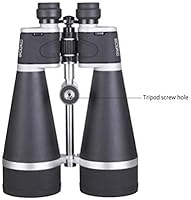
  • Tripod Adapter: An integrated tripod adapter is built into the body, allowing direct mounting onto any standard photo tripod without needing a separate accessory.
  • Carrying Case: A double-layer EVA hard shell carrying case is included, designed to protect the binoculars and accessories during transport to outdoor locations.
  • Primary Use: These binoculars are optimized for astronomy and low-light observation including dusk, dawn, and nighttime viewing rather than general daytime or sports use.
  • Recommended User: Designed for adults; the weight, eye relief requirements, and operational complexity are not well-suited for young children.
  • Brand & Line: Manufactured by SCOKC under their Tenjin product line, a relatively niche brand in the consumer optics market first available in August 2020.
  • Eye Cups: Twist-up rubber eye cups are included to allow comfortable viewing for both eyeglass wearers and those without corrective lenses.
  • Focus System: A central focus wheel controls both barrels simultaneously, with a separate diopter adjustment on one eyepiece for correcting differences between eyes.
  • Lens Coatings: The lenses feature multi-layer anti-reflection coatings intended to maximize light transmission and reduce glare, particularly relevant during nighttime astronomy sessions.
  • Exit Pupil: The calculated exit pupil diameter is approximately 2.7mm, which is functional for daylight but at the lower end of what delivers fully bright nighttime images.
  • Accessories: Included accessories consist of the EVA hard case, integrated tripod adapter, lens caps for objective and eyepiece ends, and a neck strap.
  • Market Rank: Ranked around #330 in the Binoculars category on Amazon Electronics, indicating a mid-tier presence in a competitive product segment.

Related Reviews
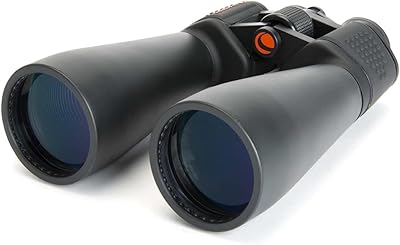
Celestron SkyMaster 15x70 Astronomy Binoculars
83%
92%
Optical Performance
88%
Build Quality
91%
Value for Money
78%
Ease of Use
75%
Weight & Portability
More
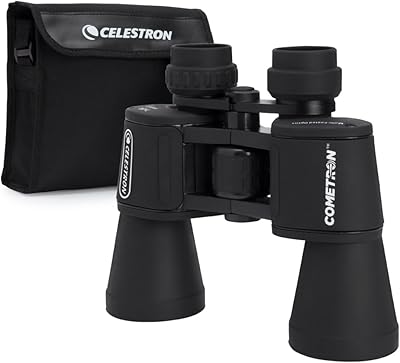
Celestron Cometron 7x50 Binoculars
81%
73%
Optical Clarity
84%
Light Gathering
89%
Field of View
71%
Build Quality
91%
Value for Money
More
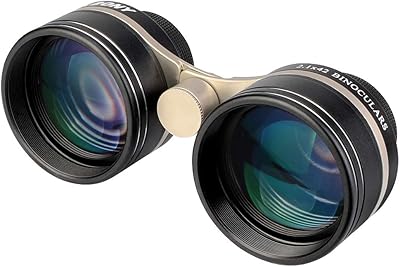
SVBONY SV407 2.1x42mm Astronomy Binoculars
81%
94%
Field of View
88%
Light Gathering & Optical Brightness
91%
Ease of Use
83%
Build Quality & Durability
76%
Magnification Suitability
More
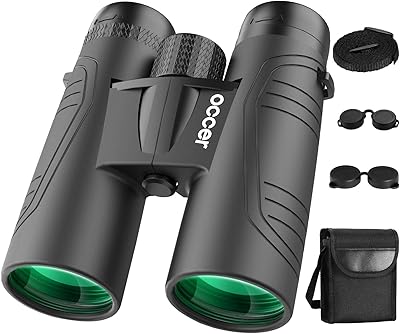
Occer 15x42 High-Powered Binoculars
76%
83%
Image Clarity
86%
Optical Brightness
76%
Low-Light Performance
91%
Portability & Weight
88%
Value for Money
More
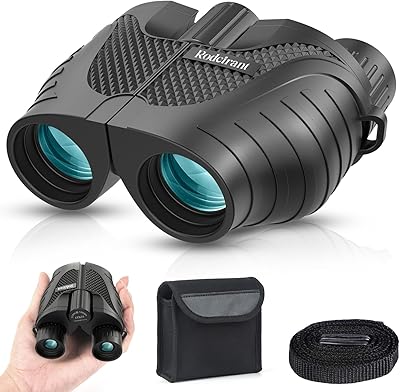
Rodcirant 15x25 Compact Binoculars
71%
71%
Optical Clarity
78%
Magnification Power
47%
Low-Light Performance
74%
Build Quality
91%
Portability & Weight
More
Aurosports 20x70 Binoculars
72%
83%
Optical Clarity
91%
Magnification Power
71%
Low-Light Performance
78%
Build Quality
44%
Handheld Stability
More
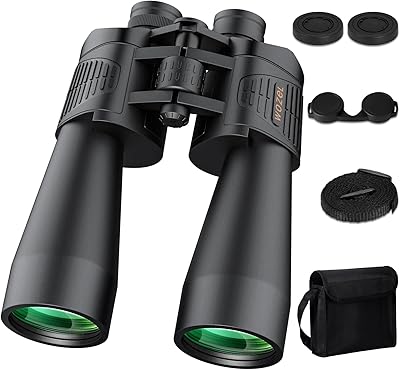
ZIYOUHU 20x50 Binoculars
74%
74%
Optical Clarity
71%
Light Transmission
63%
Magnification Usability
69%
Build Quality
82%
Waterproofing & Fog Resistance
More
Allenjoy 20x50 Binoculars
78%
83%
Optical Clarity
78%
Magnification Performance
69%
Low-Light Performance
81%
Build Quality
88%
Ease of Focus
More
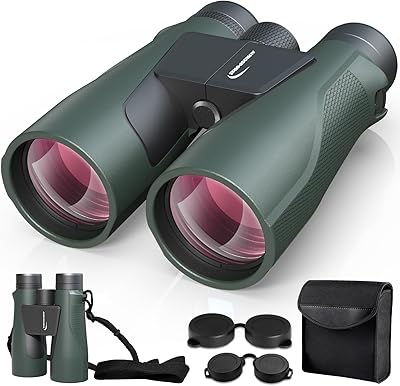
Aurosports 15x56 Binoculars
77%
83%
Optical Clarity
71%
Low-Light Performance
67%
Magnification Usability
76%
Build Quality
88%
Value for Money
More
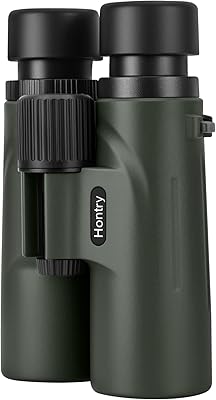
Hontry 8x42 Binoculars
79%
83%
Optical Clarity
91%
Waterproof Performance
88%
Floating Capability
77%
Build Quality
81%
Comfort & Ergonomics
More

FAQ

Technically you can hold them briefly, but at 30x magnification, any hand movement is amplified dramatically and the image becomes too shaky to be useful. Add in the 6.38 lb weight and most people find handheld use exhausting within a minute or two. For anything beyond a casual glance, a sturdy tripod is really not optional here.

Yes, the integrated adapter uses a standard 1/4-inch screw thread, which fits the vast majority of consumer photo tripods. The main thing to check is that your tripod can handle the weight comfortably — a lightweight travel tripod may wobble under 6.38 lbs, which defeats the purpose entirely. A mid-weight tripod rated for at least 8 to 10 lbs is a safer choice.

The Moon is genuinely impressive — you can pick out craters and surface texture with good clarity on a steady night. Jupiter and its four Galilean moons are also visible as distinct points. Saturn's rings are detectable as an oval shape rather than a perfect circle, though not with the crisp detail you'd get from a telescope. Bright star clusters like the Pleiades or Beehive Cluster look spectacular. True deep-sky objects like faint galaxies or nebulae are at the edge of what these 30x80 binoculars can show.

It depends on your sensitivity to it. On high-contrast targets like the bright edge of the Moon against a dark sky, some color fringing — typically purple or green — is noticeable. It's not unique to this model; it's a common trait of large-aperture binoculars at this price point. For most casual stargazers it's an acceptable trade-off, but if sharp, aberration-free optics are a priority, you'd need to spend considerably more.

The double-layer EVA hard case is one of the more practical inclusions at this price. It holds the binoculars securely, latches firmly, and offers real impact protection during car transport. It's not a fully waterproof pelican-style case, but it handles normal outdoor conditions without issue. Most users who travel regularly to observing sites find it more than adequate.

They can work for birdwatching in wide-open terrain like fields or coastlines where birds are perched or slow-moving. The challenge is that 30x magnification gives you a very narrow field of view, making it hard to locate and track birds quickly. The weight also makes extended handheld scanning difficult. If birdwatching is your main goal, a lighter 8x42 or 10x50 binocular would serve you far better.

The twist-up eye cups can be retracted to bring your eyes closer to the eyepiece, which helps eyeglass wearers access more of the field of view. That said, the effective eye relief on high-power binoculars like these tends to be shorter than on lower-power models, so some eyeglass wearers may still see a slight reduction in the usable field. It's worth testing if possible before committing.

If the left and right images don't merge into a single comfortable view, that's a collimation problem. Minor collimation issues can sometimes be corrected through the diopter adjustment, but significant misalignment usually indicates a factory defect. In that case, contact the seller directly for a replacement — using badly collimated binoculars for extended periods will cause eye strain and headaches.

Always start by blowing away loose dust with a bulb blower before touching the glass. Then use a clean, lint-free microfiber cloth and a small drop of lens cleaning solution, working in gentle circular motions from the center outward. Avoid paper towels, clothing fabric, or any dry wiping when there is visible grit on the lens surface — these can scratch the coatings. Keep the lens caps on whenever the binoculars are not in use.

For pure astronomy, a dedicated telescope at a similar price will typically give you higher magnification, better resolving power, and the ability to use interchangeable eyepieces. The Tenjin astronomy binos trade some of that performance for the convenience of a wider field of view, immediate eye-to-target readiness, and the flexibility to use them for non-astronomy purposes. If you know you want to focus almost entirely on deep-sky or planetary observing, a small reflector or refractor telescope might be a smarter long-term investment. But if you value versatility and ease of setup, binoculars of this class are genuinely enjoyable.