Overview

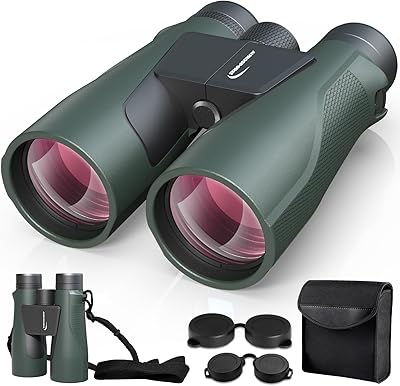
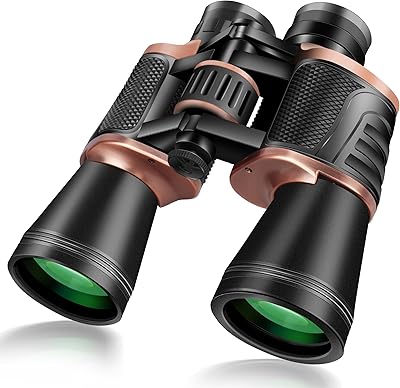
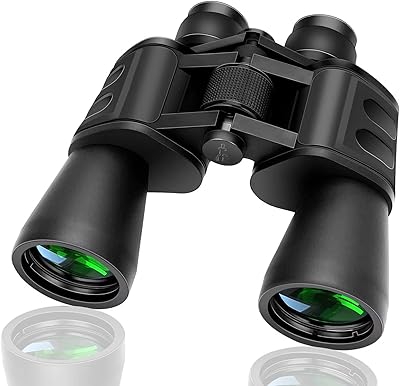
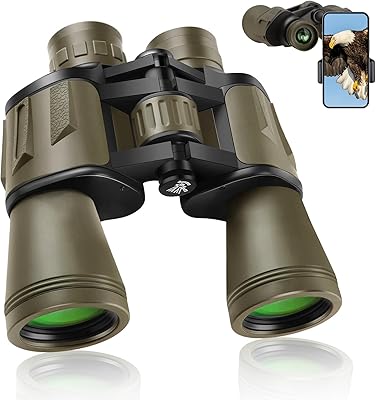
The Deesoo 20x52 Binoculars occupy an interesting spot in the budget optics market — high magnification at a price that won't cause hesitation. Most binoculars at this tier top out at 10x or 12x, so 20x is a genuine differentiator. The body is rubber-armored, fits comfortably in hand, and is compact enough to toss in a daypack without much fuss. Deesoo also opted for BAK-4 prisms and fully multi-coated lenses — components you would normally expect at a higher price point. It's not a professional instrument, but for casual outdoor use, the specs-to-price ratio is hard to ignore.

Features & Benefits

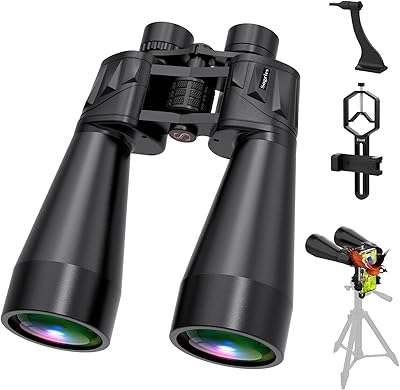
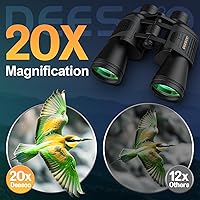
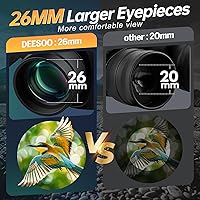
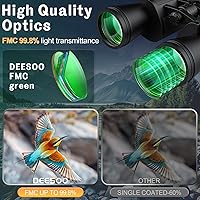
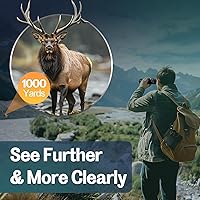
The central draw of this 20x52 optic is, unsurprisingly, the magnification. Pulling distant subjects to 20x through a 52mm objective gives you a field of view around 168 feet at 1,000 yards — useful for spotting birds across a field or tracking game on a hillside. The aspherical, fully multi-coated lenses do a solid job managing light, and the BAK-4 prism keeps images reasonably sharp and contrasty. The 26mm eyepiece is sized to sit comfortably against the eye socket for longer sessions. One practical note: a tripod adapter is built in, which genuinely matters here because handheld shake at 20x is real and noticeable.

Best For

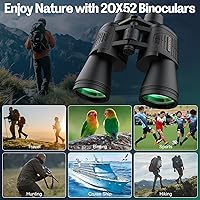
These high-magnification binoculars make the most sense for buyers who want strong zoom without spending significantly more. Birdwatchers working open terrain — meadows, shorelines, wetlands — will appreciate the reach. Hunters scouting at distance will too, though they should plan on bringing a small tripod for steady views. Travelers and cruise passengers who want to catch coastline detail or wildlife from a deck will find the compact size and included bag convenient. It's also a reasonable entry point for anyone new to the category who wants to experience high-powered optics before investing in a more serious piece of glass.

User Feedback

With over 630 ratings averaging 4.5 stars, the Deesoo binos have built a credible track record for a relatively new product. Buyers consistently cite image brightness as a pleasant surprise given the price level, and many find the focus wheel intuitive and easy to dial in quickly. The included carrying bag gets quiet but genuine appreciation. On the critical side, a number of reviewers flag noticeable image shake when hand-holding at 20x — expected at this magnification, but worth knowing upfront. A smaller cluster of feedback points to eye cup comfort being less than ideal for eyeglass wearers, which is worth considering before buying.

Pros

  • 20x magnification at this price point is rare and gives genuine long-range reach for casual users.
  • BAK-4 prisms and fully multi-coated lenses produce image brightness that consistently surprises budget buyers.
  • The central focus wheel is responsive, easy to operate single-handed, and holds calibration well.
  • Compact and light enough for day hikes, travel bags, and cruise packing without hassle.
  • Built-in tripod adapter makes steady long-range viewing possible with an inexpensive third-party tripod.
  • The rubber-armored grip feels secure in hand and handles light outdoor weather without issue.
  • A carrying bag is included and genuinely useful — not just filler packaging.
  • 636-plus ratings averaging 4.5 stars is a credible signal of consistent buyer satisfaction for a newer product.
  • Setup is quick and intuitive, with the diopter adjustment easy enough for first-time binocular owners.

Cons

  • Handheld image shake at 20x is a real and persistent limitation without a tripod for support.
  • Eyeglass wearers frequently cannot see the full field of view due to limited eye relief distance.
  • Edge softness and mild chromatic aberration are noticeable in higher-contrast viewing conditions.
  • Focus wheel sensitivity can make fine adjustments tricky, especially for users with limited hand steadiness.
  • Lens caps fit loosely and have a habit of detaching during field use.
  • The included neck strap feels underbuilt relative to the weight of the binoculars.
  • Low-light performance drops off sharply once ambient light fades below dusk levels.
  • Some units show minor collimation inconsistencies out of the box, requiring diopter correction before first use.
  • Build durability under frequent or rough field use draws mixed long-term feedback from buyers.

Ratings

The Deesoo 20x52 Binoculars have been scored by our AI system after processing hundreds of verified global buyer reviews, with spam, bot-generated, and incentivized submissions actively filtered out. The result is a balanced picture that reflects real-world strengths alongside genuine frustrations — nothing glossed over. Whether this 20x52 optic earns its place in your kit depends heavily on how you plan to use it, and these scores are designed to help you figure that out quickly.

Optical Clarity
74%
26%
For a budget-tier optic, the combination of BAK-4 prisms and fully multi-coated aspherical lenses produces images that regularly surprise first-time buyers. Center sharpness is consistently praised, particularly when viewing subjects in good daylight at distances of 200 to 500 yards. Many birdwatchers noted they could distinguish plumage detail they did not expect at this price.
Edge softness becomes noticeable at higher zoom, and chromatic aberration — color fringing around high-contrast edges like tree branches against a bright sky — shows up in a meaningful portion of reviews. It is not a dealbreaker, but buyers coming from pricier glass will notice the difference immediately.
Magnification Performance
81%
19%
The 20x magnification is a genuine standout in this price bracket, giving users the ability to resolve distant subjects that lower-powered budget binoculars simply cannot reach. Hunters scouting hillsides and birdwatchers scanning open fields consistently rate the zoom reach as the single biggest reason they chose this optic over cheaper alternatives.
At 20x, any hand tremor is dramatically amplified, making handheld use at full magnification genuinely challenging for extended periods. Several reviewers noted that sharp, stable views essentially require a tripod, which is not included and adds to the real cost of ownership.
Build Quality
69%
31%
The rubber-armored exterior gives a reassuring feel in hand and holds up reasonably well to the bumps and scrapes of trail use. Reviewers who used these binos on hiking trips and boat excursions generally found the construction held together without obvious loosening of the barrels or focus wheel over several months.
Longer-term durability drew more mixed signals. Some buyers reported that the focus wheel began to feel loose or gritty after regular outdoor use, and the hinge tension loosened over time. The build is adequate for casual use but does not inspire confidence for demanding or frequent field conditions.
Low-Light Capability
62%
38%
In dim but not dark conditions — dawn birdwatching, late afternoon hunting, or watching an outdoor concert as the sun drops — the 52mm objective lens does gather a respectable amount of light. A number of reviewers specifically mentioned usable visibility during golden hour that exceeded their expectations.
Once true darkness arrives, performance drops off sharply, as the listing itself acknowledges. Buyers who expected near-night capability based on the low-light marketing language reported disappointment. This is a dusk-capable optic, not a night-vision substitute, and that distinction matters for certain use cases.
Image Stability
53%
47%
The rubber grip coating does provide a secure, non-slip hold, which helps reduce minor hand movement in dry conditions. A small number of reviewers who used a compact tripod in tandem with the built-in adapter reported very stable, satisfying views at full 20x magnification.
Handheld stability at 20x is a persistent criticism throughout the review pool. The listing references image stabilization as a feature, but this unit has no electronic or optical stabilization mechanism — only the ergonomic grip. Buyers expecting stabilization comparable to optical image-stabilized binoculars will be let down.
Ease of Focus
83%
The central focus wheel is well-sized, responsive, and easy to operate with one hand while keeping the binoculars raised. Multiple reviewers highlighted how quickly they could lock onto a moving bird or athlete, with the right diopter adjustment holding its calibration reliably once set.
A handful of users found the focus wheel too sensitive — minor rotations produced larger-than-expected shifts in focal point, making fine adjustments slightly frustrating. This was less common feedback but appeared consistently enough across reviews to warrant mention, particularly from users with steadiness limitations.
Eye Comfort & Relief
64%
36%
The 26mm eyepiece opening is generously sized and comfortable for bare-eyed use during extended viewing sessions. Casual users watching sporting events or scanning scenery from a ship deck reported no significant eye strain even after 30 to 45 minutes of continuous use.
Eyeglass wearers appear to represent the most dissatisfied segment. Eye relief distance is limited enough that spectacle users frequently struggle to see the full field of view without removing their glasses. This is a recurring theme in lower-rated reviews and is a genuine functional limitation for a meaningful portion of buyers.
Value for Money
88%
At its price point, it is genuinely difficult to find a 20x optic with BAK-4 prisms and multi-coated lenses from a brand with this volume of verified positive feedback. Buyers consistently frame it as punching above its weight, especially those using it for casual bird watching, travel, or occasional hunting scouting trips.
The value equation shifts if you factor in the near-necessity of a separate tripod for truly usable handheld performance at 20x. Buyers who did not anticipate that additional cost felt slightly misled by the standalone listing, and a few noted the total spend brought them into range of sturdier alternatives.
Portability & Size
78%
22%
At just over 2 pounds and fitting neatly into a standard daypack side pocket, these high-magnification binoculars travel well. Cruise passengers and day hikers in particular praised the manageable footprint, and the included carrying bag keeps them protected and organized without adding bulk.
Compared to compact roof-prism binoculars at similar or slightly higher prices, the Deesoo binos are noticeably heavier and wider. Buyers prioritizing ultralight kits or wanting something that disappears into a jacket pocket will find the size slightly inconvenient for all-day carry.
Weather Resistance
58%
42%
The rubber coating provides a basic level of splash protection that holds up fine for light rain, sea spray, or dewy morning conditions. Several reviewers mentioned using them confidently during light drizzle on birding trips without any issues or internal fogging.
The listing and product specs make clear this is not a waterproof instrument, and submersion or heavy rain exposure risks internal damage. A subset of buyers assumed a higher level of sealing than the product actually offers, leading to disappointed reviews after exposure to more than light moisture.
Setup & First Use
86%
Out of the box, most buyers reported the binoculars required minimal adjustment before being usable. The diopter calibration process is straightforward, and the included documentation — while basic — is sufficient for first-time binocular owners to get oriented without frustration.
A small number of reviewers noted the factory collimation was slightly off on arrival, requiring manual diopter adjustment before images aligned properly between the two barrels. This is not universal, but it does appear periodically enough to suggest some unit-to-unit inconsistency in quality control.
Accessories & Packaging
72%
28%
The carrying bag received genuine appreciation rather than the indifferent acknowledgment budget accessories usually earn. It fits the binoculars snugly, offers basic padding for transport, and several buyers mentioned it added a polished feel to an otherwise entry-level purchase.
A neck strap is included but rated as flimsy by multiple reviewers, with one common complaint being that the attachment hardware feels thin and unreliable under the weight of the binoculars. Lens caps are present but fit loosely and were frequently reported as falling off during field use.
Tripod Compatibility
79%
21%
The integrated tripod adapter is a practical inclusion that meaningfully extends the usability of this 20x52 optic. Reviewers who paired it with an inexpensive compact tripod reported a notably better experience — stable images, reduced fatigue, and significantly sharper views than handheld use alone provides.
No tripod is included, and for an optic where handheld stability is a known limitation at 20x, the omission is a friction point. Some buyers felt the listing underplayed how strongly a tripod is recommended, leading to a few initial disappointments before sourcing one separately.

Suitable for:

The Deesoo 20x52 Binoculars are a strong match for casual outdoor enthusiasts who want serious zoom reach without committing to a high-end optics budget. Birdwatchers working open habitats — marshes, fields, shorelines — will get the most out of the 20x magnification, where distant subjects snap into view that lower-powered budget binoculars simply cannot resolve. Hikers and hunters who scout at range and are willing to carry a compact tripod will find the performance-to-price ratio genuinely compelling. Travelers, cruise passengers, and sporting event fans who want a capable, packable optic for occasional use are also well served here — the included carrying bag makes it easy to toss in luggage without worry. For first-time binocular buyers who want to experience high-powered optics before spending significantly more, this 20x52 optic offers a low-risk entry point with above-average optical components for its class.

Not suitable for:

Buyers who expect steady, sharp handheld views at full magnification will likely be frustrated with the Deesoo 20x52 Binoculars — 20x amplifies hand tremor significantly, and there is no electronic or optical stabilization mechanism in this unit despite the listing language implying otherwise. Serious birders, wildlife photographers, or hunters who spend hours glassing terrain in demanding conditions will quickly outgrow what this optic can reliably deliver, and the build quality under heavy long-term use has drawn enough concern in reviews to give dedicated users pause. Eyeglass wearers face a specific limitation: the eye relief is short enough that seeing the full field of view with spectacles on is genuinely difficult, which is a functional problem rather than a minor inconvenience. Buyers expecting waterproof performance should also look elsewhere — the rubber coating handles light splash but offers no real sealing against sustained rain or moisture. If your use case involves night or very low-light observation, this 20x52 optic is not the right tool, as total darkness renders it essentially useless.

Specifications

  • Magnification: These binoculars deliver a fixed 20x magnification, bringing distant subjects twenty times closer than the naked eye.
  • Objective Lens: The 52mm objective lens diameter allows substantial light intake, supporting image brightness in daylight and dim outdoor conditions.
  • Field of View: At 1,000 yards, the field of view spans 168 feet, giving a broad enough window for scanning open terrain or tracking moving subjects.
  • Eyepiece Diameter: The 26mm eyepiece is sized to align naturally with the human eye socket, reducing strain during extended viewing sessions.
  • Prism Type: BAK-4 (barium crown glass) prisms are used internally, a step above BK-7 prisms in light throughput and edge-to-edge image roundness.
  • Lens Coating: Aspherical lenses with fully multi-coated (FMC) surfaces reduce internal reflections and improve contrast and light transmission across the visible spectrum.
  • Focus System: A central focus wheel combined with an independent right-eye diopter adjustment allows quick general focusing and fine per-eye calibration.
  • Body Material: The exterior is wrapped in a rubber-armor coating that provides a non-slip grip and basic protection against light splashes and minor impacts.
  • Weather Resistance: The rubber coating offers splash resistance suitable for light rain or sea spray, but the unit is not sealed for submersion or prolonged heavy rain exposure.
  • Tripod Mount: A standard tripod adapter thread is built into the body, allowing the binoculars to be mounted on any compatible tripod (sold separately).
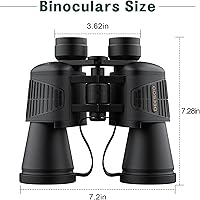
  • Dimensions: The binoculars measure approximately 7.9 x 3.2 x 8 inches, making them compact enough for a daypack but not pocket-sized.
  • Weight: The unit weighs approximately 2.07 lbs (930g), which is moderate for a 20x52 porro-prism design but noticeable during extended handheld use.
  • Low-Light Use: Performance is usable in reduced natural light such as dawn or dusk conditions, but the optic is not functional in total or near-total darkness.
  • Eye Relief: Eye relief is limited, which can restrict full field-of-view access for users wearing corrective eyeglasses during observation.
  • Included Accessories: Each unit ships with a carrying bag, neck strap, lens caps, and a basic user guide; no tripod is included.
  • Target User: Designed for adults engaging in casual outdoor activities such as bird watching, hiking, hunting, travel, and spectator sports.
  • Brand: Manufactured and sold under the Deesoo brand, with the model identifier deesoo2052.
  • Package Dimensions: The retail packaging measures 8.23 x 8.11 x 3.11 inches and the packaged weight is approximately 2.07 lbs.

Related Reviews
DEESOO 25x32 Binoculars
80%
78%
Optical Clarity
71%
Magnification Performance
74%
Low-Light Performance
93%
Portability & Size
69%
Build Quality & Durability
More
Deesoo 12-36x50 HD Binoculars
82%
87%
Magnification Performance
90%
Image Clarity & Sharpness
88%
Ease of Use & Zoom Function
75%
Low Light Performance
82%
Build Quality & Durability
More
FoliumpX 20x50 Binoculars
87%
92%
Optical Performance
89%
Build Quality
81%
Portability
85%
Ease of Use
90%
Waterproof Durability
More
Hontry 8x42 Binoculars
79%
83%
Optical Clarity
91%
Waterproof Performance
88%
Floating Capability
77%
Build Quality
81%
Comfort & Ergonomics
More
Gaterda 22x50 Binoculars
84%
88%
Image Clarity
84%
Field of View
82%
Portability
90%
Build Quality
91%
Waterproof & Durability
More
PISEZ 20x50 Binoculars
72%
72%
Optical Clarity
68%
Magnification Performance
74%
Low-Light Performance
71%
Build Quality & Durability
88%
Value for Money
More
Aurosports 15x56 Binoculars
77%
83%
Optical Clarity
71%
Low-Light Performance
67%
Magnification Usability
76%
Build Quality
88%
Value for Money
More
Rodcirant 15x25 Binoculars
85%
89%
Value for Money
84%
Magnification Performance
95%
Portability and Size
90%
Durability (Waterproof/Fog-proof)
88%
Ease of Use (One-handed Operation)
More
Occer 12x50 Binoculars
87%
89%
Clarity & Sharpness
85%
Ease of Use
88%
Build Quality
91%
Lightweight & Portability
67%
Focus Adjustment Speed
More
WOZEL 20x70 Binoculars
72%
83%
Optical Clarity
78%
Magnification Performance
71%
Low-Light Performance
76%
Build Quality
52%
Handheld Stability
More

FAQ

Honestly, it depends on your expectations. At 20x magnification, any hand movement is significantly amplified, so handheld views will have noticeable shake — especially if you are standing rather than bracing against something. For casual scanning or quick looks, most people manage fine. But if you want truly steady, sharp views for bird identification or distant target spotting, a compact tripod makes a significant difference and is well worth adding.

This is one area where these high-magnification binoculars have a real limitation. The eye relief distance is short enough that eyeglass wearers often cannot take in the full field of view without removing their glasses. If you wear glasses and cannot remove them during use, you may want to consider an alternative model with longer eye relief before purchasing.

Not fully. The rubber-armored exterior handles light splashes, sea spray, and brief drizzle without issue, but this unit is not sealed against sustained rain or water immersion. If you plan to use them in consistently wet environments — kayaking, fishing in the rain, or rainy coastal birdwatching — you would be better served by a purpose-built waterproof model.

Setup is fairly minimal. The main step is calibrating the right-eye diopter to your vision: close your right eye, focus the left barrel on a stationary object using the center wheel, then close your left eye and adjust the right diopter ring until that image is equally sharp. Once set, you typically do not need to repeat this process. A small number of units arrive with slight barrel misalignment, so it is worth checking that both images merge cleanly into one before heading out.

Most general-purpose binoculars sold for outdoor use are 8x or 10x. A 20x optic like this one pulls subjects in twice as close as a 10x pair, which sounds great — and at longer distances it genuinely is. The trade-off is that higher magnification makes handheld shake more visible and narrows the field of view slightly, so you are giving up some ease of use in exchange for reach. For static, long-distance subjects it is a real advantage; for fast-moving targets up close, lower magnification is easier to handle.

Any tripod with a standard 1/4-inch-20 screw thread will work, which covers the vast majority of consumer camera and binocular tripods on the market. A lightweight travel tripod or even a compact tabletop tripod is sufficient — you do not need anything heavy-duty. The built-in adapter thread on the body accepts the mount directly, so no additional bracket is required.

For casual birdwatching in open environments — parks, fields, wetlands, or shorelines — this 20x52 optic performs well above what you would expect at its price point. The reach is genuinely useful for spotting birds at distance, and the image brightness in good daylight is solid. For woodland birding where birds move quickly through dense cover, the narrower field of view at 20x can make tracking harder, and a 8x or 10x binocular often works better in those conditions.

Yes, for stadium sports and outdoor events it works well. The magnification gives you an excellent view from the upper tiers of a stadium or from a distance at an outdoor venue. Since you are usually sitting or bracing against a seat back, hand shake is less of an issue than in field use. Just note that the limited eye relief may be uncomfortable for eyeglass wearers over a full event.

It is a soft bag rather than a hard case, so it is not going to protect against hard drops or compression inside a packed bag. That said, it fits the binos snugly, keeps dust and minor scratches off the lenses, and makes the unit easy to grab and carry on a strap. For general travel and storage it does the job well; if you need serious impact protection, a separate hard case would be the better solution.

They are a workable option for hunting use, particularly for glassing at distance in open country during legal shooting hours. Early morning and late afternoon performance is reasonable given the 52mm objective — dawn and dusk conditions are noticeably usable. However, once light drops below dusk levels they become unreliable, and for serious pre-dawn or post-dusk glassing you would want a higher-end optic with better low-light transmission. A tripod is also strongly recommended for the kind of sustained, focused observation that hunting scouting requires.