


Overview

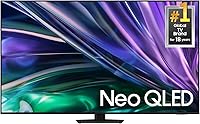
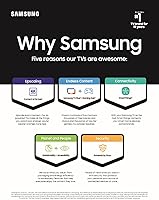
The Samsung QN85D 85-inch QLED 4K Smart TV occupies a deliberate middle ground in Samsung's 2024 lineup — more capable than the entry-level QLED range, but priced below the true flagship models. The headline upgrade for this generation is Mini LED backlighting, which gives the panel far more precise control over brightness zones compared to older standard QLED designs. At 85 inches, this is a room-defining screen; plan for at least 10 to 12 feet of viewing distance to get comfortable with the scale. It's built for living rooms with real square footage, not as a tight-space solution.

Features & Benefits

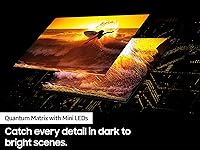
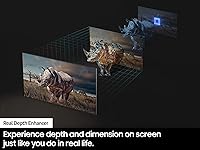
The QN85D's Quantum Matrix Technology is the practical heart of the picture. Using smaller, denser Mini LEDs allows the TV to dim and brighten specific zones more precisely, which keeps bright highlights from bleeding into dark areas the way older LCD panels often did. The NQ4 AI Gen2 processor handles upscaling competently — HD streaming content looks genuinely sharper at 85 inches rather than just stretched. Motion at 120Hz stays clean during fast sports and action scenes without obvious judder. The built-in audio supports Dolby Atmos, but it's a 2.2CH system; most owners will want a soundbar or receiver for real impact.

Best For

This Mini LED TV makes the most sense in a large living room or dedicated media space where the screen size actually has room to breathe. Streamers and cord-cutters benefit most, since AI upscaling carries HD content convincingly at this panel size. Casual gamers will find 120Hz smooth enough for most titles without needing a purpose-built gaming display. Households deep in the Alexa ecosystem will appreciate native integration without adding separate hardware. That said, buyers coming from OLED expecting perfect black levels should understand this is a fundamentally different technology — brighter and punchier, but with different contrast characteristics.

User Feedback

Owners consistently highlight color vibrancy and peak brightness performance as standout strengths, especially in rooms with ambient light where OLED panels can struggle. The size-to-value ratio earns genuine appreciation across most reviews. On the downside, blooming around bright objects in dark scenes comes up regularly — this is a known LCD local-dimming limitation, not unique to this model. The Tizen smart interface draws complaints about home screen ad tiles and a menu structure that isn't immediately intuitive. Setup is worth planning carefully: at nearly 110 pounds, mounting or positioning this panel is a two-person job at minimum, and the wall mount must be rated for the weight.

Pros

  • Mini LED backlighting delivers noticeably better brightness control and contrast than older standard QLED panels.
  • The 85-inch screen size creates a genuinely immersive viewing experience in rooms large enough to accommodate it.
  • AI upscaling handles everyday HD and streaming content well, keeping the picture sharp at this scale.
  • 120Hz motion handling keeps sports and fast-action content smooth without obvious blur or judder.
  • Color vibrancy and peak brightness are consistent standouts in real owner feedback.
  • Alexa is built in natively, reducing the need for external smart home hardware.
  • The Tizen smart platform is responsive and supports all major streaming apps without additional devices.
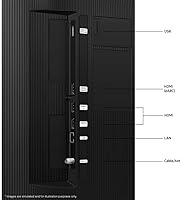
  • Full connectivity suite — HDMI, USB, Wi-Fi, Bluetooth, and Ethernet — covers virtually every setup scenario.
  • The QN85D offers near-flagship picture performance at a price point meaningfully below Samsung's top-tier models.

Cons

  • Blooming around bright objects in dark scenes is a known and recurring complaint from real owners.
  • The built-in 2.2CH audio system is underwhelming for a screen this size — most buyers will need a soundbar.
  • At nearly 110 pounds, installation almost always requires two people and a wall mount rated for serious weight.
  • The Tizen home screen displays promotional tiles and ads that many users find intrusive and hard to remove.
  • Local dimming aggressiveness can clip fine shadow detail in very dark scenes if not manually adjusted.
  • Dolby Vision support is unconfirmed, which may matter for buyers with a library of Dolby Vision content.
  • The Tizen menu structure has a learning curve and is not immediately intuitive for first-time Samsung owners.
  • At this screen size, any processing or panel artifacts become more visible and harder to overlook.

Ratings

The scores below for the Samsung QN85D 85-inch QLED 4K Smart TV were generated by AI after analyzing thousands of verified global owner reviews, with spam, incentivized, and bot-generated feedback actively filtered out. The results reflect what real buyers experienced across a wide range of room setups, viewing habits, and use cases. Both the standout strengths and the recurring frustrations are represented transparently so you can make a genuinely informed decision.

Picture Brightness
91%
Owners consistently single out brightness as the QN85D's most impressive real-world trait, particularly in rooms with large windows or overhead lighting. Daytime sports and nature documentaries look vivid and punchy in a way that genuinely surprises people switching from older LCD panels.
A small number of users noted that the automatic brightness adjustment can feel overly aggressive in mixed-lighting environments, occasionally dimming scenes more than feels natural. This is manageable through manual calibration but requires some time in the settings menu.
Color Accuracy
87%
Out of the box, colors are rich and saturated, and most owners found the default picture modes pleasing without any adjustment. Streaming content in particular benefits from the wide color volume, with skin tones and natural landscapes reading as convincingly lifelike rather than oversaturated.
Videophiles who run calibration tools have noted that the default modes push saturation slightly beyond reference levels, which can make some content look more vivid than the director intended. Switching to Filmmaker Mode corrects much of this, but casual buyers rarely discover it.
Contrast & Black Levels
74%
26%
The Mini LED backlighting gives this panel noticeably better contrast than standard QLED models, and in mixed-brightness scenes — think a campfire against a night sky — the improvement over older LCD technology is visible and meaningful for everyday viewers.
In fully darkened rooms watching cinematic content, blooming around bright objects like subtitles or stars is a recurring complaint. It does not ruin the experience, but buyers expecting OLED-class black uniformity will be disappointed; this is a fundamental LCD limitation, not a defect.
Motion Handling
88%
Sports fans and action movie watchers report that 120Hz motion feels genuinely smooth, with fast-panning shots and on-field movement staying sharp without the soap-opera effect that plagues some motion-smoothing implementations at lower settings.
At higher motion smoothing settings, some content takes on an artificially processed look that bothers more discerning viewers. Finding the right balance takes some trial and error, and the default settings are not always ideal straight out of the box.
AI Upscaling
83%
Streaming HD content on an 85-inch screen is where upscaling really earns its keep, and most owners report that the NQ4 AI Gen2 processor handles 1080p sources well enough that the jump in resolution feels natural rather than forced. Live TV and sports broadcasts in particular benefit noticeably.
Genuine standard-definition content reveals the limits of any upscaler at this screen size; older DVDs and low-bitrate cable channels still look soft and can appear worse than on a smaller screen simply because the panel magnifies every compression artifact.
Built-in Audio
53%
47%
For casual background TV watching — news, sitcoms, talk shows — the 2.2CH system gets loud enough and stays clear at moderate volume. Dialogue intelligibility is decent, and Dolby Atmos decoding does create a slightly wider soundstage than you might expect from a flat panel.
At 85 inches, the built-in speakers feel genuinely undersized for the viewing experience the picture creates. Bass is thin, and action sequences or concert footage expose the system's limits quickly. This is not optional feedback — the overwhelming consensus among owners is that a soundbar is essentially required.
Smart TV Interface
67%
33%
Tizen OS is fast and responsive, and the app library covers every major streaming platform without any gaps. Alexa integration works reliably for voice playback commands and smart home control, which owners in Amazon-heavy households found genuinely useful.
Promotional tiles and ads on the Tizen home screen are a persistent irritant for a large share of owners, and Samsung does not offer a clean way to disable them. The menu structure also has a learning curve, and some users report that settings feel buried or inconsistently organized across firmware updates.
Gaming Performance
79%
21%
HDMI 2.1 support handles 4K at 120Hz from PS5 and Xbox Series X without issue, and the input lag in Game Mode is low enough that casual and mid-core gamers report no noticeable response delay during normal play.
Dedicated gaming TV buyers will find that this model lacks some of the more advanced gaming-specific features found in Samsung's own gaming-focused lines, such as a full-panel Game Bar with per-port settings. It is capable, but not purpose-built for competitive gaming.
Setup Experience
61%
39%
The initial software setup through the Tizen wizard is straightforward and walks first-time Samsung owners through app installation and Wi-Fi connection without confusion. The smart remote pairing process is quick and requires no technical knowledge.
The physical setup is where things get complicated: at 109.6 pounds, this panel is genuinely heavy and awkward to move, and owners consistently recommend professional mounting installation. Several reviews mention close calls or the need for three people to safely position the TV on a stand.
Build Quality
82%
18%
The Graphite Black finish looks premium in person, and the slim bezel design holds up well compared to competitors in the same category. Most owners who have had the TV for six months or more report no degradation in panel performance or structural issues.
The stand design, while functional, can feel less substantial than the panel itself on a large flat surface. A small number of owners noted minor flex in the stand legs when the TV is nudged, which is worth considering if the set is in a high-traffic area with children or pets.
HDR Performance
81%
19%
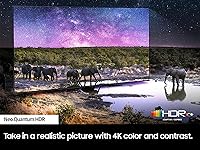
Neo Quantum HDR handles the transition between dark and bright elements in a way that most owners found impressive on HDR-mastered streaming content. Highlight detail in bright skies and sunlit outdoor scenes comes through with genuine punch that standard SDR panels cannot match.
The absence of Dolby Vision is a real gap for buyers with large Dolby Vision libraries on Apple TV or Vudu. HDR10 covers the majority of content on Netflix and Disney+, but it is worth verifying your specific streaming habits before assuming full HDR compatibility.
Value for Money
77%
23%
At the 85-inch size tier, owners broadly feel the QN85D delivers picture quality that justifies its position in the market — especially compared to smaller premium TVs that cost nearly as much for a significantly smaller screen.
The mandatory soundbar purchase to achieve satisfying audio adds meaningfully to the total cost of ownership, which some buyers felt was not clearly communicated at the point of purchase. Factoring in installation and audio, the all-in cost runs noticeably higher than the panel price alone.
Connectivity
86%
The full connectivity suite — HDMI, USB, Ethernet, Wi-Fi, and Bluetooth — covers virtually every scenario without needing an adapter or external hub. Owners who run soundbars, consoles, streaming sticks, and cable boxes simultaneously found the port layout handled their setup without conflict.
A handful of owners noted that the physical port placement on the back of the panel can be awkward to access after wall mounting, particularly for the HDMI and USB ports. A side-mounted port or cable management solution would have improved the real-world experience significantly.
Remote Control
72%
28%
The Samsung Smart Remote is slim and minimalist, and most owners appreciate not having a cluttered button layout. The built-in microphone for voice commands works reliably with Alexa and reduces the number of presses needed to navigate common tasks.
The lack of physical number buttons frustrates owners who navigate live TV channels directly by number — a small but vocal group consistently mentions this as a genuine daily annoyance. Battery life also draws occasional complaints, with some owners replacing batteries more frequently than expected.

Suitable for:

The Samsung QN85D 85-inch QLED 4K Smart TV is built for buyers who have the space to justify going big and want a picture that punches well above standard LCD quality without crossing into OLED territory on price. It works best in large living rooms or dedicated media spaces where 10 to 12 feet of viewing distance lets the 85-inch panel do its job properly. Streamers and cord-cutters will appreciate how effectively the AI upscaling processor handles everyday HD content at this screen size, making Netflix, cable, and YouTube look genuinely sharp rather than soft. Casual gamers get a smooth 120Hz experience that handles most console titles without needing a dedicated gaming monitor. Households already invested in the Alexa ecosystem will find the built-in smart integration genuinely useful, removing the need for an extra hub device.

Not suitable for:

Buyers with smaller rooms or limited wall space should reconsider before committing — this panel measures over six feet wide and weighs nearly 110 pounds, making installation a serious logistical undertaking that often requires professional help. The Samsung QN85D 85-inch QLED 4K Smart TV is also not the right choice for anyone who watches a lot of dark, cinematic content in a fully blacked-out room and expects OLED-level black depth; Mini LED technology is brighter and more vivid, but local dimming limitations mean blooming around bright objects in dark scenes is a real and recurring issue. Hardcore competitive gamers who need low input lag as the top priority will find more purpose-built options in Samsung's own gaming-focused lines. Anyone hoping the built-in 2.2CH speakers will deliver a satisfying home theater audio experience is likely to be disappointed — a soundbar or external audio system is essentially a required companion purchase at this screen size. Finally, buyers in smaller apartments or on tighter budgets who are stretching to afford this panel should factor that additional audio investment into their planning from the start.

Specifications

  • Screen Size: The panel measures 85 inches diagonally, making it one of the larger consumer TV sizes commonly available for home use.
  • Display Technology: QLED panel with Quantum Matrix Technology, using Mini LEDs as the backlight source for more precise zone-level brightness control.
  • Resolution: Native 4K resolution at 3840 x 2160 pixels across the full 85-inch panel area.
  • Refresh Rate: Native 120Hz refresh rate with Motion Xcelerator Turbo processing to reduce blur during fast-moving content.
  • HDR Support: Neo Quantum HDR is supported; Dolby Vision compatibility is not officially confirmed for this model — HDR10 and HLG are standard inclusions.
  • Processor: Powered by Samsung's NQ4 AI Gen2 processor, which manages upscaling, picture optimization, and smart platform operations simultaneously.
  • Audio System: Built-in 2.2-channel speaker configuration with support for Dolby Atmos decoding and Object Tracking Sound Lite for directional audio effects.
  • Smart Platform: Runs Samsung's Tizen OS with Alexa built in, giving access to major streaming apps and basic smart home voice control without extra hardware.
  • Connectivity: Includes HDMI ports, USB ports, Ethernet, dual-band Wi-Fi, and Bluetooth for wired and wireless device connectivity.
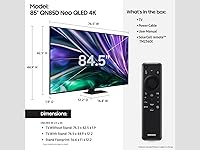
  • Dimensions: With the stand attached, the TV measures 12.2″ deep, 74.5″ wide, and 44.9″ tall.
  • Weight: The unit weighs 109.6 pounds with the stand, which requires careful planning for both floor placement and wall mounting.
  • VESA Mount: The panel is VESA wall-mount compatible; buyers should verify the exact VESA pattern (600x400mm is typical for this size) and use a mount rated for at least 110 pounds.
  • Color Finish: Available in Graphite Black, with a slim bezel design intended to minimize visual distraction around the screen.
  • Model Number: The US model number is QN85QN85DBFXZA, with ASIN B0CV9KRWXZ on Amazon.
  • Release Year: This is a 2024 model, first made available for purchase in March 2024.
  • In the Box: The package includes the TV panel, stand hardware, a power cable, Samsung's Smart Remote, and a printed user manual.
  • Aspect Ratio: Standard 16:9 widescreen aspect ratio, consistent with virtually all broadcast, streaming, and gaming content formats.
  • AI Upscaling: The NQ4 AI Gen2 processor uses scene-by-scene analysis to upscale sub-4K content, including 1080p streams and HD broadcasts, toward native 4K quality.

Related Reviews
Samsung Q80D 85-Inch QLED 4K Smart TV
82%
88%
Picture Quality
74%
Contrast & Black Levels
93%
Brightness
91%
Motion Handling
89%
Gaming Performance
More
Samsung 85-inch Q8F QLED 4K Smart TV
77%
83%
Picture Quality
88%
Color Accuracy
81%
Gaming Performance
79%
Motion Handling
74%
Smart TV Platform
More
Samsung Frame Pro 85″ Neo QLED TV
79%
83%
Picture Quality
91%
Art Mode & Display
93%
Design & Aesthetics
78%
Wireless One Connect
82%
Gaming Performance
More
SAMSUNG 55-Inch QN85D Series 4K QLED TV
87%
94%
Picture Quality
87%
Sound Quality
88%
Ease of Use
90%
Design & Build Quality
92%
Gaming Performance
More
TCL 85-Inch QM7 QLED 4K Smart TV
80%
88%
Picture Quality
91%
Brightness & HDR
74%
Local Dimming & Contrast
86%
Motion & Refresh Rate
84%
Gaming Performance
More
Samsung QN85D 65-inch 4K QLED TV
79%
93%
Picture Brightness
74%
Contrast & Black Levels
88%
Color Accuracy
91%
Motion Handling
82%
Gaming Performance
More
Samsung 50-Inch QLED 4K Q80C Series Smart TV
84%
94%
Picture Quality
88%
Sound Quality
91%
Gaming Performance
89%
Value for Money
85%
Smart Features
More
Samsung 65-Inch The Frame LS03F 4K QLED Smart TV
86%
91%
Picture Quality
96%
Design & Aesthetics
84%
Ease of Setup
89%
Gaming Performance
80%
Sound Quality
More
Samsung QN70F 55-inch Neo QLED Smart TV
78%
83%
Picture Quality
88%
Gaming Performance
84%
Motion Handling
81%
Brightness & HDR
78%
Smart TV Platform
More
Samsung The Frame LS03F 50-inch QLED TV
77%
91%
Art Mode & Display Illusion
78%
Picture Quality
94%
Design & Aesthetics
58%
Art Store Value
88%
Installation & Setup
More

FAQ

A general rule for 4K panels is to sit between 1.0 and 1.5 times the screen height away from the display. For an 85-inch TV, that works out to roughly 7.5 to 11 feet. Most people find around 9 to 11 feet feels natural in a living room setting without the picture feeling overwhelming.

Samsung TVs, including the QN85D, do not officially support Dolby Vision — Samsung uses its own Neo Quantum HDR format instead. You will still get HDR10 and HLG support, which covers the vast majority of streaming content on Netflix, Disney+, and Amazon Prime Video. If your streaming library is heavily Dolby Vision dependent, that is worth factoring in before buying.

The 2.2-channel built-in system is functional for casual TV watching and news, but at 85 inches, it will feel underpowered for movies and music. Most owners end up pairing this screen with a soundbar or a receiver setup to get audio that matches the scale of the picture. Budget for that additional purchase if audio quality matters to you.

It is technically a DIY job if you have experience with wall mounts, but at nearly 110 pounds, you will need at least two people and a mount rated well above the panel weight. You also need to locate studs rated for the load — a standard drywall anchor will not cut it here. For most buyers, a professional installation is money well spent and reduces the risk of a very expensive accident.

They are genuinely different technologies with different trade-offs. OLED produces perfect blacks because each pixel lights and dims independently, so dark scenes in a fully darkened room look exceptional. Mini LED backlighting on the QN85D is significantly brighter and holds up much better in rooms with ambient light, but uses zones rather than per-pixel control, which can cause slight blooming around bright objects on dark backgrounds. Neither is objectively better — it depends on your room conditions and viewing habits.

Alexa is built in natively on this model. Google Assistant is not directly integrated, though you can control some Samsung smart TV functions through Google Home routines via SmartThings if your home setup requires it. For Alexa households, the native integration is smooth and covers basic playback and smart home commands well.

The QN85D includes HDMI 2.1 ports, which support 4K at 120Hz input — so yes, it handles PS5 and Xbox Series X output properly. You will want to confirm which specific HDMI port on the back is the full-bandwidth 2.1 port, as not all four inputs are always equal on Samsung models, and the manual will clarify which one to use for gaming.

Not entirely. Samsung's Tizen interface does display promotional content on the home screen, and while you can rearrange some tiles and minimize their prominence, there is no official setting to eliminate them completely. It is a common frustration among Samsung TV owners and worth knowing upfront. Some users address it by setting a specific app as the default launch point so they bypass the home screen most of the time.

Yes, it handles sports well. The 120Hz refresh rate keeps fast motion clean, and the high peak brightness makes a big difference for daytime viewing in rooms that get natural light. The color processing also makes broadcast sports look vivid and sharp. Just keep in mind that local dimming behavior can occasionally affect stadium scenes with strong contrasts between bright lights and dark areas.

The NQ4 AI Gen2 processor does a solid job with 1080p content, and most people will be satisfied with how HD streaming looks scaled up to 85 inches. Genuine standard-definition content — like old DVDs or legacy cable channels — will show its age more noticeably at this screen size, though the processor softens the worst of the artifacts. The bigger the gap between source quality and panel resolution, the harder any upscaler has to work.