Overview

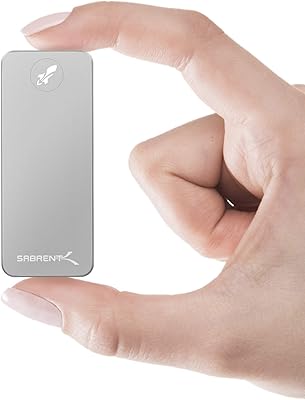
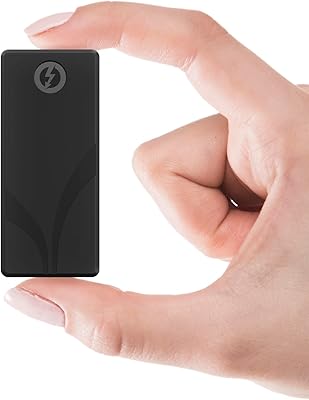
The Sabrent Rocket Nano V2 4TB External SSD is the second generation of Sabrent's compact powerhouse, and the upgrade in capacity alone makes it worth a close look. Built around a USB 3.2 Gen 2x2 interface, this nano SSD pushes real-world transfer speeds well past what most portable drives can manage. The aluminum body keeps things rigid and professional-looking, while a fitted silicone sleeve absorbs the occasional bump without adding meaningful bulk. At the premium end of the portable storage market, it squarely targets creators and power users who refuse to compromise between speed and portability.
Features & Benefits

Sustained reads hitting up to 1500 MB/s means the Rocket Nano V2 can handle 8K RAW offloads without breaking a sweat — tasks that would bottleneck a standard USB 3.2 Gen 1 drive are simply non-issues here. The aluminum chassis doubles as a passive heatsink, which genuinely helps during long continuous transfers. Sabrent includes both a Type-C to Type-A and a Type-C to Type-C cable, so you are covered regardless of what port your laptop or camera hub offers. The native UFD controller keeps compatibility broad across Windows, Mac, Linux, and Chrome OS, and the plug-and-play setup requires zero driver installation.

Best For

This portable drive makes the most sense for videographers capturing or offloading 4K and 8K footage on location, where speed and reliability matter more than saving a few dollars. Photographers shuttling large RAW batches between a studio machine and a field laptop will also get clear, practical value. It works well as expanded storage for a gaming laptop or console with a USB-C port, and its rugged build suits students or remote workers who carry a bag that takes real-world abuse. One honest caveat: peak speeds require a host device that actually supports USB 3.2 Gen 2x2 — older ports will cap performance noticeably.

User Feedback

Buyers have pushed the overall rating to 4.7 out of 5 across nearly 600 ratings, with the most consistent praise aimed at the build quality and the fact that real-world speeds track closely with advertised figures — a detail that matters and is not always true with competing drives. A portion of critical reviews mention the drive running warm during sustained large transfers, which is worth knowing if your workflow involves hours of continuous writing. A few buyers flagged the bundled cables as feeling thinner than expected. Compared to alternatives from Samsung or WD, most reviewers position the Rocket Nano V2 as the stronger choice when raw throughput is the priority.

Pros

  • Real-world read speeds consistently land close to the advertised 1500 MB/s ceiling, which is rare in this category.
  • 4TB capacity in a sub-two-ounce body is a genuinely unusual combination that very few competing drives offer.
  • The aluminum housing doubles as passive cooling, keeping temperatures manageable during typical offload sessions.
  • Plug-and-play compatibility across Windows, Mac, Linux, and Chrome OS means no driver installs or reformatting surprises.
  • Both a Type-C to Type-A and a Type-C to Type-C cable are included, covering most real-world port setups out of the box.
  • The silicone sleeve absorbs everyday knocks without adding meaningful bulk or weight to your carry.
  • At #72 in External SSDs, buyer confidence in this portable drive is backed by nearly 600 ratings averaging 4.7 stars.
  • High-endurance NAND with wear management gives the drive a credible lifespan for professional daily use.
  • Silent operation makes the Rocket Nano V2 usable in quiet recording or interview environments where a spinning drive would be disruptive.
  • Setup is genuinely immediate — plug it in and it works, with no software prompts or configuration steps required.

Cons

  • Peak speeds are only achievable on a host device with a USB 3.2 Gen 2x2 port, which many laptops still lack.
  • The bundled cables feel noticeably thin for a premium-priced drive and several buyers replaced them quickly.
  • No included software for backup scheduling, encryption, or drive health monitoring, unlike some direct competitors.
  • The silicone sleeve attracts lint and dust aggressively, which looks scruffy after a few weeks of regular carry.
  • Warranty coverage requires manual registration with the manufacturer — easy to forget and difficult to claim without it.
  • The indicator light is dim enough to be nearly invisible in direct sunlight, limiting its usefulness on outdoor shoots.
  • Thermal throttling under multi-hour continuous writes is a real concern in warm ambient environments.
  • The out-of-box exFAT format requires reformatting for users who need APFS or NTFS with full journaling support.
  • Long-term reliability data is still limited given the drive launched in late 2022, leaving multi-year durability an open question.

Ratings

The Sabrent Rocket Nano V2 4TB External SSD earns its strong reputation across thousands of verified buyer reviews worldwide — our AI-driven scoring actively filters out incentivized and bot-generated feedback to reflect what real users actually experience. The scores below capture both where this portable drive genuinely excels and the friction points that show up repeatedly in critical reviews. Expect a transparent picture, not a highlight reel.
Transfer Speed
93%
Buyers consistently confirm that real-world read speeds land close to the advertised ceiling, which is rare in this category. For creators offloading 8K footage on a tight turnaround, that consistency translates directly into time saved on set rather than waiting at a laptop.
Hitting those peak figures requires a host port that actually supports USB 3.2 Gen 2x2, and plenty of users discovered this the hard way. On older USB-A or Gen 1 ports, speeds drop sharply and the drive offers far less of a performance advantage over cheaper alternatives.
Build Quality
89%
The aluminum shell feels genuinely solid in hand — not plasticky or hollow like many competing drives at lower price points. Combined with the fitted silicone sleeve, the overall package inspires confidence for users who carry gear in packed camera bags or backpacks.
A small but consistent group of buyers noted that the silicone sleeve attracts lint and dust aggressively, which can look scruffy after a few weeks of daily carry. The sleeve also makes it slightly harder to read the indicator light in bright outdoor conditions.
Portability & Form Factor
96%
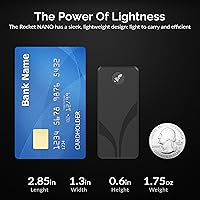
Weighing under two ounces and roughly the size of a large USB stick, this nano SSD disappears into a jacket pocket or clips onto a camera rig without adding noticeable bulk. Videographers and travel photographers specifically called out how little mental space it takes up in a kit.
The compact size is a trade-off for those who prefer tactile confidence when plugging and unplugging in the dark or in a hurry. A couple of reviewers mentioned accidentally dislodging the cable during a transfer because the drive is so light it moves with the cable.
Thermal Management
71%
29%
The aluminum chassis does measurable work as a passive heatsink during moderate transfers, keeping the drive stable during typical offload sessions of 10 to 20 minutes. Most users in studio or desk environments reported no thermal throttling during everyday use.
Under prolonged continuous writes — think multi-hour 8K capture sessions or large RAID-style backups — the drive gets noticeably warm, and some users reported speed dips consistent with thermal throttling. In hot ambient environments, like outdoor shoots in summer, this becomes a more frequent complaint.
Compatibility
88%
The native UFD controller handles cross-platform use cleanly, with buyers confirming plug-and-play functionality across Windows, Mac, Linux, and Chrome OS without any driver headaches. Gamers also noted solid compatibility with USB-C-equipped consoles.
Windows users occasionally reported needing to reformat the drive out of the box for their specific workflow, which is a minor but real friction point. A handful of Linux users mentioned the drive not mounting automatically on older kernel versions without a manual workaround.
Included Accessories
74%
26%
Bundling both a Type-C to Type-A and a Type-C to Type-C cable is a practical decision that most competitors skip, and field users appreciated not needing to hunt for an adapter on day one. The cables are long enough for comfortable desktop use.
The cables themselves drew repeated criticism for feeling thin and somewhat flimsy relative to the price of the drive. Several buyers replaced them quickly with braided third-party alternatives, suggesting Sabrent cut corners here to keep the overall package price down.
Value for Money
77%
23%
At 4TB in a nano form factor with genuine Gen 2x2 speeds, this portable drive sits in a narrow competitive tier where very few alternatives can match the combination of capacity and throughput. Buyers who specifically needed that pairing felt the price was justified.
For users who do not actually need 1500 MB/s — for example, those accessing documents or photos rather than editing video directly from the drive — the price premium over a solid Gen 1 SSD is hard to rationalize. Budget-conscious buyers frequently flagged this in one- and two-star reviews.
Long-Term Reliability
79%
21%
The high-endurance NAND and built-in wear management give buyers reasonable confidence for sustained professional use, and there are multi-year ownership reports with no reported failures in the review pool. The drive does not show early signs of degradation under normal workloads.
The sample size of truly long-term reviews is still limited given the late 2022 launch date, so durability over a three-to-five-year heavy-use cycle remains an open question. A small number of users reported unexpected disconnects after several months of frequent use.
Warranty & Support
68%
32%
Sabrent's technical support team received positive mentions from users who actually needed help, with response times described as faster than expected for a brand of this size. The warranty itself covers a reasonable window for professional use cases.
The requirement to register the drive with the manufacturer to activate full warranty coverage is a friction point that catches buyers off guard, and those who skip registration have reported difficulty making claims. The process itself was described as clunky by several reviewers.
Software & Ecosystem
54%
46%
For plug-and-play users who need no extra software, the absence of bloatware is actually a positive — the drive shows up and works without any installation prompts. Power users who want a bundled encryption or backup utility will find the native experience adequate for basic tasks.
There is no included management software, hardware encryption, or companion app, which competing drives from Samsung and WD do offer. For enterprise or security-conscious buyers, this gap is a genuine dealbreaker rather than a minor inconvenience.
Read Speed Consistency
91%
Benchmark results shared by buyers across multiple platforms show read speeds holding close to rated figures with minimal variance across file types, which is a meaningful quality signal. Large sequential reads — the kind involved in video playback or editing — are particularly stable.
Write speed consistency is less impressive than read performance, and buyers copying mixed small-file payloads reported speeds that looked far less spectacular than the headline figure. This is common in the category but worth flagging for users whose workflow involves a lot of small asset transfers.
Indicator Light
62%
38%
The activity indicator is a small but appreciated detail, giving users a quick visual confirmation that a transfer is active — useful when the drive is tucked behind a monitor or buried in a docking station setup.
Multiple reviewers noted the indicator is dim and almost invisible in direct sunlight, making it useless during outdoor shoots where it would be most helpful. A few users also mentioned the light stays on even during idle states, which caused unnecessary anxiety about accidental writes.
Setup Experience
92%
Out of the box, the drive is recognized immediately on every major platform with no setup steps required. Buyers switching from older spinning drives or slower SSDs consistently described the first-use experience as refreshingly straightforward.
The out-of-box formatting is exFAT, which works cross-platform but may require reformatting for users who want APFS on Mac or NTFS on Windows for journaling and permissions. This is an industry-wide norm but still generates occasional confusion in reviews from less technical buyers.
Noise & Vibration
97%
Being a solid-state drive with no moving parts, the Rocket Nano V2 operates in complete silence, which matters in quiet recording environments like voice-over studios or interview setups where a spinning drive would introduce audible noise.
There is essentially nothing negative to say here by design — the only minor note is that the aluminum body can resonate faintly if placed on a hollow surface during intense transfers, though this was mentioned by only a tiny fraction of reviewers and is negligible in practice.

Suitable for:

The Sabrent Rocket Nano V2 4TB External SSD was clearly designed with working creators in mind, and that focus shows in almost every aspect of its construction. Videographers who shoot 4K or 8K and need a dependable drive for on-set capture or end-of-day offloads will find the speed-to-size ratio hard to beat — there are very few portable options that can match both the capacity and the throughput in a package this small. Photographers who shuttle large RAW files between a studio workstation and a location laptop will appreciate the rugged aluminum and silicone build, which inspires genuine confidence in a bag that takes daily wear. Gamers with a USB-C-equipped console or gaming laptop looking to expand storage without adding desk clutter will also find this nano SSD a natural fit. More broadly, any power user who has hit the ceiling of a standard 5 Gbps portable drive and wants a real, tangible speed upgrade without sacrificing portability has a compelling case for choosing this drive.
Not suitable for:

The Sabrent Rocket Nano V2 4TB External SSD makes less sense for buyers whose workflow does not actually demand the speeds it delivers — and that is a larger group than the marketing suggests. If your primary use case is storing documents, music, or casual photo libraries and your laptop only has USB 3.2 Gen 1 or older USB-A ports, you will never come close to the drive's performance ceiling, and the premium price becomes hard to justify against simpler, more affordable options from WD or Samsung. Budget-conscious buyers who need reliable external storage but do not do high-bitrate video work are paying a significant premium for headroom they will never use. Users who want built-in hardware encryption, a companion backup app, or enterprise-grade security features will find the bare-bones software experience frustrating compared to what competing drives in a similar price bracket offer. Anyone running prolonged continuous write sessions in warm outdoor environments should also be cautious, as the drive can throttle under sustained thermal stress without active cooling.
Specifications

  • Capacity: The drive offers 4TB of usable solid-state storage, placing it at the high end of the portable SSD capacity range.
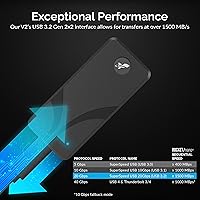
  • Interface: Connects via USB 3.2 Gen 2x2, which supports a theoretical bandwidth of 20 Gbps for maximum throughput.
  • Max Transfer Speed: Rated for sequential read speeds of up to 1500 MB/s under optimal conditions with a compatible host controller.
  • Connector Type: Uses a USB-C port on the drive itself; both a Type-C to Type-C and a Type-C to Type-A cable are included in the box.
  • Dimensions: The drive measures 2.85 x 1.28 x 0.57 inches, making it roughly the size of a large USB stick.
  • Weight: At 1.76 oz, the drive is light enough to carry in a shirt pocket or attach to a camera rig without noticeable added mass.
  • Housing Material: The outer shell is machined aluminum with a fitted external silicone sleeve that provides grip and basic drop protection.
  • Form Factor: Built around a 2242 (22mm x 42mm) internal module, which contributes directly to the drive's compact footprint.
  • Drive Type: Solid-state drive with no moving parts, using high-endurance NAND flash memory with built-in wear-leveling management.
  • OS Compatibility: Works natively with Windows, macOS, Linux, and Chrome OS without requiring any driver installation.
  • Installation: Plug-and-play out of the box; the drive is pre-formatted in exFAT for broad cross-platform compatibility.
  • Indicator Light: An activity LED on the drive body provides a visual signal when data is being read from or written to the drive.
  • Thermal Design: The aluminum chassis acts as a passive heatsink, dissipating heat generated during sustained transfers without a fan or active cooling.
  • Controller: Uses a native UFD controller architecture designed to minimize compatibility issues across a wide range of host devices.
  • Warranty: Covered by a manufacturer warranty that requires product registration directly with Sabrent to activate full coverage terms.
  • Brand & Series: Manufactured by SABRENT under the Rocket Nano product line; this unit is the second generation, designated V2.
  • Backward Compatibility: Fully backward compatible with USB 3.2 Gen 1, USB 3.0, and USB 2.0 ports, though speeds are limited by the host interface.
  • BSR Ranking: Ranked #72 in the External Solid State Drives category on Amazon at time of review, with a 4.7-star average from 597 ratings.

Related Reviews
Sabrent 1TB Rocket Nano V2 External SSD
85%
93%
Performance
90%
Build Quality
88%
Portability
85%
Compatibility
92%
Value for Money
More
SABRENT Rocket Nano 2TB External SSD
87%
94%
Transfer Speed
92%
Portability & Size
90%
Build Quality
88%
Ease of Use
85%
Compatibility
More
Sabrent Rocket 4 4TB NVMe SSD
88%
95%
Performance
91%
Compatibility
93%
Speed (Read/Write)
88%
Reliability
87%
Power Efficiency
More
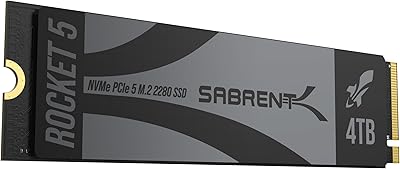
SABRENT Rocket 5 4TB NVMe SSD
88%
94%
Performance
92%
Transfer Speed
89%
Compatibility
88%
Build Quality
75%
Cooling Efficiency
More
Sabrent 4TB Rocket 4 Plus NVMe 4.0 Gen4 PCIe M.2 SSD
87%
95%
Performance
89%
Thermals & Cooling
93%
PS5 Compatibility
85%
Value for Money
91%
Build Quality & Durability
More
VectoTech Rapid 4TB External SSD
87%
92%
Performance
89%
Build Quality
88%
Durability
94%
Portability
84%
Compatibility
More
SABRENT Rocket Nano XTRM 1TB
91%
96%
Data Transfer Speed
91%
Build Quality
94%
Portability
89%
Compatibility
92%
Ease of Setup
More
Patriot Transporter Lite 4TB External SSD
85%
91%
Read/Write Speed
88%
Portability/Size
85%
Compatibility
86%
Build Quality
93%
Ease of Setup
More
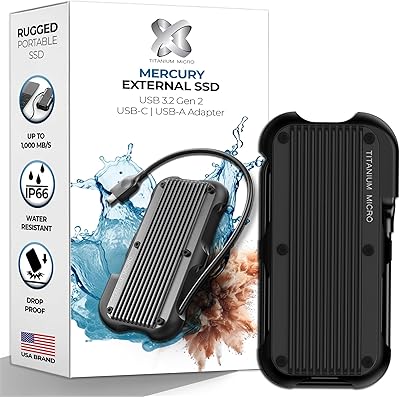
Titanium Micro Mercury 4TB External SSD
87%
94%
Performance and Speed
89%
Portability and Design
91%
Build Quality and Durability
78%
Value for Money
88%
Ease of Use and Setup
More
SABRENT Rocket 2230 1TB NVMe SSD
88%
91%
Performance
88%
Installation & Setup
89%
Build Quality
93%
Speed (Read/Write)
85%
Compatibility
More

FAQ

You can get close to those speeds, but only if your computer has a USB 3.2 Gen 2x2 port — that is the key requirement most buyers overlook. On a compatible port, real-world sequential reads in the 1400 MB/s range are achievable and have been confirmed by multiple buyers. On an older USB 3.0 or Gen 1 port, speeds will be much lower, so check your laptop or desktop specs before assuming you will see the full performance.

It works as external storage on both consoles via the USB-C or USB-A port, but the experience depends on the console. On PS5, you can store and play PS4 games directly from the drive; PS5 games need to be on the internal SSD or an M.2 expansion slot. On Xbox Series X and S, it works for storing games but not for running Xbox Series titles natively from external storage. For those use cases it still functions well as a large, fast archive or offload drive.

During a typical 10 to 20 minute offload session, the aluminum body gets warm but not uncomfortable to hold. Under prolonged continuous writes — like recording directly for an extended period or doing a multi-hour backup — it gets noticeably hot, and some users have observed speed dips consistent with thermal throttling. If your workflow involves hours of continuous writing, build in short breaks or keep the drive in a ventilated spot rather than buried in a bag during transfers.

It ships pre-formatted in exFAT, which is readable and writable on both Windows and macOS without any changes. If you plan to use it exclusively on a Mac with APFS, or on Windows and want NTFS for permissions and journaling, you will need to reformat it yourself — which takes about a minute and is straightforward in Disk Utility or Windows Disk Management. For most cross-platform users, the out-of-box format is perfectly fine as-is.

Yes, the sleeve slips off easily if you prefer the bare aluminum look or want to reduce bulk slightly. The sleeve does add a useful layer of grip and absorbs minor impacts, so it is worth keeping on if the drive lives in a bag with other gear. One practical downside buyers mention is that it collects lint aggressively, so if that bothers you, the bare aluminum underneath is perfectly functional.

Sustained write speeds are high enough to support direct 8K recording for most common codecs, but the specific bitrate requirements of your camera matter. Cameras shooting high-bitrate RAW formats can demand extremely consistent write performance, and while the drive handles most scenarios well, prolonged recording in warm conditions can introduce thermal throttling. For offloading footage already captured, it excels without reservation.

The box includes a Type-C to Type-C cable and a Type-C to Type-A cable, so you are covered for both modern USB-C ports and older USB-A setups. The cable length is adequate for desktop use — reaching from a tower or laptop to a comfortable position on a desk — though a few buyers have replaced them with longer or braided alternatives for a more permanent setup. The cables themselves are functional but on the thinner side.

It is fully bus-powered, meaning it draws all the power it needs directly from the USB connection — no external power adapter or hub required. This is one of the practical advantages of its compact, low-power design, and it works reliably even on laptop USB ports without any power warnings or connection drops under normal use.

The main differentiator is raw speed — this portable drive uses USB 3.2 Gen 2x2 for up to 1500 MB/s, while drives like the Samsung T7 Shield and WD My Passport SSD top out around 1050 MB/s on USB 3.2 Gen 2x1. At 4TB, it also offers more capacity than most competing portable SSDs. Where those competitors have an edge is in software features — Samsung and WD both bundle encryption and backup utilities, which Sabrent does not. For pure throughput, this drive wins; for a more complete software ecosystem, the competition has more to offer.

Sabrent requires you to register the product on their website to activate the full warranty, which is an extra step that is easy to forget after unboxing. If you skip registration and later need to make a warranty claim, you may face difficulties proving purchase and eligibility. It takes only a few minutes and is worth doing immediately — keep the confirmation email somewhere accessible along with your purchase receipt.