Overview

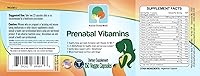
The Raise Them Well Prenatal Multivitamin 150 Capsules enters a saturated market with a genuinely considered formulation, built by physicians rather than marketing teams. What immediately sets it apart is the choice to use methylfolate over synthetic folic acid — a decision that matters far more than most labels let on. The capsules are vegetarian-friendly and non-GMO, which signals a clean-label philosophy that resonates with health-aware mothers. Whether you are planning a pregnancy, already expecting, or navigating the postpartum period, this prenatal multivitamin is designed to meet you at each stage with nutrients your body can actually use.
Features & Benefits

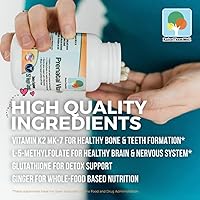
The standout ingredient here is methylfolate (5-MTHF), the active form of folate that the body absorbs directly — particularly important for women who carry the MTHFR gene variant and struggle to process synthetic folic acid. Alongside it, Vitamin K2 in the MK-7 form supports calcium direction toward bones rather than soft tissue, which has real implications for fetal skeletal development. Glutathione is included as an antioxidant; worth noting that its oral bioavailability is still a topic of scientific discussion, so think of it as a supportive addition rather than a cornerstone. Iron, D3, B12, and Vitamin C round out a formula built for both energy and immunity across all trimesters. The 150-capsule count gives roughly five months of coverage at standard dosing.

Best For

This methylfolate-based prenatal is a particularly strong fit for women who have been diagnosed with an MTHFR mutation, a fairly common genetic variation that limits the body's ability to convert folic acid into usable folate. Beyond that specific group, it suits anyone who has had a rough time with other prenatals — bloating, nausea, or that familiar metallic taste — since the formula is designed to be stomach-friendly. Non-GMO and vegetarian certification also makes it a natural choice for buyers who scrutinize ingredient sourcing. And because a single bottle covers several months of use, it represents solid ongoing value for those committed to a consistent prenatal routine without reordering constantly.

User Feedback

Buyers tend to respond warmly to this prenatal multivitamin, with the most consistent praise going to its digestive tolerance — many note it does not trigger the nausea that derailed them from other brands. Women who came to it specifically after an MTHFR diagnosis frequently mention that the methylfolate inclusion was the deciding factor. On the other side, some users flag the capsule size as slightly large, and a handful have raised questions about dosing instructions. A few reviewers also report mixed results on the energy front, which is fair — individual iron tolerance varies. The brand is smaller and lacks the independent certification visibility of larger competitors, but repeat purchase rates suggest buyers generally stick with the Raise Them Well formula once they find it.

Pros

  • Uses methylfolate instead of synthetic folic acid, making it genuinely useful for women with MTHFR variants.
  • Vitamin K2 in the MK-7 form is a meaningful upgrade over cheaper K1 found in many competing prenatals.
  • Consistently reported as easier on the stomach than other iron-containing prenatal vitamins.
  • 150 capsules per bottle offers several months of supply, reducing how often you need to reorder.
  • Physician-developed formulation adds credibility beyond typical contract-manufactured supplement brands.
  • Non-GMO and vegetarian-certified for buyers who closely scrutinize ingredient sourcing and manufacturing standards.
  • Includes D3, B12, and Vitamin C to support immunity and energy without requiring separate supplements.
  • Unflavored capsules avoid the unpleasant taste that puts many pregnant women off other prenatal formats.
  • The Raise Them Well formula has built a loyal repeat-buyer base, which is a quiet but meaningful trust signal.

Cons

  • The brand lacks prominent third-party testing certifications, which cautious buyers often treat as a baseline requirement.
  • Capsule size has been flagged by some users as larger than expected, which can be difficult during first-trimester nausea.
  • Glutathione is included, but its oral bioavailability remains scientifically debated — do not count on it as a core benefit.
  • Smaller brand presence means fewer verified reviews to draw on compared to market leaders like Garden of Life or MegaFood.
  • Dosing instructions have caused some confusion among buyers, suggesting the labeling could be clearer.
  • Iron tolerance varies widely; some users report GI discomfort even with this formula despite its gentle positioning.
  • Availability can be inconsistent, with occasional stock gaps that disrupt a continuous prenatal routine.
  • Energy improvements reported by some users are not universal — individual response to B12 and iron varies considerably.
  • No gummy or chewable alternative exists for women who struggle with swallowing multiple capsules daily.

Ratings

The scores below for the Raise Them Well Prenatal Multivitamin 150 Capsules were generated by our AI after analyzing verified purchase reviews from buyers worldwide, with spam, bot-submitted, and incentivized feedback actively filtered out. Each category reflects the full spectrum of real user experiences — the genuine strengths that keep buyers coming back, and the friction points that occasionally push them toward alternatives. Nothing here is polished to look better than it is.

Ingredient Quality
91%
The decision to use methylfolate rather than synthetic folic acid is the single most praised aspect of this formula among informed buyers. Women who researched their MTHFR status before purchasing feel the formulation was built with real nutritional science in mind, not just marketing. K2 MK-7 and active B12 reinforce that sense of care.
The glutathione inclusion, while appreciated in concept, draws skepticism from nutritionally literate buyers who are aware that its oral bioavailability is still under scientific debate. A small number of reviewers feel it is included more for label appeal than proven benefit, which slightly undermines the otherwise rigorous ingredient philosophy.
Digestive Tolerance
83%
A large portion of buyers specifically switched to this prenatal after experiencing nausea or stomach upset with other brands, and the majority report a noticeably gentler experience. Taking the capsule with an evening meal appears to be the most consistently successful approach users mention for minimizing any residual discomfort.
Iron is a known GI irritant for a subset of pregnant women, and this formula includes it — meaning tolerance is not universal. A handful of reviewers with strong iron sensitivity report ongoing discomfort even after adjusting their timing, and some wish a lower-iron variant existed for those already getting iron from dietary sources.
Folate Bioavailability
93%
For buyers who have received a formal MTHFR diagnosis from their doctor, the methylfolate in this formula is frequently cited as the primary purchase driver and a near-non-negotiable requirement. Multiple reviewers describe specifically seeking out this product after being advised by their OB-GYN or genetic counselor to avoid synthetic folic acid.
Women without an MTHFR diagnosis may not fully appreciate the distinction between methylfolate and standard folic acid, and a few reviewers feel the packaging does not explain the clinical relevance clearly enough for a general audience. The premium ingredient is doing important work that not every buyer knows to look for.
Capsule Swallowability
67%
33%
For women accustomed to taking supplements, the capsule format is clean, tasteless, and straightforward to incorporate into a daily routine. The unflavored shell means there is no unpleasant aftertaste lingering after swallowing, which is a meaningful advantage during pregnancy when sensory sensitivities tend to be heightened.
The capsule size has drawn consistent complaints from buyers, particularly those in the first trimester when nausea makes swallowing anything larger than expected genuinely difficult. Several reviewers specifically wished the dose could be delivered in a smaller capsule or split across two smaller ones, and the absence of a gummy or chewable alternative limits options.
Supply Duration
86%
At 150 capsules, a single bottle covers a meaningful stretch of a pregnancy without constant reordering, which many buyers appreciate for both convenience and cost management. Women who set up a subscription note that they rarely run out mid-trimester, making the larger count feel genuinely practical rather than just a packaging choice.
The five-month estimate assumes a single-capsule daily dose, and buyers taking two capsules per day — which some serving size labels suggest for comprehensive coverage — find the supply closer to two and a half months. Confusion around dosing frequency has led some reviewers to underestimate how quickly the bottle depletes.
Nausea Reduction
79%
21%
Compared to gel capsules or chalky tablets, the veggie capsule format is consistently described as one of the least disruptive prenatal formats buyers have tried. Women in their first trimester, when nausea peaks, report being able to keep this methylfolate-based prenatal down more reliably than gummy formats that can trigger queasiness through sweetness.
Results are genuinely mixed — while many buyers praise the gentler profile, a meaningful minority still experience nausea, particularly when taking the capsule on an empty stomach or during periods of severe morning sickness. No prenatal vitamin fully sidesteps nausea for every woman, and this formula is not an exception to that reality.
Third-Party Testing
54%
46%
The physician-developed claim provides a baseline of formulation credibility, and the non-GMO positioning suggests at least some ingredient sourcing discipline. For buyers who are primarily focused on nutrient form quality rather than certification badges, the formula itself carries enough information to make an informed decision.
The absence of prominent third-party certifications such as USP Verified or NSF is a genuine gap that cautious buyers — particularly those who have researched supplement industry quality control — find difficult to overlook. Several reviewers explicitly note this as their primary hesitation, and for buyers who treat independent testing as a baseline requirement, this is a real limitation.
Energy Support
72%
28%
Buyers who were visibly depleted heading into the second or third trimester report that consistent use of the Raise Them Well formula contributed to a more stable energy baseline, with B12 and iron working together to support red blood cell production. Women returning to work postpartum also mention appreciating the B-vitamin support during a particularly demanding recovery period.
Energy benefits are among the most individually variable outcomes in prenatal supplementation, and a notable portion of reviewers report no perceptible difference in how they feel. For women with clinically low iron or a documented B12 deficiency, supplements alone are unlikely to resolve fatigue without parallel medical management.
Value for Money
81%
19%
When calculated on a per-day basis and weighed against the quality of ingredients included — particularly the methylfolate and K2 MK-7 — this prenatal multivitamin sits at a competitive price point compared to specialty prenatal brands using comparable bioavailable forms. Buyers coming from higher-priced competitors frequently note the favorable cost-to-quality ratio.
Shoppers comparing it only to the cheapest mass-market prenatals may balk at the price without appreciating the ingredient differences that justify it. If stock gaps require buying from third-party sellers at a markup, the value proposition weakens, and a few buyers have noted paying more during availability crunches.
Brand Transparency
61%
39%
The physician-developed positioning and clear label communication around methylfolate and K2 MK-7 demonstrate a brand that is at least making an effort to educate buyers on why ingredient choices matter. Compared to purely label-driven brands that offer no formulation rationale, Raise Them Well provides more meaningful context.
The brand's overall digital presence and transparency documentation lag behind established competitors like Garden of Life or Thorne, which publish detailed certificates of analysis and manufacturing standards. Buyers who like to verify what they are purchasing beyond a product label find limited publicly available information, which erodes trust for this segment.
Taste & Aftertaste
88%
The unflavored capsule format eliminates one of the most common complaints about prenatal supplements — the lingering fishy, metallic, or artificially sweet aftertaste that plagues many gummy and softgel alternatives. Women with heightened smell and taste sensitivity during pregnancy consistently rate this aspect well compared to the competition.
A small number of buyers report a mild earthy or vitamin-like smell when opening the bottle, which can be off-putting for those with strong olfactory sensitivity during early pregnancy. This is rarely cited as a dealbreaker but comes up occasionally enough to be worth flagging for women who are particularly sensitive.
Iron Tolerance
69%
31%
For the majority of buyers, the iron content in this formula does not cause the acute constipation or cramping associated with poorly formulated iron supplements, and many users specifically note it as one of the more tolerable iron-containing prenatals they have tried. Taking it with food appears to meaningfully reduce GI friction for most users.
Iron sensitivity is highly individual, and a subset of buyers — particularly those already consuming iron-rich diets or prescribed separate iron supplements — find the inclusion redundant and occasionally disruptive. There is no iron-free version available, which limits flexibility for women whose physicians recommend a lower-iron prenatal.
Repeat Buyability
84%
Long-term buyer loyalty is one of the more telling signals in the review data, and this methylfolate-based prenatal shows a healthy pattern of repeat purchasers who continue through multiple trimesters or into the postpartum period. Women who find a prenatal that works for them are deeply reluctant to switch, and that loyalty shows up consistently here.
Occasional stock gaps disrupt the continuity that loyal buyers depend on, and a few reviewers mention scrambling to find the product or substituting temporarily when availability lapses. For a supplement that requires uninterrupted daily use throughout pregnancy, supply reliability matters, and this remains an intermittent concern.
Packaging & Label Clarity
73%
27%
The bottle is compact and practical for everyday use, fitting easily on a bathroom shelf or in a travel bag without bulk. The ingredient list is clearly printed, and the inclusion of specific nutrient forms like methylfolate and MK-7 is called out in a way that rewards buyers who know what to look for.
Dosing instructions have generated recurring confusion in reviews, with some buyers uncertain whether the serving size is one or two capsules per day. Greater clarity on the label about recommended daily intake across different pregnancy stages would meaningfully reduce this friction and improve the overall user experience.

Suitable for:

The Raise Them Well Prenatal Multivitamin 150 Capsules is a strong match for women who have been told by their doctor that they carry an MTHFR gene variant, since the methylfolate form of folate bypasses the conversion step that those women cannot perform efficiently with standard folic acid. It also works well for health-conscious mothers who care deeply about what goes into their supplements — the non-GMO, vegetarian capsule format signals a level of ingredient discipline that many budget prenatals skip. If you have had a bad experience with other prenatal vitamins upsetting your stomach or leaving a harsh aftertaste, this formula is worth trying given its gentler reputation among users. Women who prefer buying in larger quantities to reduce reordering frequency will also appreciate the 150-capsule count, which stretches across several months at a standard daily dose. And if you are coordinating your prenatal routine with a physician who already recommended a bioavailable folate source, this fits neatly into that guidance.
Not suitable for:

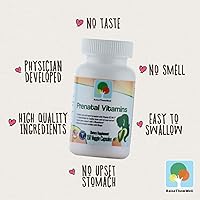
The Raise Them Well Prenatal Multivitamin 150 Capsules is not the right pick for buyers who specifically need a chewable or gummy format — whether due to capsule-swallowing difficulty or personal preference, this is a capsule-only product and there is no softgel or chew alternative in the line. Women who require third-party certifications such as USP Verified or NSF Certified for Sport as a baseline condition for any supplement they take may find this prenatal falls short, as that level of independent testing transparency is not prominently documented for this brand. If your OB-GYN has prescribed a specific prescription prenatal formula tailored to a known deficiency, a retail supplement should not be substituted without medical guidance — this formula, while solid, is not a clinical replacement. Buyers who are sensitive to iron and experience consistent GI discomfort from iron-containing supplements may also find the included iron difficult to tolerate, and should consult a provider before committing. Finally, those who prefer well-established brands with large review bases and widespread retail availability may feel less confident with a smaller-market product like this one.
Specifications

  • Brand: Manufactured and sold by Raise Them Well, a supplement brand focused on prenatal and maternal health formulations.
  • Capsule Count: Each bottle contains 150 vegetarian capsules, providing approximately five months of coverage at a standard daily dose.
  • Folate Form: Folate is supplied as methylfolate (5-MTHF), the bioavailable, active form that the body can use directly without conversion.
  • Vitamin K Form: Vitamin K is included as K2 MK-7, a long-chain form associated with improved calcium utilization and sustained presence in the bloodstream.
  • Antioxidant: Glutathione is included as a supportive antioxidant ingredient, though its oral bioavailability remains an active area of scientific research.
  • Iron: Iron is included in the formula to support healthy maternal blood volume and help reduce pregnancy-related fatigue.
  • Key Vitamins: The formula includes Vitamin C, Vitamin D3, and Vitamin B12 to support immune function and sustained energy throughout pregnancy.
  • Diet Compatibility: All capsules are vegetarian-friendly and contain no animal-derived gelatin or byproducts in the capsule shell or formula.
  • GMO Status: The product is formulated with non-GMO ingredients, consistent with the brand's clean-label positioning.
  • Flavor Profile: Capsules are unflavored, avoiding the metallic or artificial taste that affects many competing prenatal supplement formats.
  • Item Form: Delivered in capsule form, which allows for precise dosing and is generally easier to swallow than compressed tablets.
  • Development: The formula was developed by physicians to ensure a balanced nutrient profile tailored to the specific demands of prenatal health.
  • Dimensions: The bottle measures approximately 2.6 x 2.6 x 4.9 inches and weighs 5.6 ounces, making it compact enough for travel or a bathroom shelf.
  • Market Entry: The product has been available since January 2016, giving it a multi-year track record in the prenatal supplement category.
  • Discontinuation Status: The product is confirmed as active and not discontinued by the manufacturer as of the most recent listing update.

Related Reviews

AWOL Vision MW-150 150″ Projector Screen
77%
88%
Image Flatness
83%
Build Quality
61%
Shipping & Packaging
67%
Assembly Experience
79%
Matte White Performance
More
Elavonne Hair Nutrition Hair Growth Supplement
77%
78%
Hair Shedding Reduction
74%
Hair Thickness & Texture
88%
Ingredient Quality
91%
Manufacturing Standards
61%
Results Timeline
More
NEBULA Capsule Air Mini Projector
74%
94%
Portability & Form Factor
67%
Image Quality
58%
Brightness
91%
Smart Platform & App Ecosystem
63%
Battery Life
More
Sennheiser ME66 Short Shotgun Microphone Capsule
79%
88%
Directional Performance
84%
Noise Floor
61%
Value for Money
53%
Module Dependency
71%
Reach & Coverage
More
NZXT Capsule Mini USB Microphone
77%
83%
Audio Quality
76%
Noise Rejection
94%
Ease of Setup
78%
Value for Money
61%
Gain Performance
More
Malibu C Swimmers Wellness Conditioner
85%
92%
Hydration Effectiveness
89%
Chlorine Damage Protection
88%
Softness & Shine Restoration
85%
Moisture Retention
79%
Fragrance Appeal
More
MacuShield Original Plus Eye Health Capsules 90-Count

79%
91%
Formula Credibility
88%
Ease of Use
62%
Value for Money
86%
Ingredient Sourcing
89%
Tolerability
More
Well People Superpowder Brightening Powder, Pearl
88%
88%
Oil Control
91%
Luminous Finish
85%
Longevity/All-Day Wear
93%
Texture/Feel
86%
Skin Compatibility
More
PRIORIN Hair Growth Formula 120 Capsules
82%
84%
Effectiveness for Hair Growth
78%
Consistency of Results
80%
Hair Texture Improvement
90%
Ease of Use
88%
Packaging & Dispensing
More
Well People Power Palette 0.32oz Eyeshadow
77%
74%
Pigmentation
83%
Blendability
67%
Longevity
61%
Shade Range
72%
Value for Money
More

FAQ

Folic acid is the synthetic form of folate, and your body has to convert it into the active form before it can be used. A significant portion of the population carries a common genetic variation called MTHFR that slows or impairs that conversion. Methylfolate skips the conversion step entirely, meaning your body gets usable folate right away regardless of your genetics. It is a more expensive ingredient to include, but it is a meaningful choice for a prenatal formula.

The standard dosing for this prenatal multivitamin is typically one to two capsules daily — check the label for the exact recommended amount as it can vary. Many women find it easiest to take prenatal vitamins with food to reduce any stomach sensitivity, particularly with iron-containing supplements. Taking them in the evening with dinner is a common approach, especially during the first trimester when morning nausea is most intense.

Absolutely — in fact, starting a prenatal vitamin before conception is widely recommended by OB-GYNs because adequate folate levels in the earliest weeks of pregnancy are critical for neural tube development, often before a woman even knows she is pregnant. This methylfolate-based prenatal is well-suited for the preconception period precisely because of its bioavailable nutrient forms.

Prenatal vitamins are commonly continued through the postpartum and breastfeeding period to help replenish nutrients depleted during pregnancy and support milk production. That said, you should confirm any supplement use with your healthcare provider during this stage, since your specific nutritional needs may shift compared to pregnancy.

Many users who switched to the Raise Them Well formula specifically cite improved stomach tolerance as their reason. The unflavored capsule format avoids synthetic flavors that can trigger nausea, and the non-GMO ingredient sourcing tends to minimize unnecessary additives. That said, iron is still present in the formula, which is a common nausea trigger for some women — taking it with a meal or at bedtime can help.

Glutathione is an antioxidant that the body produces naturally, and it plays a role in cellular protection and immune support. The reason it is included in some prenatal formulas is to help offset oxidative stress, which increases during pregnancy. It is worth knowing that the scientific community is still debating how effectively oral glutathione supplements raise blood glutathione levels, so treat it as a supportive addition rather than a primary reason to choose this formula.

The formula is designed with a clean ingredient profile and targets common dietary sensitivities, but for the most accurate and current allergen information you should check the product label directly, as formulations can be updated. If you have a documented allergy or intolerance, contacting the manufacturer before purchasing is the safest step.

Most basic multivitamins use Vitamin K1, which has a short half-life and is absorbed less efficiently. K2 in the MK-7 form stays active in the bloodstream significantly longer, and research suggests it is more effective at directing calcium toward bones rather than allowing it to accumulate in soft tissue. For a prenatal focused on fetal bone development, MK-7 is a more purposeful choice than K1.

At a dose of one capsule per day, 150 capsules would last five months. If the recommended serving is two capsules daily — which is more common for comprehensive prenatal formulas — that brings the supply down to about 75 days, or roughly two and a half months. Always defer to the label dosing instructions rather than assuming, so you can plan your reorder schedule accurately.

The brand does not prominently feature third-party certifications such as USP Verified or NSF certification in its current product documentation, which is a legitimate consideration for buyers who treat independent testing as a non-negotiable. It is physician-developed and non-GMO, but if a specific certification is a firm requirement for you, it is worth reaching out to the manufacturer directly or consulting your healthcare provider for alternatives that carry that documentation.