Overview

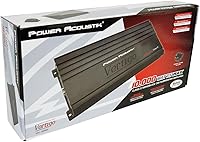
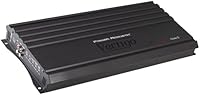
The Power Acoustik VA1-10000D Monoblock Car Amplifier sits squarely in the budget-accessible corner of the high-wattage amp market, targeting bass enthusiasts who want serious output without a serious price tag. Its Class D topology keeps heat and power draw in check compared to older Class AB designs, which matters a lot when you're cramming hardware into a trunk or behind a rear seat. At 18.25 by 8.75 by 2 inches, it fits reasonably well in most installs. One thing to settle early: the 10,000W headline is peak marketing math. The real story is the 3,500W RMS at 1 ohm, which is still a respectable figure for the price.
Features & Benefits

The internals here are more interesting than the price might suggest. Power Acoustik built this monoblock amp around a military-grade SMT PCB loaded with MOSFET IRTM transistors, which helps the amp handle sustained output without cooking itself — assuming you give it adequate airflow, which we'll get to. The onboard crossover section is genuinely useful: a variable 12dB-per-octave low-pass filter lets you roll off cleanly above the sub's operating range, and a subsonic filter trims the frequencies your woofer can't reproduce anyway. The 12dB bass boost adds low-end punch without needing a separate equalizer. Signal Sense auto turn-on is a welcome touch for anyone integrating with a factory radio, and the amp handles 1-ohm, 2-ohm, and 4-ohm loads without complaint.

Best For

This monoblock amp makes the most sense for builders chasing big bass on a constrained budget — think single large subwoofer in a ported box, tuned for output rather than precision. SPL-oriented builds and demo setups are its natural habitat, where sheer headroom matters more than flat frequency response. That said, it demands a capable electrical system. If you haven't done a Big 3 wiring upgrade and your alternator is stock, you're likely to hit voltage sag under load, which stresses the amp and shortens its life. Enthusiasts already running a secondary battery or high-output alternator will get the most out of it. If you're stepping up from an entry-level amp, the jump in bass authority is immediately noticeable.

User Feedback

Owners of the VA1-10000D are largely positive about the bass output relative to what they spent, and that's really the core value proposition here. Build quality gets a nod too — the chassis feels solid for the price tier, which isn't always guaranteed at this end of the market. The consistent criticism, though, is heat. Several buyers flagged that the amp runs hot during longer sessions, and poor ventilation placement accelerated problems for some. Long-term reliability is the other flag: a noticeable share of reviewers reported issues after the six-month mark. Customer service experiences have been inconsistent, so factor that into your risk assessment. Going in with realistic expectations about power output — knowing the 10,000W figure is marketing shorthand — seems to help buyers land satisfied.

Pros

  • Delivers a real, tangible bass upgrade over entry-level amps at a fraction of the cost of premium alternatives.
  • 1-ohm stability gives wiring flexibility, especially useful for dual voice coil subwoofer configurations.
  • Onboard low-pass and subsonic crossovers remove the need for a separate signal processor in basic builds.
  • The 12dB bass boost adds punch and presence without requiring an outboard equalizer.
  • Class D design is more thermally efficient than older amplifier classes, reducing idle power draw.
  • Signal Sense auto turn-on makes factory radio integration genuinely easy.
  • The chassis feels solid and well-constructed relative to what you'd expect at this price tier.
  • Multi-impedance support at 1, 2, and 4 ohms makes this monoblock amp compatible with a wide range of subwoofer setups.
  • Built-in protection circuits — thermal, short, and overload — provide a reasonable safety net during aggressive sessions.
  • FCC certification adds a baseline layer of credibility for a budget-tier unit.

Cons

  • The 10,000W max rating is marketing math; real-world continuous power falls dramatically short of that headline.
  • The amp runs hot during extended listening sessions, making ventilation planning non-negotiable, not optional.
  • A subset of buyers reported reliability issues surfacing after roughly six months of regular use.
  • Customer service experiences have been inconsistent, with some buyers struggling to get timely or helpful responses.
  • Requires a capable electrical system to perform properly — stock wiring and alternators are a genuine liability here.
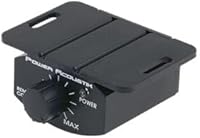
  • No variable gain remote or bass knob is included, limiting on-the-fly level adjustments from the driver seat.
  • At 16.5 pounds and over 18 inches long, the physical size can create real challenges in tighter install locations.
  • Long-term durability data is limited given the product's relatively recent market entry, making longevity harder to predict.

Ratings

Our AI-generated scores for the Power Acoustik VA1-10000D Monoblock Car Amplifier are based on the analysis of verified global buyer reviews, with spam, incentivized, and bot-flagged submissions actively filtered out before scoring. The ratings reflect the full picture — where this amp genuinely delivers and where real buyers have run into frustration — so you can make a grounded decision before purchasing.
Value for Money
76%
24%
For buyers who go in knowing what the RMS figures actually mean, the price-to-output ratio on this monoblock amp is hard to beat in its tier. Most owners describe feeling like they got more bass authority than the price tag suggested, which is the core reason repeat purchase sentiment stays positive.
The 10,000W headline creates inflated expectations that the real-world numbers can't match, and buyers who feel misled factor that into their value assessment. A portion of owners who experienced early reliability issues naturally rate value much lower once a replacement or repair enters the equation.
Bass Output
83%
This is where the VA1-10000D earns its reputation — the low-end punch it delivers for the money is consistently praised, particularly in ported enclosures tuned for SPL output. Buyers upgrading from budget entry-level amps almost universally notice an immediate, dramatic improvement in bass presence.
At higher volume levels and extended sessions, some listeners note a slight compression effect where the bass loses a bit of tightness, particularly when the amp starts to warm up. It favors quantity of impact over precise, articulate bass texture, which can frustrate listeners who want both.
Power Accuracy
41%
59%
The amp does produce usable, continuous output at 1 ohm that can genuinely drive a large subwoofer with authority, and its multi-ohm stability is a real technical asset for flexible wiring configurations. Within the budget SPL category, its actual RMS delivery is competitive.
The gap between the 10,000W marketing claim and the measured real-world output is substantial and represents one of the most common buyer complaints found across reviews. Enthusiasts who meter their amps find the numbers fall well short of even the rated RMS in less-than-ideal electrical conditions, which erodes trust in the spec sheet overall.
Thermal Management
48%
52%
The Class D topology is inherently more efficient than Class AB, which means less energy is wasted as heat at idle and moderate power levels. For installs with proper ventilation — mounted to a metal surface with open airflow — the amp can handle moderate listening sessions without issue.
Under sustained high-volume use, heat buildup is a recurring and well-documented complaint, with multiple buyers reporting thermal protection shutoff during longer drives or continuous play. Enclosed or carpeted mounting locations are genuinely problematic, and the amp demands more ventilation planning than many buyers initially anticipate.
Build Quality
71%
29%
The chassis feels notably solid for the price bracket — the housing doesn't flex, the terminals are well-anchored, and the overall assembly doesn't give the impression of cutting corners on materials. Several buyers coming from cheaper competitors specifically called out how much more substantial this unit feels by comparison.
While the exterior build inspires confidence, internal component longevity is more of a question mark, with a subset of owners reporting failures after the six-month mark that suggest the internals may not match the robustness of the housing. Long-term durability data remains limited given the product's relatively recent market entry.
Ease of Installation
78%
22%
The Signal Sense auto turn-on feature is a genuine convenience win for anyone connecting to a factory head unit, eliminating the need to run a dedicated remote wire through the cabin. Terminal labeling is clear, and the onboard crossover and gain controls are laid out logically for a reasonably experienced DIY installer.
The amp's size — over 18 inches long — can create genuine spatial challenges in smaller vehicles or already-crowded trunk builds. Buyers without prior amplifier installation experience may underestimate the electrical system requirements, particularly around fusing and wire gauge, which can lead to installation errors.
Crossover & Tuning Controls
74%
26%
Having both a variable low-pass crossover and a subsonic filter onboard in this price range is genuinely useful — it removes the need for a separate signal processor for most straightforward subwoofer builds. The 12dB-per-octave slope gives enough rolloff to integrate cleanly with a full-range front stage.
The controls themselves are small and close together, making fine adjustments somewhat fiddly, especially post-install when the amp is tucked into a tight location. There is no included remote bass knob, so any on-the-fly level adjustments from the driver's seat require a separate accessory purchase.
Compatibility
81%
19%
Support for 1-ohm, 2-ohm, and 4-ohm loads gives this monoblock amp meaningful versatility across a range of subwoofer configurations, including single and dual voice coil setups. RCA input sensitivity of 200mV to 6V covers a wide field of aftermarket head units without signal matching issues.
High-level input performance, while functional, is not as clean as what you get through a properly gain-matched RCA connection, and some users notice a subtle increase in noise floor when using the speaker-level input path. Users running passive radiator or bandpass enclosures may find the crossover range slightly limiting at the extreme low end.
Reliability Over Time
52%
48%
Many buyers use this Power Acoustik unit for several months of regular daily listening without issues, and those who install it with proper electrical support and good ventilation report the best outcomes by a significant margin. Protection circuits do appear to function as intended in preventing catastrophic failure during fault events.
A meaningful segment of longer-term owners report failures or performance degradation beginning around the six-month mark, which is a shorter lifespan than most buyers expect from a dedicated amplifier. The pattern suggests the amp is sensitive to less-than-ideal installation conditions, making setup quality a significant factor in how long it lasts.
Customer Support
44%
56%
Some buyers report adequate experiences reaching Power Acoustik support for basic troubleshooting questions, and replacement units have been provided in documented warranty cases. The brand does have an established presence in the car audio market with accessible contact channels.
Customer service response consistency is a recurring concern across reviews, with multiple buyers describing difficulty getting timely or useful support when units developed problems. Warranty claim experiences in particular have drawn criticism, and the inconsistency in service quality is a legitimate risk factor for buyers to weigh.
Noise Floor & Signal Clarity
63%
37%
When properly gain-staged via RCA inputs, the amp produces acceptably clean signal reproduction for its intended bass-only application, with no egregious background noise reported under normal conditions. For SPL-oriented use where volume and impact are the priority, signal purity is rarely a deciding complaint.
Some users report a noticeable noise floor when using high-level inputs or when gain is set aggressively, which can surface as hiss or hum at idle between tracks. This is not unusual for the price tier but is worth noting for anyone expecting near-silent backgrounds at low volume.
Physical Footprint
67%
33%
The slim 2-inch profile is a practical asset for under-seat or flat trunk installs where vertical clearance is the constraint rather than horizontal space. At 18.25 inches long, it fits comfortably along the back wall of most full-size sedan trunks without consuming the entire floor.
For compact vehicles, hatchbacks, or builds with already limited trunk real estate, the 18-inch length can be a genuine layout problem that forces creative mounting solutions. The 16.5-pound weight, while a sign of solid construction, does add installation effort for solo installs in awkward positions.

Suitable for:

The Power Acoustik VA1-10000D Monoblock Car Amplifier is a strong match for budget-conscious enthusiasts who want to feel serious bass without spending serious money. It's particularly well-suited to builders running a single large subwoofer — especially in a ported enclosure tuned for maximum output — where raw headroom matters more than surgical precision. SPL hobbyists and demo vehicle builds will appreciate the wattage ceiling and 1-ohm stability, which gives them room to push a demanding load without immediately maxing out the amp. The Signal Sense auto turn-on also makes it a practical choice for anyone integrating into a factory head unit setup without a dedicated remote wire. Provided you've already invested in a solid electrical foundation — a Big 3 upgrade, a high-output alternator, or a secondary battery — this monoblock amp will reward you with a noticeable, immediate jump in bass authority over entry-level hardware.
Not suitable for:

Buyers expecting the 10,000W headline to reflect real-world continuous output will be disappointed — the Power Acoustik VA1-10000D Monoblock Car Amplifier is firmly in the watt-inflated tier of the market, and its actual usable RMS power, while decent, is a fraction of that figure. Audiophiles or anyone prioritizing clean, low-distortion reproduction over sheer output should look elsewhere; this unit is built for impact, not accuracy. It also runs hot under sustained load, which rules it out for enclosed or poorly ventilated mounting locations — if your install doesn't allow for adequate airflow, you're borrowing trouble. Buyers who rely on a completely stock electrical system are similarly not a good fit, as voltage sag under heavy draw is a genuine stress point that shortens the amp's lifespan. Finally, anyone who values responsive manufacturer support or a worry-free long-term warranty experience may want to consider brands with more consistent customer service reputations.
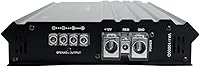
Specifications

  • Amplifier Class: This unit uses a Class D monoblock topology, which prioritizes power efficiency and reduced heat generation compared to older Class AB designs.
  • Peak Power: The amplifier is rated at a maximum peak output of 10,000 watts, a figure that reflects momentary burst capacity rather than sustained performance.
  • RMS at 1 Ohm: At a 1-ohm load, the amp delivers 3,500 watts RMS, which represents its most practical continuous power figure for real-world subwoofer use.
  • RMS at 2 Ohms: Configured at 2 ohms, the amplifier outputs 2,000 watts RMS, suitable for dual voice coil subwoofers wired to that impedance.
  • RMS at 4 Ohms: At 4 ohms, the unit produces 1,200 watts RMS, offering a stable option for single voice coil subwoofers in standard configurations.
  • Dimensions: The amplifier measures 18.25 x 8.75 x 2 inches, making it a full-size unit that requires careful planning in tighter trunk or under-seat installs.
  • Weight: The unit weighs 16.5 pounds, reflecting a solid build quality that is substantial for its price tier.
  • Channels: This is a single-channel monoblock amplifier, designed exclusively for subwoofer or bass driver applications.
  • Crossover: An onboard variable 12dB-per-octave low-pass crossover and a subsonic filter allow precise frequency management without external signal processors.
  • Bass Boost: A built-in 12dB bass boost circuit lets users add low-frequency emphasis directly from the amp without a separate equalizer.
  • RCA Inputs: Low-level RCA inputs accept signals in the 200mV to 6V range, accommodating a wide variety of aftermarket head units.
  • High-Level Inputs: High-level speaker inputs with Signal Sense auto turn-on allow direct integration with factory head units that lack a dedicated remote output wire.
  • Power Wiring: The amplifier includes terminals rated for 4-gauge power and ground wiring, which is the recommended minimum for this power class.
  • Speaker Wiring: Speaker output terminals accommodate up to 8-gauge wire, appropriate for connecting to most subwoofer voice coil configurations.
  • Protection Circuits: Built-in protection covers direct short, thermal overload, and over-current conditions, providing automatic shutoff to prevent damage during fault events.
  • PCB Construction: The internal PCB is a military-grade surface-mount design populated with MOSFET IRTM transistors selected for thermal stability under sustained load.
  • Certifications: The amplifier carries FCC certification, confirming it meets applicable electromagnetic interference standards for use in the United States.
  • Impedance Stability: The amp is confirmed stable at 1, 2, and 4 ohms, giving installers flexibility when matching to different subwoofer voice coil wiring schemes.

Related Reviews

Power Acoustik OD1-5000D Car Amplifier
87%
91%
Performance
95%
Power Output
88%
Build Quality
60%
Ease of Installation
90%
Thermal Protection
More
Power Acoustik RZ1-3500D Monoblock Car Amplifier
71%
84%
Bass Output
81%
Value for Money
88%
Installation Ease
69%
Thermal Management
47%
Wattage Accuracy
More
Power Acoustik RZ4-1200D 4-Channel Car Audio Amplifier
82%
88%
Sound Quality
91%
Power Output
84%
Build Quality
75%
Installation Ease
90%
Efficiency (Class D Technology)
More
Power Acoustik VA4-1800D Vertigo Series 4-Channel Car Amplifier
85%
88%
Performance
85%
Sound Quality
80%
Heat Management
90%
Build Quality
82%
Ease of Installation
More
Power Acoustik RE4-2000D 2000 Watt 4-Channel Car Stereo Amplifier
86%
89%
Sound Quality
92%
Power Output
84%
Thermal Protection
88%
Ease of Installation
80%
Durability
More
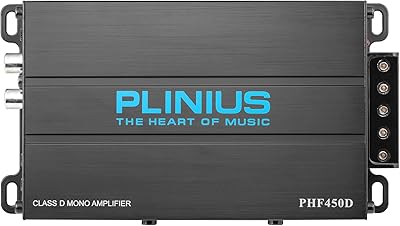
LKC PHF450D Car Audio Monoblock Amplifier
88%
91%
Power Output (2 Ohms)
87%
Power Output (4 Ohms)
93%
Heat Dissipation
88%
Build Quality
85%
Ease of Integration
More
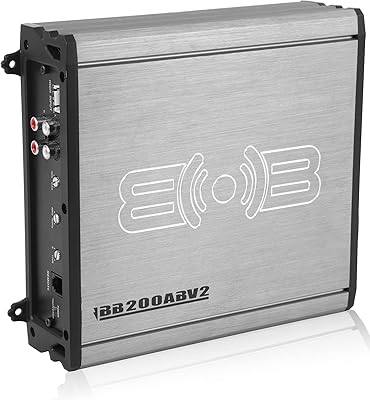
Belva BB200ABv2 500W Monoblock Car Amplifier
85%
88%
Bass Performance
91%
Installation Ease
85%
Sound Clarity
89%
2-Ohm Stability
82%
Build Quality
More
Blaupunkt AMP1500M Monoblock Car Amplifier
73%
81%
Value for Money
63%
Real-World Power Output
88%
Ease of Installation
77%
Audio Clarity
58%
Build Quality
More
Planet Audio AC1500.1M Monoblock Car Amplifier
75%
91%
Value for Money
78%
Bass Output Quality
86%
Ease of Installation
61%
Thermal Management
67%
Build Quality
More
Planet Audio AC2500.1M Monoblock Car Amplifier
85%
92%
Performance
95%
Bass Output
85%
Ease of Installation
65%
Thermal Performance
88%
Build Quality
More

FAQ

Not in the way most people assume. That figure is a peak or max rating, measured under ideal conditions for the shortest possible duration. The number that actually matters for your build is the RMS output, which sits at 3,500 watts at 1 ohm. That's still a strong output for the price, but go in with realistic expectations about what the headline wattage means.

At minimum, you want 4-gauge power and ground wire, and the amp's terminals are sized accordingly. For fusing, most installers recommend a fuse rated close to the amp's expected peak draw, typically in the 250–300 amp range at 1-ohm loads, placed as close to the battery as possible. Skimping on wiring is the fastest way to kill an amp like this.

Yes, it should. The Power Acoustik VA1-10000D Monoblock Car Amplifier includes high-level speaker inputs with Signal Sense auto turn-on, which means it can detect the audio signal from your factory speaker wires and power on automatically without a dedicated remote wire. It's one of the more practical features on this unit for OEM integration.
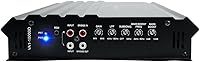
It does generate meaningful heat under sustained use, which is common for Class D amps at this power level. Make sure wherever you mount it has real airflow — sealed compartments, tight enclosures, or carpet-covered installs are risky. Elevated heat is one of the more consistent complaints from owners, so treat ventilation as a requirement, not an afterthought.

Yes, as long as the combined impedance of your wiring configuration lands at 1, 2, or 4 ohms. For example, two 2-ohm DVC subwoofers wired in parallel would give you a 1-ohm load, which is where this monoblock amp puts out its highest rated power. Just make sure your electrical system can support the draw.

It's strongly recommended. This amp pulls a lot of current under load, and a stock electrical system — particularly the ground from chassis to battery and the alternator output wire — often can't keep up. Voltage sag under heavy draw stresses the amp and is a common cause of early failures. A Big 3 upgrade is relatively inexpensive and makes a meaningful difference in reliability.

No, there is no remote bass knob in the box. The amp has onboard gain and bass boost controls, but those require you to physically adjust the unit itself. If you want on-the-fly level control from the front seat, you'd need to purchase a compatible aftermarket remote knob separately — check Power Acoustik's accessories for compatibility.

This monoblock amp has enough headroom to drive a single 12-inch or 15-inch subwoofer very effectively, and it can push larger 18-inch woofers too if your enclosure and electrical setup are right. For ported boxes tuned for output, a 15-inch in the 2–4 ohm range at moderate power is a reliable starting point. SPL-oriented builders often pair it with a single high-excursion 15 or 18.

Reviews are genuinely mixed on this. Many buyers report solid performance for the first several months, and the chassis feels well-built for the price. However, a noticeable portion of owners report problems surfacing after around six months of regular use. Customer support experiences have also been inconsistent. It's not unusually fragile for the price tier, but it's fair to say it isn't a set-it-and-forget-it long-haul investment either.

No. This is already a monoblock amplifier, meaning it's a single-channel unit by design. Bridging is a technique used on multi-channel amps to combine channels into one. There's nothing to bridge here — the VA1-10000D is already outputting all of its power through a single channel to your subwoofer, which is exactly how it's meant to be used.

Where to Buy