Overview

The Power Acoustik HP-11S Single-Channel IR Wireless Headphones have been a quiet staple in the car audio market since 2008, and that kind of staying power means something. Made under the Farenheit sub-brand, these IR car headphones are built specifically for vehicles with a single-channel infrared transmitter — the kind found in most minivans and SUVs. One important thing to understand upfront: IR wireless is line-of-sight technology, meaning they need to face the vehicle transmitter to function. They are not Bluetooth and will not connect to a phone. The ear pads swivel and fold flat, sliding neatly into a seat pocket between uses.

Features & Benefits

The infrared wireless connection in the Farenheit HP-11S keeps the rear cabin free of tangled cables — something any parent on a long drive will genuinely appreciate. The operational range reaches up to 100 meters, which is far more than any vehicle will ever demand. The adjustable headband fits adults and older children comfortably, and the onboard volume control means each passenger can set their own level without touching the screen up front. Sound quality is honest road-trip audio: clear enough for movies, acceptable for music, but not designed to impress anyone chasing high-fidelity sound. It does its job, and it does it reliably.

Best For

These wireless rear-seat headphones are a natural fit for families who spend long hours on the road with kids in the back seat. If your minivan, SUV, or RV already has a factory or aftermarket IR entertainment system, these slot right in without any setup confusion. They also make a sensible, budget-friendly choice for anyone replacing a lost OEM headphone — a replacement from a dealership can cost considerably more. That said, one firm requirement: your vehicle must have a single-channel IR transmitter already installed. Without one, these will not work at all. They are purpose-built and not universally compatible.

User Feedback

With a 4.3-star average from over 170 buyers, the Farenheit HP-11S has a solid track record for its intended use. The most consistent praise is how easy pairing is — most users report it works immediately with their existing vehicle system. Comfort on shorter trips is generally fine, though a number of reviewers flag that the headband starts to feel snug during longer hauls. Durability is the most frequently noted weakness, with some long-term owners reporting visible headband wear after extended use. A smaller group ran into compatibility issues with certain IR transmitter brands, which is a good reminder to verify vehicle specs before ordering.

Pros

  • Pairs effortlessly with most factory and aftermarket single-channel IR vehicle systems.
  • Ear pads swivel and fold flat, making storage in a seat pocket genuinely easy.
  • The adjustable headband fits a wide range of head sizes without complicated adjustment.
  • Onboard volume control lets rear passengers manage their own audio independently.
  • Sound clarity is solid for in-car movie watching, which is its primary job.
  • A proven design that has remained on the market for well over a decade.
  • Wireless operation keeps the rear cabin completely free of tangled headphone cables.
  • Lightweight enough that younger passengers can wear it comfortably for moderate trip lengths.
  • Represents a practical, wallet-friendly alternative to expensive OEM replacement headphones.

Cons

  • Only works with single-channel IR transmitter systems — no IR transmitter means no function at all.
  • No Bluetooth or universal wireless support limits use strictly to compatible vehicle setups.
  • Headband shows visible wear with extended use, raising questions about long-term durability.
  • Some users report fit fatigue during journeys lasting several hours or more.
  • A minority of buyers have encountered compatibility issues with specific IR transmitter brands.
  • Audio performance is purely utilitarian and will not satisfy anyone with higher sound expectations.
  • No carrying case or protective pouch is included despite the fold-flat design.
  • Heavier than many modern headphones at nearly 13 ounces, which some passengers notice over time.

Ratings

Our AI-generated scores for the Power Acoustik HP-11S Single-Channel IR Wireless Headphones were produced by analyzing verified buyer reviews from multiple global sources, with spam, bot activity, and incentivized feedback actively filtered out before scoring. The result is a balanced picture that honestly reflects both where these IR car headphones genuinely deliver and where real users have run into frustration. Every category below captures what actual families and road-trippers experienced — the good and the not-so-good.

Ease of Setup
91%
Most users report that these wireless rear-seat headphones connect to their vehicle IR system within seconds of powering on — no menus, no pairing codes, no frustration. Parents especially appreciate that kids can operate them independently after the first use, which removes one more thing to manage from the front seat.
A smaller but consistent group of buyers found that certain aftermarket or older IR transmitter brands did not sync reliably, requiring repositioning or troubleshooting. In those cases, the otherwise effortless experience quickly becomes a source of irritation on an already long drive.
In-Car Compatibility
83%
The Farenheit HP-11S slots naturally into most factory-installed single-channel IR systems found in popular minivans and SUVs, making it a reliable drop-in replacement without any additional hardware. Buyers who purchased these to replace lost OEM units frequently note that the experience felt seamless with their existing setup.
Compatibility is strictly limited to single-channel IR systems, which means anyone with a dual-channel or non-IR vehicle entertainment system is simply out of luck. This is a hard technical boundary, not a firmware issue, so there is no workaround available for incompatible vehicles.
Sound Quality
67%
33%
For watching movies in the rear seat of a minivan, these IR car headphones deliver clear enough audio that dialogue is easy to follow and background sound is present. At this price tier, the dynamic drivers punch at an acceptable level for casual entertainment during family road trips.
Anyone expecting full-bodied stereo reproduction or nuanced audio detail will be disappointed — these are functional, not impressive. Music listening in particular reveals a flatness in the low and high frequency ranges that more discerning ears will notice fairly quickly.
Wearing Comfort
71%
29%
For trips under a couple of hours, the adjustable headband and over-ear cushioning hold up reasonably well for most adult head sizes, and several reviewers noted that older children wore them without complaint for a standard movie runtime. The fit feels stable enough that passengers are not constantly readjusting during the journey.
Extended wear is where comfort starts to slip, with a notable number of users flagging headband pressure and ear fatigue after the two-hour mark. The ear cup padding, while adequate for short use, does not retain its cushioning feel under prolonged contact.
Build Quality
62%
38%
The overall construction feels solid enough during initial use, and the plastic housing does not feel cheap to the touch straight out of the box. For occasional road-trip use several times a year, the build holds up reasonably well without any obvious weak points right away.
Long-term durability is a genuine concern, with multiple reviewers specifically calling out headband wear, loosening adjustment mechanisms, and surface scuffing after regular use. This is not a product built to withstand daily heavy-handed use by children over multiple years.
Portability & Storage
88%
The swivel ear pads and fold-flat design are legitimately practical — these wireless rear-seat headphones collapse to a profile that disappears into a seat-back pocket without any fuss. On long trips with limited cabin space, not having to stow a bulky set of headphones in a bag or glove box is a small but real quality-of-life win.
There is no included storage pouch or case, so the headphones are left to rattle around in a pocket or bag unprotected when not in use. Over time, this increases the likelihood of surface scratches and could contribute to the wear patterns some users report on the housing.
Value for Money
84%
Compared to dealership pricing for OEM replacement headphones, these IR car headphones represent a genuinely smart spend for anyone who just needs a functional unit to replace a missing pair. The performance delivered relative to the cost is fair, and most buyers who understood the product going in felt they got their money's worth.
Buyers who overestimate the audio quality or long-term durability based on the price point may feel let down after extended ownership. The value proposition depends heavily on having realistic expectations — it is a budget replacement tool, not a premium audio product.
Volume Control Usability
79%
21%
Having onboard volume control means rear passengers can self-manage without interrupting whoever is driving, which is a practical advantage on longer trips with multiple passengers. The control is straightforward and does not require any dexterity or fine motor skill to operate during use.
Some users find the control wheel small and somewhat stiff, making fine-volume adjustments slightly awkward, particularly for younger passengers. There is no visual indicator of the current volume level, so setting a comfortable level is a matter of trial and error each time.
Headband Adjustability
74%
26%
The adjustable strap accommodates a reasonable range of head sizes from older children to larger adults, and most users find a usable setting without much effort. The adjustment holds in place during typical movement without slipping mid-use.
At the tightest setting, the headband may still feel slightly loose on smaller heads, which limits usability for younger children. Over time, the tension mechanism in the strap can weaken, reducing the precision of the fit that worked well when the headphones were new.
IR Signal Reliability
76%
24%
Under normal conditions — passenger seated and facing the screen — the IR signal holds consistently without dropout or audio interruption, which is the core expectation for this type of headphone. Most reviewers using compatible systems report a stable listening experience throughout their trips.
Because IR is a line-of-sight technology, any significant physical obstruction between the headphone and the transmitter causes signal dropout. Passengers who shift positions frequently or lean away from the screen may experience brief interruptions, which is a fundamental limitation of the technology rather than a product defect.
Weight & Feel
69%
31%
At just under 13 ounces, these IR car headphones are not unusually heavy for over-ear headphones in this category, and most adults do not report the weight as a problem during standard use. The unit feels substantial enough to not seem flimsy when held.
For children or users sensitive to headphone weight, the 12.8-ounce figure can translate to noticeable neck and jaw fatigue over a multi-hour viewing session. Compared to lighter modern wireless headphones, the weight is on the higher end for the ear-cup size offered.
Noise Isolation
72%
28%
The passive sound isolation from the over-ear design does a reasonable job of reducing ambient cabin noise — road hum, air conditioning, and general vehicle noise are softened enough to improve the listening experience during typical highway driving. No active electronics are needed to achieve this effect.
At highway speeds with significant wind or engine noise, the passive isolation starts to show its limits, and passengers may find themselves turning volume up to compensate. Compared to active noise-cancelling headphones, the isolation is noticeably less effective in louder driving environments.
Long-Term Reliability
58%
42%
For buyers using these headphones a few times a month for family trips, the product can last a reasonable period before showing meaningful wear. Multiple users report ownership spanning a year or more without functional failure of the core wireless components.
Durability concerns are among the most consistent criticisms in long-term user feedback, particularly around the headband strap and ear pad cushioning. Owners using these frequently — especially in households with children who are less careful with the hardware — report that visible and functional degradation comes sooner than the price point might suggest.

Suitable for:

The Power Acoustik HP-11S Single-Channel IR Wireless Headphones are an excellent match for families who spend serious time on the road and already have a single-channel IR entertainment system installed in their vehicle. If you own a minivan, SUV, or RV with a factory rear-seat DVD screen, these IR car headphones drop right into that existing setup with virtually no learning curve. They are especially practical for parents who want rear passengers absorbed in their own audio without any sound bleeding toward the front. Budget-conscious buyers replacing a worn-out or missing OEM headphone will find this a cost-effective alternative to dealership pricing. Anyone who values simple, dependable operation over feature-rich complexity will feel right at home with these wireless rear-seat headphones.

Not suitable for:

The Power Acoustik HP-11S Single-Channel IR Wireless Headphones are simply the wrong tool for anyone without a single-channel infrared transmitter already in their vehicle — full stop. These do not use Bluetooth, Wi-Fi, or any universal wireless standard, so pairing them with a phone, tablet, or laptop is not possible. Buyers hoping for premium or even mid-tier audio fidelity will be disappointed; sound quality is functional for road-trip entertainment but not satisfying for serious music listening. People who plan extended multi-hour use should also be aware that headband fatigue has been a recurring complaint from longer-haul users. Finally, anyone who travels with multiple passengers needing individual audio channels should note that this is a single-channel design, which limits simultaneous multi-user flexibility.

Specifications

  • Wireless Technology: These headphones use single-channel infrared (IR) wireless transmission, a line-of-sight technology designed exclusively for vehicle entertainment systems.
  • Operating Range: The IR signal reaches up to 100 meters, which comfortably exceeds the range needed inside any passenger vehicle.
  • Ear Placement: Over-ear design with rounded ear cups that sit fully around the ear for passive sound isolation during use.
  • Form Factor: Ear pads swivel and fold flat, allowing the headphones to collapse compactly for storage in a seat-back pocket.
  • Audio Driver: Dynamic drivers handle audio reproduction, delivering sound quality suited to in-vehicle movie and music playback.
  • Volume Control: An onboard volume control is built into the headphone unit, allowing passengers to adjust their listening level independently.
  • Headband: The headband is fully adjustable with a strap-style mechanism to accommodate a range of adult head sizes.
  • Weight: The unit weighs approximately 12.8 ounces (362 grams), which is moderate for an over-ear car headphone.
  • Dimensions: Overall dimensions measure 6 x 7.3 x 2.5 inches when unfolded and ready for use.
  • Connectivity: Wireless connection is IR-only with no Bluetooth, Wi-Fi, or any other universal wireless protocol supported.
  • Headphone Jack: A 3.5mm jack is present for optional wired use when an IR signal is unavailable.
  • Cable: No cable is included in the package, as the headphones are designed for wireless IR operation.
  • Noise Control: Passive sound isolation is provided through the over-ear cup design rather than active noise-cancellation circuitry.
  • Compatible Devices: Works exclusively with mobile entertainment systems and DVD players equipped with a single-channel infrared transmitter.
  • Water Resistance: These headphones carry no water resistance rating and should be kept away from moisture and liquids.
  • Color: Available in black with a plastic housing construction throughout the headband and ear cup assembly.
  • Manufacturer: Produced by Power Acoustik under the Farenheit sub-brand, a company specializing in car audio and mobile entertainment products.
  • First Available: This model was first listed in March 2008, reflecting a long-standing and stable product design in the car audio segment.

Related Reviews
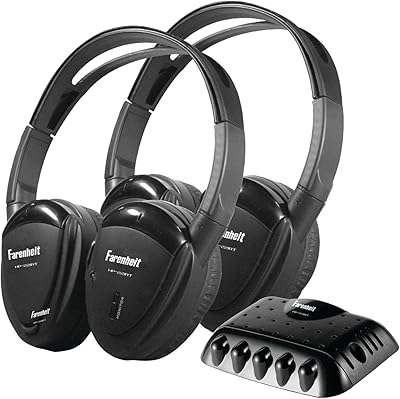
Power Acoustik HP-22IRT Infrared Wireless Headphones
69%
83%
Ease of Setup
78%
Compatibility with Vehicle Systems
61%
Audio Quality
53%
Build Quality
64%
Comfort During Extended Use
More
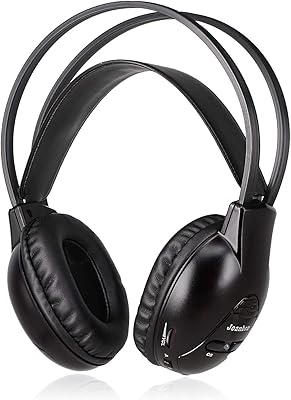
Joanbro IR1 Wireless IR Car Headphones
74%
74%
Vehicle Compatibility
88%
Ease of Setup
83%
Comfort & Fit
67%
Sound Quality
61%
Battery Life
More
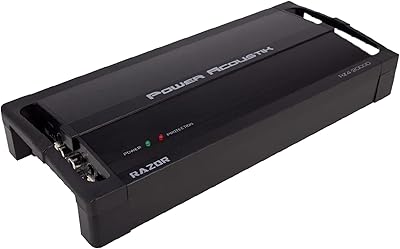
Power Acoustik RZ4-2000D 4-Channel Car Amplifier
67%
83%
Value for Money
54%
Power Accuracy
57%
Build Quality
61%
Thermal Management
78%
Installation Ease
More
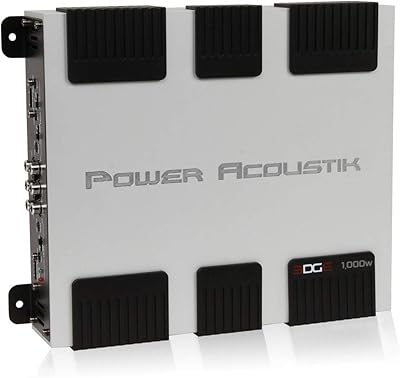
Power Acoustik EG4-1000 Edge Series 4-Channel Amplifier
85%
91%
Power Output
87%
Sound Quality
90%
Ease of Installation
82%
Durability
89%
Compact Design
More
Power Acoustik RZ4-1200D 4-Channel Car Amplifier
77%
78%
Power Output & Performance
84%
Value for Money
61%
Reliability & Durability
72%
Sound Quality
86%
Ease of Installation
More
Power Acoustik VA4-1800D Vertigo Series 4-Channel Car Amplifier
85%
88%
Performance
85%
Sound Quality
80%
Heat Management
90%
Build Quality
82%
Ease of Installation
More
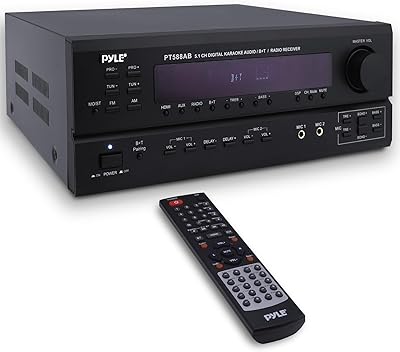
Pyle PT588AB 5.1 Channel Home Theater Receiver

70%
74%
Value for Money
52%
Build Quality
61%
Audio Performance
83%
Karaoke Functionality
78%
HDMI Connectivity
More
Power Acoustik RE4-2000D 4-Channel Car Amplifier
80%
84%
Power Output
89%
Value for Money
81%
Sound Quality
68%
Build Quality
61%
Heat Management
More
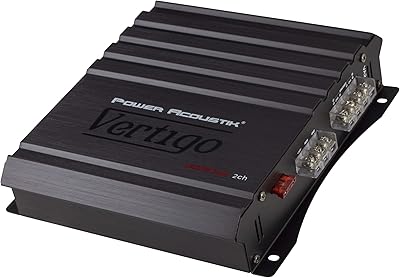
Power Acoustik VA2-1400D Vertigo Series 1,400-Watt 2-Channel Amplifier
83%
91%
Value for Money
88%
Power Output
85%
Ease of Installation
92%
Size and Portability
81%
Build Quality
More
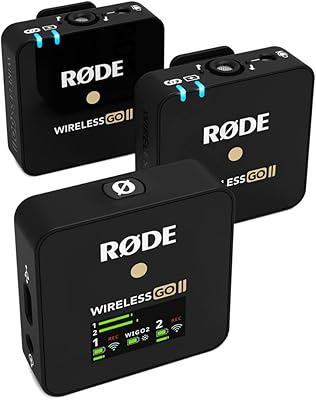
RØDE Wireless GO II
RØDE Wireless GO II
84%
92%
Audio Clarity
86%
Signal Reliability
97%
Internal Backup Recording
94%
Portability & Weight
91%
Setup Speed & Ease of Use
More

FAQ

In most cases, yes. The majority of factory-installed rear-seat entertainment systems in minivans and SUVs use a single-channel IR transmitter, which is exactly what these IR car headphones are designed to pair with. The safest move is to confirm your vehicle uses single-channel IR before ordering, since dual-channel systems require a different type of headphone.

No, these are strictly infrared wireless headphones with no Bluetooth capability whatsoever. They can only receive audio from a vehicle-mounted single-channel IR transmitter. If you need headphones for a phone or tablet, you will need to look at a Bluetooth or wired option instead.

There is no pairing process in the traditional sense. You simply turn the headphones on while your vehicle IR transmitter is active, point them toward the transmitter, and they pick up the signal automatically. Most users report it works within seconds without any setup at all.

The headphones are officially listed for adult use, but the adjustable headband can fit older children reasonably well. Younger children with smaller heads may find the fit loose even at the tightest setting. For very young kids, a dedicated child-sized headphone might be a better fit.

Specific battery life figures are not published in the product specifications, so it is worth checking the included documentation for battery type details. IR headphones of this category typically run on AA or AAA batteries and deliver several hours of playback on a fresh set, making them manageable for a typical road trip.

They will only produce wireless audio in the presence of a compatible IR transmitter, so general home use is not possible wirelessly. However, the 3.5mm jack allows you to plug them into any standard headphone output if you need wired listening outside the car.

Since this is a single-channel system, both ears receive the same audio signal simultaneously — there is no left-right stereo splitting between separate units. Each individual headphone is its own self-contained unit tuned to the same single channel.

The headband holds up well for typical use, but some long-term owners have reported visible wear and reduced tension in the strap over time. For occasional road trips it should hold up fine, but if you are using these daily or passing them around multiple kids every week, keep an eye on headband condition over the months.

These wireless rear-seat headphones are only designed for single-channel IR frequencies. If your vehicle transmits on dual channels, these headphones may not pick up the signal correctly or at all. Check your vehicle owner manual or the entertainment system documentation to confirm which channel type your system uses before purchasing.

Yes, and this is genuinely one of the more practical aspects of the design. The ear pads swivel inward and the whole unit folds flat to a compact profile that slips easily into most standard seat-back pockets. It is a small thing, but it makes a real difference when you are trying to keep the car tidy on long drives.