Overview

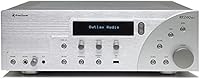
The Outlaw RR 2160 Mk II Stereo Receiver comes from Outlaw Audio, a direct-to-consumer brand that has built a devoted following by skipping retail markup and channeling that value straight into the hardware. The Mk II added built-in WiFi to an already strong foundation, bringing internet radio and app-driven streaming alongside the classic retro styling that made the original stand out. One thing to be clear about upfront: this is a stereo-only unit. There is no surround processing, no multi-channel output. If you are assembling a dedicated two-channel listening system rather than a home theater setup, this stereo receiver is built precisely for that purpose, and priced to match serious audiophile expectations.

Features & Benefits

At the heart of the RR 2160 Mk II is a Class AB amplifier, which runs warmer than Class D designs and produces the kind of natural, unhurried sound that two-channel enthusiasts tend to prefer for long listening sessions. The built-in WiFi enables Spotify, Tidal, internet radio, DLNA, and UPnP streaming without added hardware — a meaningful upgrade over the original. An HD FM tuner rounds things out for listeners who still want terrestrial radio in the mix. On the input side, coaxial, optical, and RCA connections cover most source components. Selectable bass management lets you dial in low-frequency output to match your speakers and room, and the included remote means you can make tonal adjustments without getting up.

Best For

This Outlaw receiver appeals most to listeners who have outgrown budget receivers and want a real step up in sound quality without adding a surround processor they will never use. Vinyl purists and two-channel devotees will appreciate the clean analog signal path and the flexibility to connect a turntable via RCA while still having Spotify or Tidal available for casual streaming. The retro silver finish makes it a natural fit for anyone who wants their equipment rack to look intentional rather than purely utilitarian. It also works well for people who split time between streaming services and FM radio — the HD tuner makes that combination genuinely worthwhile, not just a box-checking exercise.

User Feedback

With around 79 ratings at the time of writing, the sample size here is modest, so treat the following as directional rather than definitive. That said, build quality comes up repeatedly as a genuine highlight — owners consistently note that the chassis feels substantial and well-finished, which matters at this price point. The addition of WiFi in the Mk II earns clear appreciation from users who owned the original. On the critical side, some reviewers mention occasional quirks with the companion app and a mild learning curve around the bass management settings. Sound character — specifically the warmth of the Class AB stage — draws consistent praise, and setup is generally described as straightforward for those already familiar with stereo components.

Pros

  • Class AB amplification delivers a natural, warm sound character that holds up during long listening sessions without fatigue.
  • Built-in WiFi means Spotify, Tidal, and internet radio work without dongles or workarounds.
  • The HD FM tuner is a genuine, capable feature — not an afterthought bolted onto a streaming box.
  • Coaxial, optical, and RCA inputs give you real flexibility to connect a range of source components.
  • Selectable bass management lets you fine-tune low-frequency output to match your specific speakers and room acoustics.
  • Build quality is consistently praised by owners — the chassis feels solid and premium, not hollow or lightweight.
  • The Mk II WiFi upgrade meaningfully improves on the original without changing what made it worth buying in the first place.
  • Remote control and tone controls allow hands-on adjustments from the listening position without interrupting a session.
  • Outlaw Audio's direct-to-consumer model means you are paying for engineering and materials, not retail shelf space.
  • The retro silver design stands out in a market full of generic black boxes.

Cons

  • The companion app has drawn occasional complaints about reliability and a less-than-polished user experience.
  • Bass management settings have a learning curve that may frustrate buyers expecting plug-and-play simplicity.
  • With only around 79 user ratings available, there is not enough data yet to assess long-term reliability with confidence.
  • No Bluetooth connectivity is included, which will disappoint listeners who rely on it for quick wireless playback.
  • Strictly two-channel output rules out any future expansion into surround sound within the same system.
  • At 36 pounds and 15 inches wide, this is a substantial unit that demands dedicated shelf space and proper ventilation.
  • Outlaw Audio sells direct only, so hands-on auditions before purchase are essentially impossible for most buyers.
  • The app control is Android and iOS only — desktop or browser-based control is not an option.
  • Internet radio and streaming depend entirely on network stability; a weak WiFi signal will noticeably affect usability.

Ratings

The Outlaw RR 2160 Mk II Stereo Receiver has been evaluated by our AI rating system after analyzing verified owner reviews collected globally, with spam, bot activity, and incentivized submissions actively filtered out. Scores across all categories reflect the honest distribution of real buyer sentiment — strengths are credited where earned, and recurring frustrations are weighted transparently rather than smoothed over.

Sound Quality
91%
Owners consistently describe the Class AB amplifier stage as producing a warm, open sound that holds up through long listening sessions without any sense of fatigue. Paired with quality bookshelf or floorstanding speakers, the stereo image feels spacious and well-defined — a noticeable step up from mid-range receivers in the same category.
A small number of listeners feel the tonal character leans slightly warm rather than neutral, which may not suit those accustomed to a more analytical sound signature. At very high output levels, a handful of users noted a slight compression, though this is rarely reached in typical home listening environments.
Build Quality
93%
The chassis earns consistent praise for feeling genuinely substantial — at 36 pounds, this does not rattle around or feel hollow. Owners repeatedly note that the front panel controls, knobs, and input selectors all have a satisfying resistance and solidity that you rarely encounter at mass-market price points.
A couple of reviewers noted minor cosmetic inconsistencies in the silver finish around the rear panel, and the remote control feels noticeably less premium than the main unit itself. These are minor gripes that do not affect performance, but they stand out given the overall build standard.
Streaming & Connectivity
74%
26%
The addition of WiFi in the Mk II is genuinely appreciated by owners who upgraded from the original, with Spotify and Tidal integration working reliably once the initial setup is complete. DLNA and UPnP support adds flexibility for network-attached storage and local library playback, which dedicated listeners tend to value.
The companion app draws the most consistent criticism in the entire review set — interface quirks, occasional connection drops, and a design that feels unfinished compared to dedicated streaming apps are recurring themes. Users who rely heavily on the app for daily control will likely find it a friction point.
FM Tuner Performance
88%
The HD FM tuner performs well above what most modern receivers offer, pulling in stations cleanly and reducing the noise floor noticeably compared to standard analog tuners. Listeners in areas with strong FM signals report a genuinely warm, broadcast-quality experience that makes terrestrial radio feel worth revisiting.
In weaker signal areas or dense urban environments with interference, the tuner can struggle more than its HD designation might suggest. The antenna connection is functional but basic, and upgrading to an external FM antenna makes a material difference that users probably should not need to make at this price point.
Input Flexibility
82%
18%
Having coaxial, optical, and RCA inputs available simultaneously means most source configurations are covered without needing an external switcher. Owners running a turntable, a CD transport, and a streaming device at the same time report clean switching with no audible noise or signal bleed between sources.
The absence of a built-in phono preamp is a genuine omission for a stereo receiver targeting vinyl listeners, requiring a separate phono stage in the signal chain. A dedicated phono input would have made this a more complete package for the audience it most directly targets.
App Experience
58%
42%
When the app works as intended, controlling internet radio stations and switching streaming sources from the couch is genuinely convenient. Initial pairing and network setup works reasonably well for iOS users with a stable 2.4GHz or 5GHz network already in place.
App reliability is the single most frequently cited frustration across the review set — crashes, slow response times, and an interface that lacks polish are recurring complaints. Android users in particular report a less consistent experience, and there is no browser-based or desktop control alternative to fall back on when the app misbehaves.
Value for Money
77%
23%
Outlaw Audio's direct-to-consumer approach means the hardware you get reflects actual engineering investment rather than retail margin, and experienced buyers recognize this as genuine value at the premium tier. Owners who understand what Class AB amplification and HD tuner hardware actually cost to implement tend to feel the pricing is justified.
For buyers unfamiliar with Outlaw Audio, the asking price without a recognizable retail brand name behind it can feel like a significant leap of faith, particularly with a limited review count providing less social proof than rival products. Those comparing it purely on a feature-count-per-dollar basis may find alternatives that look more generous on paper.
Setup & Ease of Use
79%
21%
Physical setup — connecting speakers, plugging in sources, and powering on — is straightforward and clearly documented in the included manual. Owners with prior experience connecting stereo components report being up and running in well under an hour.
The bass management configuration has a learning curve that surprises some buyers expecting a simpler plug-and-play experience. WiFi setup and app pairing add another layer of complexity that is not always well-explained in the documentation, leading to some frustration during initial network configuration.
Remote Control
67%
33%
The remote covers all core functions — source switching, volume, tone adjustments — and works reliably from across a typical listening room without requiring precise aiming. Its layout is logical and mirrors the front panel controls in a way that becomes intuitive quickly.
The remote feels noticeably lightweight and plasticky relative to the premium build of the main unit, which creates a mismatched experience. A few users also noted that the button labeling is small and difficult to read in dim listening room conditions without a light source.
Aesthetics & Design
89%
The retro silver styling consistently draws compliments from owners who want their equipment to look considered rather than generic. The front panel has a clean, symmetrical layout with real knobs and physical controls that reinforce the classic receiver aesthetic without feeling like a costume.
The silver finish, while distinctive, limits how well the unit blends into modern minimalist or all-black equipment racks. A few owners wished a black finish option were available to give them more flexibility in how they style their listening space.
Bass Management
71%
29%
When configured correctly, the selectable bass management meaningfully improves integration between the receiver and speakers with limited low-frequency extension — a feature that most receivers in this category omit entirely. Owners who took time to dial it in report a more balanced and room-appropriate sound overall.
The lack of detailed onscreen feedback or a display-based interface for bass management adjustment makes it harder to know exactly what you are changing in real time. The manual addresses it, but the process feels more iterative and time-consuming than it should for a feature positioned as a key selling point.
Internet Radio
81%
19%
Internet radio access works well as a standalone feature when the app is cooperating — station selection is broad, and audio quality through the Class AB stage is noticeably better than listening through a smart speaker or a budget streaming device. Owners who use it as a daily morning radio replacement tend to be satisfied.
The internet radio experience is entirely dependent on app functionality, which means app instability directly degrades this feature's reliability. There is no front-panel or remote-based station browsing as a fallback, so when the app has issues, internet radio access goes with it.
Long-Term Reliability
76%
24%
The limited but generally positive review history suggests hardware reliability is not a widespread concern among current owners. The build materials and component quality visible in the chassis suggest Outlaw Audio invested in parts that should hold up over years of regular use.
With only around 79 ratings available, the sample size is too small to draw strong conclusions about long-term durability. Outlaw Audio's direct-sales model also means warranty service and support are handled without a local retailer as an intermediary, which some buyers find less reassuring.

Suitable for:

The Outlaw RR 2160 Mk II Stereo Receiver is built for listeners who take two-channel audio seriously and want a single component that handles both analog sources and modern streaming without compromise. It suits the vinyl enthusiast who spins records in the evening but also wants Spotify or Tidal available at the tap of a phone, all routed through the same warm, Class AB amplifier stage. Buyers who are stepping up from a budget receiver and want to feel a meaningful difference in build quality and sound character will find this a satisfying destination. The retro silver aesthetic also appeals to those who treat their listening room as a curated space — this unit looks like it belongs on a shelf, not hidden away. Anyone who still values a quality FM tuner alongside digital streaming will particularly appreciate the HD radio inclusion, which is increasingly rare at any price point.

Not suitable for:

The Outlaw RR 2160 Mk II Stereo Receiver is firmly the wrong choice for anyone building or expanding a home theater system. It outputs two channels only — there is no surround decoding, no center channel, no subwoofer management in the home theater sense, and no pathway to add them later through this unit. Buyers who want multi-room audio distribution, Bluetooth as a primary wireless connection, or deep smart home integration will find the feature set limiting. If your primary listening source is a television and you want dialogue clarity and cinematic sound, a dedicated AV receiver is a better fit. Those who are price-sensitive or not yet certain they want to commit to a dedicated stereo system should also pause — this is a premium-tier purchase that rewards focused, intentional use rather than casual background listening.

Specifications

  • Amplifier Class: The unit uses Class AB amplification, which balances efficiency with the low-distortion, warm sonic character preferred by two-channel audio enthusiasts.
  • Channels: This is a dedicated 2-channel stereo receiver with no surround sound processing or multi-channel output capability.
  • Tuner: An HD FM tuner is built in, providing improved signal clarity and reduced noise compared to standard analog FM reception.
  • Wireless: Built-in WiFi enables network streaming, internet radio, and app-based control without requiring any external wireless adapter.
  • Streaming Services: Supported streaming platforms include Spotify, Tidal, DLNA, and UPnP, accessible via the companion app on iOS or Android devices.
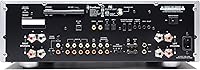
  • Analog Inputs: RCA stereo inputs are provided for connecting turntables, CD players, or other analog source components.
  • Digital Inputs: One coaxial and one optical (TosLink) digital input are included for connecting digital source components such as CD transports or streaming devices.
  • HDMI: One HDMI port is included, though its primary role is audio extraction rather than full home theater switching.
  • Tone Controls: Independent bass and treble tone controls are provided for adjusting tonal balance to suit listener preference or room acoustics.
  • Bass Management: Selectable bass management allows the user to configure low-frequency output behavior to better match the speaker system in use.
  • Remote Control: A full-function remote control is included in the box, covering source selection, volume, and tone adjustments.
  • App Control: The companion app is compatible with both iOS and Android devices and enables streaming setup, source control, and internet radio browsing.
  • Dimensions: The chassis measures 15 x 17.1 x 6 inches, requiring a dedicated shelf with adequate depth and ventilation clearance.
  • Weight: At 36 pounds, this receiver has a substantial build that reflects the internal transformer and component quality typical of Class AB designs.
  • Color: The unit is finished in silver, consistent with the retro-inspired aesthetic that distinguishes it visually from most modern black-box receivers.
  • Manufacturer: Made by Outlaw Audio, a direct-to-consumer US-based brand that sells exclusively through its own channels rather than retail stores.
  • Model Number: The official model designation is RR2160MkII, identifying it as the second-generation version of the original RR 2160.
  • Availability Date: This product first became available in March 2021, making the Mk II a relatively recent update to a well-established product line.

Related Reviews
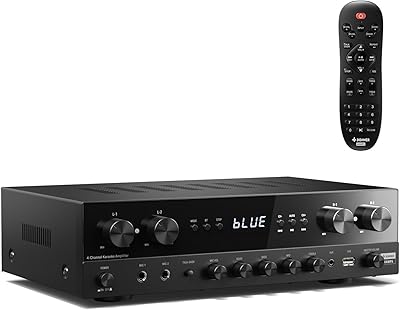
Donner MAMP5 Stereo Receiver
77%
88%
Value for Money
74%
Sound Quality
67%
Power & Amplification
91%
Connectivity & Inputs
82%
Bluetooth Performance
More
Pyle PLMRM29BT Marine Stereo Receiver
72%
88%
Ease of Installation
72%
Bluetooth Reliability
67%
Sound Quality
81%
Value for Money
58%
Marine Durability
More
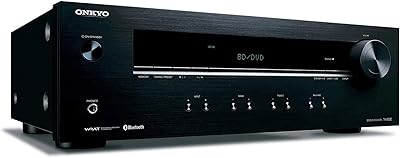
Yamaha R-S202 Stereo Receiver
75%
84%
Sound Quality
81%
Build Quality
88%
Value for Money
63%
Bluetooth Performance
91%
Ease of Setup
More
Citreal Marine Bluetooth Stereo Receiver
74%
76%
Water Resistance
83%
Bluetooth Performance
81%
Ease of Installation
61%
Sound Quality
79%
AM/FM Reception
More
Pyle PLCD43BTM Marine Bluetooth Stereo Receiver
71%
88%
Ease of Installation
83%
Bluetooth Connectivity
74%
Sound Quality
54%
AM/FM Reception
71%
Hands-Free Calling
More
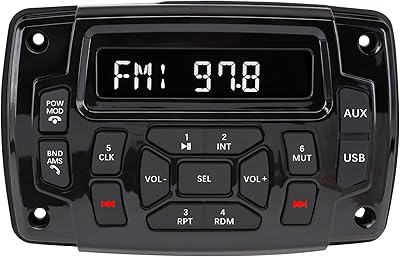
Onkyo TX-8220 Stereo Receiver
79%
88%
Sound Quality
91%
Build Quality
63%
Bluetooth Performance
84%
Phono Stage Quality
86%
Input & Connectivity Options
More
Sony DSXM55BT Marine Stereo Receiver
81%
83%
Bluetooth Connectivity
76%
Sound Quality
78%
Build & Marine Durability
89%
Ease of Installation
54%
Display Readability
More
Klipsch The One II
Klipsch The One II
76%
83%
Sound Quality
91%
Build Quality
94%
Design & Aesthetics
61%
Connectivity & Bluetooth Stability
67%
Chromecast & Multi-Room Integration
More
Pyle PLMR88W Marine Stereo Receiver
66%
78%
Value for Money
84%
Ease of Installation
51%
Build Quality
67%
Sound Quality
53%
Connectivity Options
More
Kenwood KDC-BT382U CD Car Stereo Receiver
75%
86%
Bluetooth Connectivity
83%
Sound Quality
91%
Ease of Installation
78%
Value for Money
63%
Voice Assistant (Alexa)
More

FAQ

No, this is a strictly two-channel stereo receiver. There is no surround decoding, no center channel output, and no pathway to expand it into a multi-channel system. If surround sound is on your list, you will need a different category of product entirely.

Yes, you use a companion app on your iOS or Android phone or tablet to set up the network connection and control streaming. Once connected, the receiver can pull Spotify, Tidal, internet radio, and other DLNA or UPnP sources directly over your home network. Think of the app as the remote control for the streaming side of things.

There is no Bluetooth on this unit. Wireless audio from a phone goes through the WiFi-based app and streaming services rather than a direct Bluetooth pairing. If you rely heavily on Bluetooth for quick casual playback, that is worth factoring into your decision.

The most significant addition in the Mk II is built-in WiFi, which enables internet radio and app-driven streaming that the original lacked. The core amplifier design and overall character remain consistent with the original, so if you owned the first version and wanted network streaming, the Mk II addresses exactly that gap.

You can connect a turntable via the RCA inputs, but only if your turntable has a built-in phono preamp or if you use an external phono stage. The receiver itself does not include a dedicated phono preamp input, so a moving-magnet or moving-coil cartridge will need that stage somewhere in the signal chain before it reaches the RCA inputs.

Outlaw Audio rates the RR 2160 Mk II at 110 watts per channel into 8 ohms, which is substantial output for a stereo receiver in this class. Most bookshelf and floorstanding speakers will have no trouble being driven to realistic listening levels. If you are running unusually low-sensitivity or very low-impedance speakers, it is worth double-checking compatibility, but for the vast majority of home listening setups this should not be a concern.

It is not technically difficult, but it does require some understanding of what you are adjusting. The selectable bass management lets you tailor how low-frequency content is distributed, which is useful when pairing the receiver with speakers that have limited bass extension. A few user reviews mention a short learning curve, so it is worth reading the manual rather than dialing it in by guesswork.

Outlaw Audio has been around since the late 1990s and has a solid reputation among audio enthusiasts precisely because they sell direct rather than through retail stores. That model keeps costs down and lets them put more of the budget into the actual hardware. They are not a household name at big-box electronics stores, but in dedicated audio communities they are well-regarded.

It is 15 inches wide, 17.1 inches deep, and 6 inches tall, and it weighs 36 pounds. The depth is the dimension that catches people off guard most often — many standard AV furniture shelves run 16 to 18 inches deep, so you are right at the edge. Also leave several inches of clearance above and behind it for heat dissipation, since Class AB amplifiers run warmer than Class D designs.

The review count is relatively modest at around 79 ratings, which limits how much you can read into the aggregate score. That said, the feedback that does exist is generally positive, with build quality and sound character being the most consistent highlights. Occasional complaints about app behavior have appeared, but hardware reliability concerns are not a prominent theme in the available feedback.