Orion XTR652NEO 6.5-Inch Midrange Bullet Speakers Pair

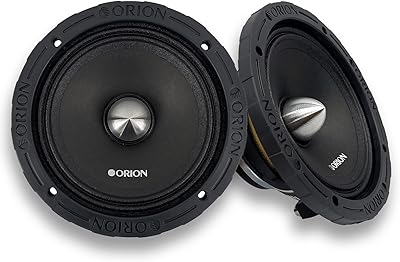
Orion XTR652NEO 6.5-Inch Midrange Bullet Speakers Pair — image 1
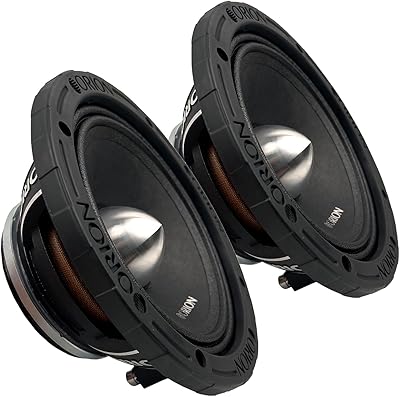
Orion XTR652NEO 6.5-Inch Midrange Bullet Speakers Pair — image 2
Orion XTR652NEO 6.5-Inch Midrange Bullet Speakers Pair — image 3
Orion XTR652NEO 6.5-Inch Midrange Bullet Speakers Pair — image 4
Orion XTR652NEO 6.5-Inch Midrange Bullet Speakers Pair — image 5
73%
27%

Overview

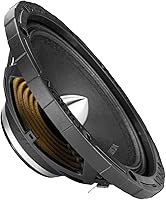
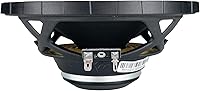
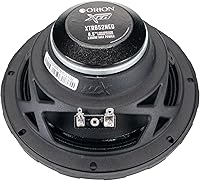
The Orion XTR652NEO 6.5-Inch Midrange Bullet Speakers Pair lands squarely in the component-upgrade category, built for drivers who've outgrown their factory door speakers. Each driver in this speaker pair uses a neodymium magnet structure, which keeps the assembly noticeably more compact and lighter than the older ferrite designs you'll find in cheaper kits. Tucked into the center of each unit is a built-in bullet tweeter, blending coaxial-style top end with genuine midrange clarity rather than forcing one driver to do everything. That combination matters if you're building a true multi-way setup with separate woofers handling bass duty. One thing worth flagging early: the 2-ohm impedance rating means these are tuned more for higher-power amplifier setups than basic head-unit power alone.

Features & Benefits

On paper, these midrange speakers are rated for 1200W max power and 300W RMS, numbers that matter mostly for sizing your amplifier rather than predicting constant output you'd actually run all day. The high-temperature voice coil is the more practical spec here, since it's what keeps the driver from cooking itself during long sessions at higher volumes. Efficiency comes in at 91.7 dB, which is genuinely useful: it means you need less amplifier power to hit comfortable, even loud, listening levels compared to less efficient drivers. The 128Hz-10kHz frequency response keeps the XTR652NEO drivers focused squarely on midrange duty, while the bullet tweeter stretches reach into the upper frequencies without thinning out the warmth lower down. A flush-mount design rounds things out, aiming to drop into standard factory-style cutouts without extra fabrication.

Best For

This speaker pair makes the most sense for car audio hobbyists who are tired of muddy or blown-out factory midrange and want a noticeable step up in clarity. They're also a logical pick for anyone assembling a dedicated component system, since pairing a focused midrange driver with separate tweeters or a subwoofer tends to produce cleaner separation than an all-in-one coaxial setup. Installers will appreciate that the mounting dimensions line up with common factory-style cutouts, which usually means less cutting and fabrication during the swap. If your priority is clearer vocals and more present midrange during everyday commutes rather than chasing extreme bass, this is the kind of upgrade that fits. And for budget-conscious buyers, the power ratings here land well above what many similarly priced options offer.

User Feedback

Feedback on these midrange speakers tends to circle around a few recurring themes. The biggest one is the gap between max power and real-world loudness: buyers who expect 1200 watts of constant output are often disappointed, while those who understand RMS ratings tend to come away satisfied with the volume on tap. Installation generally goes smoothly for people who measure their mounting depth and cutout size beforehand, though a few report tight fits in factory locations. Sound quality opinions vary quite a bit depending on the amplifier and head unit doing the driving, which isn't unusual for 2-ohm components. The more persistent concern is long-term durability at sustained high volume, a common worry across budget-tier midrange drivers in general. Most shoppers still see solid value here compared to similarly priced component alternatives.

Pros

  • Compact neodymium magnet keeps the driver noticeably lighter than older ferrite designs
  • Built-in bullet tweeter adds genuine high-frequency reach without thinning out the midrange
  • High efficiency rating means less amplifier power is needed for solid volume
  • High-temperature voice coil helps the driver handle extended listening sessions better
  • Flush-mount sizing tends to fit common factory cutouts with minimal fabrication
  • Power headroom on the Orion XTR652NEO 6.5-Inch Midrange Bullet Speakers Pair suits higher-output amp setups
  • Clearer vocal presence is a frequent improvement buyers notice over stock speakers
  • Strong fit for dedicated component systems with separate tweeters or subwoofers
  • Solid value compared to similarly priced component speaker alternatives

Cons

  • 2-ohm impedance limits compatibility with basic or older amplifiers
  • Max power rating can mislead buyers expecting that as constant output
  • Mounting depth needs careful measuring, since tight factory cavities can cause fitment issues
  • Overall sound quality leans heavily on amp and head unit pairing, not just the drivers
  • Long-term durability at sustained high volume remains a common concern in this price tier
  • Not an ideal standalone choice for buyers wanting strong bass without separate woofers
  • Requires more setup knowledge than a simple factory speaker swap
  • Limited warranty coverage offers less peace of mind than higher-tier component lines

Ratings

Our AI rating engine analyzed verified buyer feedback from car audio communities and retail reviews worldwide to score the Orion XTR652NEO 6.5-Inch Midrange Bullet Speakers Pair, filtering out spam, bots, and incentivized posts along the way. The scorecards below reflect a transparent mix of what owners genuinely praised and where this speaker pair fell short. Both strengths and recurring pain points are weighted honestly, not smoothed over for marketing purposes.

Midrange Clarity
84%
Owners consistently mention sharper vocal definition during commutes compared to their old factory speakers, with dialogue and lead instruments cutting through cleaner. The dedicated midrange focus pays off when paired with a separate subwoofer.
A handful of buyers running these without an amp report a flatter, less defined sound, since the drivers seem to need real power to show their character. Clarity drops noticeably at low volumes on weaker head units.
High-Frequency Detail
79%
21%
The built-in bullet tweeter earns praise for extending cymbals and upper vocals without sounding harsh, especially in daily driving where road noise competes for attention. It's a solid built-in solution for buyers skipping separate tweeters.
A few listeners feel the top end thins out slightly at higher volumes compared to dedicated standalone tweeters in pricier component kits. It's good, not exceptional, for treble enthusiasts.
Power Handling
71%
29%
The 300W RMS rating gives real headroom for buyers running a proper amplifier, and most report comfortable loud listening without obvious strain. It suits hobbyists building out a higher-output system from the start.
Confusion around the 1200W max power figure leads some buyers to overestimate sustained output and feel misled when reality sets in. Pushing past RMS limits for extended periods is a recurring worry among reviewers.
Heat Management
76%
24%
The high-temperature voice coil seems to do its job during long highway drives and extended bass-heavy sessions, with few owners reporting overheating issues. It holds up reasonably well under sustained moderate use.
A small number of users running them hard at high volume for extended periods report some performance drop-off over time, suggesting the thermal ceiling isn't unlimited. Sustained peak use remains a stress point.
Efficiency
88%
At 91.7 dB, these midrange speakers reach satisfying volume without demanding a massive amplifier, which buyers on tighter budgets appreciate. It's one of the more universally praised specs in the lineup.
Despite the efficient rating, the 2-ohm impedance still rules out simpler setups, so the efficiency benefit only really applies once you've already invested in compatible gear. It's not a fix for amp limitations.
Amplifier Compatibility
58%
42%
For buyers who already run 2-ohm capable amplifiers, integration is straightforward and the drivers pair well with higher-output systems exactly as intended. It rewards a properly matched setup.
This is the most common stumbling block in feedback, since plenty of buyers underestimate the amp requirements and end up frustrated with weak performance. It's a real barrier for casual upgraders.
Installation & Fit
73%
27%
Flush-mount sizing lines up with many common factory cutouts, and installers who measure ahead of time report a smooth, drop-in style install. Standard mounting dimensions help avoid major fabrication work.
Buyers in vehicles with shallower door cavities report tight clearance issues with the mounting depth, occasionally requiring spacers or minor adjustments. Fit isn't universal across every vehicle model.
Build Quality
81%
19%
The neodymium magnet construction feels noticeably lighter and more compact than older ferrite-based speakers, which installers appreciate when working in cramped door panels. The overall assembly feels solid for the price point.
Some long-term owners note minor cosmetic wear around the bullet tweeter housing after extended use. It doesn't feel quite as rugged as higher-tier component speaker lines.
Long-Term Durability
62%
38%
Many owners running these at moderate, sensible volumes report reliable performance well beyond the first year with no issues. Respecting the RMS rating seems to correlate strongly with longevity.
Sustained high-volume use is the clearest predictor of problems, with a noticeable subset of reviews mentioning reduced output or distortion after months of heavy daily use. This remains the biggest long-term risk area.
Bass Contribution
54%
46%
When paired with a dedicated subwoofer, the low-mid warmth these drivers retain helps bridge the gap between bass and vocals nicely. It contributes to a fuller overall soundstage in multi-way setups.
On their own, these aren't woofers, and buyers expecting noticeable low-end punch from the midrange drivers alone are consistently let down. A subwoofer is essentially mandatory for real bass.
Value for Money
85%
Compared to similarly priced component speakers, buyers frequently highlight the combination of power headroom and efficiency as a strong deal for hobbyists on a budget. It punches above its price bracket on paper specs.
The value proposition weakens for buyers who didn't budget for a compatible amplifier, since the real performance only shows up with the right supporting gear. Hidden setup costs catch some shoppers off guard.
Ease of Use
69%
31%
Once properly wired into a compatible system, day-to-day use is simple, with no ongoing adjustments needed beyond initial amp tuning. Set-and-forget reliability is common once everything's dialed in.
Getting to that point requires more technical know-how than a basic factory speaker swap, which trips up less experienced installers. It's not as beginner-friendly as plug-and-play alternatives.

Suitable for:

The Orion XTR652NEO 6.5-Inch Midrange Bullet Speakers Pair is best suited to car audio hobbyists who already have a decent amplifier and want a real step up from factory midrange speakers. It works well for anyone assembling a dedicated component system, since pairing a focused midrange driver with separate tweeters or a subwoofer gives cleaner separation than a basic coaxial setup. Installers and DIY-minded owners will appreciate that the flush-mount design and dimensions tend to match common factory cutouts, which usually cuts down on extra fabrication work. Daily commuters who care more about clear vocals and present midrange than thumping bass will likely notice the difference right away. It's also a reasonable fit for budget-conscious buyers who want higher power headroom without paying premium-tier prices, as long as their amp can handle a 2-ohm load.

Not suitable for:

The Orion XTR652NEO 6.5-Inch Midrange Bullet Speakers Pair isn't a great match for anyone expecting plug-and-play loudness straight off a stock head unit, since the 2-ohm impedance really calls for a compatible aftermarket amplifier. Buyers chasing the full 1200W max power figure as a literal, sustained output number will be setting themselves up for disappointment, because that's a peak rating rather than continuous performance. People who just want simple bass-heavy sound from a basic factory swap may find a true midrange-only design overkill or fiddly to integrate with separate tweeters. Anyone uneasy about double-checking mounting depth and cutout dimensions before buying should also pause, since fitment issues are a recurring source of frustration. Finally, those wanting strong long-term assurance at sustained high volume might want to look at higher-tier component lines instead.

Specifications

  • Speaker Size: Each driver in the pair measures 6.5 inches, the industry-standard size for most midrange car speaker applications.
  • Power Handling: The speakers carry a 1200W max power rating alongside a 300W RMS continuous power rating.
  • Impedance: Each driver is rated at 2 ohms, which requires an amplifier capable of safely driving that load.
  • Voice Coil: A 1.5-inch high-temperature voice coil is used to help manage heat buildup during extended playback.
  • Efficiency: Sensitivity is rated at 91.7 dB, meaning less amplifier power is needed to reach comfortable volume levels.
  • Frequency Response: The driver covers a range of 128Hz to 10kHz, placing its focus on midrange and lower-treble frequencies.
  • Magnet Type: A neodymium magnet structure is used instead of a traditional ferrite magnet, reducing overall weight.
  • Tweeter Design: A built-in bullet tweeter is integrated into each driver to extend high-frequency output.
  • Mounting Type: The speakers use a flush-mount configuration designed to sit level with the mounting surface.
  • Overall Diameter: Each speaker has an overall diameter of 7.01 inches, including the mounting flange.
  • Overall Depth: The total depth of each speaker, from the front face to the rear magnet, is 3.31 inches.
  • Mounting Diameter: The cutout diameter required for installation is 5.75 inches.
  • Mounting Depth: The minimum clearance needed behind the mounting surface is 2.96 inches.
  • Connectivity: The speakers use a standard coaxial connection setup with no wireless or digital components.
  • Weight: The pair has a combined shipping weight of 5 pounds.
  • Quantity: The listing includes a matched pair, totaling two speakers per package.
  • Included Components: The package includes the two speakers along with a printed instruction manual.
  • Warranty: The product is covered by a limited warranty through the manufacturer.
  • Model Number: The speakers are identified by the manufacturer model number XTR652NEO.

Related Reviews
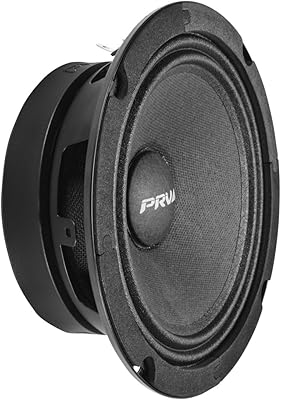
PRV Audio 6MR250B-4 Slim 6.5-inch Midrange Speaker
84%
91%
Sound Clarity
94%
Fitment & Depth
88%
Value for Money
79%
Installation Experience
74%
Build Quality
More
Orion HCCA64N 6.5-inch Midrange Car Speakers
82%
88%
Sound Clarity
91%
Build Quality
93%
Sensitivity & Efficiency
86%
Power Handling
74%
Value for Money
More
Orion HCCA654NHP 6.5-inch Midrange Speakers
81%
94%
Sensitivity & Output
88%
Power Handling
86%
Midrange Clarity
91%
Neodymium Magnet Design
82%
Build & Construction
More
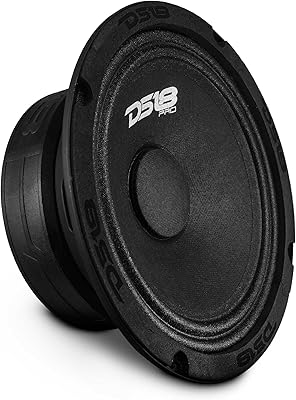
PRV Audio 6MR200A 6.5-Inch Shallow Midrange Speaker
85%
91%
Sound Clarity
94%
Shallow Mount Design
93%
Value for Money
88%
Installation Experience
79%
Build Quality
More
DS18 PRO-GM6.4 6.5″ Midrange Car Speaker
75%
91%
Vocal Clarity
87%
Build Quality
84%
Power Handling
89%
Midrange Presence
58%
Installation Experience
More
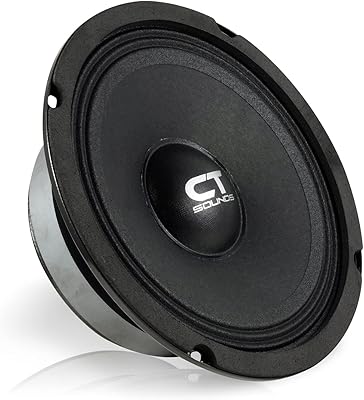
CT Sounds TROPO65-4 6.5″ Midrange Speaker
76%
87%
Sound Clarity
91%
Value for Money
88%
Fitment & Installation
72%
Build Quality
61%
Crossover Requirement
More
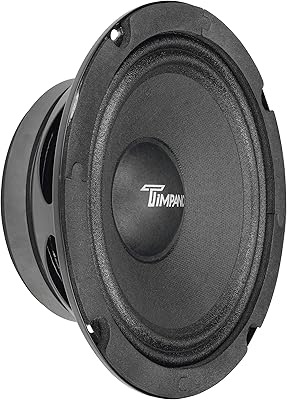
Timpano TPT-MR6-4 PRO 6.5 Inch Shallow Midrange Speaker
87%
88%
Audio Performance
90%
Ease of Installation
85%
Build Quality
92%
Midrange Clarity
87%
Power Handling
More
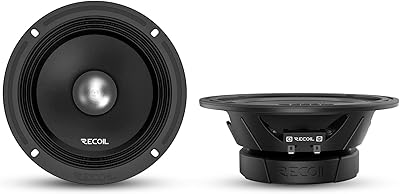
RECOIL MS65-4P 6.5-Inch Midrange Car Speakers
75%
88%
Midrange Sound Quality
86%
Value for Money
79%
Build Quality
83%
Installation Ease
77%
Power Handling
More
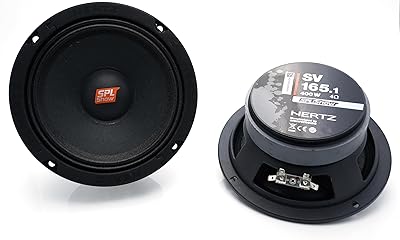
HERTZ SV-1651 6.5″ 4-Ohm SPL Midrange Speaker Drivers (Pair)
88%
92%
Sound Quality
88%
Performance at High Volume
90%
Build Quality
85%
Installation Ease
89%
Compatibility with Amplifiers
More
PRV Audio 6MB100-4 6.5″ Midbass Car Speakers
79%
93%
Mounting Depth & Fitment
88%
Midrange Sound Quality
71%
Bass Response
89%
Installation Ease
52%
High-Frequency Extension
More

FAQ

Because these are rated at 2 ohms, they really do need an aftermarket amplifier built to handle that load safely. A stock head unit alone typically won't drive them properly or get you the sound quality you're paying for. If you're not already running an amp, budget for one as part of the install.

The 300W RMS figure is the continuous power the speaker can handle reliably, while 1200W is a short-term peak rating, not something you'll see in normal listening. When sizing your amplifier, it's smarter to match it closer to the RMS number. Treating the max power figure as constant output is a common mistake.

They're designed with flush-mount sizing that lines up with a lot of common factory cutouts, but you should still measure your mounting depth and diameter before ordering. The required depth is just under 3 inches, so shallow door panels could be tight. A quick measurement beforehand saves a return hassle.

Yes, the built-in bullet tweeter is designed to extend the high frequencies on its own, so a separate tweeter isn't strictly necessary. That said, if you want even more top-end detail, pairing them with dedicated tweeters in a proper component setup can sound noticeably better. It really depends on how far you want to take the system.

With a properly matched 2-ohm capable amplifier, the 91.7 dB efficiency rating means they should get reasonably loud without needing a ton of power. Actual loudness in your car will still depend heavily on your amp, head unit, and how your system is tuned. Don't expect factory-level power alone to unlock their full potential.

These are midrange speakers, not woofers, so they're not built to handle deep bass on their own. The frequency response tops out around 128Hz on the low end, which is well above subwoofer territory. If you want real bass impact, you'll still want a dedicated subwoofer in the mix.

A soft, dry cloth is usually enough to wipe down the speaker face and bullet tweeter housing. Avoid spraying cleaners directly onto the driver, since moisture can damage the voice coil and surrounding components. Keeping the install area dry and dust-free goes a long way for longevity.

If you're comfortable with basic car audio wiring and have the right tools, installing these yourself is doable, especially if your factory cutouts already match the mounting dimensions. If your vehicle needs custom brackets or wiring adjustments, a professional installer can save you time and frustration. It really comes down to your comfort level and your vehicle's setup.

The high-temperature voice coil is meant to help with heat management during regular use, which is a plus for daily listening. That said, like most speakers in this price range, long-term durability at sustained high volume is something to keep an eye on. Running them within their rated power and avoiding constant clipping will help them last longer.

For most people replacing tired, distorted factory speakers, yes, this pair offers a noticeable step up in clarity and midrange detail. They're especially worthwhile if you're already running or planning to run an aftermarket amp. If you're staying with a basic factory system, you may not unlock their full benefit.