Overview

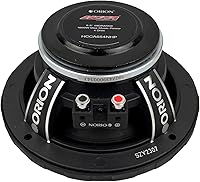
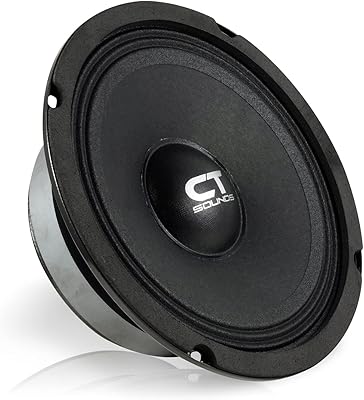
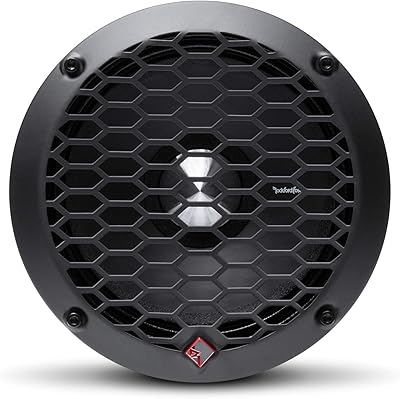
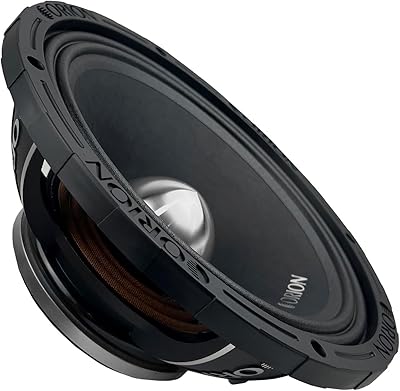
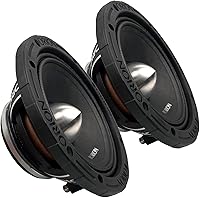
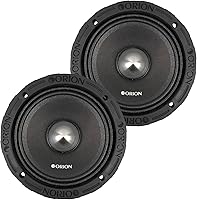
The Orion HCCA654NHP 6.5-inch Midrange Speakers come from a brand that has earned genuine respect in competitive car audio circles — not through marketing, but through years of builds that actually perform. These aren't coaxials you swap in for a quick upgrade. They're dedicated midrange drivers designed to sit inside a proper 3-way component system, handling the frequencies that coaxials often struggle to reproduce cleanly. The included pair makes install planning straightforward, and the neodymium magnet design immediately separates them from ferrite-based options at comparable price points. If you're building seriously, that distinction matters.
Features & Benefits

The number that actually matters here is the 450W RMS rating — that's the continuous power these Orion midrange drivers can handle in real-world daily use, not a theoretical peak figure. The neodymium magnet assembly keeps overall weight down while generating a strong magnetic field, which directly contributes to the 99.8 dB sensitivity. That figure is worth pausing on: these will get genuinely loud without demanding a high-powered amplifier. The 2-inch voice coil is wound to handle heat during extended listening sessions, and the phase plug helps spread higher frequencies more evenly. Standard 4-ohm impedance means compatibility isn't a concern with most aftermarket amplifiers.

Best For

These neodymium midranges are built for enthusiasts assembling a dedicated 3-way system — someone pairing them with a proper subwoofer and a separate tweeter, not someone looking to replace factory speakers on a Saturday afternoon. They reward clean amplifier power, so if you're already running a capable amp, you'll hear the difference. Competition builders and show car enthusiasts will appreciate the output efficiency. That said, be direct with yourself: if you want a simple coaxial drop-in, look elsewhere. The 2.7-inch mounting depth is also worth measuring against your door cavity before buying, as some factory locations run tight.

User Feedback

Across roughly 74 ratings, the HCCA654NHP speakers hold a 4.4 out of 5 — respectable, though it's a relatively small pool, so treat the consensus as directional rather than definitive. Consistent praise centers on output relative to amplifier power; buyers are regularly surprised by how loud these get without a monster amp. Several installers flag that crossover tuning is not optional — proper high-pass filtering is needed to get the most from them as a dedicated midrange. On the downside, a handful of users found the mounting depth tight in shallower door panels. No notable quality-control patterns emerged, and value against pricier competitors comes up repeatedly as a genuine plus.

Pros

  • Exceptional sensitivity rating means real-world loudness without demanding a high-powered amplifier.
  • Neodymium magnet construction keeps the driver lightweight while maintaining a strong magnetic field.
  • The 2-inch voice coil handles extended high-volume listening without breaking down from heat.
  • Comes as a pair straight out of the box, which simplifies budgeting and install planning.
  • 4-ohm impedance works with the vast majority of aftermarket amplifiers without any adaptation needed.
  • Phase plug design aids upper-frequency dispersion, giving the driver more versatility in certain system configurations.
  • Buyers routinely cite competitive value when compared to pricier alternatives in the same performance tier.
  • No widespread quality-control complaints have surfaced across the existing review pool.
  • The 450W RMS rating provides genuine headroom for demanding, long-duration listening sessions.

Cons

  • Requires a properly configured crossover — skipping this step will produce poor results from these neodymium midranges.
  • The 2.7-inch mounting depth can be a tight fit in certain factory door panel locations.
  • The existing review pool is relatively small, so broad conclusions about long-term reliability are still limited.
  • No passive crossover is included in the box, adding cost and complexity for buyers new to component systems.
  • Not a standalone solution — a capable amplifier and complementary drivers are essential for the system to perform correctly.
  • Buyers expecting a full-range sound from these drivers alone will be disappointed by the design intent.
  • Installation is not beginner-friendly; improper setup risks underperformance or potential driver damage over time.

Ratings

The scores below for the Orion HCCA654NHP 6.5-inch Midrange Speakers were generated by our AI system after analyzing verified purchaser reviews from multiple global markets, with spam, bot activity, and incentivized feedback actively filtered out. Both the genuine strengths and the real frustrations buyers encountered are reflected here without sugarcoating, so you can make a confident, well-informed decision before committing to a purchase.
Sensitivity & Output
94%
This is where these Orion midrange drivers genuinely stand apart. Buyers running mid-tier amplifiers consistently report being surprised by how much usable volume they get without pushing their amps hard. In real system builds, that translates to headroom to spare on a daily driver setup.
A small number of users found the high sensitivity exposed background noise and hiss from lower-quality source units or amplifiers. If your upstream components aren't clean, the efficiency can work against you by amplifying imperfections in the signal chain.
Power Handling
88%
The 450W RMS continuous rating gives installers meaningful headroom when pairing these with a capable amplifier. Builders running active crossover setups report confident, stable performance even during extended high-volume sessions without noticeable thermal stress.
The peak power figure tends to attract buyers who misunderstand how speaker ratings work, leading to some disappointment when real-world results are judged against an 1800W expectation. The RMS number is what matters, and managing that expectation upfront is important.
Midrange Clarity
86%
Within a properly configured 3-way system, these neodymium midranges deliver a clean, articulate midrange reproduction that handles vocals and instruments with genuine definition. Enthusiasts who have tuned their crossover points carefully report a smooth, natural character that punches above its price tier.
Without a properly set high-pass crossover, the clarity falls apart noticeably. Users who installed these without adequate crossover filtering reported muddiness and a lack of definition — a consistent theme that comes down to setup rather than driver quality, but worth flagging.
Neodymium Magnet Design
91%
The neodymium motor structure is noticeably lighter than ferrite alternatives, which matters practically when mounting in door panels where overall weight and balance affect installation. The stronger magnetic field generated by the neodymium assembly directly supports the high sensitivity rating that buyers praise.
Neodymium magnets are more sensitive to extreme heat over time than ferrite in certain conditions, though no buyers reported magnet degradation as an issue. The benefit clearly outweighs the theoretical concern at this application level, but it is worth noting for installs in extremely hot climates.
Build & Construction
82%
18%
The physical construction feels solid and purposeful for a pro audio driver in this segment. The 2-inch voice coil housing and overall frame rigidity give a reassuring sense of durability that buyers who handle a lot of car audio hardware tend to notice and comment on favorably.
No widespread quality-control issues emerged from the review pool, but the limited sample size of 74 ratings means long-term durability data is still thin. Buyers looking for years of documented reliability history may want to wait for a larger body of owner feedback to develop.
Mounting & Fitment
67%
33%
The 5.75-inch mounting diameter works with many standard 6.5-inch factory cutouts, which simplifies the mechanical side of installation for builders working with common domestic vehicle door panels. For custom enclosures or fabricated pods, the dimensions are straightforward to work around.
The 2.7-inch mounting depth is a genuine obstacle in vehicles with shallow factory door cavities. A meaningful portion of buyer feedback specifically flags this as an unexpected challenge, and a few buyers had to fabricate spacers or reconsider placement entirely — something to check before ordering.
Value for Money
84%
Buyers who have shopped competing pro audio midrange drivers in this performance tier consistently position these as a strong value proposition. Several reviewers explicitly compared them to pricier competition-oriented brands and felt the performance gap did not justify the price difference.
The value calculation changes if you factor in the additional investment required — a capable amplifier, crossover components, and installation time all add to the total cost of ownership. For buyers on a tight budget expecting a self-contained upgrade, the full system cost can feel unexpectedly high.
Amplifier Compatibility
89%
The standard 4-ohm impedance means these HCCA654NHP speakers work with virtually any aftermarket amplifier without needing impedance matching or adapters. Builders running mono or multichannel amps in standard configurations reported no compatibility headaches during the planning phase.
These drivers do require an external amplifier — running them passively off a head unit will produce underwhelming results. This is expected by experienced installers but catches out buyers who assumed any powered signal would be sufficient to drive them properly.
High-Frequency Extension
76%
24%
The phase plug design does a reasonable job of pushing frequency dispersion upward, which gives these midranges more flexibility in 2-way setups than a typical sealed midrange driver would offer. Some builders have used them without a dedicated tweeter in specific configurations with acceptable results.
These are not a true full-range driver, and their high-frequency extension has clear limits above a certain point. In critical listening builds where airy, extended treble is a priority, a quality dedicated tweeter crossed in at the right point is still strongly recommended rather than relying on the phase plug alone.
Installation Complexity
58%
42%
For experienced car audio installers, the physical installation is clean and predictable. The driver dimensions are well-documented, the hardware is straightforward, and buyers with a few builds under their belt reported no meaningful surprises during the mechanical side of the install.
Newer installers consistently report underestimating how much system knowledge is required to get these working correctly. Crossover selection, amplifier gain setting, and mounting depth planning all create friction for less experienced buyers, and the lack of any included crossover adds to that complexity immediately.
Thermal Durability
81%
19%
The high-temperature voice coil is designed specifically for sustained loud playback, and buyers who run their systems hard during long commutes or at shows have not reported premature heat-related failures. That engineering focus on thermal resistance is a meaningful real-world benefit in competition scenarios.
Sustained high-power operation in an enclosed, hot vehicle interior does stress any voice coil over time. While no pattern of failures appeared in the current review data, the limited review count makes it difficult to draw firm conclusions about long-term thermal durability across varied climates.
Packaging & Unboxing
73%
27%
Both drivers arrive well-protected and clearly labeled, which installers appreciated when pulling components for a build. The pair-in-one-box approach also simplifies inventory management for shops handling multiple vehicle builds simultaneously.
No accessories beyond the speakers themselves are included — no crossover, no mounting hardware, no installation guide specific to common vehicle types. Buyers new to component audio consistently flagged this as an area where a few added extras would have made the out-of-box experience noticeably better.
System Synergy
79%
21%
When properly matched with a quality amplifier, a well-tuned crossover, and complementary tweeter, these neodymium midranges integrate cleanly into a cohesive system sound. Enthusiasts who took the time to dial in crossover points reported a notably cohesive and immersive soundstage in their builds.
The performance is highly dependent on surrounding system components — a weak link anywhere in the chain noticeably affects what these drivers can deliver. Buyers who assembled their system piecemeal without a clear plan reported inconsistent results that required significant tuning time to resolve.

Suitable for:

The Orion HCCA654NHP 6.5-inch Midrange Speakers are built for car audio enthusiasts who are serious about their builds — people assembling a proper 3-way component system with a dedicated subwoofer, a separate tweeter, and an amplifier that can deliver clean power. If you're the type who spends time tuning crossover points and thinking carefully about frequency ranges, these drivers slot in exactly where they should. Competition car audio builders will appreciate the high sensitivity rating, which translates to real output without needing an enormous amplifier to get there. Show car enthusiasts who need both efficiency and output in a tidy 6.5-inch package will find a lot to like here. Buyers who already own a mid-tier or better aftermarket amplifier will hear what these neodymium midranges are genuinely capable of delivering.
Not suitable for:

The Orion HCCA654NHP 6.5-inch Midrange Speakers are not the right choice for someone who wants a straightforward, plug-and-play speaker upgrade. These are dedicated midrange drivers — not full-range coaxials — which means they require a proper crossover and a planned system to function correctly; without that, you won't get the performance you paid for. Casual listeners replacing aging factory speakers on a budget will find the installation complexity and system requirements frustrating rather than rewarding. Buyers with shallow factory door cavities should also measure carefully before purchasing, as the 2.7-inch mounting depth can be a real obstacle in tighter locations. If you don't already have an amplifier in mind, factor that additional cost into your decision, because these Orion midrange drivers will underperform when paired with a weak or underpowered head unit signal alone.
Specifications

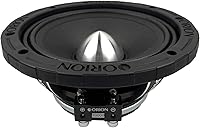
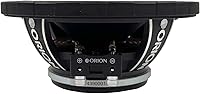
  • Speaker Size: Each driver measures 6.5 inches in diameter, with an overall outer diameter of 7.01 inches and an overall depth of 3.11 inches.
  • Mounting Specs: The mounting diameter is 5.75 inches and the mounting depth is 2.7 inches, which should be verified against your vehicle's door cavity before purchase.
  • RMS Power: Each speaker is rated at 450W RMS, representing the continuous power level the driver can handle reliably during everyday use.
  • Peak Power: The maximum peak power handling is 1800W, with a nominal power rating of 900W sitting between the two extremes.
  • Impedance: Both drivers carry a 4-ohm nominal impedance, making them compatible with the large majority of standard aftermarket car amplifiers.
  • Sensitivity: Sensitivity is rated at 99.8 dB, meaning these drivers produce high output levels relative to the amplifier power supplied to them.
  • Magnet Type: The motor structure uses a neodymium magnet, which is lighter than a comparable ferrite magnet while generating a stronger and more focused magnetic field.
  • Voice Coil: The voice coil measures 2 inches in diameter and is wound with high-temperature materials to resist heat buildup during extended loud playback.
  • Driver Type: These are dynamic driver midrange speakers, not full-range coaxials, and are intended for use within a properly configured component speaker system.
  • Audio Driver Size: The active driver cone measures 6.38 inches, housed within the 7.01-inch overall frame diameter.
  • Included Items: Each package includes two speakers, allowing a complete stereo midrange pair to be installed from a single purchase.
  • Item Weight: The combined shipping weight for the pair is 7.28 pounds, reflecting the density of the neodymium motor structure despite its compact size.
  • Power Source: These drivers operate on a 12-volt automotive electrical system, consistent with standard car audio installations.
  • Connectivity: Connection is wired only; there is no wireless or Bluetooth capability, as these are passive drivers requiring an external amplifier.
  • Surround Config: The system is configured for 2.0 stereo output, with one driver assigned to each channel in a standard left-right setup.
  • Waterproofing: These speakers are not waterproof and are rated for indoor vehicle use only, so exposed or convertible installations are not recommended.
  • Warranty: Orion provides a limited warranty with this product; buyers should confirm the specific terms and duration directly with the retailer or manufacturer at time of purchase.
  • Series: These drivers belong to Orion's HCCA pro audio series, which is positioned toward performance-oriented and competition car audio applications.

Related Reviews
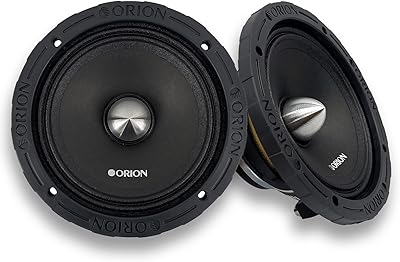
Orion HCCA64N 6.5-inch Midrange Car Speakers
82%
88%
Sound Clarity
91%
Build Quality
93%
Sensitivity & Efficiency
86%
Power Handling
74%
Value for Money
More
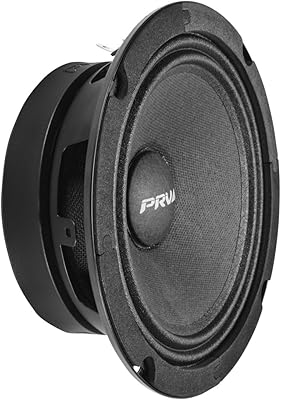
PRV Audio 6MR200A 6.5-Inch Shallow Midrange Speaker
85%
91%
Sound Clarity
94%
Shallow Mount Design
93%
Value for Money
88%
Installation Experience
79%
Build Quality
More
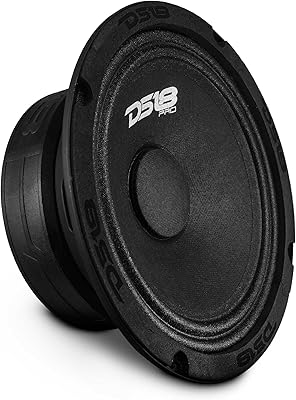
DS18 PRO-GM6.4 6.5″ Midrange Car Speaker
75%
91%
Vocal Clarity
87%
Build Quality
84%
Power Handling
89%
Midrange Presence
58%
Installation Experience
More
CT Sounds TROPO65-4 6.5″ Midrange Speaker
76%
87%
Sound Clarity
91%
Value for Money
88%
Fitment & Installation
72%
Build Quality
61%
Crossover Requirement
More
RECOIL MS65-4P 6.5-Inch Midrange Car Speakers
75%
88%
Midrange Sound Quality
86%
Value for Money
79%
Build Quality
83%
Installation Ease
77%
Power Handling
More
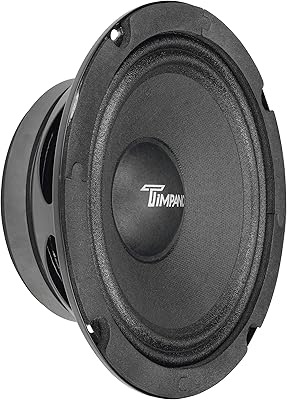
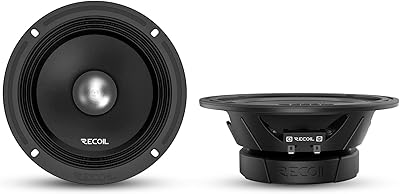
Timpano TPT-MR6-4 PRO 6.5 Inch Shallow Midrange Speaker
87%
88%
Audio Performance
90%
Ease of Installation
85%
Build Quality
92%
Midrange Clarity
87%
Power Handling
More
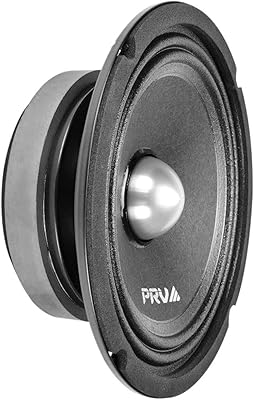
PRV Audio 6MR250B-4 Slim 6.5-inch Midrange Speaker
84%
91%
Sound Clarity
94%
Fitment & Depth
88%
Value for Money
79%
Installation Experience
74%
Build Quality
More
Rockford Fosgate PPS4-6 Punch Pro 6.5″ Midrange Speaker
88%
88%
Sound Quality
90%
Build Quality
85%
Ease of Installation
92%
Power Handling
89%
Durability
More
Pyle PLMRF65SB 6.5-inch Marine Speakers
67%
78%
Waterproof & Weather Resistance
63%
Sound Quality
74%
Build Quality & Durability
51%
Wireless RF Performance
86%
Installation & Fitment
More
Orion HCCA1054NHP 10-inch Neodymium Midrange Speaker
85%
91%
Sound Quality
88%
Build Quality
92%
Performance at High Volumes
75%
Ease of Installation
89%
Durability
More

FAQ

These are genuine dedicated midrange drivers, not coaxials. They are designed to handle a specific frequency band within a larger component system and require a crossover to function correctly. If you drop them in without a proper high-pass filter, you won't get the performance you're expecting.

No, a passive crossover is not included in the box. You'll need to either source a compatible external crossover or run them actively through a processor or amplifier with built-in crossover controls. This is standard for pro audio midrange drivers at this level.

Because of the high 99.8 dB sensitivity, these Orion midrange drivers get loud without needing a massive amplifier. A clean 100 to 200W RMS per channel is a solid starting point for most installs. The key word is clean — a lower-powered amp running without distortion will serve these drivers better than an overpowered amp clipping at high volume.

That depends on your vehicle. The mounting diameter is 5.75 inches, which fits many standard 6.5-inch mounting locations, but the 2.7-inch mounting depth can be a problem in shallower door cavities. Measure your available depth carefully before ordering, especially in vehicles known for tight door panels.

Technically they will make sound, but no — this is not how they're meant to be used. A standard head unit outputs around 18 to 22W RMS per channel, which is well below what these drivers need to perform properly. You'll get weak, unimpressive results without a dedicated amplifier in the chain.

A common starting point for a dedicated 6.5-inch midrange is a high-pass crossover around 200 to 500 Hz, depending on how your subwoofer and tweeter are tuned. The exact point will vary based on your system, so treat those numbers as a starting range to dial in by ear with a processor or DSP.

Buyers who have shopped around tend to position these favorably against some pricier competition audio brands, particularly citing the sensitivity and output relative to cost. That said, the review pool is still relatively small, so it's worth reading individual user accounts rather than relying solely on the aggregate rating.

For a car audio application, yes — neodymium keeps the driver lighter while producing a stronger magnetic field, which directly supports the high sensitivity rating. In a door panel where weight and space both matter, that combination is a real practical advantage, not just a marketing detail.

Like most dynamic drivers, a short break-in period at moderate volume levels for the first several hours of use is generally a good idea. The suspension will loosen slightly and the driver will settle into its optimal range. You don't need to do anything special — just avoid pushing them hard right out of the box.

Honestly, probably not as a starting point. These drivers reward system knowledge — proper crossover setup, amplifier matching, and install experience all play a role in getting them to perform correctly. For a first build, a quality coaxial component set might be a better entry point, with these Orion midranges making more sense once you've got a few installs under your belt.