Overview

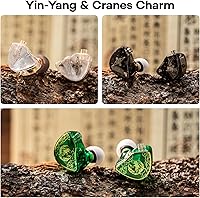
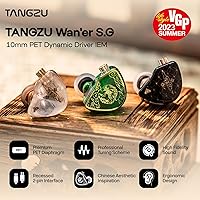
The TANGZU Wan'er S.G Dynamic Driver In-Ear Earphones carry a bit of cultural weight — the name honors China's first female premier, and the auspicious cloud faceplate reflects that intentionality in a way you rarely see at this price point. This budget IEM punches above its shelf neighbors on aesthetics alone. The shell comes in several color options, the build quality looks more considered than most competitors at this tier, though the plastic construction is worth keeping in mind. An inline microphone option adds everyday versatility for calls and remote work, not just dedicated listening sessions.
Features & Benefits

The heart of the Wan'er S.G is a 10mm PET diaphragm driver that TANGZU reportedly tuned through five rounds of adjustments before settling on the final version — and it shows. The result is a warm, full-bodied sound that leans musical rather than overly analytical, with decent extension at both ends. A dual cavity chamber helps manage frequency balance, keeping the mids from getting buried. At just 20 Ohm impedance, it runs comfortably off a phone or laptop without needing an amp. The detachable OFC cable is a genuine bonus here; it reduces movement noise and opens the door to affordable cable swaps down the line.

Best For

TANGZU's entry-level earphone is an easy recommendation for anyone stepping off stock earbuds and curious about the HiFi hobby without a big upfront investment. Commuters will appreciate the passive noise isolation and the over-ear fit that stays put on long rides. Listeners who gravitate toward a warmer, thicker sound rather than a bright or clinical presentation will feel right at home. The detachable 2-pin connector appeals to hobbyists who enjoy cable swapping, and experimenting with tip rolling is genuinely worth it — changing eartips can noticeably improve the seal, bass response, and overall comfort in one move.

User Feedback

Across more than 1,700 ratings, the Wan'er S.G holds a 4.2-star average — solid for a crowded, budget-heavy category. Most buyers highlight the comfort, value, and surprisingly coherent tuning; it holds its own against familiar sub-25-dollar rivals like the CCA CRA or KZ ZSN Pro. The critiques worth noting: the stock cable feels thin and is often the first thing buyers replace, and those with smaller ears may need to try a few tip sizes before achieving a reliable seal. A handful of reviewers also flag that the mic version can sound very slightly different tonally, so if pure audio quality is the priority, the non-mic model may be the smarter pick.

Pros

  • Warm, balanced tuning sounds far more refined than most earphones at this price tier.
  • Detachable OFC cable is a rare and practical feature that opens the door to affordable upgrades.
  • Low 20 Ohm impedance drives easily from any smartphone or laptop without an external amp.
  • Ergonomic shell design sits comfortably for extended listening sessions without ear fatigue.
  • Distinctive cloud-pattern faceplate looks genuinely premium and unique at this budget level.
  • Passive isolation is solid enough for daily commutes and open-plan office environments.
  • Available with or without a mic, giving buyers flexibility based on their primary use case.
  • Strong community following means plenty of tip and cable upgrade advice is freely available online.
  • Ranked among the top 600 in-ear earphones on Amazon with over 1,700 verified buyer ratings.

Cons

  • Stock cable feels thin and flimsy — most buyers replace it fairly quickly.
  • No water or sweat resistance makes this budget IEM a poor choice for workouts or outdoor use.
  • Plastic shell looks decent but does not hold up well to rough daily handling over time.
  • Fit can be inconsistent for listeners with smaller ears; getting a proper seal often requires aftermarket tips.
  • The microphone version may have minor tonal differences compared to the non-mic model.
  • Bass can sound loose or understated without a good eartip seal — tip selection matters here.
  • Not suited for critical listening or studio reference work due to the warm, colored tuning.
  • No carrying case or storage pouch included, which feels like an oversight at any price point.

Ratings

Our AI rating system analyzed thousands of verified global reviews for the TANGZU Wan'er S.G Dynamic Driver In-Ear Earphones, actively filtering out incentivized, spam, and bot-generated submissions to surface what real buyers genuinely experienced. The scores below reflect both the genuine strengths that keep this budget IEM near the top of its category and the honest pain points that prevent it from being a universal recommendation. Nothing has been softened or inflated — the numbers tell the full story.

Sound Quality
83%
For a sub-25-dollar earphone, the Wan'er S.G delivers a surprisingly cohesive and musical presentation that punches well above its price. The warm, full-bodied tuning works especially well for genres like jazz, pop, and acoustic music during long commutes or work-from-home sessions where listener fatigue is a real concern.
Critical listeners will notice that the bass can feel slightly loose without a perfect eartip seal, and the treble lacks the air and extension that more expensive dynamic driver IEMs provide. It is not a reference-grade tool, and anyone expecting studio-accurate reproduction will come away underwhelmed.
Value for Money
91%
This is where the Wan'er S.G genuinely stands out — buyers consistently report feeling like they got far more than they paid for, especially when comparing it to stock earbuds that ship with phones. The combination of tuned sound, a detachable cable, and distinctive aesthetics at this price tier is difficult to beat.
The value equation weakens slightly if you factor in the near-inevitable cost of buying better eartips and eventually replacing the stock cable, which many users end up doing within the first few months of ownership.
Comfort & Fit
78%
22%
The ergonomic shell design works well for average to large ear sizes, and the over-ear cable routing keeps the earphones stable and secure during daily use. Buyers who commute regularly or wear them for two to three hours at a stretch generally report no significant discomfort.
Users with smaller ear canals frequently report difficulty achieving a consistent seal with the stock eartips, which cascades into reduced bass response and isolation. Tip rolling is essentially mandatory for this group, adding friction to what should be a plug-and-play experience.
Build Quality
67%
33%
The faceplate design and overall shell finish look noticeably more considered than most plastic earphones in this price bracket, and the recessed 2-pin connectors feel reasonably secure during cable swaps. First impressions out of the box tend to be positive, especially given the price paid.
The plastic shell shows its limitations under sustained daily use — scuffs and minor stress marks appear with time, and there is no water or sweat resistance to speak of. Buyers who are rough on their gear or use earphones during workouts will likely see wear appear faster than expected.
Cable Quality
54%
46%
The OFC braided construction is a legitimate step above the rubber-coated cables found on many cheaper earphones, and the detachable design at least means a worn cable is a fixable problem rather than a death sentence for the unit.
Despite the OFC branding, most buyers describe the stock cable as thin, microphonic on hard surfaces, and prone to tangling. It is one of the most consistently cited complaints across user reviews, and the majority of experienced IEM users replace it within the first few weeks.
Noise Isolation
72%
28%
The passive isolation is genuinely useful in real-world commuting scenarios — on a subway or bus, the Wan'er S.G blocks enough ambient noise that you can listen at moderate volumes without constantly fighting background sound. This is a function of the in-ear design and eartip seal working together.
Isolation is entirely dependent on achieving a good eartip seal, which not all users manage with the stock tips. In louder environments like airports or open-plan offices with significant HVAC noise, the passive isolation alone falls short of what active noise cancellation earphones in higher price tiers can offer.
Bass Performance
74%
26%
When a good seal is achieved, the bass has a satisfying weight and warmth that suits everyday music listening well. Hip-hop, electronic, and pop genres benefit from the slightly elevated low-end that gives the sound a full, engaging character without crossing into muddy or overwhelming territory.
The bass is not particularly tight or well-controlled by technical standards, and it softens noticeably when the eartip seal is imperfect. Listeners who prioritize punchy, textured bass over a warm presentation may find the low-end response a bit soft and indistinct.
Midrange Clarity
81%
19%
Vocals and instruments sit at a natural, present level in the mix — one of the stronger aspects of the tuning. Listeners who spend most of their time with singer-songwriter music, podcasts, or anything where vocal intelligibility matters tend to specifically praise this aspect in their reviews.
Upper midrange can occasionally sound slightly congested on busier tracks with dense instrumentation, which can make certain genres like orchestral music feel a bit compressed and lacking in separation.
Treble Performance
66%
34%
The treble is smooth and inoffensive, which is a deliberate tuning choice rather than a shortcoming for the target audience. Listeners who are sensitive to harsh or sibilant highs — a common issue with competing budget earphones — generally appreciate the forgiving top end.
Treble extension is noticeably limited, meaning cymbals, high hats, and upper-register instruments lack the sparkle and air that more analytically tuned earphones provide. This is a real trade-off for anyone who values detail retrieval and treble resolution.
Microphone Quality
58%
42%
The inline microphone in the mic variant handles everyday calls adequately in quiet indoor environments, and call recipients generally describe voice clarity as acceptable for normal conversation.
In any environment with background noise — outdoors, on a bus, in a cafe — the microphone struggles to isolate the caller's voice, resulting in muffled or wind-affected audio on the other end. It is functional but far from impressive, and remote workers who take frequent calls on headsets will find it a weak link.
Aesthetics & Design
88%
The auspicious cloud faceplate pattern and the deliberate cultural design language make the Wan'er S.G visually distinctive in a category where most budget earphones look interchangeable. Buyers frequently mention the design as exceeding their expectations at this price tier, and it photographs well.
Color accuracy and finish consistency can vary slightly between production batches, which a small number of buyers have flagged. The aesthetic appeal is also subjective — the ornate faceplate will not appeal to those who prefer minimalist design.
Ease of Driving
93%
At 20 Ohm impedance and 107 dB sensitivity, the Wan'er S.G is one of the easiest IEMs to power in its class — virtually any device with a 3.5mm output can drive it to comfortable listening volumes with zero effort. This makes it genuinely plug-and-play for non-technical buyers.
The high sensitivity that makes it easy to drive also means it can be prone to hiss from sources with a high noise floor, such as some older laptops and budget DAPs. This is a minor but real issue for quiet passages in music.
Upgrade Potential
79%
21%
The standard 0.78mm 2-pin connector is a widely supported format, giving buyers a genuine pathway to affordable aftermarket cables without hunting for proprietary parts. Combined with the broad compatibility of silicone eartip standards, the Wan'er S.G serves as a reasonable launchpad for entry-level IEM hobbyists.
Beyond cable and tip swaps, the upgrade ceiling is reached quickly — the driver itself and the plastic housing cannot be modified. Buyers who catch the HiFi bug hard will likely outgrow this earphone within a year and move up to a chi-fi multi-driver set.
Packaging & Accessories
61%
39%
The retail packaging has a clean, considered presentation that feels appropriate for the cultural positioning of the earphone. The included eartip selection covers the most common sizes, which is sufficient for initial setup.
The absence of any carrying case or pouch is a recurring disappointment in user feedback — at this price point, competitors like the Moondrop Chu II and CCA CRA include basic protective pouches. The stock eartip selection, while functional, rarely satisfies buyers who need narrow or wide-bore alternatives.

Suitable for:

The TANGZU Wan'er S.G Dynamic Driver In-Ear Earphones are a strong match for anyone taking their first real steps into the HiFi hobby — specifically the listener who has grown frustrated with stock earbuds and wants noticeably better sound without spending serious money. Commuters and daily transit riders will find the passive noise isolation and secure over-ear fit particularly practical for blocking out background noise on buses and trains. The warm, musical tuning also suits listeners who prefer a relaxed, easy-going listen over an analytical or fatiguing presentation, making long sessions at a desk or on a plane genuinely comfortable. If you have any interest in cable swapping or modest DIY upgrades, the detachable 2-pin connector means this budget IEM can grow a little with your curiosity. Remote workers who need a single pair that handles both music and occasional calls will also get real mileage out of the microphone variant.
Not suitable for:

The TANGZU Wan'er S.G Dynamic Driver In-Ear Earphones are not the right call for buyers who need rugged, weather-resistant gear — there is zero water or sweat resistance here, so gym use or outdoor running in unpredictable conditions is a genuine risk. Audiophiles who prioritize razor-sharp treble detail or a wide, airy soundstage will likely find the warmer tuning too thick and forgiving for critical listening. The plastic shell, while lightweight, does not inspire confidence for heavy daily abuse, and buyers who are hard on their gear should factor that in. Those with particularly small ear canals may struggle to achieve a consistent seal with the stock tips, which directly affects bass response and isolation — tip rolling helps, but it adds extra cost and effort. Anyone expecting professional-grade call quality from the inline mic will also be disappointed; it is functional but not impressive.

Specifications

  • Driver Type: A single 10mm dynamic driver with a PET (polyethylene terephthalate) diaphragm handles all sound reproduction across the full frequency range.
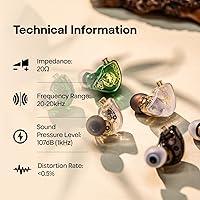
  • Impedance: The earphone measures 20 Ohm impedance, making it straightforward to drive from a standard smartphone, laptop, or portable DAP without any external amplifier.
  • Sensitivity: Rated at 107 dB sensitivity, which means the driver converts power to volume efficiently and reaches comfortable listening levels at relatively low output.
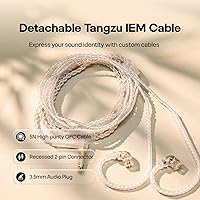
  • Cable Material: The included detachable cable is built from 5N oxygen-free copper (OFC) braided construction, which reduces oxidation and minimizes handling noise during use.
  • Cable Connector: The earphone uses a recessed 0.78mm 2-pin connector on the shell side, a widely supported standard compatible with many affordable aftermarket cables.
  • Plug Type: The standard configuration ships with a 3.5mm analog plug; alternative plug types (4.4mm balanced and USB-C) are available depending on the variant selected.
  • Shell Material: The earphone housing is constructed from plastic, kept lightweight for extended wear but not rated for water, sweat, or moisture exposure.
  • Water Resistance: There is no water or sweat resistance rating on these earphones, so they should be kept away from rain, heavy perspiration, and humid environments.
  • Earpiece Shape: The shell uses a rounded ergonomic in-ear form factor designed for over-ear cable routing, shaped using aggregate human ear anatomy data to improve fit across a broad range of ear sizes.
  • Noise Control: Isolation is achieved passively through the physical seal created between the eartips and the ear canal, with no active noise cancellation circuitry involved.
  • Microphone Option: The Wan'er S.G is sold in two configurations: one without a microphone for pure audio use, and one with an inline microphone and remote for calls and media control.
  • Compatibility: Works with any device that has a standard 3.5mm headphone jack, including smartphones, tablets, laptops, desktops, and most portable audio players.
  • Driver Tuning: TANGZU put the driver through five documented tuning iterations before finalizing the sound signature, targeting a smooth, warm, and musically balanced presentation.
  • Chamber Design: A dual cavity chamber within the shell assists in managing acoustic resonance and frequency balance across lows, mids, and highs.
  • Package Weight: The complete retail package weighs approximately 5.6 oz, which includes the earphones, cable, and included accessories.
  • Bluetooth Support: These are strictly wired earphones with no Bluetooth or wireless capability of any kind.
  • Included Items: The package includes the earphone pair, the braided OFC cable, and a set of silicone eartips; no carrying case is included in the standard bundle.
  • Best Sellers Rank: Ranked #581 in the Earbud and In-Ear Headphones category on Amazon, placing it among the more consistently purchased options in its segment.

Related Reviews
1MORE Quad Driver (E1010)

80%
91%
Sound Quality
83%
Bass Performance
87%
Treble Clarity
89%
Soundstage & Imaging
88%
Build Quality
More
G.B.S Complete Men’s Wood Shaving Set
82%
89%
Shaving Performance
74%
Ease of Use for Beginners
91%
Material Quality
88%
Durability of Razor & Strop
85%
Design & Aesthetics
More
Kiwi Ears KE4 Hybrid In-Ear Monitor
80%
88%
Sound Quality
86%
Bass Performance
91%
Midrange Clarity
83%
Treble Extension
78%
Soundstage & Imaging
More
Charlotte Tilbury K.I.S.S.I.N.G Lipstick
83%
91%
Moisturizing Effect
89%
Comfort & Wearability
88%
Finish & Appearance
63%
Longevity & Wear Time
83%
Color Payoff
More
1MORE Triple Driver In-Ear Headphones
78%
88%
Sound Quality
83%
Comfort & Fit
86%
Build Quality
51%
Cable Microphonics
79%
Passive Noise Isolation
More
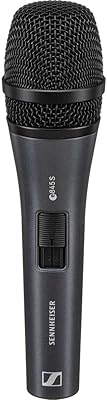
Sennheiser e 845-S
Sennheiser e 845-S
89%
92%
Vocal Clarity
96%
Build Durability
93%
Feedback Rejection
89%
Switch Reliability
84%
Handling Noise Suppression
More
Etymotic HF3 Noise-Isolating In-Ear Earphones
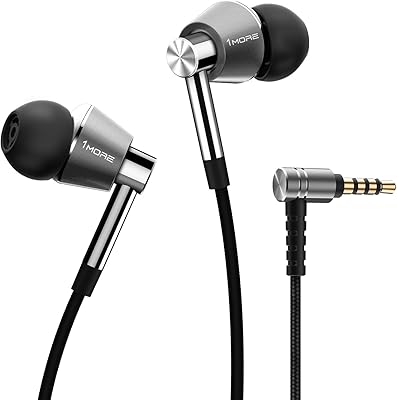
76%
93%
Noise Isolation
91%
Sound Accuracy
67%
Fit & Comfort
92%
Passive Isolation Without Battery
62%
Cable Durability
More
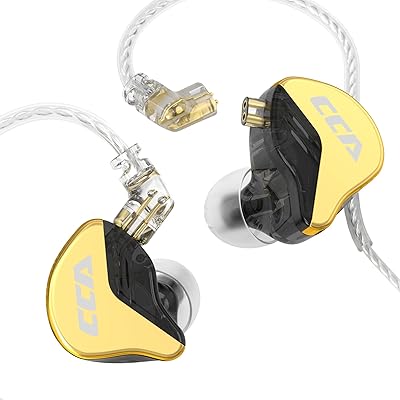
CCA CRA+ Wired In-Ear Monitor Earphones
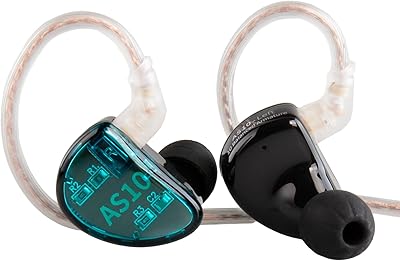
79%
88%
Sound Quality
91%
Bass Performance
83%
Soundstage & Imaging
74%
Treble Clarity
81%
Build Quality
More
KZ AS10 In-Ear Monitor
75%
86%
Sound Quality
74%
Bass Performance
89%
Midrange Clarity
81%
Treble Extension
66%
Soundstage & Imaging
More
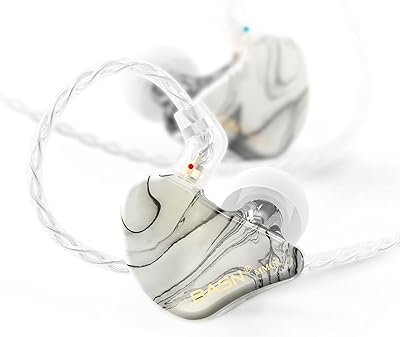
BASN MMCX Triple Driver In-Ear Monitors
78%
84%
Sound Quality
88%
Bass Performance
76%
Fit & Comfort
79%
Noise Isolation
71%
Build Quality
More

FAQ

Yes, absolutely. At 20 Ohm impedance they are very easy to drive, so any phone with a 3.5mm jack will power them just fine. If your phone only has USB-C, you will need a simple DAC adapter, but those are inexpensive and widely available.

The Wan'er S.G sits in a similar price bracket to both of those and holds up well. Its tuning tends to be warmer and smoother than the KZ house sound, which some listeners prefer for long sessions. If you find KZ earphones a bit sharp or fatiguing, TANGZU's entry-level earphone is worth trying as an alternative.

Not really recommended. There is no water or sweat resistance rating here, so heavy perspiration or getting caught in rain is a genuine risk for the internals. They are better suited for commutes, desk use, and casual listening rather than physical activity.

This is one of the most practical upgrades you can make. Tip rolling — trying different eartip styles and sizes — can dramatically change the seal, which in turn affects bass response and isolation. Foam tips tend to improve isolation, while wider-bore silicone tips can open up the soundstage slightly. Popular affordable options include KZ Starline tips and SpinFit CP100 alternatives.

It is genuinely useful. The stock cable is functional but thin, and many buyers swap it out early for something with better build quality or a different plug type. The 0.78mm 2-pin connector is a common standard, so compatible cables are easy to find at almost any budget. It also means a damaged cable does not render the earphones useless.

Most listeners report the difference as negligible, but a small number of users do notice minor tonal variation between the two configurations. If pure audio performance is your top priority, the non-mic model is the safer choice. For everyday mixed use, most buyers find the mic version more than sufficient.

For most people, yes. The ergonomic shell was shaped with broad ear anatomy data in mind, and the over-ear cable routing keeps the earphones stable without adding strain. That said, comfort over multiple hours depends heavily on getting the right tip size and seal, so spending a few minutes finding the right fit upfront makes a real difference.

They are one of the more sensible entry points at this price level, yes. The tuning is approachable rather than polarizing, the detachable cable introduces you to upgrade culture without forcing a big investment, and the community around TANGZU products means you will find plenty of advice online. Just manage expectations — it is a budget earphone, not a reference-grade tool.

Remove the silicone eartips and rinse them with warm water, then let them dry completely before reattaching. For the shell itself, use a dry or very slightly damp cloth and avoid getting any moisture near the driver opening or the 2-pin connector. Storing them in a small pouch (not included) will help prevent cable tangling and shell scratches.

The dual cavity is an acoustic design choice that divides the internal shell space to better control how sound pressure and resonance behave at different frequencies. In practice, it helps keep the bass from bleeding into the mids and gives the tuning a bit more definition. Whether you notice it compared to a simpler single-cavity design is subtle, but it is part of why the Wan'er S.G sounds more balanced than many earphones in the same bracket.