Overview

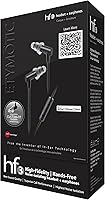
The Etymotic HF3 Noise-Isolating In-Ear Earphones come from a company with unusually deep roots — Etymotic Research started in hearing science and professional audio, which shows in how seriously they approach accuracy. These Etymotic earphones aren't built to flatter your music with extra bass; they're tuned for honest, reference-grade reproduction. The key technical approach is passive noise isolation through a deep-fit insertion design, which is fundamentally different from active noise cancellation — no batteries, no processing, just physics doing the work. Wired via a 3.5mm jack, the HF3 has quietly maintained a loyal following since 2012 among commuters and critical listeners who value reliability over wireless convenience.
Features & Benefits

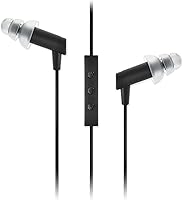
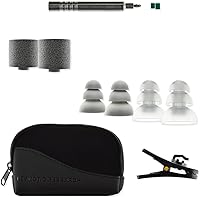
The heart of the HF3 is its balanced armature driver, which reproduces audio with a flat, accurate profile rather than the colored sound most consumer earphones favor. Passive isolation of 35–42 dB is genuinely impressive — on a loud subway or airplane, the outside world gets quiet fast without needing to charge anything. The inline remote has three buttons and a microphone that works reliably for call handling and playback on iPhones and iPads; Android users should note that functionality may be limited. The cable runs four feet and is reinforced, which matters for daily use. Ear tips in multiple sizes are included because getting the fit right is not optional — it directly determines how much isolation and sound quality you actually get.

Best For

This wired IEM is a natural choice for commuters and frequent travelers who need to block out cabin noise or subway din without worrying about a dead battery mid-journey. It also suits musicians and audio-focused listeners who find bass-boosted earphones fatiguing or inaccurate. iPhone and iPad users get the most out of the inline remote, since full playback and call control works as intended on Apple devices. If you've grown tired of Bluetooth dropouts or latency when watching video, the HF3s offer a refreshingly straightforward alternative. What they don't suit well: casual listeners who want a punchy low end, or anyone who finds deep-insertion ear tips uncomfortable during extended wear.

User Feedback

Long-term owners of these Etymotic earphones consistently praise the isolation and sound accuracy, often comparing them favorably to options that cost considerably more. Fit is the most discussed topic — many buyers describe a real adjustment period when learning to insert them correctly and choose the right tip size, but most agree the payoff in sound quality is worth it. On the downside, some users report cable wear over time, particularly near the jack. The neutral sound signature also divides opinion: listeners coming from bass-heavy earphones sometimes find the tuning underwhelming at first. Those who switched from Bluetooth, though, frequently highlight the zero-latency experience as a genuine, underrated advantage.

Pros

  • Passive noise isolation of 35–42 dB rivals active noise-cancelling earphones without needing a battery or electronics.
  • The balanced armature driver produces a genuinely accurate, reference-grade sound that holds up to critical listening.
  • No charging required — plug in and listen, every time, without worrying about battery life mid-trip.
  • The HF3s have earned a loyal following over more than a decade, which speaks to long-term reliability and consistent performance.
  • Multiple ear tip sizes are included, giving most users a real shot at finding a secure, isolating fit.
  • The reinforced four-foot cable is built with daily commuters in mind and holds up better than typical earphone cables.
  • For iPhone and iPad users, the three-button inline remote handles calls, volume, and playback control cleanly.
  • Zero audio latency makes these Etymotic earphones a better choice for video editing, gaming, or any lip-sync-sensitive use.
  • The flat sound signature prevents listener fatigue during long sessions — a real advantage for professionals and students.

Cons

  • Fit requires patience — choosing the wrong ear tip size noticeably degrades both isolation and sound quality.
  • The deep-insertion style feels intrusive to some users and takes real adjustment time for first-time IEM wearers.
  • Some long-term users report cable fraying near the jack after extended daily use.
  • The inline remote works fully only on Apple devices; Android compatibility is inconsistent and often limited.
  • The neutral sound tuning will disappoint buyers expecting the bass-forward sound typical of mainstream consumer earphones.
  • At four feet, the cable length may feel restrictive for certain use cases, such as listening with a phone in a bag.
  • No carrying case is included, which is a practical oversight for earphones meant to be taken everywhere.
  • These earphones offer no wireless option whatsoever, which rules them out for workouts or high-movement activities.

Ratings

Our AI-generated scores for the Etymotic HF3 Noise-Isolating In-Ear Earphones were produced by analyzing thousands of verified global buyer reviews, with spam, bot activity, and incentivized feedback actively filtered out before scoring. Each category reflects the honest distribution of real-world experiences — strengths are credited where earned, and recurring pain points are weighted fairly rather than buried. The result is a transparent, unvarnished picture of what everyday buyers actually encounter with these earphones.
Noise Isolation
93%
Reviewers repeatedly describe the passive isolation as a revelation — commuters report that subway noise, airplane cabin hum, and open-office chatter all but disappear when the fit is correct. At 35–42 dB of attenuation with no electronics required, the HF3s outperform many active noise-cancelling earphones in sheer blocking ability.
The isolation is entirely seal-dependent, which means a poorly fitted tip completely undermines this strength. Users who cannot find a comfortable deep-fit tip size often report isolation that feels no better than standard earbuds, making the experience highly variable.
Sound Accuracy
91%
Audiophiles and musicians consistently praise the flat, reference-grade tuning for its honesty — instruments sound like instruments, vocals sit naturally in the mix, and nothing feels artificially pushed. Long listening sessions on the HF3s rarely produce the ear fatigue that bass-boosted earphones tend to cause over time.
Casual listeners accustomed to consumer-tuned earphones often find the sound signature lean or underwhelming on first listen, particularly when playing bass-heavy genres. The accurate reproduction is a feature, not a flaw, but it does require an adjustment period that not every buyer is willing to go through.
Fit & Comfort
67%
33%
Users who successfully dial in the correct tip size describe the fit as stable and secure during commutes, flights, and extended desk sessions. The inclusion of multiple tip sizes in the box means most ear canal shapes can eventually find a workable match without buying aftermarket accessories.
The deep-insertion style is a genuine comfort hurdle — a meaningful number of reviewers describe discomfort or a plugged sensation during long sessions, especially in the first week of use. New IEM users in particular report a learning curve that goes beyond just tip selection, requiring practice with insertion technique to get consistent results.
Passive Isolation Without Battery
92%
Buyers who travel frequently highlight this as an underappreciated practical advantage — the HF3s isolate just as effectively on hour eight of a flight as they do on minute one, with no power management required. Reviewers who switched from ANC headphones often mention the relief of not having to charge a second device.
There is no fallback mode here — if the ear seal breaks during use, isolation drops to zero instantly with no electronic compensation. Unlike hybrid ANC earphones, there is no way to boost isolation electronically when the fit is imperfect.
Cable Durability
62%
38%
The reinforced cable fares noticeably better than thin, unprotected cables on comparable wired earphones, and daily commuters frequently report using them for a year or more before any wear becomes visible. The cable feels substantial in hand rather than fragile.
Cable fraying near the 3.5mm jack is a recurring complaint among long-term users, suggesting the stress relief at the connector end is not fully adequate for heavy daily use. A small but consistent group of reviewers report failure at this exact point after twelve to eighteen months of regular commuting.
Inline Remote & Mic
71%
29%
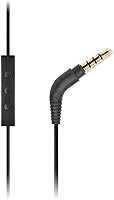
For iPhone and iPad users, the three-button remote works reliably for call handling, track skipping, and volume adjustment, making these Etymotic earphones genuinely hands-free friendly for daily use. Call clarity through the microphone receives consistent praise from both callers and recipients.
Android users frequently report that only the center button functions reliably, rendering volume and track control essentially useless. This is a meaningful limitation that Etymotic does not prominently disclose, and it catches Android buyers off guard after purchase.
Sound Isolation Consistency
74%
26%
When users report finding their optimal tip and insertion routine, they describe consistent isolation session after session without ongoing adjustment. The deep-fit design, once mastered, maintains its seal better during head movement than shallow-fit earphones tend to.
Achieving that consistency takes real effort — users report that even small variations in how deeply the earphones are inserted produce audible differences in bass and isolation. This inconsistency frustrates buyers who want to pop earphones in quickly without a ritual.
Build Quality
73%
27%
The plastic housing feels purposeful rather than cheap, and the overall construction holds up well to the rigors of daily bag-in, bag-out use without the earpieces cracking or connectors loosening. The reinforced Y-split and cable strain relief add to the impression of a thoughtfully assembled product.
The plastic housing does not inspire the same confidence as metal-bodied competitors at a similar price point, and some users note the earpieces feel lightweight in a way that reads as inexpensive. Long-term cosmetic wear — scratching and surface scuffing — is also reported after extended pocket use.
Value for Money
78%
22%
Against earphones with comparable passive isolation and balanced armature drivers, the HF3s are frequently cited as punching above their weight — buyers with audio backgrounds consistently note that the driver quality alone would cost more in a lesser-known brand. The long production run also means replacement tips are readily available.
Casual buyers who do not need reference-level sound or extreme isolation may find better everyday value in simpler wired options at a lower price point. The premium here is specifically for the isolation and accuracy combination, which is wasted on listeners who do not actively prioritize those qualities.
Ease of Use
61%
39%
Once the insertion routine is learned, these Etymotic earphones are no more complicated to use than any wired earphone — plug in, insert, listen. The three-button remote keeps common controls accessible without reaching for a phone.
The learning curve around tip selection and insertion depth is steep enough that multiple reviewers describe initial frustration or disappointment before discovering the correct technique. This is not a pick-up-and-go earphone in the way that most buyers expect a pair of wired earphones to be.
Portability
69%
31%
At 4 oz and with a compact earphone housing, the HF3s slip into a jacket pocket or small bag compartment without adding meaningful bulk. The four-foot cable is long enough for most listening scenarios without excess slack.
The absence of a carrying case is a practical gap for earphones intended for daily travel — without protection, the cable tangles easily and is at risk of the fraying that long-term users report. Buyers need to source their own storage solution, which adds a small but unnecessary friction to ownership.
Low-Latency Performance
88%
Video editors, online tutors, and mobile gamers who switched to this wired IEM from Bluetooth earphones consistently highlight zero perceptible latency as a meaningful quality-of-life improvement. Audio and video sync perfectly without any configuration or codec management required.
This advantage is only relevant for buyers who actually notice or are affected by Bluetooth latency — general music listeners are unlikely to experience it as a benefit at all, which limits how broadly this strength translates into perceived value.
Tip Variety & Customization
72%
28%
The included selection of ear tip sizes covers a reasonable range of ear canal sizes out of the box, and Etymotic has a long history with tip design that shows in how well the included options are matched to the deep-fit nozzle dimensions. Compatible aftermarket foam tips are also widely available for users who want extra isolation or comfort.
Some users with unusually small or large ear canals report that none of the included tips provide a satisfactory seal, requiring an aftermarket purchase before the earphones perform as described. This is an extra cost and delay that buyers do not always anticipate at checkout.

Suitable for:

The Etymotic HF3 Noise-Isolating In-Ear Earphones are a strong match for anyone who regularly deals with loud, unavoidable environments — subway commuters, frequent flyers, and open-plan office workers will find the 35–42 dB of passive isolation genuinely useful in ways that most earphones simply cannot replicate. Musicians, audio engineers, and discerning listeners who want to hear recordings as they were actually mixed — rather than bass-boosted or artificially warmed — will appreciate the flat, balanced armature-driven sound signature. Because the inline remote is fully optimized for Apple devices, iPhone and iPad users who want hands-free call control and media playback without fussing with their phone will get real, everyday value from that feature. People who have grown frustrated with Bluetooth unreliability, charging routines, or the subtle audio latency that affects video syncing will find the wired, zero-compromise connection a practical relief. This is also a sound choice for anyone who takes long-haul flights regularly and does not want to arrive with a dead pair of headphones mid-journey.
Not suitable for:

The Etymotic HF3 Noise-Isolating In-Ear Earphones are genuinely not the right pick for listeners who love a strong, emphasized bass response — the tuning is accurate and flat by design, which can feel thin or underwhelming if you primarily listen to hip-hop, EDM, or bass-heavy pop. The deep-insertion fit style is a real physical consideration: some people find it uncomfortable during extended sessions, and buyers who have never used IEM-style earphones may need time to adjust — or may ultimately decide the fit is not for them. Android users should be cautious about the inline remote, as full three-button functionality is not guaranteed outside the Apple ecosystem and your mileage will vary by device. Wireless-first users who rely on Bluetooth for the freedom of movement will find the four-foot wired cable a step backward in day-to-day flexibility. Finally, anyone who wants a casual, low-maintenance listening experience without worrying about tip sizing and insertion technique may find these earphones require more attention than they are willing to give.
Specifications

  • Driver Type: The earphones use a single balanced armature driver per ear, which is the same driver technology found in professional in-ear monitors used by musicians on stage.
  • Noise Isolation: Passive noise isolation is rated at 35–42 dB depending on ear tip fit, achieved entirely through physical seal rather than any active electronics.
  • Max Output: Maximum sound output is rated at 120 dB SPL, which is sufficient for high-volume listening in very loud environments.
  • Cable Length: The cable measures 4 ft (approximately 1.2 m) and is reinforced along its length to resist everyday wear from commuting and regular use.
  • Connector: The earphones terminate in a standard 3.5mm stereo jack, compatible with any device that has a headphone port; a 3.5mm adapter is required for newer iPads and iPhones without a headphone jack.
  • Inline Remote: A 3-button inline remote with a close-proximity microphone supports call handling, volume control, and media playback, optimized for Apple iOS devices.
  • Compatibility: Officially compatible with iPhone, iPad, and iPod; Android compatibility for the remote is not guaranteed and button functionality may vary by device.
  • Form Factor: The HF3 uses an in-ear monitor (IEM) form factor with a deep-insertion design that seats further into the ear canal than standard earbuds.
  • Earpiece Shape: Ear tips are rounded and designed for deep-fit insertion; multiple tip sizes are included in the package to accommodate different ear canal sizes.
  • Connectivity: The earphones are wired only with no Bluetooth or wireless capability of any kind.
  • Material: The earphone housing is constructed from plastic, keeping the overall weight low for extended wear comfort.
  • Item Weight: The complete earphone set weighs 4 oz (approximately 113 g), including cable and inline remote.
  • Color: Available in black; no other color variants are listed for this model.
  • Model Number: The official model designation is ER23-HF3-BLACK-I, as listed by manufacturer Etymotic Research.
  • Manufacturer: Etymotic Research, a company with a background in hearing science and professional audio, manufactures and markets this product.
  • First Available: This model was first made available for purchase in March 2012 and has remained in production since then.
  • Included Items: The package includes one set of in-ear monitors with multiple ear tip size options; no carrying case is included in the standard package.

Related Reviews
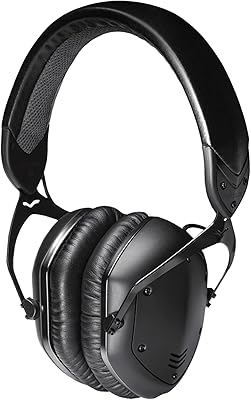
V-MODA Crossfade LP2 Over-Ear Noise-Isolating Headphones
86%
94%
Sound Quality
89%
Noise Isolation
91%
Build Quality
78%
Comfort for Extended Use
85%
Portability
More
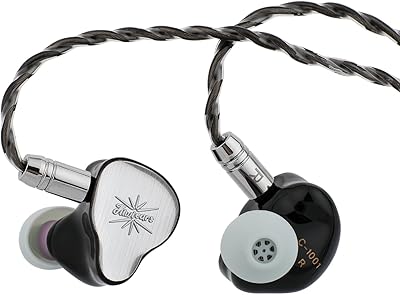
Kiwi Ears KE4 Hybrid In-Ear Monitor
80%
88%
Sound Quality
86%
Bass Performance
91%
Midrange Clarity
83%
Treble Extension
78%
Soundstage & Imaging
More
1MORE Quad Driver (E1010)
80%
91%
Sound Quality
83%
Bass Performance
87%
Treble Clarity
89%
Soundstage & Imaging
88%
Build Quality
More
Sirius Over-Ear Noise Cancelling Headphone
85%
88%
Sound Quality
94%
Battery Life
89%
Active Noise Cancellation
84%
Comfort
83%
Design & Aesthetics
More
CCA CRA+ In-Ear Monitor Earphones
86%
88%
Sound Quality
85%
Comfort for Extended Use
86%
Bass Response
83%
Build Quality
90%
Ease of Use
More
Etymotic ER3SE Studio Edition Earphone
84%
92%
Sound Quality
89%
Noise Isolation
80%
Comfort for Long Sessions
87%
Build Quality
85%
Durability
More
Shure SE846 Sound Isolating Earphones
80%
93%
Sound Quality
89%
Noise Isolation
86%
Build Quality
71%
Comfort & Fit
78%
Sound Tuning Flexibility
More
SIMGOT EW200 In-Ear Earphones
80%
88%
Sound Quality
91%
Build Quality
72%
Comfort & Fit
89%
Value for Money
78%
Cable Quality
More
Kinboofi KZ AS16 In-Ear Monitor Earphones
84%
94%
Sound Quality
89%
Build Quality
78%
Comfort & Fit
85%
Cable Durability
91%
Frequency Range
More
Sony MDR-ZX110NC
Sony MDR-ZX110NC
75%
91%
Value for Money
74%
Noise Cancellation Effectiveness
94%
Battery Life
58%
Comfort & Fit
67%
Sound Quality
More

FAQ

With these earphones, fit is genuinely everything. Because the noise isolation is purely physical — created by the seal between the ear tip and your ear canal — a tip that is even slightly too small will let in ambient sound and also cause the bass to drop off noticeably. Take time to try each included tip size before settling on one, and make sure you are inserting them deep enough to get a proper seal.

Honestly, yes — at first. The deep-fit style sits further into the ear canal than typical consumer earbuds, and most new users describe an adjustment period of a few days. Some people adapt quickly and barely notice it; others find it uncomfortable for long sessions. It helps to insert them slowly and wiggle gently rather than pushing straight in.

The earphones themselves will work fine for audio playback on any device with a 3.5mm jack. The inline remote is a different story — it is engineered for Apple devices, and on Android phones the button mapping is often inconsistent. You may get basic play/pause functionality, but do not count on volume control or call management working reliably.

Passive isolation physically blocks sound from entering your ear canal through the seal of the ear tip — no electronics, no battery, no processing involved. Active noise cancellation uses microphones and signal processing to cancel out ambient noise electronically. The HF3s can actually match or beat many ANC headphones in raw isolation when the fit is correct, but the effectiveness is entirely dependent on getting that seal right.

Not really. The wired cable can get in the way during exercise, and the deep-fit tips may shift or unseal if you are moving vigorously. These earphones are designed for stationary or low-movement listening — commuting, traveling, studying, or focused listening sessions. For workouts, a sport-oriented wireless option would be more practical.

Yes, but you will need a Lightning-to-3.5mm or USB-C-to-3.5mm adapter, depending on your device. Apple sells a compatible adapter for iPhone users, and third-party options exist for USB-C devices. Keep in mind that adapter quality can affect audio output, so it is worth using a reliable one rather than the cheapest available.

The cable is reinforced, which does help compared to bare cables on budget earphones, but some long-term users have reported fraying — particularly near the 3.5mm jack — after a year or more of daily use. Wrapping and storing them carefully rather than stuffing them in a pocket loose will extend cable life noticeably.

Almost certainly nothing is wrong. The HF3s are tuned flat and accurate by design, which means they do not add the bass boost that most consumer earphones apply. If you are coming from something like a typical wireless earbud or a bass-heavy in-ear, the difference can be jarring at first. Give your ears a few days to adjust — many listeners find they actually prefer the more natural presentation once they are used to it.

No, a carrying case is not included in the standard package. For earphones you are taking in and out of a bag daily, it is worth picking up a small hard-shell case separately to protect the cable and tips. A loose tangle in a pocket or bag is a fast way to damage the cable over time.

The silicone or foam ear tips can be removed from the earphone nozzle and cleaned with a damp cloth or mild soap and water — just make sure they are fully dry before reinserting. Do this every week or two if you use them daily. Avoid getting moisture into the driver housing itself, and use a soft brush or dry cloth to clear any debris from the nozzle opening.