


Overview

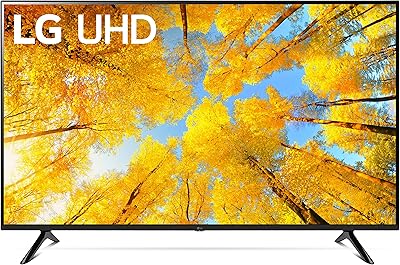
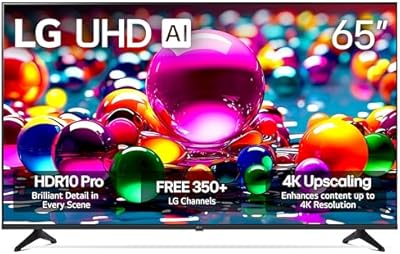
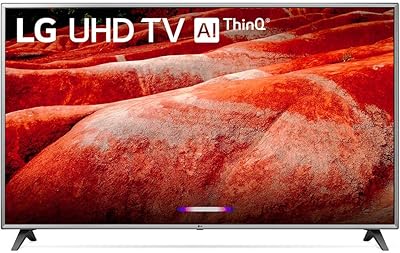
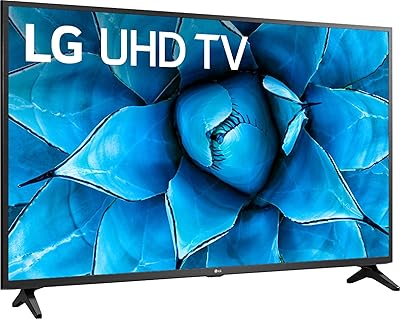
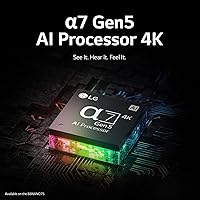
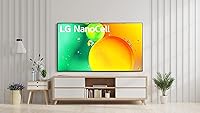
The LG NANO75 86-Inch 4K Smart TV is a big-screen option aimed at buyers who want genuine living room impact without crossing into OLED territory on price. Released in 2022, it occupies a solid mid-to-upper position in LG's LED lineup — above entry-level sets but well below the company's premium OLED and QLED-competing ranges. NanoCell technology uses nano-sized particles embedded in the panel to absorb unwanted wavelengths of light, producing cleaner, more saturated colors than conventional LED. Driving everything is LG's a7 Gen5 AI Processor, which handles picture optimization, audio adjustment, and upscaling in real time. Think of this as a capable, honest all-rounder — not a reference-grade display, but a genuinely solid one.

Features & Benefits

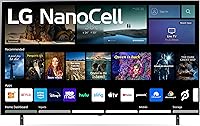
The NanoCell panel is the centerpiece here. By filtering out muddied wavelengths at the nano level, colors stay relatively pure even in bright room conditions — you get noticeably richer reds and greens compared to a standard LED set. The a7 Gen5 processor does meaningful work upscaling HD and even standard-definition content, and it auto-adjusts audio to match what's on screen. For gaming, the 120Hz refresh rate pairs with a dedicated Game Optimizer dashboard, letting you dial in settings quickly. Cloud gaming via NVIDIA GeForce Now is supported, though that requires a paid subscription and a reliable connection — worth knowing upfront. AirPlay 2, HomeKit, Alexa, and Google Assistant all coexist on webOS, which remains one of the cleaner smart TV interfaces around.

Best For

This 86-inch smart TV makes most sense for large living rooms where a smaller screen would simply feel inadequate. It's an especially good fit for households already juggling multiple smart home ecosystems — the fact that Apple HomeKit, Google, and Alexa all live on the same platform removes real friction. Cord-cutters will find webOS's app library and navigation genuinely practical. Gamers wanting a spacious display for console play or cloud streaming will get solid performance here. Where this LG NanoCell TV may underwhelm is in rooms with wide seating arrangements — NanoCell panels show color shift off-axis, so direct viewing angles matter more than they do on OLED. As a versatile everyday screen, though, it holds its own comfortably.

User Feedback

Owners of the NANO75 tend to come away satisfied with the sheer size-to-value ratio — getting this much screen real estate without paying flagship prices earns consistent praise, and webOS responsiveness draws positive mentions regularly. On the critical side, two issues surface often: the 22-watt built-in speakers struggle to fill a large room convincingly, and many buyers end up pairing this set with a soundbar before long. Off-axis color shift is the other recurring sticking point. A number of verified buyers also flag that stand assembly is genuinely awkward given the TV's 100-plus-pound weight, with occasional shipping damage reports mixed in. The overall pattern leans positive, but this is not a set without real trade-offs worth knowing about beforehand.

Pros

  • 86 inches of screen real estate at a price point that would have been unthinkable a few years ago
  • NanoCell technology delivers noticeably cleaner, more accurate colors than a standard LED panel
  • The a7 Gen5 processor does a solid job upscaling HD and older content to near-4K quality
  • 120Hz refresh rate keeps fast-moving sports and action sequences looking crisp and clear
  • Game Optimizer dashboard gives console players quick access to all key settings in one place
  • webOS is genuinely easy to navigate, with a strong app library and responsive performance
  • Works natively with Alexa, Google Assistant, AirPlay 2, and Apple HomeKit simultaneously
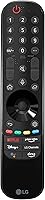
  • The Magic Remote is a practical inclusion — pointer-based control speeds up smart TV navigation considerably
  • Active HDR support adds real depth to compatible 4K content from major streaming platforms
  • NVIDIA GeForce NOW support opens up cloud gaming without requiring additional hardware

Cons

  • Color accuracy drops noticeably when viewing from wide side angles — a real issue in large, open-plan rooms
  • Built-in 22-watt speakers are underpowered for a room-sized screen; budget for a soundbar separately
  • Solo installation is genuinely difficult given the weight and footprint — a two-person job at minimum
  • Stand assembly has drawn consistent complaints from verified buyers about complexity and fit
  • Some shipping damage reports suggest the packaging does not always protect corners and edges adequately
  • As a 2022 model, this set lacks some panel refinements found in more recently released competitors at similar prices
  • GeForce NOW cloud gaming requires both a paid subscription and a fast, stable internet connection
  • Local dimming performance is limited compared to higher-end alternatives, hurting contrast in dark room viewing
  • No Dolby Vision support, which may matter to buyers with a Dolby Vision content library
  • Remote control battery not rechargeable — a small but recurring frustration noted by long-term owners

Ratings

The LG NANO75 86-Inch 4K Smart TV scores below reflect an AI-driven analysis of thousands of verified global user reviews, with spam, incentivized feedback, and bot activity actively filtered out before scoring. Ratings capture the full picture — where this 86-inch NanoCell TV genuinely earns its place and where real buyers have run into frustration. Strengths and shortcomings are weighted equally so you can make a genuinely informed decision.

Picture Quality
78%
22%
For a non-OLED panel at this screen size, color accuracy is a consistent bright spot — NanoCell technology keeps reds and greens noticeably cleaner than a standard LED set, and 4K HDR content from Netflix or Disney Plus looks vibrant and detailed when watched straight on. Sports broadcasts in particular draw praise for motion clarity at 120Hz.
Black levels are the recurring weak point; in a darkened room, the lack of deep local dimming means shadow detail looks washed rather than rich. Viewers sitting off to the side of the screen see color accuracy deteriorate meaningfully, which limits flexible room arrangements.
Viewing Angles
54%
46%
Dead-center seating delivers a clean, well-saturated image, and for households where the main sofa faces the TV directly, this limitation stays mostly invisible during everyday use. Some buyers in smaller, focused rooms report no practical issues at all.
Off-axis color shift is the single most consistent complaint across verified reviews — beyond roughly 35 to 40 degrees from center, colors fade and contrast drops noticeably. Wide living rooms with seating along multiple walls will expose this weakness regularly, and it is a genuine reason to consider OLED or premium QLED alternatives.
Gaming Performance
83%
Console gamers consistently praise the 120Hz response and the Game Optimizer dashboard, which brings input lag settings, VRR, and genre-specific picture modes into a single screen rather than scattering them across submenus. The NANO75 feels responsive on current-generation consoles and keeps fast-paced titles looking sharp.
NVIDIA GeForce NOW cloud gaming works, but buyers sometimes discover only after purchase that a paid GeForce NOW subscription and a reliably fast internet connection are both required — the TV itself does not unlock anything. A handful of users also report that finding optimal low-latency settings without the optimizer guide takes trial and error.
Smart TV Platform
86%
webOS consistently draws positive feedback for its clean layout and quick navigation — apps load without noticeable lag, and the Magic Remote's pointer control makes selecting things feel closer to using a mouse than a traditional directional pad. Major streaming services are all pre-installed and easy to reach.
A minority of long-term users report that the webOS interface can slow down slightly after a year or two of use, particularly when switching between apps rapidly. The app library, while broad, still has occasional gaps compared to Roku or Fire TV-based platforms for niche streaming services.
Voice Assistant Integration
84%
Having Alexa, Google Assistant, and Apple ecosystem support simultaneously is genuinely useful for mixed-platform households — you can ask either assistant to switch inputs, adjust volume, or pull up content without retraining habits. HomeKit and AirPlay 2 work reliably for Apple-invested users.
Voice recognition occasionally misinterprets commands in noisy rooms, and some users find that Alexa and Google occasionally conflict when both are set as active. Initial voice setup requires working through a few configuration screens that less tech-savvy buyers find confusing.
Audio Quality
47%
53%
Built-in audio handles casual daytime viewing in a small-to-medium room adequately — dialogue clarity is acceptable for news and talk shows, and the auto sound adjustment from the a7 Gen5 processor does add some useful dynamic range compensation depending on content type.
At 22 watts, the speakers simply cannot project convincingly into the large rooms this 86-inch screen is designed for. Bass is nearly absent, volume headroom runs out before most viewers want it to, and this is the category where buyer regret surfaces most often — the soundbar purchase many assumed was optional turns out to be effectively mandatory.
Build & Design
76%
24%
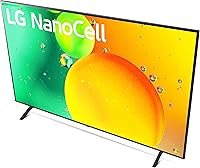
The slim bezel keeps the overall look modern and unobtrusive on a wall or entertainment unit, and the panel itself feels well-constructed for the price tier. Buyers generally consider the physical build quality appropriately solid for a large-format LED set.
The stand design draws persistent complaints — it is a two-piece assembly that requires attaching wide feet to a very heavy panel, and the process is awkward enough that multiple verified buyers report needing three hands worth of help. The stand also requires a wider furniture surface than many buyers anticipate.
Setup Experience
58%
42%
The webOS initial setup wizard walks through network connection, account login, and input configuration in a reasonably logical sequence, and most buyers who had help available describe the software side of setup as smooth and quick to complete.
The physical installation is a consistent pain point — at over 100 pounds, the TV is not a solo job under any realistic interpretation, and stand assembly specifically is called out in reviews as fiddly and poorly documented in the quick start guide. Several buyers report minor stand fit issues requiring repositioning partway through.
Value for Money
79%
21%
Getting 86 inches of 4K NanoCell at this price tier is genuinely competitive by historical standards, and most buyers who come from a smaller or older set feel the size upgrade alone justifies the spend. The all-in-one voice assistant support removes costs that would otherwise require separate smart home hardware.
The practical total cost of ownership is higher than the sticker suggests once a soundbar is factored in — which the built-in audio almost always necessitates. As a 2022 model, buyers comparing it against current releases should also weigh whether slightly newer competitors offer better panel performance at similar price points.
Upscaling Performance
77%
23%
The a7 Gen5 processor handles 1080p upscaling to 4K convincingly enough that broadcast TV and older Blu-ray content looks noticeably sharper than it would on a basic LED set. Streaming in HD rather than 4K — common when bandwidth is limited — holds up better than expected.
Standard-definition content, such as older cable channels or DVDs, shows the processor's limits more clearly — upscaling artifacts and softer edges are visible on a screen this large. Some buyers who watch a lot of non-4K satellite content find the upscaling inconsistency more noticeable at 86 inches than it was on their smaller previous TV.
HDR Performance
71%
29%
Active HDR processing adds visible pop to 4K HDR movies and nature documentaries — bright highlights like sunlit outdoor scenes and stadium lighting look dynamic and well-detailed when the source material is strong. The processor's scene-by-scene tone mapping is a step above static HDR handling.
Without Dolby Vision support, subscribers to services that deliver Dolby Vision streams — Apple TV Plus, Disney Plus, and others — get HDR10 processing instead, which is noticeably less refined on premium content. Peak brightness also falls short of competing high-brightness LED panels, limiting HDR punch in well-lit rooms.
Connectivity
88%
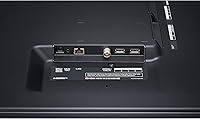
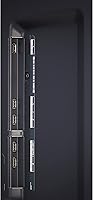
The physical port selection covers the practical bases well — multiple HDMI inputs, USB ports, Ethernet, Wi-Fi, and Bluetooth make it easy to connect game consoles, streaming sticks, audio systems, and external storage simultaneously without running out of inputs. Bluetooth connectivity to headphones and speakers works reliably.
A small number of buyers report that Wi-Fi signal strength is average rather than strong — those with routers at moderate distances from the TV occasionally experience buffering that a wired Ethernet connection resolves. HDMI 2.1 bandwidth capability on all ports is worth independently verifying for 4K 120Hz console gaming passthrough.
Remote Control
81%
19%
The Magic Remote is a meaningful usability upgrade over a standard directional-pad remote — pointing and clicking through webOS menus feels faster and more natural, and the voice button is conveniently placed for regular use. Most buyers consider it one of the better remotes bundled with a TV at this level.
The remote runs on a single AA battery rather than a rechargeable cell, which is a minor but recurring complaint for buyers used to premium remotes that charge via USB. A few users also report that the pointer tracking can drift slightly after extended periods and needs a quick shake to re-center.
Shipping & Packaging
63%
37%
The majority of buyers receive the TV without issue, and LG's standard packaging for large panels includes foam corner protection and a reinforced outer box that handles typical freight handling adequately in most cases.
A consistent thread of shipping damage reports — primarily bent corners, cracked panels, and damaged stand feet — appears in verified reviews, suggesting the packaging performs inconsistently under rough carrier handling. Buyers ordering online are advised to inspect the box carefully before signing for delivery and to document any damage immediately.

Suitable for:

The LG NANO75 86-Inch 4K Smart TV is built for buyers who prioritize screen real estate and want a genuinely capable everyday display without paying flagship OLED prices. It makes the most sense in large living rooms where a smaller panel would feel insufficient, and it particularly rewards viewers who watch a lot of sports, action films, or 4K streaming content from a direct viewing angle. Households that live across multiple smart home ecosystems — Apple HomeKit, Google Assistant, and Amazon Alexa all coexist here without forcing you to choose one — will find the setup unusually frictionless. Gamers looking for a spacious display to pair with a current-generation console will benefit from the 120Hz refresh rate and the dedicated Game Optimizer dashboard, which cuts down the time spent hunting through menus mid-session. Cord-cutters who rely on streaming apps will feel at home on webOS, which remains one of the more intuitive smart TV platforms available at this price level.

Not suitable for:

The LG NANO75 86-Inch 4K Smart TV is a harder sell for anyone with a wide or irregular seating arrangement, since NanoCell panels show noticeable color shift when viewed from off-center angles — a limitation that OLED and some QLED displays handle considerably better. Buyers who expect room-filling audio straight out of the box will likely be disappointed; the 22-watt built-in speakers are modest for a screen this large, and a soundbar purchase should be factored into the overall budget from the start. If picture quality in dark rooms is a top priority — deep blacks, precise local dimming, near-perfect contrast — this set will not satisfy in the way a good OLED will. The TV's size and weight (over 100 pounds) also make it a genuine logistical challenge for solo setup, and buyers in apartments or smaller spaces may find 86 inches simply impractical. Those shopping for the absolute latest panel technology should also note this is a 2022 model, and newer options in this price bracket have since emerged.

Specifications

  • Screen Size: The panel measures 86 inches diagonally, making it one of the larger consumer TV sizes widely available at this price tier.
  • Display Technology: NanoCell LED technology uses nano-sized particles to filter out impure wavelengths, producing cleaner and more accurate colors than conventional LED panels.
  • Resolution: Native 4K UHD resolution (3840 x 2160 pixels) delivers four times the pixel density of a standard 1080p HD display.
  • Refresh Rate: The panel runs at a native 120Hz refresh rate, which visibly reduces motion blur during fast-moving sports, gaming, and action content.
  • Processor: The a7 Gen5 AI Processor 4K handles real-time picture optimization, audio adjustment, and upscaling of lower-resolution source content.
  • HDR Support: Active HDR processing adapts tone mapping dynamically on a scene-by-scene basis to maximize detail in bright highlights and shadow areas.
  • Audio Output: Built-in speakers deliver 22 watts of total output, which is modest relative to the screen size and the listening distances a room of this scale demands.
  • Voice Assistants: Amazon Alexa and Google Assistant are built in natively, while Apple Siri is accessible via AirPlay 2 integration.
  • Smart Home: The set supports Apple HomeKit and AirPlay 2, allowing direct integration with Apple device ecosystems alongside Google and Amazon platforms.
  • Gaming Features: Dedicated Game Optimizer dashboard, NVIDIA GeForce NOW cloud gaming support, and VRR capability are included to serve console and cloud gamers.
  • Connectivity: Physical connections include multiple HDMI ports, USB ports, an Ethernet jack, with wireless options covering both Wi-Fi and Bluetooth.
  • Smart Platform: webOS is the operating system, providing access to major streaming apps, a clean home screen interface, and Magic Remote pointer-based navigation.
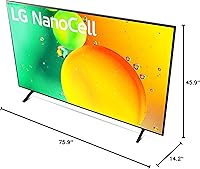
  • Dimensions: With the stand attached, the TV measures 75.9″ wide, 45.9″ tall, and 14.2″ deep — plan for significant wall or floor clearance accordingly.
  • Weight: The set weighs 100.5 pounds with the stand, which makes solo installation impractical and a two-person setup strongly advisable.
  • Aspect Ratio: Standard 16:9 widescreen aspect ratio, matching the native format of virtually all broadcast, streaming, and gaming content.
  • Included Items: In the box: Magic Remote, stand, power cable, one AA battery for the remote, and a printed quick start guide.
  • Model Number: The official model identifier is 86NANO75UQA, which can be used to verify compatibility with wall mounts, accessories, and service parts.
  • Release Year: This model was first made available in October 2022, positioning it as a mid-generation LG NanoCell release within the UQ series lineup.

Related Reviews
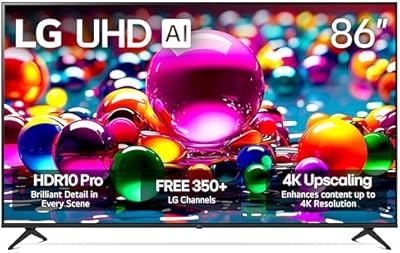
LG UA7700 86-inch 4K Smart TV
76%
78%
Picture Quality
73%
4K Upscaling
61%
Refresh Rate & Motion
67%
Gaming Performance
83%
Smart TV & webOS
More
LG 75UQ7590 75-Inch 4K Smart TV
88%
94%
Picture Quality
88%
Gaming Performance
81%
Sound Quality
90%
Ease of Setup
86%
Smart Features (WebOS 22)
More
LG 55-Inch QNED85 4K Smart TV
82%
86%
Picture Quality
82%
Color Accuracy
74%
Contrast & Black Levels
89%
Motion Handling
81%
Gaming Performance
More
LG UQ7570 55-inch 4K Smart TV
75%
88%
Smart Platform
74%
Picture Quality
83%
Value for Money
61%
Gaming Performance
91%
Streaming Experience
More
LG 86UN8570PUC 86-inch 4K UHD TV
86%
91%
Display Quality
93%
Picture Clarity
85%
Sound Quality
88%
Gaming Performance
80%
Smart Features & Usability
More
LG 65UA7700P 65-inch 4K Smart TV
83%
92%
Picture Quality
72%
Sound Quality
88%
Ease of Setup
85%
Smart Features / WebOS
90%
Gaming Performance
More
LG 50-Inch QNED80T 4K Smart TV
77%
83%
Picture Quality
81%
Color Accuracy
67%
Contrast & Black Levels
88%
Smart TV Experience
53%
Gaming Performance
More
LG 50-Inch QNED85T Series 4K Smart TV
88%
94%
Picture Quality
92%
Color Accuracy
87%
Ease of Use (Magic Remote)
90%
120Hz Refresh Rate for Gaming
91%
AI Picture Processing
More
LG 75UM7570PUD 75-inch 4K Smart LED TV
73%
78%
Picture Quality
91%
Viewing Angles
82%
Smart TV Platform
76%
Voice Assistant Integration
62%
Motion Handling
More
LG 50-inch UN7300 4K Smart TV
74%
82%
Picture Clarity
54%
Contrast & Black Levels
79%
Color Accuracy
61%
HDR Performance
91%
Smart Platform (webOS)
More

FAQ

It holds up well for gaming in practice. The 120Hz panel keeps fast gameplay looking clean, and the Game Optimizer dashboard genuinely consolidates settings like input lag mode and VRR into one spot so you are not digging through menus. NVIDIA GeForce NOW cloud gaming works on it, but keep in mind that requires a GeForce NOW subscription and a stable, fast internet connection — the TV alone does not unlock that experience.

It is a real limitation worth being honest about. NanoCell panels, including this one, show color shift and some loss of saturation when you move more than about 30 to 40 degrees off the center axis. If your main seating is directly in front of the screen, you will not notice it. If you have a wide couch arrangement or people often watch from the sides of the room, it becomes more apparent, and an OLED or a high-end QLED would serve those setups better.

For casual background viewing or a smaller room, the built-in speakers are passable. For a living room sized to match an 86-inch screen, 22 watts of output will feel thin — dialogue may lack presence and low-end response is limited. Most buyers who put this TV in a proper large room end up adding a soundbar within a few months, so it is worth budgeting for one upfront rather than being surprised later.

Yes, and it works well in that context. AirPlay 2 lets you mirror or cast from iPhones, iPads, and Macs without any adapter, and Apple HomeKit integration means you can control the TV through the Apple Home app or Siri. It is one of the more genuinely Apple-friendly non-Apple TVs on the market.

No, it does not. This set supports Active HDR and HDR10, but Dolby Vision is not included. If you subscribe to services that offer Dolby Vision content — Apple TV Plus and Disney Plus both do — you will still get HDR, just not the Dolby Vision-specific tone mapping. For most viewers this difference is subtle, but it is worth knowing before you buy.

Two people can manage the installation, but do not attempt it alone. At over 100 pounds, getting the panel safely onto the stand or onto a wall mount is a genuine physical challenge. The stand assembly itself involves attaching fairly large brackets to the bottom of the panel, which several buyers have described as fiddly. Clear some space, have a second person available, and read through the quick start guide before you begin.

Most universal remotes that support HDMI-CEC or have LG TV profiles in their database will work. The included Magic Remote is genuinely useful though — its pointer functionality speeds up navigating webOS significantly compared to a standard directional-pad remote. If you already have a Logitech Harmony or similar programmable remote, compatibility is generally straightforward.

It is one of the friendlier smart TV platforms around. The home screen is cleanly laid out, major streaming apps like Netflix, Disney Plus, and YouTube are pre-installed and easy to find, and the Magic Remote's pointer makes selecting things feel more intuitive than scrolling through a grid with arrow keys. LG updates webOS with some regularity, so the interface tends to stay current.

They are competing approaches to improving LED color performance. QLED typically edges out NanoCell in peak brightness and off-angle color consistency, while NanoCell has historically been regarded as slightly more accurate in color tone at direct viewing angles. Which is better depends heavily on the specific models being compared rather than the technology labels alone. At 86 inches, both technologies make meaningful trade-offs compared to OLED, so the decision often comes down to price, brand ecosystem preference, and your room's lighting conditions.

LG has a reasonable track record of providing webOS updates for several years post-launch, so near-term software support should not be an immediate concern. The hardware itself — 4K at 120Hz with a solid processor — will remain relevant for a long time. The main practical consideration is that newer models at comparable prices may offer panel improvements like better brightness or improved off-angle performance, so if you are comparing options, it is worth checking what has launched since this model came out before committing.