Overview

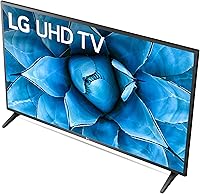
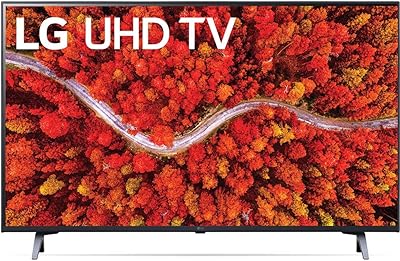
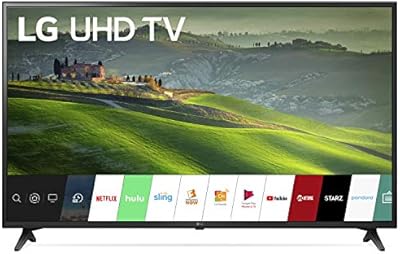
The LG UN7300 65-inch 4K UHD Smart TV sits comfortably in LG's 2020 mid-range lineup, offering a large screen without pushing into flagship territory. It uses an IPS panel, which means colors stay consistent whether you're watching straight-on or from an angle — useful in open living rooms with seating spread across the space. Don't expect the inky blacks of an OLED; contrast is the IPS trade-off. Where this LG smart TV earns its place is in the day-to-day experience: webOS remains one of the more intuitive smart platforms around, and the Magic Remote makes navigation feel genuinely less frustrating than a standard directional pad. The 60Hz native refresh rate is worth noting if sports or fast-action content is a priority.
Features & Benefits

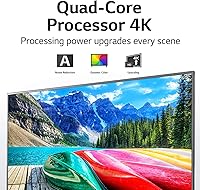
The UN7300 packs a Quad Core Processor 4K that handles upscaling reasonably well — standard HD content from cable or older streaming libraries looks noticeably sharper than on budget panels. Active HDR supports HDR10 and HLG formats, adjusting brightness and tone on a scene-by-scene basis; the result is pleasant, though this is edge-lit IPS territory, so don't compare it to a true HDR display. Apple users will appreciate AirPlay 2 support, which lets you mirror an iPhone or MacBook without extra hardware. Alexa is built in for voice control, and three HDMI ports handle a console, streaming stick, and cable box simultaneously. Bluetooth Surround Ready means you can pair wireless speakers if the built-in audio feels thin.

Best For

This 65-inch LG is a natural fit for households that stream more than anything else — Netflix, Hulu, Disney+, and YouTube all run through webOS without much fuss. If your family uses iPhones or MacBooks, built-in AirPlay 2 saves you from extra dongles. The wide IPS viewing angles make it practical in larger rooms where seating wraps around the screen. Casual gamers using older consoles will find it acceptable, but anyone chasing low input lag or high frame rates for competitive titles should look elsewhere. The UN7300 also suits people who found Android TV or Roku confusing; webOS keeps things straightforward, and the Magic Remote cursor-style navigation takes only minutes to get comfortable with.

User Feedback

Owners of the UN7300 consistently praise how sharp streaming content looks right out of the box, and setup tends to draw compliments for being approachable even for non-technical buyers. The Magic Remote collects a lot of goodwill too. On the flip side, the built-in speakers disappoint most people — thin and lacking bass, they push the majority of buyers toward a soundbar fairly quickly. Local dimming performance draws similar criticism; dark scenes in a dim room reveal the LED backlighting's limitations plainly. Long-term owners report the webOS software has held up well through updates, though some note the unit runs warmer than expected. Buyers cross-shopping Samsung's comparable models often land on the UN7300 for its stronger smart platform experience.

Pros

  • webOS remains one of the most user-friendly smart TV platforms available, with a clean layout and fast app access.
  • The Magic Remote point-and-click control is a genuine quality-of-life upgrade over standard directional-pad remotes.
  • IPS viewing angles keep colors consistent for large-room setups where people sit off to the sides.
  • AirPlay 2 support lets Apple device users mirror content wirelessly without any extra hardware.
  • Upscaling on HD content is handled well, so cable and older streaming libraries still look respectable.
  • Three HDMI ports comfortably accommodate a console, cable box, and streaming device simultaneously.
  • Built-in Alexa allows hands-free control for users already embedded in Amazon's ecosystem.
  • Setup is consistently reported as quick and straightforward, even for first-time smart TV buyers.
  • Bluetooth Surround Ready provides a path to wireless audio expansion without committing to a wired speaker system.
  • At its price point, the 65-inch screen size offers strong value for buyers moving up from smaller sets.

Cons

  • Local dimming performance is weak, leaving dark scenes looking washed out rather than truly deep.
  • Built-in speakers lack bass and overall volume presence — most owners end up adding external audio.
  • The 60Hz panel shows motion blur during fast sports or action sequences that a 120Hz display handles cleanly.
  • HDR impact is modest at best; edge-lit IPS panels at this tier cannot hit the peak brightness HDR content is mastered for.
  • Black levels disappoint in dim or dark rooms, where the IPS glow becomes noticeably distracting.
  • As a 2020 model, it lacks HDMI 2.1 — a real limitation for anyone planning to connect a PS5 or Xbox Series X at full capability.
  • The UN7300 runs warmer than some competing models, which a subset of long-term owners have flagged as a concern.
  • No Dolby Vision support limits compatibility with some premium streaming content that uses that HDR format exclusively.
  • USB ports are limited to USB 2.0, which makes transferring or playing large local media files slower than ideal.
  • Pricing fluctuates enough that the value proposition shifts depending on when and where you find it listed.

Ratings

The scores below reflect our AI-driven analysis of thousands of verified global buyer reviews for the LG UN7300 65-inch 4K UHD Smart TV, with spam, incentivized submissions, and bot activity actively filtered out before any scoring was applied. Every category captures what real owners consistently praised or complained about after weeks and months of daily use — not just first impressions. Both the genuine strengths and the recurring frustrations are represented honestly so you can make the most informed call.

Picture Quality
74%
26%
For streaming Netflix, Disney+, or Hulu in a normally lit room, the 4K IPS panel delivers sharp, color-accurate images that owners frequently describe as a meaningful upgrade over their older 1080p sets. Daytime viewing in bright living rooms is where the panel shines most consistently.
Dark scenes expose the edge-lit backlight's limitations quickly — blacks read as gray in a dimmed room, and local dimming does little to compensate. Buyers coming from VA-panel TVs or OLED sets are often visibly disappointed by the contrast performance.
Smart Platform (webOS)
88%
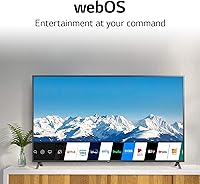
webOS draws consistent praise for its clean, uncluttered layout and fast app launches — owners note that switching between Netflix, YouTube, and live TV takes seconds rather than the frustrating delay common on some competing platforms. The interface ages well, with software updates keeping the experience fresh over time.
A small but vocal group of users find the content recommendation cards on the home screen intrusive, and a handful of niche streaming apps are missing from the library. Those who rely on very specific regional apps may find gaps that Android TV-based sets would cover more completely.
Magic Remote Usability
91%
The Magic Remote is one of the most consistently praised aspects of this LG smart TV across all buyer feedback segments. The point-and-click cursor navigation makes typing search queries and scrolling through menus feel far less tedious than pressing a directional pad hundreds of times.
A subset of owners report the cursor drift can feel erratic when batteries start to run low, and the remote itself feels plasticky compared to the premium remotes bundled with higher-end competitors. Some also wish the button layout were slightly more intuitive out of the box.
Viewing Angles
83%
The IPS panel holds color and brightness well when viewers are seated at significant angles — families spread across a wide sectional sofa or open-plan spaces with multiple seating positions benefit noticeably compared to VA-panel alternatives at the same price. Colors do not shift or wash out from the sides.
The advantage is real but not limitless; at extreme angles beyond roughly 45 degrees, some brightness falloff becomes apparent. This is still a meaningful edge over VA panels but is not quite as wide as some buyers expect after reading IPS marketing descriptions.
HDR Performance
61%
39%
Active HDR does produce a visible improvement on HDR10 and HLG content compared to SDR playback — streaming HDR movies shows moderately brighter highlights and slightly richer colors in well-lit scenes, which casual viewers find satisfying enough for nightly use.
Enthusiasts and buyers upgrading from higher-tier HDR displays will be let down — peak brightness is limited by the edge-lit IPS backlight, so the wide dynamic range that HDR content is mastered for is never fully realized. Dolby Vision is absent entirely, which rules out a growing share of premium streaming HDR content.
Motion & Refresh Rate
58%
42%
For standard streaming content and casual scripted TV watching, the 60Hz panel handles motion without any obvious issues — sitcoms, dramas, and slower-paced films all look perfectly smooth in typical use cases.
Fast sports, action films with rapid camera movement, and gaming at higher frame rates all expose the 60Hz ceiling with noticeable blur or judder. Buyers who watch a lot of live sports or who planned to use this with a current-gen console often flagged this as a significant post-purchase regret.
Gaming Performance
54%
46%
Casual gaming on older-generation consoles like a PS4 or Xbox One works acceptably — response feels adequate for single-player adventures, open-world games, and co-op titles where split-second timing is not critical.
The absence of HDMI 2.1, a 60Hz cap, and limited VRR support make this a poor choice for anyone investing in PS5 or Xbox Series X performance. Input lag, while not measured as severely high, is not competitive against displays purpose-built for gaming.
Audio Quality
47%
53%
The built-in speakers handle dialogue intelligibility reasonably well at moderate volumes, and for background TV viewing in a kitchen or secondary room the audio is functional without being painful.
In primary living room use, the speakers fall noticeably short — thin bass response and a tendency to sound strained at higher volumes push the majority of owners toward adding a soundbar within weeks of purchase. This is one of the most frequently cited disappointments across all verified buyer feedback.
Upscaling (HD to 4K)
77%
23%
The Quad Core Processor 4K handles upscaling of 1080p cable content and older streaming library titles with more grace than budget-tier processors — the result is a cleaner, less artificial-looking image that holds up during extended viewing sessions.
Upscaling quality drops noticeably with lower-quality source material such as 480p or heavily compressed streams, where artifacts and soft edges become apparent. It is competent but not class-leading compared to some competing processors in the same year's models.
AirPlay 2 & Connectivity
84%
AirPlay 2 works reliably for Apple households — owners report mirroring a MacBook for a work presentation or casting vacation photos from an iPhone works consistently without the lag or drop-outs that plagued earlier wireless casting implementations on smart TVs.
The HDMI ports are capped at 2.0 bandwidth, which limits usefulness for the latest devices at full capability, and the two USB 2.0 ports feel dated for moving or playing large 4K local media files. Buyers expecting HDMI 2.1 connectivity were not reading the fine print carefully enough.
Build & Design
71%
29%
The slim profile without the stand at 3.5 inches deep makes wall mounting clean and flush-looking, which owners appreciate for achieving a minimalist living room setup. The overall aesthetic is understated and fits most interior styles without drawing attention to itself.
The plastic build feels less premium up close than marketing images suggest, and the stand design drew criticism for feeling wobbly on uneven media consoles. A few buyers also noted the bezels are thicker than expected based on product listing photography.
Setup & Installation
86%
First-time smart TV buyers consistently highlight how approachable the setup process is — webOS walks new owners through network connection, app sign-ins, and input configuration with clear on-screen prompts that do not require technical background knowledge.
Physically mounting or placing the TV at nearly 47 pounds requires two people, and the stand assembly instructions were described as unclear by a meaningful number of buyers. Wi-Fi setup occasionally required a router restart to complete pairing on the first attempt.
Value for Money
73%
27%
At its typical price point, the combination of a 65-inch screen, webOS, AirPlay 2, and reliable 4K streaming performance represents a reasonable package for buyers who prioritize size and smart features over outright display performance metrics.
As a 2020 model, the value calculation has shifted — newer budget-tier 65-inch options from TCL and Hisense have narrowed the gap significantly, and in some cases offer 120Hz panels or better local dimming at similar or lower prices. Buyers should compare actively before committing.
Long-Term Reliability
78%
22%
A majority of long-term owners report the set has remained stable after two or more years of daily use, with webOS updates arriving regularly enough to keep the smart platform feeling current. Verified buyers rarely flagged hardware failures under normal household conditions.
A recurring minority report that the TV runs warmer than expected during extended use, and a subset of owners noted occasional software freezes requiring a power cycle. These issues are not widespread enough to flag as systemic but are consistent enough to mention honestly.

Suitable for:

The LG UN7300 65-inch 4K UHD Smart TV is a strong pick for households that spend most of their screen time streaming — families settling in for nightly Netflix binges, couples who rotate between Hulu and Disney+, or anyone upgrading from an older 1080p set will notice a real step forward in picture sharpness and screen real estate. The IPS panel is a practical advantage in typical living rooms where seating angles vary and windows create ambient light, since colors hold up far better from the side than a VA panel would. Apple-heavy households get genuine value from AirPlay 2 — mirror a MacBook presentation or toss a vacation video from an iPhone without hunting for adapters. webOS keeps things approachable for less tech-savvy family members, and the Magic Remote's cursor navigation removes the tedium of scrolling through menus letter by letter. Casual gamers using a PS4, Xbox One, or similar older-generation console will find it plenty capable for relaxed play sessions.
Not suitable for:

Buyers building a dedicated dark-room home theater setup should look past the UN7300 without much hesitation — the IPS panel simply cannot deliver the black depth or contrast ratios that a good VA panel or OLED would provide, and dim-room movie nights will make that limitation obvious. The 60Hz native refresh rate is a genuine drawback for sports fans who are sensitive to motion blur, and it rules this set out entirely for competitive gamers who need 120Hz or VRR support. The built-in audio is thin enough that budgeting for a soundbar is less optional and more expected, which adds to the real-world cost. Anyone prioritizing the absolute best HDR experience should also be clear-eyed: Active HDR on an edge-lit IPS at this tier produces a pleasant but modest result, not the wide-brightness performance of higher-end displays. If you are cross-shopping against newer 2022 or 2023 budget models, the technology gap in processing and panel efficiency has widened since this set launched.

Specifications

  • Screen Size: The panel measures 65 inches diagonally, making it well-suited for medium to large living rooms where viewers typically sit 8 to 12 feet from the screen.
  • Panel Type: Uses an IPS LED backlit panel, which prioritizes consistent color accuracy and wide viewing angles over deep black levels.
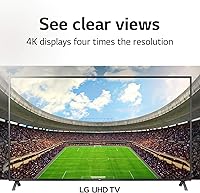
  • Resolution: Native 4K UHD resolution at 3840 x 2160 pixels delivers four times the detail of a standard 1080p display.
  • Refresh Rate: The native refresh rate is 60Hz, which handles everyday streaming and casual gaming well but falls short for high-frame-rate gaming or fast sports content.
  • HDR Support: Active HDR supports HDR10 and HLG formats with scene-by-scene tone mapping; Dolby Vision is not supported on this model.
  • Processor: The Quad Core Processor 4K manages upscaling, image processing, and app performance, keeping the interface responsive in day-to-day use.
  • Smart Platform: Runs LG's webOS with the Magic Remote included, offering a point-and-click cursor interface and access to all major streaming apps.
  • Voice Control: Alexa is built directly into the TV, and Google Assistant is also compatible for hands-free commands and smart home control.
  • Wireless: Supports Wi-Fi, Bluetooth Surround Ready for wireless speaker pairing, and Apple AirPlay 2 for direct mirroring from iOS and macOS devices.
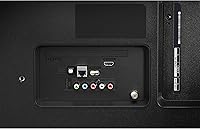
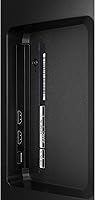
  • HDMI Ports: Three HDMI 2.0 ports are available; note that none support the HDMI 2.1 standard, which limits bandwidth for next-gen console features.
  • USB Ports: Two USB 2.0 ports allow connection of external drives or USB media devices, though the 2.0 standard limits transfer speed for large files.
  • Audio Output: One digital optical audio output is included for connecting external audio equipment such as a soundbar or AV receiver without Bluetooth.
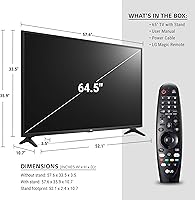
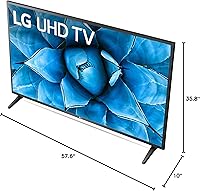
  • Dimensions: With the stand attached, the TV measures 57.6″ wide, 35.8″ tall, and 10.0″ deep; without the stand it slims down to 3.5″ in depth.
  • Weight: The unit weighs 47.4 pounds with the stand installed and 47.0 pounds without, which typically requires two people for safe mounting or placement.
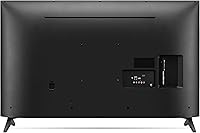
  • Other Inputs: Additional inputs include one ethernet port for wired network connection, one composite AV input, and one digital optical audio output.
  • Remote: The Magic Remote requires two AAA batteries and supports motion-based point-and-click navigation alongside traditional directional controls.
  • Release Year: This model was first made available in January 2020 as part of LG's UN73 Series lineup for that model year.

Related Reviews
LG 65UK6090 65-inch 4K HDR Smart LED UHD TV
85%
92%
Picture Quality
89%
Smart Features
88%
Ease of Setup
85%
Design & Aesthetics
90%
HDR Performance
More
LG 65UA7700P 65-inch 4K Smart TV
83%
92%
Picture Quality
72%
Sound Quality
88%
Ease of Setup
85%
Smart Features / WebOS
90%
Gaming Performance
More
LG 55UP8000PUA 55-inch 4K Smart TV
72%
74%
Picture Quality
88%
Smart Platform
79%
Value for Money
62%
Motion Handling
57%
HDR Performance
More
LG SM8600PUA 49-inch NanoCell 4K Smart TV
78%
82%
Picture Quality
86%
Color Accuracy
84%
Viewing Angles
71%
HDR Performance
88%
Smart TV Platform
More
LG OLED B4 65-inch Smart TV
81%
93%
Picture Quality
96%
Contrast & Black Levels
91%
Gaming Performance
82%
Smart TV Platform (WebOS 24)
58%
Audio Performance
More
LG 65UK6300PUE 65-inch 4K Smart TV
71%
71%
Picture Quality
83%
Viewing Angles
58%
Backlight Uniformity
62%
Motion Handling
67%
HDR Performance
More
LG SM8600PUA 65-inch NanoCell 4K Smart TV
78%
81%
Picture Quality
88%
Viewing Angles
58%
Contrast & Black Levels
84%
Motion & Refresh Rate
77%
HDR Performance
More
LG UQ7570 65-inch 4K Smart TV
78%
82%
Picture Quality
61%
Refresh Rate & Motion Handling
88%
Smart TV Platform (webOS 22)
86%
Value for Money
53%
Audio Quality
More
Sony X750F 65-Inch 4K UHD Smart LED TV
83%
88%
Picture Quality
92%
Value for Money
60%
Sound Quality
85%
Setup and Installation
89%
Smart Features and Software
More
TCL 65A300W NXTVISION 65-inch QLED Smart TV
79%
93%
Design & Aesthetics
88%
Anti-Glare Performance
76%
Picture Quality
84%
Ambient & Art Display
89%
Installation & Setup
More

FAQ

It will connect and display content from either console just fine over HDMI, but you won't get the full next-gen experience. The UN7300 tops out at 60Hz and uses HDMI 2.0, so features like 4K at 120fps or VRR are off the table. For casual play it works, but serious next-gen gamers should consider a newer display.

It handles everyday sports viewing acceptably, but the 60Hz refresh rate does produce some motion blur during fast action sequences — things like panning shots of a soccer field or a fast break in basketball. If sports is a big part of your viewing diet and you're sensitive to motion, a 120Hz panel would serve you better.

Yes, AirPlay 2 is built in. As long as your iPhone or iPad is on the same Wi-Fi network as the TV, you can mirror your screen or cast content directly from supported apps without needing an Apple TV or any additional hardware.

Most people find webOS easier to pick up than Android TV, which can feel cluttered with promoted content. Compared to Roku it's a closer call, but the Magic Remote's cursor control genuinely speeds up navigation in ways a standard Roku remote can't match. The app library covers all the major streaming services you'd realistically need.

Honestly, most buyers end up adding a soundbar. The built-in speakers are functional for casual background watching, but they lack bass and can sound thin at higher volumes. If audio quality matters to you at all, budget for external speakers — the optical audio output and Bluetooth Surround Ready feature make it easy to connect one.

It actually holds up quite well in bright rooms. The IPS panel handles ambient light better than many VA panels, and colors stay readable from wide angles. In a dark room, though, the local dimming limitations become noticeable — black levels look more gray than truly dark, which can be distracting during moody films or nighttime scenes.

No, the UN7300 does not support Dolby Vision. It handles HDR10 and HLG through LG's Active HDR system, which works well enough for most streaming content. If you specifically watch a lot of Dolby Vision content on Apple TV+ or Netflix and care about that distinction, this set will fall short of your expectations.

The TV uses a standard VESA mounting pattern, so any compatible wall bracket will work. At around 47 pounds without the stand, you'll want two people for the job. The slim 3.5-inch depth without the stand means it sits nicely flush once mounted, which most buyers appreciate for a clean look.

Yes, the Magic Remote is included. You'll need to supply two AAA batteries, which are not packed in the box. Setup is quick — once powered, the remote pairs to the TV automatically and the cursor navigation becomes usable within the first few minutes.

The main trade-off comes down to panel type and software. Samsung's comparable models often use VA panels, which give you deeper blacks and better contrast in dark rooms but narrower viewing angles. The LG wins on viewing angles and smart platform usability — webOS with the Magic Remote is genuinely more polished than Samsung's Tizen for most users. It comes down to your room layout and whether dark-room contrast or wide-angle consistency matters more to you.