Overview

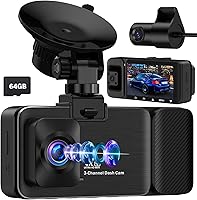
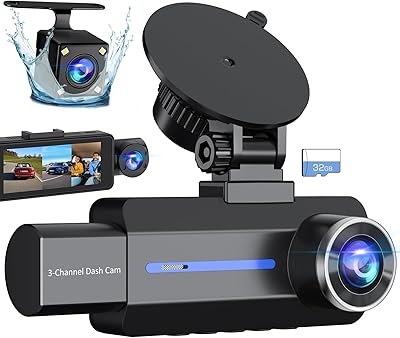
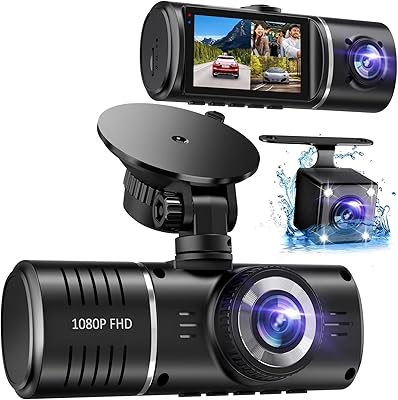
The LECTRUS K02 Pro 3-Channel Dash Cam arrived on the market in mid-2024, targeting drivers who want complete coverage — front, rear, and interior — without paying a premium price. This cabin-and-road camera positions itself in a space once dominated by fleet and rideshare operators, making that three-lens setup accessible to everyday drivers. It ships with a 64GB SD card pre-installed, which removes one of the most common setup headaches right away. LECTRUS also made a deliberate choice to use a super capacitor instead of a conventional lithium battery, a decision that pays off for anyone parking in a hot climate where internal batteries tend to fail early.
Features & Benefits

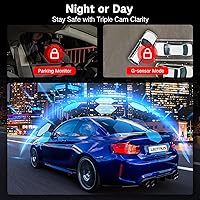
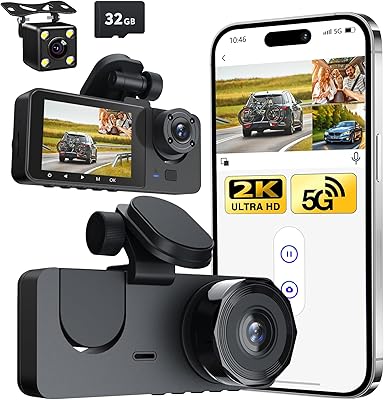
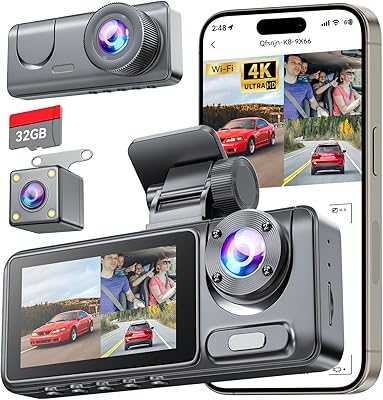
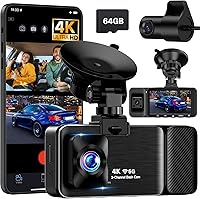
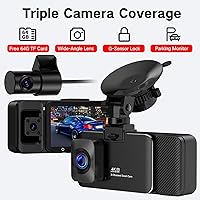
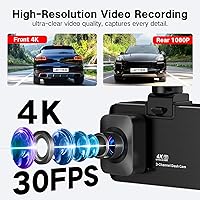
The front camera captures at true 4K resolution, which makes a noticeable difference when you need to read a license plate in footage after an incident. The rear and interior channels are wide-angle rather than 4K, but they cover the angles that matter. A built-in G-sensor automatically locks clips during hard braking or collisions, protecting that footage from being overwritten. The 5G WiFi connection to the LuckyCam app is genuinely useful for reviewing clips on your phone without touching the card. One important clarification: the parking mode only captures short emergency clips on battery power; continuous overnight monitoring requires a separately purchased hardwire kit.

Best For

This 3-channel dash cam is an obvious fit for rideshare and gig drivers — Uber, Lyft, or delivery operators — who need a record of what happens inside the cabin as much as on the road. It also suits commuters who want comprehensive coverage from a single device rather than mounting two separate cameras. The capacitor design makes it a smarter pick than battery-based alternatives for anyone driving in consistently hot weather. If you prefer reviewing footage on your phone through an app rather than plugging a card into a laptop, the workflow here suits that preference well. Just budget for the hardwire kit if continuous parking coverage is a priority.

User Feedback

Across 227 ratings, the K02 Pro holds a 4.2 out of 5, which reasonably reflects what buyers actually experience. The front camera clarity in daylight earns consistent praise — drivers report license plates and road signs coming through legibly. The pre-installed SD card also gets frequent mentions as a small but appreciated touch. On the downside, several users found the LuckyCam app connection unreliable on first pairing; it usually resolves, but expect a few minutes of troubleshooting. Interior night vision performs adequately but shifts to black-and-white in low light, which surprises some. The most repeated frustration involves parking mode confusion — buyers expecting continuous recording without extra hardware tend to walk away disappointed.

Pros

  • Front 4K footage captures license plates and road signs with enough clarity to hold up as evidence after an incident.
  • Ships with a 64GB SD card already inserted — a small detail that many competitors at this price skip entirely.
  • Three-camera coverage in one unit means no extra mounts, cables, or separate devices cluttering the cabin.
  • Super capacitor design holds up in extreme heat where battery-based dash cams tend to fail or swell over time.
  • 5G WiFi lets you pull clips to your phone quickly without touching the SD card or finding a laptop.
  • G-sensor automatically locks collision footage so a hard braking event never gets overwritten by loop recording.
  • Loop recording runs hands-free and requires zero ongoing management once the card is full.
  • The 3-inch IPS screen is large enough for on-device playback without squinting, which is rare at this price tier.
  • Supports memory cards up to 256GB, giving drivers the option to store significantly more footage than the included card allows.
  • At a mid-range price, the combination of three channels and 4K front recording represents strong value for rideshare drivers.

Cons

  • The LuckyCam app connection is unreliable on first pairing and requires patience to get working consistently.
  • Parking mode is frequently misunderstood — continuous overnight monitoring is impossible without buying a hardwire kit separately.
  • Interior and rear channels are not 4K; buyers focused on rear-incident documentation may find the resolution limiting.
  • Interior night vision shifts to black-and-white in low light, which reduces its usefulness for identifying passenger details after dark.
  • The hardwire kit needed for full parking functionality adds extra cost and installation complexity that is not mentioned prominently at purchase.
  • LECTRUS is a relatively newer brand, and long-term reliability data beyond the first year is still limited.
  • The device powers off automatically when the engine stops, which can catch new users off guard if they expect standby monitoring.
  • App-based clip management, while convenient for some, adds a dependency on a third-party app that has reported stability issues on certain devices.

Ratings

The LECTRUS K02 Pro 3-Channel Dash Cam has been scored by our AI rating system after analyzing verified global buyer reviews, with spam, bot-submitted, and incentivized feedback actively filtered out before processing. The scores below reflect a transparent picture of where this cabin-and-road camera genuinely excels and where real drivers have run into friction. Both the strengths that keep buyers satisfied and the pain points that generate repeat complaints are represented honestly in each category.
Front Camera Clarity
88%
Daylight footage from the front 4K lens consistently earns praise from commuters and rideshare drivers alike. License plates, street signs, and vehicle details come through with enough sharpness to be useful as evidence after an incident, which is ultimately the core job of any dash cam.
In overcast or transitional lighting conditions, some users report a slight washout effect in high-contrast scenes. The 4K label also sets expectations that the other two channels cannot match, leading to mild disappointment when buyers compare all three feeds side by side.
Interior Camera Performance
67%
33%
For a three-channel unit at this price, having a dedicated interior lens is a real differentiator, particularly for rideshare drivers who need a cabin record. In well-lit daytime conditions, the interior channel captures enough detail to be genuinely useful if a passenger dispute arises.
Low-light interior performance is where this camera struggles most. The automatic shift to black-and-white infrared footage addresses visibility, but color detail is lost entirely in darker cabins, which limits its usefulness for identifying specific details after nighttime incidents.
Parking Mode Usability
54%
46%
When properly set up with the separately purchased hardwire kit, the parking mode does what it promises — detecting collisions and logging timestamped clips while the vehicle sits unattended. Drivers who invest in the full setup appreciate having collision evidence waiting for them after a parking lot incident.
The parking mode is the single most common source of buyer frustration with the K02 Pro. Many purchasers only discover after unboxing that continuous overnight monitoring requires extra hardware not included in the box, and the product listing does not communicate this limitation prominently enough.
App & WiFi Experience
62%
38%
When the LuckyCam app connects cleanly, the 5G WiFi transfer speed is noticeably faster than older 2.4GHz dash cam apps, and browsing clips wirelessly without removing the SD card is a convenience that daily users genuinely appreciate. The app layout is straightforward once the initial pairing hurdle is cleared.
First-time setup is where the experience breaks down for a meaningful portion of users. Connection drops, failed pairing attempts, and app instability on certain Android versions are recurring complaints, and the troubleshooting documentation provided in the box is thin. It usually resolves, but it requires patience.
Night Vision
71%
29%
The infrared filtering does a competent job on the front-facing lens in completely dark conditions, capturing road details that a standard lens would miss entirely. Drivers who commute through unlit rural roads or poorly lit parking structures notice a clear improvement over non-infrared cameras at similar price points.
Night vision on the interior and rear channels is less impressive, and the automatic black-and-white activation catches some users off guard if they were expecting color footage. There is no way to preview what triggered the mode change without reviewing footage after the fact.
Build & Heat Resistance
83%
The super capacitor design is a practical advantage that drivers in hot climates like Florida, Texas, or Southern Europe notice over time. Where lithium battery-based cameras swell or fail after prolonged sun exposure on a dashboard, this camera continues operating reliably through repeated temperature cycles.
The physical housing feels functional rather than premium, and the mounting bracket does not inspire complete confidence on longer road trips with rough surfaces. A few users in colder climates have noted slightly slower startup behavior in near-freezing temperatures, which is an inherent trade-off of capacitor-based designs.
Video Storage & Management
84%
Shipping with a 64GB card pre-installed is a genuine convenience that removes a common first-day frustration. Loop recording runs quietly in the background without any user input, and the support for up to 256GB cards gives drivers who want several days of retained footage an easy upgrade path.
The 64GB card, while appreciated, fills up faster than some users expect when all three channels record simultaneously at higher quality settings. There is no in-app notification when the card is approaching capacity, which means drivers relying on recent footage may occasionally find it has already been overwritten.
Installation Ease
78%
22%
The windshield or ceiling mount goes up without tools, and the device is compact enough to avoid blocking sightlines for most drivers. Routing the power cable along the trim to a 12V port is a familiar process for anyone who has installed a single-channel dash cam before.
Running the rear camera cable from the front unit to the back window requires more effort and is the step most users find fiddly. Without pre-installed cable clips or a routing guide in the box, the process involves improvising, which adds time for first-time installers.
Display & On-Device Playback
76%
24%
The 3-inch IPS screen is a meaningful step up from the tiny displays found on many budget dash cams, and the ability to review footage directly on the device without any app or computer is something drivers genuinely use when they need to check a clip quickly after a parking incident.
The screen powers off by default to prevent overheating, which is the right call technically but catches users off guard who expect it to stay on during recording. Touch control is not available, so navigating menus through physical buttons takes a bit of getting used to.
Value for Money
81%
19%
For a mid-range price, getting a three-channel setup with a 4K front lens, 5G WiFi, an included SD card, and a heat-resistant capacitor design represents a genuinely competitive package. Rideshare drivers in particular note that this would otherwise require purchasing two or three separate devices to replicate.
Once you factor in the additional cost of a hardwire kit to unlock parking mode — a feature most buyers reasonably expect to work out of the box — the effective value proposition narrows. The K02 Pro is still reasonable, but the hidden accessory cost is a legitimate grievance.
G-Sensor Reliability
79%
21%
The collision detection works consistently in real-world driving conditions, locking clips during hard stops, sudden lane changes, and low-speed impacts in parking lots. Drivers who have needed to retrieve post-incident footage report that the locked files were present and intact.
Sensitivity calibration is a common concern, with some users finding the G-sensor triggers too easily on rough roads or speed bumps, filling protected clip storage with non-incident footage. There is no fine-grained sensitivity slider, only broad preset levels available in the settings menu.
Rear Camera Quality
69%
31%
The rear channel covers the angles that matter most for documenting rear-end collisions and monitoring what is happening directly behind the vehicle. Wide-angle coverage means less adjusting after installation, and the footage is adequate for identifying vehicles in most daylight conditions.
The rear camera is not 4K, and in lower light conditions the footage quality drops enough that fine details like license plates at distance become harder to read. Buyers who specifically need high-quality rear documentation for commercial or insurance purposes may find this channel falls short of their expectations.
Loop Recording Reliability
86%
Loop recording on the K02 Pro runs without hiccups in normal daily use. The automatic overwrite cycle is smooth, and protected emergency files remain intact even as the loop continues recording around them — which is the correct behavior and not something all budget dash cams handle cleanly.
A small number of users have reported isolated instances where loop recording stopped unexpectedly, requiring a manual restart. These appear to be edge cases possibly related to card compatibility rather than a systemic issue, but they are worth noting for drivers who depend on uninterrupted coverage.

Suitable for:

The LECTRUS K02 Pro 3-Channel Dash Cam was practically designed with rideshare and gig economy drivers in mind — anyone who transports passengers and needs a verifiable record of what happens inside the cabin, not just on the road ahead. Uber and Lyft drivers in particular will appreciate having all three angles covered by a single device rather than cobbling together separate cameras. Everyday commuters who want comprehensive front, rear, and interior coverage without a complicated multi-camera setup will also find this a practical, low-fuss solution. The super capacitor power design is a genuine advantage for drivers in warm climates like the American Southwest or Southeast Asia, where dashboard temperatures routinely destroy conventional lithium battery-based cameras within a year. If you prefer managing footage through a phone app rather than pulling an SD card and connecting it to a laptop, the LuckyCam workflow aligns well with that preference. Anyone comfortable purchasing a separate hardwire kit to enable full parking coverage will get solid all-around protection from this cabin-and-road camera at a mid-range price point.
Not suitable for:

Buyers expecting 4K quality across all three lenses will need to recalibrate their expectations — only the front camera shoots at 4K, while the rear and interior channels are wide-angle supplementary feeds, not high-resolution recorders. The K02 Pro is also a poor fit for drivers who assume parking mode works straight out of the box; without purchasing a separate hardwire kit, the device can only save short emergency clips triggered by a collision, and it powers down when the engine is off. Tech-averse users who find app pairing frustrating may struggle with the LuckyCam connection, which has a known first-setup learning curve. Night footage from the interior camera switches to black-and-white in low-light conditions, which may disappoint anyone expecting color cabin footage after dark. If your primary use case is high-quality rear or interior recording — say, for insurance documentation of rear-end collisions — a more specialized two-channel camera with dual high-resolution lenses might serve you better than this three-way split.

Specifications

  • Brand & Model: Manufactured by LECTRUS under the model designation K02 Pro, released in August 2024.
  • Channels: Records simultaneously across 3 channels: front-facing, rear-facing, and interior cabin.
  • Front Resolution: The front camera captures video at 4K resolution for maximum road-facing detail.
  • Display: Features a 3″ IPS screen for on-device playback and menu navigation.
  • WiFi: Supports 5G dual-band WiFi for faster wireless clip transfers to a paired smartphone.
  • Companion App: Compatible with the LuckyCam app, available on both iOS and Android devices.
  • Included Storage: Ships with a 64GB SD card pre-installed in the device.
  • Max Storage: Supports microSD cards up to 256GB for extended footage retention.
  • Power Design: Uses a super capacitor instead of a lithium battery, ensuring stable operation in high-temperature environments.
  • Backup Battery: A built-in 300mAh battery provides approximately 15 to 20 minutes of recording after the engine is turned off.
  • G-Sensor: Built-in G-sensor automatically locks and protects footage upon detecting sudden impact or hard braking.
  • Night Vision: Uses high-sensitivity sensors with infrared filtering; footage automatically switches to black-and-white in very low light.
  • Loop Recording: Automatically overwrites the oldest saved clips once the memory card reaches capacity, requiring no manual intervention.
  • Parking Mode: Collision-triggered parking clips are supported via the capacitor; continuous parking monitoring requires a separately purchased Type-C hardwire kit.
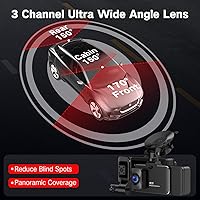
  • Field of View: All three lenses are ultra-wide-angle to maximize coverage and minimize blind spots across channels.
  • Dimensions: The unit measures 2.56 x 7.48 x 5.12 inches, making it suitable for most standard windshield mount positions.
  • Weight: The complete unit weighs 1 pound including the housing and all three integrated camera modules.
  • Connectivity: Connects via USB for wired power and supports both Wi-Fi and wireless transfer protocols.
  • Mounting Type: Designed for ceiling or windshield-mounted installation and is compatible with a wide range of vehicle types.
  • Color: Available in black only as of the current product listing.

Related Reviews

Zengest 3 Channel Dash Cam
86%
88%
Video Quality
85%
Ease of Installation
92%
Night Vision Performance
72%
App Control Experience
90%
Parking Mode Reliability
More
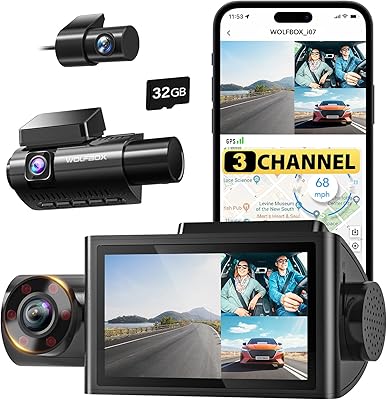
WOLFBOX i07 3-Channel Dash Cam
75%
84%
Front Video Quality
71%
Interior Camera Quality
73%
Rear Camera Quality
66%
Night Vision Performance
88%
GPS Accuracy
More
SUVCON J06 3-Channel Dash Cam
76%
89%
Value for Money
91%
Ease of Installation
74%
Video Quality (Daytime)
86%
Night Vision (Cabin Camera)
67%
Night Vision (Front & Rear Cameras)
More
BAEASU J07 3-Channel Dash Cam
73%
83%
Video Clarity (Front Camera)
71%
Night Vision Performance
88%
Interior Cabin Recording
74%
Rear Camera Quality
86%
Ease of Installation
More
Veqotya S16 3-Channel Dash Cam
82%
91%
Video Quality (Resolution)
89%
Field of View
88%
Night Vision Performance
85%
Ease of Use (App Connectivity)
80%
Installation Process
More
Icesky M4 3-Channel Dash Cam
85%
91%
Video Quality
87%
Ease of Use
83%
App Control
88%
Parking Mode Performance
75%
Wi-Fi Connectivity
More
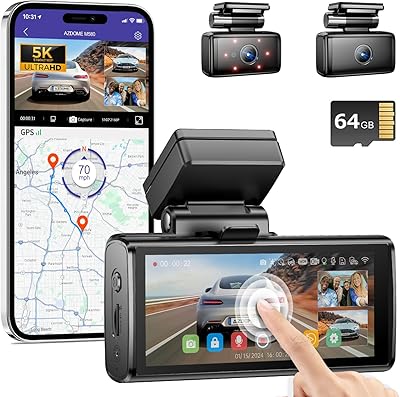
AZDOME M580 3-Channel Dash Cam
85%
93%
Video Quality
88%
Ease of Setup
85%
GPS Tracking Accuracy
90%
Night Vision Performance
82%
Build Quality
More
iZEEKER iD230 3-Channel Dash Cam
83%
89%
Camera Performance
91%
Ease of Installation
85%
Night Vision
78%
Parking Mode Functionality
82%
Build Quality
More
Rexing M3 3-Channel Mirror Dash Cam
75%
83%
Video Clarity (Daytime)
61%
Night Vision Performance
88%
Screen Quality
58%
GPS Accuracy
86%
Cabin Camera Utility
More
Vantrue N4S 3-Channel Dash Cam
77%
88%
Front Camera Video Quality
91%
Night Vision Performance
86%
Cabin IR Recording
83%
Rear Camera Quality & Weatherproofing
71%
Parking Mode Reliability
More

FAQ

Yes, all three channels — front, rear, and interior — record simultaneously whenever the device is powered on. You get a continuous split view covering the road ahead, behind your vehicle, and inside the cabin without having to switch modes or select channels manually.

No, and this is worth being clear about before buying. Only the front-facing camera shoots at 4K. The rear and interior cameras use wide-angle lenses that supplement coverage but are not 4K. For most drivers that trade-off is perfectly fine, but if your primary concern is high-resolution rear footage, keep that in mind.

Not without extra hardware. The LECTRUS K02 Pro 3-Channel Dash Cam powers down when the engine stops, and the built-in capacitor only stores enough charge to save a short emergency clip if a collision is detected. For true continuous parking surveillance, you need to purchase a separate Type-C hardwire kit that draws constant low power from your vehicle's fuse box.
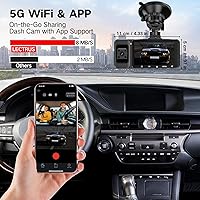
You have two options. You can remove the 64GB SD card and read it on a computer, or you can connect via the LuckyCam app over 5G WiFi to browse and download clips wirelessly. Most users prefer the app route for everyday clip checks, though the first-time pairing can take a few attempts before it connects reliably.

This is one of the more commonly reported setup issues. Start by long-pressing the UP button on the device to manually activate the WiFi hotspot, then connect your phone to the camera's network in your phone's WiFi settings before opening the app. If the connection drops, toggling your phone's WiFi off and back on usually resolves it. A bit of patience on first setup goes a long way here.

That is the night vision mode activating automatically. The infrared sensors improve visibility in low-light conditions, but infrared imaging does not capture color data, so the footage appears in black-and-white. It is normal behavior and can actually be disabled in the device settings if you prefer no night vision over black-and-white footage.

Yes, the K02 Pro supports microSD cards up to 256GB. If you drive long hours or want several days of footage before loop recording kicks in, upgrading to a 128GB or 256GB card is a straightforward improvement. Just make sure to use a Class 10 or U3 rated card for reliable 4K recording.

Not a problem at all — it is actually an advantage in the right context. A capacitor charges and discharges quickly but does not store energy for long, which is why the device shuts off when the engine does. The benefit is that capacitors do not swell, leak, or degrade the way lithium batteries can when left in a hot car for months. If you live somewhere that gets very hot in summer, this design choice is a real plus.

It is one of the more practical options at this price for rideshare use. Having interior footage is particularly useful if a passenger ever makes a false complaint or an incident occurs inside the vehicle. Just make sure you comply with local laws around recording passengers in your region, as disclosure requirements vary by location.

Installation is generally tool-free and designed for most standard vehicles. The mount attaches to the windshield or ceiling area near the rearview mirror, and the power cable runs along the trim to your 12V outlet or USB port. The rear camera will need a cable run to the back of the vehicle, which takes a bit more effort but is manageable without professional help.