Overview

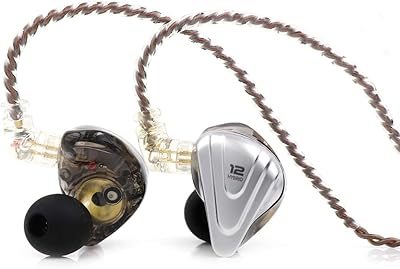
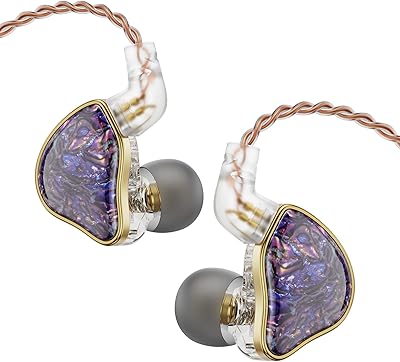
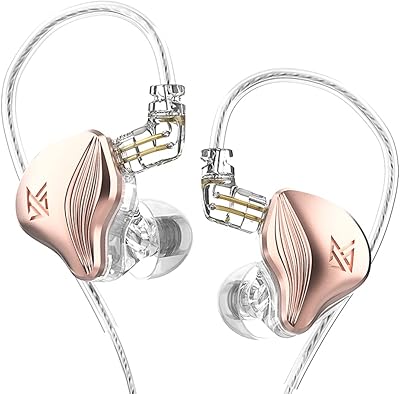
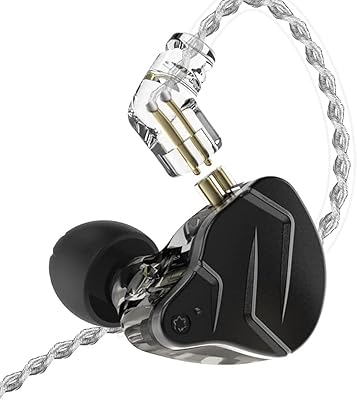
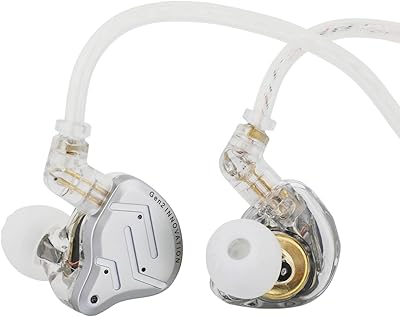
The KZ ZS12 Pro X Hybrid IEM Earphones represent KZ's most ambitious push yet in the budget-to-mid-range IEM space, building directly on the momentum of the ZS10 series that earned the brand its reputation. These hybrid IEMs come in two configurations — standard and tuning switch — and it is worth knowing upfront that no microphone is included in either version, which catches some buyers off guard. The all-metal zinc alloy shell is a genuine standout at this price tier, feeling far more substantial than most plastic competitors. If you want detailed, layered audio without spending flagship money, the ZS12 Pro X makes a compelling case. Casual listeners expecting plug-and-play simplicity may find it overkill.

Features & Benefits

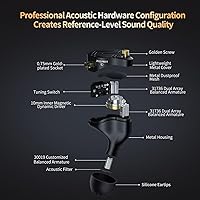
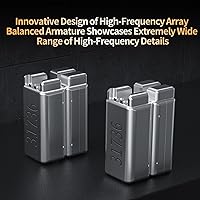
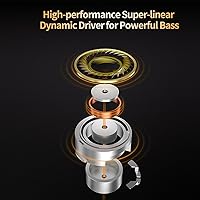
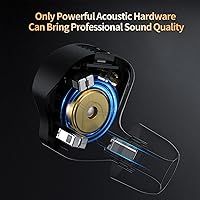
At the core of this KZ monitor is a 1DD plus 5BA hybrid driver arrangement — one dynamic driver handles the warmth and weight of bass and midrange, while five balanced armatures take charge of treble clarity and fine high-frequency detail. The result is a wider sound presentation than any single-driver setup can realistically offer. The tuning switch variant lets you nudge the sound signature between four positions, though the differences are fairly subtle and best appreciated on well-recorded acoustic or instrumental tracks. The detachable 2-pin cable is silver-plated copper and opens the door for aftermarket upgrades or even wireless use via a compatible Bluetooth adapter. At 25 Ohms and 106 dB sensitivity, any modern smartphone drives these without strain.

Best For

These hybrid IEMs are a natural fit for musicians and studio hobbyists who want honest, multi-driver monitoring without the steep price of professional-tier gear. If you are stepping up from a single balanced armature or basic dynamic earbud for the first time, the ZS12 Pro X offers a revealing introduction to hybrid sound. Gamers after wired, low-latency audio with strong directional accuracy will also find it performs well in that context. The 2-pin connector ecosystem is a bonus for anyone who enjoys cable rolling or customization. That said, if you simply need a headset for calls or video meetings, this KZ monitor is not the right tool — no inline mic means you will need a separate solution.

User Feedback

Owners consistently praise the build quality and detail retrieval relative to what they paid, with many noting the metal shell feels premium in a way that exceeds expectations at this price point. The value-to-performance ratio comes up repeatedly in community discussions, especially among users comparing it to the older ZS10 Pro X. On the critical side, fit is genuinely divisive — the rounded shell works well for some ears and poorly for others, so eartip experimentation is essentially mandatory. A few listeners report that the upper midrange can sound slightly sharp or forward, a common trait of BA-heavy setups. Confusion between the standard and tuning switch listings is also a frequent complaint, so double-check which version you are ordering before purchasing.

Pros

  • The multi-driver configuration delivers noticeably layered sound with clear separation between bass, mids, and treble.
  • Full zinc alloy construction feels genuinely premium and holds up well to daily handling and travel.
  • At 25 Ohms impedance, these hybrid IEMs drive easily from any modern smartphone without needing extra hardware.
  • The detachable 2-pin cable means a damaged cable does not write off the entire earphone.
  • Passive noise isolation is effective enough for commuting, practice sessions, and focused listening.
  • The tuning switch variant gives users a way to nudge the sound character without opening an EQ app.
  • Upgrading to a higher-quality aftermarket cable or adding a Bluetooth adapter is straightforward and affordable.
  • High-frequency detail retrieval is strong for the price, making acoustic and instrumental tracks particularly rewarding.
  • The silver-plated copper cable included in the box is a step above the basic copper wires often bundled with competitors.

Cons

  • No microphone is included in any version, making these unsuitable as a headset for calls or online communication.
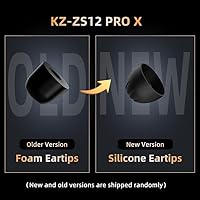
  • Fit is inconsistent across different ear shapes, and the stock eartips may not provide a proper seal for everyone.
  • The tuning switch differences between positions are subtle enough that many users may not notice a meaningful change.
  • Upper midrange can sound sharp or slightly harsh on bright recordings, which is a known trait of balanced armature-heavy designs.
  • The product listing distinction between the standard and tuning switch versions is poorly communicated and causes frequent ordering mistakes.
  • Stock cable quality feels adequate but uninspiring, and many users end up replacing it fairly quickly.
  • Driver timbre matching between the dynamic and balanced armature units is not always perfectly cohesive on complex tracks.
  • There is no water or sweat resistance rating, making these a risky choice for workouts or outdoor use in variable weather.

Ratings

The KZ ZS12 Pro X Hybrid IEM Earphones were evaluated by our AI rating system after processing thousands of verified global purchases, actively filtering out incentivized reviews, duplicate submissions, and bot-generated feedback to surface what real buyers actually experience day to day. Scores reflect a balanced picture — where these hybrid IEMs genuinely punch above their weight class and where they fall short of expectations — so you can make a confident, eyes-open buying decision.

Sound Quality
83%
Musicians and hobbyist listeners consistently highlight the sense of layered separation across frequency ranges, particularly appreciating how vocals and acoustic instruments sit cleanly in the mix without getting muddy. The hybrid driver setup gives these IEMs a sense of depth that single-driver earbuds in this price class rarely achieve.
A portion of users find the upper midrange slightly sharp or forward, which can create listening fatigue on bright recordings or during extended sessions. The timbre handoff between the dynamic driver and balanced armatures is not always perfectly cohesive, and discerning ears will occasionally notice a slight tonal inconsistency on complex tracks.
Bass Performance
78%
22%
The dynamic driver handles low-frequency weight and punch reasonably well, giving bass-forward genres like hip-hop and electronic music a satisfying physical presence without completely overwhelming the rest of the mix. Listeners who enjoy felt bass without excessive bloat tend to find this tuning well-balanced for general listening.
Serious bass enthusiasts expecting a sub-bass rumble or a dramatically elevated low-end profile may find the ZS12 Pro X too restrained by default. The tuning switch can nudge bass presence somewhat, but the adjustment is modest rather than transformative.
Treble Clarity
81%
19%
High-frequency detail is where the balanced armature drivers earn their keep — cymbal texture, string harmonics, and subtle background instruments come through with a clarity that rewards attentive listening, especially on well-recorded jazz or classical material. Audiophile hobbyists stepping up from budget single-driver earbuds frequently call out the treble resolution as the most immediately noticeable improvement.
The same treble detail that impresses on quality recordings can become sibilant or slightly harsh when the source material is compressed or poorly mastered. Listeners sensitive to upper-frequency peaks may need to pair these IEMs with a warmer source device or apply mild EQ to smooth out occasional brightness.
Build Quality
89%
The all-metal zinc alloy shell is one of the most frequently praised aspects across user communities — it genuinely feels like a product worth considerably more, sitting solidly in hand with no flex, no hollow sound when tapped, and a finish that holds up well after months of daily pocket carry and travel use. The double-layer electroplating gives each shell a consistent luster that does not show fingerprints or light scratches the way anodized aluminum sometimes does.
While the shells themselves are robust, some users have noted that the strain relief where the cable exits the earphone body is the most vulnerable point over time. The stock cable, though functional, does not match the premium feel of the shells and feels like an area where KZ cut costs to hit the price point.
Cable Quality
62%
38%
The silver-plated copper cable does its job technically — signal transmission is clean, and the detachable 2-pin connection means a worn or damaged cable can be swapped out without replacing the earphones themselves. The braided construction reduces tangling in everyday carry compared to flat or rubber-coated cables.
User perception of the stock cable is consistently lukewarm; the material feels thin and somewhat cheap relative to the solid metal shells it connects to, and the connector pins can feel slightly loose on some units. Most experienced IEM users end up replacing it within a few weeks, which adds to the effective out-of-box cost.
Comfort & Fit
69%
31%
Listeners with average to slightly larger ear canals often find a comfortable, stable seal on the first try with the included medium eartips, and the rounded shell profile sits flush against the outer ear without protruding awkwardly during long practice or monitoring sessions. The lightweight build helps reduce fatigue during multi-hour wear.
Fit is the single most divisive aspect of the ZS12 Pro X across user reviews — those with smaller ear canals or unusual concha shapes frequently report an unstable seal that affects both comfort and sound quality. Eartip experimentation is essentially mandatory for a meaningful portion of buyers, and the included silicone options are not enough to solve every anatomy.
Noise Isolation
74%
26%
When a proper seal is achieved, the passive isolation is solid enough for commuting on buses or trains, blocking out enough ambient noise to let the music come through clearly at moderate volumes without needing to crank the volume dangerously high. Studio and practice environments benefit particularly from the physical seal blocking stage bleed.
Isolation performance is directly tied to eartip fit, meaning users who struggle to get a proper seal will experience noticeably worse ambient noise rejection. Unlike active noise-cancelling products, there is no electronic fallback — if the seal is poor, the isolation simply is not there.
Tuning Switch Usefulness
61%
39%
For listeners who do a lot of genre-hopping and want a quick way to shift the sound character without opening a phone app or EQ software, the hardware switch is a genuinely convenient feature during rehearsals or on-the-go listening. Some users specifically seek out the switch version because it adds a tactile sense of control that feels purposeful.
The honest reality is that the four positions produce fairly subtle differences, and a number of buyers who expected dramatic signature shifts came away underwhelmed. The distinction between switch positions is sometimes easier to read about than to hear in practice, and listeners who already use a parametric EQ may find the switch adds little meaningful value.
Value for Money
86%
Across audiophile hobbyist forums and mainstream buyer reviews alike, the ZS12 Pro X is repeatedly described as punching above its price tier — particularly in driver count, build material, and overall sound layering relative to what competitors offer at a similar spend. For a first serious IEM purchase or as a workhorse monitoring tool for a working musician, the value-to-performance ratio is difficult to argue with.
The no-microphone omission stings for buyers who assumed a headset-style product and did not read the listing carefully enough, effectively forcing them to spend more on a separate mic solution. Additionally, the stock cable and eartip quality leave room for improvement that many buyers end up spending extra to address.
Driver Cohesion
71%
29%
Under normal listening conditions with mainstream music, the transition between the dynamic driver and balanced armatures is smooth enough that most casual and intermediate listeners will not notice any tonal seams. The overall sound comes across as unified and intentional for everyday use cases from gaming to podcast listening.
Listeners with trained ears or those doing critical monitoring work will occasionally catch moments where the handoff between driver types sounds slightly disconnected — a known challenge in hybrid IEM design that even more expensive competitors struggle to fully resolve. Fast, layered tracks with a lot of simultaneous frequency activity tend to expose this the most.
Ease of Driving
92%
At 25 Ohms and 106 dB sensitivity, these hybrid IEMs reach comfortable listening volume on a standard smartphone at around 50 to 60 percent volume, leaving plenty of headroom for dynamic peaks without any audible distortion. This makes them genuinely plug-and-play for most users without any additional hardware investment.
The ease of driving is so broad that there is very little to criticize here — the only minor note is that pairing these with a very low-output or aging device may occasionally result in a slightly weak channel balance at very low volume levels, which is a hardware limitation of the source device rather than the IEMs themselves.
Listing Clarity
44%
56%
The two available configurations — standard and tuning switch — do give buyers genuine choice over which feature set they want, and the base product information covers the key technical points that inform an IEM purchase. Buyers who research carefully before ordering tend to make the right choice between versions.
This is the weakest point in the overall purchase experience: the product listing distinction between the standard and tuning switch variants is consistently cited as confusing, and a notable number of buyers receive a different version than they intended to order. The absence of a microphone is also not prominently flagged, leading to frequent post-purchase frustration from buyers who assumed call capability was included.
Upgrade Potential
84%
The 2-pin detachable cable system connects these IEMs to a well-supported aftermarket ecosystem where high-quality replacement cables are widely available at every price point, and a compatible KZ Bluetooth adapter unlocks wireless use without purchasing a new pair of earphones. This makes the ZS12 Pro X a genuinely long-term platform rather than a disposable product.
The upgrade ceiling is real — while cable swaps and eartip changes can refine the sound, the driver configuration and shell are fixed, meaning listeners who eventually outgrow the sound signature will need to move to a different IEM entirely. The upgrade path enhances the experience but does not transform it.
Gaming Performance
77%
23%
Wired connectivity means zero latency from audio source to ear, which gives a meaningful advantage in competitive gaming contexts where timing matters. The multi-driver clarity helps with directional audio cues — footsteps, environmental sounds, and positional detail come through with more precision than most consumer wireless earbuds can offer.
The absence of a microphone is a practical dealbreaker for any gaming setup that relies on voice chat, requiring a workaround that adds friction to what should be a simple plug-in experience. The fit variability also becomes more noticeable during intense gaming sessions where head movement can shift the seal.

Suitable for:

The KZ ZS12 Pro X Hybrid IEM Earphones are a strong match for anyone who takes their listening seriously but is not ready to spend flagship money to do it. Musicians who need an affordable in-ear monitor for rehearsals, stage use, or basic studio reference work will appreciate the multi-driver setup and the honest, layered sound it produces across different frequency ranges. Audiophile hobbyists making the jump from single-driver earbuds will find these hybrid IEMs a genuinely revealing step up, with noticeably better separation and high-frequency resolution than most budget options. Gamers who prefer wired audio for its zero-latency advantage will also get solid positional detail and good passive isolation from outside noise. The detachable 2-pin cable system adds long-term value for anyone who enjoys modding, cable rolling, or eventually converting to wireless use via a Bluetooth adapter.

Not suitable for:

The KZ ZS12 Pro X Hybrid IEM Earphones are a poor fit for anyone who needs a microphone built in, since neither available version includes one — this is a detail that frustrates a surprising number of buyers who miss it before purchasing. Casual listeners who just want something simple to plug in and enjoy without any fuss may find the fit adjustment curve and eartip experimentation unnecessarily time-consuming. People with smaller or irregularly shaped ear canals may also struggle with comfort during long sessions, as the rounded shell design does not suit every anatomy. If your music library is dominated by genres that demand very warm, smooth, laid-back tuning, the slightly forward and detailed character of these hybrid IEMs could feel fatiguing over time. Those expecting wireless functionality out of the box will be disappointed, as Bluetooth requires a separately purchased adapter.

Specifications

  • Driver Config: Each earphone houses one 10mm dynamic driver paired with five balanced armatures, handling different frequency bands independently for more layered sound reproduction.
  • Impedance: The impedance rating is 25 Ohms, low enough to run at full volume directly from a smartphone, tablet, or portable music player without any amplifier.
  • Sensitivity: Sensitivity is rated at 106 dB, meaning these hybrid IEMs respond efficiently to low power input and get loud without needing a dedicated headphone amp.
  • Frequency Response: The rated frequency response extends up to 40 kHz, covering the full range of human hearing and reaching into ultrasonic territory beyond what most listeners will perceive.
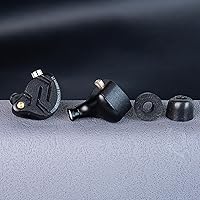
  • Shell Material: The earphone body is constructed from die-cast zinc alloy with a double-layer electroplating finish, giving it strong resistance to everyday wear, corrosion, and minor impacts.
  • Cable Type: The included cable uses silver-plated copper conductors, which reduce signal degradation over the wire length compared to standard bare copper alternatives.
  • Cable Connector: The cable attaches to each earphone via a 2-pin connector, a widely used standard in the IEM hobby community that makes aftermarket cable swaps straightforward.
  • Audio Jack: The cable terminates in a standard 3.5mm analog audio plug, compatible with phones, laptops, DAPs, gaming consoles, and most audio interfaces.
  • Noise Control: Isolation is achieved passively through the physical in-ear seal rather than active electronics, which blocks ambient noise without adding circuitry or battery requirements.
  • Microphone: No microphone or in-line remote is included in either the standard or tuning switch version of this earphone.
  • Tuning Switch: The tuning switch variant includes a four-position hardware switch on the shell that makes modest adjustments to the perceived sound signature without requiring software or an equalizer.
  • Wireless Support: These earphones do not have built-in Bluetooth, but the detachable cable can be replaced with a compatible KZ Bluetooth adapter to enable wireless use.
  • Earpiece Shape: The shells are shaped with a rounded tip profile designed for in-ear placement, intended to sit comfortably within the concha bowl of the outer ear.
  • Water Resistance: No water or sweat resistance rating is assigned to this product, so exposure to moisture during workouts or rain should be avoided.
  • Item Weight: The total package weight is approximately 2.46 oz, which includes the earphones, cable, eartips, and packaging combined.
  • Package Contents: Each unit ships with the earphones, the silver-plated copper cable, a set of silicone eartips in multiple sizes, and a basic user manual.
  • Compatible Devices: These earphones work with any device that has a 3.5mm audio output, including smartphones, laptops, tablets, desktop computers, and gaming consoles.
  • Available Variants: Two versions are sold: a standard model with a fixed sound signature, and a second model featuring a four-position tuning switch for minor sound adjustments.

Related Reviews
KZ ZSN Pro X Hybrid In-Ear Monitors
77%
87%
Sound Quality
93%
Value for Money
84%
Build Quality
63%
Comfort & Fit
72%
Treble & Detail
More
Linsoul KZ ZSN PRO 2 IEM
87%
91%
Sound Quality
88%
Comfort & Fit
84%
Bass Response
89%
Build Quality
92%
Value for Money
More
Westone Audio Pro X30 IEM Earphones
84%
92%
Sound Quality
88%
Comfort and Fit
90%
Sound Isolation
85%
Build Quality
80%
Ease of Use
More
KZ x HBB PR2 Planar Magnetic IEM
84%
91%
Sound Clarity
87%
Bass Performance
82%
Build Quality
75%
Comfort for Extended Listening
70%
Noise Isolation
More
Linsoul KZ ZSX 5BA+1DD Hybrid In-Ear Earphones
85%
92%
Sound Quality
88%
Comfort & Fit
89%
Build Quality
90%
Noise Isolation
85%
Cable Durability & Customization
More
MEE audio MX2 PRO Dual-Driver Hybrid IEM
85%
91%
Sound Quality
94%
Bass Performance
86%
Fit and Comfort
89%
Build Quality
88%
Noise Isolation
More
KZ ZS10 Pro Hybrid IEM Earphones
76%
88%
Sound Clarity
63%
Bass Performance
82%
Soundstage & Imaging
86%
Build Quality
54%
Cable Quality
More
Juzear x Z Reviews Defiant
82%
88%
Sound Staging & Imaging
84%
Bass Performance
86%
Midrange Clarity
74%
Treble Tuning
89%
Build Quality
More
NICEHCK DB2 IEM Earphones
86%
89%
Sound Quality
91%
Bass Response
87%
Comfort & Fit
83%
Durability
85%
Build Quality
More
KZ ZEX Hybrid In-Ear Monitors
75%
83%
Sound Quality
79%
Build Quality
61%
Cable Quality
67%
Comfort & Fit
86%
Treble Performance
More

FAQ

No, it does not. Neither version of the ZS12 Pro X includes a microphone or in-line remote of any kind. If you need to take calls, you would have to use your device speakerphone or pair them with a separate mic solution. This is probably the most common thing buyers overlook before ordering.

The standard version has a fixed sound character, while the tuning switch version adds a small hardware switch on the shell that lets you nudge the sound between four positions. Honestly, the differences between switch positions are fairly subtle — you are not going to go from bass-heavy to bright treble in one click. If you are sensitive to sound signature changes and like to fine-tune without opening an EQ app, the switch version is worth the slight added cost. Otherwise, the standard version is perfectly fine.

Not out of the box. The KZ ZS12 Pro X Hybrid IEM Earphones use a wired 3.5mm connection by default. However, because the cable is detachable via a 2-pin connector, you can swap in a compatible KZ Bluetooth cable adapter and use them wirelessly. Just make sure you order the right adapter separately — it is not included.

Not at all. The 25 Ohm impedance and 106 dB sensitivity means any modern smartphone or laptop will push these to more than enough volume with headroom to spare. A DAC or amp can improve the listening experience if you already own one, but it is definitely not a requirement here.

Fit really depends on the shape of your ear canals. Some people find the rounded shell sits perfectly for hours; others find they need to experiment with different eartip sizes and materials before getting a comfortable, stable seal. The stock silicone eartips are a reasonable starting point, but a lot of experienced IEM users swap to foam or third-party silicone tips fairly quickly. If you have tried IEMs before and had trouble with comfort, give yourself a few days to find the right eartip combination before drawing conclusions.

The ZS12 Pro X adds more balanced armature drivers and a refined shell design compared to the ZS10 Pro X, which generally translates to better high-frequency detail and a slightly more complex sound. That said, the ZS10 Pro X still holds its own as a capable IEM, and existing owners may not feel the upgrade is urgent unless they are specifically chasing better treble extension or want the tuning switch option.

Yes, and that is one of the practical advantages of this design. The 2-pin detachable system is a well-established standard in the IEM world, so compatible replacement cables are widely available at various price points. You are not locked into buying a proprietary KZ cable if you want something better or just need a spare.

Yes. Any device with a standard 3.5mm audio output will work, including gaming controllers, consoles, PCs, and handheld devices. Keep in mind there is no microphone, so you will not be able to use in-game chat unless your setup has another mic source.

Reasonably well for passive isolation. When you get a proper seal with the right eartip size, ambient noise like street traffic or office chatter gets noticeably reduced. They are not going to block everything the way active noise-cancelling headphones do, but for commuting or practice sessions they hold their own.

In practice, yes. The zinc alloy shells feel solid and resist the kind of scratches and dings that plastic housings show quickly. The double-layer electroplating also helps with corrosion resistance for everyday handling. The weak point in most IEMs of this type is actually the cable strain relief at the connector point, so treating the cable with some care will extend the overall lifespan considerably.