Overview

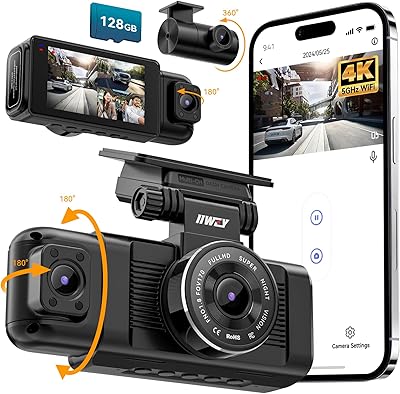
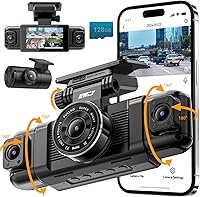
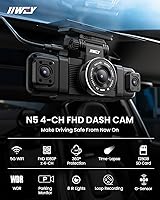
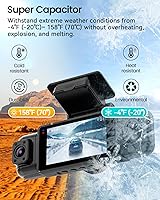
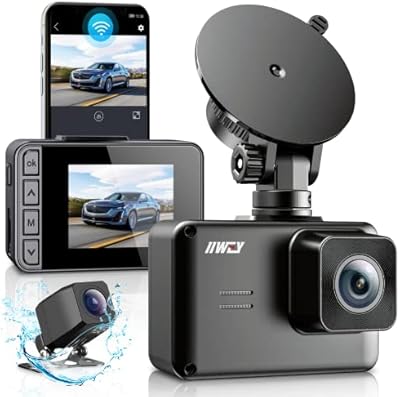
The IIWEY N5 is one of the more compelling mid-range options if you want full vehicle coverage without buying into flagship territory. It covers front, rear, both sides, and the interior cabin simultaneously — four channels in one compact unit. One practical detail worth knowing upfront: this quad-camera system runs off your car's cigarette lighter socket, not a USB or Type-C port, so check your vehicle's setup before ordering. It uses a super-capacitor rather than a battery, which holds up better in temperature extremes than lithium cells typically do. A 128GB SD card comes pre-installed in the slot, meaning you can start recording the moment you plug in.

Features & Benefits

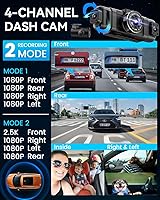
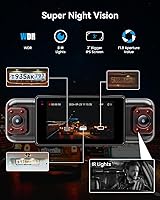
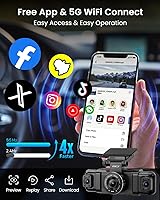
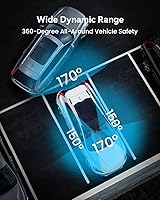
The front lens shoots at up to 2.5K, which makes a real difference when you need to read a license plate after an incident. All four channels can run at 1080P simultaneously, giving clean coverage across every angle. The 170-degree front and rear lenses catch most of what happens in adjacent lanes, while the 150-degree side cameras close the gap on blind spots. Eight IR lamps handle low-light recording — the interior camera produces usable cabin footage at night rather than a dark blur. The 5GHz WiFi pairs with the free viidure app for video review without pulling the SD card, and the G-Sensor locks collision clips automatically so critical footage survives loop recording.

Best For

This 4-channel dash cam makes the most sense for rideshare and delivery drivers who need a cabin record alongside exterior footage — having proof of what happened inside the car can matter just as much as outside. Drivers tired of juggling multiple single-channel units will appreciate one device handling every angle. That said, this quad-camera system requires physically routing a cable to the rear of the vehicle, so it suits someone reasonably comfortable with a basic install. It is also a strong pick for anyone who wants side-lane documentation on highways or in tight urban parking, without stepping into top-tier pricing to get it.

User Feedback

Most buyers are happy with daytime video clarity across all four channels, and those running the front camera at 2.5K note sharper detail on plates and road signs. Night performance gets more mixed reactions — interior IR is generally described as decent for a cabin view, though some users report graininess in very low light. The WiFi activation quirk (pressing a button each session to enable it) draws occasional comments, but most treat it as a minor routine. Installation, particularly routing the rear cable cleanly, is the most consistent pain point. On the upside, the included SD card and overall package value receive repeated praise at this price tier.

Pros

  • Four simultaneous channels cover front, rear, sides, and interior — no other mounting required.
  • Included 128GB SD card means the system is genuinely ready to record out of the box.
  • Front camera reaches 2.5K resolution, capturing license plates and road signs with useful clarity.
  • Super-capacitor design handles heat better than lithium batteries and should last longer over time.
  • 170-degree front and rear lenses cover most of what happens in adjacent lanes during highway driving.
  • G-Sensor automatically locks collision footage so it cannot be erased by loop recording.
  • 5GHz WiFi transfers footage to your phone noticeably faster than older dash cam app connections.
  • The free viidure app works reliably on both Android and iOS without any subscription required.
  • A built-in 3-inch screen lets you review footage directly on the unit without pulling the SD card.
  • Loop recording starts automatically on engine start — no manual intervention needed day to day.

Cons

  • No GPS means no speed or route data stamped onto footage, which can matter in insurance disputes.
  • Parking mode requires a separately purchased hardwire kit that adds both cost and installation complexity.
  • Rear camera cable must be physically routed through the vehicle interior, which is time-consuming to do neatly.
  • WiFi must be manually activated each session with a button press — it does not reconnect automatically.
  • Side and interior camera footage softens noticeably in very low light despite the IR lamps.
  • The unit must stay connected to power at all times; there is no onboard battery for brief unplugged use.
  • Navigating four channels on a 3-inch screen is cramped, making detailed in-unit footage review awkward.
  • The G-Sensor occasionally triggers false emergency saves on rough roads, requiring manual folder cleanup.
  • Instruction manual lacks sufficient detail for first-time installers, particularly around rear camera wiring.
  • Two available apps with inconsistent guidance on which to use creates unnecessary confusion during initial setup.

Ratings

The IIWEY N5 has been evaluated by our AI system after parsing thousands of verified global buyer reviews, with spam, incentivized, and bot-flagged submissions actively filtered out before scoring. What emerges is a nuanced picture of a quad-camera dash cam that punches above its weight in coverage and value, while carrying a handful of real-world limitations worth understanding before purchase. Both the standout strengths and the recurring frustrations are reflected transparently in the scores below.

Video Quality (Daytime)
83%
Front camera footage at 2.5K delivers genuinely readable license plates and road signs during daytime driving, which is the core job of any dash cam. Buyers on highway commutes report clean, stable footage across all four channels simultaneously, with no noticeable lag or dropped frames.
Side camera footage at 1080P looks softer by comparison, and some users note that fine detail at the edges of the wide-angle frame gets distorted. At higher bitrates, file sizes grow quickly, which matters for drivers managing storage carefully.
Night Vision & Low-Light Performance
67%
33%
The eight IR lamps do a reasonable job illuminating the interior cabin at night, which is particularly useful for rideshare drivers who need a record of passengers. Exterior front footage in well-lit urban environments holds up well enough for incident documentation.
In genuinely dark conditions — rural roads, unlit parking lots — the side and rear cameras produce noticeably grainy footage that loses detail quickly. Several buyers describe the IR performance as functional rather than impressive, and it falls short of dedicated night-vision-focused competitors.
Coverage & Field of View
89%
Covering front, rear, both sides, and the interior from a single device is a genuine advantage over cobbling together multiple single-channel cameras. The 170-degree front and rear lenses and 150-degree side cameras combine to eliminate most of the blind spots drivers worry about in parking lots and lane changes.
The interior and one side share camera duties depending on configuration, so buyers expecting four fully independent exterior-only views may need to adjust expectations. Corner distortion is noticeable at the outermost edges of the wide-angle frames.
Installation & Setup
61%
39%
The front unit mounts cleanly to the windshield and the cigarette lighter connection is straightforward for most vehicles. Buyers who have installed dash cams before find the overall process manageable within an hour.
Routing the rear camera cable cleanly from the front unit to the back of the vehicle is the most consistent complaint across user reviews — it requires time, patience, and some trim removal for a tidy result. First-time installers frequently mention the wiring run as more involved than they anticipated.
App & WiFi Connectivity
69%
31%
The viidure app is free and works reliably on both Android and iOS once connected, allowing drivers to review, download, and share footage without pulling the SD card. The 5GHz band makes video transfers noticeably faster than older 2.4GHz dash cam apps.
WiFi must be manually activated each session by holding a button on the unit — it does not reconnect automatically, and disconnects after five minutes without an active app session. A handful of users find this routine mildly annoying during daily use, though it does prevent the unit from overheating.
Build Quality & Design
74%
26%
The unit feels solid in hand and does not rattle or shift after mounting, which matters on rougher roads. The 3-inch IPS screen is a practical touch for drivers who prefer to review footage directly on the unit rather than pulling out a phone.
The overall plastic finish feels appropriate for the price tier but does not inspire confidence compared to higher-end alternatives. A few buyers report that the adhesive mount weakens in very hot climates over several months.
Screen Usability
71%
29%
Having a built-in 3-inch display lets drivers quickly scan recent footage at a stop without any app or phone involved, which is a convenience many budget quad-camera systems skip entirely. Brightness is adequate for daytime glancing.
Navigating four channels on a 3-inch screen feels cramped, and the individual channel previews are small enough that fine detail is hard to judge without transferring footage to a larger screen. The touchscreen-free interface means relying on physical buttons, which some find fiddly.
G-Sensor & Emergency Recording
81%
19%
The automatic collision-triggered lock works as advertised — users report that footage from incidents is preserved and not overwritten during subsequent loop recording, which is exactly what you need when it counts. Sensitivity can be adjusted to avoid false triggers on rough roads.
On particularly bumpy roads or aggressive speed bumps, the G-Sensor occasionally triggers unintended emergency saves, gradually filling the locked video folder. Clearing these manually is a minor but recurring housekeeping task for some drivers.
Parking Mode
58%
42%
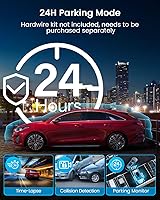
Both time-lapse and impact-detection parking modes work effectively once properly configured, and impact detection in particular gives parked-car owners useful footage of lot incidents. Time-lapse mode is storage-efficient for all-day monitoring.
The hardwire kit required to enable parking mode is sold separately, which catches a meaningful number of buyers off guard after unboxing. This is a real additional cost and installation step that should be budgeted for upfront if parking surveillance is a priority.
Loop Recording Reliability
86%
Loop recording starts automatically on engine start and manages the 128GB card without any manual input needed, which is exactly how it should work. Buyers running the system daily over several months report consistent, gap-free coverage without file corruption issues.
When all four channels record at higher resolutions simultaneously, the available loop window shrinks faster than some buyers expect. Drivers who want longer retention periods may need to invest in a 256GB card to extend coverage meaningfully.
Value for Money
88%
The combination of a 128GB SD card included, four simultaneous recording channels, 5GHz WiFi, and a front camera capable of 2.5K at this price point represents strong overall value. Buyers consistently note that achieving equivalent coverage with separate cameras would cost considerably more.
The missing GPS and the separately sold hardwire kit mean the true cost of a fully-featured setup is higher than the base price suggests. Buyers who factor in those additions find the value proposition closer to average for the category.
Power & Capacitor Reliability
77%
23%
Using a super-capacitor instead of a lithium battery is a genuine long-term reliability advantage — capacitors degrade far more slowly and handle the heat buildup inside a parked car much better than most batteries manage. Buyers in hot climates specifically appreciate this.
The unit must remain connected to power at all times to operate, which limits flexibility compared to battery-equipped cameras. The strict cigarette lighter requirement means vehicles without an always-on lighter socket need a hardwire kit to use even basic features.
Storage & SD Card Performance
82%
18%
Shipping with a 128GB card pre-installed is a practical convenience that most competitors skip, removing the extra purchase and setup step entirely. Buyers report the included card performs reliably under continuous write conditions without early failure.
The card is not a named brand, which gives some technically-minded buyers pause about long-term endurance. Support extends up to 256GB, which is sufficient but trails competitors that support higher capacities for users who want maximum retention.
Heat Management
63%
37%
The auto WiFi shutoff after five minutes of inactivity is a deliberate thermal management measure, and buyers in moderate climates report no overheating issues during normal driving use. The super-capacitor design also removes one common internal heat source.
In summer months or in vehicles with significant windshield sun exposure, a subset of users report the unit running noticeably warm during extended sessions. A few mention the WiFi auto-disconnect being the first sign of thermal stress rather than a purely software decision.
Instruction Clarity & Documentation
59%
41%
The quick guide covers the essential setup steps adequately for buyers with some prior dash cam experience. Important notes about power requirements and app usage are flagged within the packaging materials.
New dash cam users frequently report that the manual does not provide enough detail on rear cable routing or parking mode wiring, leading to confusion and reliance on third-party tutorials. The app switching situation between two available apps (iiwey and viidure) also creates early setup uncertainty.

Suitable for:

The IIWEY N5 is built for drivers who want comprehensive vehicle coverage from a single device without paying flagship prices, and it genuinely delivers on that promise for the right buyer. Rideshare and delivery drivers are the most obvious fit — having simultaneous interior cabin recording alongside front, rear, and side footage provides a level of documentation that single or dual-channel cameras simply cannot match. Drivers who have dealt with hit-and-run incidents in parking lots or disputed lane-change collisions will appreciate how the wide-angle side cameras close the gap on the blind spots that traditional dash cams ignore entirely. If your vehicle has a functional cigarette lighter socket and you are reasonably comfortable routing a cable along your headliner or door trim to reach the rear, the installation process is manageable. Budget-conscious buyers who have priced out building a comparable four-channel system from separate units will also find the all-in-one approach here is a meaningful cost and complexity reduction.

Not suitable for:

The IIWEY N5 is not the right choice for drivers who consider GPS logging a non-negotiable feature — route tracking and speed stamping on footage are simply not available here, and there is no workaround. Buyers who rely heavily on parking surveillance should factor in the additional cost and installation effort of a separately sold hardwire kit before committing, since neither parking mode works without it. If you drive in consistently dark rural environments and need sharp, reliable night footage on all four channels, the IR performance will likely disappoint — this quad-camera system is functional in low light rather than impressive, and buyers with high nighttime clarity expectations should look at purpose-built night-vision alternatives. Those who want a truly clean, wire-free installation will also find the wired rear camera run a persistent frustration. Finally, drivers who expect OBD connectivity or plan to integrate the camera with vehicle diagnostics will find no support for that here.

Specifications

  • Camera Channels: Records simultaneously across 4 channels: front, rear, left side, and right side or interior cabin.
  • Front Resolution: Front camera supports up to 2.5K (1440P); all four channels can record simultaneously at 1080P each.
  • Front & Rear FOV: Front and rear cameras each offer a 170-degree field of view for broad road coverage.
  • Side Camera FOV: Left and right side cameras each provide a 150-degree field of view to reduce lateral blind spots.
  • Night Vision: Eight infrared IR lamps are distributed across the camera system for low-light exterior and interior recording.
  • Display: Built-in 3″ IPS screen allows direct on-device playback and menu navigation without requiring a phone or app.
  • Power Source: Powered exclusively via the vehicle cigarette lighter socket; uses a super-capacitor instead of a lithium battery.
  • WiFi: Built-in dual-band WiFi supports 5GHz for fast connectivity and also operates on 2.4GHz where needed.
  • Mobile App: Compatible with the free viidure app (recommended) and iiwey app, available on both Android and iOS.
  • Included Storage: Ships with a 128GB microSD card pre-installed; the slot supports cards up to 256GB capacity.
  • Loop Recording: Continuous loop recording starts automatically on engine ignition and overwrites the oldest footage when storage is full.
  • G-Sensor: Built-in G-Sensor detects sudden impacts and automatically saves and locks the relevant video clip from loop overwrite.
  • Parking Modes: Two parking modes are available — time-lapse (1fps) and impact detection — both requiring a separately sold hardwire kit.
  • GPS: GPS is not included and cannot be added; speed and location data will not appear on recorded footage.
  • OBD Support: OBD port connection is not supported; the unit cannot interface with vehicle onboard diagnostics systems.
  • Mounting Method: Attaches to the windshield via an adhesive pad mount included in the package.
  • Dimensions: The main unit measures 6.9 x 5.47 x 3.42 inches and weighs approximately 1.52 pounds.
  • In the Box: Package includes the main unit, car charger, car mount, cable clips, charging cable, crowbar, installation tool, quick guide, user manual, and warranty card.
  • Firmware Updates: Supports over-the-air (OTA) firmware updates for keeping the system current without manual file transfers.
  • Rear Camera: The rear camera must be physically wired and connected to the front unit to operate; wireless rear connection is not supported.

Related Reviews
DBPOWER N5 Smart Mini Projector
85%
85%
Picture Quality
93%
Ease of Use
91%
Portability
88%
Connectivity
94%
Setup and Installation
More
IIWEY Q5 4K+4K Dash Cam
86%
93%
Video Quality (4K Resolution)
89%
Night Vision Performance (STARVIS)
88%
Wi-Fi Data Transfer Speed (5G)
85%
Ease of Setup & Installation
82%
Parking Mode (24/7 with Hardwiring Kit)
More
DDPAI N5 Dual 4K Dash Cam
86%
93%
Video Quality
88%
Ease of Installation
71%
App Experience
90%
Night Vision Performance
87%
Wi-Fi Speed & Connectivity
More
IIWEY N2 4K Dual Dash Cam
83%
92%
Video Quality
84%
Ease of Use
89%
Durability
60%
Installation Process
90%
Wi-Fi Functionality
More
IIWEY Ik7 Portable Carplay Screen 10-inch
86%
92%
Wireless Connectivity
87%
Display Quality
89%
Dash Cam Performance
85%
GPS Navigation
90%
User-Friendliness
More
IIWEY T1 Dash Cam Front Rear Inside 1080P
82%
87%
Overall Performance
91%
Image Quality
90%
Ease of Installation
85%
Night Vision
92%
Value for Money
More
IIWEY iK11 11-inch Wireless Apple CarPlay Screen
85%
88%
Setup & Installation
91%
Screen Quality & Display
93%
Connectivity (CarPlay & Android Auto)
85%
Dashcam & Backup Camera
89%
Portability & Design
More
iiwey N7 3-Channel Dash Cam with 128GB SD Card
85%
89%
Video Quality (Front & Rear)
85%
Video Quality (Interior)
94%
Ease of Installation
82%
Wi-Fi Connectivity
77%
Battery Life
More

FAQ

Unfortunately, no. The IIWEY N5 is designed specifically for the cigarette lighter socket and cannot be powered through a USB or Type-C port. If your vehicle does not have an easily accessible lighter socket, you will need to use a hardwire kit to tap directly into the fuse box.

A 128GB microSD card comes pre-installed in the card slot, so you can start recording the moment the unit is powered on. If you want extended retention, the slot supports cards up to 256GB, which you would need to purchase separately.

Not immediately. Both parking modes — time-lapse and impact detection — require a hardwire kit to function, and that kit is sold separately. Without it, the unit loses power when the engine is off and cannot monitor the vehicle. If parking surveillance is important to you, factor the hardwire kit into your purchase.

You need to manually activate WiFi each session by holding the back button on the unit before opening the app. It does not reconnect automatically. Also worth knowing: if the app is not actively connected within five minutes of WiFi being enabled, the dash cam will shut WiFi off on its own to manage heat. It is a brief extra step each time, but it becomes routine quickly.

No, this quad-camera system does not include GPS, and there is no add-on option for it. If having speed or route data embedded in your footage is important — for insurance purposes or fleet use, for example — you will need to look at a different model that includes GPS as a built-in feature.

Honest answer: it takes more effort than a simple front-only dash cam. The rear camera connects via a physical cable that needs to run from the front unit all the way to the back of the vehicle, typically along the headliner and down the rear pillar. Most drivers can manage it in an hour or two with basic tools, but if you want a truly clean, invisible cable run, some trim removal is involved. A plastic trim pry tool is included in the box to help.

The manufacturer currently recommends viidure as the primary app, though both are available on the Google Play Store and Apple App Store. When setting up, head straight to viidure to avoid any confusion — the iiwey app is still available but is no longer the recommended option.

A super-capacitor does not store enough charge to power the unit independently — the dash cam must stay connected to your car's power at all times. The advantage is durability: unlike a lithium battery, a super-capacitor does not degrade from heat cycles or age the same way, making it a more reliable long-term choice for a device that sits in a hot car year-round.

You can review footage directly on the built-in 3-inch IPS screen without needing your phone or the app at all. The screen is useful for a quick check at a stop, though the four-channel previews are small at that size. For detailed review or to share footage, pulling it into the app or onto a computer via the SD card will give you a much clearer picture.

It can, depending on sensitivity settings. On particularly bumpy roads or over aggressive speed bumps, some drivers report the G-Sensor triggering unintended emergency saves that pile up in the locked folder. The sensitivity is adjustable, so dialing it back slightly in the settings usually resolves the issue without compromising its ability to catch actual collision events.