Overview

The Goldwood Sound GW-212/8 12-inch Replacement Woofer has been a quiet staple on the market since 2006 — a longevity that says a lot for a component most buyers only seek out when something breaks. Designed and engineered in the USA, it occupies a practical middle ground: pro-audio specs at a price that won't make a repair job feel financially punishing. This is a raw driver component, not a ready-to-go speaker, so if you're a first-timer, know that you'll need a compatible enclosure and some basic wiring confidence. For DIY builders and repair technicians, though, it's exactly the kind of reliable, no-fuss option worth keeping on your radar.
Features & Benefits

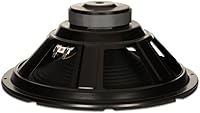
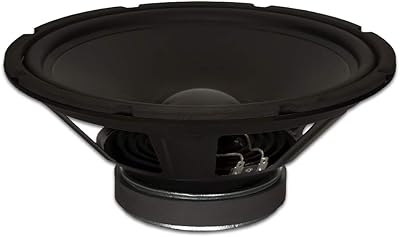
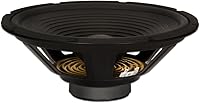
The GW-212/8 is built around a stamped steel frame that measures 12 inches across with an 11-inch cutout requirement and a mounting depth of 4.61 inches — dimensions that align with a wide range of standard cabinet designs. Power handling sits at 120W RMS with a 240W peak, backed by a 1.5-inch aluminum voice coil that sheds heat reasonably well under sustained use. The 20oz magnet, combined with a vented pole piece and bumper plate, helps manage cone excursion without the driver bottoming out too easily. Its 28–4000Hz frequency range covers genuine bass duties, though how low it actually reaches in practice depends almost entirely on the enclosure you pair it with. The 8-ohm impedance keeps it compatible with most standard amplifiers out of the box.

Best For

This replacement woofer is an obvious pick for anyone dealing with a blown driver in a DJ cabinet, PA column, or karaoke enclosure — situations where sourcing the exact original part is either impossible or overpriced. It also works well for home audio hobbyists putting together a custom two-way build or a modest subwoofer-assisted system on a tight budget. DIY speaker builders will appreciate how standard the mounting specs are; fitting it into most 12-inch enclosures is straightforward. Keep in mind that this is a single-driver purchase, so you'll need to factor in amplification, wiring, and a compatible cabinet separately. It's not an impulse buy for beginners, but for anyone comfortable with basic audio assembly, it covers a lot of ground.

User Feedback

Across its 451 ratings, the GW-212/8 lands at a solid 4.4 stars, and the pattern in the reviews is pretty telling. Most buyers are satisfied with the low-frequency output relative to what they paid — people replacing worn-out drivers in PA or karaoke cabinets tend to report that the swap restored their system to working order without fuss. A recurring concern, though, is foam surround durability over time, with some users noting it can degrade faster than expected under heavy use or in humid environments. A few buyers also mentioned a noticeable break-in period before the cone loosened up and the bass response filled out. On the positive side, fitment in standard enclosures is consistently praised, and overall satisfaction skews strongly positive.

Pros

  • Fits standard 11-inch enclosure cutouts right out of the box, making installation straightforward for most cabinets.
  • At 120W RMS, the GW-212/8 handles sustained program material without running into thermal trouble under normal use.
  • The 8-ohm impedance pairs easily with most consumer and pro amplifiers without any special matching required.
  • A 20oz magnet is substantial for this price tier and contributes to tighter, more controlled bass movement.
  • The vented pole piece helps manage heat during longer sessions, which is a practical design choice for live use.
  • Standard flush-mount design means no adapter rings or workarounds needed in most enclosure builds.
  • Over 451 buyer ratings averaging 4.4 stars reflects genuine, long-term market confidence in this driver.
  • Sold as a single unit, so you only buy what you need for a one-speaker repair without paying for extras.
  • Designed and engineered in the USA, which gives buyers some confidence in quality oversight at the specification level.
  • Consistent buyer praise for low-frequency output relative to cost makes this replacement woofer a smart value pick.

Cons

  • Foam surround can degrade faster than expected in humid conditions or under heavy, sustained use.
  • Requires a well-matched enclosure to achieve the advertised low-end response; results vary significantly by cabinet design.
  • No crossover, terminals, or enclosure included — total setup cost is meaningfully higher than the driver price alone.
  • A noticeable break-in period is needed before the cone loosens up and the bass response reaches its full character.
  • Stamped steel frame is less rigid than cast alternatives, which can matter in high-excursion or high-output scenarios.
  • Sensitivity at 88dB SPL is on the lower side, meaning you need a reasonably powerful amp to get strong output levels.
  • Not a practical option for complete beginners with no speaker-building or repair experience.
  • Single-unit listing means purchasing multiples for stereo or array builds adds up in shipping and per-unit cost.
  • The poly-laminated cone, while durable, lacks the sonic refinement that higher-grade cone materials can offer.
  • Limited warranty information available, which may give buyers pause for professional or touring use cases.

Ratings

The scores below reflect an AI-driven analysis of verified global buyer reviews for the Goldwood Sound GW-212/8 12-inch Replacement Woofer, with spam, bot activity, and incentivized feedback actively filtered out before scoring. Each category is evaluated transparently, capturing both what real users consistently praised and where genuine frustrations emerged. The result is an honest picture of where this 12-inch driver earns its place — and where it falls short.

Value for Money
91%
For repair technicians and budget-conscious DIY builders, the price-to-performance ratio is one of the most frequently praised aspects across buyer reviews. Users replacing blown drivers in karaoke or PA cabinets report getting their system back to functional condition without spending more than the original equipment was worth.
A handful of buyers who pushed the driver harder in demanding live-sound environments felt the long-term durability didn't fully justify repeated purchases, particularly if surround degradation required replacement sooner than expected.
Bass Output
78%
22%
Most buyers are genuinely satisfied with the low-frequency output in the context of its price tier. In well-matched vented enclosures, the driver produces full, chest-felt bass that works well for DJ monitoring, karaoke, and small PA use without sounding thin or strained at moderate volumes.
Real-world low-end performance varies significantly by cabinet design — users who dropped it into a mismatched or underdamped enclosure reported muddy or underwhelming bass. The published 28Hz figure is optimistic and rarely achieved outside purpose-built, tuned boxes.
Fitment Accuracy
88%
Buyers consistently report that the 11-inch cutout spec is accurate, and the driver drops into most standard 12-inch cabinet openings without modification. Technicians replacing OEM drivers in commercial karaoke and PA enclosures found the mounting flange and bolt pattern aligned well with common designs.
A small number of users encountered minor mismatches with non-standard enclosures, particularly older or imported cabinets where the cutout or depth clearance was slightly off-spec. These cases were the exception rather than the rule, but worth measuring for before ordering.
Build Quality
72%
28%
The stamped steel frame feels solid enough for repair and light-duty live use, and the 20oz magnet gives the driver a reassuringly substantial feel in hand. The poly-laminated cone shows no obvious manufacturing defects at this price point, and assembly quality is generally consistent across units.
Compared to cast-frame alternatives, the stamped basket lacks rigidity under high-excursion conditions, and some users noticed slight flex when pressing the cone firmly. It's not a flaw that affects casual use, but it is a trade-off that more demanding builders will notice.
Foam Surround Durability
58%
42%
In dry, climate-controlled indoor environments — home studios, living rooms, small venues with HVAC — the rolled foam surround performs adequately for years of moderate use. Buyers in temperate regions rarely flag surround issues within the first year or two of ownership.
Humidity is this driver's clearest weak point. Users in coastal areas, garages, or tropical climates report the foam surround cracking or softening ahead of schedule. Several buyers mention needing to re-foam the driver within two to three years, which adds cost and effort to what started as a budget-friendly repair.
Voice Coil Thermal Handling
81%
19%
The 1.5-inch aluminum voice coil manages heat reasonably well during typical use sessions — DJs running moderate output for several hours report no thermal failures or audible distress signals. The vented pole piece assists here by allowing some airflow through the gap.
Running the driver near its 240W peak for sustained periods is a different story. A few buyers in high-output PA applications reported early voice coil fatigue, suggesting the peak rating is a short-duration figure rather than a sustained operating target.
Sensitivity
67%
33%
At 88dB SPL, the driver is workable for most amplifier pairings in the 100–200W range. Users with properly sized amplifiers in home audio and small-venue PA contexts rarely complain about needing to push the amp uncomfortably hard to get useful volume.
For users running lower-powered amplifiers — particularly older home stereo receivers in the 30–50W class — 88dB sensitivity means the driver can sound underwhelming or dynamically compressed before the amp even runs out of headroom. It rewards adequate amplification.
Break-In Behavior
63%
37%
Once broken in, buyers generally agree the bass response opens up noticeably and the cone movement feels more compliant and natural. Users who gave it several hours of moderate playback before critical listening came away more satisfied with the overall sound character.
The break-in period catches some buyers off guard — first impressions out of the box can be stiff and bass-light, leading to negative early assessments that don't reflect the driver's settled performance. This is normal for foam-surround woofers but worth flagging to first-time buyers.
Frequency Range Versatility
74%
26%
The 28–4000Hz spec means this driver can function as a full-range woofer in two-way systems without needing an additional mid-bass driver in most small-to-medium enclosure builds. Karaoke and PA users appreciate that it handles vocal-range spillover without obvious breakup.
Upper-frequency reproduction above 2kHz starts to sound increasingly rough and directional, so in any serious two-way build it really does need a proper crossover to hand off to a tweeter. Users who ran it full-range without filtering noticed harshness in the upper registers.
Compatibility
86%
The 8-ohm impedance makes this one of the easier drivers to integrate into existing systems. Whether the amplifier is a vintage home receiver, a modern Class-D PA amp, or a DJ mixer with speaker outputs, there's almost no scenario where impedance mismatch is a genuine concern.
The driver is sold as a single unit, which creates minor complications for buyers building stereo systems or dual-driver arrays — you need to think through series versus parallel wiring if you're combining two of them on a single amp channel.
Ease of Installation
83%
For anyone with basic speaker-building or repair experience, installation is genuinely straightforward. The flush-mount design, standard terminal tabs, and accurate cutout spec mean a typical swap takes under 30 minutes with ordinary hand tools.
Buyers with no prior speaker experience sometimes underestimate the steps involved — cutting a clean 11-inch baffle hole, managing the mounting depth, and making proper terminal connections all require at least a passing familiarity with speaker work. It is not an appliance-style install.
Magnet & Excursion Control
79%
21%
The 20oz magnet assembly contributes to reasonably controlled piston behavior at moderate output levels. In typical karaoke and home audio use, the driver tracks input cleanly without audible bottoming or over-excursion artifacts during normal program material.
Users who pushed the driver in ported enclosures tuned too low for its Thiele-Small parameters reported occasional mechanical bottoming at high volumes and low frequencies. The bumper plate helps, but it is a last-resort protection rather than a substitute for proper enclosure alignment.
Packaging & Shipping Integrity
76%
24%
The majority of buyers report the driver arriving well-protected, with no cosmetic or functional damage out of the box. Goldwood's packaging for this woofer appears to have been refined over its long product life, and transit damage complaints are relatively rare in the review pool.
A small percentage of buyers received units with minor cone or surround scuffs from packaging contact, and a few noted the box was barely adequate for the driver's weight. For a component where cone integrity matters, tighter packaging would reduce the occasional arrival disappointment.

Suitable for:

The Goldwood Sound GW-212/8 12-inch Replacement Woofer is purpose-built for people who already understand what a raw driver is and what to do with one. It's the kind of component that repair technicians reach for when a cabinet comes in with a blown woofer and the owner doesn't want to spend more on the fix than the speaker originally cost. DIY builders putting together a custom PA enclosure, a karaoke cabinet, or a modest home audio two-way system will find the standard 11-inch cutout and 4.61-inch depth slot into most off-the-shelf and shop-built boxes without fuss. Small venue DJ operators who want a reliable spare driver on hand — rather than canceling a gig over a single blown speaker — get real practical value here. Karaoke system owners, in particular, often find that this 12-inch driver is a cost-effective match for the generic woofers that came stock in their cabinets.

Not suitable for:

The Goldwood Sound GW-212/8 12-inch Replacement Woofer is not the right purchase for someone who expects to plug it in and hear music — this is a bare driver that requires a compatible enclosure, an amplifier, wiring, and at minimum a basic understanding of speaker assembly. Buyers chasing truly extended sub-bass performance for dedicated subwoofer builds should also temper expectations; how deep this driver actually reaches is heavily dependent on the cabinet design, and a poorly matched enclosure will leave the low end sounding thin or muddy. Audiophiles looking for a refined, high-fidelity listening experience are likely to find the stamped steel frame and poly-laminated cone uninspiring compared to cast-frame alternatives at higher price points. Those in humid environments or who plan to push the driver hard for long sessions should also be aware of the foam surround's potential to degrade over time. If you need a finished, ready-to-use speaker, this is simply the wrong category of product entirely.
Specifications

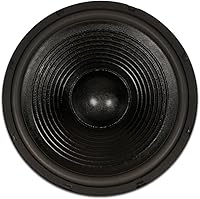
  • Driver Diameter: The woofer measures 12 inches across, requiring an 11-inch cutout in the mounting enclosure.
  • Mounting Depth: The driver extends 4.61 inches behind the baffle, so the enclosure must accommodate at least that internal clearance.
  • Power Handling: Rated at 120W RMS continuous and 240W peak, making it suitable for moderate pro-audio and home audio amplifier pairings.
  • Impedance: The voice coil presents an 8-ohm nominal impedance, compatible with the vast majority of standard amplifier outputs.
  • Frequency Response: Specified from 28Hz to 4000Hz, though actual low-end extension will vary considerably depending on enclosure volume and tuning.
  • Sensitivity: Sensitivity is rated at 88dB SPL, meaning a reasonably powerful amplifier is needed to achieve high output levels.
  • Voice Coil: A 1.5-inch diameter aluminum voice coil provides good thermal conductivity and resistance to heat buildup during sustained use.
  • Magnet Assembly: The driver uses a 20oz magnet with a vented pole piece and bumper plate to control excursion and manage internal heat.
  • Frame Material: The basket is constructed from stamped steel, which keeps weight and cost down while providing adequate structural rigidity for most applications.
  • Cone Material: The cone is poly-laminated, offering a balance of stiffness and moisture resistance suitable for general indoor audio use.
  • Surround Type: A rolled foam surround enables compliant low-frequency movement but may be susceptible to degradation in high-humidity environments over time.
  • Mounting Type: Flush-mount design allows the driver to sit flush with the baffle surface for clean installation in standard speaker cabinets.
  • Overall Dimensions: The driver measures 12″ in diameter and 4.75″ in width, with an overall depth profile of 12″ including the magnet assembly.
  • Audio Driver Type: This is a dynamic driver, using the traditional voice coil and magnetic gap design standard in pro-audio and consumer woofer applications.
  • Unit Count: Each listing covers a single driver unit; buyers requiring multiple drivers for stereo or array builds must order accordingly.
  • Design Origin: The GW-212/8 is designed and engineered in the USA by Goldwood Sound, Inc., a company with a multi-decade history in speaker components.
  • Warranty: Goldwood Sound offers a limited warranty on this driver; buyers should contact the manufacturer directly for specific terms and claim procedures.
  • Compatible Uses: Intended for use in DJ speakers, PA cabinets, karaoke enclosures, live sound systems, studio monitors, and home audio speaker builds.

Related Reviews
Goldwood Sound GW-10PC-8 10″ Woofer 400 Watts 8 Ohm Replacement Speaker
87%
93%
Bass Performance
89%
Build Quality & Durability
88%
Ease of Installation
85%
Power Handling
90%
Sound Clarity
More
Goldwood GW-1244 12″ Woofer 290 Watt 4ohm Replacement Subwoofer
86%
88%
Sound Quality
91%
Bass Response
89%
Durability
85%
Build Quality
80%
Ease of Installation
More
Goldwood GW-1248 12″ Replacement Subwoofer Speaker
79%
88%
Build Quality
91%
Surround Durability
86%
Value for Money
74%
Enclosure Compatibility
79%
Bass Performance
More
Goldwood Sound GW-6024 6.5″ Replacement Woofer
76%
91%
Value for Money
78%
Bass Response
88%
Surround Durability
93%
Drop-in Fit Accuracy
67%
Power Handling (Real-World)
More
Earthquake Sound SWS-8X 8-Inch Shallow Woofer System
86%
88%
Bass Quality
92%
Installation Ease
85%
Sound Clarity
89%
Build Quality
87%
Power Handling
More
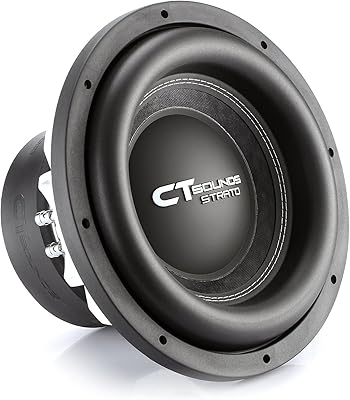
CT Sounds STRATO-12-D4 12-Inch Car Subwoofer
78%
89%
Bass Output & Volume
91%
Build Quality
88%
Thermal Durability
86%
Value for Money
74%
Installation Experience
More
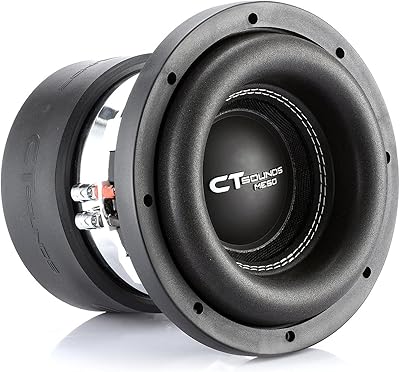
CT Sounds MESO-8-D4 8-Inch Car Subwoofer
79%
84%
Bass Output & Impact
88%
Build Quality
86%
Voice Coil Durability
91%
Value for Money
77%
Amplifier Compatibility
More
CT Sounds TROPO-12-D4 12-inch Car Subwoofer
77%
93%
Value for Money
81%
Bass Output Quality
86%
Build Quality
78%
Thermal Performance
84%
Installation Ease
More
CT Sounds TROPO-8-D2 8-Inch Car Subwoofer
77%
91%
Value for Money
83%
Bass Quality
88%
Build Quality
67%
Enclosure Compatibility
71%
Amplifier Pairing
More
CT Sounds STRATO-12-D2 12 Inch Dual 2 Ohm Car Subwoofer
86%
93%
Bass Performance
89%
Durability
91%
Power Handling
88%
Sound Clarity
84%
Ease of Installation
More

FAQ

No, this is a bare driver only. You get the woofer itself — nothing else. You will need to source or build a compatible enclosure separately, along with your own wiring and amplification.

You need an 11-inch cutout in your baffle. The overall driver diameter is 12 inches, but the mounting flange overlaps the edge, so the hole itself should be 11 inches for a proper flush fit.

In most cases, yes — if your existing cabinet accepts a standard 12-inch driver with an 11-inch cutout and roughly 4.61 inches of mounting depth. Double-check those dimensions before ordering, because cabinet specs can vary even within the same product category.

It can work in a subwoofer role, but keep your expectations grounded. The rated low-end of 28Hz is a specification figure; real-world bass extension depends heavily on the enclosure design, internal volume, and whether the box is ported or sealed. If you build or buy a well-matched cabinet, it can produce satisfying bass for home or small-venue use.

The driver handles 120W continuously and 240W at peaks, so an amplifier in the 100–200W range into 8 ohms is a comfortable match. Driving it well below its RMS rating is fine; just avoid sustained clipping from an underpowered amp, which is harder on woofers than clean power.

Yes, there is a noticeable break-in period. The foam surround and cone suspension need time to loosen up — typically several hours of moderate playback. Before break-in, the bass can sound a bit tight or restricted; after it, the low-end generally opens up and sounds more natural.

Foam surrounds on any woofer are vulnerable to humidity and UV exposure over time, and this driver is no exception. In consistently humid environments, it may degrade faster than it would in a dry indoor setting. If longevity is a concern, inspect the surround periodically and be prepared to re-foam it down the line — refoaming kits are widely available and inexpensive.

Absolutely. Since this is sold as a single unit, you would just order two and install one in each cabinet. Both drivers are 8 ohms, so standard stereo amplification applies without any special wiring considerations if you keep them in separate enclosures.

It can be, but go in with realistic expectations about the learning curve. You will need to understand basic enclosure design, know how to calculate internal volume, and be comfortable with simple wiring. If you have never built a speaker before, spend some time reading up on enclosure types before buying — the driver is the easy part.

The driver has standard push-on or solder tab terminals on the basket, which is typical for woofers in this category. There are no built-in connector housings; you connect speaker wire directly, either soldered or via push-on terminals depending on your setup.