Overview

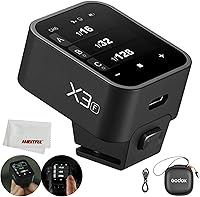
The Godox X3-F TTL Wireless Flash Trigger arrived in early 2024 as Godox's answer to a real gap: Fujifilm shooters have long had fewer polished trigger options compared to Canon or Nikon users. The XPro-F was capable but dated, and its interface never quite kept pace with modern mirrorless workflows. This Fujifilm flash trigger addresses that with a touchscreen-first design that feels genuinely current rather than bolted onto older architecture. Physically, it's a compact hotshoe unit — nothing too bulky for an X-T or X-S body. It's aimed squarely at photographers who already own Godox strobes and want a trigger that matches their camera's level of refinement.
Features & Benefits

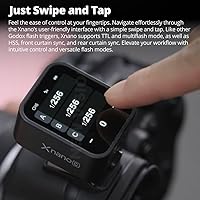
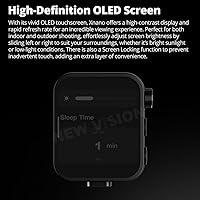
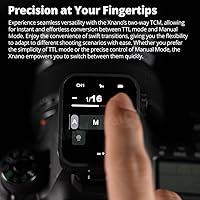
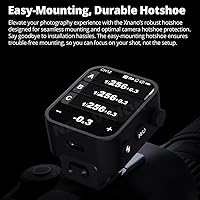
The OLED touchscreen is the most immediately noticeable improvement over older Godox triggers. Instead of cycling through menus with physical buttons in the dark, you swipe and tap to adjust power levels, switch groups, or flip modes — it's notably faster during an actual shoot. The two-way TCM function deserves attention: if a tricky backlit portrait locks your TTL exposure, one quick conversion freezes those settings in manual so you can fine-tune without starting over. The X3-F drops AA cells entirely in favor of a built-in USB-C battery that charges fully in about two hours. Add 1/8000s HSS capability, and outdoor photographers shooting in harsh midday sun finally have room to work wide open.

Best For

Godox's touchscreen trigger is a natural fit for Fujifilm X-series shooters who are already running one or more Godox strobes or monolights. Wedding and event photographers will appreciate the TTL reliability paired with the ability to lock in manual settings on the fly. Travel and outdoor photographers get real value from the rechargeable battery — no hunting for AAs mid-trip — and from HSS support when shooting portraits against bright skies. Studio photographers managing several light heads will find the channel scanning genuinely useful in shared or busy shooting spaces. It's less compelling for photographers who shoot strictly on-camera flash with no off-camera lights in the mix.

User Feedback

Buyers consistently highlight the touchscreen responsiveness and how much faster pairing and group management feel compared to the older XPro-F — that's a near-universal positive. The main pattern complaint is a mild learning curve: photographers used to physical button layouts find swipe gestures slightly unintuitive at first, though most adapt quickly. A smaller number of users note the X3-F's footprint feels a touch large against slim Fujifilm bodies like the X-E series. Real-world battery life generally tracks the rated figure, though heavy HSS use drains it faster. Firmware updates via USB-C have resolved some early compatibility quirks. For the price, most buyers treat these as minor friction points, not dealbreakers.

Pros

  • The touchscreen interface cuts menu navigation time dramatically compared to button-heavy predecessor triggers.
  • Two-way TCM lets you freeze a solid TTL exposure and switch to manual instantly mid-shoot.
  • Built-in USB-C charging eliminates the need to carry spare AA batteries to any location.
  • HSS support at 1/8000s gives outdoor photographers real flexibility for wide-aperture work in bright conditions.
  • Spare channel scanning keeps wireless connections stable even in crowded multi-photographer shooting environments.
  • Firmware updates delivered over USB-C mean early compatibility bugs get patched without additional hardware.
  • Fast pairing with Godox strobes and monolights keeps setup time minimal between power-on and first shot.
  • Rated seven-hour battery life holds up reliably during standard TTL shooting sessions.

Cons

  • The swipe-and-tap interface has a real learning curve for photographers accustomed to tactile button controls.
  • Physical dimensions feel noticeably bulky when mounted on smaller Fujifilm bodies like the X-E series.
  • Heavy HSS use drains the internal battery meaningfully faster than the seven-hour rated figure implies.
  • Operating the touchscreen confidently while wearing gloves in cold outdoor conditions is genuinely awkward.
  • Some users encountered compatibility quirks with specific Fujifilm camera models before firmware updates resolved them.
  • Completely locked into the Godox ecosystem, so mixing in non-Godox lighting gear is simply not possible.
  • No AA battery fallback option exists if the internal cell runs out unexpectedly during a critical shoot.

Ratings

The scores below for the Godox X3-F TTL Wireless Flash Trigger are generated by AI after analyzing verified purchase reviews from buyers worldwide, with spam, bot-generated, and incentivized feedback actively filtered out before any scoring takes place. Both consistent strengths and recurring pain points are weighted equally, so these numbers reflect the real-world ownership experience rather than a best-case summary. The result is a transparent, category-by-category breakdown designed to help Fujifilm photographers make a genuinely informed decision.
Touchscreen Usability
88%
Photographers switching from button-heavy triggers consistently praise how much faster the OLED swipe-and-tap interface makes routine adjustments. Changing power levels, switching groups, or flipping between flash modes during a fast-moving wedding reception takes seconds rather than multiple button presses. The adjustable brightness makes it usable across a wide range of ambient conditions.
The gesture-based interface has a real learning curve for photographers who have relied on tactile button navigation. In very low light, tapping the correct screen area without navigating by feel is frustrating until the layout becomes second nature. A consistent minority of users also report that direct overhead sunlight can reduce legibility even at maximum brightness.
TTL Accuracy
86%
Across wedding receptions, mixed-light events, and outdoor portrait sessions, the TTL metering produces consistently well-exposed results without constant manual correction. Photographers moving between indoor and outdoor locations mid-event report that the automatic exposure rarely needs significant adjustment between shots, which matters when working quickly.
Like most TTL systems, edge cases exist — strong backlighting, high-contrast scenes, and mixed ambient-to-flash ratios can throw off the metering. Some photographers note occasional inconsistency when bouncing flash off colored ceilings, requiring a quick manual override. These limitations are not unique to this trigger but matter for users expecting TTL to be fully set-and-forget in complex lighting.
Wireless Reliability
84%
Users across studio, event, and outdoor environments consistently report stable connections with minimal misfires once channels are properly assigned. The spare channel scanning feature is specifically valued in multi-photographer scenarios like large weddings, where channel crowding is a common and frustrating problem with older triggers that lack this function.
A smaller subset of users noted occasional brief dropouts when working at longer distances or through walls in multi-room studio setups. The 2.4GHz frequency can also pick up interference in dense urban environments with competing wireless signals nearby. These issues are infrequent, but photographers working across larger outdoor sets should be aware of the practical distance ceiling.
Battery Life
74%
26%
Switching to a built-in lithium-ion cell is a genuine quality-of-life improvement for photographers who have carried pockets full of AAs to every shoot. Under standard TTL and manual shooting conditions, most users report the charge lasting comfortably through a full single-day event without needing a mid-session top-up.
The 7-hour rating is notably optimistic once heavy HSS shooting enters the picture — photographers firing continuous high-speed sync frames outdoors report the battery draining considerably faster. More critically, there is no AA fallback if the cell dies mid-shoot, making the non-removable design a real risk for back-to-back professional assignments without access to a USB-C source.
Value for Money
82%
18%
Relative to where older Godox X-series triggers were priced and what they offered in terms of interface and features, the X3-F represents a meaningful advancement without a dramatic cost increase. For Fujifilm shooters already running Godox lights, the combination of touchscreen, HSS, TCM, and USB-C charging delivers tangible workflow improvements that justify the spend.
Photographers who only occasionally use off-camera flash and already own a functioning older trigger may struggle to justify the cost as a pure convenience upgrade. Third-party alternatives at lower price points also offer TTL support for Fujifilm, making the value proposition here largely contingent on how much the touchscreen workflow and Godox ecosystem integration matter to the individual buyer.
Build Quality
79%
21%
The hotshoe mount feels solid and secure, with users noting it locks onto camera bodies without wobble or flex during shoots. The plastic construction handles the standard wear of repeated packing and unpacking across location sessions without obvious signs of degradation, which is consistent with Godox's broader trigger lineup.
The predominantly plastic body feels appropriate for the price tier but noticeably less premium compared to metal-constructed competitors. A small number of users have raised longer-term questions about touchscreen surface durability under heavy daily professional use, though this remains a projected concern rather than a widespread complaint from current owners.
HSS Performance
87%
For outdoor portrait photographers shooting wide open in midday conditions, the 1/8000s sync speed delivers creative control that standard sync speeds simply cannot. Users pairing Godox's touchscreen trigger with AD-series strobes report clean, consistent HSS frames with well-preserved highlight detail even under harsh direct sunlight.
HSS is only available with Godox lights that explicitly support it — older or entry-level units in the ecosystem will not benefit, which is not always obvious to newer Godox users. Heavy HSS use also accelerates battery drain noticeably, tying this limitation directly back to the constraints of the non-removable internal cell.
Ease of Setup
83%
First-time pairing between the X3-F and Godox lights is generally fast, with most users reporting they were firing test shots within a few minutes of unpacking. The hotshoe mounts cleanly, and the initial channel and group assignment process is straightforward for anyone already familiar with Godox's wireless system architecture.
For users entirely new to Godox's ecosystem, the initial setup has a steeper learning curve than a basic on-camera flash. The touchscreen menu hierarchy requires deliberate exploration before it feels intuitive, and without a physical printed manual included, some buyers end up relying on online tutorials to understand the full feature set.
Physical Ergonomics
68%
32%
On mid-sized and larger Fujifilm bodies — the X-T5, X-H2, or X-T4 — the trigger sits comfortably without significantly upsetting camera balance during a shoot. The hotshoe locking mechanism engages and releases without tools, which matters for event photographers who move equipment frequently between bags and camera bodies throughout a working day.
The 9.2-ounce weight is a recurring complaint from photographers using compact Fujifilm bodies like the X-E4 or X100 series, where the trigger's mass creates a noticeable front-heavy imbalance. At 5.24 × 4.17 × 2.6 inches, it also protrudes enough to make fitting the camera into a smaller shoulder bag more awkward than slimmer trigger alternatives would.
Charging Convenience
91%
Moving from AA batteries to a USB-C rechargeable cell is among the most universally praised changes from the previous trigger generation. Most photographers already carry USB-C cables for their camera, laptop, or phone, so topping up the trigger fits naturally into existing habits without requiring any dedicated or proprietary charging accessories.
The trigger cannot be used while charging, which is a minor but real limitation if the battery runs low between back-to-back shooting sessions with no rest time. Unlike AA-powered triggers, there is no instant fallback if charging is forgotten before an assignment, making pre-shoot battery checks a non-optional part of the workflow.
Channel Management
85%
In busy shooting environments — large wedding venues, commercial studios, or photography workshops — spare channel scanning demonstrably reduces the misfires that come with manually managed channels. Studio photographers running three or more Godox light heads particularly appreciate having clean, uncontested channel assignments accessible quickly from the touchscreen interface.
Channel management is only relevant within the Godox ecosystem, which limits its appeal to photographers with fully Godox-based lighting setups. Users new to multi-light configurations occasionally report initial confusion distinguishing between channels and groups, with the touchscreen interface not making that conceptual difference as clear as some would prefer.
Firmware and Updates
78%
22%
The ability to push firmware updates directly through the USB-C port is a practical advantage that has genuinely resolved real compatibility issues post-launch. Several Fujifilm body quirks that surfaced in early user feedback were addressed through Godox-issued updates within weeks of release, which is a faster turnaround than many competitors deliver.
The update process is not automatic — users must manually download firmware files from Godox's website and apply them, which some buyers find unintuitive without clear step-by-step guidance. A small number of early adopters reported TTL inconsistency introduced by an initial firmware version, underscoring why keeping the unit updated before professional assignments is genuinely important.
TCM Functionality
86%
Two-way TTL-to-Manual conversion is one of the most practically useful features for working photographers, letting you establish a correct TTL exposure in an unfamiliar space and then lock those settings in manual for consistent results across a session. Commercial photographers shooting tightly controlled scenes particularly value starting from a TTL reading rather than building a manual exposure from scratch.
TCM requires deliberate practice to integrate effectively into a workflow — photographers unfamiliar with the concept may not realize they are underusing it. Converted manual values are also tied to a specific subject position and ambient condition, meaning any significant lighting change effectively resets the usefulness of the converted setting and requires starting the process again.
Compatibility
81%
19%
Within the Fujifilm X-series ecosystem, compatibility is broad, covering the most widely used mirrorless bodies from recent model generations. Photographers migrating from older Godox triggers typically find their existing strobes, monolights, and speedlights connect without any additional configuration, making this a genuine drop-in upgrade rather than a system-level change.
The trigger is strictly limited to the Fujifilm X hotshoe and offers no crossover value for Canon, Sony, or Nikon users. A handful of early firmware releases introduced inconsistencies with specific Fujifilm models, and while most have since been patched, photographers buying used units should verify the firmware version carefully before first professional use.
Menu Navigation
77%
23%
Once users internalize the swipe-and-tap logic, navigating between groups, modes, and power settings becomes genuinely quick and fluid. Photographers who spend even a short practice session exploring menus before a real shoot consistently report that the interface clicks into place faster than they initially expected.
The menu structure is not immediately self-explanatory, and without a comprehensive printed manual included in the box, first-time users frequently rely on online tutorials to locate specific settings. Navigating nested menus under time pressure — mid-shoot adjustments at a fast-paced event, for instance — still demands more deliberate attention than a purely tactile button layout would require.

Suitable for:

The Godox X3-F TTL Wireless Flash Trigger is built for Fujifilm photographers who are already working within the Godox lighting ecosystem and want a trigger that keeps pace with a modern mirrorless workflow. If you shoot weddings, portraits, or events where lighting conditions shift fast, the two-way TTL-to-Manual conversion lets you lock in a good exposure and adjust it without fumbling through menus under pressure. Outdoor and travel photographers will particularly appreciate the rechargeable battery, which removes the anxiety of carrying spare AAs on location, while 1/8000s HSS support opens up wide-aperture shooting even in bright midday conditions. Studio photographers juggling multiple Godox strobes across groups will find channel management genuinely cleaner and faster than what older triggers offered. Anyone upgrading from an XPro-F or an earlier X-series trigger will notice an immediate quality-of-life improvement in day-to-day operation.
Not suitable for:

The Godox X3-F TTL Wireless Flash Trigger is not the right purchase if your lighting kit has nothing to do with Godox — it operates within Godox's proprietary 2.4GHz wireless system and will not control strobes or speedlights from other brands. Photographers who strongly prefer a traditional button-driven interface may find the gesture-based touchscreen more of an adjustment than an upgrade, especially when trying to make quick changes by feel in low light. If you primarily shoot with a slim compact Fujifilm body like the X-E4 or X100 series, the trigger's physical footprint can feel awkward and slightly top-heavy in practice. Photographers who only use off-camera flash occasionally and already own a working older trigger will struggle to justify the cost as a pure convenience upgrade. If your existing Godox lights predate compatibility with the X-series wireless protocol, this trigger adds no functional value regardless of how refined its interface is.
Specifications

  • Brand: Manufactured by Godox, a widely used lighting and accessories brand in the professional photography market.
  • Model: The X3-F is the Fujifilm-specific variant within Godox's X3 touchscreen trigger family.
  • Compatible Mount: Designed exclusively for Fujifilm X-series cameras via the Fujifilm X hotshoe interface.
  • Wireless Frequency: Operates on Godox's proprietary 2.4GHz wireless system for communication with compatible Godox lights and accessories.
  • Flash Sync Speed: Supports a maximum sync speed of 1/8000s, enabling full high-speed sync (HSS) capability with compatible Godox strobes.
  • Display: Features a high-definition OLED touchscreen with swipe-and-tap navigation and manually adjustable brightness levels.
  • Battery Type: Equipped with a built-in, non-removable rechargeable lithium-ion cell — no external AA batteries required.
  • Charge Port: Charges via a USB-C port, which also supports firmware update delivery.
  • Charge Time: Reaches a full charge from 0% in approximately 2 hours under standard USB-C charging conditions.
  • Battery Life: Rated for up to 7 hours of use on a single full charge under typical TTL and manual shooting conditions.
  • Dimensions: Measures 5.24 × 4.17 × 2.6 inches, placing it in a mid-sized hotshoe trigger footprint category.
  • Weight: Weighs 9.2 ounces including the integrated battery and hotshoe mount assembly.
  • Flash Modes: Supports TTL, Manual, and two-way TCM (TTL-to-Manual conversion) modes for flexible exposure control.
  • Channel Protection: Includes a spare channel scanning function to automatically identify and avoid frequency conflicts with other users on the same channel.
  • Release Date: First made available in January 2024, making it among the more recently launched triggers in Godox's X-series lineup.

Related Reviews

Godox X2T-C TTL Wireless Flash Trigger
78%
91%
Signal Reliability
88%
TTL Accuracy
89%
High-Speed Sync
67%
Bluetooth App Control
54%
Ecosystem Compatibility
More
Godox X2T-S TTL Wireless Flash Trigger
81%
91%
TTL Accuracy
88%
High-Speed Sync
86%
Build Quality
84%
Interface & Usability
61%
Bluetooth App Integration
More
Godox X2T-N Wireless Flash Trigger Transmitter
81%
91%
Wireless Reliability
87%
TTL Accuracy
84%
High-Speed Sync Performance
79%
Build Quality
88%
Ease of Use
More
Godox TT600 Camera Flash Speedlite
76%
94%
Value for Money
88%
Wireless Reliability
86%
Output Power
83%
Build Quality
11%
TTL and Automation
More
Godox AD600Pro Outdoor Studio Strobe Flash
81%
93%
Output Power & Consistency
78%
High-Speed Sync Performance
71%
Battery Life & Real-World Endurance
89%
Build Quality & Durability
84%
Wireless System & TTL Accuracy
More
Godox iT30Pro-F Pocket Flash
80%
93%
Portability
86%
TTL Accuracy
81%
Wireless Performance
88%
High-Speed Sync
83%
Touchscreen Usability
More
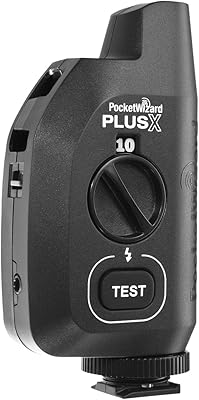
PocketWizard PlusX Wireless Flash Trigger
83%
94%
Trigger Reliability
91%
Ease of Use
83%
Build Quality
87%
Range & Signal Strength
79%
Compatibility
More
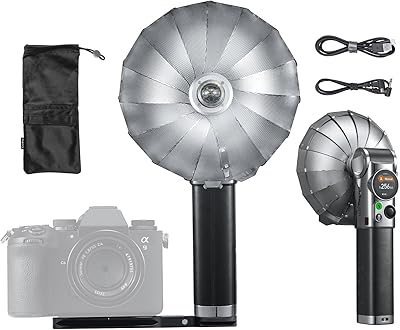
Godox Lux Master Retro TTL Camera Flash
82%
91%
Build Quality & Design
88%
Touchscreen Usability
84%
TTL Accuracy
82%
High-Speed Sync (HSS) Performance
67%
Flash Power Output
More
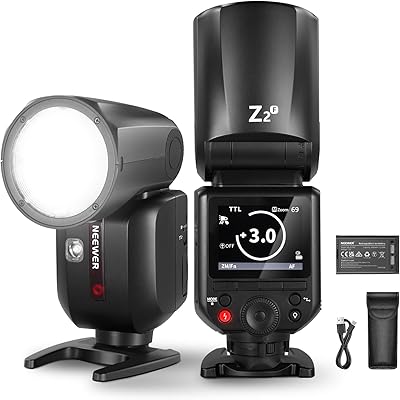
NEEWER Z2-F TTL Round Head Speedlite Flash
81%
89%
Light Quality
91%
Battery Life
86%
TTL Accuracy
74%
Wireless Performance
88%
Value for Money
More
Godox V850III Speedlite Camera Flash
79%
93%
Battery Life
88%
Value for Money
86%
Wireless Reliability
84%
Build Quality
81%
Recycle Time
More

FAQ

Yes, the X3-F is designed for the Fujifilm X hotshoe and is compatible with a wide range of X-series bodies including the X-T5, X-T4, and X-S20. For newer camera releases, it is worth checking Godox's official compatibility list, since firmware updates occasionally expand support for recently launched models.

No — the X3-F only operates within Godox's proprietary 2.4GHz wireless system. It will not trigger lights from Profoto, Elinchrom, Nissin, or other brands. If your kit mixes Godox and non-Godox lights, you would need a separate triggering solution for the non-Godox units.

The Godox X3-F TTL Wireless Flash Trigger is a meaningful step forward from the XPro-F in practical usability. The touchscreen replaces small physical buttons, which makes navigating menus and switching groups noticeably faster mid-shoot. The built-in rechargeable battery is also a real improvement over the XPro-F's reliance on AA cells. The core wireless reliability is comparable, but the overall experience feels considerably more current.
The 7-hour rating holds up reasonably well during standard TTL and manual shooting. The caveat is heavy HSS use — firing continuous high-speed sync shots drains the battery faster than the spec implies. For most event or portrait sessions, a full charge at the start of the day should be sufficient, but carrying a small USB-C power bank is a sensible precaution for longer professional shoots.

Yes, though it takes some adjustment. The screen brightness is manually adjustable, and turning it up for outdoor use helps significantly. OLED's naturally high contrast works in its favor compared to standard LCD panels, but in direct overhead sunlight it can still be challenging. Most users find a slight tilt of the trigger enough to reduce glare when needed.

Yes, multi-group control is supported through the standard Godox 2.4GHz system. You can assign different lights to separate groups and adjust their output individually from the trigger's touchscreen. The swipe-and-tap interface makes jumping between groups during a shoot faster than working through button menus on older triggers.

HSS support depends on the strobe or speedlight being paired with the trigger, not the trigger itself. Godox AD-series battery strobes and current speedlights like the V860 III support HSS, but older or entry-level Godox units typically do not. Always check your specific light's specification sheet to confirm HSS compatibility before assuming it will be available.

Most photographers adapt within one or two shooting sessions. The main challenge is unlearning the muscle memory of navigating by feel in low light, since the touchscreen requires you to look at the interface rather than work by touch. The menu structure itself is logical, and spending a few minutes exploring it before your first real shoot makes the transition much smoother.

There is no AA fallback — the internal battery is built in and non-removable. If it runs out during a shoot, you would need a USB-C power bank to recharge it or a second trigger as a backup. This is the one area where the rechargeable design involves a genuine trade-off. For professional assignments, keeping a compact USB-C cable and a small power bank in your bag is practical advice.

A small number of early buyers reported minor compatibility quirks with specific Fujifilm camera models after the January 2024 launch. Most of those issues were addressed through firmware updates, which can be applied directly via the USB-C port without any additional hardware. Before your first shoot, it is worth visiting Godox's website to check for the latest firmware version and flashing it if an update is available.