Overview

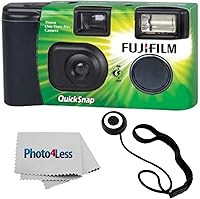
The Fujifilm QuickSnap Flash 400 is riding a wave of renewed interest in analog photography that shows no signs of slowing down. Disposable cameras have become a fixture at weddings, birthday parties, and travel adventures — not as a budget compromise, but as a deliberate choice to slow down and capture moments without a screen in between. This particular variant includes a wrist hand strap, a small but practical addition that sets it apart from the standard QuickSnap. One thing to know upfront: this is a single-use camera that requires film development after shooting. That step costs extra money and takes time, so factor that into your expectations before buying.
Features & Benefits

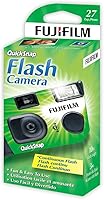
Load this disposable camera with any occasion in mind, and its specs hold up pretty well for what it is. The ISO 400 film inside — Fujifilm's own Superior X-TRA stock — handles mixed lighting with decent color saturation and warmth. The built-in flash reaches about 10 feet, which covers most indoor group shots without washing anyone out. You get 27 exposures per roll, which sounds limiting until you realize that constraint actually makes you think before you shoot — a refreshing change. The camera weighs under four ounces, fits in a jacket pocket, and requires zero settings adjustments. Point, press, done.

Best For

The QuickSnap Flash 400 earns its place at events where pulling out an expensive camera feels awkward or risky. Think wedding table setups where guests pass cameras around, bachelorette weekends, music festivals, or outdoor concerts — places where the stakes of dropping or losing a camera are real. It is also a genuinely good gift for teenagers or anyone curious about shooting on film for the first time, since there is nothing to configure and no app required. Travelers who want a lightweight backup that never needs charging will appreciate it too. And if you love that soft, grainy film look, no Instagram filter comes close to the real thing.

User Feedback

People who pick up this film camera tend to come back impressed by how colors turn out — warmer and more textured than most phone cameras produce. The flash gets specific praise for not overexposing subjects at close range, which is a real concern with budget disposables. That said, first-time film buyers occasionally leave frustrated reviews, not because the camera failed, but because they did not account for development costs or the wait time to see their photos. The body holds up fine through a full day of events. As for the hand strap, some love the added grip, while others barely notice it — a minor but handy extra.

Pros

  • Fujifilm Superior X-TRA 400 film produces warm, natural colors that phone filters cannot genuinely replicate.
  • The built-in flash handles close indoor shots well without harshly overexposing subjects.
  • Zero settings or learning curve — anyone from a child to a grandparent can use it immediately.
  • Weighs under four ounces and fits in a jacket pocket without any fuss.
  • The included wrist strap adds useful security during active events or crowded settings.
  • 27 exposures encourages more deliberate, thoughtful shooting rather than mindless snapping.
  • Durable enough to survive a full day of being passed around, dropped in a bag, or taken to the beach.
  • A genuinely thoughtful and affordable gift for anyone curious about analog photography.
  • Trusted Fujifilm brand quality and film stock give it a reliability edge over generic disposables.

Cons

  • Film development is a separate, paid step that many first-time buyers do not anticipate at all.
  • Development wait times can stretch from days to over a week depending on your local lab.
  • Flash range caps out around 10 feet, leaving background subjects in darker venues visibly underexposed.
  • Image sharpness and color accuracy vary based on the lab that develops and scans your negatives.
  • 27 exposures runs out surprisingly fast at longer events, requiring multiple cameras for full coverage.
  • The film advance wheel confuses first-time users, sometimes resulting in wasted exposures early in the roll.
  • The hand strap attachment point feels less robust than expected and the strap itself feels cheap to some buyers.
  • Occasional unit-to-unit inconsistency in flash reliability has been flagged by buyers purchasing in bulk.
  • No way to preview, delete, or reshoot a bad frame — every missed shot is a permanent loss.

Ratings

The Fujifilm QuickSnap Flash 400 was evaluated by our AI system after analyzing thousands of verified global buyer reviews, with spam, bot activity, and incentivized submissions actively filtered out. Scores reflect the honest distribution of real-world experiences — not marketing claims — so both the standout strengths and the recurring frustrations are represented transparently. Whether you are buying this film camera for a wedding table or your first roll of analog film, these ratings are designed to help you decide with confidence.
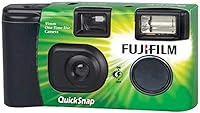
Image Quality
78%
22%
Buyers consistently praise the warm, slightly saturated color rendering that Fujifilm's Superior X-TRA 400 stock produces. Outdoor daylight shots in particular come out with a natural, filmic look that digital filters rarely replicate convincingly.
Results vary noticeably depending on the development lab used and the lighting conditions at the time of shooting. In low-light situations without the flash, images can turn out grainy or underexposed, which catches some buyers off guard.
Flash Performance
82%
18%
The built-in flash handles close-range indoor shots reliably without the harsh overexposure that plagues cheaper disposables. Party and event shooters frequently note that group photos taken within six to eight feet turn out much better than expected.
The roughly 10-foot effective range is a real ceiling — subjects further back in a room come out noticeably dark. Buyers who try to use the flash for wide venue shots at weddings or concerts are often disappointed with the results.
Ease of Use
94%
There are no settings to configure, no apps to pair, and no learning curve whatsoever. Kids, grandparents, and first-time film shooters all figure it out within seconds, making it a go-to choice for event tables where all types of guests will handle it.
The film advance wheel requires a deliberate thumb roll between each shot, which trips up users coming from smartphone photography. A small number of buyers advance the film without realizing it and waste exposures before they get going.
Value for Money
67%
33%
At its price point, the camera itself is fairly reasonable for a name-brand disposable with Fujifilm film already loaded. Buyers who understand the full analog workflow — camera plus development — tend to find the overall experience worth the combined spend.
The camera price is only part of the equation, and this catches a significant number of buyers off guard. Film development adds anywhere from eight to twenty dollars depending on the lab, and many first-time buyers factor none of that into their budget upfront.
Film Speed & Low-Light Handling
74%
26%
ISO 400 is a solid all-rounder for a disposable camera, giving this film camera more flexibility across different environments than ISO 200 alternatives. Shaded outdoor scenes and moderately lit interiors tend to come out acceptably exposed.
Dim venues like bars, evening receptions, or candlelit dinners push the ISO 400 film to its limits when flash range is also a constraint. Users in those settings report a meaningful number of unusable frames per roll.
Build Quality & Durability
71%
29%
The plastic shell is more solid than it looks, and buyers report it surviving full days at outdoor festivals, beach trips, and crowded events without any issues. It handles being tossed in a bag or passed around a table without cracking or jamming.
It is still a disposable plastic camera, and the body can feel a bit hollow compared to branded alternatives. A few buyers reported the film advance mechanism feeling stiff or slightly inconsistent on individual units.
Portability & Form Factor
89%
At under four ounces and small enough to slip into a jeans pocket or small purse, this disposable camera is genuinely easy to carry all day. Travelers and festival-goers particularly appreciate not having to manage a camera bag or worry about battery packs.
The fixed rectangular shape is not as ergonomically curved as some competing disposables, and smaller hands may find it slightly awkward to hold steadily while pressing the shutter. It is a minor issue but one that shows up in a handful of reviews.
Hand Strap Functionality
63%
37%
Buyers who actively use the included wrist strap find it genuinely useful during active events — hiking, outdoor parties, or crowded venues where dropping the camera would mean losing all 27 exposures. It adds a layer of security without adding bulk.
A notable portion of buyers either do not notice the strap or remove it quickly because it feels cheap or gets in the way during shooting. It is functional rather than refined, and the attachment point feels less secure than a dedicated camera strap loop.
Color Accuracy & Film Stock
81%
19%
Fujifilm's Superior X-TRA 400 stock has a strong reputation in the film community for producing pleasing, slightly warm tones with good skin color rendition. Buyers who have used other disposable brands often switch to this one specifically for the color output.
Color results are also dependent on how the lab scans or prints the negatives, which introduces a variable entirely outside the camera's control. Buyers using lower-quality local labs sometimes blame the camera for color shifts that are actually a processing issue.
Number of Exposures
72%
28%
Twenty-seven exposures is the sweet spot for most single events — enough to be generous without feeling wasteful. Buyers use this camera in a more thoughtful, deliberate way compared to snapping hundreds of phone photos, which often makes the final selection more meaningful.
For longer events like full-day weddings or multi-day trips, 27 shots runs out faster than buyers expect. Purchasing multiple cameras solves this but adds to the overall cost, which some buyers find frustrating compared to shooting digital.
Film Development Experience
49%
51%
For buyers who already know the film workflow, the development step is simply part of the charm. The anticipation of waiting to see photos — not knowing exactly what you got — is something many analog enthusiasts actively enjoy and seek out.
This is the single biggest source of negative reviews for this film camera. First-time buyers frequently do not realize that development is a separate, paid step that can take days or weeks. The wait time and added expense feel like a hidden cost to those who were not expecting it.
Suitability for Events & Gifting
88%
Few products work as well as a thoughtful, low-stakes gift for teenagers or anyone curious about analog photography. At events, guests of all ages engage with disposable cameras enthusiastically, and the physical prints they produce are more likely to be kept than phone photos.
As a table camera at weddings, outcomes are heavily dependent on guests actually using it correctly — some leave cameras fully unused, and others accidentally expose frames by advancing without shooting. Results across a full wedding set can be inconsistent.
Packaging & Presentation
66%
34%
The camera arrives in recognizable Fujifilm packaging that feels appropriate for gifting without requiring extra wrapping. Buyers ordering for events appreciate that it looks presentable straight out of the box and communicates the brand clearly.
The packaging is functional but not particularly exciting, and some buyers who planned to use it as a gift felt it needed additional wrapping to feel special. A few units arrived with minor packaging damage during shipping, though the camera itself was unaffected.
Consistency Across Units
68%
32%
The majority of buyers who purchase multiple units for events report consistent performance across cameras from the same batch. Fujifilm's manufacturing quality control is generally trusted within the disposable camera category.
A small but recurring pattern in reviews mentions one camera in a multi-pack underperforming — either fewer usable frames or a flash that fires less reliably. It is not the norm, but it is frequent enough that bulk buyers for events should account for some variance.

Suitable for:

The Fujifilm QuickSnap Flash 400 is a natural fit for anyone who wants a tactile, low-stakes photography experience at events where pulling out a phone feels too casual and bringing an expensive camera feels too risky. It works especially well as a wedding or bachelorette party table camera, where guests of all ages can pick it up and shoot without any instruction. Festival-goers and concertgoers will appreciate not worrying about a camera getting lost, stolen, or damaged in a crowd. Parents looking to introduce a child or teenager to analog photography will find it approachable — there are no menus, no modes, and nothing to break that matters. Travelers who want a lightweight, battery-free backup for a day trip or beach outing will also get solid use out of this film camera. If you genuinely enjoy the warm, grainy character of 35mm film and the anticipation of waiting to see your developed shots, this disposable camera fits that mindset perfectly.
Not suitable for:

The Fujifilm QuickSnap Flash 400 is not the right choice for anyone expecting instant results or digital-level image control. Buyers who do not already know that film requires separate development — at an additional cost of roughly eight to twenty dollars depending on the lab — will very likely feel misled once they finish the roll. If you need sharp, consistent, high-resolution images every time, a fixed-focus disposable camera with variable lab quality in the chain will frustrate you. This film camera is also a poor fit for low-light venues like bars or dimly lit reception halls where subjects stand beyond ten feet, since the flash simply cannot reach that far and the ISO 400 film will struggle without it. Anyone on a strict budget who needs to capture a long multi-day event should know that 27 exposures go quickly, and buying several cameras adds up fast. If your goal is to document something important and reliably, this is not your tool.

Specifications

  • Brand: Manufactured by Fujifilm, a globally recognized leader in photographic film and imaging products.
  • Film Type: Loaded with Fujifilm Superior X-TRA 400 color negative 35mm film, known for warm tones and reliable color rendering.
  • ISO Speed: The film is rated at ISO 400, providing solid sensitivity across a range of lighting conditions from bright daylight to moderately lit interiors.
  • Exposures: Each camera comes pre-loaded with 27 exposures, meaning 27 individual photographs can be taken before the roll is finished.
  • Flash Range: The built-in flash has an effective range of approximately 10 feet, suitable for close-range indoor and low-light photography.
  • Focus System: Uses a fixed-focus lens with no adjustable aperture or focus settings, making it fully automatic and ready to shoot out of the box.
  • Shutter Type: Equipped with a focal plane shutter that operates at a fixed shutter speed appropriate for general daylight and flash-assisted photography.
  • Dimensions: The camera body measures 4.92 x 2.68 x 1.89 inches, compact enough to fit in a jeans pocket or small purse.
  • Weight: Weighs 3.84 ounces including the pre-loaded film, making it one of the lightest cameras available for event or travel use.
  • Color Output: Produces color photographs; this camera is not loaded with black-and-white film and does not support film swapping.
  • Included Accessory: This specific variant includes a wrist hand strap, which distinguishes it from the standard QuickSnap model that ships without one.
  • Use Type: Designed as a single-use, disposable camera — the entire unit, including the film inside, is handed to a photo lab for development after shooting.
  • Development Required: Film development is not included and must be completed at a third-party photo lab or mail-in service before any photos can be viewed or printed.
  • Unit Count: Each purchase includes one camera per package, pre-loaded and ready to use with no additional accessories required to start shooting.
  • Film Format: Shoots standard 35mm film, which is widely accepted at photo labs, drugstore kiosks, and mail-in development services worldwide.
  • Flash Power Source: The flash is powered by a small battery integrated into the camera body; no separate battery purchase or replacement is required.
  • Manufacturer: Fujifilm Corporation, headquartered in Tokyo, Japan, has manufactured this product with a first-availability date of February 2023 for this variant.
  • UPC: The Universal Product Code for this specific variant is 655469662575, useful for confirming you are purchasing the correct hand strap edition.

Related Reviews
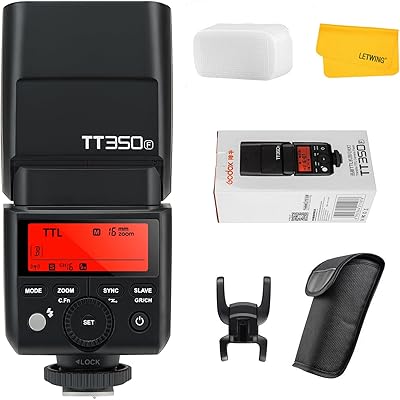
Godox TT350F Flash for Fujifilm
88%
94%
Portability & Size
90%
Ease of Use
84%
Battery Life
87%
Build Quality
88%
Performance in Low Light
More
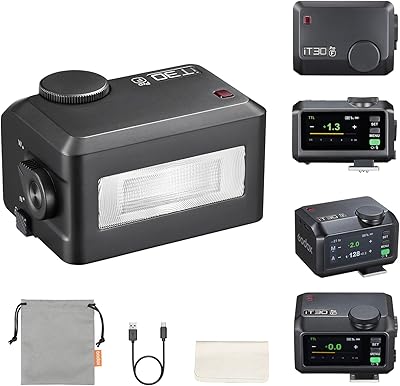
Godox iT30Pro-F Flash for Fujifilm
87%
89%
Performance
91%
Ease of Use
88%
Portability
85%
Battery Life
86%
Build Quality
More
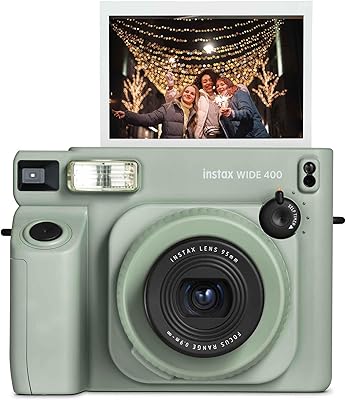
Fujifilm Instax Wide 400
80%
88%
Print Size & Quality
91%
Ease of Use
67%
Value for Money
79%
Build Quality & Durability
82%
Focus Modes & Versatility
More
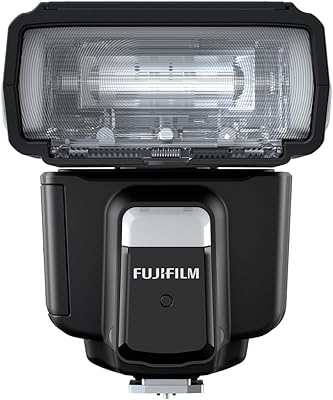
Fujifilm EF-60 Shoe Mount Flash
88%
89%
Wireless Functionality
92%
Ease of Use
88%
Light Output Consistency
87%
Build Quality
95%
Compatibility with Fujifilm Cameras
More
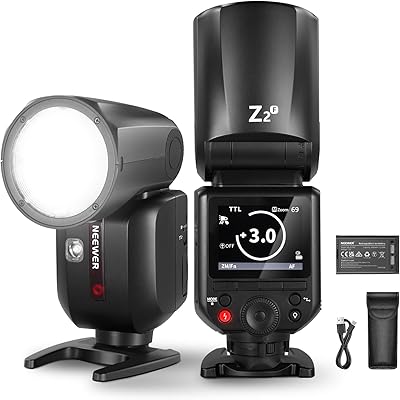
NEEWER Z2-F 2.4G TTL Camera Flash Speedlite for Fujifilm
86%
88%
Performance
85%
Ease of Use
91%
Wireless Connectivity
83%
Battery Life
90%
Flash Power Output
More
Hourglass Vanish Flash Highlighting Stick Rose Gold Flash
87%
91%
Buildable Coverage
88%
Ease of Application
85%
Natural Finish
87%
Suitability for Medium-Deep Skin Tones
94%
Travel-Friendliness
More
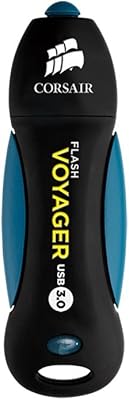
Corsair Flash Voyager 256GB USB 3.0 Flash Drive
89%
88%
Performance
93%
Durability
90%
Compatibility
72%
Speed (Write)
89%
Water Resistance
More
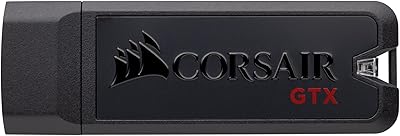
Corsair Flash Voyager GTX 512GB USB 3.1 Flash Drive
88%
94%
Performance
91%
Build Quality
82%
Value for Money
89%
Portability
96%
Transfer Speed
More
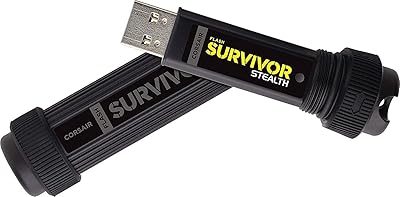
Corsair Flash Survivor Stealth 256GB USB 3.0 Flash Drive
88%
92%
Performance
96%
Build Quality/Durability
90%
Speed (Write/Transfer)
80%
Portability/Size/Weight
95%
Waterproof/Shockproof Protection
More
Corsair Flash Voyager GTX 256GB USB 3.1 Flash Drive
86%
91%
Performance
94%
Speed
89%
Durability
87%
Portability
88%
Compatibility
More

FAQ

Nothing at all — the Fujifilm QuickSnap Flash 400 comes pre-loaded with film and is ready to shoot straight out of the packaging. Just remove it from the box, advance the film wheel one click if needed, and start taking photos. There are no batteries to insert, no settings to configure, and no app to pair.

Once you have used all 27 exposures, you take the entire camera to a photo lab for development — you do not open it yourself. Most drugstores, camera shops, and mail-in services accept disposable cameras. Development typically costs between eight and twenty dollars depending on where you go, and turnaround time ranges from same-day at some labs to a week or more for mail-in options.

Most labs offer both options. When you drop off this disposable camera, ask specifically for digital scans in addition to prints — many labs include scans at no extra charge, or for a small additional fee. You will usually receive your images as a download link or on a CD, which you can then share, edit, or print as you like.

It handles moderately lit indoor spaces reasonably well, especially when you use the built-in flash for subjects within about 10 feet. Beyond that distance, the flash loses effectiveness and the ISO 400 film will struggle in dim conditions. For dark venues like bars or nightclubs, expect some underexposed frames — it is just a physical limitation of the format.

The main difference with this specific version is the included wrist hand strap, which the standard QuickSnap model does not come with. The camera, film, and flash are otherwise identical. The strap adds a bit of security during events where the camera is being passed around or carried during active use.

Each camera gives you 27 exposures. For a single evening or a short part of a wedding reception, one camera can be enough if guests are reasonably selective. For a full wedding day or a multi-day event, most people buy several cameras and distribute them across tables or time slots. Just factor in the development cost per camera when budgeting.

Yes, it is genuinely one of the easiest cameras for kids to use independently. There are no settings to adjust — just point, press the shutter button, and roll the film advance wheel after each shot. The only thing worth showing them is how the film advance works so they do not accidentally skip frames.

ISO 400 film like the kind loaded in this camera is generally considered safe for standard airport X-ray machines used for carry-on bags. However, repeated passes or high-powered CT scanners used at some airports can potentially fog the film. If you are concerned, you can request a hand inspection of the camera at security — most agents will accommodate this.

Yes, you can stop shooting partway through and pick it back up later. The film inside stays safe as long as you keep the camera away from extreme heat and do not try to open it. Just make sure to store it somewhere cool and dry, and finish the roll within a reasonable time frame — within a year is a safe guideline.

Expectations matter a lot here. This film camera will not produce the sharp, clean results of a digital camera — and that is not really the point. Outdoor daylight shots tend to come out warm, well-exposed, and genuinely charming. Indoor flash shots within close range are usually solid. The grainy, slightly soft quality is part of the aesthetic that makes disposable film photos feel distinct. If you go in expecting phone-quality sharpness, you will be let down; if you embrace the film look, you will probably love the results.