Overview

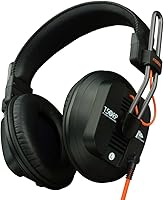
The Fostex T50RP MK3 Semi-Open Studio Headphones have built a quiet but devoted following over the years, particularly among home studio engineers and the headphone modding community. Unlike fully closed designs, the semi-open housing lets some sound escape and bleed in — a real trade-off worth understanding before you buy. What makes these Fostex planars genuinely interesting at their price point is the orthodynamic driver technology: rather than a conventional dynamic driver, Fostex uses a copper-foil etched diaphragm that moves more uniformly across its surface, producing a notably flatter, more controlled sound. These are designed for critical listening, not commuting or gym sessions.
Features & Benefits

The RP diaphragm at the core of the T50RP MK3 covers a frequency range of 15Hz to 35kHz, and unlike a traditional dynamic driver, it distributes electromagnetic force evenly across its surface — which translates to tighter transients and less midrange coloration. The semi-open construction gives the soundstage an open, natural quality that closed-back studio headphones often can't match. Both cables are detachable, a practical detail that extends the headphone's lifespan considerably. At 50 ohms, these Fostex planars are more accessible than many orthodynamic rivals, but pairing them with a dedicated headphone amp unlocks a noticeably cleaner and more dynamic sound. The low-repulsion ear pads reduce fatigue during extended tracking or editing sessions.

Best For

This studio headphone makes the most sense for home producers and mixing engineers who need an honest frequency reference without spending flagship money on planar magnetic technology. If you've been curious about orthodynamic sound but don't want to commit to a four-figure investment, the T50RP MK3 is one of the more sensible entry points. There's also a thriving modding community built specifically around this platform — aftermarket pads and internal damping modifications are well-documented and widely used, giving buyers a practical upgrade path over time. That said, if you work in a shared space, need commuter-friendly isolation, or prefer a warm and bass-heavy signature, this studio headphone is probably not your match.

User Feedback

Across more than 500 reviews, these Fostex planars hold a 4.4-star average — and reading through them, the praise is fairly consistent: buyers keep coming back to the accuracy of the sound and how solid the headphones feel in hand. The analytical tuning is a genuine strength for studio work, but a handful of reviewers note the stock sound skews slightly mid-forward, with bass that feels reserved compared to consumer headphones. The included ear pads can take time to soften up. Worth flagging clearly: several users report that plugging directly into a smartphone or laptop produces a noticeably flat, underwhelming result. A dedicated amp changes the picture considerably. Positive reviews frequently mention pad swaps as an easy first upgrade.

Pros

  • The orthodynamic driver delivers a flat, detailed frequency response that exposes mix problems consumer headphones routinely hide.
  • Detachable cables — one long studio cable and one shorter portable option — are included straight out of the box.
  • The semi-open design produces a noticeably wider, more natural soundstage than comparably priced closed-back studio headphones.
  • At 50 ohms, these Fostex planars are easier to drive than most orthodynamic headphones at this tier.
  • Redesigned low-repulsion ear and head pads hold up well during extended mixing or monitoring sessions.
  • Build quality feels solid and purposeful — reviewers consistently describe these as headphones that should last years.
  • The T50RP platform has a well-established modding community, giving owners a clear upgrade path without replacing the whole headphone.
  • A maximum input of 3000mW means these handle high studio signal levels cleanly without distortion.
  • The 15Hz to 35kHz frequency range is genuinely wide, capturing low-end and high-frequency detail with real accuracy.

Cons

  • Stock ear pads feel firm and can cause discomfort during long sessions before they properly break in.
  • The semi-open housing leaks sound in both directions, making these impractical in shared or noisy environments.
  • These Fostex planars sound noticeably flat and underwhelming when driven directly from a phone or laptop jack.
  • A separate headphone amplifier is practically required to unlock their full performance — an overlooked extra expense for many buyers.
  • The stock tuning skews slightly mid-forward and bass-shy, which some listeners find dry or uninvolving straight out of the box.
  • No wireless option, no noise cancellation, and no in-line controls — these are purely wired, studio-oriented headphones.
  • Clamping force may feel snug for buyers with larger heads, particularly during the first hours of use.
  • Sensitivity specs are not officially published, making it harder to gauge source compatibility before committing to a purchase.

Ratings

The Fostex T50RP MK3 Semi-Open Studio Headphones earned their scores through AI analysis of verified global customer reviews, with spam, bot activity, and incentivized feedback actively filtered out before any category was scored. Across more than 500 real-world assessments, the results reveal a nuanced picture — genuine strengths in sound accuracy and driver technology sit alongside honest pain points around amplifier dependency and stock comfort. Both are reflected transparently in every category score below.
Sound Quality
88%
The orthodynamic driver delivers a strikingly flat, detailed sound that studio engineers and critical listeners consistently praise. Transient response is tighter than most dynamic-driver headphones at this price, and the wide frequency range means nothing feels artificially cut off at the extremes. Reviewers frequently describe hearing details in familiar recordings they had never noticed before.
The flat, analytical tuning is a double-edged trait — listeners expecting warmth or bass punch straight out of the box are routinely disappointed. Music genres that rely on low-end energy, like hip-hop or electronic, can feel lean and uninvolving compared to how they sound on consumer-tuned headphones.
Soundstage & Imaging
87%
The semi-open design gives the soundstage a noticeably wider and more natural feel than closed-back studio headphones of comparable price. Instrument placement in a mix feels more realistic and three-dimensional, which is a genuine advantage when making panning and depth decisions during a session.
The semi-open presentation, while spacious, can feel slightly diffuse to listeners who prefer the tight, focused imaging of a well-tuned closed-back headphone. For very precise stereo placement work, some engineers find the open character adds a subtle ambient impression that can occasionally mislead mixing decisions.
Build Quality
82%
18%
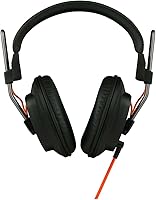
The frame feels solid and well-assembled for a mid-range headphone, with no creaking or flex that would undermine confidence in daily studio use. Reviewers consistently describe the construction as punching above its price tier, with materials and tolerances that suggest a long and reliable service life.
The plastic used in parts of the headband and adjustment mechanism, while durable in practice, does not feel as premium as the audio performance might lead you to expect. A small number of users report the adjustment slider can feel stiff or notchy, particularly during initial use before it loosens slightly.
Comfort & Wearability
71%
29%
The redesigned low-repulsion foam pads are a genuine improvement over older versions, and most users find the overall fit settles into a comfortable position during moderate-length sessions. The weight distribution is reasonable for an over-ear headphone at 315g, and the headband pressure is consistent without feeling excessive.
Stock ear pads arrive firm and can create noticeable pressure during sessions longer than an hour or two before they properly break in. Buyers with larger heads report the clamping force feels snug, and the firmness of the pads before break-in is one of the most consistently recurring complaints in verified user reviews.
Value for Money
84%
For buyers stepping into professional-grade planar magnetic technology without a flagship budget, the T50RP MK3 represents a genuinely compelling entry point. The detail retrieval and driver quality relative to the asking price consistently surprise first-time buyers, and the platform's longevity means it holds resale value well compared to generic competitors.
The true cost of entry is higher than it first appears once you factor in the amplifier that is practically required to unlock full performance. Buyers who purchase these for casual listening without budgeting for proper source equipment often feel the overall value proposition falls noticeably short of their initial expectations.
Driver Technology
91%
The Regular Phase orthodynamic driver is the core reason this headphone has maintained such a devoted following over the years. By distributing electromagnetic force evenly across the diaphragm rather than through a single central point, it produces a noticeably more controlled and coherent sound that rewards extended critical listening sessions.
The orthodynamic driver's even-handed tuning, while technically impressive, does not deliver the excitement or perceived loudness that dynamic drivers can produce at low amplification levels. Users accustomed to the punchy, energetic presentation of conventional headphones may find the RP sound signature feels comparatively restrained and understated at first.
Source Compatibility
57%
43%
At 50 ohms, these Fostex planars are meaningfully easier to drive than many orthodynamic headphones that push 150 ohms or higher, making them compatible with a broader range of portable DAC/amp dongles and entry-level desktop interfaces. Users with even modest amplification equipment consistently report a satisfying and well-controlled listening experience.
Plugging directly into a smartphone, laptop, or gaming console headphone jack produces a noticeably underwhelming result — flat, lifeless, and lacking the dynamic energy the driver is genuinely capable of. This is one of the most consistently flagged issues in negative reviews, and buyers who do not budget for a separate amp are often the most disappointed.
Cable & Accessories
76%
24%
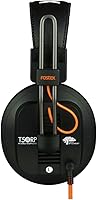
The inclusion of two detachable cables — a 3-meter studio cable and a shorter 1.2-meter portable cable — covers the two most common real-world use scenarios without requiring any additional purchases. The detachable design also means a worn or damaged cable does not end the headphone's useful life prematurely.
The cables themselves are functional but unremarkable — a few reviewers note the cable jacket feels somewhat stiff and basic compared to aftermarket options. Third-party cable replacements require verifying the specific locking connector type used at the cup end, which adds minor friction to the otherwise straightforward replacement process.
Isolation & Leakage
41%
59%
For private studio work where some acoustic transparency is actually desirable, the semi-open design lets engineers maintain a subtle awareness of their environment without removing the headphones entirely. In a dedicated home studio, the leakage level is usually minimal enough that it does not disrupt a focused mixing or tracking workflow.
Sound leakage is significant enough to make these genuinely unsuitable for any shared or public environment. Colleagues in an open-plan office or studio will clearly hear your audio, and external noise bleeds in freely — making the T50RP MK3 a poor fit for commutes, gym sessions, or any setting where ambient sound is present.
Bass Performance
66%
34%
The low-end on the T50RP MK3 is accurate and detailed rather than artificially enhanced, making it a reliable reference for mixing bass-heavy material without the risk of over-boosting. Engineers who mix on these and then verify on studio monitors often find the bass translation holds up well across playback systems.
For casual listening, the bass response will feel notably reserved and lean — this is not a headphone that makes music feel fun and energetic straight out of the box. Listeners who expect impact or warmth in the low-end will likely find this tuning dry and uninvolving, particularly without a proper amplifier providing sufficient gain and control.
Midrange Clarity
86%
The midrange is where these Fostex planars consistently draw the most praise in user feedback. Vocals, guitars, and acoustic instruments are rendered with a presence and texture that helps producers make confident EQ decisions, and the lack of artificial coloration means the midrange never feels hyped or fatiguing over extended sessions.
Some reviewers describe the midrange as slightly forward-sounding — present enough to feel prominent in guitar- or vocal-heavy genres where those elements compete for space in a mix. This mild emphasis can occasionally skew decisions if you are not already calibrated to how these headphones represent the frequency balance.
High-Frequency Detail
83%
The extended frequency ceiling of 35kHz means these headphones resolve high-frequency content with a level of detail that most dynamic-driver competitors at this price simply cannot match. Cymbals, breath, and subtle room reverb come through clearly — a genuine asset during mixing, editing, and mastering sessions.
A portion of users find the treble can occasionally sound slightly lean or analytical on certain recordings, particularly at higher volumes without proper amplification behind them. Listeners who are sensitive to treble emphasis may want to verify compatibility with their source material before committing fully to this headphone.
Mod Friendliness
94%
The T50RP platform is widely recognized as one of the most mod-friendly headphones in existence, with a thriving community that has developed reliable, well-documented modifications over many years. Pad swaps, internal damping adjustments, and baffle tweaks are accessible to hobbyists with basic tools, often yielding significant improvements tailored to personal sound preferences.
For buyers who simply want a headphone that performs at its best out of the box with no tinkering required, the sheer volume of mod content online can create unrealistic expectations or unnecessary confusion. The stock configuration is genuinely capable, but the modding ecosystem can make it feel like something is being left on the table.
Pad Break-in
62%
38%
Once the stock pads have softened through regular use — typically after several weeks of daily wear — most users report a comfortable fit that holds up well during three to four hour sessions. The low-repulsion foam material does eventually conform to head shape and reduces pressure points noticeably over time.
The break-in period is a real and recurring barrier for new owners — stock pads feel noticeably firm and can cause ear fatigue or mild discomfort during longer sessions in the first few weeks. This issue ranks among the most commonly cited complaints, and many buyers end up purchasing aftermarket pads sooner than they anticipated.
Durability & Longevity
79%
21%
The combination of a solid frame, detachable cables, and a widely supported platform with readily available replacement parts means these headphones are genuinely built with long-term ownership in mind. Many users report years of regular studio use without any structural failures, and the availability of third-party parts extends the serviceable lifespan considerably.
With absolutely no water or sweat resistance, these headphones are unsuited for any use case involving moisture — gym sessions and outdoor use in variable conditions are out entirely. The headband adjustment mechanism, while functional, is flagged by some users as a point of concern that can stiffen or feel unreliable with frequent repositioning over time.

Suitable for:

The Fostex T50RP MK3 Semi-Open Studio Headphones are a strong fit for anyone working in a home or project studio who needs an honest, uncolored reference for mixing, editing, or critical listening. The orthodynamic driver's flat response is genuinely useful when you're making EQ decisions or trying to catch problems in a mix that consumer headphones would simply mask. Audiophiles who have been curious about planar magnetic technology but can't justify the cost of flagship options will find the T50RP MK3 a convincing and accessible introduction to how orthodynamic drivers actually sound. Musicians who track or edit in a quiet, private space will also appreciate the wider, more natural soundstage that the semi-open design allows — it reduces listening fatigue over long sessions in a way that fully closed headphones rarely manage. If you're the type of buyer who enjoys tweaking gear, this platform has one of the most active modding communities around, meaning there's genuine long-term value well beyond the stock configuration.
Not suitable for:

If you commute, work out, or spend time in noisy or shared environments, the Fostex T50RP MK3 Semi-Open Studio Headphones are simply the wrong tool — the semi-open design leaks sound in both directions, which will disturb colleagues and let ambient noise color your listening experience. Buyers who primarily listen from a smartphone, laptop headphone jack, or basic USB dongle DAC should also think carefully before purchasing: at 50 ohms these aren't impossibly hard to drive, but the T50RP MK3 genuinely underperforms without a dedicated headphone amplifier, and that's an additional cost worth factoring in upfront. If you love deep, warm, or bass-forward headphone signatures — the kind that make music feel exciting and immersive right out of the box — the flat, analytical tuning here will likely feel dry and uninvolving by comparison. These are also wired-only with no noise cancellation or wireless option of any kind, so anyone expecting modern convenience features should look elsewhere.
Specifications

  • Driver Type: The T50RP MK3 uses Fostex's proprietary Regular Phase orthodynamic driver, a planar magnetic design rather than a conventional dynamic driver.
  • Diaphragm: The diaphragm is made from copper-foil etched polyimide film driven by a neodymium magnet, enabling even electromagnetic force distribution across the entire membrane surface.
  • Frequency Response: These headphones cover a rated frequency range of 15Hz to 35kHz, wider than the range of most consumer and many professional headphones.
  • Impedance: Impedance is rated at 50 ohms, lower than many planar rivals but still above typical consumer headphone territory, making amplification meaningfully beneficial.
  • Max Input Power: Maximum input power is rated at 3000mW, allowing these headphones to handle high studio signal levels cleanly without audible distortion.
  • Weight: The headphones weigh 315g (11.36 oz), which is moderately light for a full-size planar magnetic design.
  • Ear Cup Style: Ear cups are semi-open and circumaural (over-ear), allowing some ambient sound to enter and some reproduced sound to escape from the rear of the cups.
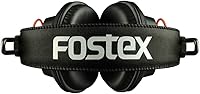
  • Ear Pad Material: Ear and head pads are constructed from low-repulsion foam, redesigned for the MK3 generation to reduce pressure and fatigue during extended wear.
  • Studio Cable: A 3-meter detachable cable terminating in a 1/4-inch stereo plug is included for connection to studio amplifiers and audio interfaces.
  • Portable Cable: A 1.2-meter detachable cable terminating in a 3.5mm stereo mini plug is included for use with portable audio sources.
  • Connectivity: These headphones are wired-only with no Bluetooth, wireless capability, or active electronics of any kind.
  • Water Resistance: These headphones carry no water or moisture resistance rating and should not be exposed to rain, sweat, or humidity.
  • Dimensions: Overall product dimensions measure 7.68 x 4.13 x 7.09 inches as listed by the manufacturer.
  • Magnet Type: The driver assembly uses a neodymium magnet, selected for its high magnetic field strength relative to its physical size and weight.
  • User Rating: The T50RP MK3 holds a 4.4-out-of-5-star average rating across more than 522 verified Amazon customer reviews.

Related Reviews
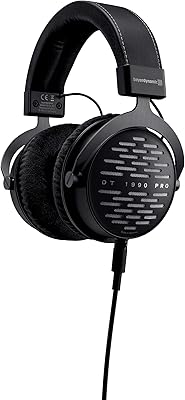
beyerdynamic DT 1990 Pro Open Studio Headphones
86%
96%
Sound Quality
93%
Build Quality
88%
Comfort for Long Sessions
72%
Noise Isolation
84%
Value for Money
More
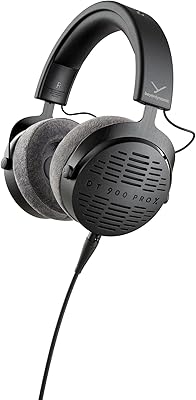
beyerdynamic DT 900 PRO X
81%
93%
Audio Clarity & Detail
88%
Build Quality & Durability
82%
Comfort & Ergonomics
96%
Device Versatility
89%
Soundstage & Imaging
More
Nothing Ear (Open) Open-Ear Earbuds
79%
91%
Wearing Comfort
83%
Workout Stability
74%
Sound Quality
77%
Call Quality
49%
Sound Leakage
More
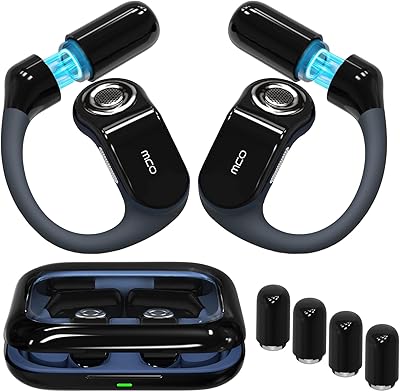
Monster AC100 Open-Ear Bluetooth Headphones
76%
88%
Battery Life
79%
Comfort & Fit
67%
Sound Quality
83%
Bluetooth Stability
71%
Call Quality
More
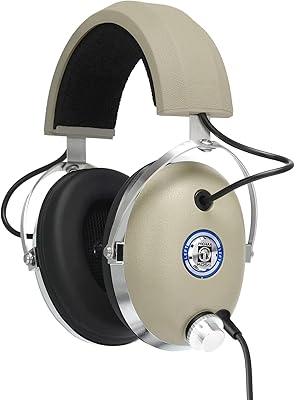
Koss Pro4S Studio Headphones
87%
93%
Sound Quality
88%
Comfort for Long Sessions
90%
Build Quality
81%
Noise Isolation
89%
Durability
More
Koss Pro4AA
Koss Pro4AA
72%
91%
Sound Accuracy
83%
Build Quality
67%
Comfort & Fit
74%
Noise Isolation
88%
Value for Money
More
AKG K361 Studio Headphones
85%
91%
Sound Quality
84%
Comfort & Fit
90%
Noise Isolation
88%
Build Quality
86%
Portability
More
UGREEN 45785 Open Ear Wireless Headphones
79%
91%
Wearing Comfort
83%
Fit & Stability
74%
Sound Quality
89%
Battery Life
69%
Microphone & Call Quality
More
OJW Open Ear Wireless Sport Headphones
80%
93%
Battery Innovation
88%
Wearing Comfort
86%
Waterproofing
84%
Workout Stability
74%
Audio Clarity
More
Superlux HD681
Superlux HD681
76%
91%
Audio Resolution
98%
Value for Money
88%
Soundstage Width
64%
Treble Accuracy
57%
Long-Term Comfort
More

FAQ

Technically you can plug them into a laptop or phone and they'll produce sound, but you'll be leaving a lot on the table. At 50 ohms, the T50RP MK3 isn't as demanding as some planar rivals, but the orthodynamic driver responds noticeably to cleaner, more powerful amplification. Most buyers who feel disappointed with how these sound are running them straight from an underpowered source. A budget desktop amp or DAC/amp combo makes a meaningful difference and is worth factoring into your budget.

Yes, and that's worth being clear about before you buy. The semi-open design lets sound escape from the rear of the cups — not loudly, but enough that someone sitting nearby in a quiet room will hear what you're listening to. It also means external noise bleeds in from your environment. If you share a workspace or need isolation, a closed-back design will serve you better.

The biggest difference is soundstage and tonal character. Closed-back headphones tend to feel more contained, with slightly emphasized bass due to the sealed design. These Fostex planars have a wider, more open presentation and a flatter low-end that's more accurate but less immediately exciting. For critical mixing work, most engineers prefer the honesty of a flat response, but it can take some adjustment if you're coming from consumer cans.

The Fostex T50RP MK3 Semi-Open Studio Headphones were redesigned with low-repulsion foam pads specifically to reduce fatigue during extended wear. Most users find them comfortable after a short break-in period, though the stock pads can feel firm at first. If you find them snug after long sessions, aftermarket pad options are widely available and well-documented within the modding community.

No — the T50RP MK3 sounds genuinely good out of the box when paired with appropriate amplification. The active modding community around this platform is a bonus, not a prerequisite. That said, if you enjoy tinkering with gear, there's a well-documented world of pad swaps and internal damping tweaks that can tailor the sound to your personal preference over time.

Probably not the best match if that's your primary listening diet. The orthodynamic driver is tuned flat and analytical — bass is present and accurate, but it lacks the warmth or punch that many consumer headphones add artificially. If you're used to V-shaped or bass-boosted headphones, these will likely feel lean and dry by comparison. That tonal character is intentional for studio work, but it's a real adjustment for casual listening.

Yes, both included cables are detachable, which is a genuinely practical feature for long-term ownership. A damaged cable doesn't mean a ruined headphone. Before ordering third-party replacements, it's worth confirming the exact connector type at the cup end, as the T50RP MK3 uses a locking mini plug that differs from standard audio connectors.

They can work surprisingly well for gaming in the right setup. The wide, semi-open soundstage helps with positional audio, which matters in competitive or immersive titles. The usual caveats still apply — you'll want a proper amp or DAC to drive them effectively, and the open design isn't great in a loud room. For a quiet home setup with a desktop interface or dedicated headphone amp, these Fostex planars hold up well.

Build quality is one of the aspects buyers most consistently praise. The frame feels solid and deliberate, not flimsy the way some headphones at this price can be. The detachable cables address the most common failure point on wired headphones, extending the usable life considerably. The main caveat is that they carry no water resistance rating, so they should be kept away from moisture and humidity.

They work well for voice monitoring in a quiet studio environment. The flat response means you hear your voice accurately without any flattering coloration — exactly what you want when checking levels or editing recorded dialogue. Just keep in mind that the semi-open design isn't ideal for recording with a live microphone in the same room, since bleed from the cups could reach the mic if your monitoring volume is too high.

Where to Buy