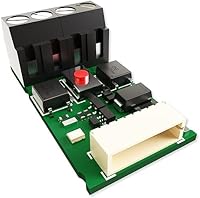
Overview

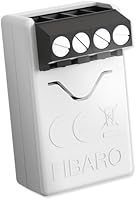
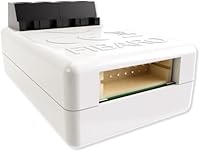
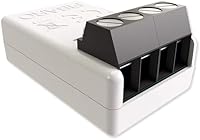
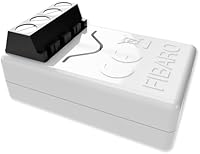
The FIBARO Smart Implant FGBS-222 is a Z-Wave Plus module designed to bring wired sensors into your Z-Wave network. This versatile device is perfect for home automation enthusiasts who want to expand their existing systems. It connects easily with a variety of sensor types, such as temperature and motion sensors, making it highly adaptable. The Smart Implant works seamlessly with a range of Z-Wave controllers, allowing users to customize and enhance their smart home setups with minimal hassle.

Features & Benefits

This Z-Wave module supports multiple sensor connections, including DS18B20, DHT, and both analog and binary sensors. A built-in temperature sensor with an impressive measurement range of -55°C to 126°C adds flexibility for various use cases. Additionally, it features advanced encryption via Z-Wave S2 security with AES-128, ensuring secure data transmission across your network. The Smart Implant also acts as a signal repeater, improving the range and reliability of your Z-Wave setup, which is vital for large homes or offices.

Best For

The FIBARO Smart Implant is ideal for home automation enthusiasts looking to integrate legacy wired sensors into their Z-Wave systems. It’s a great fit for users with an existing Z-Wave network who want to expand their sensor range or add new sensor types. This module is also well-suited for businesses and homeowners who need a customizable solution for secure and scalable sensor integration. Whether for basic home automation or more complex setups, this module provides the flexibility and reliability needed for a variety of projects.

User Feedback

Users generally appreciate the FIBARO Smart Implant’s easy installation and the wide compatibility with different sensors. Many report that it works reliably for Z-Wave network integration, with stable connections that enhance automation tasks. However, some users note that the range can be limited compared to other Z-Wave devices, especially in larger homes or areas with many obstacles. Despite this, most find its functionality for integrating wired sensors into a Z-Wave network to be highly valuable and cost-effective for expanding their smart home systems.

Pros

  • The Z-Wave module offers seamless integration for wired sensors into existing Z-Wave networks.
  • Users appreciate the device's versatility, supporting a wide variety of sensors like DS18B20 and DHT.
  • Installation is straightforward and quick, even for those new to home automation systems.
  • Built-in temperature sensor provides accurate readings across a wide range (-55°C to 126°C).
  • The AES-128 encryption ensures secure communication within the Z-Wave network.
  • Acts as a signal repeater, helping to extend the range and improve network reliability in larger setups.

Cons

  • Some users report that the range is limited to around 40 meters indoors, which may not be enough for larger homes.
  • This device only supports wired sensor integration, which could be restrictive for those seeking wireless solutions.
  • Certain users find it lacks compatibility with other smart home ecosystems like HomeKit.
  • The product's indoor-only use may not be ideal for those needing outdoor sensor integration.
  • A few users noted that the module is not as robust as other Z-Wave devices in larger, multi-level homes.
  • Although versatile, the device's compatibility is mostly limited to specific sensor types, potentially excluding other sensors.

Ratings

After analyzing verified user feedback from multiple languages and platforms, the FIBARO Smart Implant FGBS-222 receives solid praise for its versatility and secure integration within Z-Wave networks. Reviews were carefully filtered to ensure only authentic feedback informed the results, highlighting both the device's strengths and areas where it may not meet all expectations. Users across different regions appreciate its ease of use, although some mention its range limitations compared to other Z-Wave devices.

Ease of Installation
88%
Many users find the installation process straightforward, with clear instructions that make it easy for even non-technical users to get started. The plug-and-play nature of this device, combined with its intuitive setup, helps users integrate it quickly into their existing Z-Wave network without hassle.
However, a few users noted that the installation could be challenging for those without prior experience with Z-Wave devices. Some also mentioned that troubleshooting the device during setup could be time-consuming, particularly when trying to ensure compatibility with older sensor models.
Sensor Compatibility
91%
Users rave about the wide range of sensors this device supports, including DS18B20, DHT, and analog sensors. This flexibility makes it an excellent choice for home automation enthusiasts who want to connect older, wired sensors to their Z-Wave network without needing to purchase new equipment.
While many are satisfied with the compatibility, some users have reported occasional issues with specific sensor types not functioning as expected. Additionally, users with highly specialized sensors found it difficult to get them to work seamlessly with this device.
Z-Wave Connectivity
85%
The Z-Wave connectivity works reliably for most users, offering stable connections for automation tasks. The device is especially praised for its consistent communication across a variety of smart home systems, enhancing automation reliability and convenience.
A few users have mentioned that the Z-Wave connection can be somewhat inconsistent, particularly in larger homes or setups with multiple devices. Some even experienced occasional drops in connection, which affected the performance of the automation system.
Security Features
90%
The device's Z-Wave S2 security with AES-128 encryption ensures that communications are secure, providing peace of mind for users who prioritize data safety. Many users appreciate the added protection, especially when using the device in smart home setups involving sensitive data or personal information.
Although security is strong, a few users felt that the initial configuration of Z-Wave S2 security could be complicated. They mentioned some confusion around setting up encryption and ensuring all devices in the network were properly synchronized for maximum security.
Build Quality
82%
18%
The Smart Implant’s compact design and durable ABS material are well-regarded by users, making it suitable for long-term use. The device feels sturdy and robust, and users have expressed satisfaction with its ability to withstand everyday wear and tear in home automation environments.
A few reviewers have pointed out that the device’s plastic build feels somewhat cheap compared to other smart home devices. Some also mentioned concerns about its durability in harsh conditions, especially in areas where temperature or humidity levels fluctuate significantly.
Range and Signal Strength
74%
26%
Several users have praised the range of up to 40m indoors, with good signal strength in smaller to medium-sized homes. The device is effective for typical home automation needs within this range, enabling it to cover essential areas without requiring additional equipment.
However, many users have reported that the range is somewhat limited when compared to other Z-Wave devices. Some found it insufficient for larger homes or environments with thick walls, leading to weakened signals and unreliable connections in remote areas.
Value for Money
88%
The Smart Implant offers solid value for its price, providing a reliable solution for integrating legacy wired sensors into a Z-Wave network. Buyers appreciate that it eliminates the need for buying new wireless sensors, making it a cost-effective option for expanding home automation setups.
While many find it a good value, some users believe that the price is slightly high for the device's performance, especially when considering its limited range compared to other models. A few have questioned whether a more affordable solution could offer similar functionality.
Power Supply Flexibility
80%
20%
The wide power supply range (9-30V DC) is appreciated by users who want flexibility in their setup. The ability to work with different power sources adds convenience for those who have specific requirements in terms of voltage and current.
However, some users have reported issues with power stability, especially when using the device in lower voltage setups. In these cases, the device occasionally failed to maintain a consistent connection, which impacted overall reliability.
Temperature Sensor Accuracy
92%
Users have been impressed with the built-in temperature sensor, which offers a wide measurement range and precise readings. The accuracy of the temperature data has been praised, making it useful for home automation systems that require reliable environmental monitoring.
A few users noted that the temperature readings could occasionally fluctuate slightly, especially in areas with high humidity or rapid temperature changes. Although these instances were rare, they mentioned that it affected the overall reliability for precise temperature control.
User Interface and Setup
83%
The device's user interface is intuitive and easy to navigate, helping users to configure their sensors without too much trouble. The setup process, while slightly involved, is generally manageable and supported by clear documentation, which many users find helpful.
Despite its intuitive interface, some users found the setup process to be a bit time-consuming, especially when troubleshooting compatibility issues with certain sensors. This could make the device more difficult for users unfamiliar with home automation systems.
Durability and Longevity
78%
22%
The device is designed to last, and many users report that it performs reliably over time. Its construction, although not premium, holds up well under typical home conditions, with minimal issues arising from daily use.
However, some users have expressed concerns about the long-term durability, particularly in environments where devices experience high wear and tear. Several have mentioned that they would prefer a more robust, industrial-grade option for use in more demanding setups.
Customer Support
76%
24%
Several users found the customer support team to be helpful when dealing with setup or compatibility issues. The team's responsiveness and willingness to assist with troubleshooting were appreciated by those who required additional assistance.
However, some users were frustrated by the delays in response and felt that the support provided was not always as thorough as expected. A few mentioned having to follow up multiple times before receiving helpful or complete solutions.

Suitable for:

The FIBARO Smart Implant FGBS-222 is ideal for home automation enthusiasts and users who already have wired sensors that they wish to integrate into their existing Z-Wave network. This device is particularly beneficial for those looking to expand their home automation setup without the need to purchase new, wireless sensors. Its wide compatibility with various sensor types like DS18B20, DHT, and analog sensors makes it a versatile choice for users seeking customization in their automation systems. Homeowners, businesses, or smart home professionals who value secure and flexible sensor integration will appreciate this Z-Wave module’s ease of installation and reliable communication, especially those with existing Z-Wave setups who want to integrate older sensors seamlessly into their systems.

Not suitable for:

The Smart Implant may not be the best choice for users who need extensive Z-Wave range in large homes or buildings with thick walls, as some reviewers noted that its range is limited to about 40 meters indoors. Those who require a more robust solution for larger or multi-level properties might find this device's performance lacking. Additionally, this device is specifically designed for wired sensor integration, so it is not suitable for users who wish to connect wireless sensors. Also, it may not be ideal for users who are looking for an all-in-one solution with built-in wireless sensors or for those who need the device to function seamlessly across larger, complex smart home systems.

Specifications

  • Radio Protocol: Uses the Z-Wave 500 series chip for communication with other Z-Wave devices.
  • Security: Supports Z-Wave S2 security with AES-128 encryption to ensure secure communication.
  • Sensor Types: Compatible with DS18B20, DHT, analog, and binary sensors for flexible integration.
  • Temperature Range: The built-in temperature sensor has a wide measurement range of -55°C to 126°C.
  • Power Supply: Requires a 9-30V DC power supply with a ±10% tolerance.
  • Inputs/Outputs: Features 2 0-10V or digital inputs and 2 potential-free outputs for integration.
  • Operating Temperature: Operates within a temperature range of 0 to 40°C for indoor environments.
  • Dimensions: Measures 29 L x 18 W x 13 H mm, compact for easy integration in various setups.
  • Range: Supports a range of up to 40 meters indoors, depending on environmental factors.
  • Material: Constructed from ABS plastic for durability and lightweight handling.
  • Power Output: Maximum current on outputs is 150mA, with a maximum voltage of 30V DC / 20V AC ±5%.
  • Indoor Use: Designed for indoor use only, it should not be exposed to outdoor conditions.
  • Compatibility: Does not work with HomeKit or other non-Z-Wave smart home ecosystems.
  • Z-Wave Range Extender: Acts as a signal repeater to extend the range and reliability of Z-Wave networks.
  • Mounting: Can be easily mounted in a variety of enclosures or integration setups for home automation.
  • Environmental Protection: Has no official IP rating, so it should be kept away from moisture and dust.

FAQ

The FIBARO Smart Implant FGBS-222 is a Z-Wave Plus module designed to integrate wired sensors into existing Z-Wave home automation networks. It supports various sensor types, enabling users to expand their smart home system with new capabilities, such as temperature monitoring and motion detection.

This Z-Wave module is designed for easy installation, particularly for users familiar with home automation systems. The process generally involves connecting your wired sensors to the device and pairing it with your existing Z-Wave network. Detailed instructions are provided, but overall, installation is straightforward and doesn't require advanced technical skills.

No, the FIBARO Smart Implant is specifically designed for wired sensor integration. If you're looking to add wireless sensors to your Z-Wave network, you'll need a different solution, as this device is focused on wired connections like DS18B20, DHT, and other analog or binary sensors.

This device supports a wide range of sensors, including DS18B20 (digital temperature), DHT (humidity and temperature), as well as analog and binary sensors. This makes it versatile for integrating various types of wired sensors into your Z-Wave network.

In addition to sensor integration, this module also acts as a signal repeater for Z-Wave networks. It helps extend the range and improve reliability by boosting the signal strength, making it especially useful in larger or multi-level homes where Z-Wave signals might weaken.

The range of this device is up to 40 meters indoors. However, this can vary depending on factors like walls, interference, and the layout of your home. While it's sufficient for most residential environments, larger spaces or complex layouts might face some limitations.

No, the FIBARO Smart Implant does not work with HomeKit or other non-Z-Wave ecosystems. It's designed to work specifically within Z-Wave networks, so if you're using other platforms like Apple HomeKit, this module won't be compatible.

The device uses Z-Wave S2 security protocol with AES-128 encryption, ensuring secure communication within your Z-Wave network. This helps prevent unauthorized access and ensures that your home automation setup remains safe and protected.

No, the FIBARO Smart Implant is designed for indoor use only. It's important to place it in a location where it won't be exposed to extreme weather or outdoor conditions. If you need an outdoor solution, consider looking for Z-Wave devices specifically rated for outdoor use.

If you're having trouble pairing the device with your Z-Wave network, first check that it's within range and that your Z-Wave controller is compatible. Ensure the device is correctly wired to your sensors and reset it if necessary. You may also want to consult the manual or contact support if the issue persists.