Overview

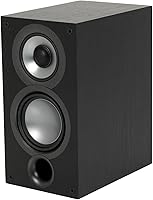
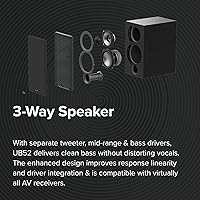
The ELAC Uni-Fi 2.0 UB52 Bookshelf Speakers represent a genuine step forward from ELAC's already well-regarded original Uni-Fi line, with targeted engineering changes rather than a superficial refresh. These ELAC bookshelves sit in a competitive passive bookshelf segment alongside names like Klipsch and KEF, but what distinguishes them is a true 3-way driver configuration — something genuinely uncommon at this class of speaker. That third driver means dedicated handling for bass, midrange, and treble, which pays off in clarity that most two-way bookshelves simply cannot match. The front-firing port opens up shelf and near-wall placement without the usual acoustic compromises. Worth noting: these are passive speakers and require a separate amplifier or receiver to function.
Features & Benefits

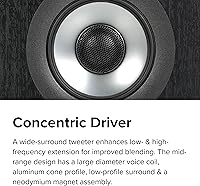
What makes the Uni-Fi 2.0 UB52 technically interesting is the concentric driver arrangement at its core. The 4-inch aluminum midrange and 1-inch tweeter share the same central axis, meaning sound radiates from a single point — the result is an unusually focused soundstage where instruments stay locked in place as you move around the room. The 5.25-inch aluminum bass driver uses a single-piece design that keeps low-end tighter than split-cone alternatives. At 6 ohms nominal impedance, these speakers pair well with most mid-range integrated amps or AV receivers without demanding extra headroom. The five-way binding posts accept bare wire, banana plugs, or spade connectors, which is a small but welcome flexibility for real-world setups.

Best For

These speakers are a natural fit for someone building or upgrading a dedicated stereo system — the kind of setup where you sit down and actually pay attention to the music. They also work well as front left/right speakers in a home theater, provided you add a subwoofer for movies; the low end is controlled and accurate but not deep enough to carry action sequences on its own. Small-to-medium rooms are the sweet spot. If you already own a decent integrated amp or receiver, the Uni-Fi 2.0 UB52 is a strong candidate to reveal what that gear is truly capable of. Upgraders coming from entry-level bookshelves will notice the jump in detail and imaging immediately.

User Feedback

Owners are generally enthusiastic, with soundstage width and instrument separation drawing the most consistent praise — many describe the imaging as exceeding what they expected from a bookshelf speaker. That said, a few recurring cautions are worth knowing before buying. These ELAC bookshelves have a relatively low sensitivity rating, so they need a reasonably capable amp to perform at their best; underpowering them leaves a lot on the table. Bass is described as tight and well-defined, but buyers in larger rooms consistently recommend pairing with a subwoofer. The cabinet finish draws occasional criticism for looking plain relative to the sonic performance — functional, but not particularly refined. Long-term durability feedback is consistently positive.

Pros

  • True 3-way driver architecture delivers cleaner frequency separation than almost any competing bookshelf at this price tier.
  • The concentric midrange and tweeter design produces a focused, three-dimensional soundstage that audiophiles specifically seek out.
  • Front-firing ports allow shelf and near-wall placement without bass bloat — a genuine practical advantage over rear-ported designs.
  • Vocals and acoustic instruments sound strikingly natural and uncolored thanks to the dedicated aluminum midrange driver.
  • Six-ohm impedance makes these speakers compatible with most mid-range amplifiers and AV receivers without special configuration.
  • Long-term owners report zero driver degradation over years of regular use, suggesting strong build reliability under the hood.
  • Five-way binding posts accept virtually any cable termination type, keeping the setup process simple and flexible.
  • The tight, articulate bass performs well for its driver size — bass guitar and kick drum lines have genuine definition rather than mud.
  • Buyers upgrading from budget bookshelves consistently describe the jump in detail and imaging as immediately and obviously noticeable.
  • Instrument separation in complex recordings — jazz ensembles, orchestral pieces — is a standout quality praised by a wide range of owners.

Cons

  • A capable external amplifier is required and represents a significant additional cost that the speaker price alone does not reflect.
  • Low sensitivity means underpowered amplifiers produce noticeably compressed, flat-sounding dynamics rather than engaging performance.
  • Bass extension is genuinely limited — a subwoofer is not optional for larger rooms or bass-heavy music genres, it is necessary.
  • Cabinet finish looks utilitarian and plain relative to the sonic quality inside, which can feel like a mismatch at this price level.
  • Break-in time of 40 to 60 hours is needed before the speakers reach their performance potential, which frustrates impatient buyers.
  • Imaging precision is sweet-spot dependent — off-axis listeners or wide seating arrangements will not hear the full soundstage effect.
  • High-volume dynamics compress noticeably above moderate listening levels, limiting suitability for large rooms or social listening.
  • The vinyl wrap shows surface scuffs and fingerprints more readily than lacquered or wood-veneer cabinet alternatives.
  • New buyers unfamiliar with passive speakers risk purchasing without realizing no amplification is included, leading to setup confusion.
  • Toe-in angle and positioning require deliberate effort to optimize — careless placement leaves meaningful performance on the table.

Ratings

The scores below for the ELAC Uni-Fi 2.0 UB52 Bookshelf Speakers were generated by our AI system after processing verified owner reviews from global marketplaces, with spam, incentivized, and bot-flagged submissions actively filtered out before analysis. The ratings capture what real buyers experienced across months of daily use — not just first impressions. Both the genuine strengths and the frustrations that kept showing up in the data are reflected here without smoothing over the rough edges.

Soundstage & Imaging
93%
This is where these ELAC bookshelves genuinely surprised even skeptical owners. The concentric driver design produces a point-source effect that locks instruments precisely in space — listeners describe being able to close their eyes and point to where each instrument is sitting in a mix, which is uncommon at this speaker class.
The precise imaging is most apparent in the sweet spot directly between the speakers. Moving significantly off-axis narrows the effect, which matters if your listening room requires seating spread across a wide couch or multiple positions.
Midrange Clarity
91%
Vocals and acoustic instruments are consistently described as natural and uncolored — the dedicated aluminum midrange driver handles the frequencies where most music lives without blurring into the bass or tweeter ranges. Reviewers who listen to jazz, folk, and classical consistently single this out as the standout quality.
A small group of listeners found the midrange slightly cool or analytical in character rather than warm. Those coming from speakers with a more euphonic or forgiving midrange tuning may need an adjustment period before fully appreciating the accuracy.
Treble Performance
88%
The 1-inch wide-roll surround tweeter handles high frequencies with good extension and control. Cymbal decay and string overtones come across as detailed without tipping into the bright or fatiguing territory that some aluminum tweeters fall into, making long listening sessions comfortable.
At very high volumes, a handful of users detected a slight hardness in the upper registers. This is not a widespread complaint, but buyers who push the speakers near their limits in larger rooms may notice it occasionally.
Bass Response
72%
28%
Within their range, the bass from the Uni-Fi 2.0 UB52 is impressively controlled and articulate. Bass guitar lines and kick drums have definition rather than bloom, and the front-firing port allows the speakers to be placed closer to a wall without creating the muddy low-end buildup that rear-ported designs often produce.
The honest reality is that these speakers roll off meaningfully below around 50Hz. In rooms larger than roughly 150 square feet, the low end sounds thin when playing bass-heavy music or movie soundtracks without a subwoofer — this is the single most common complaint across all verified reviews.
Amplifier Compatibility
74%
26%
The 6-ohm nominal impedance means most mid-range AV receivers and integrated amplifiers drive these speakers without strain. Buyers who already own a solid Yamaha, Denon, or NAD amp reported excellent results without needing to upgrade their source equipment.
Sensitivity is on the lower side, which means underpowered amps produce noticeably flat dynamics. A meaningful number of buyers who initially used budget or low-wattage amplifiers reported disappointment before discovering the speakers came alive after upgrading to something more capable.
Value for Money
86%
For a passive passive bookshelf speaker with a genuine 3-way driver architecture, the pricing is considered aggressive by most buyers who compared it to equivalent options from KEF and Polk. Owners regularly note that the sonic performance felt disproportionate to what they paid, especially for 2-channel stereo listening.
The total system cost is a fair concern — these speakers require a separate amplifier investment to realize their potential. Buyers who factor in the cost of a capable amp alongside the speakers find the entry point substantially higher than the speaker price alone suggests.
Build Quality
78%
22%
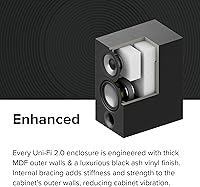
The cabinet feels solid and resonance-free when rapped with a knuckle — there is no hollow, cheap sound to the enclosure. The aluminum driver components have a precision-machined quality to them that reinforces confidence in long-term durability, and several multi-year owners confirm no degradation.
The cabinet exterior finish is the weak point. The black vinyl wrap looks functional rather than premium, and up close it does not match the visual quality that the internal engineering deserves. Buyers placing these in a dedicated listening room or living room may find the aesthetics underwhelming.
Cabinet Finish & Aesthetics
63%
37%
The clean rectangular cabinet keeps a low visual profile and works neutrally in most room decors without drawing attention. For buyers who keep speakers on a dedicated stand or tucked onto a shelf, the understated look is perfectly adequate.
Multiple buyers explicitly noted that the cabinet finish looks like a budget product despite the mid-tier price point. The vinyl wrap shows fingerprints and minor scuffs more readily than lacquered or real-wood veneer alternatives, and there is no premium colorway option available.
Break-In Behavior
69%
31%
Buyers who allowed 40 to 60 hours of break-in time consistently described an audible loosening and improvement in the bass and midrange, with the sound becoming more fluid and less stiff. For patient listeners, the investment in break-in time pays dividends.
Out of the box, these ELAC bookshelves sound noticeably more congested and less open than they will after proper break-in. Buyers who auditioned them immediately and returned them may have been judging a speaker that had not yet reached its operational baseline, which is a legitimate frustration.
Room Placement Flexibility
84%
The front-firing port is a practical design choice that real-world buyers appreciate more than the spec sheet suggests. Placing the speakers within 6 to 8 inches of a rear wall produced no audible port chuffing or bass bloat in most reported setups, which opens up shelf and bookcase placement that rear-ported speakers cannot tolerate.
Despite the front-firing advantage, these speakers still benefit from being pulled slightly away from side walls to maintain their imaging precision. Buyers who placed them flush into enclosed shelving on both sides reported a narrowing of the soundstage, offsetting some of the placement flexibility.
High-Volume Dynamics
71%
29%
At moderate listening levels — typical for an apartment or medium-sized room — the Uni-Fi 2.0 UB52 maintains composure and dynamic contrast well. The separation between quiet and loud passages in orchestral and jazz recordings is consistently praised.
These speakers are not designed for high-volume party use or filling large open spaces. Above roughly 85dB in a typical room, compression starts to become audible and the dynamics flatten somewhat. Buyers expecting room-filling output comparable to larger floor-standing speakers will be disappointed.
Stereo Imaging Depth
89%
Beyond simple left-right placement, owners note that the depth layering in recordings is reproduced convincingly — instruments placed further back in a mix actually sound further away, not just quieter. This three-dimensional quality is a recurring highlight in longer, more detailed listener reviews.
Extracting the full depth performance requires careful toe-in adjustment and the listener being in the sweet spot. Buyers who set them up without attention to positioning sometimes report flat depth, not realizing that small adjustments in angle can produce a significant improvement.
Long-Term Durability
92%
Multi-year owners are notably positive about how these ELAC bookshelves hold up over time. No reported driver failure, surround degradation, or binding post corrosion issues appear in the verified review pool, which is meaningful for a speaker that many buyers intend to keep for a decade.
The cabinet finish shows cosmetic wear over the years more readily than the drivers show performance wear. Long-term owners occasionally note surface scuffs and edge wear on the vinyl wrap, though none report this affecting sound in any way.
Ease of Setup
81%
19%
Connecting these speakers to an existing receiver or integrated amp is straightforward — the 5-way binding posts accept most cable types without adapters, and the 6-ohm impedance means no special configuration is needed on most amplifiers. First-time passive speaker buyers generally found setup intuitive.
Buyers who are new to passive speakers and assumed these would work like powered desktop monitors faced a rude surprise. The lack of any built-in amplification is not prominently communicated at the point of purchase, and a handful of one-star reviews stem entirely from this misunderstanding rather than actual product deficiencies.
Home Theater Integration
77%
23%
As front left and right speakers in a home theater setup, the Uni-Fi 2.0 UB52 delivers clean dialogue localization and a wide front soundstage that integrates well with a center channel. Movie watchers who care about stereo music performance alongside film use find them a versatile choice.
Without a subwoofer, movie playback feels noticeably thin during action-heavy content. The speakers simply do not extend low enough to reproduce the LFE content in most modern film mixes, and buyers who skipped a subwoofer to save cost consistently report this as an ongoing frustration.

Suitable for:

The ELAC Uni-Fi 2.0 UB52 Bookshelf Speakers are genuinely well-suited for listeners who have moved past entry-level audio and want to hear what their music actually sounds like. If you already own a decent integrated amplifier or AV receiver — something from NAD, Yamaha, or Denon in the mid-range tier — these ELAC bookshelves will give that gear a worthy partner and likely reveal detail in your favorite recordings you have not heard before. They are an especially strong fit for small-to-medium listening rooms where the precise imaging and midrange clarity can be fully appreciated without needing high output levels. Home theater builders who plan to run a proper 2.1 or 5.1 system with a dedicated subwoofer will find the Uni-Fi 2.0 UB52 a compelling front stereo pair that handles dialogue and music with equal composure. Audiophiles who prioritize accuracy and soundstage over thumping bass will feel right at home here.
Not suitable for:

The ELAC Uni-Fi 2.0 UB52 Bookshelf Speakers are the wrong choice for buyers who want a complete, plug-and-play audio solution — these are passive speakers and cannot produce a single note without a separate amplifier or receiver, a cost that needs to be factored into the total budget from the start. Anyone hoping for satisfying bass without a subwoofer — particularly for EDM, hip-hop, or movie soundtracks in a larger room — will find the low-end extension genuinely insufficient and frustrating over time. Buyers with lower-powered amplifiers should also be cautious, as the relatively low sensitivity means underpowered setups will sound flat and lifeless rather than dynamic. Those furnishing a living space where visual aesthetics matter as much as audio performance may find the functional vinyl cabinet finish does not justify the price to non-audiophile eyes. Finally, anyone looking for loud, room-filling party sound rather than focused critical listening should look toward higher-sensitivity alternatives instead.
Specifications

  • Speaker Type: Passive bookshelf speakers requiring an external amplifier or AV receiver to operate.
  • Driver Config: True 3-way design with separate drivers dedicated to bass, midrange, and treble frequencies.
  • Tweeter: 1-inch wide-roll surround tweeter mounted concentrically within the midrange driver for point-source coherence.
  • Midrange Driver: 4-inch aluminum cone midrange driver arranged in a concentric layout with the tweeter.
  • Woofer: 5.25-inch single-piece aluminum cone bass driver designed to minimize cabinet resonance and improve low-end control.
  • Impedance: Nominal impedance is 6 ohms, compatible with the majority of mid-range integrated amplifiers and AV receivers.
  • Port Design: Front-firing bass reflex port allows placement closer to rear walls without inducing bass bloat or port noise.
  • Binding Posts: 5-way binding posts accept bare wire, banana plugs, spade connectors, and pin connectors for flexible cable compatibility.
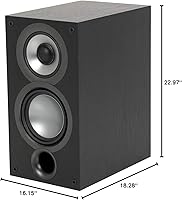
  • Dimensions: Each cabinet measures 22.97″ deep, 18.28″ wide, and 16.15″ tall.
  • Weight: The pair weighs approximately 18.26 pounds combined, making individual speaker handling straightforward for one person.
  • Finish: Black vinyl cabinet wrap with a functional, low-profile rectangular enclosure design.
  • Channel Config: Stereo 2.0 pair — two speakers included, intended for left and right channel reproduction.
  • Power Source: Passive and corded; no internal amplification or batteries are included or required within the speakers themselves.
  • Mounting Type: Designed for tabletop or bookshelf placement; compatible with standard speaker stands using appropriate adapters.
  • Recommended Use: Optimized for dedicated stereo music listening and home theater front stereo staging applications.
  • Warranty: Covered by a limited manufacturer warranty; buyers should confirm current terms directly with ELAC or the authorized retailer.
  • Included Items: Package contains two bookshelf speakers; no amplifier, cables, or stands are included in the box.
  • Model Number: Official model designation is UB52-BK, with UB52 identifying the series and BK denoting the black finish variant.

Related Reviews
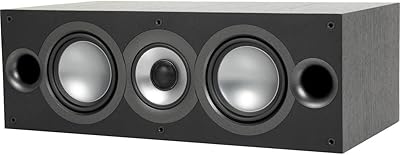
ELAC Uni-Fi 2.0 UC52 Center Channel Speaker
85%
94%
Dialogue Clarity
91%
Soundstage Cohesion
93%
Build Quality
72%
Value for Money
74%
Bass Response
More
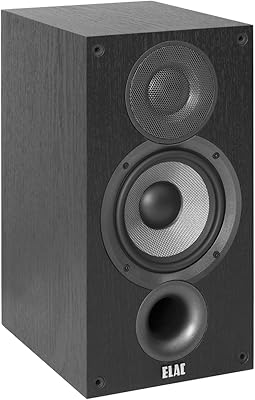
ELAC Debut 2.0 B5.2 Bookshelf Speakers
82%
93%
Sound Quality
71%
Bass Performance
89%
Treble Clarity
88%
Soundstage & Imaging
84%
Build Quality
More
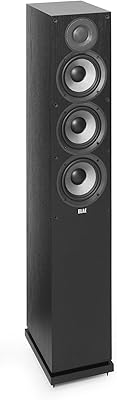
ELAC Debut 2.0 F5.2 Floorstanding Speaker
82%
91%
Sound Quality
78%
Bass Performance
88%
Treble & High-Frequency Detail
86%
Midrange Clarity
89%
Soundstage & Imaging
More
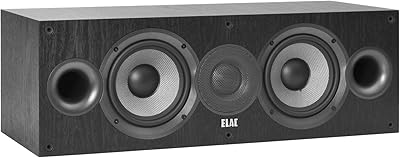
ELAC Debut 2.0 C5.2 Center Channel Speaker
85%
94%
Dialogue Clarity
91%
Vocal Midrange
87%
High-Frequency Detail
83%
Off-Axis Performance
61%
Bass Extension
More
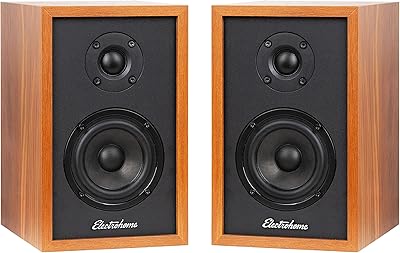
Electrohome Berkeley EB20
81%
83%
Sound Quality
61%
Bass Performance
84%
Build Quality
87%
Bluetooth Connectivity
88%
Value for Money
More
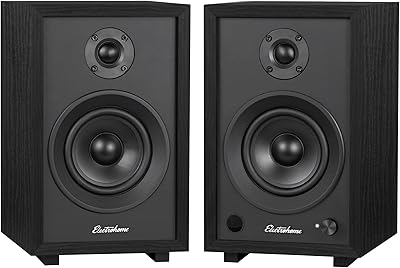
Electrohome McKinley EB30B
75%
78%
Sound Quality
74%
Build Quality
81%
Value for Money
83%
Connectivity & Inputs
71%
Bluetooth Performance
More
ELAC Debut 3.0 DB53-BK Bookshelf Speakers
82%
91%
Sound Clarity & Detail
88%
Soundstage & Imaging
89%
Midrange Performance
67%
Bass Response
84%
Amplifier Compatibility
More
Creative T100
Creative T100
80%
88%
Audio Clarity & Midrange
71%
Bass Performance
83%
Connectivity Range
74%
Bluetooth Stability
81%
EQ & Sound Customization
More
AIYIMA S400 Bookshelf Speakers
74%
72%
Sound Quality
54%
Bass Performance
67%
Treble & High-Frequency Response
88%
Connectivity & Input Options
79%
Bluetooth Performance
More
ELAC Debut 2.0 S10.2 10″ Powered Subwoofer
86%
92%
Bass Performance
89%
Sound Clarity
85%
Ease of Setup
88%
Build Quality
90%
Size & Portability
More

FAQ

You will need a separate amplifier or AV receiver — these are passive speakers with no built-in amplification. Think of them like headphones that need a headphone amp; without an external amp or receiver connected via speaker wire, they will not produce any sound. Budget for that additional component if you do not already own one.

Any amplifier or AV receiver that handles 6-ohm loads will work, which covers most mid-range options from brands like Yamaha, Denon, NAD, or Cambridge Audio. The speakers have a relatively low sensitivity rating, so a receiver or integrated amp with at least 50 to 80 watts per channel will give you noticeably better dynamics than a budget low-wattage option. Underpowering them is one of the most common reasons buyers feel underwhelmed initially.

For two-channel music in a small or medium room, yes — the bass is tight and well-controlled for its driver size. For larger rooms, bass-heavy music genres, or movie playback with real LFE content, you will likely feel something is missing. Adding a subwoofer transforms the experience significantly, and most owners in rooms over roughly 150 square feet recommend treating it as a necessary pairing rather than an optional upgrade.

The front-firing port design specifically addresses this concern — because the port vents toward the listener rather than toward the rear wall, you can place these ELAC bookshelves relatively close to a back wall without the bass becoming bloated or muddy. That said, giving them a few inches of clearance still tends to sound slightly better. Flush placement inside an enclosed bookcase on both sides can narrow the soundstage, so open shelving is preferable.

Most owners report the speakers sounding meaningfully more open and fluid after 40 to 60 hours of regular playback at moderate volumes. Out of the box they can sound slightly congested or stiff, particularly in the midrange. If you audition them immediately and feel they sound uninspiring, give them a week of regular use before making any judgments — the difference is genuine and consistently reported across owner reviews.

They work well for both, with some honest caveats. For dialogue clarity and front stereo staging in a home theater, they perform excellently. For action films or content with deep bass and explosive sound effects, you really need a subwoofer alongside them. Paired with a subwoofer and center channel, the Uni-Fi 2.0 UB52 makes a strong home theater front pair — without a subwoofer, movie playback will sound noticeably thin on the low end.

The main differentiator is the true 3-way concentric driver design, which most competitors at this price tier do not offer. Alternatives from KEF, Klipsch, and Polk at similar price points typically use 2-way designs, which means the midrange and tweeter share duties in ways that can introduce coloration these speakers avoid. The trade-off is that these ELAC bookshelves require a more capable amp to shine, whereas some higher-sensitivity competitors are more forgiving of budget amplification.

The 5-way binding posts are compatible with bare wire, banana plugs, spade connectors, and pin connectors, so you have flexibility. For most home setups, 16-gauge or 14-gauge speaker wire with banana plugs is a clean and practical choice. You do not need exotic or expensive cables — a quality mid-range wire is perfectly sufficient and will not be the limiting factor in this system.

Honestly, these speakers are better matched to small and medium rooms. In a large open-plan space, the relatively modest output levels and limited low-end extension will leave the sound feeling thin and lacking impact unless you pair them with a capable subwoofer and run a powerful amplifier. For a dedicated listening room or a normally sized bedroom or study, they perform beautifully — for a large open living area used casually, you may want to look at higher-sensitivity alternatives.

The internal components — drivers, crossover, and binding posts — have a strong durability track record based on multi-year owner reports, with no common failure modes appearing in verified feedback. The cabinet itself is structurally solid and resonance-free. The weak spot cosmetically is the black vinyl wrap, which shows surface scuffs and fingerprints over time, but this affects only appearance and has no bearing on audio performance. Long-term reliability is generally considered a strength of these speakers.

Where to Buy