Overview

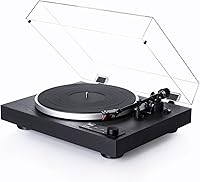
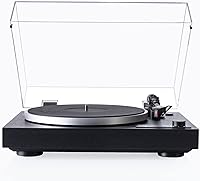
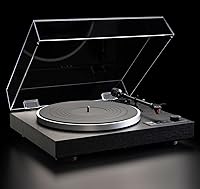
The Dual CS 429 is the kind of turntable that makes you appreciate what a brand with real engineering history can produce. Dual has been building precision audio equipment in Germany for decades, and that experience shows in how this machine is designed — not just to look good, but to perform reliably over time. It sits at a serious price point, targeting listeners who want fully automatic operation without compromising on build quality. Unboxing is straightforward: a dust cover is included, and the table is ready to use without much fuss. This is Dual's modern take on a proven formula.

Features & Benefits

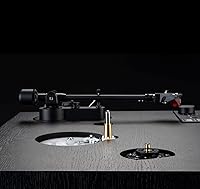
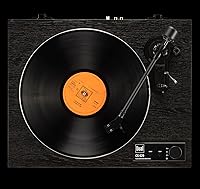
What sets this turntable apart from most in its class is the fully automatic tonearm, which lifts and returns at the push of a button. That might sound like a small convenience, but it matters quite a bit: every time the needle is lowered and raised with precision, you reduce wear on both your stylus and your records. The die-cast aluminum platter, paired with a heavy rubber mat, keeps playback stable and free from the micro-vibrations that plague lighter plastic platters. A solid MDF plinth with an internal vibration absorber adds another layer of isolation, and the DC motor holds consistent speed without drift. Solid, purposeful engineering throughout.

Best For

This automatic record player is a natural fit for vinyl collectors who want to put a record on and just listen — no hovering over the tonearm, no manual cueing, no worry about the needle dragging across the end of a side. It also makes a strong case for anyone upgrading from entry-level decks, where plastic platters and wobbly tonearms have been a persistent frustration. The build quality here rewards a pairing with powered speakers or a stereo amp, not a basic Bluetooth setup. And for older listeners or anyone who finds manual operation fiddly, the automatic mechanism is not a gimmick — it is genuinely useful.

User Feedback

Owners of this turntable are largely positive, with the automatic mechanism drawing the most consistent praise — buyers describe it as smooth and confident, not the flimsy kind found on cheaper tables. Sound quality is frequently called clean and well-balanced, particularly across the midrange, which suits vocal-heavy records well. The aluminum platter gets specific mentions for feeling and sounding more substantial than the plastic alternatives buyers had before. The main criticisms are minor: a handful of users flag that careful leveling during setup is essential, and a few noted that packaging could be sturdier. Not a perfect out-of-box experience, but long-term satisfaction runs high.

Pros

  • The fully automatic tonearm lifts and returns reliably, reducing stylus and record wear over hundreds of sessions.
  • Die-cast aluminum platter adds genuine mass and stability that cheaper plastic platters simply cannot replicate.
  • Internal vibration absorber in the plinth keeps playback clean even on resonant furniture or lively rooms.
  • Sound quality is balanced and natural, particularly strong in the midrange where most music actually lives.
  • DC motor holds consistent platter speed, so pitch-sensitive recordings like piano stay accurate and stable.
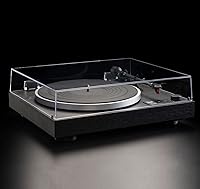
  • Dust cover is included in the box — a small thing that many competing tables at this tier omit.
  • Dual's engineering track record gives long-term buyers real confidence in durability and parts availability.
  • The CS 429 pairs well with a wide range of amplifiers and powered speakers already common in home setups.
  • Ball-bearing tonearm pivot delivers a controlled, deliberate needle drop that reduces anxiety during daily use.
  • Clean, modern aesthetic fits naturally on a shelf or rack without clashing with existing audio equipment.

Cons

  • No built-in phono preamp — buyers without a compatible amp input will need to budget for a separate one.
  • Setup instructions are underdeveloped and leave first-time owners without enough guidance on leveling and calibration.
  • The dust cover feels noticeably thinner and less premium than the rest of the build.
  • Unit-to-unit speed accuracy can vary slightly, making a strobe disc check advisable after unboxing.
  • Packaging has drawn criticism for not adequately protecting the unit during shipping.
  • Anti-skate and tracking force adjustments require patience; skipping them leads to inner-groove distortion.
  • No wood veneer or alternative finish options available for buyers who want a warmer visual aesthetic.
  • The automatic return, while reliable, can feel slightly abrupt compared to mechanisms on higher-priced competitors.
  • Brand recognition is lower in North American markets, which creates unnecessary hesitation for first-time Dual buyers.
  • At this price tier, buyers expecting zero learning curve may feel the setup demands more effort than anticipated.

Ratings

The Dual CS 429 has been evaluated by our AI system after parsing verified buyer reviews from multiple global markets, with spam, incentivized, and bot-generated feedback actively filtered out before scoring. What you see in each scorecard reflects the honest distribution of real user sentiment — strengths and frustrations weighted equally. The result is a transparent, balanced snapshot of how this automatic record player actually performs in everyday home listening situations.

Automatic Tonearm Operation
91%
For most buyers, the automatic mechanism is the single biggest reason to choose this turntable over comparable manual options. It lifts, lowers, and returns the arm with a confidence that owners describe as satisfying rather than mechanical — no hesitation, no scratching across the lead-out groove at the end of a side.
A small number of users found the auto-return speed slightly abrupt compared to high-end automatic decks. It is not a flaw that affects performance, but buyers accustomed to ultra-premium mechanisms may notice the difference after extended use.
Build Quality
88%
The combination of a solid MDF plinth and die-cast aluminum platter gives this turntable a physical presence that stands out clearly against plastic-heavy competitors. Buyers upgrading from budget tables consistently describe the moment they handle it as a noticeable step up in material quality and solidity.
The dust cover, while functional and included in the box, draws occasional criticism for feeling slightly less premium than the plinth and platter beneath it. A few users noted minor flex in the hinge over time, though no structural failures were widely reported.
Sound Quality
84%
Owners describe playback as clean, composed, and balanced — particularly strong in the midrange where vocals and acoustic instruments sit. The vibration isolation from the MDF plinth and rubber platter mat keeps the noise floor low, letting the music breathe rather than masking detail.
This is not positioned as a high-end audiophile reference deck, and critical listeners who push it with a high-output phono stage may find the top-end resolution leaves something to be desired. It performs best as a quality everyday listener, not as a component in a meticulous hi-fi chain.
Vibration & Interference Isolation
86%
The internal vibration absorber inside the plinth is one of those features that users rarely notice directly — which is exactly the point. Listeners report that even in rooms with wooden floors or nearby speaker vibration, the playback stays stable and free from acoustic feedback.
In particularly lively acoustic environments — thin shelving units, rooms with very loud speaker setups placed nearby — some users have noted that additional isolation feet or a dedicated support surface helps noticeably. The built-in isolation is good but not infallible under extreme conditions.
Speed Consistency
83%
The DC motor holds platter speed reliably across extended listening sessions, and buyers note that pitch stability on piano and sustained string recordings sounds natural without the wavering that plagues some belt-drive competitors. Long albums play through without audible drift.
A handful of users reported needing to verify speed accuracy with a strobe disc after initial setup, suggesting minor unit-to-unit variation at the factory. This is not uncommon in the category, but buyers who are particular about speed accuracy should budget time for that check.
Setup Experience
67%
33%
The turntable arrives with the dust cover and key components included, and the overall setup process is manageable for someone with basic turntable familiarity. Buyers who have owned a record player before generally report getting it running without major frustration.
First-time turntable owners and buyers who skipped careful leveling reported noticeably poorer tracking and playback quality. The setup instructions were flagged by multiple users as less clear than they could be, and the importance of precise leveling is undersold in the documentation.
Value for Money
78%
22%
At its price point, this automatic record player delivers a combination of German engineering heritage, real metal construction, and reliable automation that is genuinely difficult to replicate from newer budget brands. Buyers who understand what they are paying for tend to feel the investment holds up.
For casual listeners or buyers who have not owned a quality turntable before, the price can feel steep compared to flashier-looking entry-level alternatives. Those who expected plug-and-play simplicity without any setup investment occasionally felt the value proposition was harder to justify.
Platter & Mat Quality
87%
The die-cast aluminum platter with the heavy rubber mat is a genuine highlight that owners bring up repeatedly when comparing their experience to previous turntables. The added mass and grip reduce resonance perceptibly, and records sit flat and stable during playback.
The rubber mat, while effective, is a standard fitment rather than a precision-audiophile component. Buyers who swap it for an aftermarket felt or cork mat report marginal improvements, suggesting the stock mat does its job well without being exceptional.
Tonearm Smoothness
85%
The ball-bearing pivot mechanism draws specific praise from users who have previously dealt with tonearms that drag or drop too fast. The controlled descent onto the record feels deliberate, and owners credit it with reducing anxiety about stylus and record damage during daily use.
A couple of users noted that the anti-skate and tracking force adjustments, while present, require patience to dial in correctly. Those who set it and forget it without proper calibration occasionally reported inner-groove distortion, which is a setup issue rather than a hardware flaw.
Compatibility & Connectivity
76%
24%
The CS 429 pairs naturally with a wide range of stereo amplifiers and powered speakers, and most buyers found integration into an existing home audio setup straightforward. It works with both speakers and headphone amplifiers, making it reasonably flexible for different room configurations.
There is no built-in phono preamp, which catches some buyers off guard — particularly those connecting to a modern amplifier without a dedicated phono input. This is standard practice at this tier, but it is a real-world cost and complexity consideration that the product page does not make prominently clear.
Dust Cover Quality
69%
31%
The included dust cover does its job: it keeps the platter, mat, and stylus protected between sessions, and buyers appreciate not having to source one separately. For everyday protection from household dust, it is fully adequate and fits the table snugly.
The cover is the weakest-feeling component in an otherwise solid package. Multiple users flagged the plastic as thinner than expected at this price level, and hinge durability came up in a small but consistent number of longer-term reviews. Functional, but not a premium finish.
Aesthetics & Design
81%
19%
The all-black finish with the aluminum platter looks composed and purposeful on a shelf or rack, avoiding the fussy retro styling that some competing models lean on. Buyers consistently describe it as a design that fits naturally into a modern listening room without demanding attention.
For buyers who want a visually striking statement piece, the design is clean to the point of being understated. There are no wood veneer finishes or bold color options in this configuration, which may disappoint those who want the turntable to be a visual focal point.
Brand Reliability & Heritage
89%
Dual's German engineering track record carries real weight with buyers who have researched the market carefully. Repeat buyers and long-term Dual owners express strong confidence in the brand, and the CS 429 is widely seen as a continuation of that legacy rather than a departure from it.
For buyers new to the brand, the heritage argument requires some homework to appreciate. Dual does not have the same instant name recognition as some Japanese competitors in North American markets, which means first-time buyers sometimes need reassurance that the brand is worth the commitment.

Suitable for:

The Dual CS 429 is an excellent match for vinyl enthusiasts who have outgrown entry-level turntables and want something built to last without the complexity of a fully manual setup. If you spend real time with your record collection — playing albums start to finish, several sessions a week — the fully automatic tonearm is not just a comfort feature, it actively protects your stylus and records from the cumulative wear that manual missteps cause over time. It also makes a strong case for older listeners or anyone with dexterity limitations who finds precise manual cueing stressful or risky. Buyers who already own a stereo amplifier with a phono stage, or a quality pair of powered speakers, will get the most out of what this turntable can deliver sonically. And if you are the kind of person who researches a purchase carefully, values engineering heritage over marketing, and wants a table that holds its performance over years rather than months, this automatic record player sits in a very practical sweet spot.

Not suitable for:

The Dual CS 429 is not the right choice for buyers who want a fully plug-and-play experience with zero setup effort — proper leveling and tonearm calibration are essential, and skipping that step will result in underwhelming performance that has nothing to do with the hardware itself. It also will not work directly with a modern amplifier or receiver that lacks a dedicated phono input, meaning you will need either a separate phono preamp or a compatible amp, which adds cost and complexity that some buyers do not anticipate. Absolute budget shoppers will find the price harder to rationalize if they are not already committed vinyl listeners, since the benefits of solid construction and automation only make sense when you are using the table regularly with good upstream gear. Hardcore audiophiles chasing the last word in resolution or planning to run a high-end moving-coil cartridge will likely want to look further up the chain. And if you are drawn to visually expressive turntable designs — wood finishes, retro aesthetics, colorful styling — the clean, understated black presentation of this record player may feel too restrained for your taste.

Specifications

  • Brand: Manufactured by Dual Electronics, a German audio brand with a long-established history in precision turntable engineering.
  • Model: The model designation is CS 429, also referenced by the manufacturer code CS429BK.
  • Dimensions: The unit measures 17.32″ x 14.57″ x 5.91″, providing a footprint suitable for most standard audio shelving and racks.
  • Weight: The turntable weighs 17.31 pounds, reflecting the solid MDF plinth and die-cast aluminum platter construction.
  • Platter: Features a die-cast aluminum platter paired with a heavy rubber mat to reduce resonance and improve record stability during playback.
  • Plinth Material: The plinth is constructed from solid MDF (medium-density fiberboard) and includes an internal vibration absorber to isolate the stylus from external interference.
  • Tonearm Operation: The tonearm is fully automatic, lifting and returning to rest at the push of a button without requiring manual intervention.
  • Tonearm Pivot: The tonearm uses a ball-bearing pivot mechanism, enabling a smooth and controlled descent onto the record surface.
  • Motor Type: Driven by a DC motor, which maintains consistent platter speed and minimizes wow and flutter during playback.
  • Color: Available in Black, with a clean modern finish suited to contemporary home audio setups.
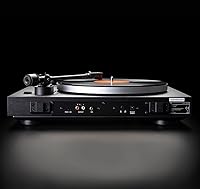
  • Compatibility: Compatible with standard stereo amplifiers, powered speakers, and headphone amplifiers; a separate phono preamp is required if the amplifier lacks a built-in phono stage.
  • Included Items: The package includes the turntable unit and a fitted dust cover to protect the platter, mat, and stylus between listening sessions.
  • Style: Described by the manufacturer as Modern in design, with an understated aesthetic that integrates cleanly into most listening room environments.
  • Availability: First made available for purchase on December 10, 2021, and has not been discontinued by the manufacturer.
  • Manufacturer: Produced and distributed by Dual Electronics, with the model designated for the North American and global consumer market.

Related Reviews
RØDE Wireless ME Dual
88%
96%
Ease of Use
94%
Audio Level Management
92%
Versatility & Connectivity
97%
Portability
84%
Wireless Range
More
HP 250 Dual Mouse
HP 250 Dual Mouse
83%
88%
Wireless Connectivity
94%
Battery Life
91%
Click Quietness
82%
Multi-Device Switching
79%
Ergonomics & Comfort
More
Thinkware Q200 Dual Dash Cam
84%
92%
Video Quality (2K Front & Rear)
89%
Night Vision Performance
85%
Wi-Fi Connectivity & Footage Management
78%
Ease of Setup
90%
Parking Mode Functionality
More
Westclox Dual Alarm Clock Radio
85%
88%
Display Clarity
92%
Ease of Use
79%
FM Radio Quality
94%
Battery Backup Reliability
90%
Dual Alarm Functionality
More
Meiqils 1080P Dual Dash Camera
84%
91%
Video Quality (1080P)
88%
Ease of Installation
85%
Night Vision Performance
80%
Build Quality
90%
G-Sensor Accuracy
More
Zimilar Dual Monitor Stand Riser
87%
88%
Ease of Assembly
92%
Ergonomics and Comfort
84%
Adjustability and Flexibility
91%
Sturdiness and Build Quality
85%
Space Efficiency
More
Dual Electronics MXD140B Marine Radio
85%
89%
Bluetooth Connectivity
92%
Value for Money
83%
Durability & Build Quality
81%
Sound Quality
85%
Ease of Use
More
Sanken CS-3e Shotgun Microphone
88%
94%
Audio Quality
91%
Build Quality
92%
Directional Sensitivity
85%
Value for Money
89%
Ease of Use
More
Radioddity CS-47 CB Radio
86%
88%
Audio Clarity
92%
Noise Reduction Performance
90%
Portability & Size
85%
Display Quality
89%
Ease of Use
More
Qonakism Dual HDMI Capture Card
83%
91%
Video Quality
88%
Ease of Use
94%
Setup/Installation
89%
Latency
84%
Build Quality
More

FAQ

No, the Dual CS 429 does not include a built-in phono preamp. You will need either an amplifier or receiver with a dedicated phono input, or a separate external phono stage. This is standard practice at this price tier, but it is worth confirming your existing gear is compatible before purchasing.

It is manageable, but not completely hands-off. You will need to level the turntable carefully, set the tracking force, and adjust the anti-skate before your first play. The included instructions are adequate but not especially detailed, so first-timers may want to supplement with online guides or video tutorials for their specific cartridge.

Not directly without additional equipment. This turntable outputs a standard phono-level signal, which needs to pass through a phono preamp before reaching most modern amplifiers, active speakers, or Bluetooth adapters. There are compact phono preamps available that can bridge this gap if your setup does not already include one.

The CS 429 ships with a standard cartridge installed, and the headshell is designed to accept compatible replacement cartridges if you want to upgrade down the line. Swapping cartridges is a common upgrade path for this type of turntable, and the ball-bearing tonearm is well-suited to a range of mid-weight cartridge options.

Based on user feedback, yes — the mechanism is consistently praised for being smooth and confident rather than flimsy. Dual has been engineering automatic tonearm systems for decades, and the CS 429 reflects that experience. As with any mechanical component, occasional servicing may be needed over many years of heavy use, but early failure is not a commonly reported issue.

Any stereo amplifier or integrated amp with a phono input will work well, as will powered bookshelf speakers connected through a phono preamp. This automatic record player rewards pairing with decent upstream gear — it will outperform a basic portable speaker setup and really comes into its own connected to a proper stereo system.

The stock rubber mat does its job well and is perfectly fine for everyday use. Some buyers eventually swap it for a felt or cork alternative to tweak the sound character slightly, but this is an optional upgrade rather than a necessity. Out of the box, the mat provides solid grip and decent resonance damping.

Every time a stylus is lowered onto a record manually, there is a small risk of dropping it too fast or landing off-center — and over hundreds of plays, that adds up to stylus wear and groove damage. The automatic system on this turntable lowers the needle in a controlled arc at a consistent speed and lifts it cleanly at the end of the side, removing that risk entirely from your daily listening routine.

Yes, this turntable supports both 33 and 45 RPM speeds, covering standard LPs and 7-inch singles. Speed switching is handled by the DC motor system, which maintains reliable consistency at both settings.

Keep the dust cover closed when the table is not in use — that alone handles most day-to-day maintenance. Clean the stylus regularly with a soft stylus brush, and wipe the rubber mat occasionally with a damp lint-free cloth. The aluminum platter can be wiped down with a dry cloth. Avoid using liquid cleaners near the motor or tonearm mechanism.