Overview

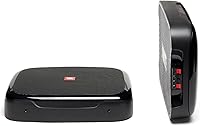
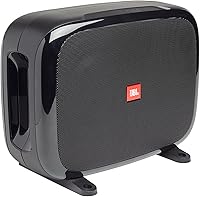
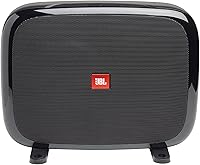
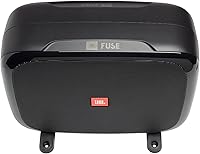
The JBL Fuse Dual 8″ Passive Car Subwoofer takes an interesting approach in the car audio market — cramming two 8-inch drivers into a single enclosure to squeeze more low-end output from a relatively compact footprint. It covers a frequency range of 30–200Hz, which is solid for most bass-heavy listening. One thing worth spelling out clearly upfront: this is a passive subwoofer, meaning there is no built-in amplifier. You will need to pair it with a separate amp, and that is a detail some buyers overlook until the box is already open. Sitting at a mid-range price point, this dual-driver sub lands between bare-bones budget boxes and pricier powered alternatives.
Features & Benefits

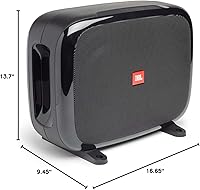
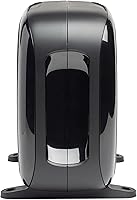
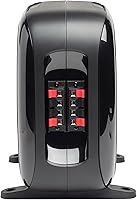
The JBL Fuse handles 200W RMS continuously, with peaks pushing up to 600W — a comfortable match for most mid-range aftermarket amplifiers. What makes the wiring setup genuinely useful is the dual impedance option: run both drivers in parallel and you get a 2-ohm load, or separate the enclosure sections for a 4-ohm configuration, giving you real flexibility depending on what your amp prefers. The enclosure measures roughly 9.5″ deep by 16.7″ wide and 13.7″ tall, workable for most trunk builds. Bass reaches down to 30Hz, though actual depth depends heavily on amplifier matching. Mounting feet and hardware are included, so installation day does not require a hardware store run.

Best For

This passive subwoofer box makes the most sense for car audio hobbyists who already own a dedicated amplifier — or are actively planning to buy one. If you are upgrading from a single-sub setup and want noticeably more presence in the low end without committing to a massive enclosure, this dual-driver sub fits that brief well. The compact all-in-one housing also suits smaller vehicles where trunk space is limited. That said, listeners chasing sub-20Hz subsonic rumble may be underwhelmed; the tuning leans toward tight, punchy output rather than bone-deep pressure. Anyone expecting a plug-and-play powered unit should look elsewhere — this one needs a proper amp to perform.

User Feedback

With 58 ratings and a 3.9 out of 5 overall score, the JBL Fuse sits in mixed but positive territory. Buyers who paired it correctly with a capable amplifier tend to be satisfied with the bass output relative to the enclosure size — that comes up repeatedly in favorable reviews. On the other side, a recurring frustration involves impedance wiring clarity, especially among those who did not realize this was a passive unit before purchasing. A few reviewers also raise questions about long-term build quality at higher volumes. With only 58 reviews total, the sample is small enough that a handful of outlier experiences can pull the average noticeably in either direction, so read individual accounts accordingly.

Pros

  • Dual 8-inch drivers in one enclosure deliver noticeably more bass output than a comparable single-sub box.
  • Flexible impedance options — 2 ohms parallel or 4 ohms split — make amplifier matching much less restrictive.
  • A 30–200Hz frequency response covers the full practical bass range for music listening in a car.
  • At 200W RMS continuous, the JBL Fuse handles power from most mid-range aftermarket amplifiers without complaint.
  • Compact enclosure footprint makes installation viable in smaller trunks where space is tight.
  • Mounting feet and hardware are included, so you are not scrambling for parts before install day.
  • JBL's car audio credibility means parts, support, and community knowledge are easy to find.
  • The passive design gives experienced builders precise control over amplifier selection and tuning.
  • Bass output-to-size ratio earns consistent praise from buyers who matched it with a capable amp.

Cons

  • Requires a separate amplifier purchase, which adds significant cost and complexity to the overall setup.
  • Impedance wiring options have confused a number of buyers, particularly those newer to passive subwoofer installs.
  • With only 58 reviews, the feedback pool is too small to draw reliable conclusions about long-term durability.
  • Real-world bass depth depends heavily on amplifier quality — underpowering it produces disappointing results.
  • Some users have raised concerns about build integrity at sustained high volume levels.
  • No built-in controls or signal processing means you rely entirely on your amplifier for tuning adjustments.
  • At 16 pounds the enclosure is reasonably heavy, which can complicate single-person installation in tight spaces.
  • Not suited for listeners who want ultra-deep subsonic output below 30Hz — the tuning prioritizes punch over depth.

Ratings

The scores below for the JBL Fuse Dual 8″ Passive Car Subwoofer were generated by our AI rating engine after analyzing verified buyer reviews from multiple global markets, with spam, bot-submitted, and incentivized feedback actively filtered out before scoring. Each category reflects the honest spread of real user experiences — the wins, the frustrations, and everything in between. Nothing has been smoothed over to make the numbers look cleaner than the actual feedback warrants.
Bass Output
78%
22%
Buyers who matched this dual-driver sub with a properly rated amplifier consistently noted that bass output exceeded their expectations for an enclosure this size. The dual 8-inch configuration punches noticeably harder than a comparable single-driver box, which made a real difference on longer commutes with bass-heavy playlists.
Output is highly dependent on amplifier quality and gain settings — underpowered pairings left some users underwhelmed. A few reviewers noted the bass felt tight and punchy rather than full and expansive, which is fine for rock or hip-hop but less satisfying for listeners chasing that deep, pressurized low-end feel.
Amplifier Compatibility
71%
29%
The dual impedance configuration — 2 ohms parallel or 4 ohms split — gives experienced builders genuine flexibility when matching an amp. Users who understood the wiring options appreciated not being locked into a single impedance scenario, which made integration with existing setups considerably easier.
This flexibility also became a source of confusion for buyers less familiar with passive subwoofer wiring. Several reviewers admitted they misread the impedance specs and had to rewire after initial setup, and a few felt the owner's manual did not do enough to guide them through the decision.
Build Quality
66%
34%
For a mid-range passive enclosure, the cabinet feels reasonably solid out of the box, and the black finish holds up well under normal trunk conditions. Most users reported no issues during the first months of ownership when the sub was run at sensible volume levels.
A recurring thread in negative reviews involves rattling or subtle panel resonance at sustained high volumes. While this is not universal, it appears often enough to raise questions about long-term durability under aggressive use — particularly for buyers planning to run the sub near its peak power rating regularly.
Value for Money
73%
27%
On a per-driver basis, this passive subwoofer box offers a reasonable deal compared to buying two separate enclosures. Buyers upgrading from budget single-sub setups reported a meaningful jump in performance without feeling the price tag was excessive for the JBL name attached.
The total cost of ownership is easy to underestimate — once you factor in a compatible amplifier and wiring kit, the overall spend climbs significantly. Buyers who went in expecting a complete solution for the sticker price felt the value proposition was less convincing than it initially appeared.
Ease of Installation
69%
31%
The inclusion of mounting feet, screws, and hardware in the box is a thoughtful touch that reduces the number of extra shopping trips before install day. Experienced car audio builders found the physical mounting process straightforward and appreciated the compact footprint relative to the driver count.
Wiring the passive setup correctly — especially choosing and configuring the right impedance — is not beginner-friendly. Several buyers with limited car audio experience reported needing help from a professional installer after struggling with the amp-matching process, which added unexpected cost and time to the project.
Enclosure Design
81%
19%
Fitting two 8-inch drivers into a single compact cabinet is genuinely useful for smaller vehicles and builds where trunk space cannot be sacrificed. The dimensions are practical enough that most mid-size sedan trunks can accommodate it without a complete reorganization of cargo space.
The enclosure is not ported in a way that maximizes deep bass extension, which is a deliberate tuning choice but one that limits its appeal for users who want that lower-register rumble. At 16 pounds, it is also heavy enough that solo installation in a tight trunk requires some planning.
Frequency Response
74%
26%
A 30–200Hz range covers all the practical bass content in modern music genres, from kick drums and bass guitar to the low synth layers in electronic tracks. Most daily listeners found the sub handled a wide variety of content without needing dramatic EQ adjustments.
The real-world floor of 30Hz is respectable but not exceptional, and actual extension to that point depends heavily on amplifier tuning and gain structure. Buyers expecting the sub to reproduce infrasonic content below that threshold will be disappointed — this is a music sub, not a home theater pressure generator.
Sound Clarity
72%
28%
At moderate listening volumes, the JBL Fuse delivers clean, defined bass with good transient response — notes feel distinct rather than muddy, which is something more discerning listeners picked up on and appreciated during extended listening sessions.
As volume climbs toward the upper end of the power range, some users reported a slight loss of definition, with bass becoming less articulate. Port noise at high output was also flagged by a small number of reviewers, though it was not a dominant complaint across the review pool.
Documentation & Setup Guidance
58%
42%
The included owner's manual covers the basic connection diagrams and impedance configurations, giving first-time buyers a starting reference point before they consult forums or YouTube for more detailed guidance.
Multiple reviewers described the manual as too brief given the complexity of passive subwoofer setup. The impedance wiring section in particular left buyers uncertain about which configuration was appropriate for their amplifier, contributing to a pattern of incorrect initial setups that required correction.
Brand Credibility
84%
JBL's long history in both consumer and professional audio carries real weight in the car audio community. Many buyers chose the JBL Fuse over lesser-known alternatives specifically because of brand confidence, and that trust generally held up through the ownership experience.
A handful of reviewers felt the JBL name set a quality expectation that this particular model did not fully meet, especially when comparing it to the brand's higher-tier car audio products. The mid-range positioning means some of that premium brand equity is not fully backed by premium component choices.
Packaging & Unboxing
76%
24%
The product arrived well-protected in most reported cases, and buyers appreciated that the included accessories were organized and complete. The out-of-box condition was cited positively across a majority of reviews, with no widespread reports of transit damage.
The packaging offers no real installation guide beyond the basic manual, and some buyers noted the box gave little indication that an external amplifier was required — a small label or callout to that effect would prevent a lot of post-purchase confusion.
Noise & Resonance at Volume
61%
39%
When properly installed with secure mounting and appropriate gain settings, the enclosure operates quietly with no unwanted vibrations. Buyers who took the time to mount the sub correctly and break it in gradually reported a clean listening experience across a range of music styles.
This is one of the more polarizing aspects of buyer feedback — a notable subset of reviewers encountered rattling or panel buzz during high-volume use, suggesting variance in enclosure consistency. Whether this reflects a quality control spread or improper installation is difficult to confirm from the review pool alone.
Impedance Flexibility
79%
21%
Having the option to choose between 2-ohm and 4-ohm operation without buying different hardware is a practical advantage that experienced installers genuinely value. It makes the passive subwoofer box viable across a wider range of amplifier models and configurations.
For less experienced buyers, this flexibility introduces complexity that feels more like a liability than a feature. Without clear guidance on which option to choose for a given amplifier, the dual-impedance design becomes a source of wiring errors rather than a selling point.

Suitable for:

The JBL Fuse Dual 8″ Passive Car Subwoofer is a strong fit for car audio enthusiasts who already have a dedicated amplifier in their setup — or who are budgeting for one as part of a broader system upgrade. If you are stepping up from a single subwoofer and want noticeably more bass presence without doubling your enclosure footprint, this dual-driver sub makes a compelling case for itself. It is particularly well-suited for compact or mid-size vehicles where trunk real estate is limited, since housing two drivers in one box is a genuine space-saver. Drivers who prefer the control and tunability of a passive system over the convenience of an all-in-one powered unit will appreciate the wiring flexibility that 2-ohm and 4-ohm impedance options provide. If punchy, musical bass is the goal rather than wall-shaking subsonic pressure, this passive subwoofer box is tuned with you in mind.
Not suitable for:

The JBL Fuse Dual 8″ Passive Car Subwoofer is a poor match for anyone who expects to plug it in and hear bass immediately — it is a passive unit and simply will not produce sound without a separate external amplifier. Buyers on a tight total budget should think carefully, since the cost of a compatible amp can push the overall system spend well beyond the price of the sub alone. Those chasing very deep, subsonic bass — the kind that pressurizes a cabin below 25Hz — may find the tuning too tight and punchy for their taste. If you are not comfortable with impedance wiring or do not want to deal with matching amp specifications, the setup learning curve could be frustrating. Casual listeners who want a simple, self-contained upgrade with minimal installation complexity would be better served by an active powered subwoofer instead.
Specifications

  • Brand: Manufactured by JBL, a long-established name in consumer and professional audio equipment.
  • Model Number: The official model identifier for this unit is SUBFUSEAM.
  • Driver Configuration: Houses two 8″ dynamic woofer drivers within a single shared enclosure.
  • Power Handling: Rated at 200W RMS continuous power handling, with a peak tolerance of 600W.
  • Impedance: Operates at 2 ohms when both drivers are wired in parallel, or 4 ohms when the enclosure is separated into twin chambers.
  • Frequency Response: Covers a bass range of 30Hz to 200Hz, suited for full low-frequency reproduction in car audio systems.
  • Amplifier Type: Passive design with no built-in amplifier; requires a compatible external car audio amplifier to operate.
  • Enclosure Dimensions: The cabinet measures 9.45″ deep, 16.65″ wide, and 13.7″ tall, designed for trunk or cargo area mounting.
  • Weight: The complete enclosure weighs 16 pounds, which is typical for a dual-driver ported sub box of this size.
  • Connectivity: Wired connection only; no wireless or Bluetooth signal input is supported.
  • Color: Available in a single black finish with no alternate color options listed.
  • Included Items: Package contains the subwoofer enclosure, two mounting feet, a bag of mounting screws, and a printed owner's manual.
  • Water Resistance: Not water resistant; the unit is intended strictly for enclosed, interior vehicle installations.
  • Warranty: Covered by a limited manufacturer's warranty from JBL; buyers should confirm specific terms at point of purchase.
  • Mounting Type: Designed for car mount installation using the included feet and hardware for stable placement.
  • Audio Driver Type: Uses a dynamic driver design, which is the standard approach for subwoofer bass reproduction in car audio applications.
  • Availability: First listed for sale in February 2020 and remains an active, non-discontinued product as of current records.

Related Reviews

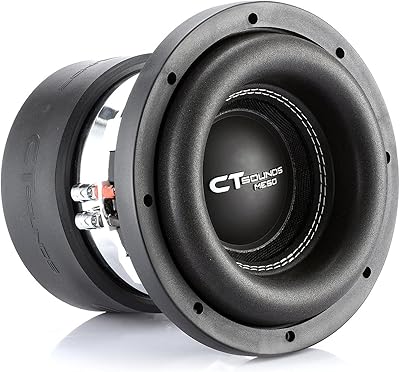
CT Sounds MESO-8-D4 8-Inch Dual 4 Ohm Car Subwoofer
87%
94%
Bass Performance
91%
Build Quality
88%
Sound Clarity at High Volumes
93%
Power Handling
84%
Ease of Integration
More
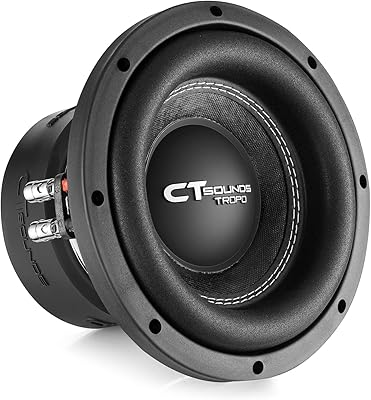
CT Sounds TROPO-8-D2 8-Inch Car Subwoofer
77%
91%
Value for Money
83%
Bass Quality
88%
Build Quality
67%
Enclosure Compatibility
71%
Amplifier Pairing
More
JBL 12″ Dual 4ohm DVC Car Subwoofer
83%
87%
Bass Performance
91%
Value for Money
82%
Ease of Installation
79%
Sound Quality at High Volume
85%
Build Quality
More
JBL Stage 82 8-inch Car Audio Subwoofer
86%
92%
Value for Money
88%
Bass Performance
85%
Durability and Build Quality
90%
Installation Ease
87%
Power Handling
More
Rockville DV8K52 Dual 8″ Enclosed Subwoofer System
74%
83%
Bass Output & Punch
76%
Build Quality
88%
Value for Money
91%
Ease of Installation
62%
Amplifier Compatibility
More
NVX VCW84v3 8-inch 1300W Dual 4-Ohm Car Subwoofer
87%
91%
Bass Performance
89%
Build Quality
84%
Installation Ease
87%
Amplifier Compatibility
92%
Durability
More
CT Sounds Bio 8-Inch Car Subwoofer
79%
78%
Bass Quality & Clarity
91%
Value for Money
74%
Build Quality
88%
Ease of Installation
72%
Power Handling
More
CT Sounds Bio 8” 600-Watt Dual 4-Ohm Car Subwoofer
84%
87%
Bass Performance
89%
Build Quality
72%
Ease of Installation
85%
Durability
84%
Sound Clarity
More
RECOIL RW8D2 Echo 8-Inch Car Subwoofer
79%
83%
Build Quality
79%
Sound Quality
91%
Value for Money
77%
Thermal Performance
88%
Installation Ease
More
Rockville RV8.2A Dual 8″ Car Subwoofer Kit
76%
88%
Value for Money
79%
Bass Output & Impact
91%
Ease of Installation
76%
Amplifier Performance
74%
Build Quality
More

FAQ

Yes, absolutely. The JBL Fuse Dual 8″ Passive Car Subwoofer has no built-in amplifier, so it will not produce any sound on its own. You need to connect it to a compatible external car audio amplifier to get it working. This is one of the most common points of confusion for first-time buyers, so make sure your amp budget is factored in before purchasing.
You want an amp that can deliver at least 200W RMS into either a 2-ohm or 4-ohm load, depending on how you wire the enclosure. If you run both drivers in parallel, the combined impedance drops to 2 ohms, so confirm your amp is stable at that load. A monoblock amplifier rated for 2-ohm operation is the most common and practical pairing for this dual-driver sub.

The enclosure can be configured two ways. When both drivers share the same chamber and are wired in parallel, the total impedance is 2 ohms, which typically draws more current and can yield more output from a capable amp. If you separate the enclosure into its two individual sections, each driver runs at 4 ohms independently. The right choice depends entirely on what your amplifier handles best.

It has a reasonable chance of fitting, but measure your space first. The enclosure is about 16.65″ wide, 13.7″ tall, and 9.45″ deep, which is not tiny but is more manageable than two separate single-sub boxes. Hatchbacks and smaller sedans with shallow trunks may be tight, so compare those dimensions against your available cargo area before committing.

For the vast majority of listeners and music genres, yes. Most bass-heavy tracks have significant content between 35Hz and 80Hz, so 30Hz covers that range well. Where things get subjective is if you specifically want infrasonic rumble below 25Hz — this dual-driver sub is not tuned for that. It leans toward tight, punchy bass rather than pressurized sub-bass, which suits most everyday listening preferences just fine.

If you have already installed car audio equipment before, this is a manageable DIY project. The enclosure comes with mounting feet and hardware, so the physical setup is simplified. The trickier part is correctly wiring it to your amplifier at the right impedance — if you are not confident with that step, having a car audio shop handle the wiring is money well spent.

You can use it with a factory head unit, but you will need your amplifier to handle the signal conversion. Many amps include a high-level input that accepts speaker-level signals directly from a factory radio, so an aftermarket head unit is not strictly required. That said, an aftermarket head unit with RCA preamp outputs gives you cleaner signal quality and more tuning control.

It is a reasonable trade-off rather than a clear winner. Two 8-inch drivers produce more combined cone area than a single 10-inch driver, which can translate to comparable or better output in some setups. However, a single quality 12-inch sub in a well-tuned ported box may still produce deeper extension. The real advantage of this passive subwoofer box is the space efficiency of a dual-driver configuration in one compact cabinet.

The review pool for the JBL Fuse is still relatively small — around 58 ratings — so it is hard to draw firm conclusions about long-term reliability. A handful of reviewers have raised questions about build quality at sustained high volumes, including some mention of rattling. It is worth keeping the volume and gain within reasonable limits during break-in and monitoring for any unusual noise early on.

The enclosure, mounting hardware, and manual are all included, so you have the physical components covered. What is not included is speaker wire, RCA cables, an amplifier wiring kit, or the amplifier itself — all of which you will need to source separately. Budget and plan for those additional components before install day to avoid any last-minute scrambling.

Where to Buy