Overview

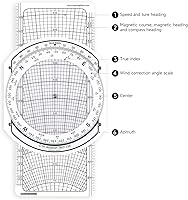
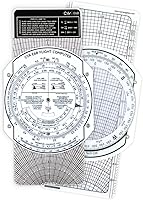
The CYA E6B Plastic Aviation Flight Computer is one of those tools every student pilot eventually encounters — and for good reason. The E6B slide rule has been a staple of flight training for decades, and this plastic version makes it accessible without a steep investment. What sets this particular model apart is its upgraded white dial, which offers noticeably better contrast and readability compared to older gray or beige designs. Pair it with a kneeboard and a plotter, and you have a solid analog navigation kit ready for cross-country planning sessions or pre-flight briefings.
Features & Benefits

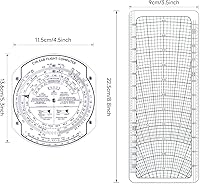
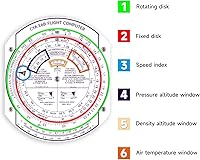
The white dial is the first thing you notice when pulling this flight computer out of the packaging — the markings are clean and easy to follow under cockpit lighting or at a desk. At under 3 ounces and roughly 11.8 by 4.7 inches, it fits standard kneeboard slots without any awkward trimming. The Sandwich Line construction helps the edges hold up better than typical budget plastic tools tend to. No batteries needed — this is pure mechanical operation, covering wind correction, true airspeed, fuel burn, and density altitude without any power source at all.

Best For

This pilot calculator is squarely aimed at student pilots working toward their PPL or instrument rating. If you are sitting the FAA written exam, you need analog E6B proficiency regardless of what app you use in the cockpit — and this is a cost-effective way to build that skill. Flight schools will also appreciate having something affordable enough to replace without much fuss when gear goes missing. Pilots who already fly with an EFB but want a reliable analog backup will find this fits that role well. It also works cleanly alongside VFR sectional charts and IFR approach workflows.

User Feedback

With a 4.1-star average across a relatively small pool of reviews, the overall picture for this flight computer is positive but measured. Buyers tend to appreciate the clear dial markings and the value it offers at its price point — those seem to be the most consistent highlights. On the flip side, some users note that the plastic construction, while functional, does not feel as precise or substantial as a metal E6B. A few first-time users mention a learning curve getting comfortable with E6B mechanics in general, which is worth noting as a training consideration rather than a product flaw. Long-term durability remains an open question given the limited review history.

Pros

  • The upgraded white dial makes scale markings noticeably easier to read compared to older or budget competitors.
  • No batteries required — the mechanical slide-rule design works anywhere, anytime.
  • At under 3 ounces, this flight computer adds almost no weight to a flight bag.
  • Covers all core pilot calculations including wind correction, fuel burn, and density altitude.
  • Standard E6B sizing means instructors and students are immediately familiar with the layout.
  • Affordable enough that replacing a damaged or lost unit does not sting.
  • Compatible with common kneeboards and fixed plotters without any adjustments needed.
  • The Sandwich Line construction offers better edge durability than basic single-layer plastic tools.
  • A practical choice for FAA written exam prep where analog E6B skills are still tested.

Cons

  • Plastic construction lacks the precision feel and rigidity of metal E6B alternatives.
  • Scale accuracy may be slightly less consistent than higher-grade analog calculators.
  • Only 22 user reviews make it difficult to draw firm conclusions about long-term reliability.
  • The plastic body can flex slightly under pressure, which may affect fine-scale readings.
  • Not ideal for pilots who need a rugged daily-use tool rather than a training aid.
  • No carrying case or protective sleeve is included, leaving the dial exposed in a bag.
  • First-time E6B users will face a learning curve that the tool itself does nothing to address.
  • Finish and print quality on plastic dials can degrade faster than on metal under frequent use.

Ratings

Our AI rating system analyzed verified buyer reviews for the CYA E6B Plastic Aviation Flight Computer from multiple global sources, actively filtering out incentivized, bot-generated, and unverified submissions to ensure the scores reflect genuine user experiences. Both the strengths and frustrations real pilots encountered are transparently reflected in each category below — nothing has been softened to favor the product.

Value for Money
88%
For student pilots on a tight training budget, this pilot calculator delivers a strong set of functions at a price that makes it easy to justify. Reviewers consistently cited it as one of the better affordable options for PPL prep without feeling like a throwaway purchase.
A few buyers noted that once you start comparing it side-by-side with mid-range metal alternatives, the price gap starts to feel less significant — making the value case slightly weaker for pilots who plan to use an E6B beyond basic training.
Readability
84%
The upgraded white dial received consistent praise for making scale markings easier to follow, especially during timed ground study sessions. Students working through wind correction problems under exam conditions appreciated having clear, high-contrast numbers to reference quickly.
A small number of users found that finer graduation marks on the inner scales were still slightly difficult to read in low-light cockpit environments, suggesting the improvement is meaningful but not perfect across all conditions.
Build Quality
63%
37%
The Sandwich Line edge construction does offer a modest improvement over basic single-layer plastic competitors — edges feel less likely to split or fray with normal handling. For a plastic tool at this price tier, it holds together reasonably well through a standard training course.
Compared to a metal E6B, the flex and feel of the plastic body is noticeably less substantial, and some reviewers flagged that the disc rotates with slightly less tactile precision than they expected. Long-term durability beyond a single training cycle remains an open question.
Portability
91%
At under 3 ounces and just 0.2 inches thick, this flight computer practically disappears into a flight bag or kneeboard sleeve. Pilots doing frequent cross-country planning appreciated not having to dedicate meaningful bag space or weight allowance to carrying it.
The slim profile is a genuine advantage but also means there is nothing robust protecting the dial surface in transit — without a sleeve or case, the face can pick up fine scratches fairly quickly when stored loosely with other gear.
Scale Accuracy
67%
33%
For student-level calculations — standard wind triangles, fuel burn estimates, basic TAS corrections — the scales perform adequately and return results that align well enough for training and exam purposes. Most reviewers had no issues using it for FAA written exam prep.
Users who cross-checked results against a precision metal E6B or digital calculator occasionally noted small but consistent discrepancies on finer scale readings, which suggests the printed scale tolerances are not as tight as professional-grade tools.
Ease of Use
74%
26%
The layout follows the widely recognized standard E6B format, meaning any student who has watched a ground school walkthrough or used a different E6B brand will feel oriented immediately. The white dial makes it marginally easier to track calculations than older off-white designs.
Several first-time E6B buyers noted a steeper learning curve than they anticipated — though this is a function of the E6B format itself rather than this specific tool. The product ships with no instructional guide, leaving new users to find tutorials independently.
Kneeboard Compatibility
86%
The standard 11.81 x 4.72-inch footprint fits cleanly into the sleeve pockets of most aviation kneeboards without trimming or adjustment, which instructors and students both appreciated during pre-flight briefings and in-cockpit use.
The lack of any included protective sleeve or clip means the tool has to sit loose inside a kneeboard pocket, and a few users noted it shifted around more than preferred during flight when turbulence or movement was involved.
Mechanical Reliability
82%
18%
As a fully mechanical device with no electronic components, this pilot calculator is immune to battery failure, software glitches, or screen damage — a meaningful advantage in training environments where reliability matters more than features. Reviewers appreciated the straightforward mechanical operation.
The rotating disc on some units was reported to feel slightly loose or inconsistently tensioned out of the box, which can make it harder to hold a precise setting during multi-step calculations without the disc slipping unintentionally.
Functional Coverage
83%
Wind correction, true airspeed, density altitude, fuel burn, time-speed-distance — the full core E6B function set is present and usable. For the vast majority of student and recreational pilot needs, nothing critical is missing from the calculation toolkit.
The tool does not extend into any advanced or supplementary functions that some higher-end E6Bs include, and the dual-sided layout can feel slightly cramped when working through multi-variable calculations that require frequent reference switching.
Exam Suitability
89%
Being a non-programmable mechanical device, this flight computer is fully permitted during FAA knowledge tests, which was a key purchase driver for many reviewers. Students preparing for both the private pilot and instrument rating written exams found it fit the testing context well.
Some users noted that the slightly inconsistent scale tolerances created minor anxiety during timed exam scenarios where precision matters — not a dealbreaker, but worth practicing with extensively before sitting a real exam.
Instructor Recommendation Likelihood
77%
23%
Several reviews came from students who purchased this tool on the recommendation of a CFI looking for an affordable class tool. Its standard format and familiar layout make it easy to teach with, and the low price reduces friction when recommending it to a whole cohort of students.
Instructors who have used higher-quality metal E6Bs for years may hesitate to recommend plastic alternatives for students they expect to progress quickly, knowing that a second purchase of a better tool is likely once training intensifies.
Longevity
57%
43%
For pilots using it through a single training course or exam cycle, the plastic E6B holds up acceptably well with reasonable care. Keeping it stored flat in a sleeve and avoiding heavy pressure on the dial extends its usable life noticeably.
The review pool is still small and relatively new, so there is limited data on how this specific unit performs after a year or more of regular use. Plastic dials and printed scales tend to show wear, fading, and precision loss faster than aluminum equivalents under sustained use.

Suitable for:

The CYA E6B Plastic Aviation Flight Computer is a natural fit for student pilots working through their private pilot or instrument rating training, particularly those who need an affordable, exam-legal tool to practice analog navigation calculations. FAA written exams still require candidates to demonstrate E6B proficiency, so having a dedicated physical calculator — rather than relying solely on an app — is a practical necessity, not just a nice-to-have. Flight schools will find this especially useful as a recommended starter tool; at this price point, replacing a lost or worn-out unit is not a significant budget concern. Pilots who already fly with an electronic flight bag but want a mechanical backup for situations where a tablet battery dies or a device malfunctions will also get real value from keeping this pilot calculator in their bag. It pairs naturally with VFR sectional charts and IFR approach plate workflows, slotting into a kneeboard setup without any modification.
Not suitable for:

The CYA E6B Plastic Aviation Flight Computer is not the right choice for pilots who want a precision instrument they plan to use heavily over many years of active flying. Plastic E6Bs, regardless of construction quality, simply cannot match the tactile feedback, scale precision, or long-term durability of a well-made metal alternative — and experienced pilots who have used both will notice the difference quickly. If you are a working commercial pilot or someone who routinely depends on an E6B for real-world flight planning rather than training exercises, investing in a higher-grade metal model makes more sense. The relatively small number of user reviews also means there is limited long-term data on how this specific unit holds up after sustained daily use. Buyers who are highly sensitive to build quality or who find flimsy-feeling tools frustrating may want to step up to a sturdier option before committing.

Specifications

  • Brand: Manufactured by CYA, a brand focused on aviation training tools and pilot accessories.
  • Model Number: The official model identifier is E6B-PLASTIC.
  • Dimensions: The unit measures 11.81 x 4.72 x 0.2 inches, matching standard E6B sizing used across most flight training programs.
  • Weight: This flight computer weighs 2.68 ounces, making it one of the lighter options in its category.
  • Material: Constructed from high-quality plastic with a Sandwich Line edge design intended to reduce wear and delamination.
  • Dial Design: Features an upgraded white dial with a built-in scale for improved contrast and readability during calculations.
  • Power Source: No batteries or charging are required; all functions operate through purely mechanical slide-rule movement.
  • Core Functions: Covers wind correction angle, true airspeed, fuel consumption, density altitude, and time-speed-distance calculations.
  • Compatibility: Designed to work alongside VFR and IFR kneeboards as well as fixed plotters without modification.
  • Use Case: Intended primarily for flight training, FAA written exam preparation, and pre-flight planning exercises.
  • Availability: First listed for sale in April 2023.
  • User Rating: Holds a 4.1 out of 5 star average rating based on 22 customer reviews at time of writing.
  • Reference Size: The slide rule face spans approximately 11 inches, providing adequate room for precise scale readings.
  • Portability: The slim 0.2-inch profile allows this pilot calculator to slide easily into a flight bag sleeve or kneeboard pocket.
  • Exam Legal: As a non-electronic mechanical calculator, it is permitted for use during FAA knowledge tests where electronic devices are restricted.

Related Reviews
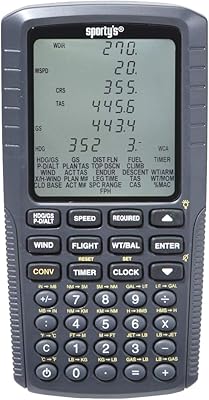
Sporty's E6B Electronic Flight Computer
79%
96%
FAA Exam Compliance
91%
Calculation Accuracy
88%
Feature Breadth
67%
Ease of Learning
74%
Build Quality
More
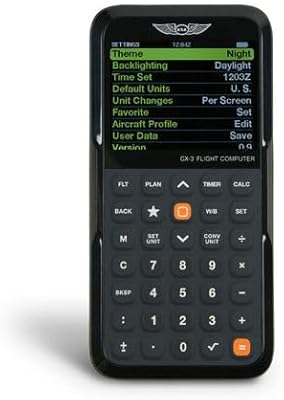
ASA CX-3 Electronic Flight Computer
82%
93%
Calculation Accuracy
91%
Exam Readiness
88%
Menu & Navigation
86%
Screen Readability
89%
Portability & Form Factor
More
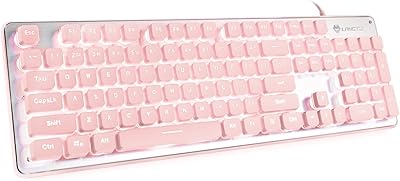
LANGTU 104-Key Membrane Keyboard
72%
74%
Build Quality
61%
Typing Feel
83%
Backlight Quality
79%
Keycap Durability
82%
Value for Money
More
Sanyun SW203
Sanyun SW203
80%
86%
Sound Clarity
63%
Bass Response
82%
Soundstage & Imaging
91%
Connectivity & Input Options
78%
Bluetooth Stability
More
GOgroove UB3 Computer Speakers
79%
78%
Sound Clarity
54%
Bass Performance
61%
Maximum Volume
91%
Headphone Port Convenience
94%
Setup & Ease of Use
More
Bluedee SK010
Bluedee SK010
84%
94%
Space Efficiency
89%
Bluetooth Connectivity
82%
Mid and High Frequency Clarity
54%
Bass Response
91%
Cable Management
More
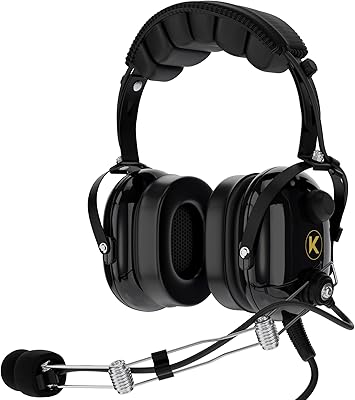
GOgroove UB2 Computer Speakers
72%
74%
Audio Clarity
51%
Bass Performance
93%
Setup & Ease of Use
57%
Build Quality
78%
Value for Money
More
Smalody 7080BL Computer Soundbar
80%
94%
Ease of Installation
91%
Value for Money
88%
Physical Control Layout
93%
Space Efficiency
41%
Bass Performance
More
LENRUE G11 Computer Speakers
86%
83%
Sound Quality
94%
Ease of Setup
90%
Value for Money
88%
Design & Build Quality
85%
Lighting Features
More
Pinsliee K8 RGB PC Speaker
73%
62%
Sound Quality
88%
RGB Lighting
81%
Value for Money
93%
Ease of Setup
67%
Build Quality
More

FAQ

Yes, mechanical E6B flight computers are permitted during FAA knowledge tests because they are not programmable electronic devices. This pilot calculator operates entirely on physical slide-rule mechanics, so there is no digital component that would trigger exam restrictions. That said, always confirm the current rules with your testing center before your exam date.

No batteries at all. The entire tool is mechanical — you rotate the disc and slide the wind correction window manually. That also means it works reliably in the cockpit without worrying about a dead battery at a critical moment.

The honest answer is that a metal E6B will feel sturdier, hold its shape better under repeated use, and often has tighter scale tolerances. The plastic E6B trades some of that robustness for a much lower cost, which makes it a reasonable choice for students who are still learning and may upgrade later. For daily professional use, metal is the better long-term investment.

Absolutely. The functions on this flight computer — wind correction, fuel burn, altitude calculations — are just as relevant for instrument students as for VFR trainees. It pairs well with IFR approach plate workflows and kneeboard setups used during instrument ground study.

Yes, its dimensions of 11.81 x 4.72 inches and 0.2-inch thickness are consistent with standard E6B sizing, which most kneeboards are designed to accommodate. You should not need to trim or modify anything.

There definitely is, and that is completely normal. The E6B is a multi-function analog tool that takes some practice before it feels intuitive. Most student pilots spend a few sessions with instructional videos or their CFI before the calculations start to click. The tool itself does not come with a tutorial guide, so plan to use external resources like YouTube walkthroughs or your ground school materials.

It is a reasonable option for that purpose. The low cost per unit means replacing lost or damaged tools does not create a significant budget issue, and the standard sizing means students can swap between units without relearning the layout. Just keep in mind that plastic tools do show wear faster in high-turnover shared environments.

You can technically use it in the cockpit, and many student pilots do during training flights. In practice, most working pilots rely on GPS and electronic flight bag apps for real-time navigation. The plastic E6B is most valuable as a training and exam tool, but it functions fine as an analog backup during flight if needed.

The Sandwich Line construction does add some edge durability compared to basic single-layer plastic alternatives, but plastic has its limits regardless. With regular but careful use it should hold up through a full training course. Storing it flat in a sleeve rather than loose in a bag will help extend its life.

Based on available product information, no protective case or sleeve is included in the package. If you plan to carry it daily, it is worth picking up a simple document sleeve or slipping it into your kneeboard to protect the dial surface from scratching.