Overview

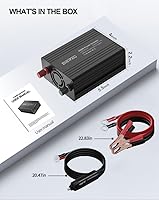
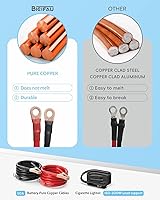
The BieiFAU 600W Car Power Inverter is a compact 12V DC to 110V AC unit that arrived in early 2025, targeting road-trippers, campers, and anyone who needs reliable power away from the grid. One thing worth understanding upfront: the cigarette lighter connection tops out around 150W in real-world use, so the full 600W capacity only kicks in when you connect directly to your battery via the included alligator clips. Despite packing dual AC outlets plus both USB-C and USB-A ports, this car inverter weighs under 20 ounces thanks to its aluminum alloy shell. It runs a modified sine wave, which is fine for most everyday electronics but worth keeping in mind for sensitive gear.

Features & Benefits

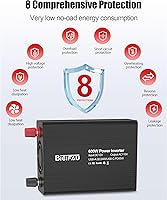
The 65W USB-C port is genuinely useful here — it can fast-charge a modern laptop or phone at full speed without needing a separate power brick. The cooling fan is temperature-controlled, meaning it stays quiet during lighter tasks and only ramps up when the inverter is working hard. A 1000W peak surge rating gives it breathing room for brief spikes, like a small pump motor starting up. The multi-layer protection system guards against overloads, short circuits, overheating, and voltage issues in both directions, and a red LED indicator lights up instantly if something goes wrong. At over 96% efficiency, this 600W inverter wastes very little energy in the conversion process, which matters when drawing from a car battery.

Best For

This car inverter is a natural fit for anyone who spends real time in their vehicle — weekend campers, overlanders, and long-haul drivers who need to keep laptops, cameras, or drones charged without hunting for outlets. It also works well as a compact emergency backup tucked into a go-bag or the back of an SUV, ready if the power goes out at home or on the road. Commuters juggling multiple car chargers will appreciate one device covering AC, USB-C, and USB-A simultaneously. That said, users who need to run CPAP machines or audio equipment should check compatibility first, since the modified sine wave output can cause problems with certain sensitive or medical-grade devices.

User Feedback

Buyers generally respond well to the BieiFAU inverter, with most praise landing on the fast USB-C charging and the fan staying impressively quiet under normal use. The aluminum build gets consistent positive mentions for feeling solid relative to what you are paying. On the critical side, a few users have noted that sustained loads near the 600W ceiling generate noticeable heat, and some found the red warning light tripped unexpectedly during otherwise normal operation. There are also occasional reports that the LED warning system is not always clear about which specific fault triggered it. Since the product is relatively new, long-term durability remains an open question worth keeping in mind.

Pros

  • The 65W USB-C port fast-charges modern laptops and phones without needing a separate adapter.
  • Dual AC outlets let you power two devices simultaneously, which is rarely available at this price point.
  • The temperature-controlled fan stays genuinely quiet during light loads, unlike many budget inverters.
  • At under 20 ounces, this car inverter is easy to toss in a backpack or stow in a glove box.
  • The aluminum alloy casing feels noticeably more solid than plastic-bodied competitors in the same range.
  • A 1000W peak surge rating handles brief motor startups without tripping the protection system.
  • Multi-layer protection covers overloads, short circuits, overheating, and voltage faults in both directions.
  • The dual connection modes give you flexibility: lighter socket for convenience, battery clips for full power.
  • Above-96% efficiency means minimal energy wasted when drawing from your car battery.
  • The red LED warning light provides instant visual confirmation when a fault is detected.

Cons

  • The cigarette lighter connection hard-caps real output near 150W, far below the headline 600W figure.
  • Modified sine wave power can cause buzzing, inefficiency, or damage with sensitive or medical devices.
  • Sustained loads near maximum capacity generate significant heat, which may concern users on long trips.
  • The warning LED does not clearly indicate which specific fault triggered it, making troubleshooting guesswork.
  • As a brand new to the market, long-term durability data is essentially nonexistent.
  • Switching between lighter and clip connections requires some setup and is not a quick on-the-fly change.
  • The alligator clip method requires hood access and some comfort working near a car battery.
  • No carrying case or storage pouch is included, which matters for a product marketed as portable.

Ratings

The scores below for the BieiFAU 600W Car Power Inverter were generated by our AI engine after analyzing verified buyer reviews from global marketplaces, with spam, incentivized, and bot-flagged submissions actively filtered out before scoring. Each category reflects the honest distribution of user sentiment — strengths are credited where earned, and recurring frustrations are weighted accordingly. Nothing here is padded; if buyers consistently ran into a limitation, that reality shows up in the number.

Value for Money
83%
Buyers frequently note that this car inverter punches above its price bracket, particularly given the inclusion of a 65W USB-C port and dual AC outlets that competitors often reserve for pricier units. For road-trippers and occasional campers who need reliable charging without a large investment, the overall package feels well-calibrated to the cost.
A handful of users feel the value calculation shifts once they factor in that the cigarette lighter connection caps real output at around 150W — meaning to get full rated power, you need to work under the hood with alligator clips. For buyers who want plug-and-play 600W convenience, the gap between expectation and reality stings a bit.
Charging Performance
88%
The 65W USB-C port is the standout here — users charging MacBooks, Dell laptops, and USB-C phones report speeds that match or closely approach their original chargers, which is genuinely useful during long commutes or remote work sessions in a vehicle. The 24W USB-A port also handles phones quickly without requiring a separate adapter.
When multiple high-draw devices are running simultaneously through the AC outlets, some users notice charging speeds drop and the unit runs warmer than expected. The cigarette lighter ceiling means anyone trying to power a laptop through the AC socket rather than USB-C may hit a wall faster than anticipated.
Build Quality
79%
21%
The aluminum alloy casing earns consistent praise from buyers who have owned cheaper plastic-bodied inverters before — it feels noticeably more solid and dissipates heat more effectively during extended use. Several users specifically mention it holds up well rattling around in a truck cab or a packed camping bag.
Being a brand launched in early 2025, there is simply not enough long-term ownership data to rate durability with full confidence. A small number of buyers have reported that the casing shows minor surface wear faster than expected, and the lack of multi-year reviews means longevity remains an open question.
Noise Level
84%
During light loads — a phone charge here, a laptop topping off there — the fan stays off or barely whispers, which matters a lot when you are working in a quiet car or trying not to disturb a sleeping passenger. Most users in this use case report the inverter is essentially inaudible.
Push it toward its upper capacity and the fan spins up to a level that some users describe as noticeable in a smaller vehicle cabin. It is not loud by inverter standards, but buyers expecting near-silent operation at high wattage may find it mildly distracting on otherwise quiet drives.
Power Output Accuracy
71%
29%
When connected via alligator clips directly to the battery, this 600W inverter delivers stable, consistent output that aligns with its rated specs for most devices under the continuous limit. Users running air pumps, mini blenders, and similar tools via battery clips generally report the unit performs as advertised.
The disconnect between the 600W headline and the real-world 150W ceiling on the cigarette lighter connection trips up a meaningful share of buyers who do not read the fine print carefully. A few users also report the unit occasionally underperforms near its rated ceiling, with protection circuits tripping at loads that should theoretically be within spec.
Safety Features
82%
18%
The multi-layer protection system covering overvoltage, undervoltage, overload, short circuit, and overheating gives buyers real confidence when leaving devices charging unattended during a drive. Several users specifically credit the protection system for saving a connected device when something went wrong with their vehicle's electrical supply.
The red LED warning indicator, while useful for flagging a fault, does not communicate which specific protection circuit triggered — leaving users to guess between overload, overheat, or something else. A clearer multi-indicator system would meaningfully reduce troubleshooting frustration, particularly for less experienced users.
Portability
91%
At just under 20 ounces and sized closer to a thick paperback than a traditional inverter, this car inverter slips into spaces where bulkier units simply cannot go — glove boxes, backpack side pockets, and RV storage compartments included. Buyers who have carried it on camping trips or kept it in a work bag consistently highlight size as a genuine advantage.
The alligator clip cables, while necessary for full-power use, add some bulk and tangle risk during transport. There is no included storage pouch or carrying case, which feels like an oversight for a product marketed heavily on portability.
Compatibility
68%
32%
For mainstream consumer electronics — laptops, phones, cameras, LED strips, small fans — the modified sine wave output works without issue for the vast majority of users. The wide port selection means most people can charge everything they carry in a single device.
Modified sine wave power is a genuine sticking point for users with CPAP machines, certain audio equipment, or other sensitive devices that specify pure sine wave input — and some of these users report compatibility issues ranging from inefficiency to device refusal to operate. This is a real limitation that a segment of potential buyers will find disqualifying.
Ease of Setup
86%
Plugging into a cigarette lighter and switching the unit on takes about ten seconds, which is exactly what most buyers want from a car inverter. The dual-port and dual-outlet layout is intuitive enough that most users do not need to reference any documentation to get started.
Switching to the alligator clip connection for full 600W output requires popping the hood and working near the battery, which is a step some buyers find inconvenient or mildly intimidating. The process itself is straightforward, but it is meaningfully more involved than a simple plug-in, and the instructions included could be more detailed.
Heat Management
74%
26%
The temperature-controlled fan design genuinely helps keep the unit cool during moderate use without generating constant background noise, and the aluminum shell assists in passively dissipating heat between active cooling cycles. Users running the inverter for an hour or two at moderate loads report surface temperatures that stay reasonable.
At sustained high loads near the 600W ceiling, a number of users report the unit gets uncomfortably warm, and a few have had the thermal protection trigger during extended high-demand sessions. In a hot vehicle interior during summer, the combination of ambient heat and high load can push the inverter toward its thermal limits faster than expected.
Indicator Clarity
58%
42%
The red LED warning light does its basic job — when something goes wrong, it lights up and signals the user to take action, which is more than some competing budget units offer. For buyers who just need a simple fault alert, the indicator fulfills that basic function reliably.
The single-light design cannot distinguish between overload, overheating, low voltage, or short circuit faults, which leaves users troubleshooting by elimination. Several buyers have expressed frustration at having to systematically unplug devices and wait to figure out what actually triggered the warning.
Fan Noise at Load
77%
23%
Under low-to-medium demand, the fan control system does a good job of keeping things quiet, and buyers using this inverter primarily for laptop and phone charging in a moving vehicle rarely notice the fan at all. The variable-speed design is a meaningful upgrade over fixed-speed fans common in this price range.
At higher loads, the fan ramps up to a level several users describe as comparable to a small desk fan — audible but not alarming. In quieter settings, like a parked vehicle or an RV at night, the fan noise at high load is noticeable enough to bother light sleepers or users running sensitive audio equipment nearby.
Waveform Quality
62%
38%
For the broad category of devices that tolerate modified sine wave input — which covers most consumer electronics, tools, and general appliances — the output is stable and consistent enough to meet daily practical needs without issue. Budget-conscious buyers with standard device needs are unlikely to notice any difference from pure sine wave in normal use.
Modified sine wave is a real technical limitation that creates audible buzz in some audio equipment, reduced charging efficiency in certain smart chargers, and outright incompatibility with some medical devices. Buyers who need pure sine wave output have to step up to a different product category entirely, and this inverter does not offer that option at any connection mode.
Durability Confidence
61%
39%
Early buyers who have owned this 600W inverter for several months report no failures or significant degradation in performance, and the aluminum casing holds up better than plastic competitors under light physical stress. The protection circuits appear to extend unit life by preventing fault-induced damage in normal operation.
The brand launched in January 2025, which means there is virtually no long-term reliability data available from multi-year owners. Buyers who need an inverter they can depend on for years of heavy use are making a modest bet on an unproven track record, and that uncertainty is reflected here.

Suitable for:

The BieiFAU 600W Car Power Inverter is a strong pick for anyone who regularly spends extended time on the road and needs more than a basic USB charger. Weekend campers and overlanders will appreciate the ability to run small appliances directly from a vehicle battery using the alligator clip connection, which is where this inverter actually delivers its full rated power. Long-distance drivers who work remotely will find the 65W USB-C port particularly practical, since it can charge a modern laptop at full speed without packing an extra power brick. It also makes a sensible addition to an emergency preparedness kit — compact enough to store in a trunk and capable enough to handle essential devices during a power outage. Commuters juggling multiple chargers for phones, tablets, and earbuds will value having a single unit that covers AC, USB-C, and USB-A all at once.

Not suitable for:

The BieiFAU 600W Car Power Inverter is not the right tool for everyone, and a few limitations are worth taking seriously before buying. The most important one: plugging into your cigarette lighter socket caps real-world output at roughly 150W, so anyone expecting to run a mini-fridge, power tools, or other mid-draw appliances through that port will be disappointed. The modified sine wave output is a genuine concern for CPAP users, audiophiles, and anyone running medical-grade or precision electronics — these devices can experience reduced efficiency, overheating, or unwanted noise with anything other than pure sine wave power. Since the brand only launched in early 2025, there is little long-term reliability data available, which may give pause to buyers who need equipment they can depend on for years. Anyone needing sustained output above 600W should look at a higher-capacity unit regardless of brand.

Specifications

  • Continuous Power: This car inverter delivers a steady 600W of continuous AC power when connected directly to a vehicle battery via alligator clips.
  • Peak Power: A 1000W surge capacity handles brief spikes in demand, such as when a small motor first starts up.
  • Input Voltage: The unit requires a 12V DC input, making it compatible with the standard electrical systems in most cars, trucks, and SUVs.
  • Output Voltage: It converts incoming 12V DC to 110V or 120V AC, matching standard North American household outlet voltage.
  • Output Waveform: Power is delivered as a modified sine wave, which works reliably with most consumer electronics but may cause issues with certain sensitive or medical devices.
  • AC Outlets: Two standard three-prong AC outlets are included, allowing two devices to be powered simultaneously up to the combined wattage limit.
  • USB-C Output: The USB-C port supports up to 65W fast charging, sufficient to charge most modern laptops and smartphones at full rated speed.
  • USB-A Output: A single USB-A port provides up to 24W of output for charging phones, earbuds, or other accessories.
  • Lighter Socket Limit: When using the cigarette lighter plug, real-world usable power is capped at approximately 150W to 200W due to socket fuse constraints.
  • Output Frequency: AC output runs at 60Hz with a tolerance of plus or minus 1Hz, aligned with the North American grid standard.
  • Efficiency Rating: The inverter operates at above 96% efficiency, meaning very little energy is lost as heat during the DC-to-AC conversion process.
  • Dimensions: The unit measures 6.5 x 4 x 2.4 inches, compact enough to fit in a glove box or the side pocket of a backpack.
  • Weight: At 1.54 pounds (19oz), this 600W inverter is light enough to carry without adding meaningful load to a travel bag.
  • Casing Material: The outer shell is constructed from aluminum alloy, which aids in heat dissipation and provides more durability than typical plastic-bodied inverters at this price tier.
  • Cooling System: A temperature-controlled variable-speed fan activates only when the inverter reaches a threshold temperature, keeping noise low during lighter use.
  • Protection System: Built-in safeguards cover high voltage, low voltage, overload, short circuit, and overheating conditions to protect both the inverter and connected devices.
  • Warning Indicator: A red LED light on the unit illuminates when a fault condition is detected, providing a basic visual alert to the user.
  • Power Control: The inverter is operated via a simple ON/OFF switch, with no app or remote control required.
  • Connection Methods: Two input options are included: a cigarette lighter plug for low-wattage convenience and alligator clips for direct battery connection at full 600W output.
  • Availability Date: The product was first listed for sale in January 2025, making it a relatively recent entry with limited long-term field data available.

Related Reviews
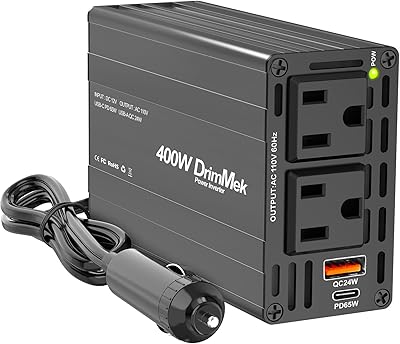
Cantonape 1000W Car Power Inverter
86%
88%
Performance
85%
Build Quality
91%
Ease of Use
83%
Portability
90%
Charging Capability
More
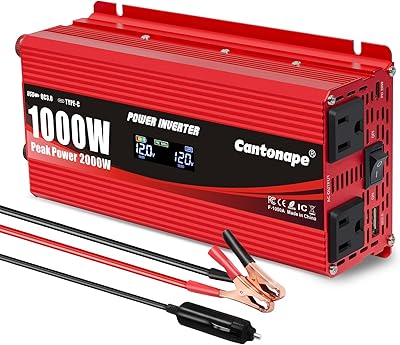
DrimMek MT-M400C 400W Car Power Inverter
84%
91%
USB-C Charging Speed
88%
Build Quality & Materials
86%
Thermal Management
72%
Real-World Wattage Usability
84%
Port Variety & Layout
More
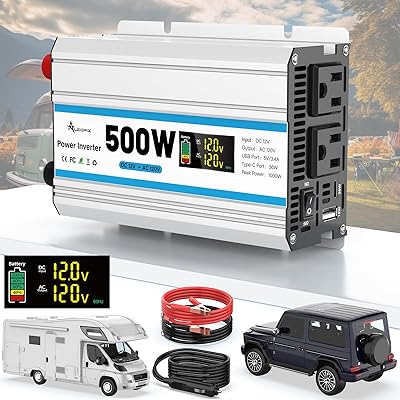
ALEOPIX 500W Car Power Inverter RT-500W
86%
90%
Portability & Size
88%
Charging Speed (USB-A & USB-C)
85%
Power Output (500W)
82%
Build Quality
67%
Cooling Fan Noise
More
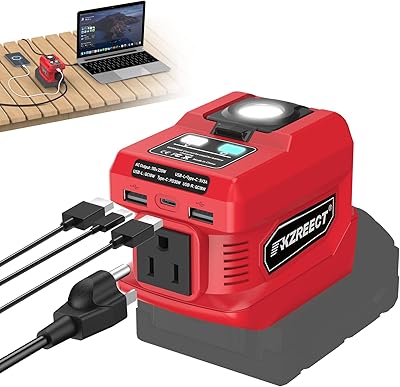
Kzreect Inverter-MK 220W Portable Power Inverter
85%
94%
Portability and Size
89%
Charging Speed (USB-C & USB-A)
82%
Battery Compatibility
88%
Ease of Use
90%
Safety Features (Overload, Overcurrent)
More
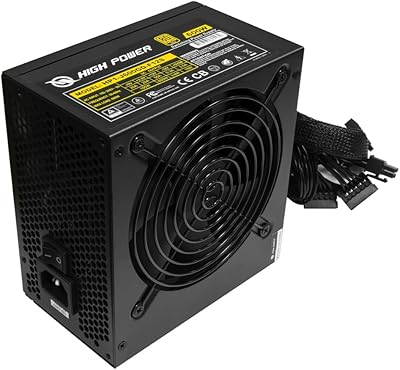
High Power 600W Power Supply, 80 Plus Gold Certified
85%
92%
Energy Efficiency
88%
Noise Level
91%
Build Quality
75%
Installation Process
87%
Value for Money
More
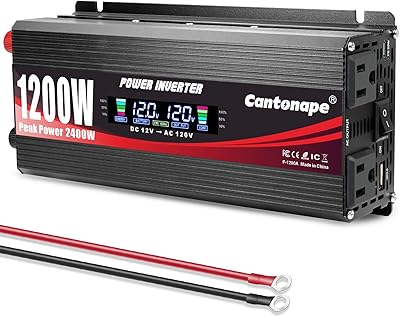
Cantonape 1200W Power Inverter
76%
78%
Power Output Reliability
88%
LCD Display Usefulness
74%
Build Quality
61%
Modified Sine Wave Compatibility
83%
USB Charging Performance
More
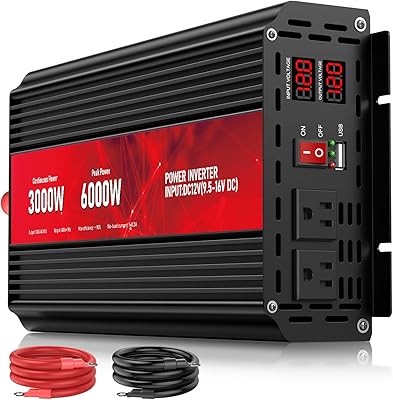
OLTEANP 3000W Power Inverter
87%
91%
Power Output
88%
Portability & Size
85%
Ease of Use
87%
Durability & Build Quality
92%
Safety Features
More
HONOURLIGHT 3000W Power Inverter
79%
88%
Value for Money
83%
Power Performance
91%
Ease of Setup
89%
LED Display Clarity
84%
Remote Control
More
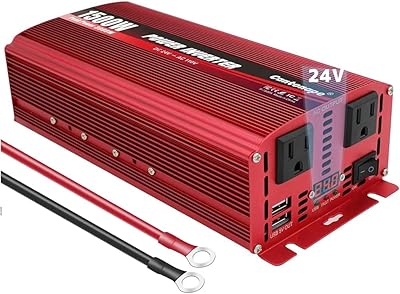
Tebrol 5500W Power Inverter
83%
88%
Performance
91%
Ease of Setup
85%
Build Quality
73%
Cooling System Efficiency
80%
Portability
More
Tebrol 2000W Power Inverter
86%
88%
Performance & Power Output
90%
Ease of Use & Setup
85%
Portability & Size
75%
Cooling System & Noise
91%
Safety Features
More

FAQ

No, and this is probably the most important thing to know before buying. The cigarette lighter socket in most vehicles is fused at 15 to 20 amps, which limits usable power to roughly 150W to 200W in practice. To access the full 600W capacity, you need to connect the included alligator clips directly to your vehicle battery.

Most everyday electronics handle modified sine wave power without any problems — laptops, phone chargers, cameras, LED lights, and small fans all typically work fine. Where you can run into trouble is with CPAP machines, certain audio equipment, some laser printers, and devices with sensitive internal power supplies. If in doubt, check your device manual or contact the manufacturer.

This car inverter includes low-voltage protection, so it is designed to shut off before draining your battery to a dangerously low level. That said, it is still good practice to avoid running high-wattage devices for extended periods with the engine off, since even with protection circuits, sustained draw on a parked vehicle can leave you with a flat battery.

During light loads — charging a phone or laptop, for example — the fan stays off entirely or runs very quietly in the background. It only spins up noticeably when the inverter is working near its upper capacity. Most users report it is not disruptive in normal use.

Yes, the 65W USB-C port is capable of fast-charging most USB-C laptops, including many MacBook Air and MacBook Pro models. If your laptop charger is rated above 65W, charging will still work but may be slower than using the original adapter, especially under heavy load.

This is a common question and the honest answer is: it depends on your specific CPAP model. Many CPAP machines are sensitive to waveform quality and may not function correctly, or could be damaged over time, when powered by a modified sine wave inverter. Check your CPAP documentation first, and if it specifies pure sine wave input, look for an inverter that provides that instead.

The two connection methods are physically separate cables — you simply use whichever one is appropriate for your situation. There is no switch or mode to toggle. The cigarette lighter plug is the easier option for quick low-wattage use, while the alligator clips require a bit more setup but unlock the full output capacity.

The red LED signals that a protection circuit has triggered — this could be due to overload, overheating, a short circuit, or a voltage issue. Turn off the inverter, disconnect your devices, and let it cool down for a few minutes before restarting. If the light keeps triggering, check whether your total device load exceeds the inverter capacity or whether a connected device may be causing a short.

At 6.5 x 4 x 2.4 inches and under a pound and a half, it fits easily in most glove boxes, center consoles, or the outer pocket of a backpack. It is one of the more genuinely compact options available at this wattage level.

That is genuinely hard to say right now since the product only launched in early 2025 and there is limited data from users who have owned it for more than several months. Early reviews suggest the build quality is solid for the price point, but if long-term dependability is a top priority, a more established brand with a track record of multi-year use might be worth considering.