Overview

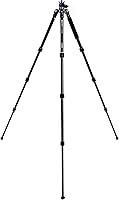
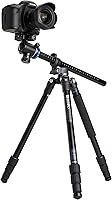
The Benro SystemGo Plus FGP18A Aluminum Tripod sits in a crowded mid-range market, but it earns attention for one reason most competitors ignore: a 180-degree center column that opens up shooting positions standard tripods simply cannot offer. Built from aluminum rather than carbon fiber, it strikes a practical balance between cost and durability — though at 3.5 lbs, it carries honest travel weight rather than feeling featherlight. Folded down to 18 inches, it fits into most carry-on bags and hiking packs without much fuss. Compatibility with the SystemGo accessory ecosystem adds a layer of expandability that pushes it well beyond a basic support tool.

Features & Benefits

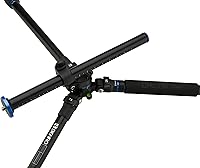
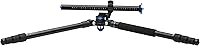
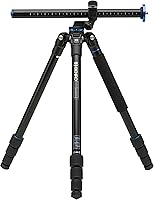
The standout here is the versatile center column, which swings a full 180 degrees to position your camera horizontally for flat-lay shots, inverted for close-to-ground macro work, or straight up for conventional use. One of the four aluminum legs detaches entirely to become a standalone monopod — a genuinely useful feature when you need to move quickly between static compositions and handheld support. The four-section twist-lock legs deploy fast and resist dust reasonably well, while three independent spread stops handle uneven ground without drama. A solid 22-lb load rating means most DSLR and mirrorless rigs fit comfortably within its limits.

Best For

This travel tripod makes the most sense for photographers and videographers who frequently wish they had brought two pieces of support gear but only packed one. Landscape shooters working on rugged, uneven terrain will appreciate the independent leg adjustments, while anyone who captures flat-lay product photos or overhead video will find the center column positioning genuinely useful in the field. It is also a strong choice for prosumers stepping up from basic consumer tripods, since SystemGo accessory compatibility gives real room to grow. If you rarely need a monopod and shoot mostly in controlled studio conditions, lighter or more specialized options might serve you better.

User Feedback

Across 173 ratings, the Benro FGP18A holds a 4.2-star average, reflecting a largely satisfied buyer base with a few consistent caveats worth knowing. Owners frequently praise the build quality and appreciate how well the center column works in practice — not just as a spec, but as something they actually reach for on location. The monopod conversion earns consistent positive mentions too. On the other side, some buyers find twist-lock legs less intuitive than flip locks, especially in cold or wet conditions where gloves are involved. A portion of users note the included ball head performs adequately but may not satisfy shooters who demand precise, smooth damping. Most still feel this convertible tripod delivers solid value at its tier.

Pros

  • The 180-degree center column unlocks overhead, horizontal, and inverted shooting positions most tripods simply cannot offer.
  • Detaching one leg to use as a standalone monopod eliminates the need to carry separate support gear on location.
  • Independent leg spread with three angle stops handles uneven and sloped terrain without requiring extra adapters.
  • A 22-lb load capacity comfortably supports the majority of mirrorless and DSLR camera and lens combinations.
  • The four-section twist-lock legs deploy quickly and provide reasonable dust resistance for outdoor use.
  • SystemGo accessory rail compatibility gives this travel tripod genuine room to grow as your kit expands.
  • An 18-inch folded length fits into most carry-on bags and larger hiking packs without requiring checked luggage.
  • Build quality draws consistent praise from owners, with the aluminum construction feeling solid and durable for the price.
  • The 3/8-inch head mount thread is a standard pro-grade fitting that works with a wide range of aftermarket heads.
  • A 4.2-star average across over 170 real-world buyer reviews reflects a genuinely reliable track record at this tier.

Cons

  • At 3.5 lbs, the Benro FGP18A is noticeably heavier than carbon fiber alternatives at similar or slightly higher price points.
  • Twist-lock leg mechanisms can feel awkward and slow to operate in cold weather or when gloves are involved.
  • The included ball head is functional but underwhelming — shooters who need smooth, precise damping will likely want to upgrade it.
  • Four leg sections mean more joints and potential flex points compared to three-section designs under heavy loads.
  • The monopod conversion, while clever, results in a tripod with only two legs once a section is detached — repositioning takes extra care.
  • No carrying case is included in the box, which is a notable omission given the travel-oriented positioning of this convertible tripod.
  • The SystemGo accessory ecosystem requires additional purchases to unlock the full workstation potential advertised.
  • Minimum height of around 15 inches still limits extremely low ground-level shooting without additional modification or positioning tricks.

Ratings

The scores below were generated by our AI rating engine after analyzing verified buyer reviews for the Benro SystemGo Plus FGP18A Aluminum Tripod from global marketplaces, actively filtering out incentivized, bot-generated, and duplicate submissions to surface genuine user sentiment. Each category reflects the full picture — not just what buyers praised, but where they ran into real frustrations — so you can make a fully informed decision before purchasing.
Build Quality
83%
Most owners are genuinely impressed by how solid the aluminum construction feels for the price, particularly around the leg joints and center column pivot. Photographers who have used cheaper tripods in this range often note that the Benro FGP18A feels like a step up in rigidity and finish quality.
A small but consistent group of buyers report minor wobble at full column extension under heavier DSLR setups, which is a known aluminum limitation at this tier. Some users also notice the leg tubes flex slightly more than expected when the column is swung horizontally for side shots.
Stability & Rigidity
76%
24%
For standard landscape and portrait shooting at mid-height, this travel tripod holds steady without much drama, and the three-stop independent leg spread genuinely helps on uneven ground like rocky hiking trails or cobbled streets. Owners using mirrorless systems with lighter primes report excellent shake-free results.
Stability takes a noticeable hit when the center column is extended to its full height or swung out horizontally, which tends to introduce vibration during longer exposures. Shooters pairing heavier lenses with the column raised frequently mention needing to use a remote shutter or mirror lockup to compensate.
Center Column Versatility
91%
The 180-degree adjustable column is genuinely the standout feature of this convertible tripod, and buyers who use it for overhead flat-lay product shots or low inverted macro work consistently call it a highlight of their purchase. It pivots smoothly and locks firmly, which instills real confidence when shooting in unconventional orientations.
Getting the column precisely repositioned takes some trial and error until you develop muscle memory for the locking mechanism, and a few users wish there were intermediate detent positions rather than a free-swing design. In tight indoor spaces, the horizontal swing radius can also be awkward to manage.
Monopod Conversion
84%
Photographers who regularly need to transition between locked-down tripod work and moving-subject tracking find the detachable leg monopod genuinely useful rather than a gimmick. The leg extends to a workable length and accepts the same head, so no re-rigging is needed when switching modes on location.
The resulting monopod is not as long as a dedicated unit, which taller shooters occasionally find limiting for eye-level use. A handful of buyers also note that after repeated detachment and reattachment, the leg-to-body connection can feel slightly less snug over time.
Portability & Travel Design
71%
29%
The 18-inch folded length fits comfortably into most carry-on bags and larger hiking packs, which is meaningful for photographers who refuse to check camera gear. Owners traveling through airports and on day hikes consistently mention it packs away neatly alongside other kit.
At 3.5 lbs, this is not a light tripod, and backpackers covering long distances on multi-day treks feel that weight accumulate by the end of the day. No carry bag is included, which is a frustrating omission for a product marketed heavily around travel convenience.
Leg Lock Mechanism
63%
37%
Once users are accustomed to the twist-lock action, deployment is reasonably quick, and the dust resistance that comes with the sealed twist design is a real advantage for shooting in sandy or gritty outdoor environments. Buyers working in dry climates specifically appreciate this over exposed flip-lock mechanisms.
This is the most polarizing aspect of the Benro FGP18A among buyers — those coming from flip-lock tripods frequently describe the twist locks as slower and less intuitive, particularly when working in cold weather or wearing gloves. Several reviewers explicitly stated they would have chosen a flip-lock version if one were available at this price.
Included Ball Head
58%
42%
For beginner to intermediate still photographers shooting landscapes or portraits in natural light, the stock head does its job adequately, locking down securely enough for casual use without requiring an immediate upgrade investment.
Experienced shooters and videographers consistently flag the included head as the weakest link in the package, citing imprecise pan control and a friction knob that requires frequent micro-adjustments to hold position under heavier camera bodies. Many buyers end up replacing it within a few months.
Ease of Setup
77%
23%
Most buyers get comfortable with the setup process within a few outings, and the independent leg spread means you can level the head quickly on challenging surfaces without fussing with a bubble level for extended periods. The overall assembly logic is intuitive once the twist locks become second nature.
First-time users often report a steeper initial learning curve than expected, particularly around operating the center column pivot lock and the monopod detachment mechanism simultaneously under time pressure. The instruction documentation included in the box is minimal and not especially helpful for newcomers.
Low-Angle Capability
69%
31%
Combining the widest leg spread angle with the inverted center column position gets the camera quite close to the ground, which is a meaningful advantage for macro and ground-level landscape work that most travel tripods at this price cannot replicate.
The minimum height of 14.6 inches without any column manipulation is not truly low for dedicated ground-level shooters, and the inverted column setup — while effective — takes time and both hands to configure. Photographers who frequently need sub-5-inch working heights will still need a specialized low-angle solution.
Load Capacity
81%
19%
The 22-lb rated capacity covers virtually every consumer and prosumer DSLR or mirrorless rig with room to spare, and owners pairing it with gripped bodies and large zoom lenses report no performance issues under real shooting conditions.
Photographers running heavier telephoto lenses — particularly 150-600mm or super-telephoto primes — notice measurable vibration that the rated capacity alone does not predict, since dynamic load handling and static load ratings are different things. Cinema rigs and larger video configurations will push this convertible tripod past its comfortable working range.
SystemGo Accessory Ecosystem
72%
28%
Content creators and hybrid shooters who invest in the SystemGo accessory system find real value in being able to add lighting arms, phone mounts, and other attachments to a single portable rig rather than managing multiple stands. The concept resonates strongly with travel vloggers and on-location product photographers.
The accessories are sold separately at additional cost, and the SystemGo ecosystem is not as widely stocked or reviewed as mainstream accessory platforms, making it harder for buyers to evaluate the full ecosystem before committing. A few users found accessory availability spotty depending on their region.
Value for Money
74%
26%
The combination of a functioning monopod, versatile center column, and accessory compatibility in a single mid-range package represents a genuinely competitive feature-to-price ratio compared to buying these capabilities separately. Buyers who specifically need that combination tend to feel the purchase was well justified.
For photographers who will not use the monopod conversion or creative column positions frequently, the value proposition weakens considerably, since those features are what justify the price over simpler, lighter alternatives. The inclusion of a mediocre ball head also means many buyers effectively pay twice — once for the tripod and again for a head replacement.
Durability Over Time
78%
22%
Long-term owners who have used this travel tripod across multiple seasons and travel destinations generally report that the aluminum construction holds up well to normal wear, and the leg locks retain their grip tension without requiring frequent re-tightening.
A minority of users who subject the tripod to repeated harsh conditions — salt air coastal environments, heavy rain, or frequent gear-bag impacts — report some corrosion around the leg joints and loosening of the twist-lock tension over 18 to 24 months of regular use.
Terrain Adaptability
82%
18%
The three-position independent leg spread is more than a marketing feature — photographers shooting on rocky mountain ridges, sloped beaches, and rooted forest floors consistently mention it as a practical differentiator that lets them achieve a level platform where a standard fixed-spread tripod would struggle.
The rubber feet, while adequate on most natural surfaces, lose grip on wet smooth rock and polished indoor floors, and replacement feet or spiked options are not easy to source within the SystemGo ecosystem specifically.

Suitable for:

The Benro SystemGo Plus FGP18A Aluminum Tripod is a well-suited option for travel and landscape photographers who regularly find themselves wishing they had packed a monopod alongside their tripod — here, one piece of gear covers both needs. Hikers and outdoor shooters working on uneven terrain will appreciate the independent leg spread, which lets you level the head quickly on rocky or sloped ground without frustration. Videographers and content creators who shoot flat-lay, overhead, or low-angle compositions will find the 180-degree center column genuinely useful in practice, not just on paper. It also makes solid sense for prosumer-level photographers ready to move beyond entry-level support gear, especially those interested in building out a modular kit using the SystemGo accessory ecosystem over time. If you routinely need to transition between static tripod work and handheld monopod support during the same shoot, this convertible tripod removes the need to carry and manage two separate pieces of equipment.
Not suitable for:

The Benro SystemGo Plus FGP18A Aluminum Tripod is not the right call for photographers who prioritize absolute minimum weight above all else — at 3.5 lbs, it is a reasonable travel companion but will feel noticeably heavier than carbon fiber alternatives on long mountain hikes or multi-day backpacking trips. Shooters who work primarily in controlled studio environments and rarely need a monopod or unconventional camera angles will find they are paying for versatility they may never use. Users who strongly prefer flip-lock leg systems will likely find the twist-lock mechanism a recurring frustration, particularly in cold weather or when wearing gloves. Those running heavy telephoto or cinema-grade rigs should also look elsewhere, since while the 22-lb load rating is adequate for most DSLR and mirrorless setups, professional video configurations often demand a more robust, dedicated video tripod with a fluid head. Finally, buyers expecting a premium ball head included in the box may be disappointed — the stock head performs adequately but is not a standout at this price tier.
Specifications

  • Material: The legs and main body are constructed from aluminum alloy, offering a practical balance of structural rigidity and cost compared to carbon fiber alternatives.
  • Weight: The tripod weighs 3.51 lbs (1.59 kg), making it manageable for travel but noticeably heavier than comparable carbon fiber models.
  • Max Height: With the center column fully extended, the tripod reaches a maximum working height of 60.6 in (154 cm).
  • Min Height: With legs fully spread and the center column retracted, the minimum working height is 14.6 in (37 cm).
  • Folded Length: The tripod folds down to a compact 18.1 in (46 cm), fitting into most carry-on bags and larger hiking packs.
  • Max Load: The rated maximum load capacity is 22 lbs (10 kg), accommodating most DSLR and mirrorless camera and lens combinations.
  • Leg Sections: Each leg is composed of 4 sections, allowing the tripod to fold into a shorter package while still extending to a comfortable shooting height.
  • Leg Lock Type: All leg sections use a twist-lock mechanism, which provides dust resistance and reasonably fast deployment once users are familiar with the motion.
  • Leg Spread: Each leg can be positioned independently at 3 distinct angle stops, enabling stable setup on uneven and irregular terrain.
  • Center Column: The center column rotates a full 180 degrees and locks into position, enabling vertical, horizontal, and fully inverted camera orientations.
  • Head Mount Thread: The head mount uses a standard 3/8″ thread, compatible with a wide range of aftermarket ball heads and pan-tilt heads.
  • Head Type: A ball head is included in the package, suited for general still photography, though it is a basic unit rather than a premium damped head.
  • Monopod Conversion: One leg detaches from the tripod body and functions as a standalone monopod, eliminating the need to carry separate support equipment on location.
  • Accessory System: The tripod is compatible with the SystemGo accessory ecosystem, accepting optional attachments that can expand it into a portable multi-function workstation.
  • Max Height (Retracted): With the center column fully retracted and legs at standard spread, the maximum height without column extension is 49.6 in (126 cm).
  • User Rating: The tripod holds an average rating of 4.2 out of 5 stars based on 173 customer reviews on Amazon.
  • Model Number: The official model designation is FGP18A, sold under the Benro brand and distributed by MacGroup in North America.
  • First Available: This model was first made available for purchase in September 2016 and has not been discontinued by the manufacturer as of the latest available data.

Related Reviews
Peak Design Aluminum Travel Tripod
80%
96%
Portability
93%
Setup Speed
91%
Build Quality
88%
Stability
74%
Ball Head Performance
More
Sirui Traveler 7A Aluminum Camera Tripod
86%
91%
Portability & Size
88%
Build Quality & Durability
89%
Ease of Setup
85%
Weight Capacity
90%
Monopod Conversion
More
K&F Concept KF09.007V1 72-inch Aluminum Tripod
81%
93%
Portability & Packed Size
91%
Maximum Extended Height
71%
Ball Head Performance
84%
Leg Lock Mechanism
79%
Monopod Conversion
More
Manfrotto MT055XPRO3 Aluminum 3-Section Tripod
83%
93%
Build Quality
91%
Stability & Rigidity
89%
Horizontal Column
84%
Leg Lock Mechanism
58%
Portability & Weight
More
Bosch BT300 Heavy-Duty Aluminum Elevator Tripod
88%
94%
Stability
89%
Portability
91%
Build Quality
85%
Ease of Use
92%
Adjustable Height
More
Benro Slim Travel Kit FSL09CN00 Carbon Fiber Tripod
87%
93%
Portability
89%
Build Quality
85%
Ease of Setup
87%
Stability on Uneven Ground
70%
Ballhead Adjustment
More
TourBox Elite Plus Bluetooth Creative Controller
80%
91%
Software Integration
88%
Workflow Efficiency
83%
Build Quality
86%
iPad Compatibility
61%
Setup & Onboarding
More
BuddyPhones Explore Plus
90%
94%
Comfort & Fit
91%
Build Quality
88%
Sound Clarity
97%
Volume Limiting Safety
90%
Portability
More
Bellroy Toiletry Kit Plus Toiletries Bag
83%
91%
Build Quality
89%
Organization & Layout
67%
Value for Money
93%
Toothbrush Storage
72%
Interior Capacity
More
Calibrite Display Plus HL Display Calibrator
79%
93%
Calibration Accuracy
91%
HDR Performance
74%
Software Usability
86%
Software Features
78%
Build Quality
More

FAQ

Yes, the detachable leg locks into the tripod body using the same twist mechanism as the other legs, so it stays firmly in place during standard tripod use. The detachment process is intentional and requires deliberate action, so it will not come loose accidentally during a shoot.

Absolutely. The head mount uses a standard 3/8″ thread, which is the common pro-grade fitting used by most aftermarket ball heads and pan-tilt heads. If you already own a head you prefer, swapping it in is straightforward.

The center column loosens from its vertical position and pivots on a horizontal axis, allowing you to swing it out to the side for lateral shots, point it straight down for low overhead flat-lay work, or invert the camera entirely beneath the tripod body. It locks firmly at whatever angle you choose. It takes a minute to get used to, but once you do, it genuinely opens up shooting angles that a standard column cannot.

For most full-frame DSLR bodies paired with mid-range zoom lenses, the 22-lb load rating provides adequate headroom. That said, if you are shooting with a heavy telephoto lens in the 400mm or longer range, you may notice some vibration at full column extension, which is a common limitation of aluminum tripods in this class rather than a defect.

This is a real concern that several buyers have raised. Twist locks require more fine motor grip to operate than flip locks, and with thick gloves that can become genuinely frustrating. If you regularly shoot in freezing temperatures, this is worth factoring into your decision. Thinner gloves or liner gloves reduce the issue noticeably.

The SystemGo ecosystem includes items like lighting mounts, phone holders, and grip extensions that attach to a rail on the tripod body, effectively turning this convertible tripod into a compact portable workstation for content creators. The accessories are sold separately, and the core tripod functions fine without them — they are an optional expansion path rather than a requirement.

No, a carrying case or bag is not included in the standard package, which is a notable omission given how travel-focused the design is. Most buyers pick up a generic tripod bag separately, or use a padded sleeve inside their main camera bag. Third-party options that fit the 18-inch folded length are widely available.

With all legs fully spread to their widest angle stop and the center column retracted, the minimum height is around 14.6 in (37 cm). That is useful for low-angle landscape shots but not quite flush with the ground. For truly ground-level work, you would need to combine the widest leg spread with the inverted center column position, which gets the camera considerably lower.

It works for basic video clips, but if smooth, controlled panning is important to your work, the stock ball head will feel limiting fairly quickly. Ball heads are generally better suited to still photography, and the included one is a functional but entry-level unit. For video, a fluid head or a higher-quality ball head with better drag control would be a worthwhile upgrade.

At this price tier, carbon fiber alternatives are scarce and tend to involve meaningful trade-offs in load capacity or build quality to hit the same number. Aluminum offers a more robust feel and better resistance to denting, but you pay the weight penalty — roughly half a pound to a full pound heavier than a comparable carbon fiber model. If weight over long distances is your primary concern, it is worth stretching the budget for carbon fiber. If you can tolerate the extra weight, aluminum at this price often delivers better rigidity per dollar.

Where to Buy