Overview

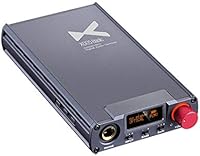
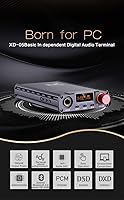
The xDuoo XD-05 Basic sits in an interesting spot — compact enough to toss in a bag, yet capable enough to make your motherboard audio feel embarrassing by comparison. Built around the ESS ES9018K2M DAC chip and paired with an XMOS XU208 USB controller, this portable DAC/amp handles high-resolution PCM up to 384kHz and full DSD256 decoding. The body mixes metal and plastic in a way that feels sturdy without being heavy. It ships with a surprisingly thorough accessory kit — OTG cables, adapter plugs, silicone feet — so you are not immediately hunting for extras straight out of the box.

Features & Benefits

What makes this portable DAC/amp worth considering is how the hardware does the heavy lifting. The ES9018K2M chip keeps distortion low and detail retrieval genuinely impressive for the price point — you hear separation in busy mixes that onboard audio just smears together. The physical bass boost switch is a small but appreciated touch; no app, no driver menu, just a flip and the low end responds immediately. For anyone playing back compressed audio, the built-in SRC upsampling nudges files up to 192kHz, which softens the rough edges noticeably. Battery life runs around nine hours, and USB-C fast charging means downtime stays short.

Best For

This xDuoo unit makes the most sense for someone who has outgrown what their computer's built-in audio can do but is not ready to commit to a full desktop stack. PC and console gamers will notice the difference right away — tighter imaging, cleaner highs, and a much lower noise floor than typical onboard solutions. It is also a solid pick for anyone using high-impedance headphones that simply do not get driven properly from a phone or laptop jack. Commuters and remote workers will appreciate the self-powered operation and compact footprint. If you need Bluetooth or a balanced output, though, you will need to look elsewhere.

User Feedback

Owners of this portable DAC/amp consistently highlight two things: how much cleaner everything sounds compared to their previous setup, and how much they appreciate having a physical bass switch rather than a software toggle. Broad compatibility across Windows, macOS, Android, and gaming consoles is frequently cited as a practical strength. On the downside, a handful of buyers point to the plastic sections of the build feeling less premium than expected, and a few report faint background hiss at low volumes when using sensitive in-ear monitors. Battery life generally matches the advertised nine hours in everyday use, which most owners consider a genuine and reliable advantage.

Pros

  • The ESS ES9018K2M DAC chip delivers genuinely clean, low-distortion audio that embarrasses typical onboard solutions.
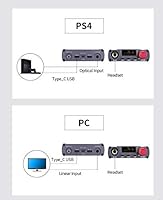
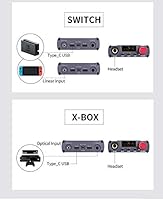
  • Broad plug-and-play compatibility works across Windows, macOS, Android, PS4, and Xbox without driver installs.
  • The physical bass boost switch is a satisfying, instant hardware toggle — no menus, no software required.
  • Battery life reliably tracks close to the advertised nine hours in everyday real-world use.
  • The accessory kit is unusually complete for this price tier, covering multiple OTG adapters and output converters.
  • SRC upsampling softens the rough edges of low-bitrate streaming audio in a noticeably pleasant way.
  • This portable DAC/amp drives a wide headphone impedance range competently, from easy consumer cans to mid-tier audiophile models.
  • The compact metal-dominant chassis feels solid and well-assembled despite the mid-range price point.
  • Setup is genuinely effortless — plug in, play, no configuration hurdles for most users.

Cons

  • Sensitive in-ear monitors expose a faint but real background hiss that full-size headphone users may never notice.
  • The plastic sections of the body attract scratches and feel inconsistent with the otherwise sturdy metal chassis.
  • No balanced output limits pairing options for audiophiles who have invested in balanced headphone cables.
  • Bluetooth is entirely absent, so wireless pairing with any device is simply not possible.
  • Charging from empty takes around five hours, which undercuts the fast-charge marketing claim somewhat.
  • iOS users need an Apple Camera Adapter that is not included — an easy-to-miss compatibility gap.
  • The printed manual is poorly translated in sections, making the SRC and gain settings genuinely confusing for new users.
  • Very high-impedance headphones above 300 ohms receive adequate but not commanding power from the amp stage.
  • Competing units at a similar price now offer balanced outputs or Bluetooth, narrowing the value advantage over time.

Ratings

The xDuoo XD-05 Basic has been put through its paces by a wide range of buyers — from bedroom audiophiles plugging in their first serious headphone amp to console gamers tired of muddy onboard audio. Our AI has analyzed verified global user reviews, actively filtering out incentivized, bot-generated, and spam feedback, to produce the scores below. Both the genuine strengths and the real frustrations are reflected here without sugarcoating.

Sound Quality
88%
Users consistently report a noticeable and meaningful jump in clarity and soundstage width compared to motherboard or laptop audio. Instruments separate more cleanly in complex mixes, and the overall presentation feels controlled and detailed rather than artificially hyped.
A small number of listeners using very sensitive in-ear monitors report a faint but perceptible noise floor at low volumes. Those coming from high-end desktop DACs may find the sound stage width somewhat limited compared to larger, pricier units.
DAC Chip Performance
91%
The ESS ES9018K2M chip punches well above what its mid-range positioning might suggest. Buyers playing back high-resolution FLAC and DSD files note exceptional detail retrieval, with low distortion that holds up even when driving harder headphones at higher output levels.
The chip's full potential is arguably bottlenecked in some scenarios by the amp stage, meaning very discerning listeners may feel the DAC section outperforms the amplification side. This gap is subtle but noticeable with top-tier reference headphones.
Build Quality
67%
33%
The metal chassis gives the unit a reassuringly solid feel in hand, and the overall assembly is tight with no rattling or flex at the seams. For a mid-range portable device, the construction feels considered and durable enough for daily desk use.
The plastic sections — particularly around the control panel and side panels — feel noticeably cheaper than the metal body and attract scratches easily. Several buyers mention the overall build does not fully match the premium audio credentials the internals suggest.
Portability & Form Factor
83%
At roughly 510 grams, this xDuoo unit is light enough to slip into a backpack without becoming a burden. The included velcro strap makes it easy to band directly to a phone or small device, and the compact footprint works well on a cramped desk.
It is a touch bulkier than truly pocket-friendly DAC/amps, so commuters who want something genuinely pocketable may find it slightly inconvenient during transit. The form factor is better suited to a desk or bag than a jacket pocket.
Battery Life
84%
Real-world battery performance closely tracks the advertised nine hours, which is more honest than many portable audio devices that inflate their estimates. Most buyers use this as a full workday companion and rarely find themselves hunting for a charger mid-session.
Charging from fully depleted takes around five hours, which is on the longer side for a fast-charge claim. A handful of users also note that battery longevity degrades a bit faster than expected after six to twelve months of daily heavy use.
Compatibility
86%
Out-of-the-box compatibility across Windows, macOS, Android smartphones, PS4, and Xbox is a genuine practical strength. Most users report plug-and-play recognition with zero driver installation on modern operating systems, which makes setup painless and fast.
iOS compatibility requires an additional Apple Camera Adapter that is not included, which catches some buyers off guard. A few Android users on older operating system versions report intermittent recognition issues that require cable swaps or device restarts to resolve.
Amplifier Power & Headphone Pairing
79%
21%
The flexible output stage drives a wide range of headphones competently, from easy-to-drive 32-ohm consumer cans to more demanding 150 to 250-ohm models. Gamers using full-size over-ear headsets notice an obvious improvement in dynamics and control compared to a standard headphone jack.
Truly high-impedance headphones in the 300-ohm-plus range receive adequate but not authoritative power — the unit drives them, but does not fully command them the way a dedicated desktop amp would. There is also no balanced output, which limits pairing options for audiophiles with balanced headphone cables.
Bass Boost Feature
78%
22%
The physical hardware switch for bass boost is widely praised as a thoughtful feature — there is no software to configure, no drivers to update, just an immediate, tactile toggle that adds weight to the low end for gaming and bass-heavy music genres.
The boost is a fixed, non-adjustable curve, so users who want precise control over how much bass is added will find it either too much or just right, with no middle ground. Audiophiles using it for neutral reference listening typically leave the switch off entirely.
SRC Upsampling
72%
28%
The hardware-based sample rate conversion does produce a smoother, less fatiguing result when playing back older MP3 or AAC files at lower bitrates. Casual listeners notice the improvement on streaming-quality audio, particularly on vocal tracks and acoustic recordings.
Trained ears find the upsampling adds a slightly artificial smoothness that can mask rather than recover genuine detail in poor-quality source files. Audiophiles feeding the unit high-resolution source material typically disable this feature entirely.
Value for Money
89%
For what the internals deliver — an ESS DAC chip, XMOS USB controller, DSD256 support, and a solid accessory bundle — the asking price represents genuinely strong value in the portable HiFi segment. Buyers who previously spent more on lesser-performing units feel the xDuoo offers an honest deal.
Competing units at a similar price point from brands like FiiO and Topping have begun to close the gap, occasionally offering balanced outputs or Bluetooth at comparable prices. The value proposition remains solid but is no longer as clear-cut as it was at launch.
Accessory Kit
87%
The included accessories package is one of the more generous in this product tier — USB-C cable, multiple OTG adapters for micro-USB and Type-C devices, a 6.5mm headphone adapter, silicone feet, and a velcro strap all arrive in the box. Most users find they do not need to purchase anything extra to get started.
The included cables are functional but not premium — the braiding and connector quality feel like afterthoughts compared to the audio hardware. A short extension or coiled cable would have been a practical addition for desktop pairing scenarios.
Ease of Setup
92%
Setup is genuinely straightforward for the vast majority of users. Plug it into a PC or Mac via USB-C and it is recognized immediately as a standard audio device — no driver downloads, no configuration menus, no firmware hurdles to clear before getting sound.
The physical controls and switch layout can be slightly confusing at first for new users who are unfamiliar with DAC/amp hardware. The manual, while included, is translated unevenly and does not always explain the SRC or gain settings with sufficient clarity.
Noise Floor & Signal Cleanliness
71%
29%
For full-size over-ear headphones with standard sensitivity ratings, the background is clean and quiet, with no detectable hiss during quiet passages in music or silent moments in games. This is a genuine step up from integrated audio in terms of noise performance.
Sensitive in-ear monitors with impedances below 32 ohms tend to expose a faint but audible hiss that some users find distracting during quiet listening. This is a known characteristic of the output stage and a real limitation for IEM-focused users.
Software & Driver Experience
81%
19%
The driverless USB audio class compliance means the device simply works across platforms without any maintenance burden. There are no companion apps that need updating, no background processes running, and no mandatory firmware updates to manage.
The absence of any companion software is also a limitation for users who want EQ control, output customization, or firmware update pathways. What you get out of the box is what you get permanently — there is no way to adjust or expand the feature set digitally.

Suitable for:

The xDuoo XD-05 Basic is a strong fit for anyone who has hit the ceiling of what their computer's built-in audio can do and wants a meaningful, tangible upgrade without committing to a full desktop HiFi stack. PC gamers who use full-size over-ear headphones will notice immediately — positional audio becomes sharper, background noise drops away, and the overall presentation feels more controlled and immersive. It also makes a lot of sense for headphone enthusiasts running moderately demanding cans in the 80 to 250-ohm range that simply do not get driven properly from a phone or laptop output. Remote workers and commuters who want a self-powered, portable solution that works reliably across multiple devices — a work laptop, a personal Android phone, a gaming console — will find the broad compatibility genuinely useful. Budget-conscious listeners who want access to a capable ESS DAC chip and high-resolution audio decoding, without paying flagship prices to get there, will find this portable DAC/amp sits in a practical and well-considered price-to-performance position.

Not suitable for:

Buyers who need Bluetooth connectivity or a balanced headphone output should look elsewhere — the xDuoo XD-05 Basic is a strictly wired, single-ended device, and those are not omissions that can be worked around with accessories. Listeners who rely primarily on highly sensitive in-ear monitors with low impedance may find the noise floor frustrating, particularly during quiet passages where a faint but audible hiss can become a real distraction. Anyone expecting build quality that fully matches the premium audio internals will likely be let down by the plastic sections of the chassis, which feel inconsistent with the more solid metal body. Users who want EQ control, app-based tuning, or any kind of digital customization will find this unit offers none of that — what it does is fixed in hardware, and that suits some buyers perfectly while leaving others wanting more flexibility. Finally, anyone intending to drive very high-impedance headphones in the 300-ohm-plus territory at high listening levels may find the amp stage falls just short of delivering the authority those headphones deserve.

Specifications

  • DAC Chip: The unit uses an ESS ES9018K2M DAC chip, a well-regarded component known for low distortion and strong detail retrieval across the audible frequency range.
  • USB Controller: An XMOS XU208 USB interface handles the digital audio transmission, providing stable and high-bandwidth connectivity between the source device and the DAC.
  • PCM Support: The device supports PCM audio decoding up to 384kHz, covering standard CD-quality, high-resolution streaming, and studio-grade audio file formats.
  • DSD Support: Native DSD decoding is supported up to DSD256, allowing playback of high-resolution DSD audio files without conversion to PCM.
  • Headphone Output: The primary headphone output uses a standard 3.5mm jack, with a 6.5mm adapter included in the box for larger headphone plugs.
  • Output Type: The device provides a single-ended analog output only — there is no balanced output option available on this model.
  • Impedance Range: The amplifier output stage is designed to drive headphones from 32 ohms and above, covering most consumer and mid-tier audiophile headphone models.
  • Bass Boost: A dedicated physical switch on the unit toggles a hardware bass boost curve, operating entirely independently of any software or driver settings.
  • SRC Upsampling: The built-in hardware sample rate conversion can upsample incoming audio to 48kHz, 96kHz, or 192kHz, which can smooth playback of low-bitrate source files.
  • Battery Life: The internal rechargeable battery provides approximately 9 hours of continuous playback under typical listening conditions.
  • Charging: The unit charges via USB-C and reaches a full charge in approximately 5 hours; it also supports USB-C for audio input from compatible source devices.
  • Bluetooth: This device does not support Bluetooth — all audio connections are wired only via USB digital input or analog output.
  • Compatible Devices: The device is compatible with Windows PCs, macOS computers, Android smartphones and tablets, PS4, and Xbox gaming consoles via USB connection.
  • Body Material: The chassis combines a metal outer shell with plastic sections around the control panel and side elements, resulting in a mixed-material build.
  • Dimensions: The unit measures 6.85 x 4.65 x 2.13 inches, making it compact enough for a desk setup or travel bag without occupying significant space.
  • Weight: The device weighs approximately 510 grams, striking a balance between portable usability and the solid feel expected from a metal-bodied audio device.
  • Included Accessories: The package includes a USB-C cable, a Type-C to Type-C OTG cable, a Type-C to Micro-USB OTG cable, a USB-A to Type-C adapter, a 6.5mm to 3.5mm headphone plug, silicone foot pads, and a hook-and-loop velcro strap.
  • Connectivity: The device connects to source devices via USB, with no analog line input — it functions as a USB DAC/amp only, not a standalone analog amplifier.

Related Reviews
Samsonite Better Than Basic Backpack
87%
89%
Comfort
91%
Storage & Organization
85%
Build Quality
93%
Eco-Friendly Materials
88%
Weight & Portability
More
Oralift Basic Natural Beauty Device
85%
88%
Ease of Use
86%
Effectiveness for Jawline Definition
91%
Non-Invasive Results
89%
Cost-Effectiveness
83%
Facial Symmetry Improvement
More
Amazon Basics Wired Earbuds with Microphone
82%
84%
Sound Quality
88%
Comfort & Fit
70%
Durability
83%
Call Quality
90%
Cable Quality & Tangle-Free Function
More
ZimaBlade 7700 E3950 Basic Kit
87%
89%
Performance
92%
Value for Money
80%
Storage Expandability
90%
Build Quality
88%
Software Support
More
Amazon Basics MB6073B Bluetooth On-Ear Headphones
71%
88%
Battery Life
91%
Value for Money
63%
Sound Quality
67%
Comfort & Fit
58%
Build Quality
More
Prezlock Pebble EL-05-001Graphite
89%
94%
Fingerprint Recognition Accuracy
91%
Unlock Speed
89%
Battery Life
92%
Build Quality
88%
Weather Resistance
More
Amazon Basics Computer Speakers V216US
78%
88%
Value for Money
94%
Ease of Setup
70%
Sound Quality
82%
Build Quality
65%
Volume Levels
More
Rexing V1 Basic Dash Cam
81%
92%
Value for Money
88%
Video Quality
85%
Ease of Use
84%
Night Vision Performance
60%
Mounting Adhesion
More
GIGABYTE AORUS 15P XD-73US224SO
83%
92%
Gaming Performance
89%
Display Quality
88%
Build Quality
86%
Cooling Efficiency
65%
Battery Life
More
NEEWER Basics Camera Tripod Monopod TP08
85%
88%
Ease of Use
91%
Portability
83%
Stability in Windy Conditions
90%
Versatility (Tripod & Monopod)
87%
Build Quality
More

FAQ

No driver installation is needed on Windows 10 or Windows 11 — just plug it in via USB-C and your system will recognize it automatically as a standard USB audio device. macOS handles it the same way. It is about as plug-and-play as USB audio gets.

Not directly. iPhones use Lightning or USB-C depending on the model, and this unit does not include an Apple-specific adapter. You would need to pick up an Apple USB Camera Adapter separately to bridge the connection. It works once you have the adapter, but it is an extra purchase the box does not cover.

The HD 650 runs at 300 ohms, which is at the upper edge of what this portable DAC/amp handles comfortably. It will power them and sound good, but a dedicated desktop amp will command those headphones with more authority. For casual listening it is perfectly fine; for critical listening sessions at higher volumes, you may notice the amp working harder than ideal.

It can be, depending on how sensitive your IEMs are. Users with low-impedance, high-sensitivity in-ear monitors do report a faint but noticeable hiss during quiet passages. If your IEMs are particularly sensitive, this may frustrate you. For full-size over-ear headphones, the noise floor is not really an issue.

It is a fixed hardware curve, so there is no adjusting it — it is either on or off. Most users find the boost adds a noticeable but not extreme amount of weight to the low end, which works well for gaming and bass-heavy music. It is not a subtle nudge, but it is not a muddy, one-note thud either. Audiophiles doing reference listening tend to leave it off entirely.

Yes, both consoles recognize it as a standard USB audio device without any configuration. Plug it into a USB port on the console, select it as the audio output in the system settings, and you are done. It is one of the more practical use cases for this unit.

You can use it while it is plugged in and charging, which is useful if you are sitting at a desk. Just be aware that when connected to a computer via USB-C for audio, the power flow is incoming data, not charging — you would need a separate USB port or power source to charge simultaneously in that setup.

SRC stands for sample rate conversion — it takes whatever audio you are feeding in and mathematically upscales it to a higher sample rate, up to 192kHz. In practice it can make low-bitrate streaming audio sound slightly smoother and less harsh. If you are playing back high-resolution files already, there is no real benefit and most audiophiles switch it off to keep the signal path clean.

It works well enough for occasional portable use — wrapping the unit to your phone creates a compact stack that fits in a bag without the two devices sliding apart. That said, at roughly 510 grams the combined weight is noticeable in hand, so it is more practical as a desk device for most people. The strap is a nice inclusion for those who want the portability option.

The difference is meaningful and immediately noticeable. Laptop headphone outputs tend to have higher noise floors, weaker amplification, and less clean analog circuitry. Switching to this portable DAC/amp typically results in a quieter background, better channel balance, more dynamic range, and noticeably improved detail in complex audio. It is one of the most cost-effective upgrades available for anyone using quality headphones with a laptop.