Overview

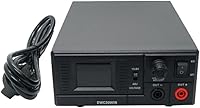
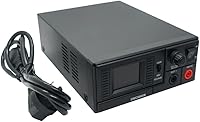
The VMUKSAN DWC30WIN 30A Switching Power Supply is a compact desktop unit built around the needs of CB and amateur radio operators who want stable 13.8V DC from a standard household outlet. What separates it from fixed-voltage competitors is the adjustable output range — dial it anywhere from 9.0 to 15.0 volts depending on what you're running. The backlit LCD showing live voltage and current is genuinely useful on a busy workbench. At 3.3 lb, it moves easily between a home shack and another location, which matters if your setup isn't permanent.

Features & Benefits

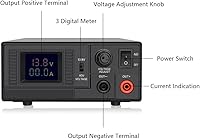
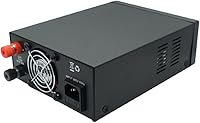
The DWC30WIN handles up to 30A at peak, but the realistic figure for sustained operation is 20A continuous — worth understanding before connecting a high-draw transceiver and expecting to key down for long stretches. Built-in automatic current limiting and short-circuit protection add a real safety layer when testing unfamiliar gear. Ripple stays under 80mVp-p at rated load, keeping audio reasonably clean for most operators. The voltage adjustment dial is straightforward: clockwise raises output, counter-clockwise lowers it, center position lands squarely at 13.8V. The fan-cooled chassis fits comfortably on a crowded desk at roughly 6 x 2.7 x 8 inches.

Best For

This ham radio power supply fits best in a home shack running HF or VHF/UHF transceivers, or at a CB operator's desk who would rather not tap into a vehicle battery to power a mobile radio indoors. It also suits home lab hobbyists who need adjustable low-voltage DC without paying for a full laboratory bench supply. The compact footprint earns its spot where desk space is limited. The live current readout during transmit is a practical bonus, and anyone who wants a simple, low-fuss setup with minimal configuration will find this switching supply a sensible choice.

User Feedback

Buyers generally highlight the easy setup and the clarity of the LCD, with several noting the display stays readable from across a workbench. The recurring criticism is fan noise — the cooling fan is consistently audible, which some find distracting during receive sessions. A portion of operators also report that this switching supply produces more RFI than a comparable linear unit, making it a weaker fit for sensitive receive work. Build quality draws mostly positive comments for its price tier, though a few users find the output terminals tighter than expected. Feedback on VMUKSAN customer support is limited but not strongly negative.

Pros

  • Compact 3.3 lb chassis fits easily on a crowded workbench without dominating the space.
  • Adjustable output from 9.0 to 15.0 volts gives flexibility that fixed-voltage supplies simply cannot match.
  • The built-in LCD displays both voltage and current simultaneously, saving you from adding a separate bench meter.
  • Short-circuit protection and automatic current limiting provide real peace of mind when connecting unfamiliar equipment.
  • Setup is straightforward — plug in, adjust the dial, and you're on the air with minimal configuration.
  • Ripple under 80mVp-p keeps audio quality acceptable for typical voice and digital radio modes.
  • Lightweight construction makes it practical to move between a home shack and a portable or field setup.
  • The backlit display stays readable in dim workshop lighting without any extra effort.

Cons

  • The cooling fan runs audibly and can become a distraction during quiet receive sessions.
  • Sustained output is limited to 20A continuous, despite the 30A peak figure featured in the product name.
  • Switching supply design introduces more RFI than a linear unit, which can degrade receive performance on sensitive setups.
  • The output terminals have been reported as stiff and awkward to work with when connecting heavier gauge wire.
  • Voltage regulation under 2 percent is adequate but falls short of tighter tolerances found on dedicated bench supplies.
  • Brand support and warranty service from VMUKSAN lack the track record of more established power supply manufacturers.
  • No silent or fanless cooling option exists, making this a poor fit for noise-sensitive environments.

Ratings

The VMUKSAN DWC30WIN 30A Switching Power Supply scores below are generated by AI after analyzing verified buyer reviews from multiple global markets, with spam, bot-submitted, and incentivized feedback actively filtered out. Ratings reflect the honest consensus of real operators — hobbyists, CB users, and home lab builders — who put this switching supply through everyday use. Both its genuine strengths and its recurring frustrations are represented transparently in every category.

Ease of Setup
91%
Buyers consistently describe getting this switching supply running in under ten minutes straight out of the box. The clear labeling on the front panel, the intuitive voltage dial, and the immediately readable LCD make first-time configuration nearly foolproof even for operators with limited bench experience.
A small number of users noted that the included documentation is thin on grounding guidance, which can leave less experienced buyers uncertain about correct terminal polarity. Nothing that a quick online search cannot fix, but a more detailed quick-start guide would eliminate the confusion entirely.
Voltage Stability
83%
For typical SSB and FM voice operation, the DWC30WIN holds its output voltage steadily during sustained key-down periods, and most operators report the LCD reading barely moves under normal transceiver loads. The sub-2% regulation spec holds up well in real-world shack conditions for the majority of users.
A portion of buyers running higher-power transceivers at or near the 20A continuous limit reported minor voltage sag during extended transmit cycles. It is not severe enough to drop links, but operators pushing the supply hard would prefer tighter regulation than this class of switching design delivers.
RFI and Noise Performance
58%
42%
For general digital modes, FM, and SSB on busy bands, the ripple level stays controlled enough that most operators do not notice interference directly attributed to this supply. Buyers using it purely for transmit-focused applications or in urban RF environments with already elevated noise floors tend to be satisfied.
This is the most polarizing category in buyer feedback. Operators running sensitive CW setups, SDR receivers, or working weak-signal modes frequently report elevated noise floor compared to a linear supply. Switching supply architecture is the root cause, and no firmware or filtering tweak resolves it — buyers expecting linear-supply quietness will be disappointed.
Current Output Reliability
76%
24%
Running typical 100W-class transceivers that draw 18 to 20A on transmit, the DWC30WIN handles the load without tripping protection or showing thermal stress under normal shack duty cycles. The automatic current limiting kicks in cleanly when something unexpected happens, which buyers appreciate as a safety net.
The gap between the advertised 30A peak and the 20A continuous rating creates real-world confusion. Buyers who planned their setup around the peak figure and expected to sustain it discovered the supply throttles back under prolonged high-current demand, which a clearer upfront specification would have prevented.
LCD Display Readability
88%
The backlit combined volt and amp display is one of the most consistently praised aspects of this ham radio power supply. Operators can glance at current draw during transmit without leaning in, and the backlighting keeps it usable in dim shack environments without any adjustment.
The display reads a single value at a time on some units depending on firmware behavior, which means current and voltage alternate rather than display simultaneously in certain conditions. A small number of buyers also noted the digits are slightly small for comfortable reading from across a larger workbench.
Build Quality
69%
31%
The chassis feels solid enough for a desktop supply at this price tier, and the overall fit of panels and components is acceptable for home shack use. Buyers who handle it carefully and do not subject it to physical stress report no issues after extended ownership.
The output terminals draw repeated criticism for being stiff and awkward, particularly when trying to seat thicker-gauge power leads. Several buyers also flagged that the chassis finish feels thin, and the unit does not inspire the same confidence as heavier-duty supplies from more established names.
Fan Noise
54%
46%
The fan does its job thermally — buyers running the supply at sustained loads report that the unit stays cool to the touch and has not shown overheating issues in normal shack environments. Thermal management itself is not a functional complaint.
The fan noise is the second most common complaint after RFI performance. It runs continuously from power-on and produces an audible whir that several operators describe as distracting during receive sessions or late-night operating. There is no speed-controlled or quiet mode, and the noise level does not diminish over time.
Voltage Adjustment Range
84%
The ability to dial between 9.0 and 15.0 volts makes this switching supply genuinely versatile for bench use beyond radio. Hobbyists powering non-standard equipment, testing circuits, or running accessories with different voltage requirements find this range covers most practical needs without buying a second supply.
The adjustment dial lacks detents or position markings beyond the center 13.8V reference, making it difficult to reliably return to a specific custom voltage without watching the LCD closely. Operators who frequently switch between voltage settings find the analog dial imprecise compared to digitally controlled bench supplies.
Compact Footprint
86%
At roughly 6 x 2.7 x 8 inches and just 3.3 lb, this supply fits in spots where a traditional linear unit simply cannot go. Operators with small apartment shacks or crowded portable operating kits specifically cite the size as a deciding factor in their purchase.
The compact chassis does limit thermal headroom compared to larger units, which contributes to the fan running continuously to compensate. A few buyers also note that the small size means the output terminals and dial are tightly spaced, making cable management slightly awkward on a busy bench.
Protection Features
81%
19%
Short-circuit protection and automatic current limiting have saved connected radios according to several buyers who accidentally shorted output leads during setup or wiring changes. The protection circuit resets cleanly without requiring a full power cycle in most reported cases.
The 5A internal fuse on the input side is a sensible safety measure, but buyers have noted that replacement fuses are not included in the box, which is a minor but avoidable inconvenience. Documentation on what triggers each protection mode is also sparse.
Portability
79%
21%
For operators who transport gear to club meetings, field days, or portable activations, the lightweight build genuinely reduces load compared to similarly rated linear supplies that can weigh three times as much. The small physical envelope fits into a standard carry bag alongside other shack gear.
Portability is limited by the 110V AC input requirement, which ties the unit to a mains outlet and makes it unsuitable for truly off-grid or vehicle-based operation without an inverter. Buyers expecting DC-input flexibility for field use will need to look elsewhere.
Value for Money
72%
28%
For operators who need a compact 13.8V supply for casual radio use or bench work and are not running demanding receive setups, the price-to-functionality ratio is reasonable. The built-in display, adjustable output, and protection features would collectively cost more if sourced as separate components.
Buyers who researched linear alternatives at similar price points often conclude that the DWC30WIN commands a premium mainly for its size advantage, and that the RFI and fan noise trade-offs are harder to justify when a noisier-on-paper but quieter-in-practice linear supply is available for comparable money.
Customer Support
47%
53%
A handful of buyers reported receiving replacement units or direct email responses from VMUKSAN after reporting defects, suggesting some level of post-sale support infrastructure exists. For straightforward issues, the process has worked acceptably for a segment of the user base.
Support responsiveness from VMUKSAN is inconsistent and thinly documented in buyer feedback. Several operators reported slow response times or no reply at all, and the brand lacks the established service reputation of better-known power supply manufacturers, which is a real concern for a product handling mains voltage.

Suitable for:

The VMUKSAN DWC30WIN 30A Switching Power Supply is a strong practical choice for amateur radio hobbyists who need a dependable 13.8V DC source on their home shack bench without the bulk and weight of a traditional linear supply. CB radio operators who want to run a mobile transceiver indoors — rather than rigging up a vehicle battery — will find this switching supply handles everyday transmit loads comfortably within its 20A continuous rating. Home lab builders and electronics enthusiasts who need a compact, adjustable DC supply for testing or powering various 12V devices will also get real mileage out of the dial-adjustable voltage range between 9.0 and 15.0 volts. If desk space is tight and you want live voltage and current readings without adding a separate meter to your bench, this unit covers both needs in a single small footprint. It suits operators who prioritize convenience and portability over the absolute noise floor of a premium regulated linear supply.

Not suitable for:

The VMUKSAN DWC30WIN 30A Switching Power Supply is not the right tool for operators who run weak-signal modes, serious DX work, or any application where RFI sensitivity is critical, because switching supplies inherently generate more radio frequency interference than linear alternatives. If your receive setup picks up interference easily, a quality linear supply will serve you better even if it costs more and weighs considerably more. The 30A peak rating sounds impressive, but buyers who routinely run gear demanding more than 20A on a sustained basis should treat that peak figure with caution and look at higher-rated units. This switching supply is also a harder sell for operators who need near-silent operation, since the internal cooling fan produces audible noise that becomes noticeable in quiet environments. Those expecting professional-grade build quality or robust after-sales support may want to evaluate more established brands before committing.

Specifications

  • Input Voltage: The unit accepts 110V AC from a standard household outlet, making it ready to use in North American homes without any adapter.
  • Output Voltage: Default output is 13.8V DC, adjustable across a range of 9.0 to 15.0 volts via a front-panel dial.
  • Peak Current: Maximum output current reaches 30A at peak, intended for short-duration high-demand events such as transmit spikes.
  • Continuous Current: Sustained continuous output is rated at 20A, which is the practical working limit for day-to-day operation.
  • Output Ripple: Ripple is specified at under 80mVp-p at rated load, keeping interference low enough for most voice and digital radio modes.
  • Voltage Regulation: Output voltage regulation is held to less than 2%, ensuring consistent delivery across varying load conditions.
  • Display: A single backlit LCD meter shows both output voltage and current draw simultaneously in real time.
  • Protection: Built-in short-circuit protection and automatic current limiting safeguard connected equipment from damage during fault conditions.
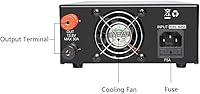
  • Internal Fuse: A 5A internal fuse provides an additional layer of overcurrent protection on the primary input side.
  • Cooling Method: An internal fan provides active air cooling to manage heat generated during sustained operation.
  • Dimensions: The chassis measures 6.1 x 2.7 x 8.1 inches, excluding any external projections such as terminals or knobs.
  • Weight: The unit weighs approximately 3.3 lb, making it light enough to move easily between workbench locations.
  • Connector Type: Output uses an ATX-style connector configuration with a single output connection point.
  • Voltage Adjustment: A front-panel dial allows manual voltage adjustment; turning clockwise increases output and counter-clockwise decreases it.
  • Brand and Model: Manufactured by VMUKSAN under the model designation DWC30WIN, first listed for sale in January 2022.

Related Reviews
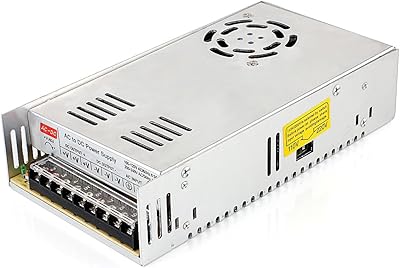
SUPERNIGHT 12V 30A 360W Switching Power Supply
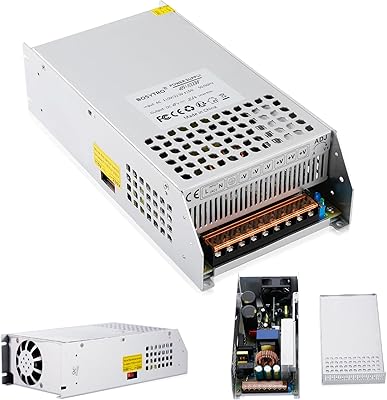
74%
83%
Voltage Stability
71%
Build Quality
76%
Thermal Management
62%
Noise Level
81%
Protection Circuits
More
BOSYTRO 48V 1000W Switching Power Supply
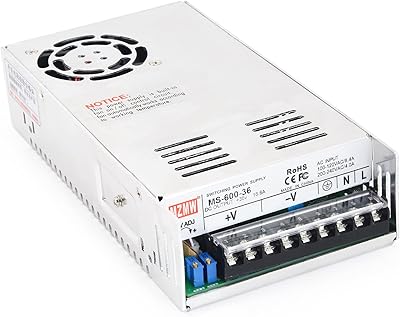
74%
74%
Output Voltage Stability
78%
Build Quality
76%
Thermal Management
83%
Ease of Installation
47%
Documentation & Setup Guidance
More
CNCTOPBAOS 600W 36V DC Switching Power Supply
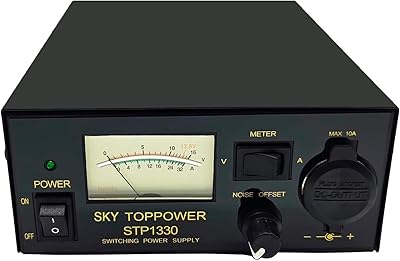
84%
95%
Power Output & Stability
88%
Ease of Use
90%
Cooling Performance
84%
Build Quality & Durability
87%
Size & Compact Design
More
SKY TOPPOWER STP1330 Ham Radio Power Supply
82%
91%
Voltage Regulation Stability
88%
Noise & RFI Performance
74%
Continuous Current Headroom
89%
Fan Noise & Thermal Management
78%
Build Quality & Chassis
More
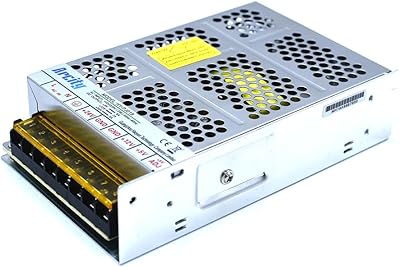
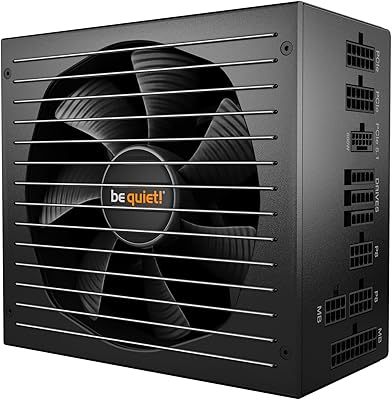
Arcity 1201 Multi-Voltage Switching Power Supply
76%
88%
Output Voltage Stability
84%
Output Noise & Ripple
71%
Build Quality
86%
Value for Money
74%
Ease of Installation
More
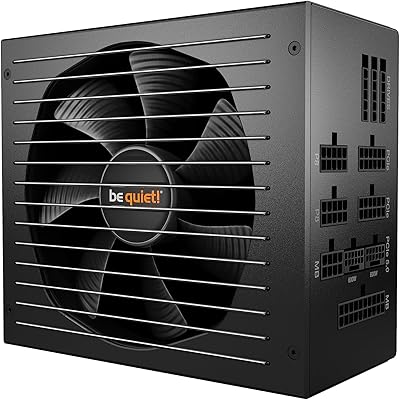
be quiet! Straight Power 12 1000W PSU
84%
91%
Acoustic Performance
89%
Build Quality
68%
Cable Quality
93%
Connector Compatibility
71%
Value for Money
More
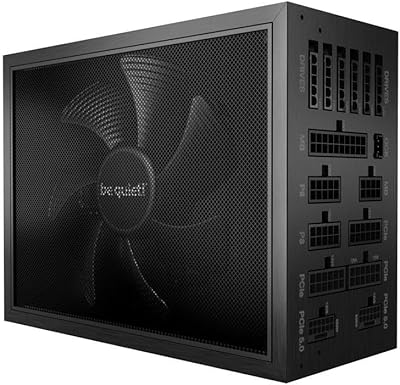
be quiet! Straight Power 12 1500W PSU
86%
96%
Noise Level
93%
Efficiency & Heat Management
91%
Power Stability & Transient Response
88%
Cable Quality & Modularity
94%
PCIe 5.0 & Modern GPU Compatibility
More
be quiet! Dark Power Pro 13 PSU
84%
96%
Voltage Stability & Regulation
93%
Noise Level
94%
Efficiency (80 Plus Titanium)
91%
PCIe 5.0 & 12VHPWR Compatibility
83%
Rail Configuration Flexibility
More
be quiet! Pure Power 13 750W PSU
86%
93%
Noise Level
88%
Build Quality
86%
Value for Money
74%
Wattage & Power Headroom
84%
Cable Quality & Modularity
More
be quiet! Pure Power 13M 850W PSU
85%
93%
Acoustic Performance
88%
Build Quality
91%
Voltage Stability
94%
Future Compatibility
79%
Value for Money
More

FAQ

For most mid-power HF transceivers drawing up to 20A on continuous transmit, the DWC30WIN should handle the load without trouble. If your radio can spike above that during transmit, you have the 30A peak headroom to cover brief bursts, but you should not plan on sustained operation above 20A.

Not completely. The internal cooling fan runs continuously and produces an audible hum that you will notice in a quiet room. It is manageable for most operators, but if you are building a low-noise receive setup, a fanless linear supply would suit you better.

Switching power supplies inherently generate more RFI than linear designs, and this one is no exception. For general SSB, FM, and digital modes it performs adequately, but if you are chasing weak signals on CW or running a very sensitive SDR setup, the added noise floor may become noticeable. A quality linear supply remains the preferred choice for serious weak-signal work.

The center position of the adjustment dial is calibrated to deliver 13.8V, so in most cases you just leave it there. If you want to fine-tune, plug in your radio, watch the LCD, and turn the dial slowly until the reading matches your target voltage.

Plan around 20A for anything sustained. The 30A figure is a peak rating for short-duration spikes, not a number you should try to run at continuously. Pushing above 20A for extended periods risks tripping the current limiting protection or generating excess heat.

The unit ships with its standard output connector, but most radio operators will need to attach their own ring terminals or banana plugs to match their transceiver's power cable. Check your radio's manual for the recommended wire gauge before connecting.

Absolutely. The adjustable voltage range from 9.0 to 15.0 volts and the live current readout make this switching supply a practical tool for anyone testing 12V circuits or powering microcontroller projects. Just stay within the continuous current rating for your application.

Some users report that the terminals are a bit stiff, especially when trying to insert thicker wire. Using properly sized ring terminals rather than bare wire ends makes the connection process easier and more reliable.

Yes, proper grounding is important both for safety and to reduce electrical noise. The chassis is negatively grounded, and there is a dedicated grounding terminal on the unit. Connect it to your station ground bus using an appropriately rated wire before powering anything up.

A linear supply at this price tier will typically produce less RFI and run silently, but it will also weigh two to three times as much and take up more bench space. This ham radio power supply trades some noise performance for a smaller, lighter package, which is a fair trade for operators who are not doing weak-signal work or sensitive receive monitoring.